
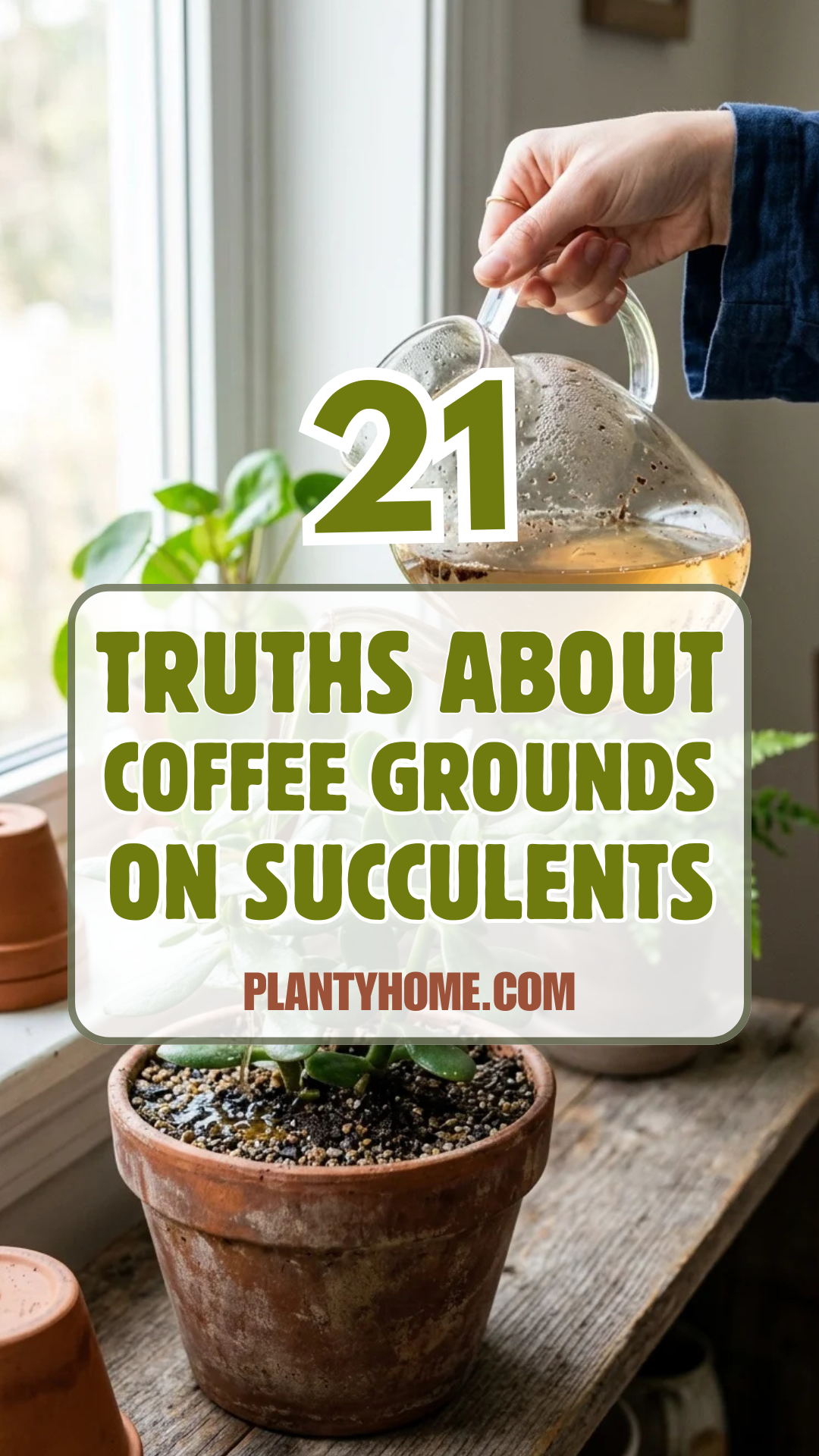
Succulent enthusiasts are always looking for the “secret sauce” to make their desert plants thrive. Among the most debated DIY gardening hacks is the use of coffee grounds. While some swear by the dark, aromatic remnants of their morning brew, others warn of certain doom for your fleshy-leaved friends. To clear the air, we’ve compiled the definitive list of truths regarding coffee grounds and succulents.
1. Nitrogen
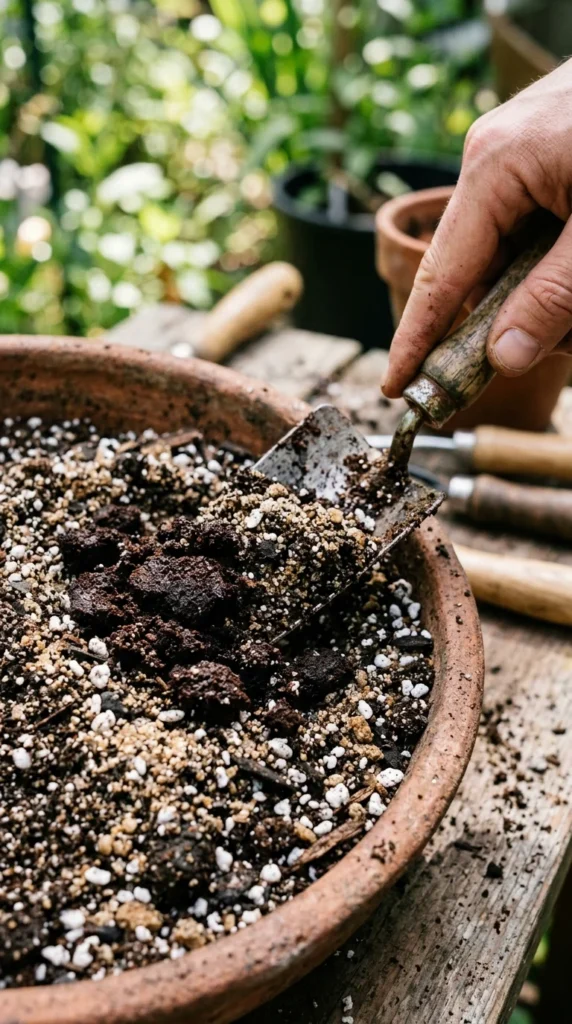
The most significant benefit of coffee grounds is their high nitrogen content. Nitrogen is a primary macronutrient responsible for lush, green growth and strong stem development. Succulents, while slow-growing, still require nitrogen to maintain their structural integrity and vibrant colors. However, because succulents are adapted to nutrient-poor soils, the concentrated nitrogen in coffee grounds must be handled with care to avoid “burning” the plant’s delicate root system.
2. Acidity
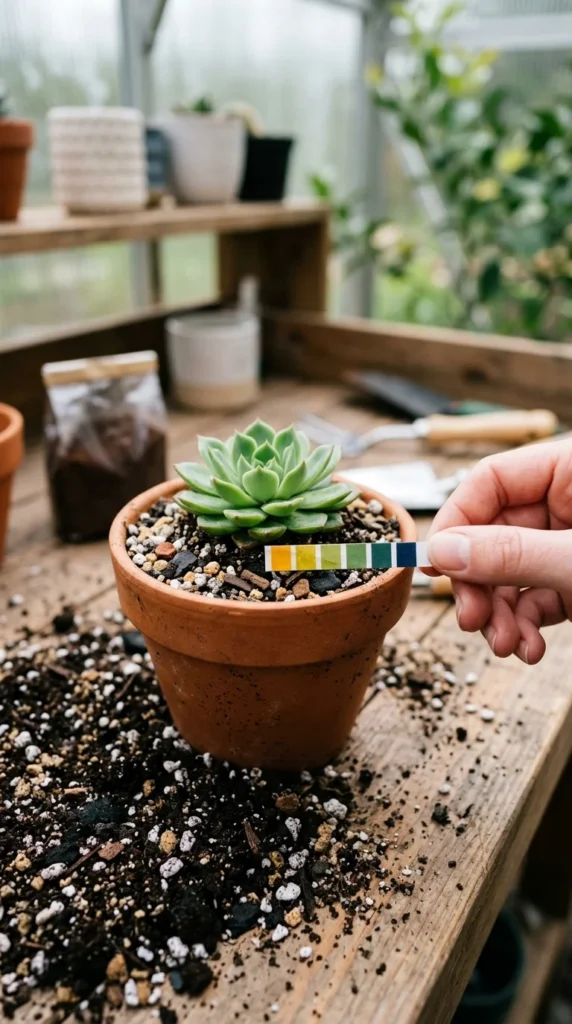
Fresh coffee grounds are naturally acidic, which can be a double-edged sword. Most succulents prefer a slightly acidic to neutral soil pH (around 6.0 to 7.0). Used coffee grounds are significantly less acidic than fresh ones because the acid is water-soluble and ends up in your cup. However, if you use them excessively, they can still lower the soil pH beyond the comfort zone of certain species, potentially locking out other essential nutrients like magnesium or calcium.
3. Drainage
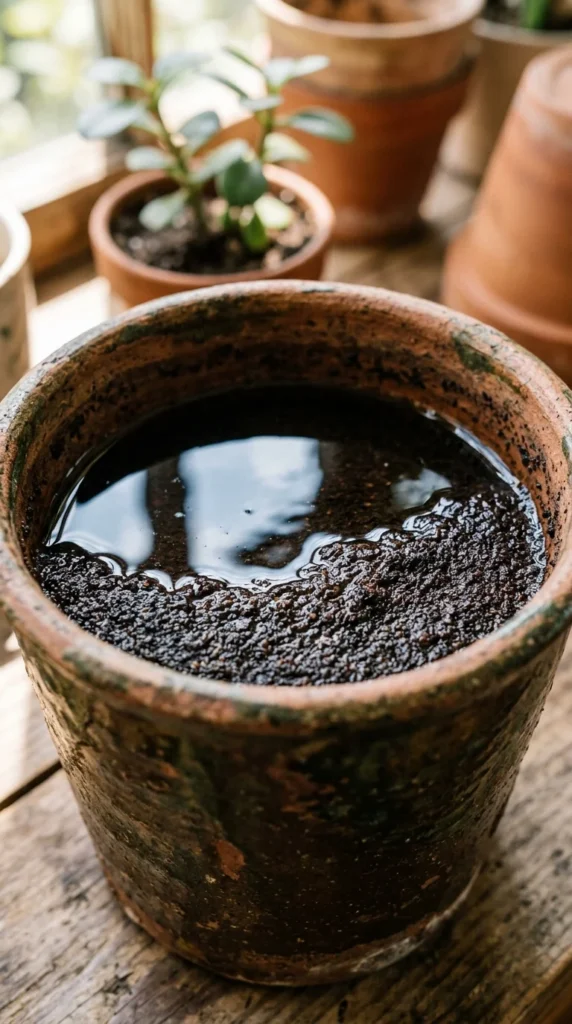
Succulents require “gritty” soil that allows water to pass through rapidly. One of the biggest risks of using coffee grounds is their fine texture. When grounds are applied in a thick layer or mixed heavily into the soil, they can compact and create a dense barrier. This barrier traps moisture and prevents air from reaching the roots—a recipe for disaster in the succulent world where “wet feet” lead to rapid decline.
4. Mold
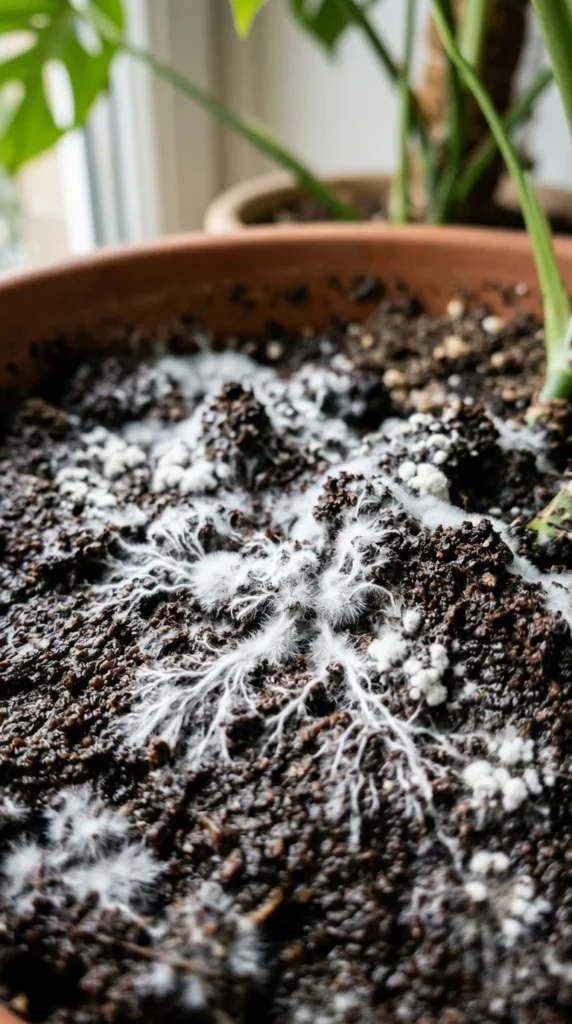
Coffee grounds are organic matter, and organic matter decomposes. In the humid environment of a freshly watered pot, coffee grounds can quickly become a breeding ground for various molds and fungi. For indoor succulents, where air circulation is often limited, a layer of coffee grounds can turn into a fuzzy green or white mess within days. This mold isn’t just unsightly; it can compete with the plant for resources and attract unwanted guests.
5. Pests
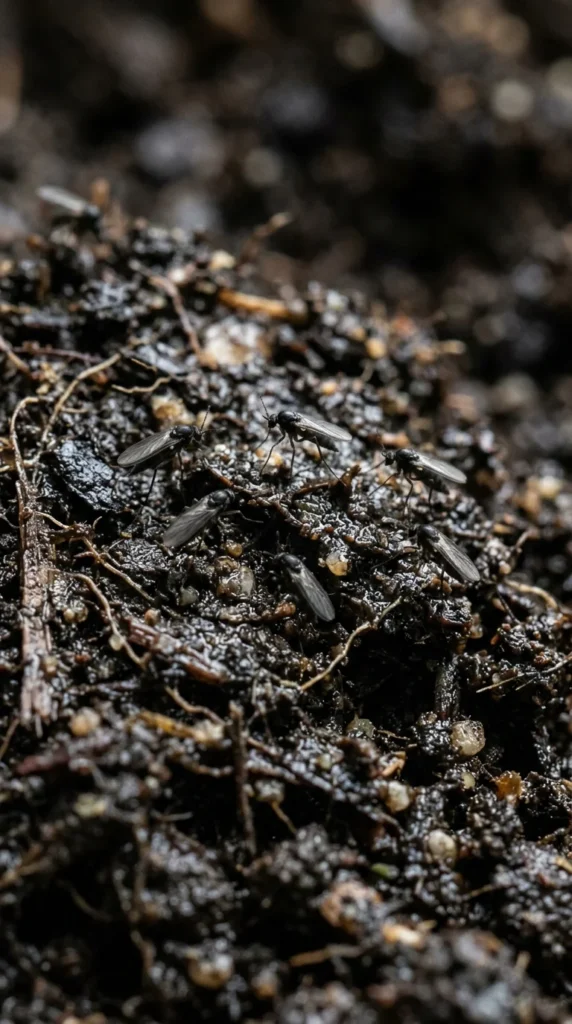
While some gardeners claim coffee grounds repel pests, the reality is often the opposite for indoor succulents. Damp, decomposing coffee grounds are highly attractive to fungus gnats. These tiny black flies lay their eggs in organic material, and their larvae can nibble on the fine root hairs of your succulents. If you aren’t careful, your attempts at fertilization could result in a full-blown pest infestation.
6. Composting
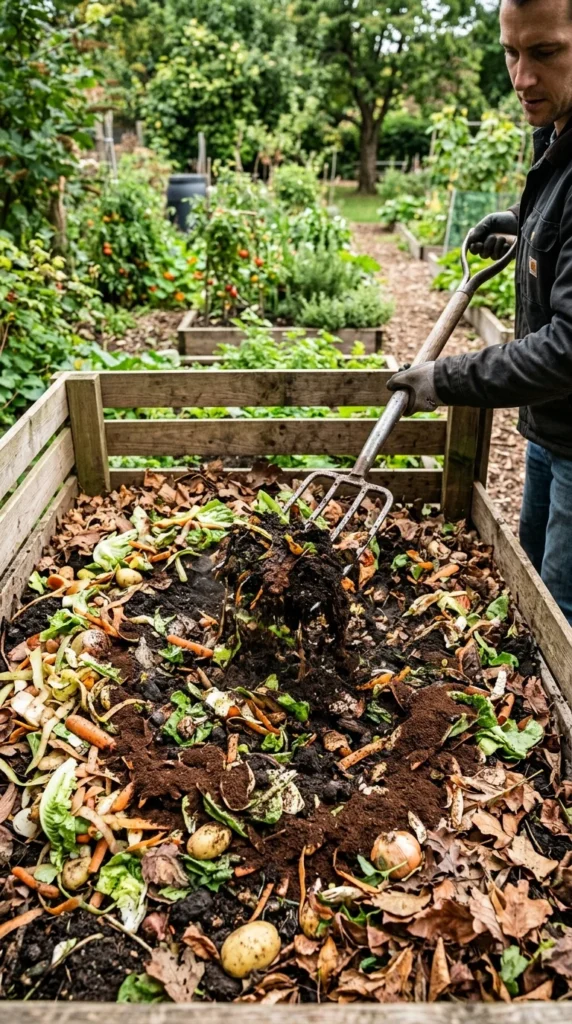
The “truth” about coffee grounds is that they are best used as a compost ingredient rather than a direct fertilizer. By composting the grounds first, you allow microorganisms to break down the complex compounds and neutralize the acidity. This creates a balanced, nutrient-rich humus that can be safely mixed into succulent soil in small quantities without the risks of compaction or mold.
7. Caffeine
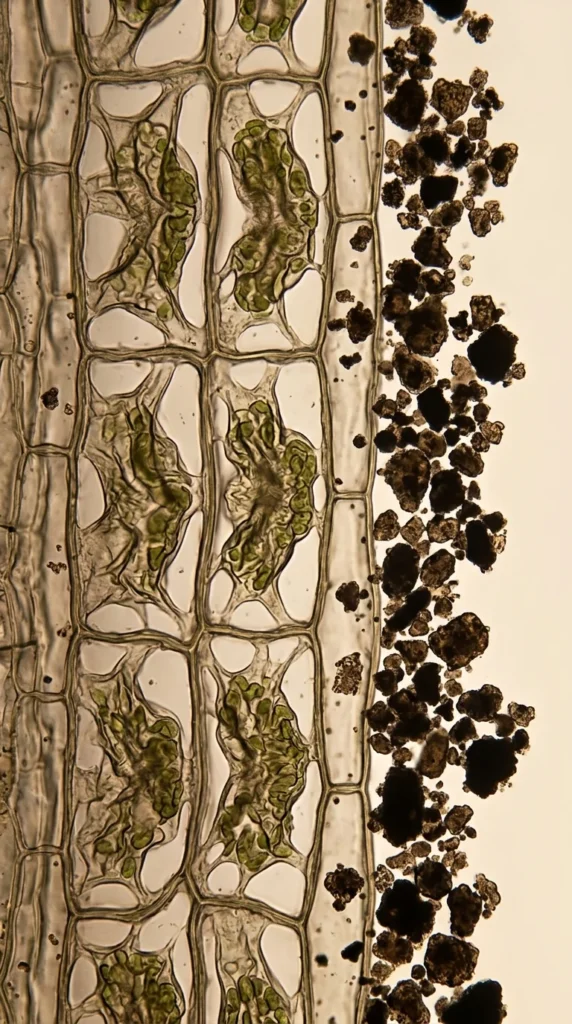
Caffeine is a natural defense mechanism produced by coffee plants to kill or inhibit competing vegetation. While much of the caffeine is removed during the brewing process, residual amounts remain in the grounds. Some succulents are particularly sensitive to caffeine, which can stunt their growth or inhibit seed germination. Using grounds sparingly ensures that caffeine levels don’t reach a toxic threshold for your plants.
8. Mulching
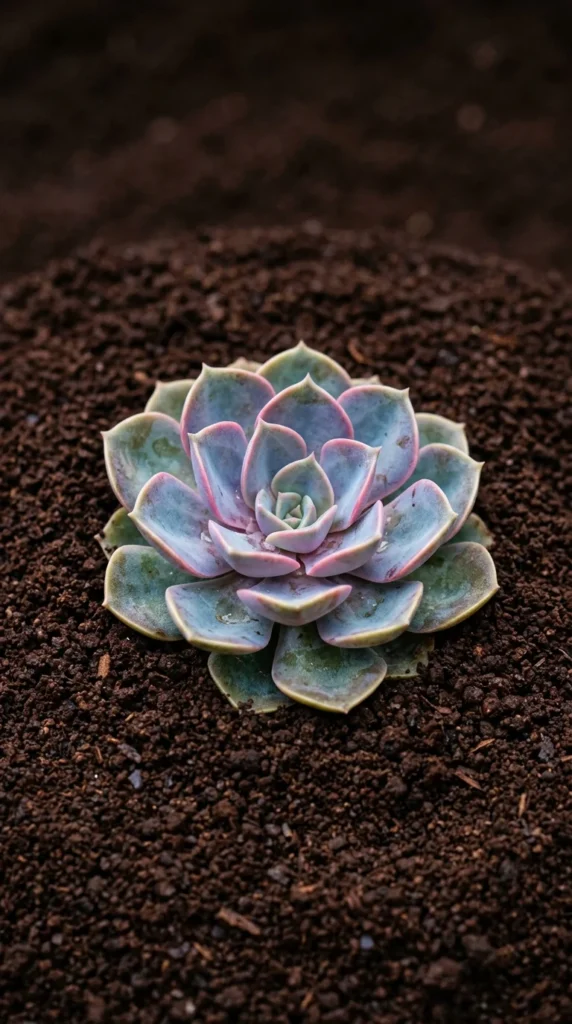
Using coffee grounds as a mulch—spreading a thick layer on top of the soil—is generally a bad idea for succulents. Coffee grounds have a very fine particle size and tend to stick together. When they dry out, they can form a water-resistant crust that prevents hydration from reaching the roots. Conversely, when they stay wet, they keep the “neck” of the succulent too moist, which can lead to stem rot.
9. Aeration
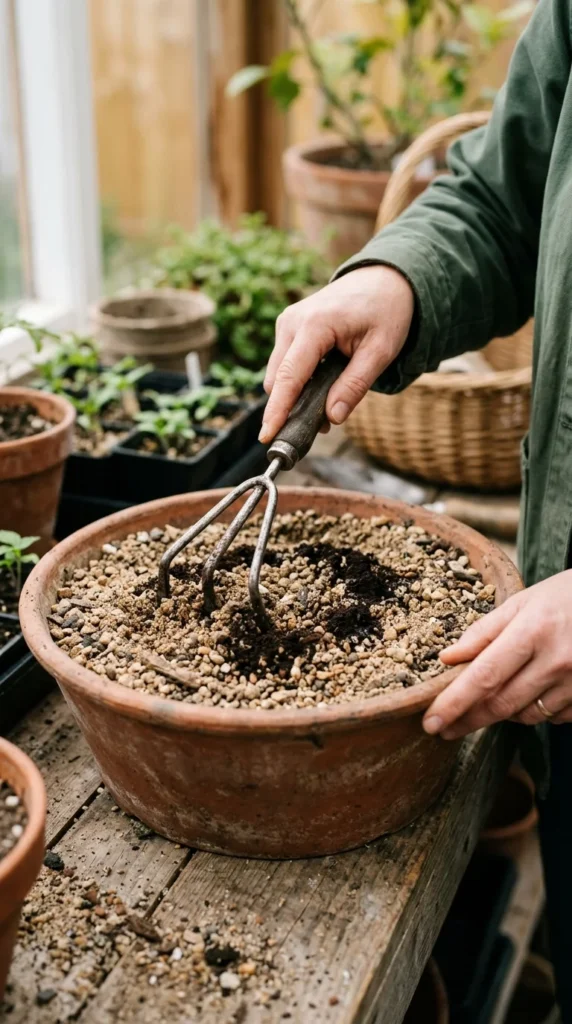
If used in very small amounts and mixed thoroughly with large-particle substrates like pumice or coarse sand, coffee grounds can actually help hold just a tiny bit of extra moisture in overly sandy soils. The key is the ratio. In a succulent mix, coffee grounds should never exceed 5% of the total volume. This ensures they provide nutrients without compromising the structural aeration of the soil.
10. Microbes
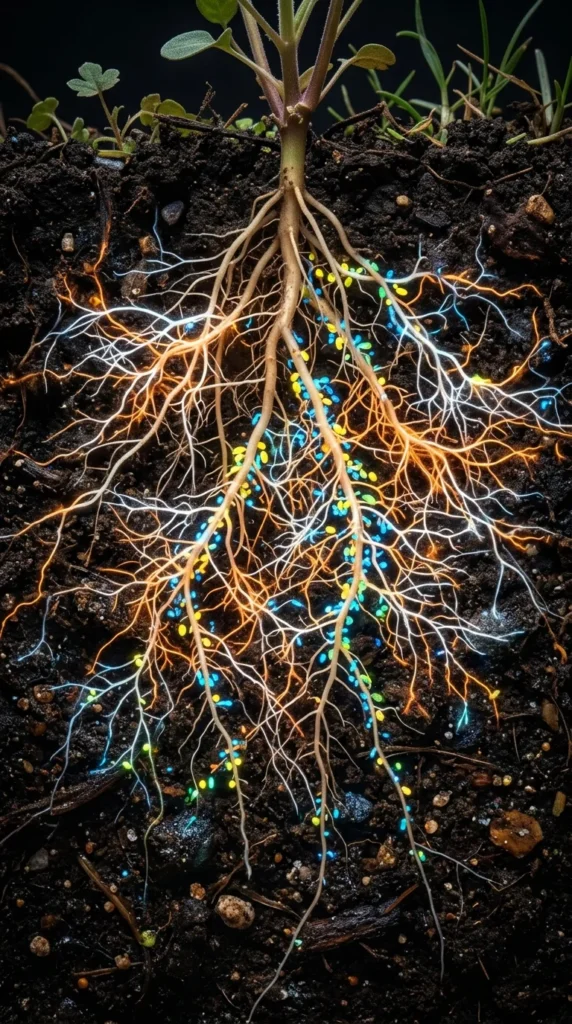
Coffee grounds are a fantastic food source for beneficial soil bacteria. These microbes break down the nitrogen in the grounds and turn it into a form that plants can actually absorb. By introducing a small amount of grounds, you are essentially feeding the “living” part of your soil, which in turn helps your succulents grow stronger over the long term.
11. Appearance
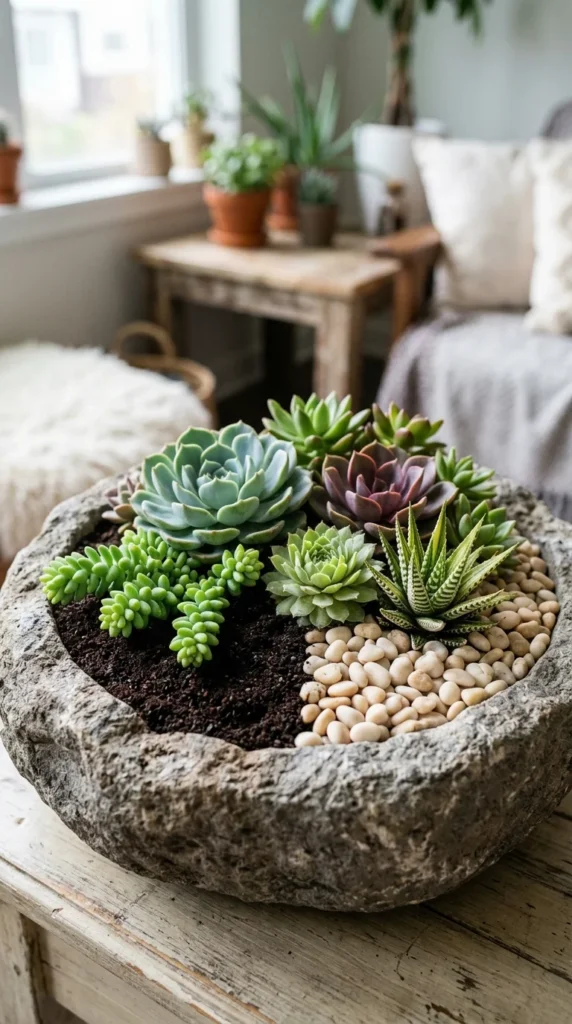
From an aesthetic standpoint, the dark color of coffee grounds can provide a beautiful contrast to the pale greens, pinks, and blues of many succulent varieties. If you want that dark-soil look without the risks, you can mix a tiny amount of dry grounds into your top-dressing gravel. This gives a rich, earthy appearance while maintaining the drainage properties of the stones.
12. Freshness
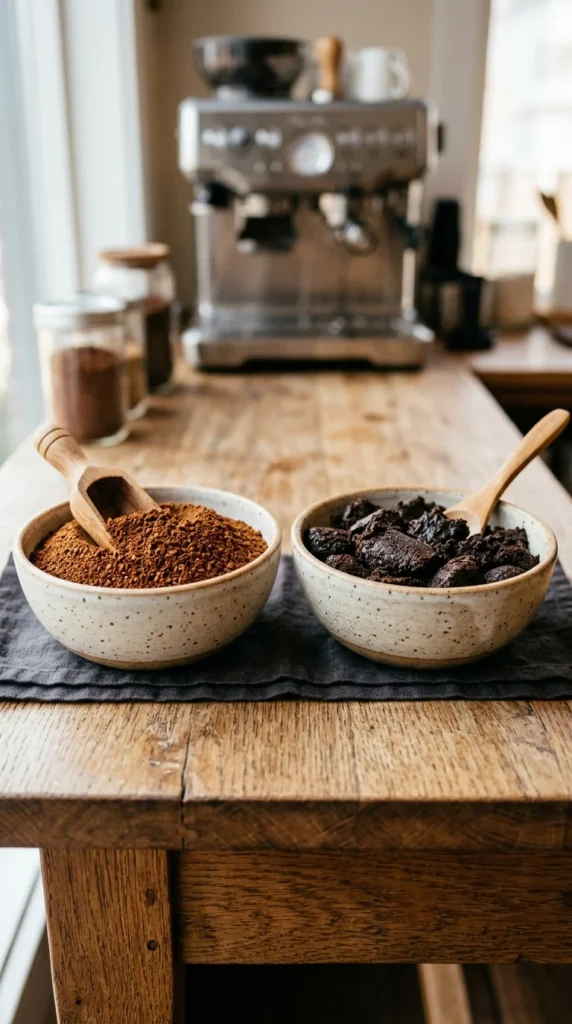
Never use fresh, unbrewed coffee grounds directly on succulents. Fresh grounds are highly acidic and contain the full concentration of caffeine and oils. They are much more likely to harm your plants than provide any benefit. Always use “spent” grounds that have been thoroughly washed during the brewing process.
13. Worms
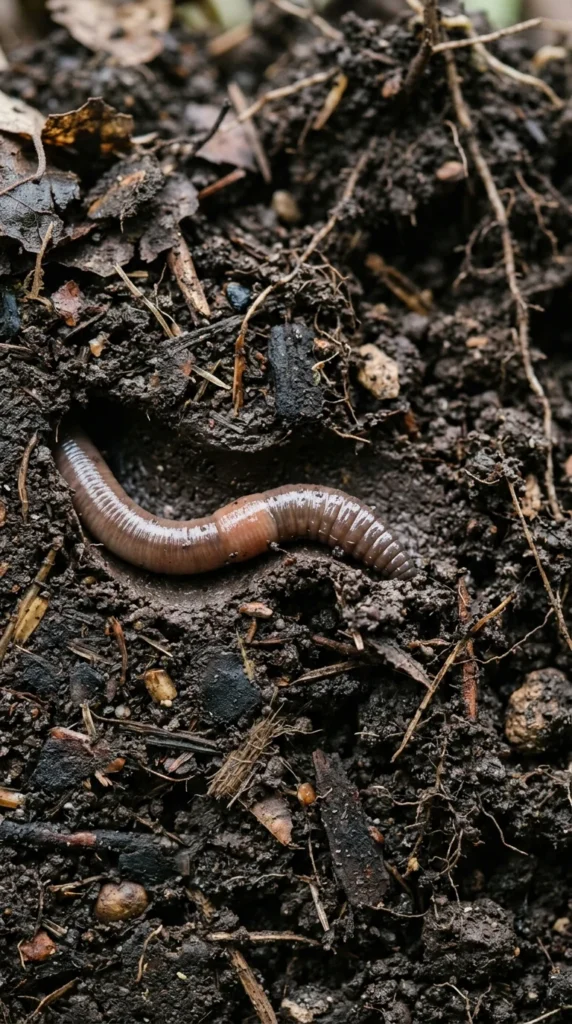
If you grow your succulents outdoors in large containers or garden beds, coffee grounds can be a magnet for earthworms. Earthworms love coffee grounds and will migrate to areas where they are present. As the worms eat the grounds and move through the soil, they provide natural aeration and leave behind worm castings, which are perhaps the best natural fertilizer for any plant.
14. Phosphorus
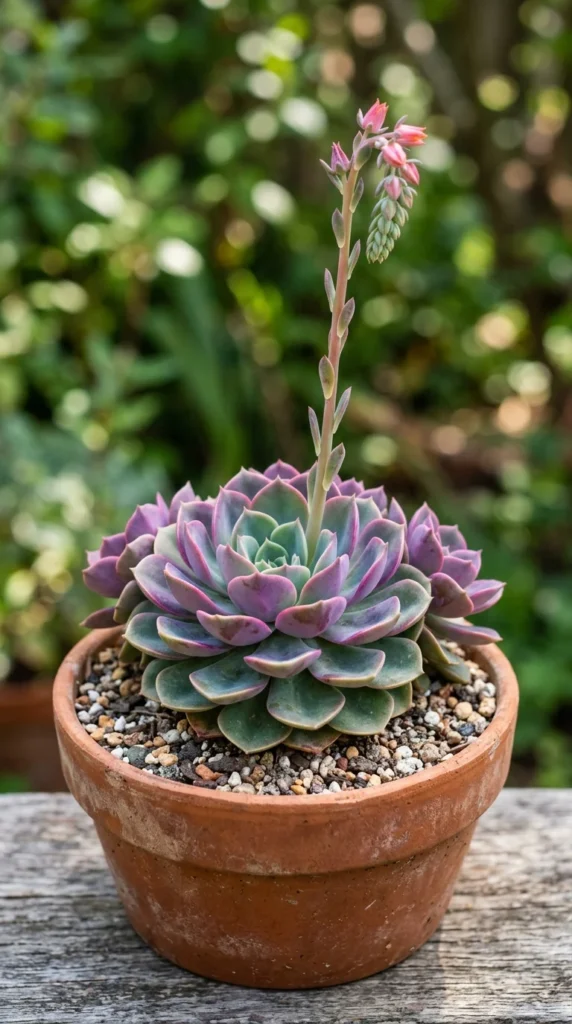
While nitrogen is the headliner, coffee grounds also contain trace amounts of phosphorus and potassium. Phosphorus is essential for root development and flowering. If you want your succulents to produce those stunning, tall flower stalks in the spring, the tiny boost of phosphorus from decomposed coffee grounds can provide the necessary energy.
15. Preparation
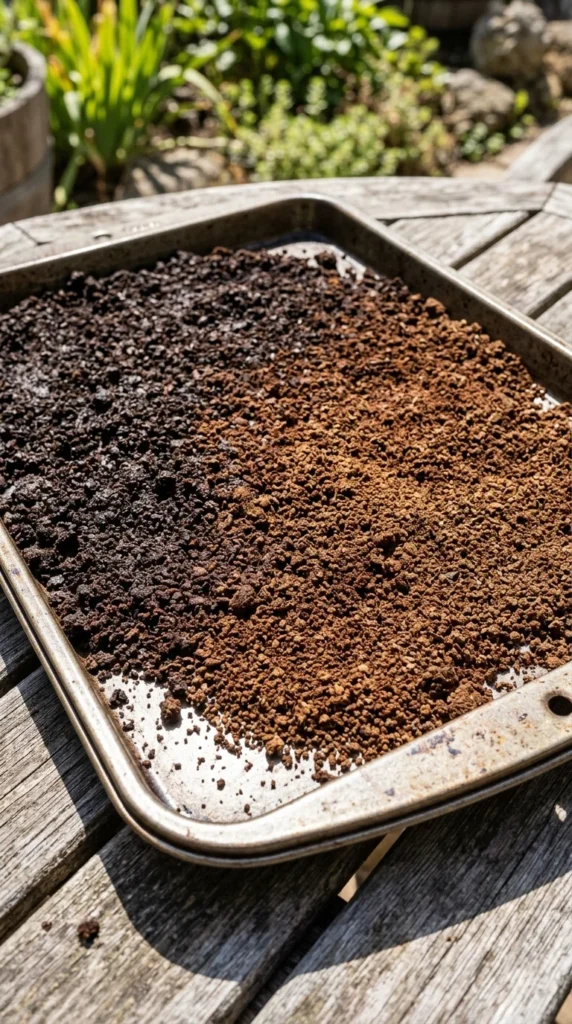
If you choose to use coffee grounds directly, they must be bone-dry. Adding wet grounds to succulent soil introduces immediate moisture that stays trapped for too long. Spread your used grounds on a tray and let them dry completely in the sun until they are crumbly and light before mixing them into your potting medium.
16. Liquid Tea
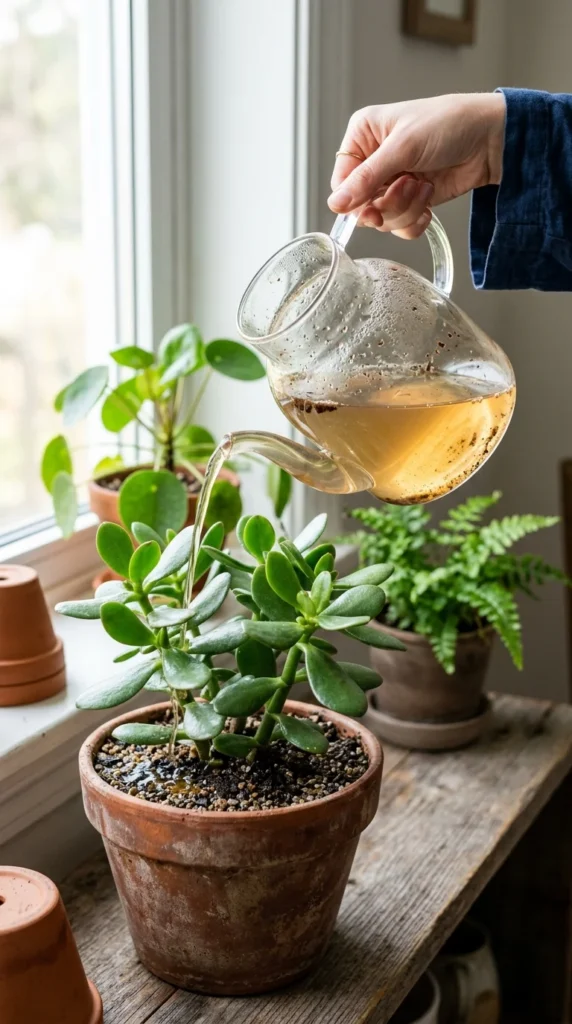
A safer way to use coffee grounds is by making a “coffee ground tea.” Soak used grounds in water for 24-48 hours, strain the liquid, and dilute it until it looks like weak tea. Using this to water your succulents once every few months provides a gentle nutrient boost without the risk of soil compaction or mold growth associated with solid grounds.
17. Indoor Risks
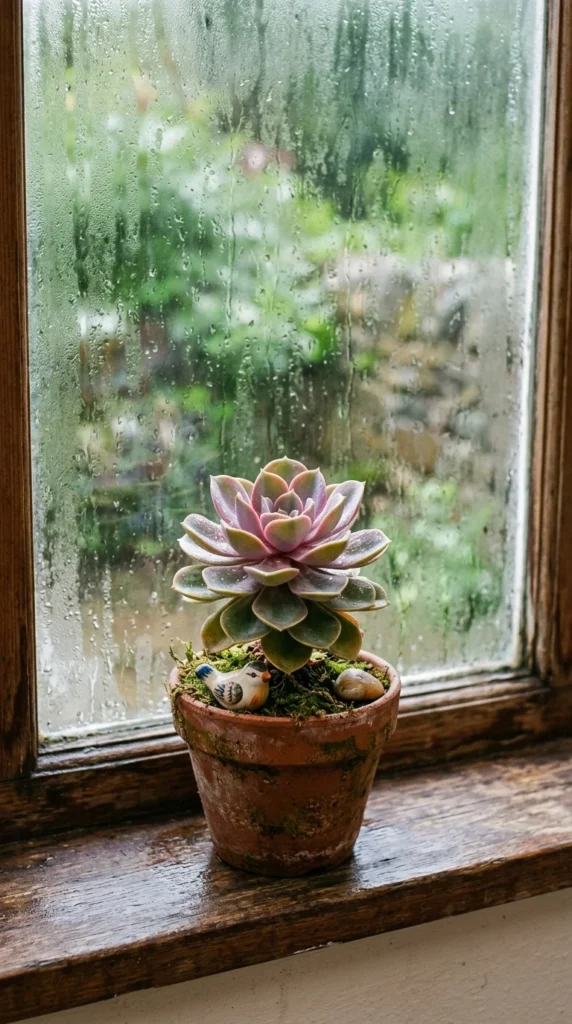
Indoor succulents are much more susceptible to the downsides of coffee grounds than outdoor ones. Without the wind to dry the soil and the sun to break down organic matter, coffee grounds indoors stay wet too long. If you are a beginner with indoor succulents, it is generally recommended to avoid using coffee grounds entirely until you have mastered the watering balance.
18. Odor
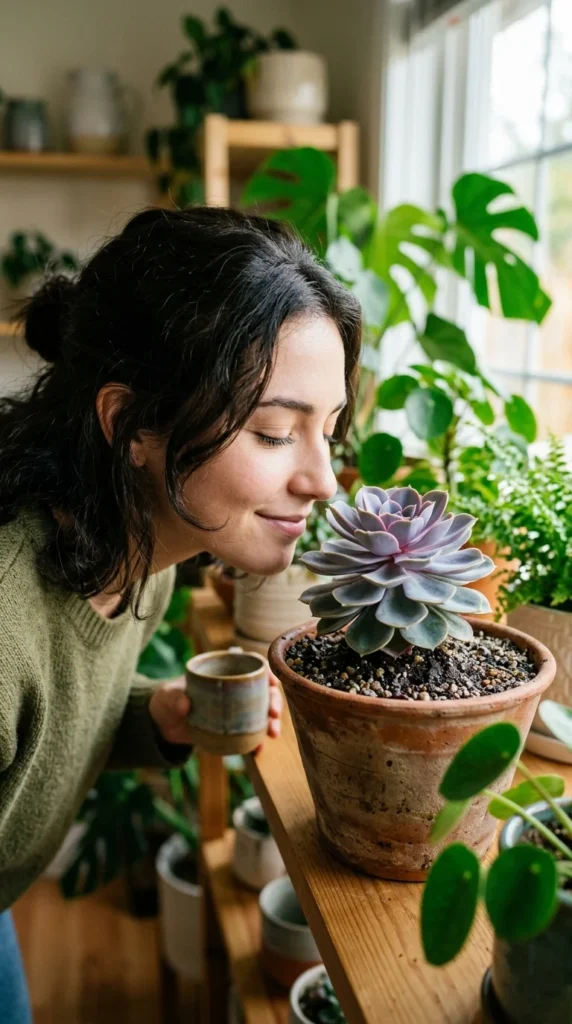
When used correctly and in moderation, coffee grounds can help neutralize odors in the soil. However, if they begin to rot or mold due to overwatering, they can produce a sour, unpleasant smell. The scent of your soil is often a great indicator of its health—if the coffee grounds start smelling like anything other than earth, it’s time to repot.
19. Frequency
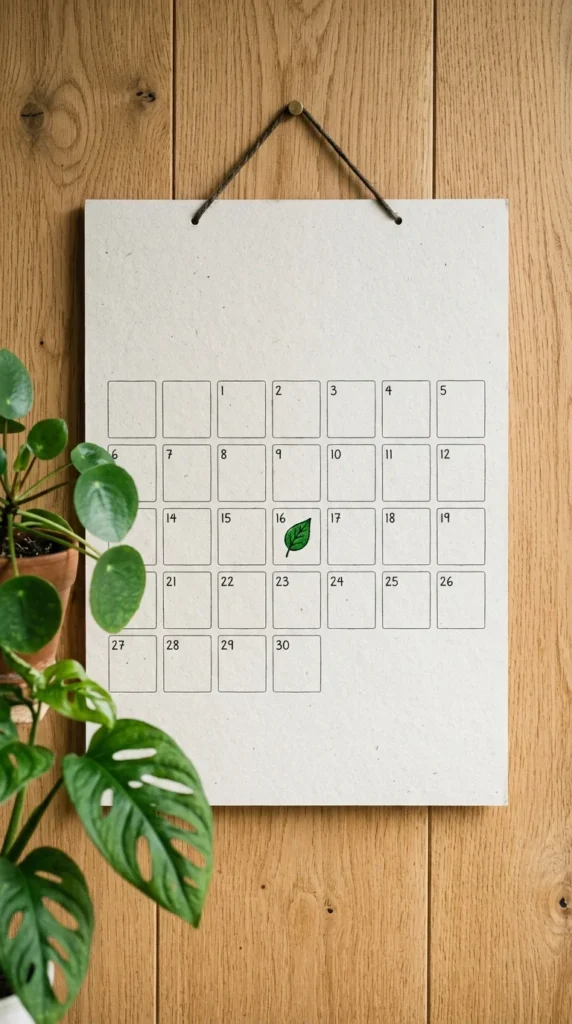
Succulents are not “heavy feeders.” They don’t need a constant supply of nutrients. If you use coffee grounds, it should be a rare treat, not a weekly routine. Applying grounds or coffee tea once at the beginning of the growing season (spring) is usually more than enough to sustain the plant for the entire year.
20. Species Sensitivity
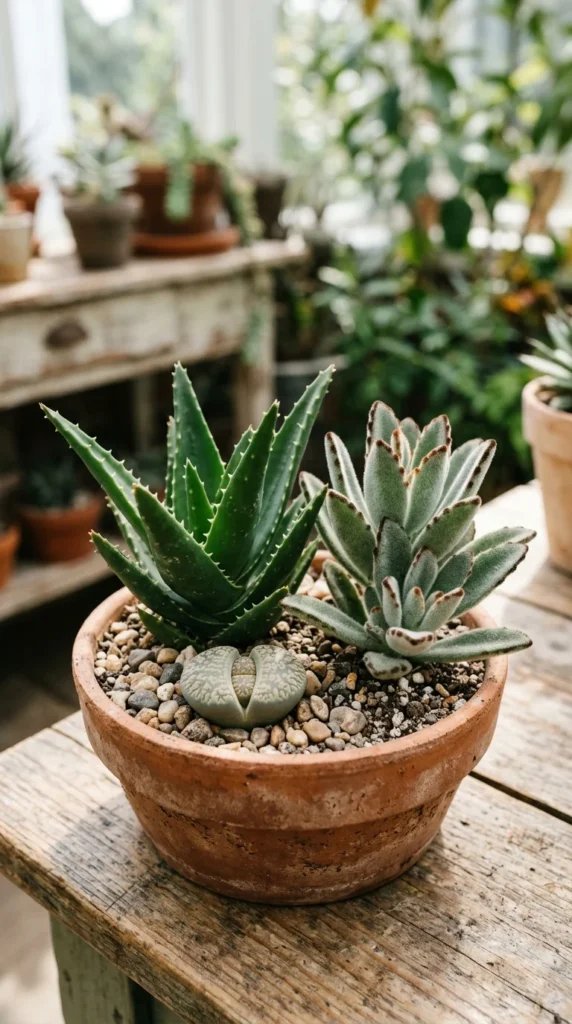
Not all succulents react the same way. Hardier species like Aloe Vera or Jade plants may handle coffee grounds well, while more sensitive “living stones” (Lithops) or high-altitude Cacti might react poorly to the sudden change in soil chemistry. Always test a small amount on one plant before treating your entire collection.
21. Balance
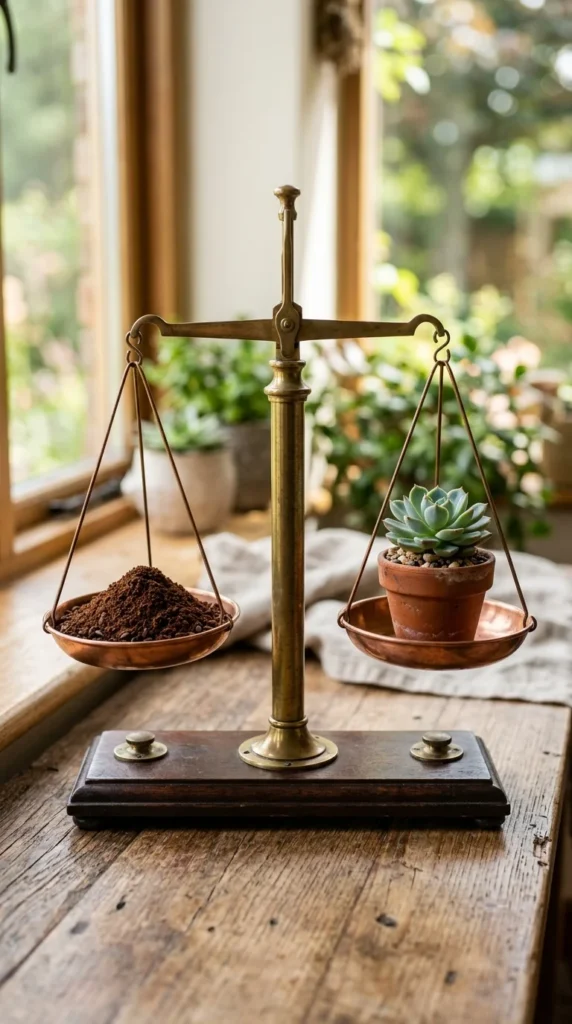
The ultimate truth is that coffee grounds are a supplement, not a solution. They cannot fix poor lighting, improper watering, or the wrong potting mix. Use them as a tiny part of a holistic care routine. When balanced with proper drainage, sufficient light, and patience, coffee grounds can be a useful tool in your succulent-growing toolkit.