
If you’ve noticed your once-green succulent starting to blush with shades of rose, coral, or deep magenta, your first instinct might be worry. Is it dying? Is it sick? In the world of succulents, a change in color—specifically turning pink—is often a sign of a “happy” kind of stress. This phenomenon is highly coveted by collectors and is the secret behind those breathtaking “Pinterest-perfect” gardens.
When succulents change color, they are reacting to their environment. This process is driven by pigments called anthocyanins, which act like a botanical sunscreen. Understanding why your plant is changing color is key to keeping it healthy while achieving that vibrant aesthetic. Here is everything you need to know about why your succulents are turning pink and how to manage it.
1. Stress
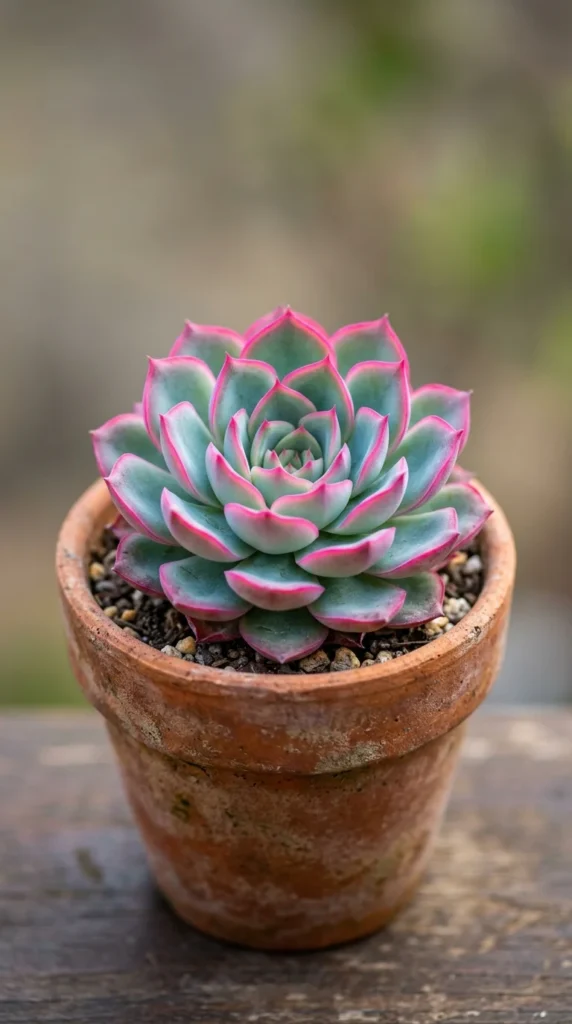
The word “stress” sounds negative, but for succulents, it is often a desirable state. When a succulent is exposed to environmental changes, it produces protective pigments. This “stressing” process doesn’t mean the plant is suffering; rather, it is adapting. Just as humans tan in the sun, succulents blush. Controlled stress is the primary reason succulents transition from dull greens to brilliant pinks and purples.
2. Sunlight
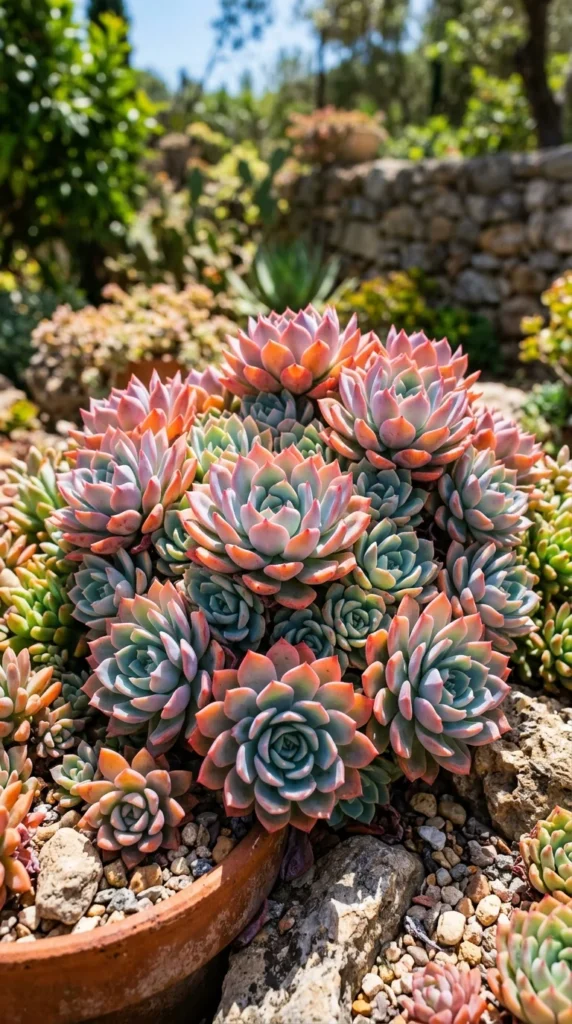
Light is the most significant factor in succulent coloration. To maintain or induce a pink hue, most succulents require several hours of bright, direct sunlight daily. The UV rays trigger the production of anthocyanins to protect the plant’s delicate tissues from sun damage. Without enough light, even the naturally pinkest species will eventually revert to a “stretched” green state known as etiolation.
3. Anthocyanins
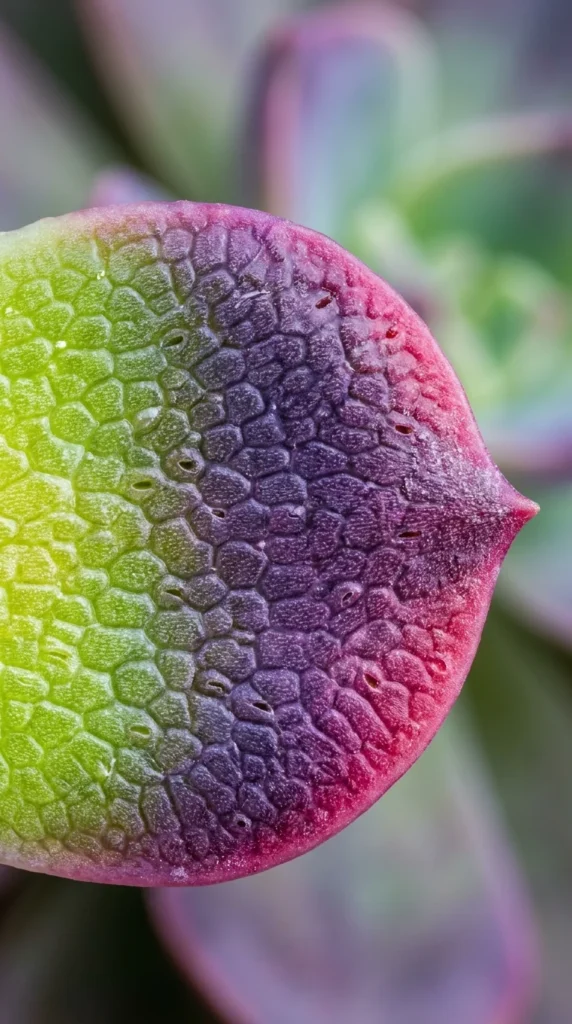
Anthocyanins are the pigments responsible for the red, purple, and pink colors in plants. They are antioxidants that help the plant cope with high light intensity and temperature fluctuations. When conditions are stable and mild, chlorophyll (the green pigment) dominates. When the plant feels the “pressure” of its environment, it ramps up anthocyanin production, masking the green and revealing the pink.
4. Temperature
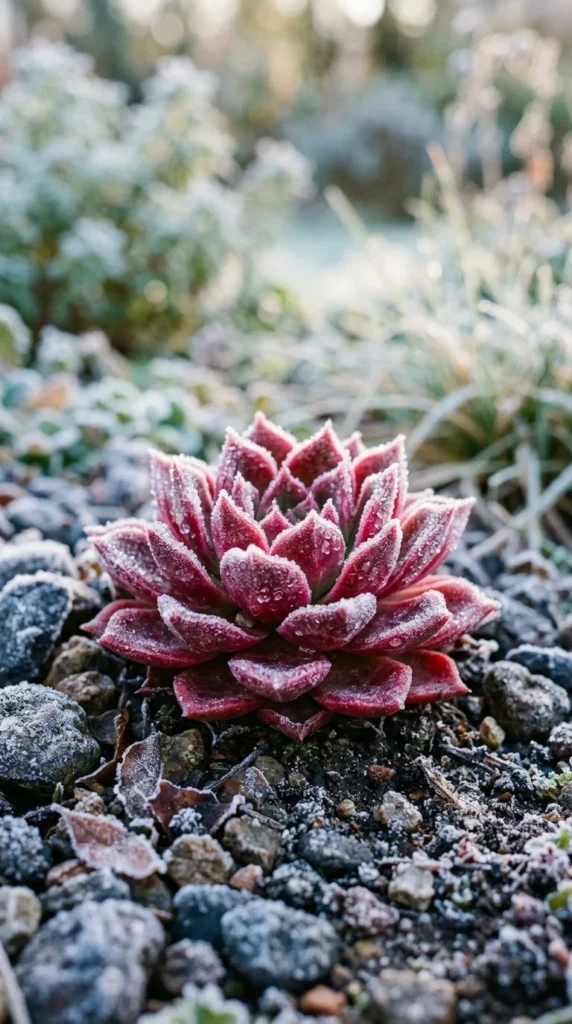
Succulents often turn pinker during the transitions between seasons, particularly in the fall and winter. Drastic temperature drops—while remaining above freezing—are a major trigger for color changes. The chill slows down the plant’s metabolic processes and encourages the breakdown of chlorophyll, allowing the underlying pink pigments to shine through more brilliantly.
5. Watering
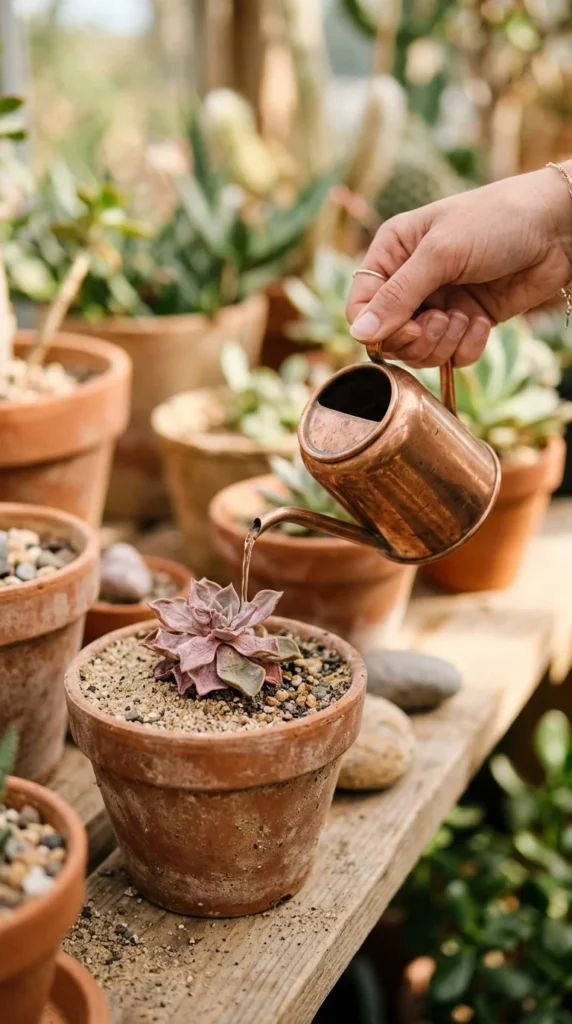
Watering habits play a huge role in coloration. “Hydric stress”—or keeping the plant slightly thirsty—encourages pink tones. When a succulent has an abundance of water, it focuses on growth and stays green. By allowing the soil to remain dry for a bit longer than usual, you signal the plant to go into “survival mode,” which often results in a beautiful pink blush.
6. Species
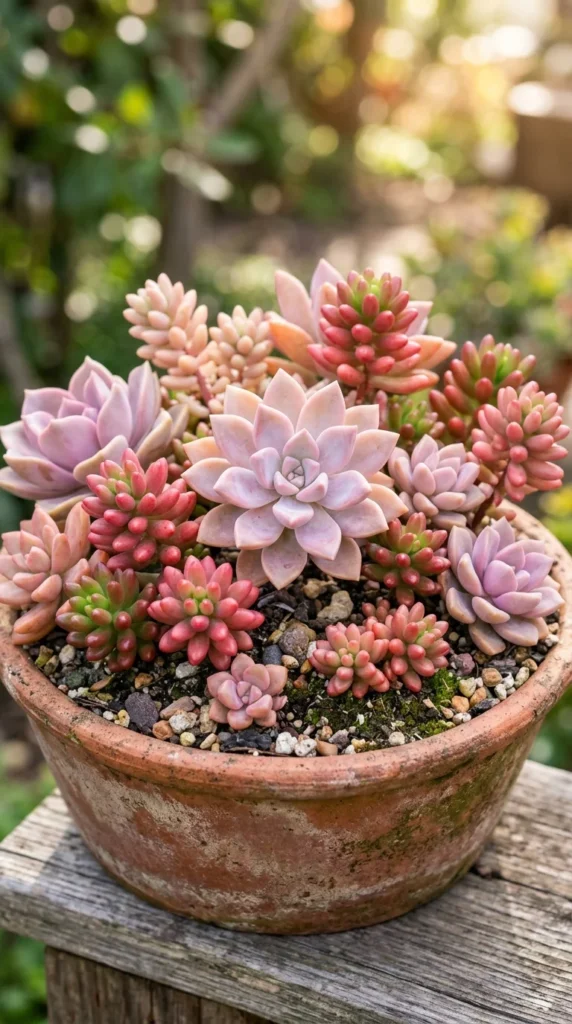
Not all succulents can turn pink. Genetics dictate the color potential of a plant. Species like Echeveria ‘Perle von Nurnberg’, Graptosedum ‘California Sunset’, and Sedum ‘Pork and Beans’ are genetically predisposed to turn pink or red under the right conditions. If you have a plant that is genetically dark green, no amount of sun will turn it pink; it will simply burn.
7. Dormancy
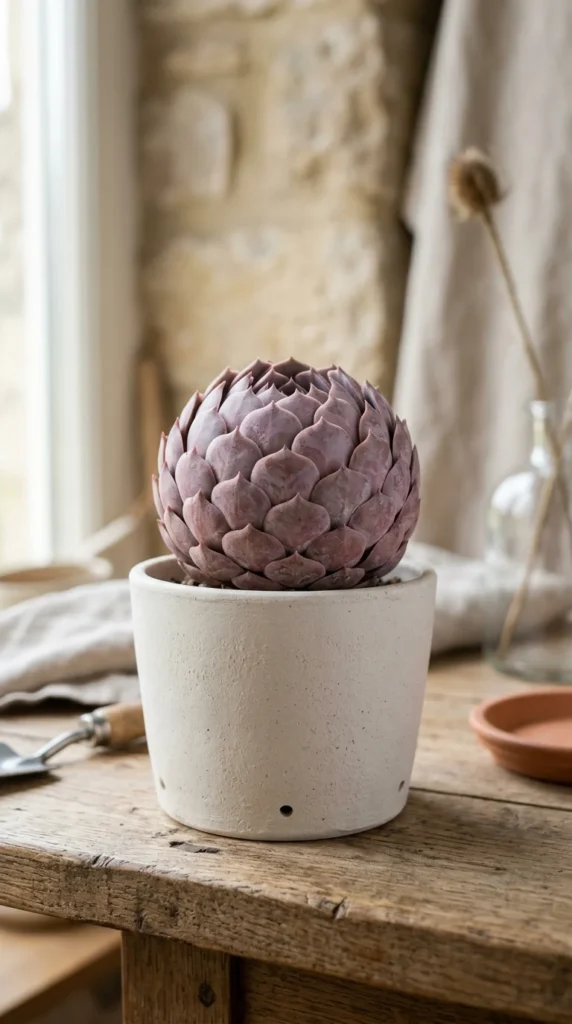
Succulents have periods of rest known as dormancy. Some go dormant in the heat of summer, while others rest in the winter. During these periods, growth slows significantly. Because the plant isn’t focused on producing new green cells, the existing leaves often deepen in color, taking on vibrant pink or reddish hues as a protective measure during their “sleep.”
8. Farina
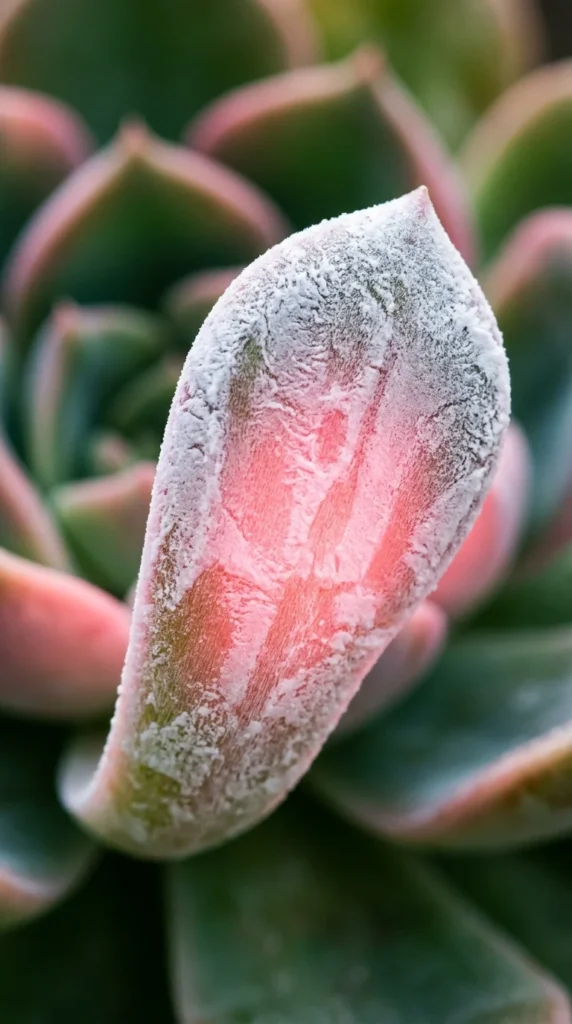
Farina is the epicuticular wax—a powdery white coating—found on many succulents. This “dust” acts as a natural sunscreen and water repellent. When a succulent with thick farina turns pink, the color often appears pastel or “frosted.” Never rub this powder off, as it protects the plant from the very UV rays it needs to stay pink.
9. Soil
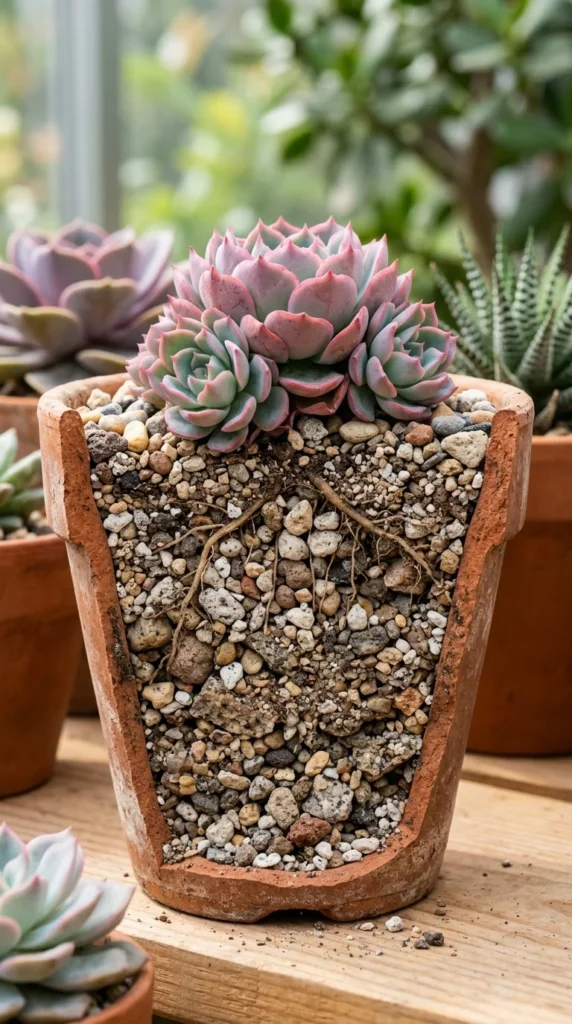
Nutrient-poor soil can actually help your succulents stay pink. High-nitrogen fertilizers encourage rapid, lush green growth. If you want to maintain those pink tones, use a gritty, well-draining soil mix with low organic matter. This limits the “fuel” for green growth and keeps the plant in a stressed, colorful state.
10. UV Rays
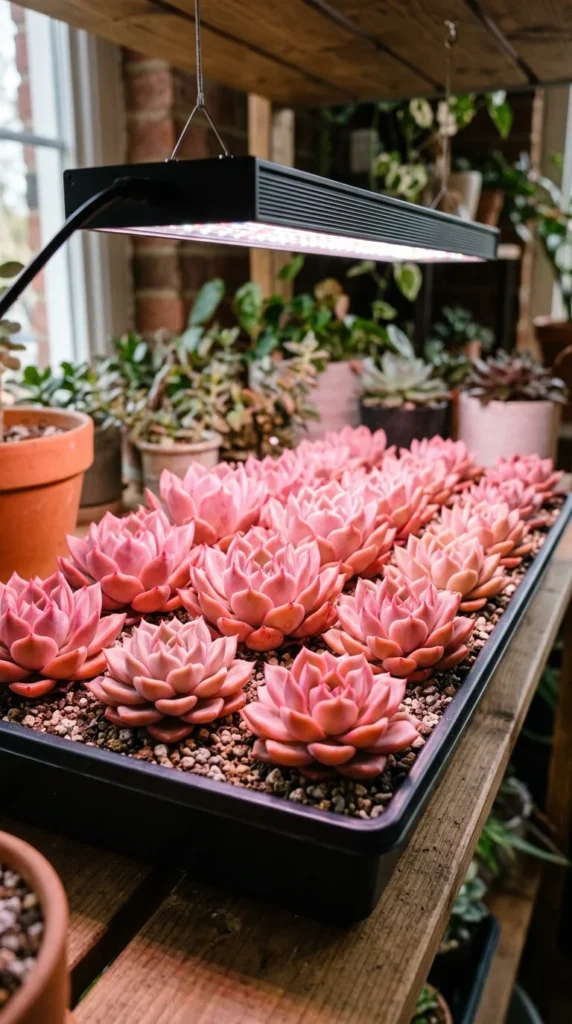
It isn’t just “brightness” that changes the color; it’s specifically the UV spectrum. This is why succulents kept behind double-paned windows often stay green even if the room feels bright—the glass filters out the UV rays. If you’re growing indoors, using a full-spectrum LED grow light with UV output is often necessary to achieve that pink glow.
11. Acclimation
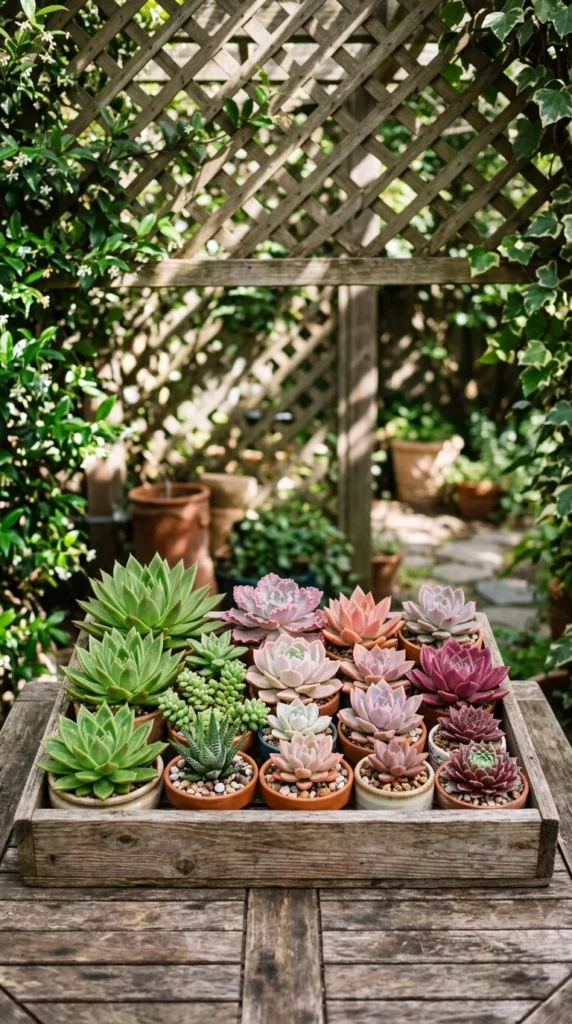
While you want to stress your plant for color, doing it too fast can be fatal. If you move a green succulent from a dark corner directly into 100-degree sun, it will scorch rather than blush. Acclimation involves gradually increasing the light intensity over two weeks, allowing the plant to build up its anthocyanin “tan” without getting burned.
12. Seasonality
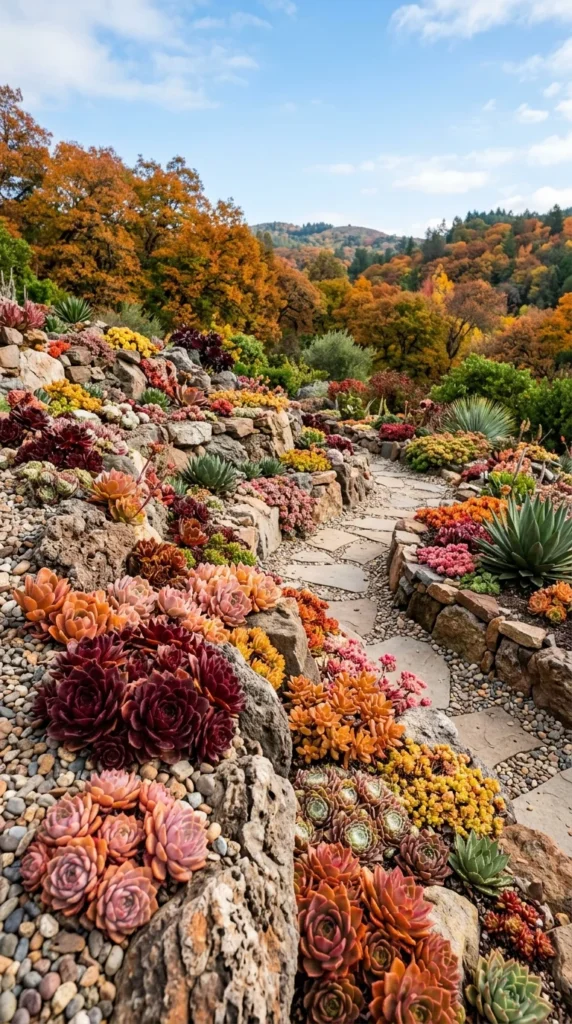
Succulent owners often notice their “summer succulents” and “winter succulents” look like completely different plants. The tilt of the earth and the duration of daylight significantly affect the intensity of the pink color. Many enthusiasts find that their plants are most colorful in the late autumn when the days are bright but the air is crisp.
13. Potting
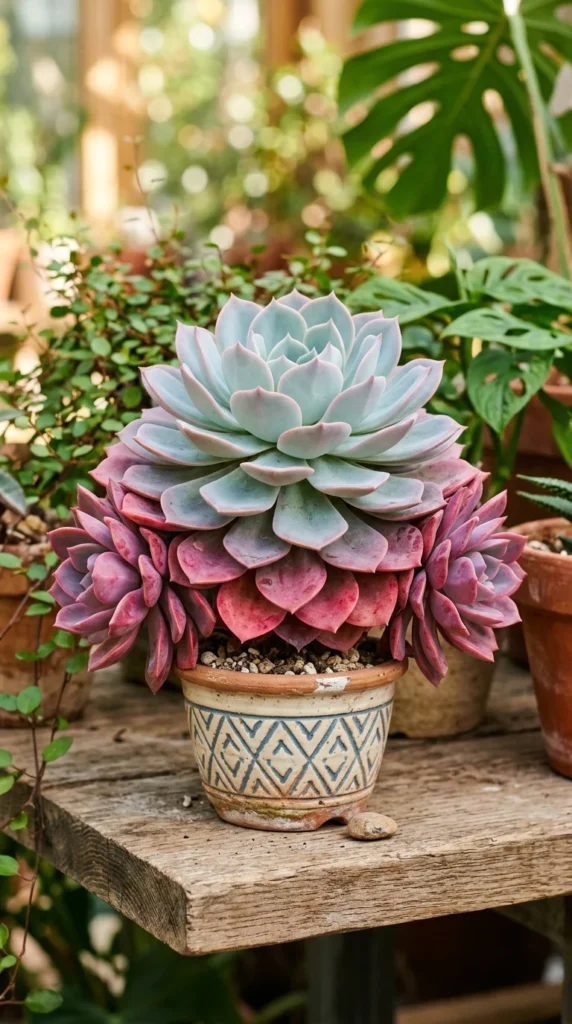
Being “root-bound” can trigger color changes. When a succulent fills its pot with roots, it has less access to nitrogen and experiences more frequent “thirsty” periods. This mild restriction acts as a consistent stressor, helping the plant maintain its pink coloration longer than if it were planted in a large, nutrient-rich garden bed.
14. Nutrition
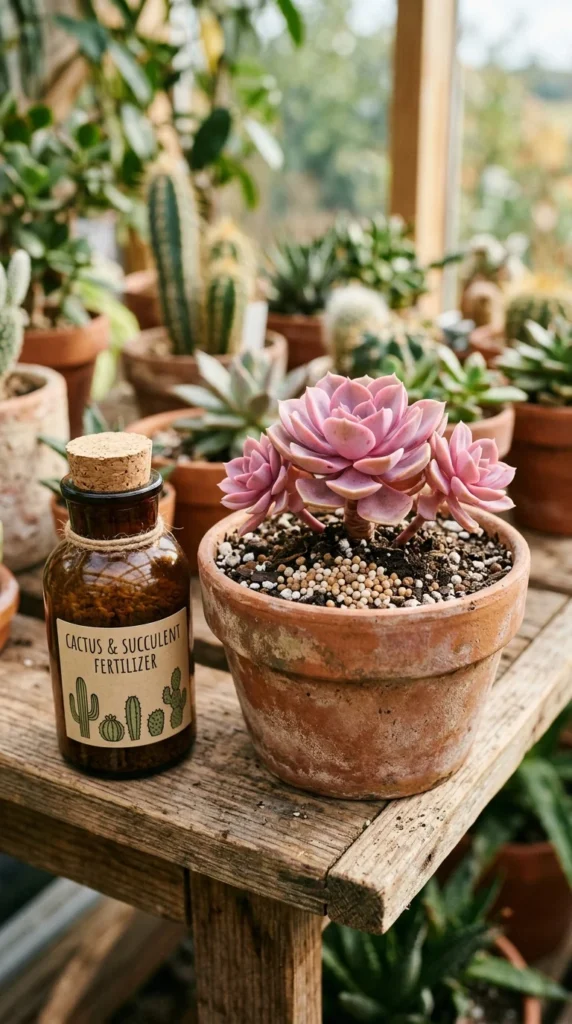
If you must fertilize, choose a formula low in nitrogen and higher in phosphorus and potassium. Nitrogen is the “green-up” chemical. By limiting nitrogen, you prevent the plant from producing an excess of chlorophyll, which would otherwise hide the beautiful pink anthocyanins you’ve worked so hard to cultivate.
15. Drainage
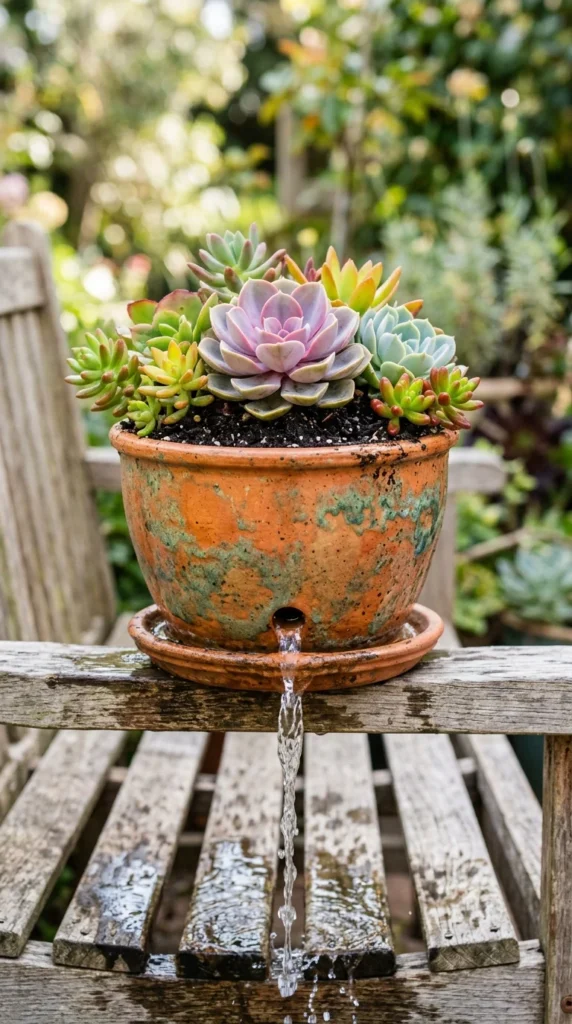
Proper drainage is essential for “safe” pinking. To stress a succulent via water deprivation, the soil must be able to dry out completely. If the pot doesn’t drain, the roots will rot before the plant ever has a chance to turn pink. A pink succulent in dry soil is happy; a pink succulent in soggy soil is likely dying of root rot.
16. Airflow
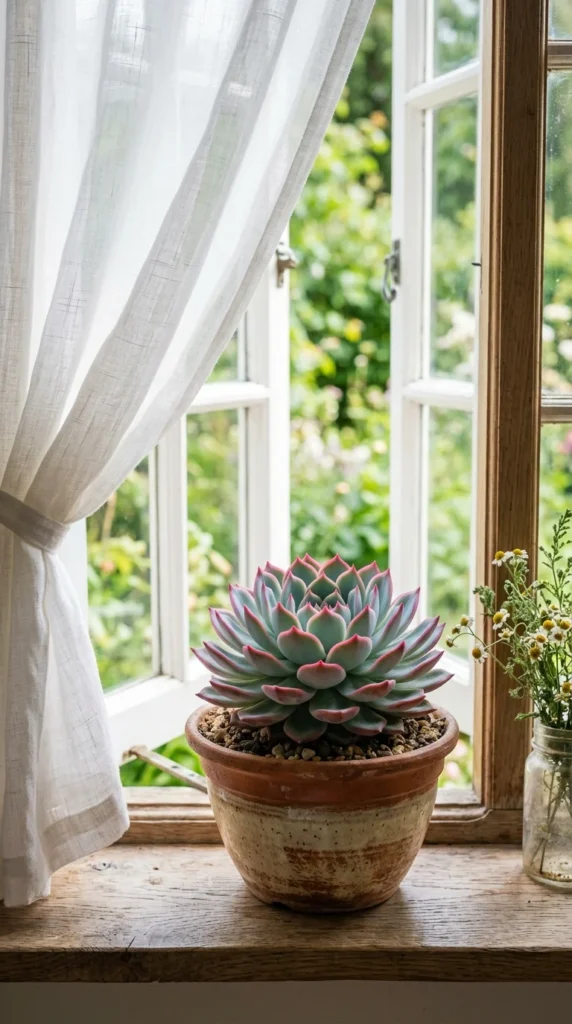
Good air circulation helps regulate the plant’s temperature and ensures that moisture evaporates from the soil and the leaves. Stagnant air can lead to fungal issues, which can turn the plant a “sickly” pink or brown. Fresh, moving air keeps the plant’s metabolism healthy and the colors crisp and clean.
17. Variegation
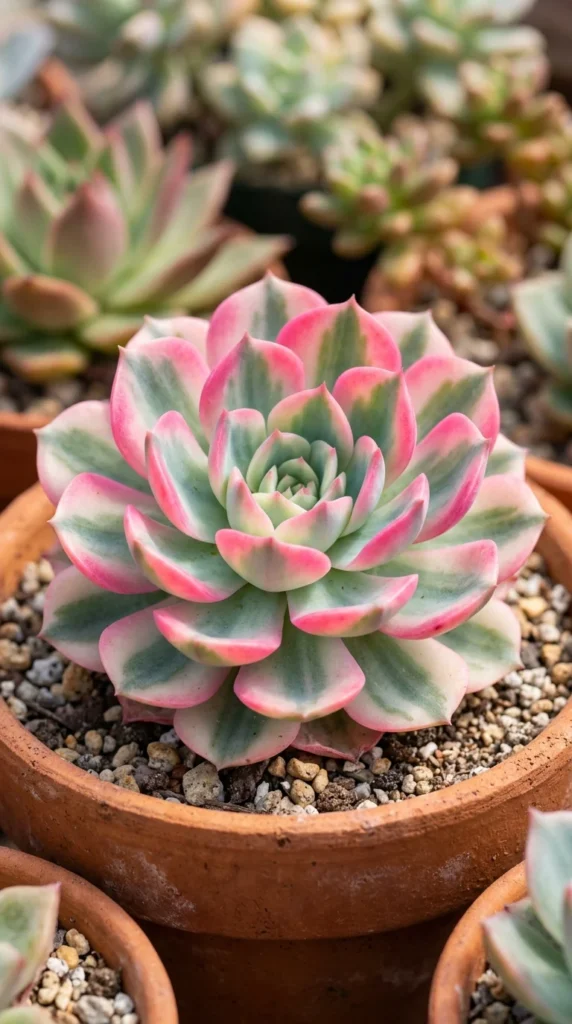
Variegated succulents are prized for their lack of chlorophyll in certain leaf sections. Because these white or yellow areas lack green pigment, they are the first parts of the plant to turn pink when exposed to sun or cold. Variegated pink succulents are among the most sought-after and expensive varieties in the hobby.
18. Age
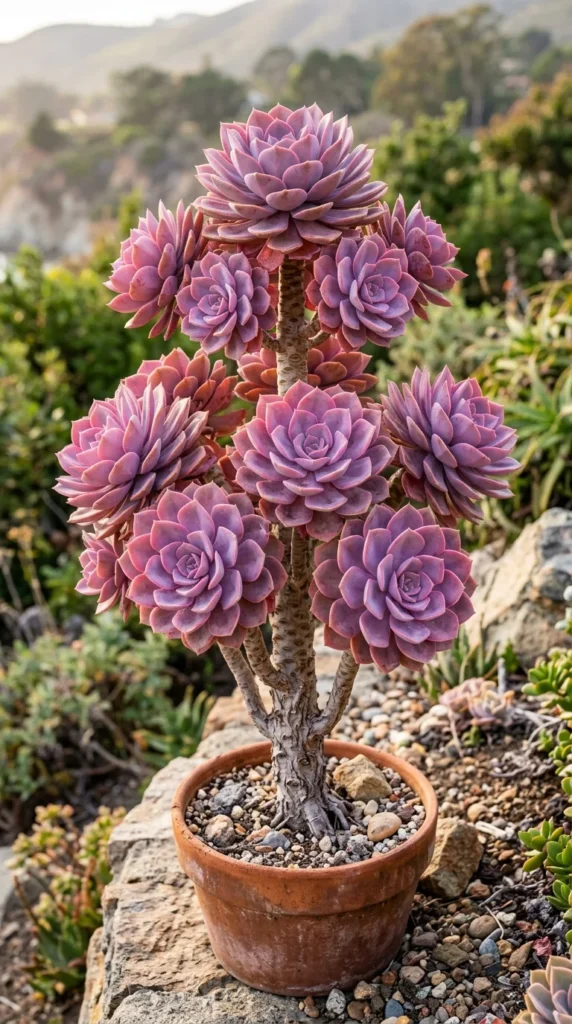
As succulents age, they often become more colorful. Older plants have established root systems and more stable tissues, allowing them to handle higher levels of environmental stress. A mature “mother” plant will often show much deeper pink hues than the young offsets or “pups” growing around its base.
19. Propagation
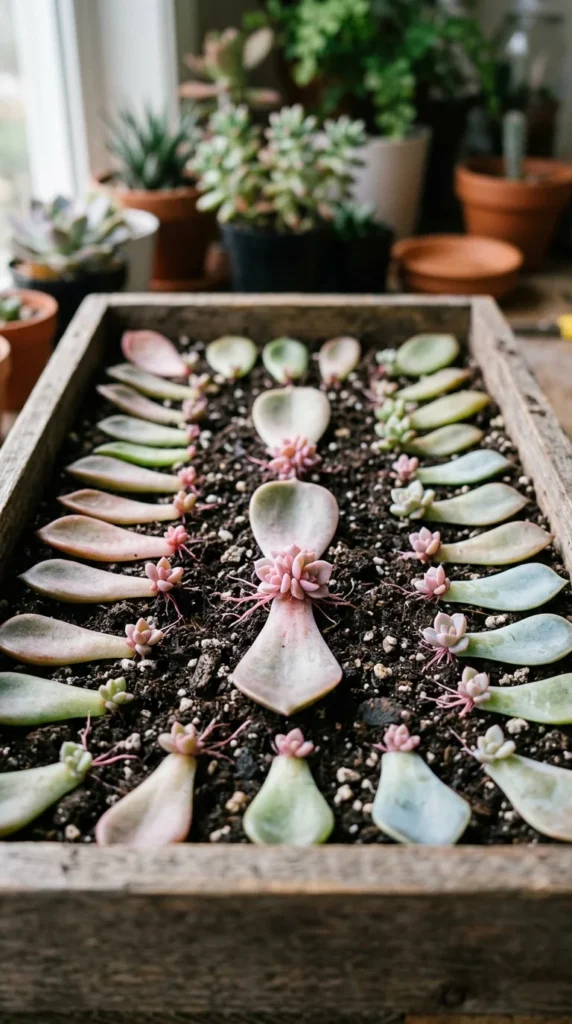
Interestingly, baby succulents (pups) grown from leaf cuttings often start their lives with a pinkish hue. This is because they are using the energy from the mother leaf and haven’t yet developed a full “green” photosynthetic factory. As they grow and are given more water/shade, they may turn green before eventually blushing again as they mature.
20. Pests
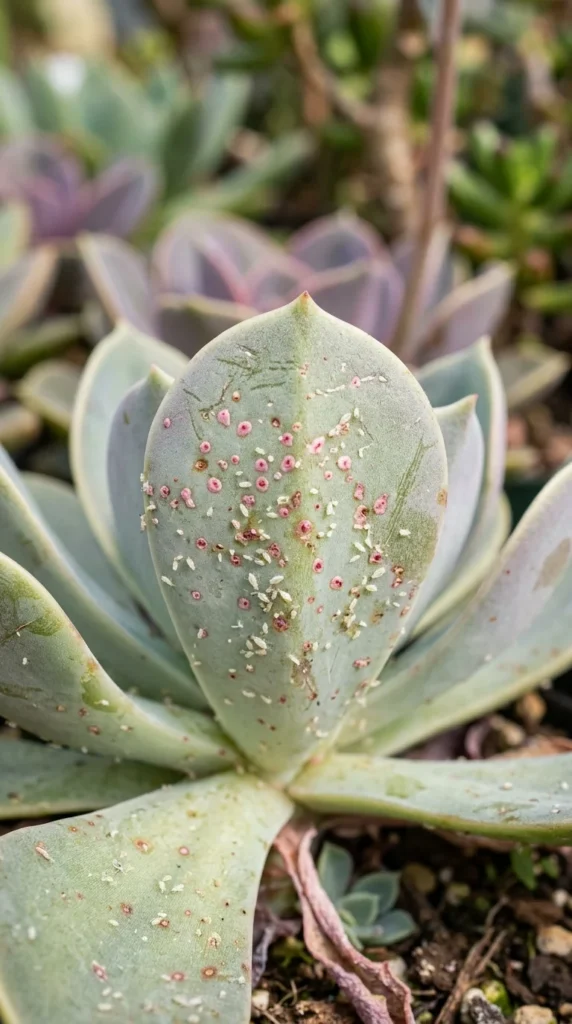
Be careful: not all pink is good. If you see localized pink spots or “bruising,” check for pests like aphids or mealybugs. These insects suck the sap from the plant, causing localized stress and tissue damage that can turn pink or red. This is “bad stress” and should be treated immediately with neem oil or rubbing alcohol.
21. Light Duration
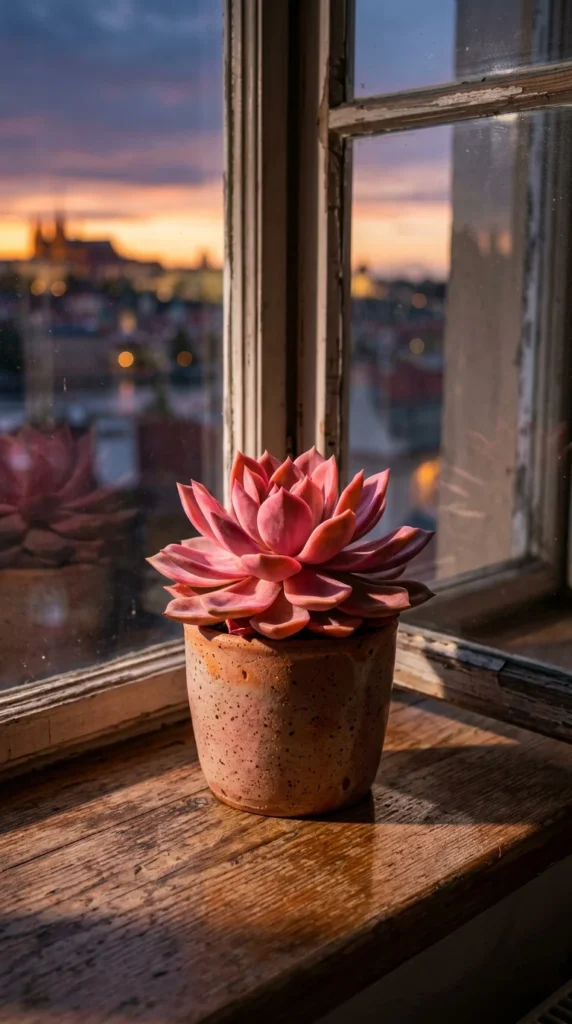
The number of hours of light matters as much as the intensity. In the summer, the long days provide more total energy, which can lead to intense “tans.” In the winter, even if the sun is bright, the shorter days might cause some succulents to lose their pinkness. Supplementary lighting can help maintain the color during the short days of winter.
22. Humidity
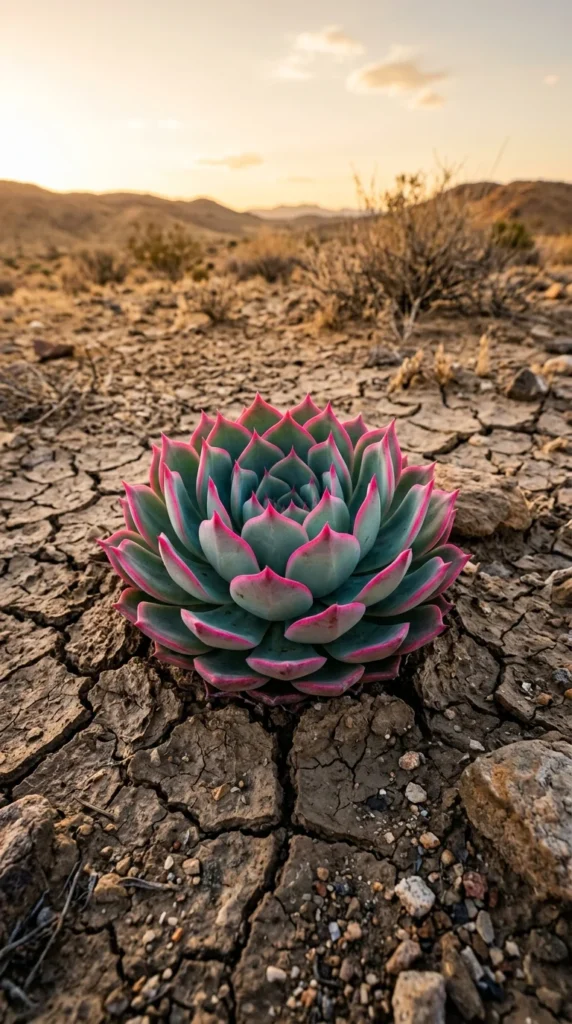
High humidity can sometimes hinder the “pinking” process. Succulents thrive in arid conditions. In high humidity, the plant doesn’t lose water through its leaves as easily, which means it doesn’t experience the “evaporative stress” that contributes to color changes. If you live in a humid climate, you may need more sun to achieve the same pink tones as someone in a desert.
23. Recovery
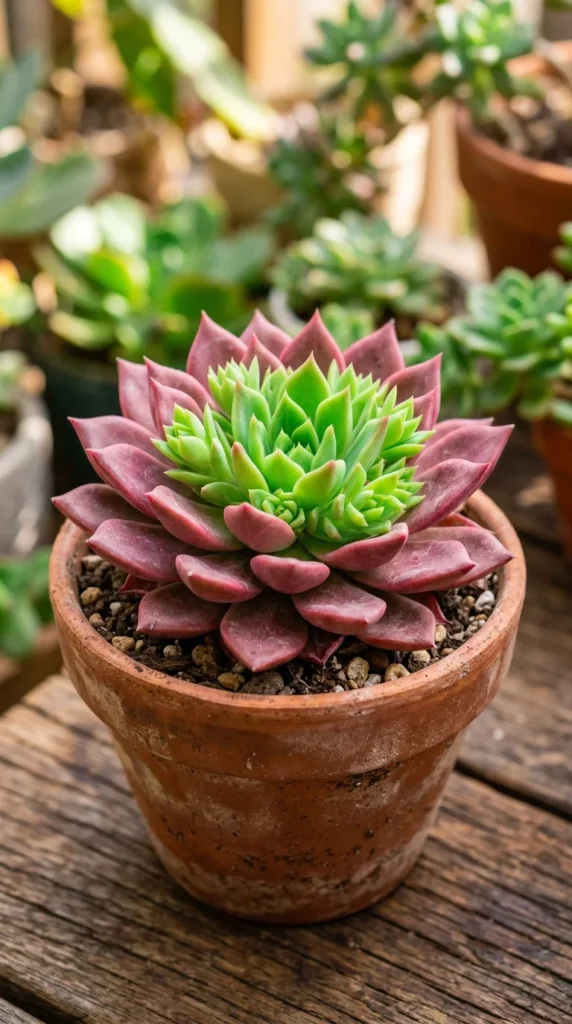
If your pink succulent starts turning green again, don’t panic—it’s just growing. This usually happens when you move it to a lower-light area, increase watering, or when the temperature stabilizes. It’s a sign that the plant is no longer “stressed” and is focusing on adding size. If you want the pink back, simply re-introduce the stressors.
24. Aesthetics
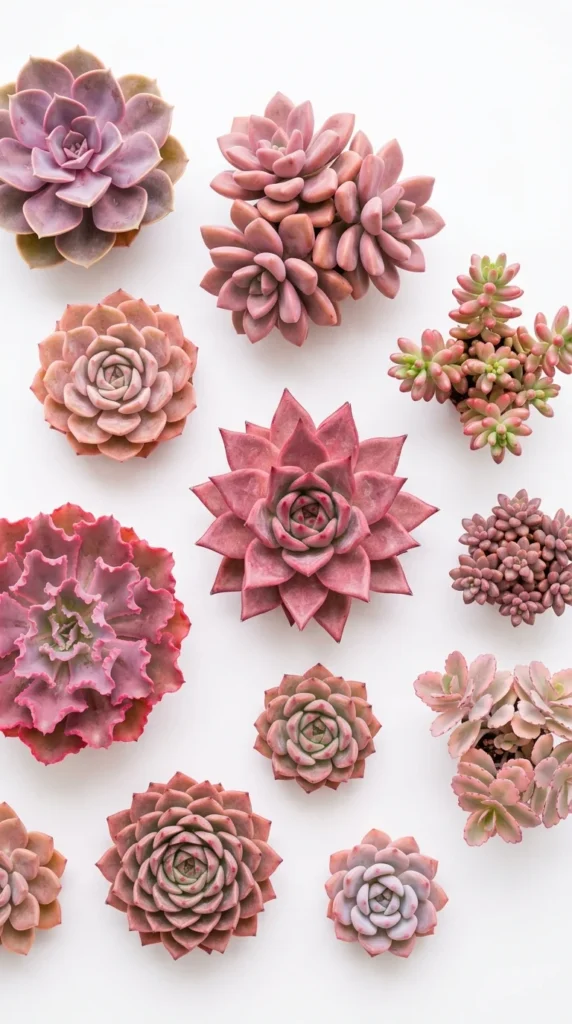
At the end of the day, a pink succulent is a testament to your skill in balancing the needs of the plant with the environmental factors of your home. Whether it’s a soft pastel blush or a neon magenta glow, a pink succulent is a healthy, adapted, and stunning addition to any collection. Knowing the “why” behind the color allows you to “paint” with your plants, creating a living masterpiece of desert hues.