
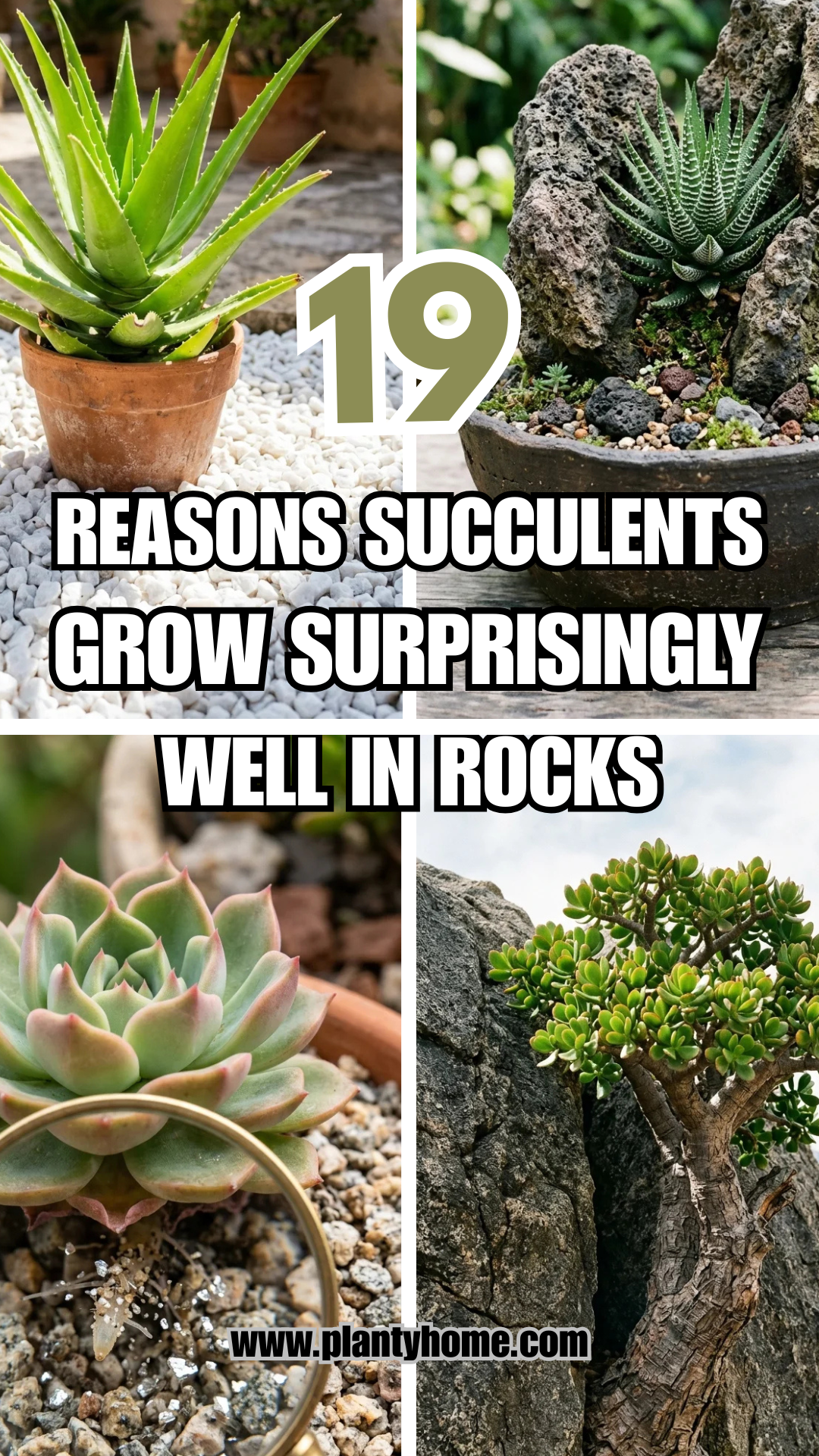
Succulents are the masters of the minimalist lifestyle. While most garden plants demand rich, loamy soil and frequent watering, succulents have evolved to thrive in some of the harshest environments on Earth. From the sheer cliffs of the Mexican mountains to the gravelly plains of the Karoo desert, these resilient plants have a secret weapon: rocks. Whether you are using rocks as a potting medium, a decorative mulch, or a structural foundation, the marriage between lithic materials and succulents is a match made in botanical heaven. Here is why succulents don’t just survive in rocks—they thrive.
1. Drainage
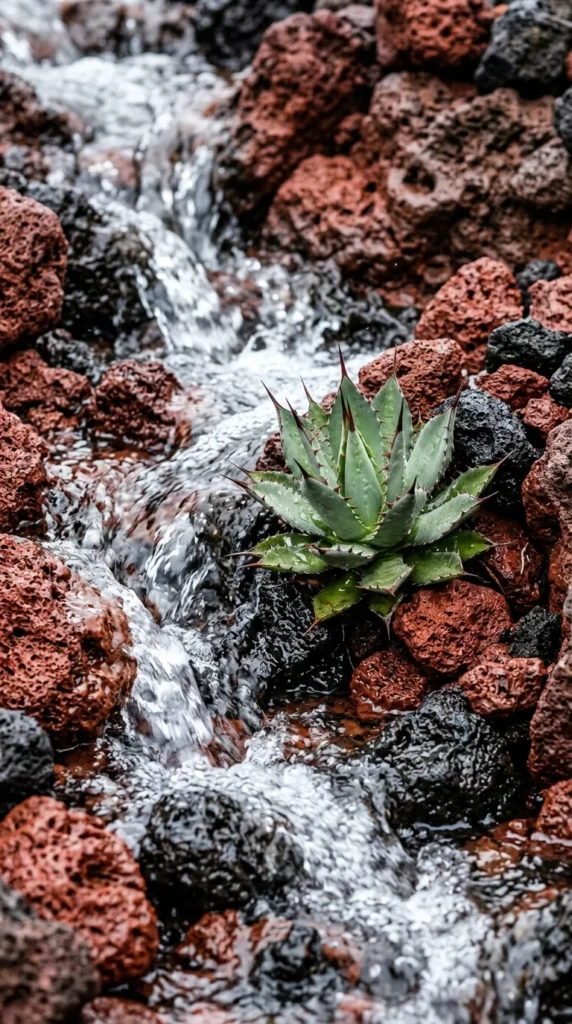
The number one killer of succulents is “wet feet,” otherwise known as root rot. In traditional potting soil, water can sit for days, suffocating the roots. Rocks, by their very nature, allow water to pass through instantly. This mimicry of a flash flood—where water arrives quickly and disappears just as fast—is exactly what succulents are programmed to handle. By growing in rocks, you eliminate the risk of stagnant moisture, ensuring the root system remains dry and healthy.
2. Aeration
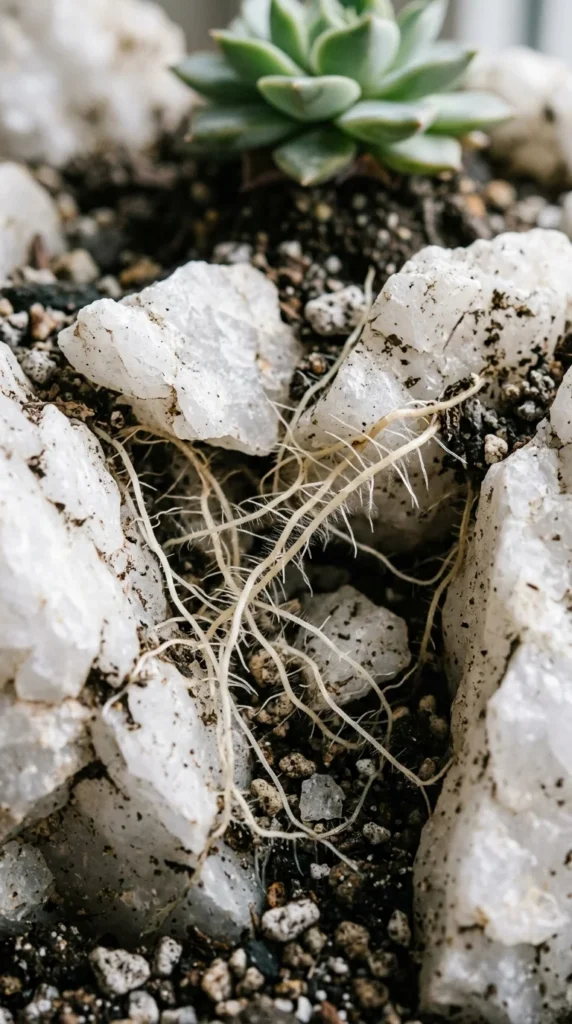
Roots need to breathe just as much as leaves do. Dense, organic soil can often become compacted, squeezing the air out of the earth. Rocks provide a skeletal structure that cannot be compressed. This creates permanent “macro-pores” or air pockets that allow oxygen to reach the root zone. This high level of aeration stimulates faster root growth and helps the plant uptake nutrients more efficiently.
3. Thermal Mass
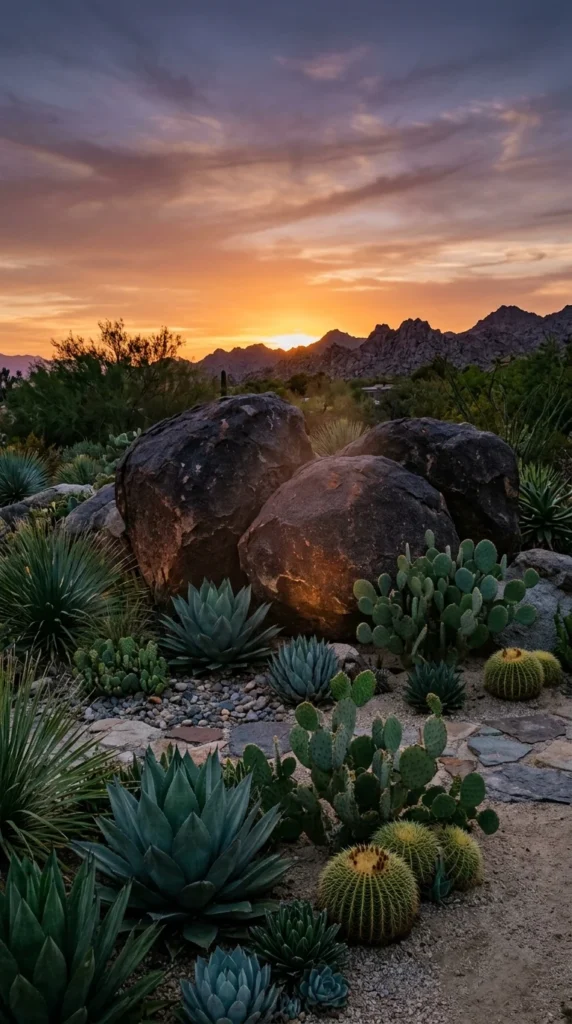
Rocks act as natural batteries for heat. During the day, they absorb the sun’s energy, warming the root zone of the succulent. At night, when the air temperature drops, the rocks slowly release that stored heat. This creates a stable microclimate that protects tender succulents from sudden temperature fluctuations and light frosts, extending their growing season and keeping their metabolic processes steady.
4. Stability
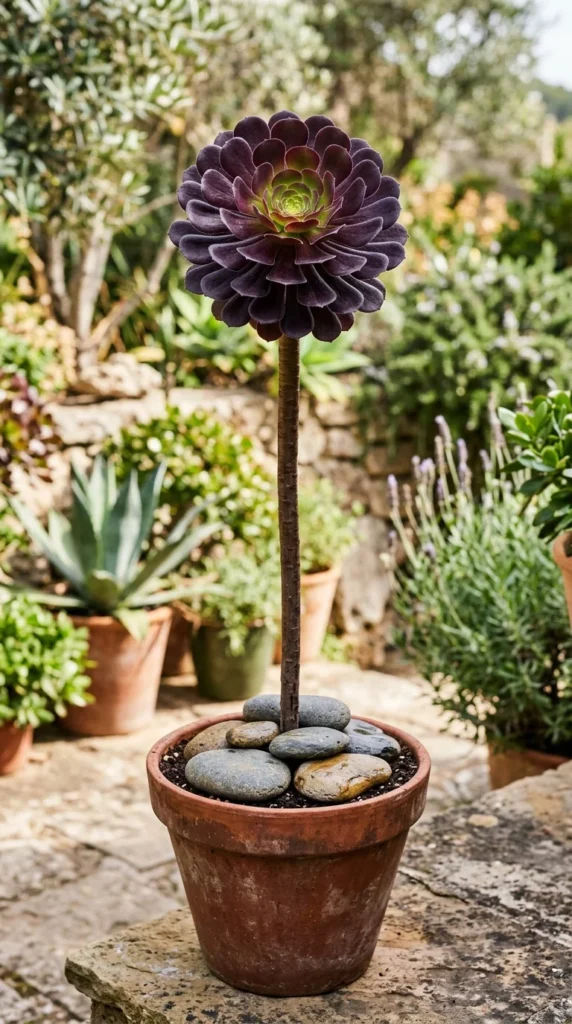
Succulents like Agaves and Aeoniums can become quite top-heavy due to the water stored in their leaves. In loose soil, these plants are prone to toppling over during high winds or heavy rain. Rocks provide the physical weight and mechanical anchorage needed to keep these architectural plants upright. Large rocks can act as a “ballast,” ensuring the plant stays exactly where you planted it.
5. Pest Prevention
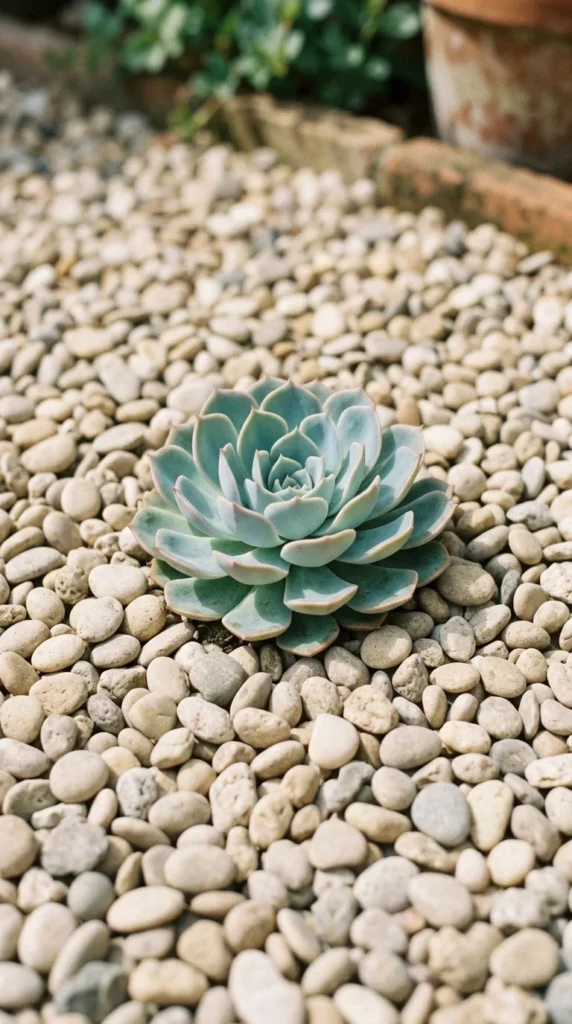
Many common garden pests, such as fungus gnats and certain types of soil-dwelling larvae, require damp, organic matter to survive and reproduce. Rocks are inorganic and dry out quickly on the surface. By replacing a layer of soil with rocks or gravel, you create a “hostile” environment for these pests. Without the moist, decaying organic material they crave, pests are much less likely to set up shop in your succulent garden.
6. Disease Resistance
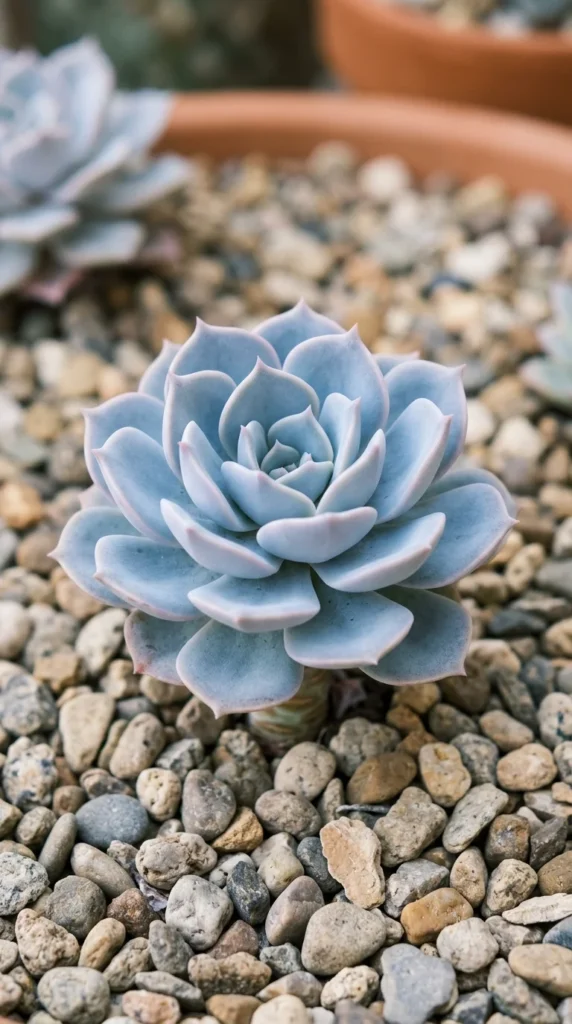
Fungal and bacterial diseases often splash up from the soil onto the lower leaves of a plant during watering or rain. When succulents are grown in rocks, there is no mud to splash. Furthermore, the quick-drying nature of stone means that the “crown” of the plant (where the leaves meet the roots) stays dry. This significantly reduces the chances of crown rot, which is often fatal for rosette-shaped succulents.
7. Mineral Release
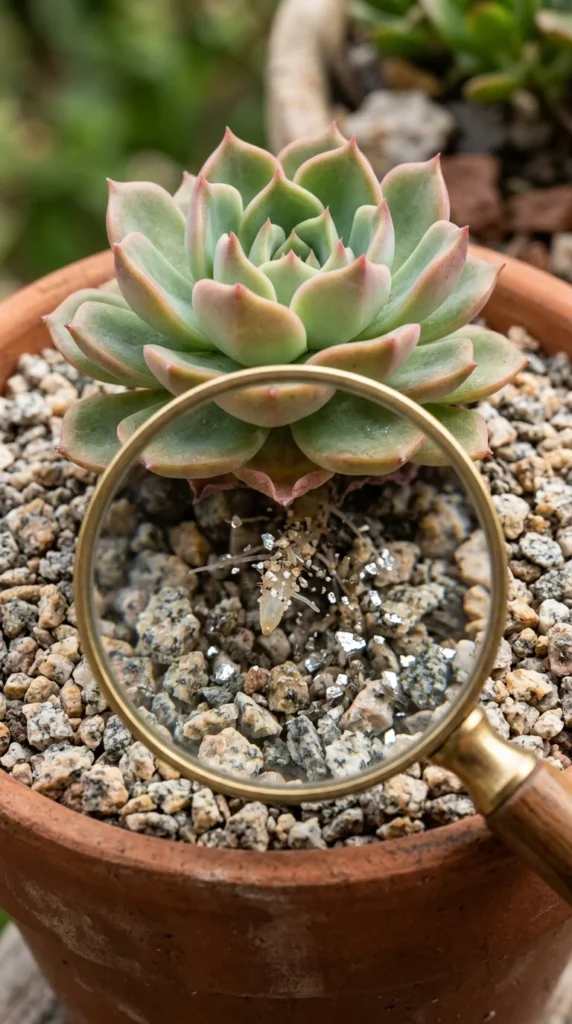
While rocks may seem inert, they are actually composed of minerals that slowly break down over time. As water flows over rocks like basalt, granite, or limestone, it picks up trace amounts of potassium, magnesium, calcium, and iron. These micro-nutrients are released in small, manageable doses that succulents love, acting as a slow-release natural fertilizer that keeps the plants vibrant and strong.
8. Evaporation Control
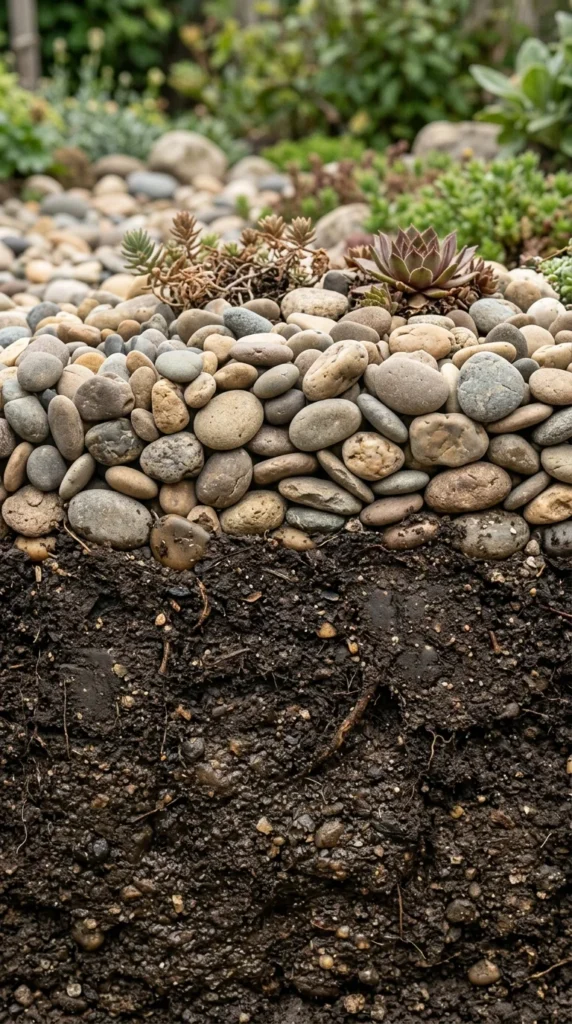
It seems like a contradiction, but while rocks help drainage, they also help conserve water where it matters most. A layer of rocks acts as a mulch, preventing the sun from baking the soil directly. This reduces evaporation from the soil beneath the rocks. The succulent’s roots can access a cool, slightly moist environment underground while the plant’s sensitive neck stays dry above the rocks.
9. Erosion Control
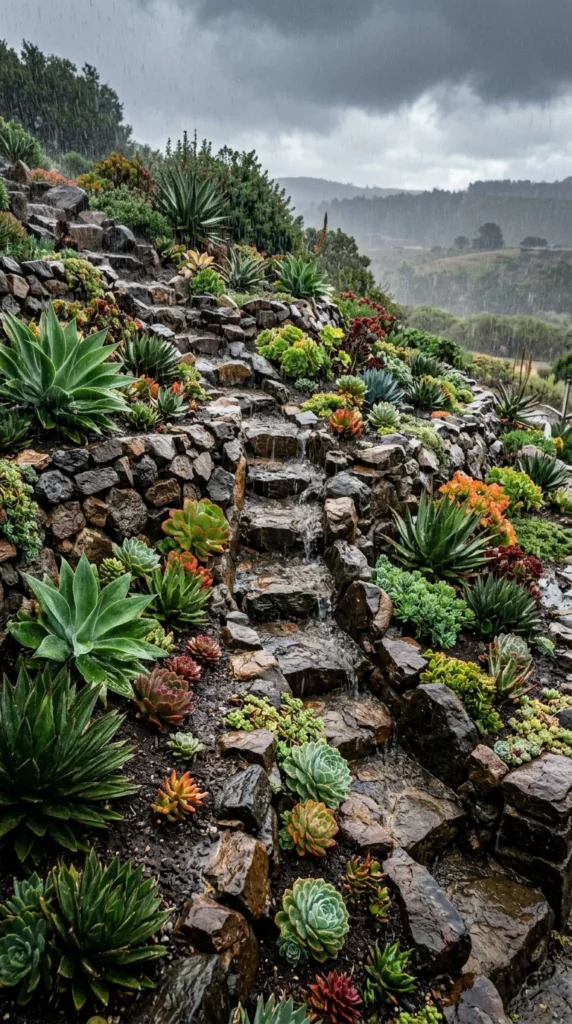
Succulents are often used in xeriscaping on slopes or embankments. Without the heavy weight of rocks, loose succulent soil would easily wash away during a rainstorm, exposing the delicate roots. Rocks interlock and create a heavy, protective “armor” over the ground. This keeps the soil in place and allows the succulent’s roots to weave into the gaps for a permanent, landslide-proof foundation.
10. Aesthetic Realism
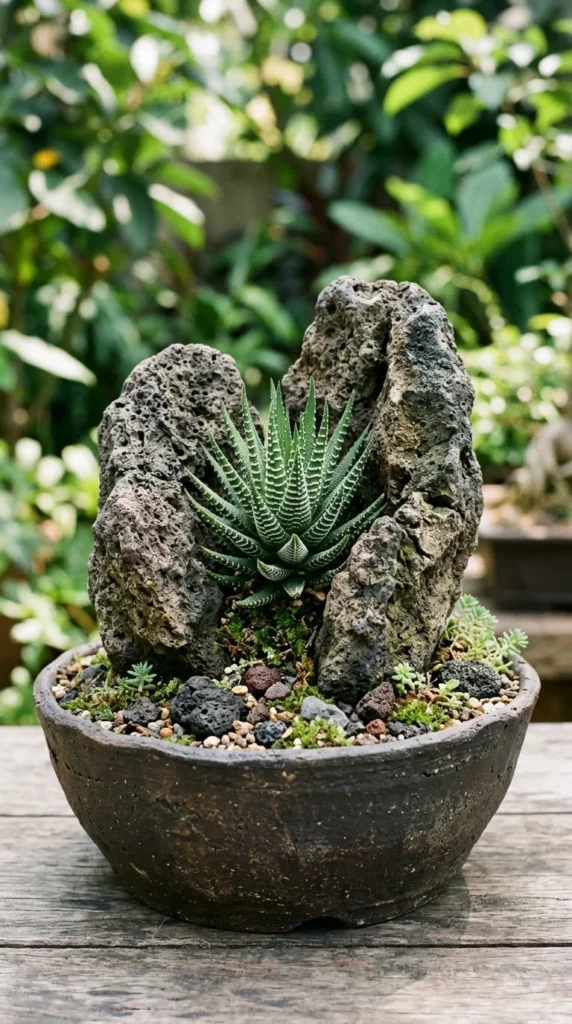
Let’s face it: succulents look better in rocks. Because many of these species originate in rocky terrains, they look “at home” when paired with stone. Growing them in rocks allows you to create miniature landscapes that mimic their natural habitats. The contrast between the soft, fleshy leaves of a succulent and the hard, rugged texture of a stone creates a visual tension that is highly prized in landscape design.
11. pH Balance
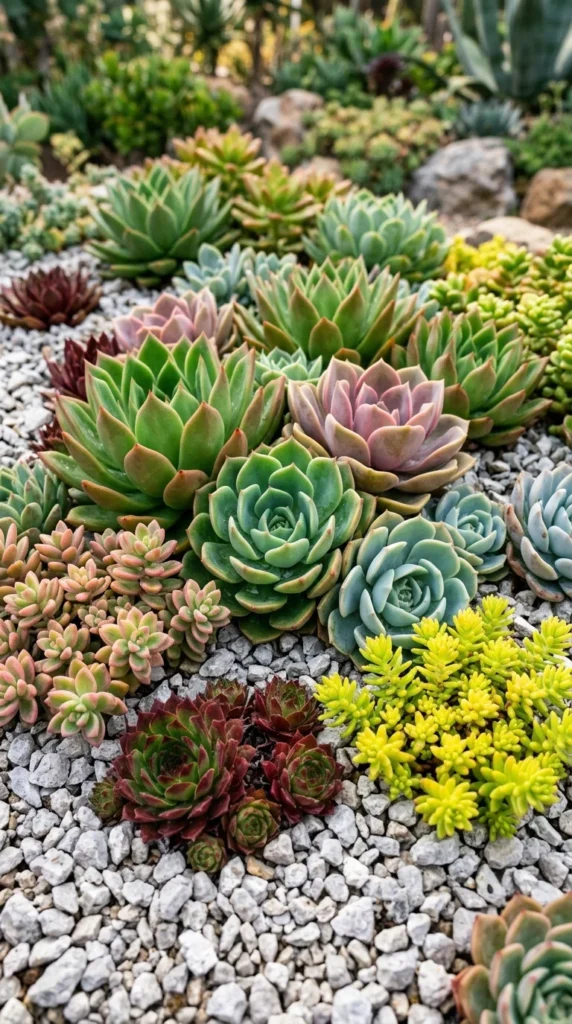
Different types of rocks can help nudge the pH of your growing medium in the right direction. For instance, limestone can raise the pH for succulents that prefer slightly alkaline conditions, while certain volcanic rocks can keep things more acidic. By choosing the right type of rock, you can tailor the chemical environment to the specific needs of your succulent variety without using harsh chemical additives.
12. Weed Suppression
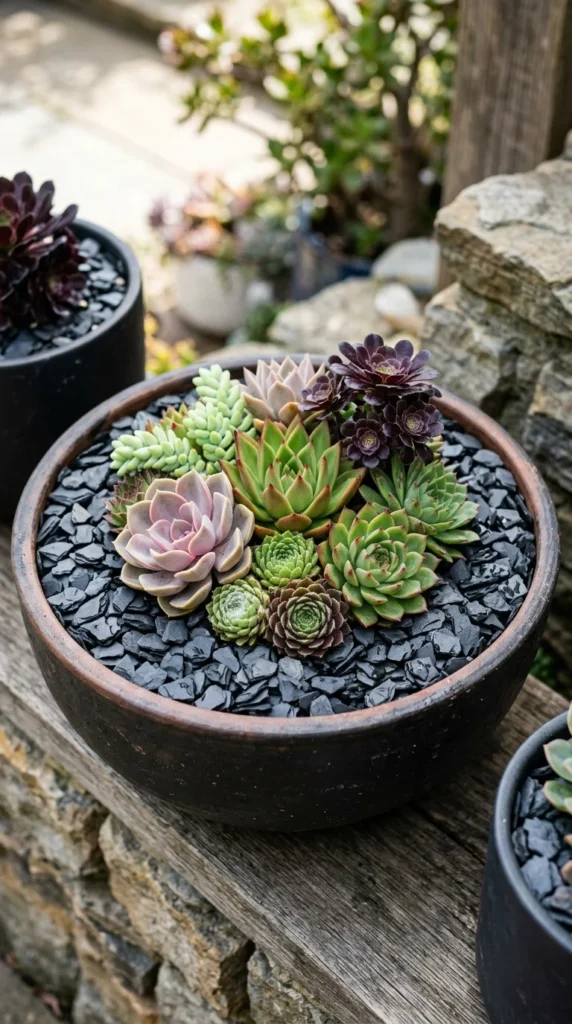
Succulents are slow growers and can easily be out-competed by fast-growing weeds. A thick layer of rocks (at least 2 inches deep) acts as a physical barrier that prevents weed seeds from reaching the soil and germinating. Any seeds that do land on the rocks find it nearly impossible to send roots through the dry stone layer to the soil below, keeping your garden low-maintenance and tidy.
13. Light Reflection
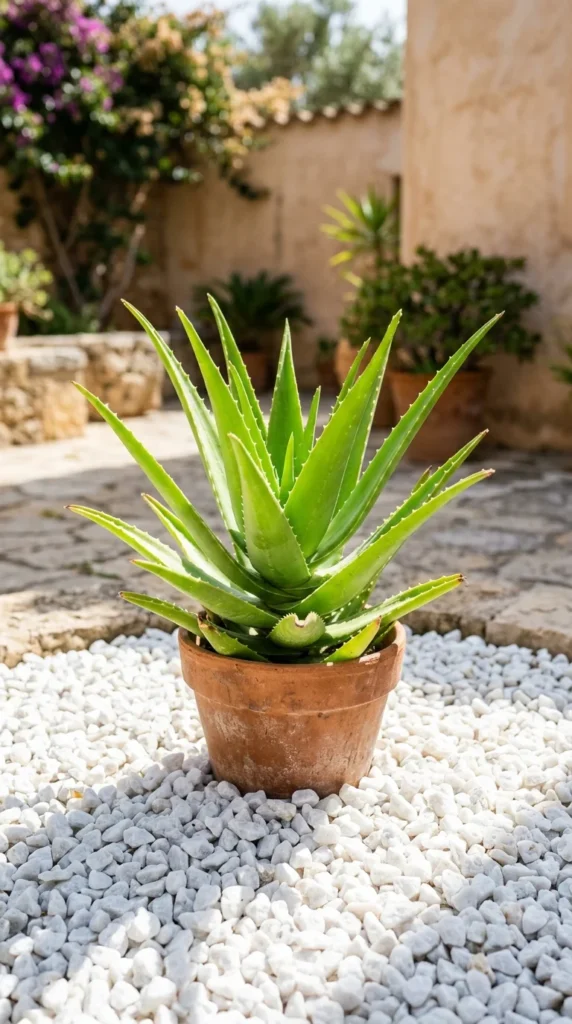
Many succulents, particularly those with vibrant reds, purples, and oranges, require high light intensity to maintain their colors. Light-colored rocks, such as white quartz or light gray granite, reflect sunlight upward onto the undersides of the plant. This “double-dose” of light helps the plant photosynthesize more effectively and prevents it from becoming “etiolated” or leggy as it searches for light.
14. Salt Management
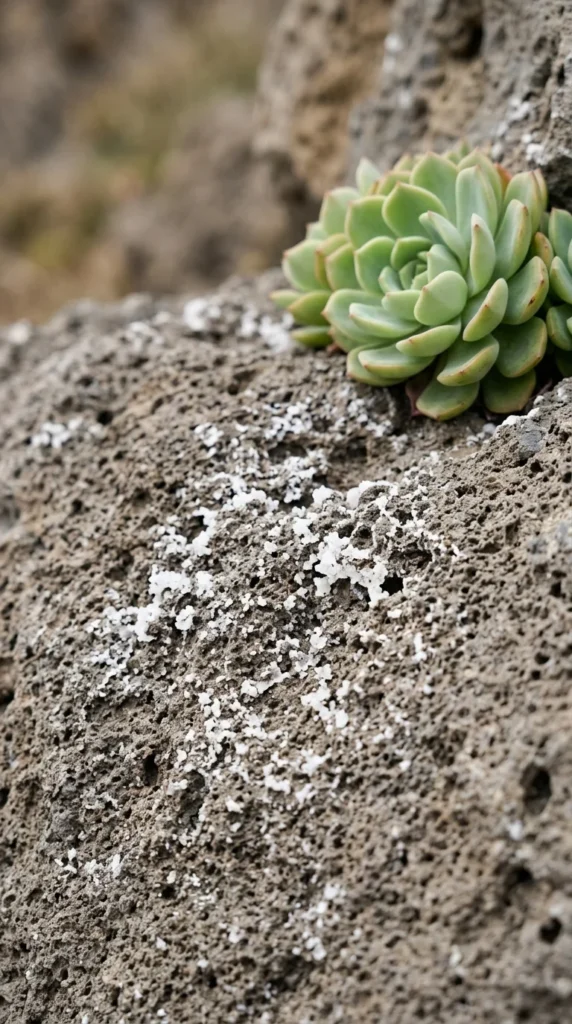
In areas with hard water, salts and minerals can build up in the soil, which can eventually burn succulent roots. Porous rocks like pumice or lava rock can actually help manage this. These rocks can absorb and trap some of the excess salts on their surfaces, keeping them away from the plant’s delicate vascular system. When you “flush” the rocks with distilled water or rain, the salts are easily washed away.
15. Crevice Simulation
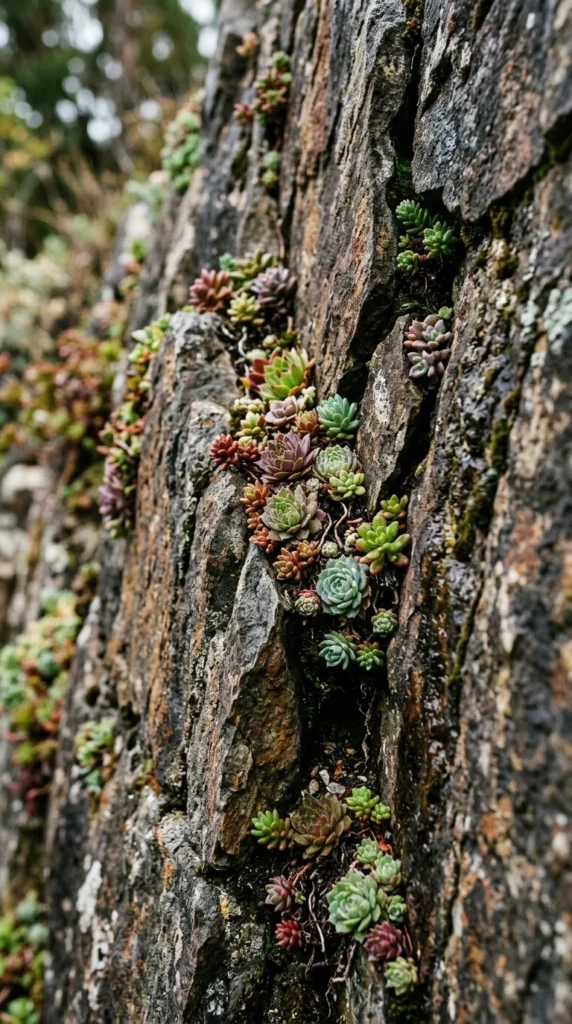
Many succulents are “chasmophytes,” meaning they are specially adapted to grow in the cracks of rocks. Growing them in this way protects their roots from extreme heat and predators. When you plant a succulent in a rocky crevice, you are providing it with a deep, cool “runway” for its roots to explore. This often results in a much more resilient and long-lived plant than one grown in a standard pot.
16. Soil Compaction Prevention
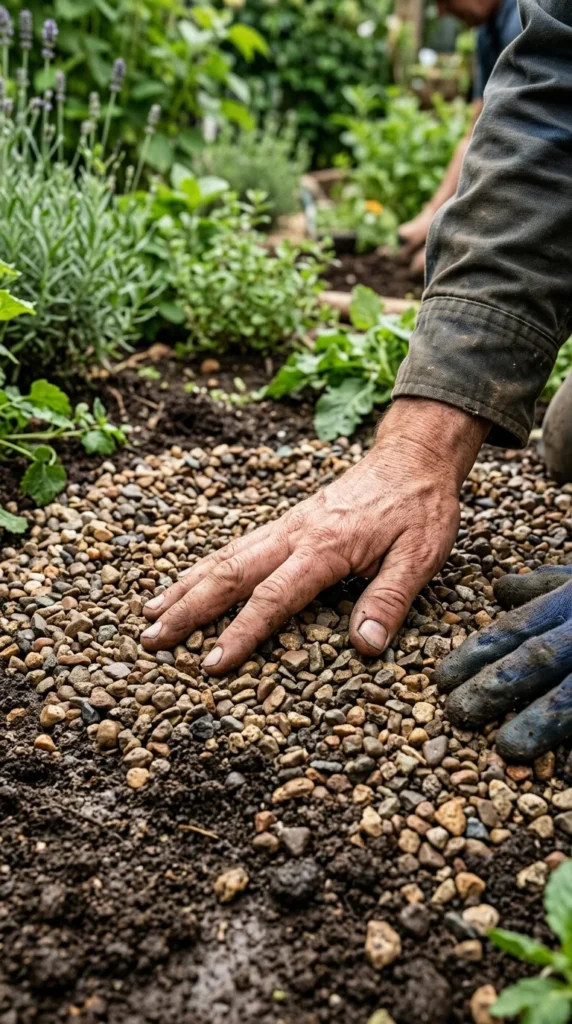
In a garden, walking near plants can compact the soil, making it difficult for water and air to penetrate. Rocks distribute weight more evenly. If you have a succulent bed, a layer of rocks allows you to step near the plants for maintenance without crushing the delicate soil structure underneath. This keeps the “earth” fluffy and hospitable for the roots over the long term.
17. Mycorrhizal Support
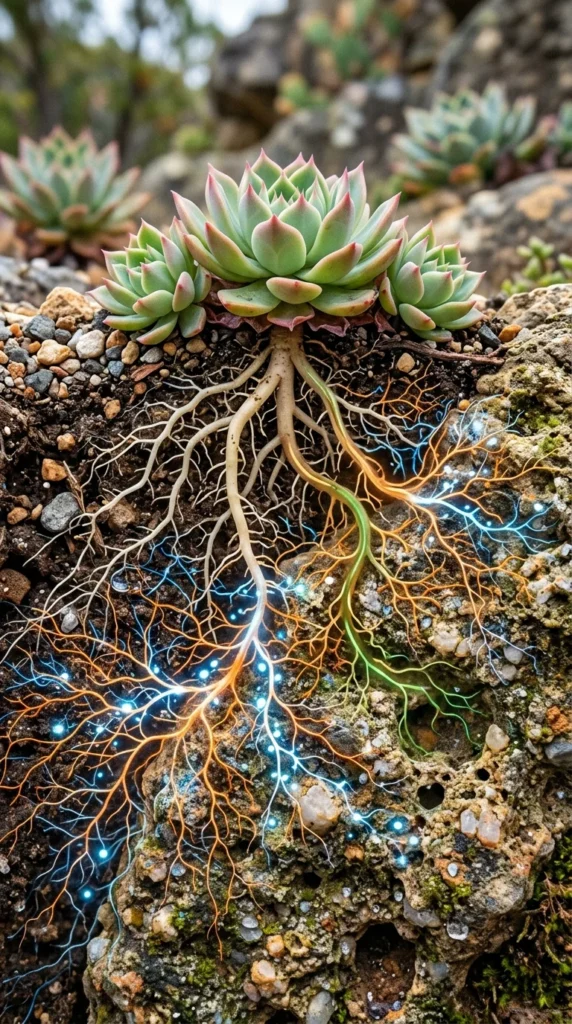
Recent studies suggest that certain beneficial fungi (mycorrhizae) thrive in the stable, protected environment provided by the interface between a rock and the soil. These fungi form a symbiotic relationship with succulent roots, helping the plant absorb water and phosphorus in exchange for sugars. The presence of rocks provides the physical “housing” these fungi need to flourish, leading to a more robust plant.
18. Water Runoff Management
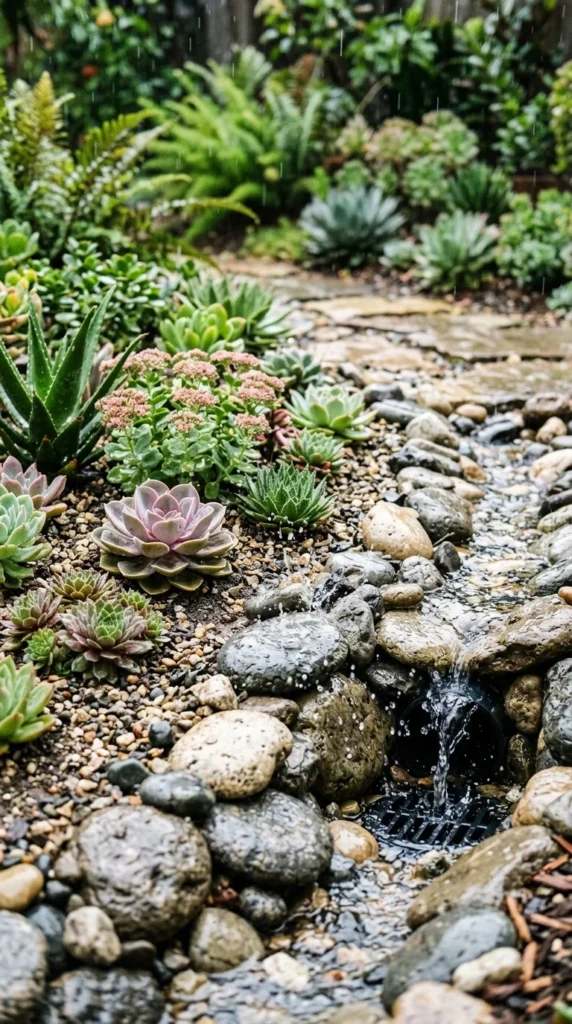
In heavy rain, rocks help break the force of the falling water, preventing it from digging holes in the soil. Furthermore, a rocky substrate can be designed to channel water away from the “hearts” of the plants and toward a drainage point. This “hydro-engineering” ensures that even during a tropical downpour, your succulents aren’t sitting in a pond.
19. Longevity
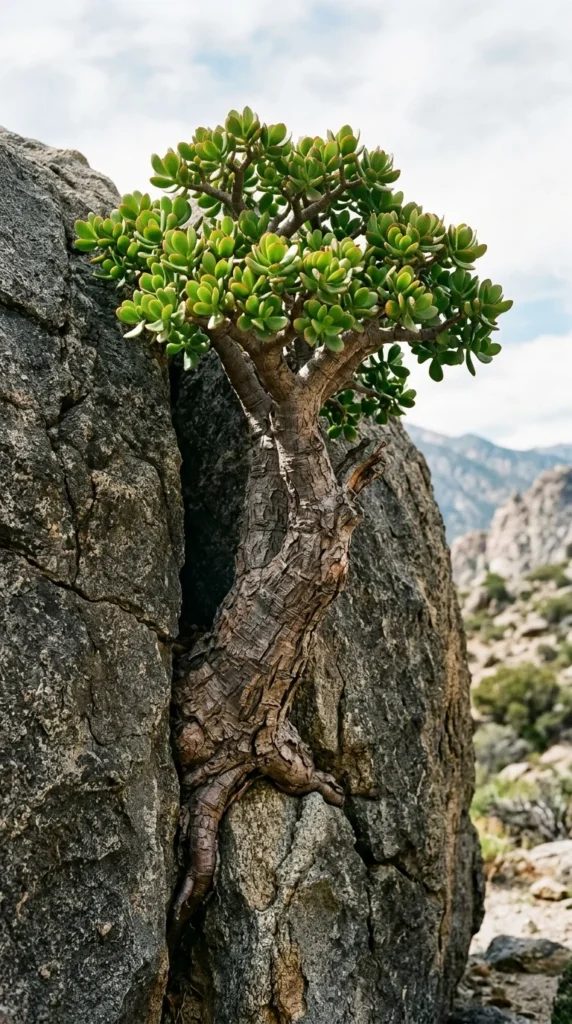
Organic soil eventually “disappears” as it decomposes and is used up by the plant. This means you have to repot succulents every few years. Rocks, however, do not decompose. A succulent grown in a rocky medium can stay in the same “pot” or location for a decade or more. As long as the plant is getting its basic nutrients, the physical structure of the rocks will remain a permanent, unchanging home.