
There is nothing quite like the taste of a sun-warmed strawberry picked straight from the vine. Homegrown strawberries are leagues ahead of store-bought versions, which are often bred for durability rather than flavor. If you want to transform your garden into a berry paradise, you need more than just soil and water. You need a strategy to maximize size, sweetness, and yield. Here are 23 expert tips to help you grow the biggest, sweetest strawberries of your life.
1. Variety Selection
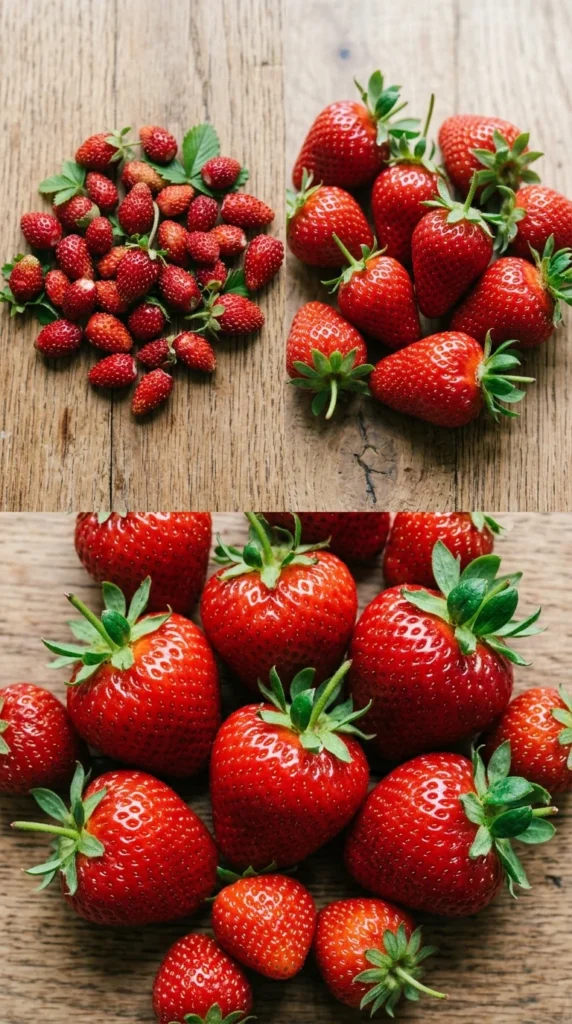
The foundation of a great harvest is the genetics of the plant. June-bearing varieties typically produce the largest berries but only for a short window in early summer. Ever-bearing and day-neutral varieties provide smaller harvests throughout the season. For the ultimate sweetness, look for heirloom varieties like ‘Marshall’ or modern favorites like ‘Honeoye’ and ‘Jewel.’ If you want massive size, ‘Allstar’ is a top contender.
2. Full Sunlight
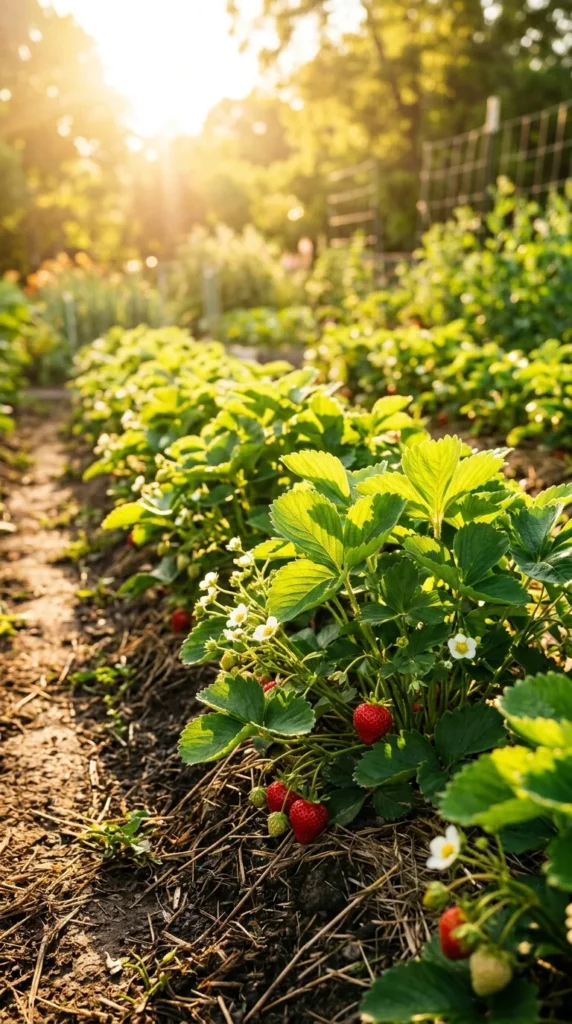
Strawberries are solar-powered sugar factories. To produce the fructose necessary for that signature sweetness, they require at least 8 hours of direct sunlight every day. If they are shaded, the berries will remain small, tart, and prone to rot. Ensure your patch is located in the sunniest spot in your yard, away from the shadows of tall trees or buildings.
3. Acidic Soil
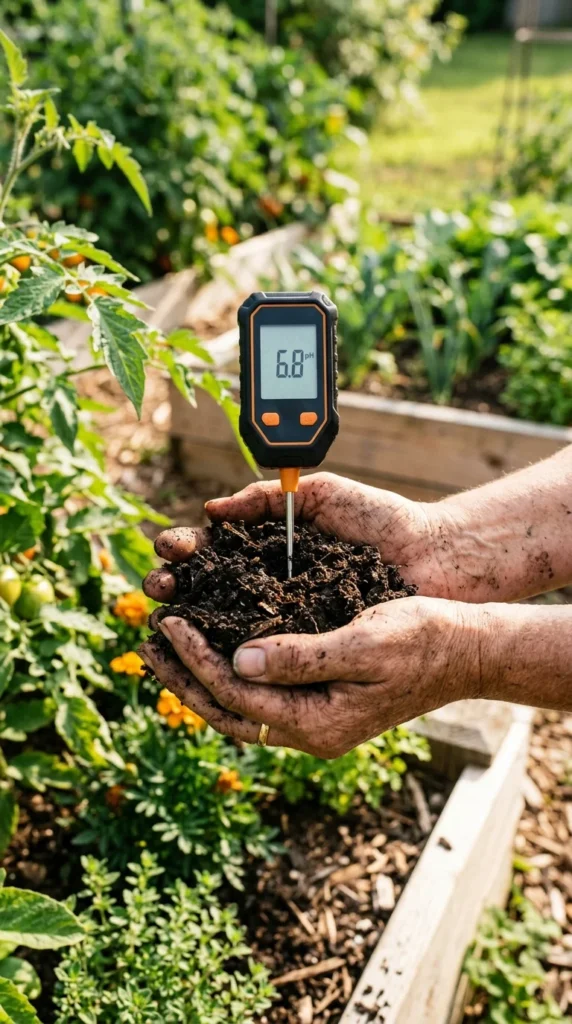
Strawberries are picky about their “home.” They thrive in slightly acidic soil with a pH between 5.5 and 6.8. If your soil is too alkaline, the plants will struggle to absorb nutrients, leading to stunted growth. Use a home testing kit and, if necessary, amend your soil with elemental sulfur or peat moss to bring the acidity to the “sweet spot.”
4. Raised Beds
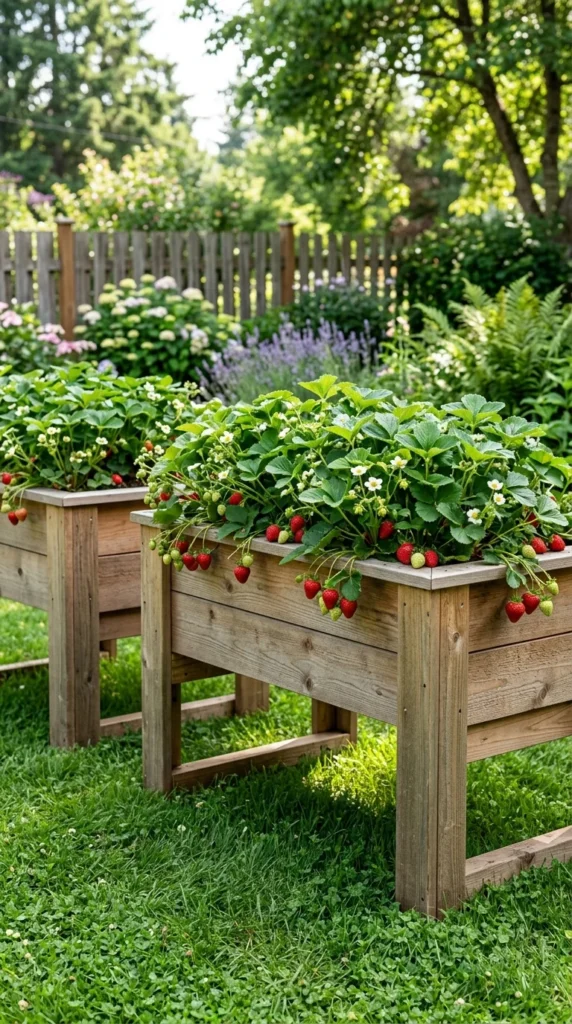
Strawberries hate “wet feet.” Their shallow root systems are highly susceptible to root rot if they sit in standing water. Raised beds provide the perfect solution by ensuring superior drainage. They also allow you to control the soil quality more precisely and keep the fruit higher off the ground, making them less accessible to ground-dwelling pests.
5. Proper Spacing
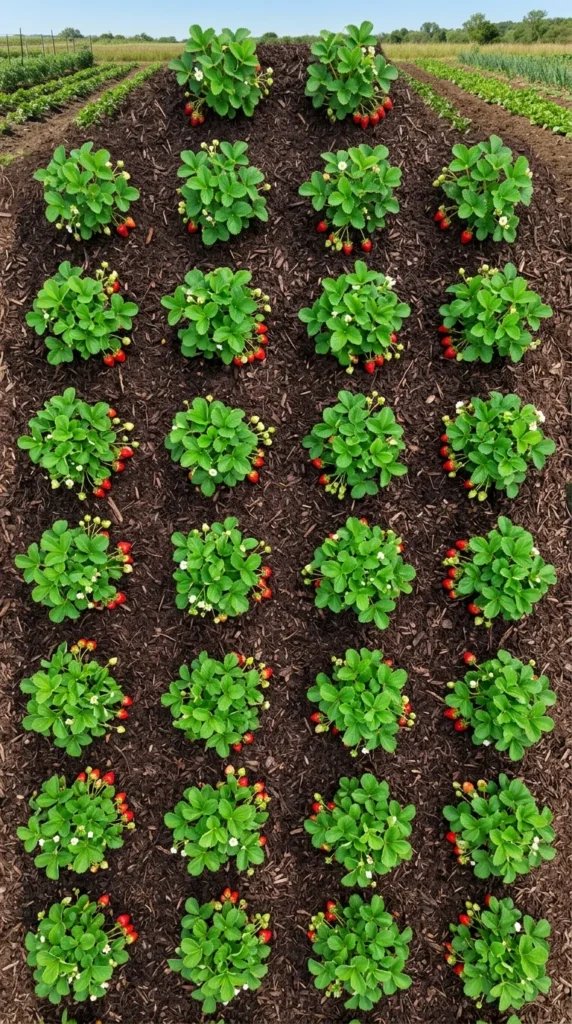
It is tempting to pack as many plants as possible into a small space, but overcrowding is the enemy of big berries. When plants are too close, they compete for nutrients, water, and light. Space your plants 12 to 18 inches apart. This ensures that every plant has a dedicated “pantry” of soil to draw from, leading to larger individual fruits.
6. Straw Mulching
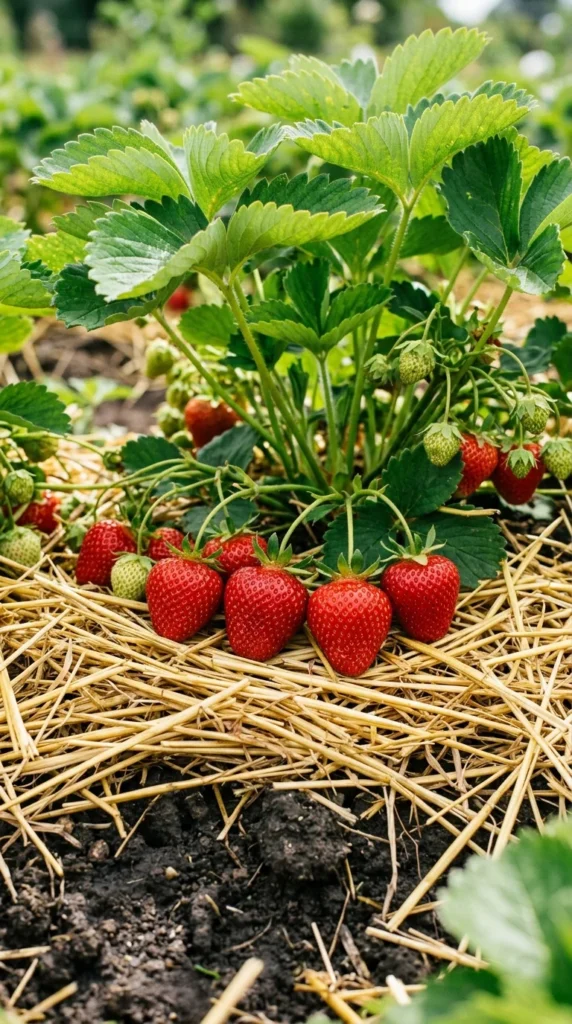
The name “strawberry” likely comes from the traditional practice of mulching with straw. A thick layer of straw keeps the berries off the damp soil, preventing rot and keeping them clean. It also suppresses weeds that would otherwise steal nutrients and helps retain moisture in the soil during hot summer afternoons.
7. Morning Watering
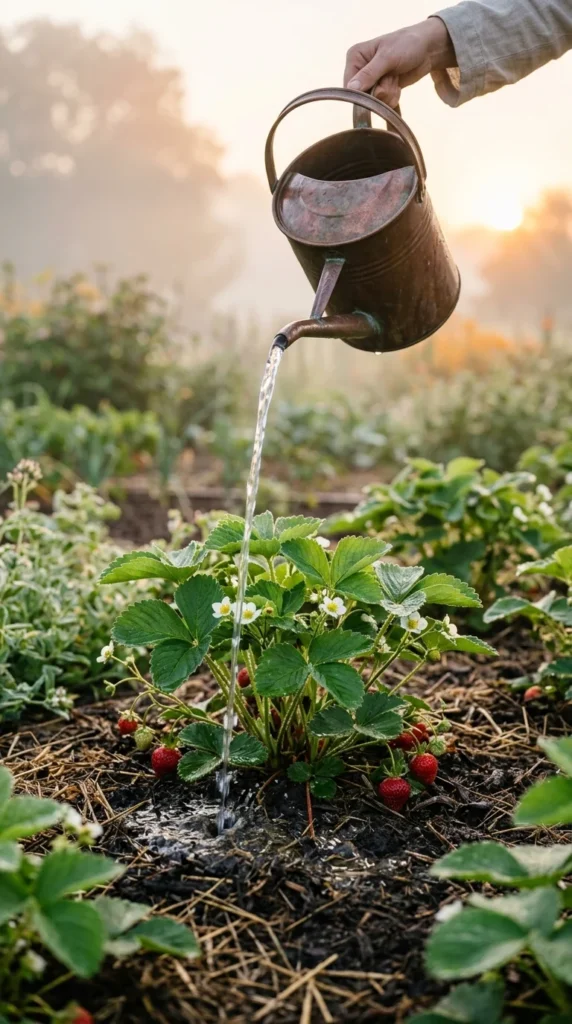
Timing is everything. Water your strawberries in the early morning so that any moisture that splashes onto the leaves has time to evaporate during the day. Wet foliage at night is a primary cause of fungal diseases like powdery mildew and gray mold. Use a soaker hose or drip irrigation to deliver water directly to the roots.
8. Pine Needles
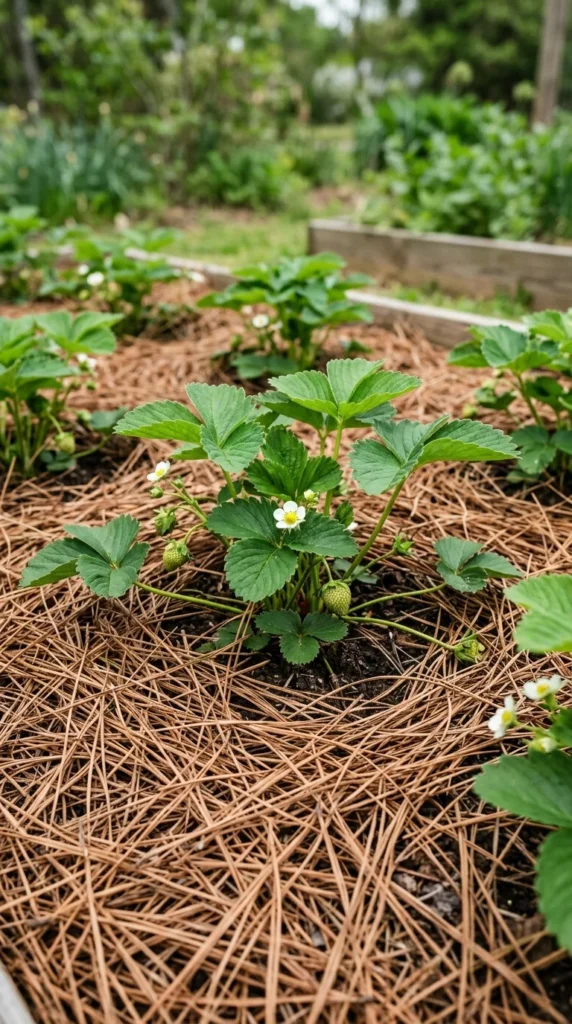
If you have access to pine trees, use the needles (pine straw) as mulch. As they break down, they slightly increase the acidity of the soil, which strawberries love. They also create a prickly barrier that can help deter slugs and snails from reaching your precious ripening fruit.
9. Organic Compost
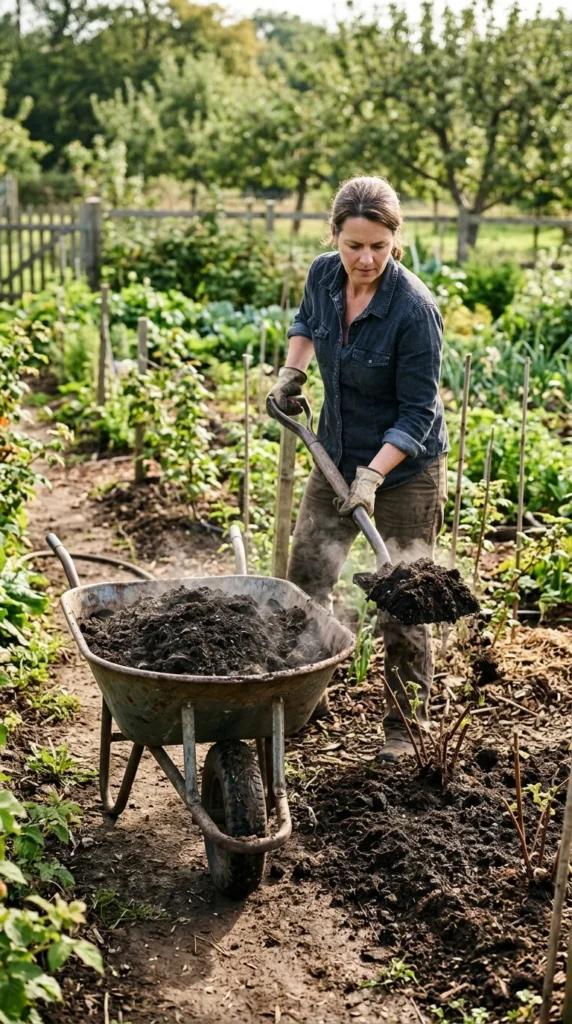
Before planting, work several inches of well-rotted organic compost into the soil. Strawberries are heavy feeders, and compost provides a slow-release buffet of micronutrients. Compost also improves soil structure, allowing the roots to spread easily and take up more water to plump up the berries.
10. First-Year Pinching
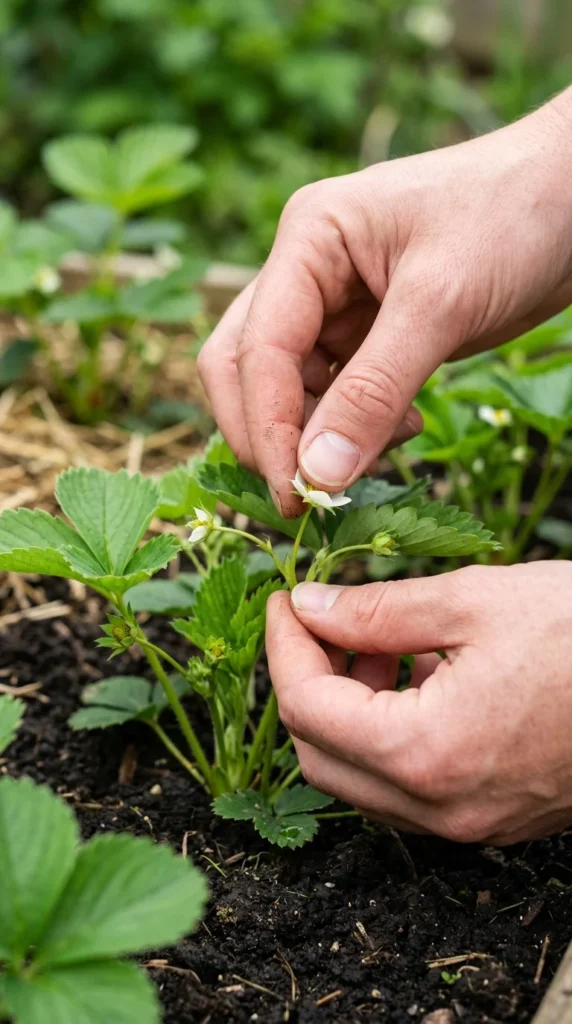
This is the hardest tip for home gardeners to follow: pinch off all the flowers during the first growing season for June-bearers. By preventing the plant from fruiting in its first year, you force it to put all its energy into developing a massive, robust root system. This patience pays off in the second year with a much larger and sweeter harvest.
11. Runner Management
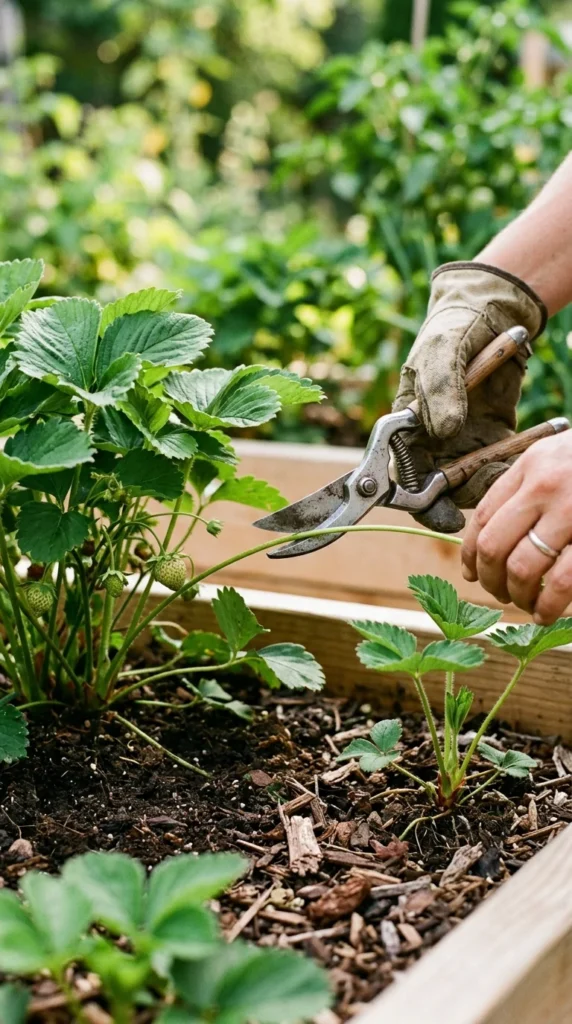
Strawberry plants send out “runners”—long stems that create “daughter” plants. While this is great for expanding your patch, these runners drain energy away from fruit production. During the fruiting season, snip off most runners so the “mother” plant can focus all its resources on making the existing berries bigger and sweeter.
12. Bee Attraction
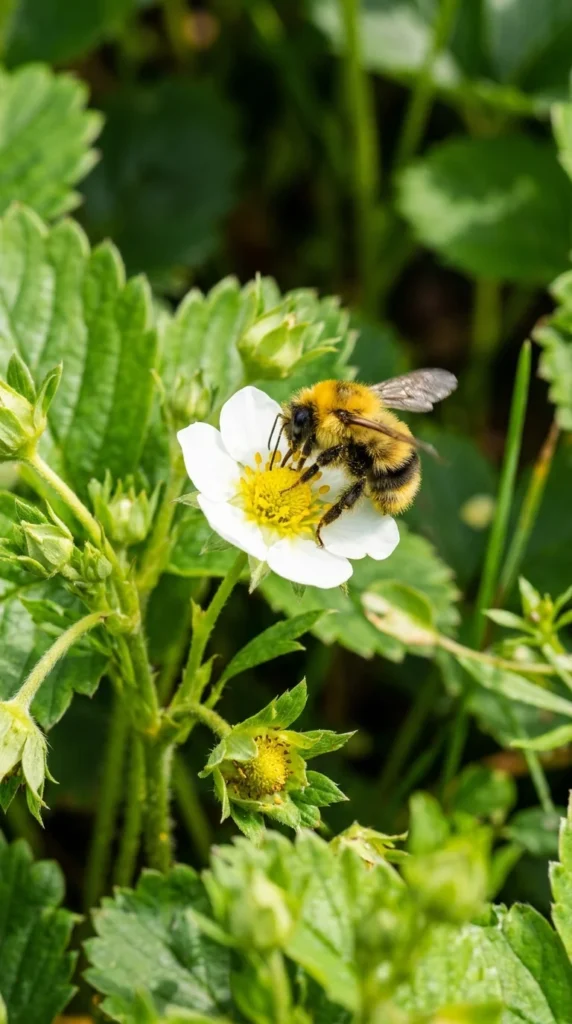
Poor pollination results in small, misshapen, “nubby” berries. To get those perfectly formed, large strawberries, you need bees. Plant pollinator-friendly flowers like marigolds, lavender, or borage near your strawberry patch to ensure a steady stream of bees visiting every single strawberry blossom.
13. Epsom Salts
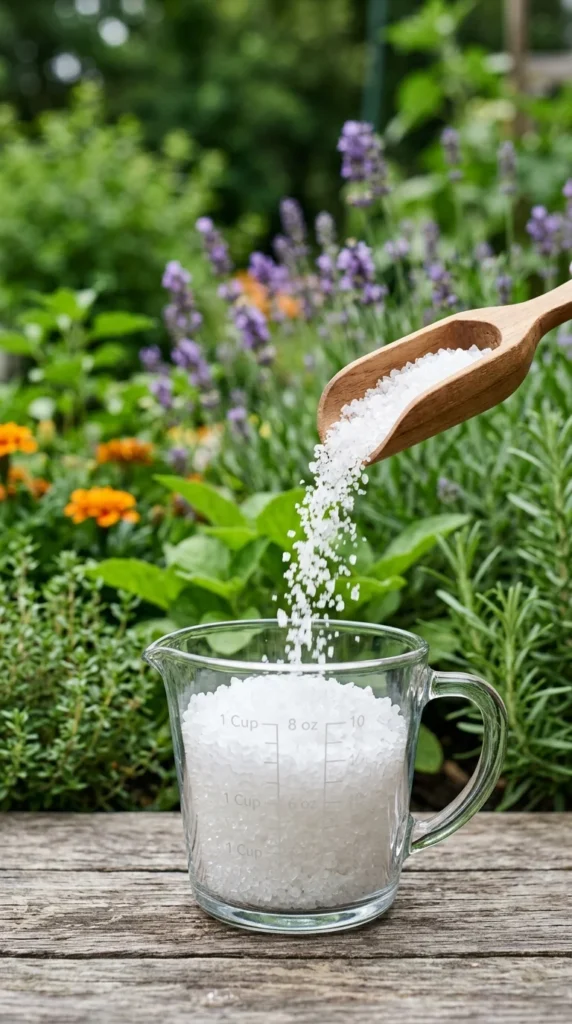
Magnesium is a key component of chlorophyll and helps the plant produce more sugar. Dissolving a tablespoon of Epsom salts in a gallon of water and applying it as a foliar spray once or twice during the early flowering stage can give the plants a magnesium boost, leading to darker leaves and sweeter fruit.
14. Bird Netting
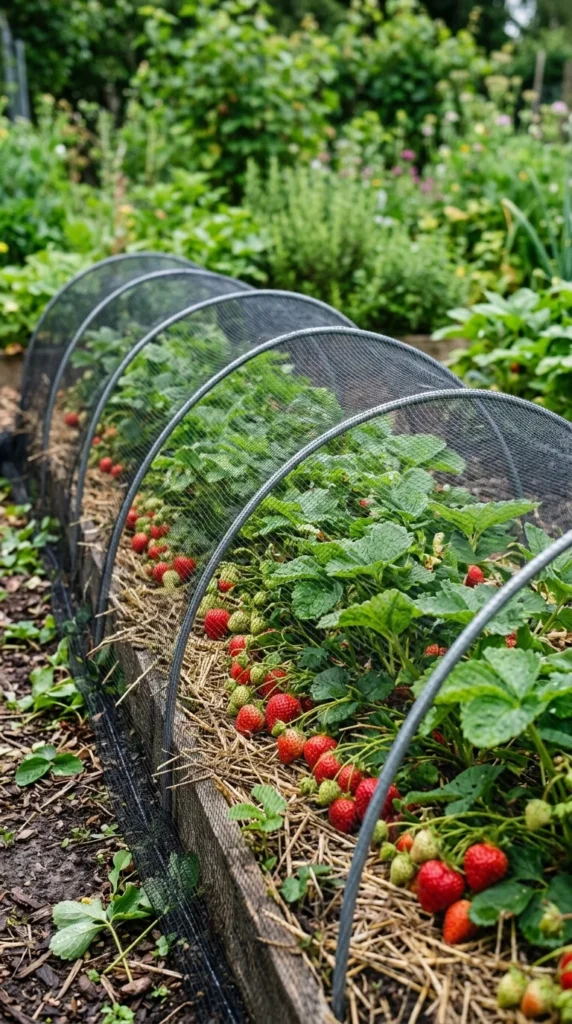
Birds love red strawberries as much as you do. Often, they will peck a single hole in every ripe berry, ruining the harvest. Use lightweight bird netting suspended over your plants. Make sure it is pulled taut so birds don’t get tangled, and ensure there are no gaps at the bottom where they can hop inside.
15. Potassium Boost
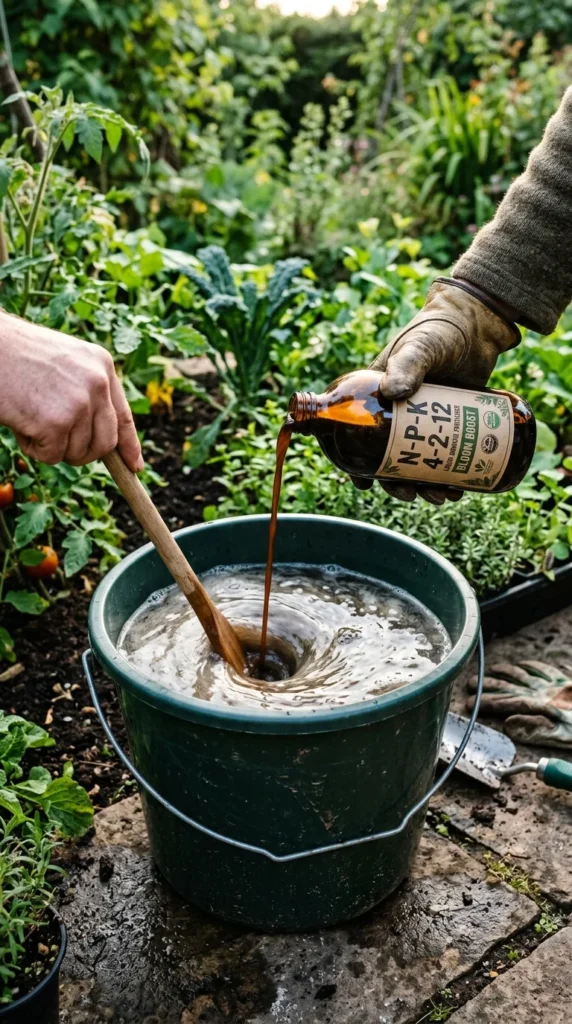
While nitrogen is great for leaf growth, potassium (the ‘K’ in N-P-K) is responsible for fruit quality and sweetness. Use a fertilizer higher in potassium once the plants start blooming. Seaweed extract or wood ash (in small amounts) can provide that extra potassium kick needed for top-tier flavor.
16. Companion Planting
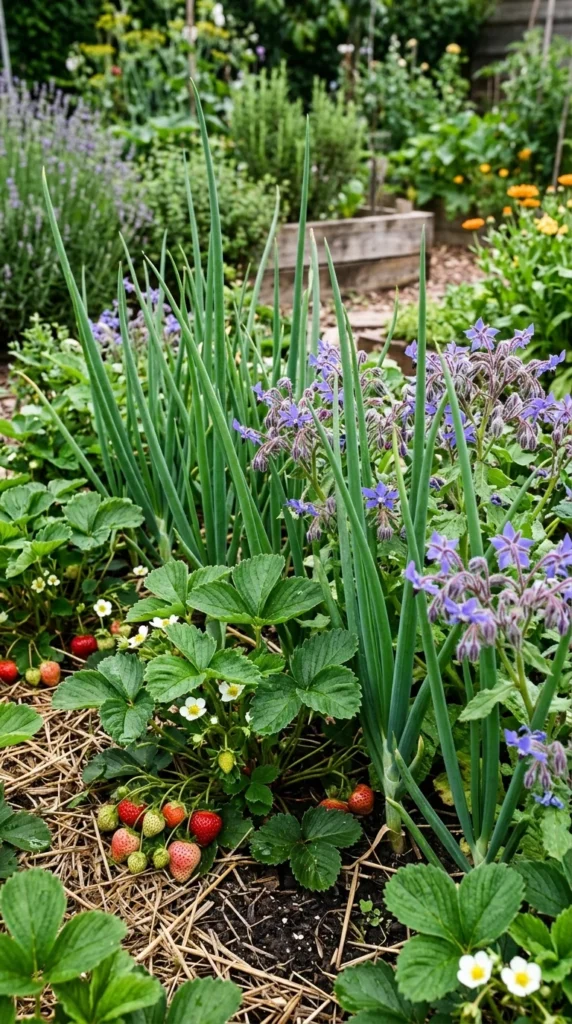
Strawberries have “best friends” in the garden. Planting onions or garlic nearby can help deter pests with their strong scents. Borage is perhaps the best companion; it is said to improve the flavor of strawberries while attracting predatory insects that eat the pests that want your berries.
17. Harvest Timing
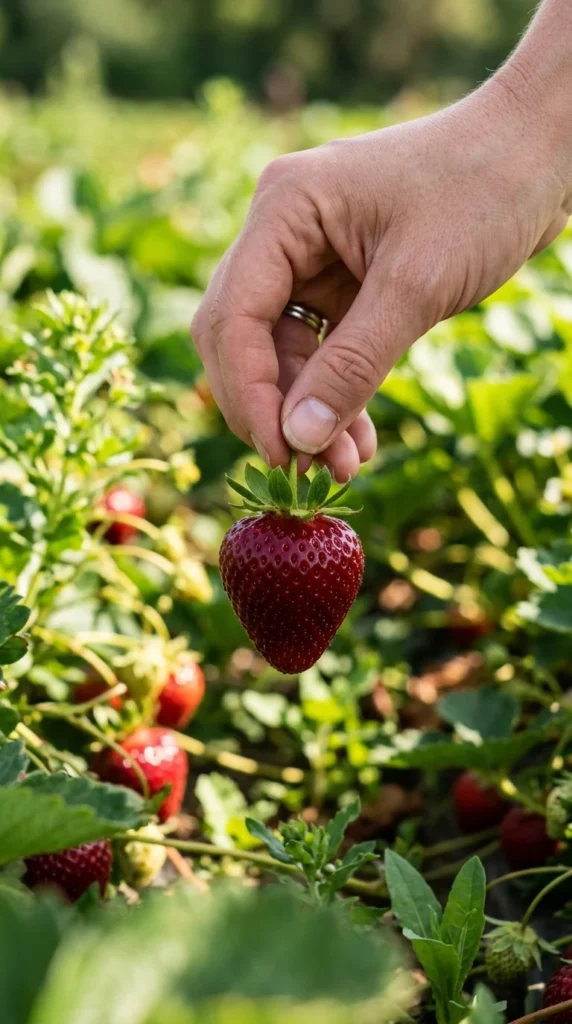
Strawberries do not ripen after they are picked. If you pick a berry with a white tip, it will never get any sweeter. For maximum sugar content, wait until the berry is completely red—even slightly dark red. This is when the sugar levels are at their peak. Harvest in the cool of the morning for the firmest, best-tasting fruit.
18. Stem Cutting
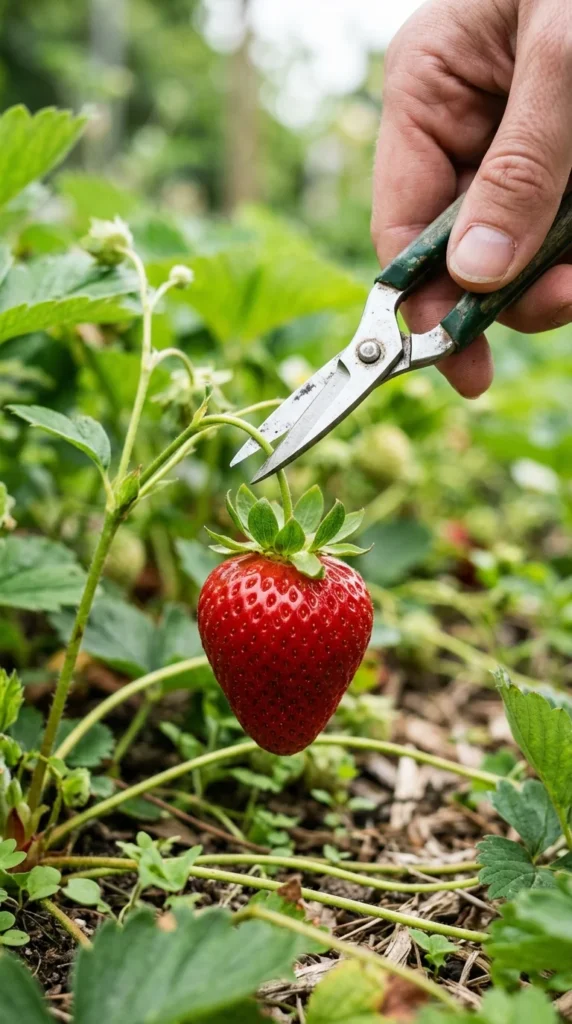
Never pull a strawberry off the plant. Pulling can damage the delicate crown of the plant or bruise the fruit. Instead, use scissors or your fingernails to snip the stem about a half-inch above the berry. Leaving the green cap (calyx) on the berry helps it stay fresh longer after harvest.
19. Vertical Growing
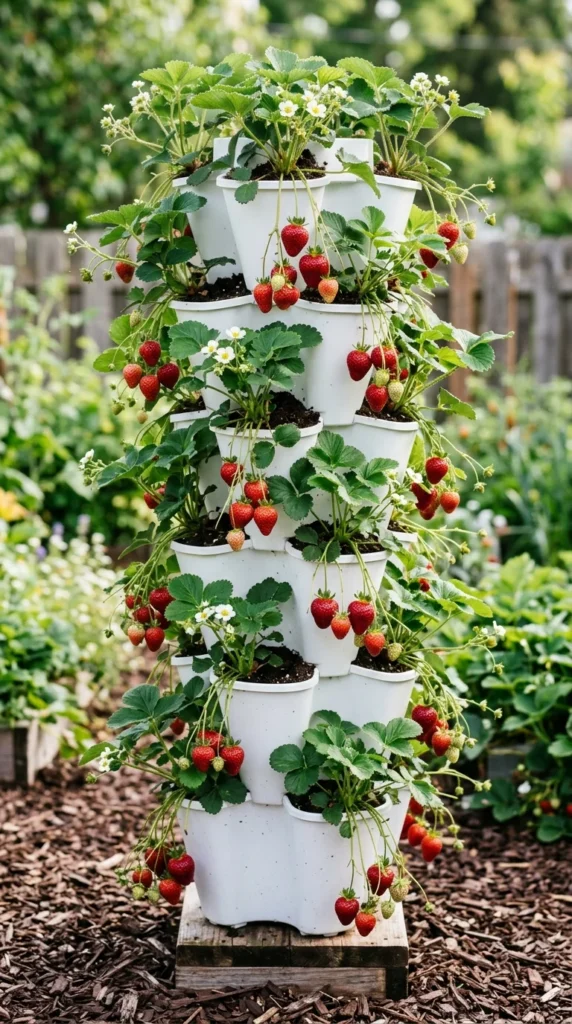
If space is limited, grow vertically. Strawberry towers or hanging baskets keep the fruit away from soil-borne pests and diseases. Because the berries hang in the air, they receive more consistent airflow, which reduces the chance of rot and allows for even ripening on all sides of the fruit.
20. Winter Protection
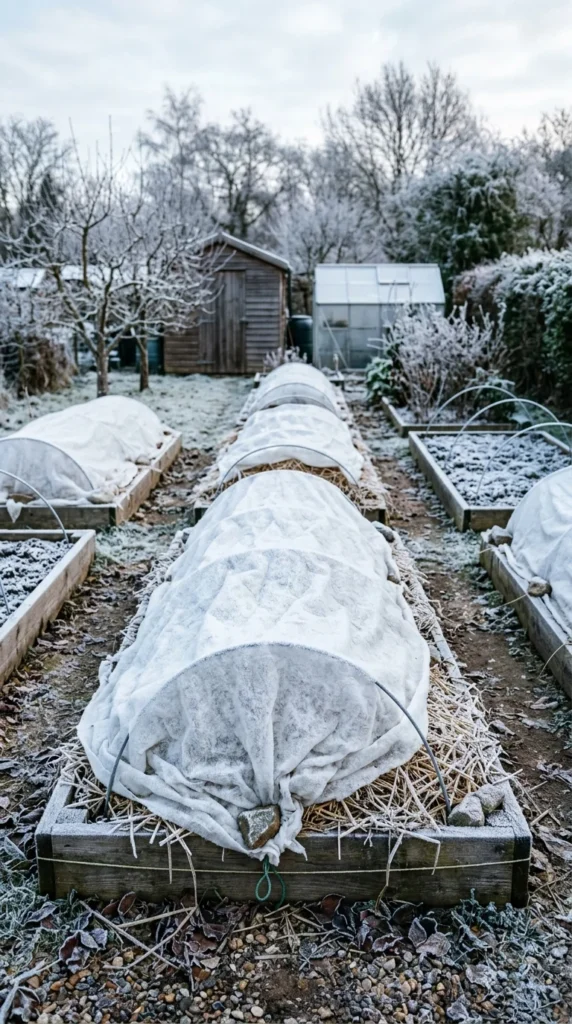
Strawberry crowns are sensitive to extreme cold and the “freeze-thaw” cycle of winter. Once the ground freezes, cover your patch with 4–6 inches of straw or a heavy frost blanket. This insulates the plants, ensuring they emerge strong and ready to produce in the spring rather than spending the first month of growth recovering from winter damage.
21. Liquid Seaweed
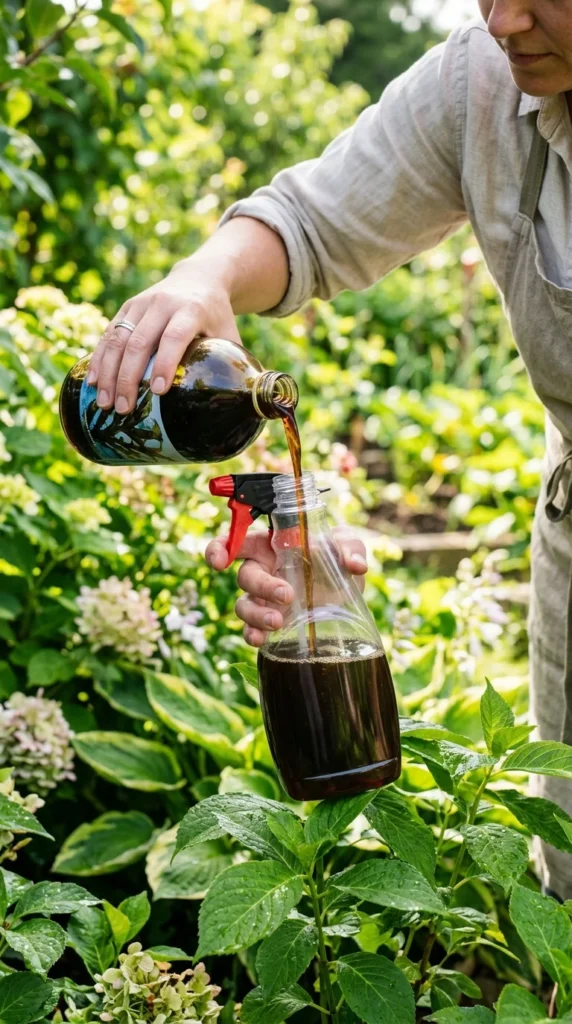
Liquid seaweed is like a multivitamin for strawberries. It contains trace minerals and hormones that help the plant cope with stress, such as heatwaves or drought. Regular foliar feeding (spraying the leaves) with diluted seaweed extract every two weeks can significantly increase the brix (sugar) level of the fruit.
22. Crop Rotation
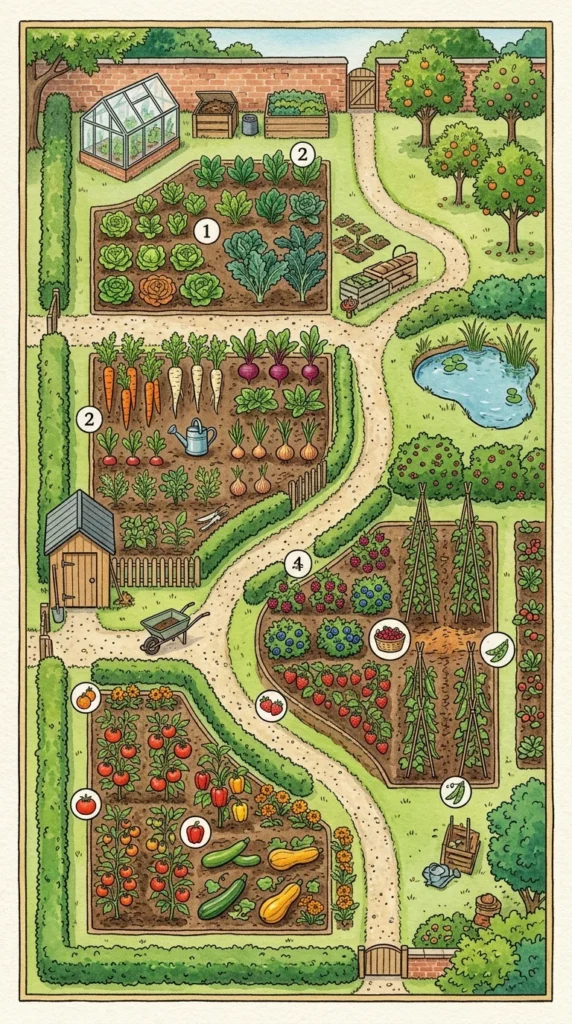
Strawberry plants generally reach their peak production at year two or three, then decline. To keep your harvest big and sweet, replace your plants every 3 to 4 years. When you do, move the patch to a new location where strawberries, tomatoes, or peppers haven’t grown recently to prevent the buildup of soil-borne pathogens.
23. Air Circulation
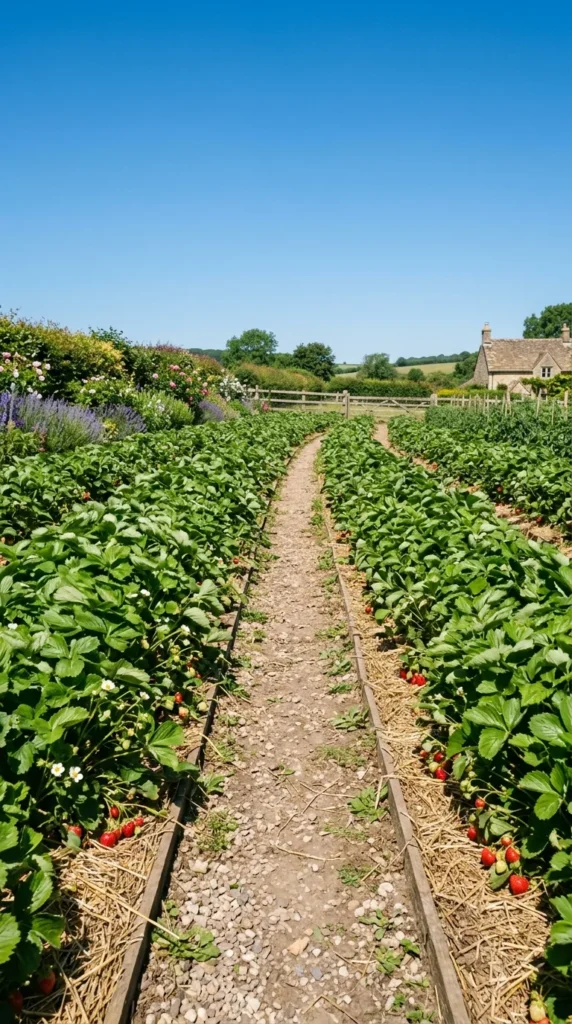
Fungal diseases thrive in stagnant, humid air. By ensuring your plants have plenty of room and keeping the patch weed-free, you allow the wind to move through the foliage. This dries out the plants quickly after rain or dew, keeping the berries healthy and firm, which is essential for developing that perfect, sweet crunch.