
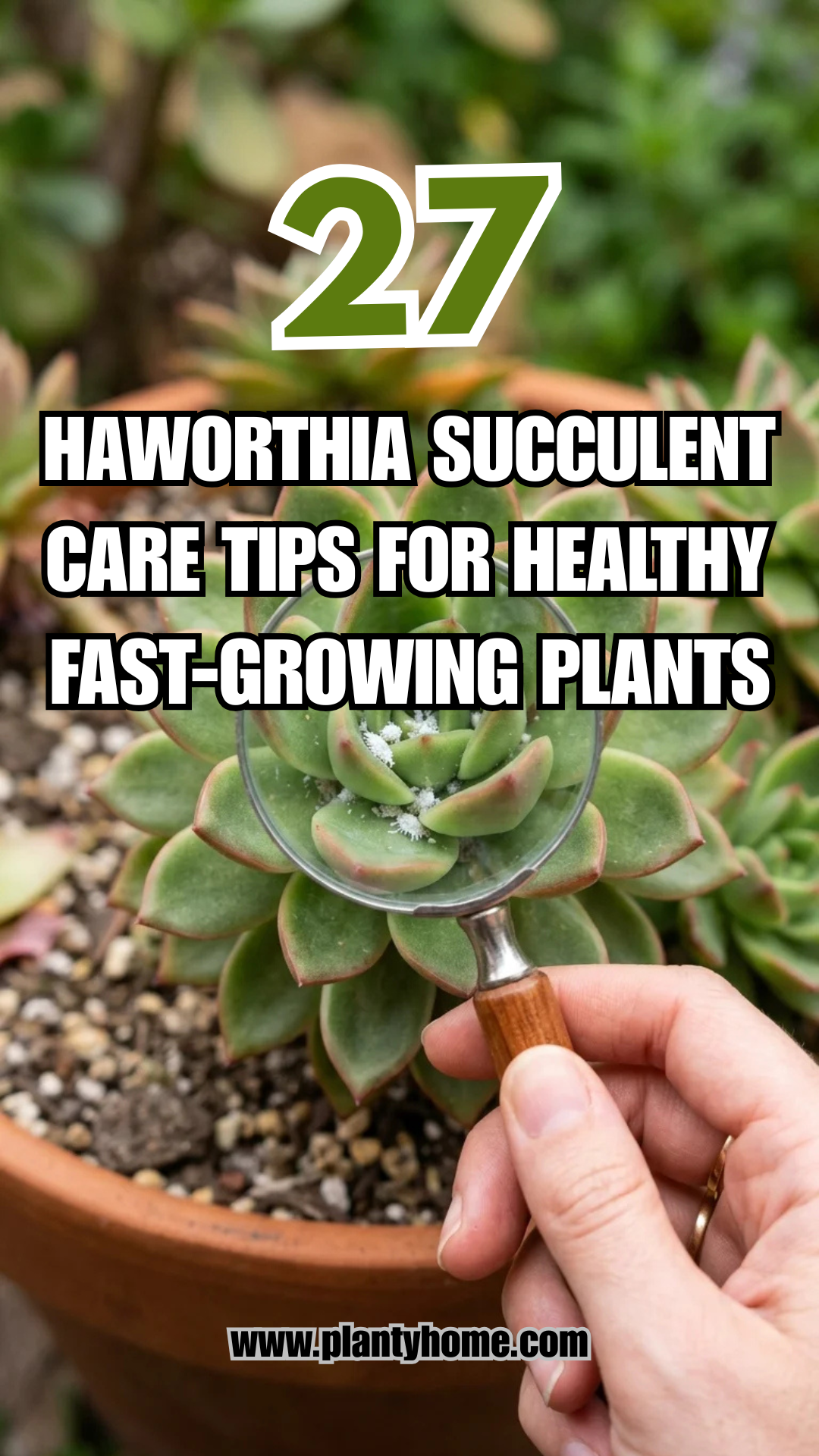
Haworthias are the unsung heroes of the succulent world. Often referred to as “window succulents” or “zebra cacti,” these small, hardy plants are perfect for indoor gardeners. Unlike their sun-worshipping Echeveria cousins, Haworthias are surprisingly shade-tolerant and thrive in conditions that would make other succulents stretch and weaken. To help you transform your Haworthia from a stagnant houseplant into a thriving, fast-growing specimen, here are 27 essential care tips.
1. Bright Light
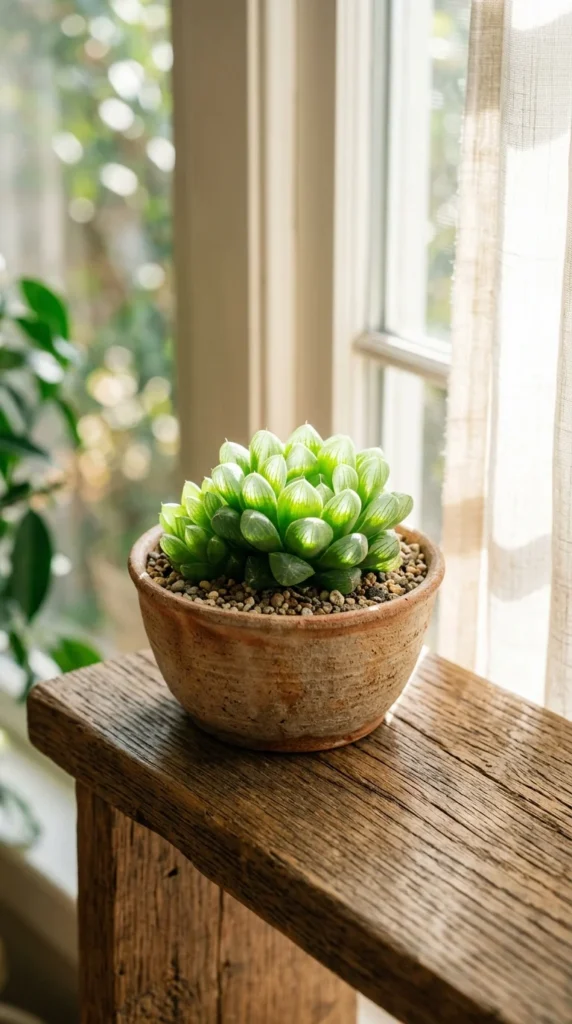
Haworthias love light, but they are not fans of the harsh, direct afternoon sun. In their natural habitat in South Africa, they often grow nestled under the shade of bushes or rock crevices. For the best growth, place them in a spot that receives bright, indirect light for at least six hours a day. An east or west-facing window is usually ideal.
2. Proper Drainage
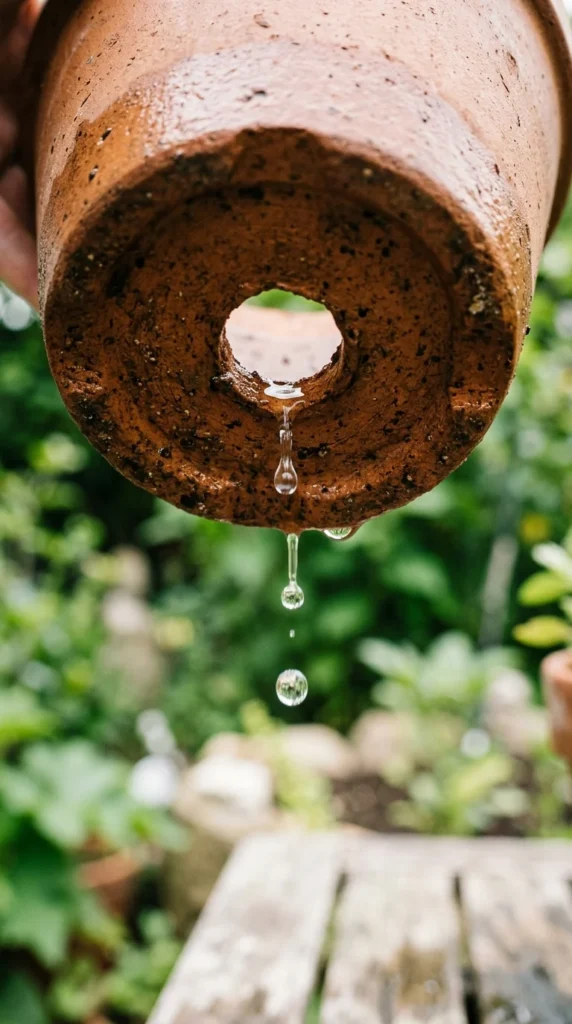
The fastest way to kill a Haworthia is by letting it sit in “wet feet.” These plants have thick, fleshy roots that are highly susceptible to rot if the water has nowhere to go. Always ensure your pot has at least one large drainage hole. If you find a decorative pot without one, use it as a cachepot rather than planting directly into it.
3. Gritty Soil
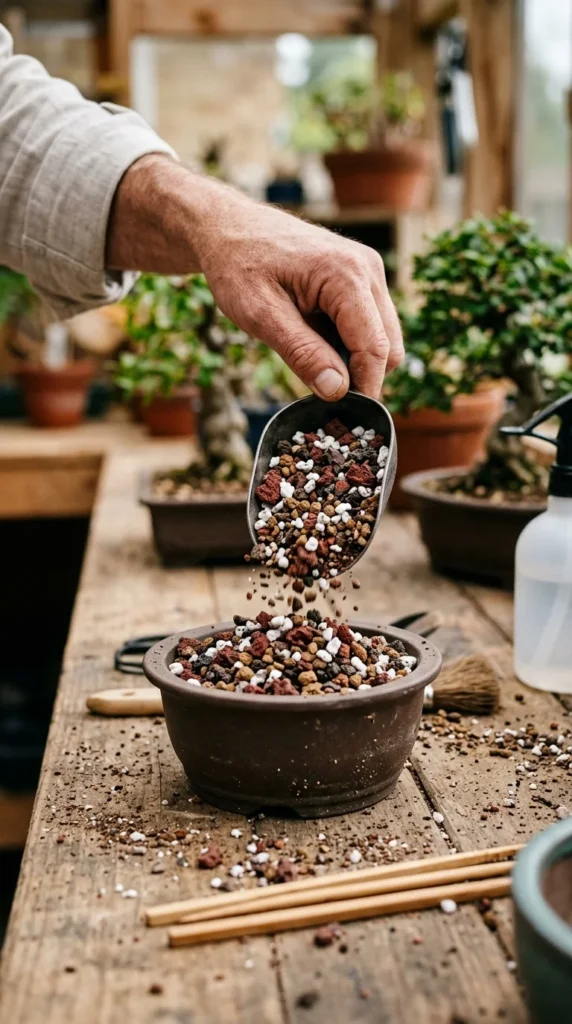
Standard potting soil is far too dense for Haworthias. To encourage fast growth and healthy roots, use a gritty mix. A blend of 50% potting soil and 50% inorganic material like perlite, pumice, or fine gravel works wonders. This allows oxygen to reach the roots and ensures water passes through quickly.
4. Deep Watering
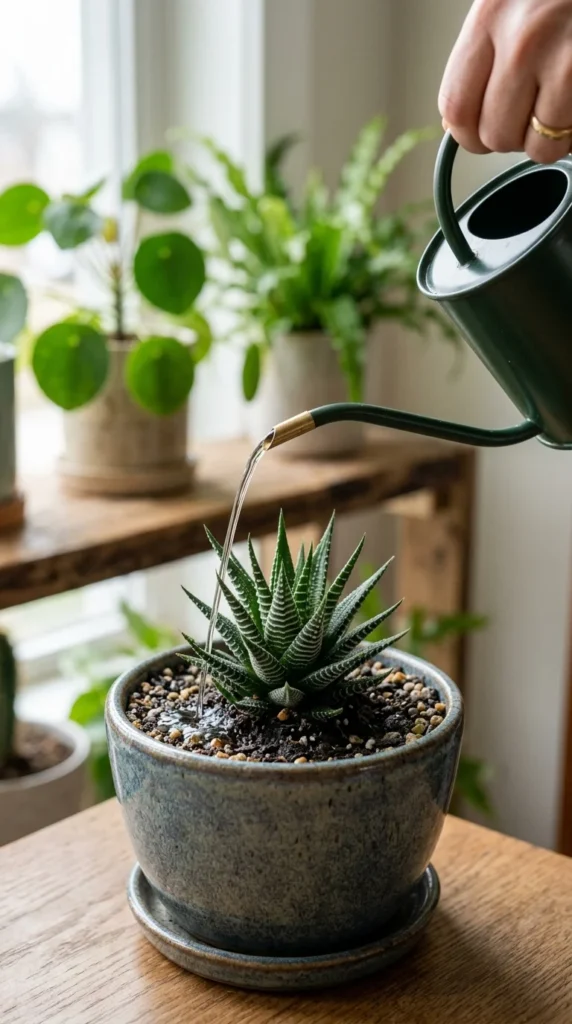
When you water, water deeply. Instead of giving your plant small sips every few days, soak the soil until water runs out of the drainage holes. This “soak and dry” method mimics the natural rainfall patterns of their desert environment and encourages the roots to grow deep into the pot.
5. Dry Cycles
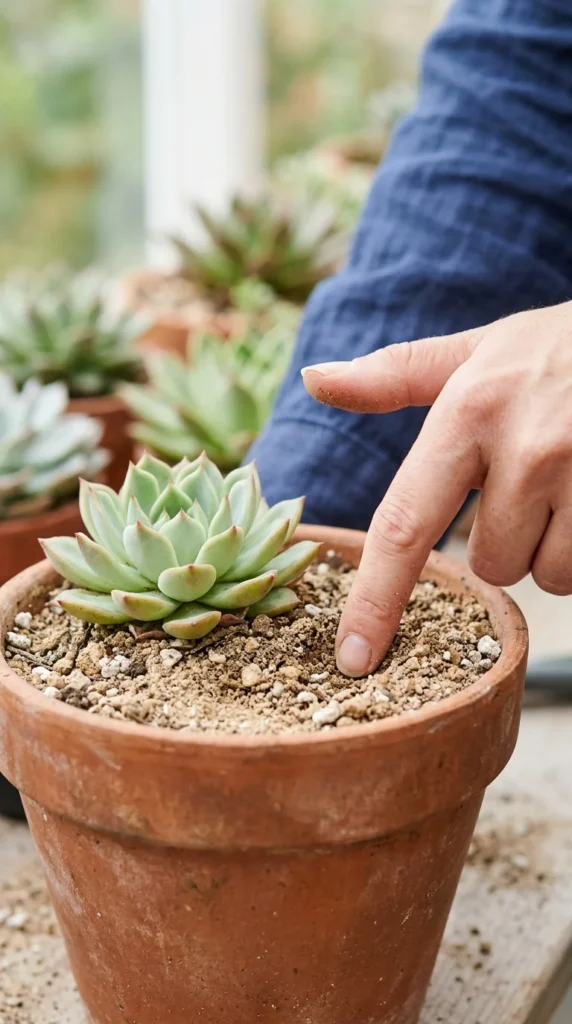
Never water a Haworthia if the soil is still damp. Before reaching for the watering can, stick your finger or a wooden skewer into the soil. If it comes out dry, it’s time to water. During the winter, you can let the soil stay dry for even longer periods as the plant’s metabolism slows down.
6. Air Circulation
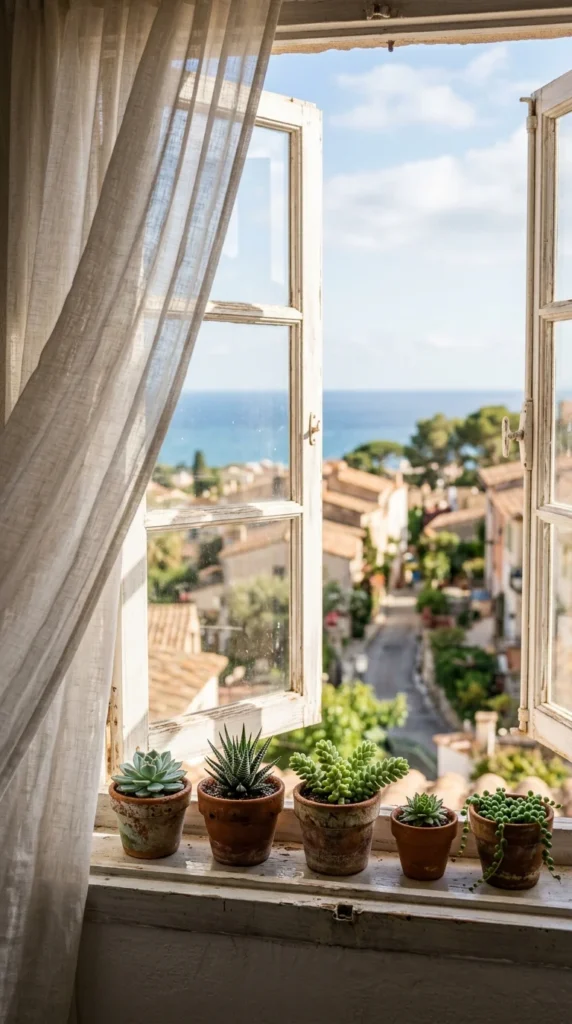
Haworthias despise stagnant air. Good airflow helps moisture evaporate from the soil surface and prevents fungal issues on the leaves. If you keep your plants in a corner or a room with little movement, consider using a small fan to keep the air circulating around them.
7. Temperature Range
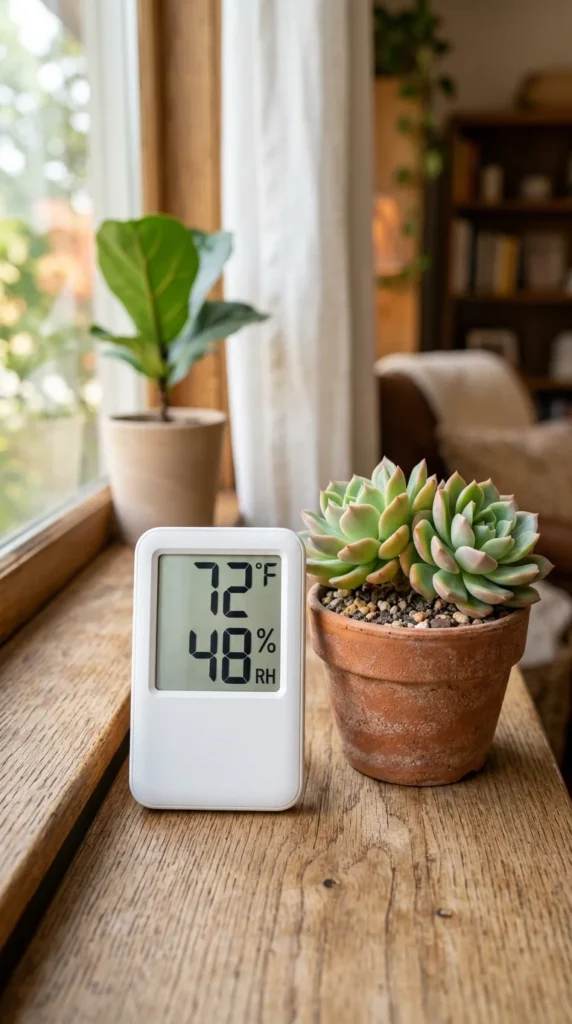
These plants are happiest in temperatures between 60°F and 85°F (15°C to 29°C). While they can survive brief dips down to 40°F, they are not frost-hardy. If you keep them outdoors in the summer, make sure to bring them inside before the first frost hits.
8. Pot Material
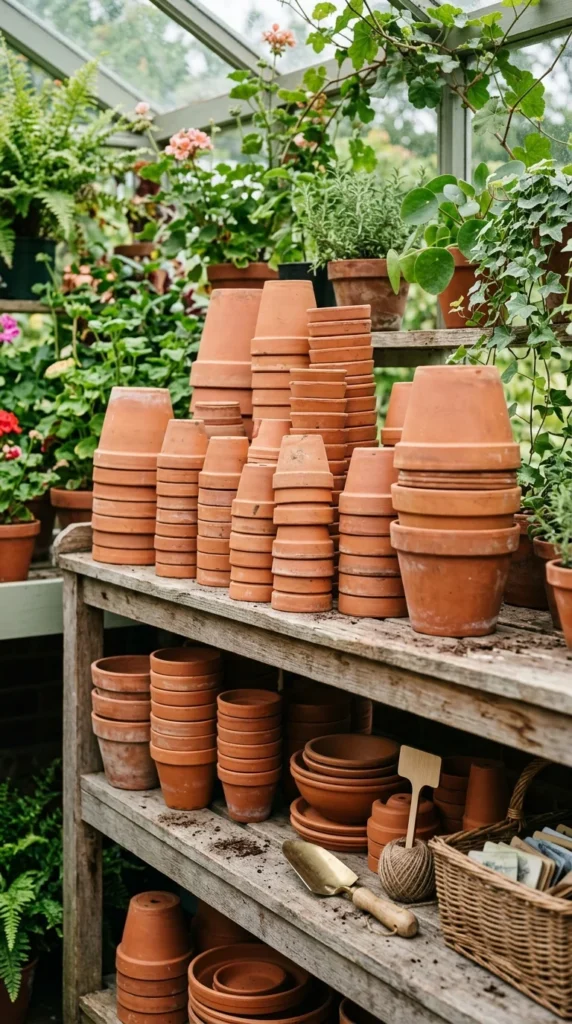
While plastic or ceramic pots can work, unglazed terracotta is the gold standard for Haworthia care. The porous nature of terracotta allows the soil to “breathe,” drawing excess moisture out through the sides of the pot. This significantly reduces the risk of overwatering.
9. Low Fertilization
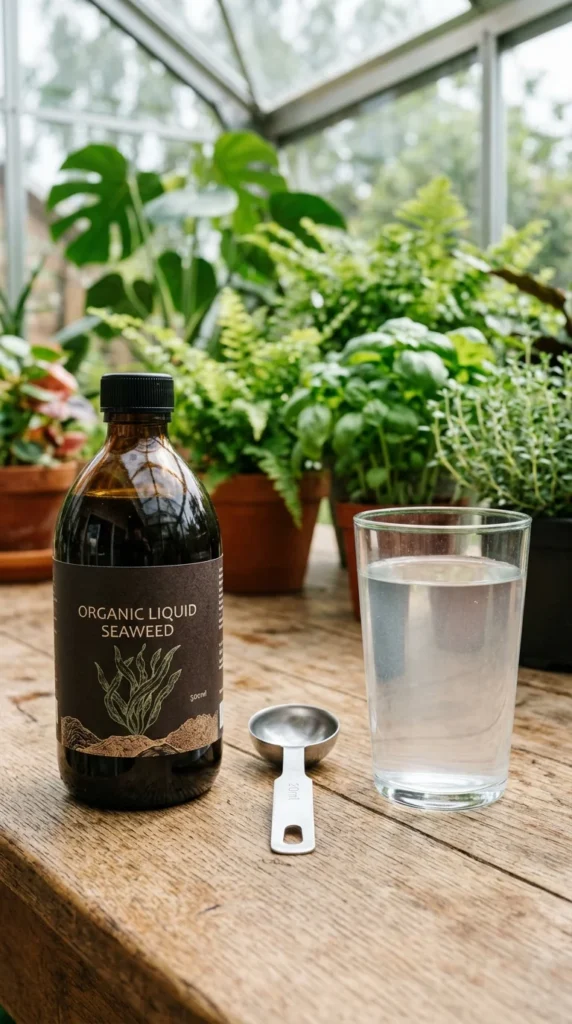
Haworthias are slow growers by nature and don’t require heavy feeding. During the active growing seasons (spring and fall), you can use a balanced, water-soluble fertilizer diluted to half or quarter strength once a month. Avoid fertilizing in the heat of summer or the depths of winter when the plant is dormant.
10. Avoid Crowns
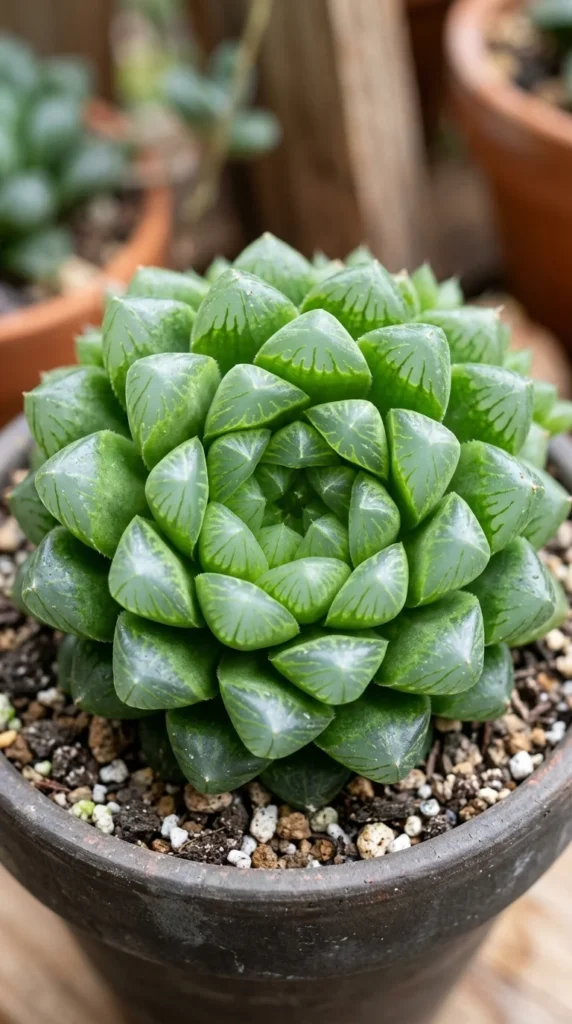
When watering, try to avoid getting water into the center of the plant (the crown). Water trapped in the crevices of the leaves can lead to crown rot, which can kill the plant from the inside out very quickly. Always aim the spout of your watering can at the soil surface.
11. Pot Size
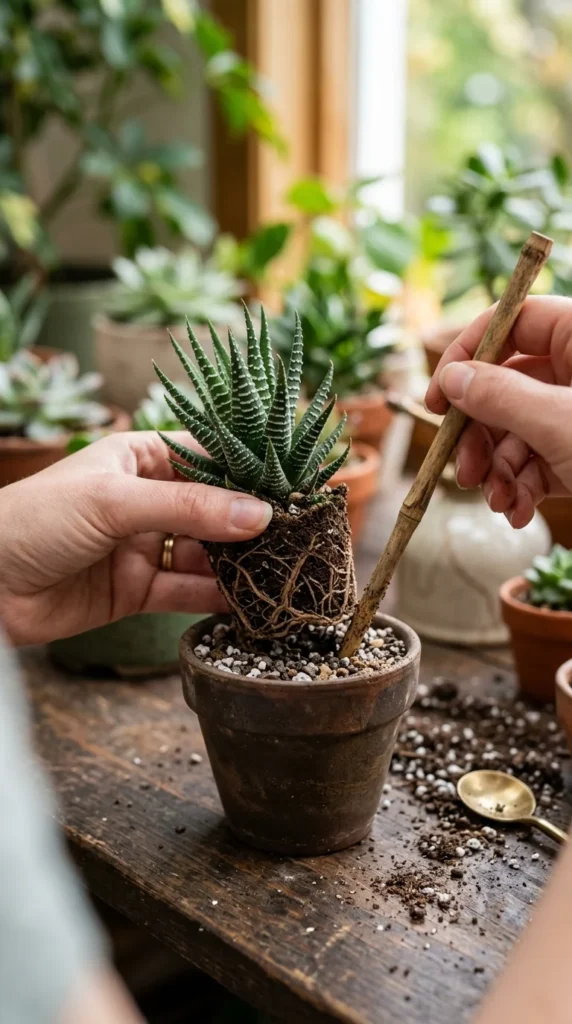
Don’t be tempted to put a small Haworthia in a massive pot. Large pots hold onto more moisture than a small plant can drink, increasing the risk of rot. Choose a pot that is only about an inch wider than the diameter of the plant.
12. Leaf Color
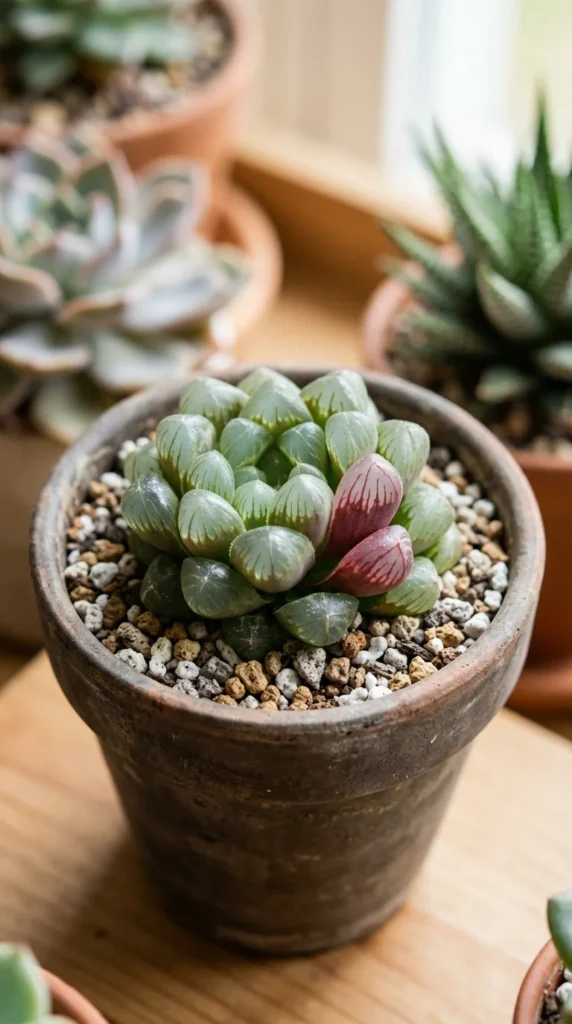
Pay attention to your plant’s color. If it starts turning deep red, purple, or brown, it’s likely getting too much sun (stress coloration). While not necessarily harmful, it indicates the plant is at its limit. If it turns a pale, washed-out green, it likely needs more light.
13. Window Windows
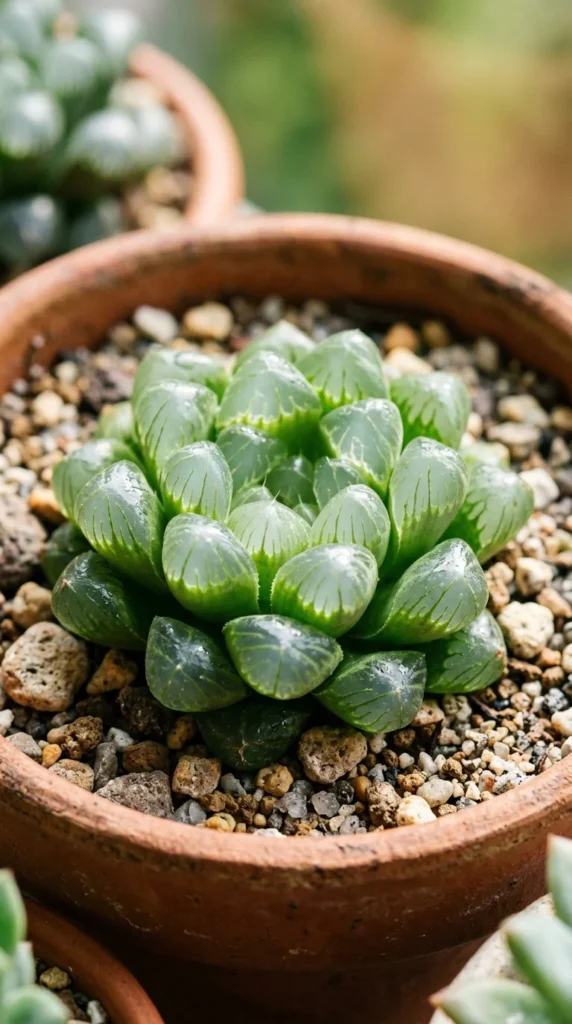
Many Haworthias have transparent “windows” at the tips of their leaves. These allow sunlight to penetrate deep into the body of the leaf for photosynthesis. Keep these windows clean! Dust them off gently with a soft brush or a damp cloth so the plant can maximize its energy intake.
14. Dormancy Periods
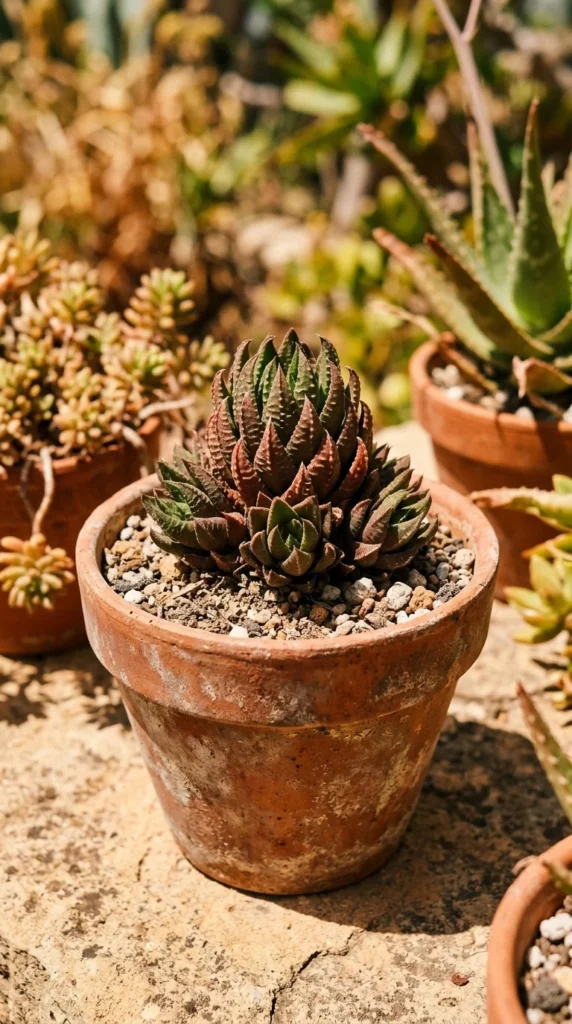
Unlike many other succulents, Haworthias often go semi-dormant during the hottest weeks of summer and the coldest weeks of winter. During these times, growth will stall. Resist the urge to “fix” this with more water or fertilizer; simply let the plant rest.
15. Repotting Timing
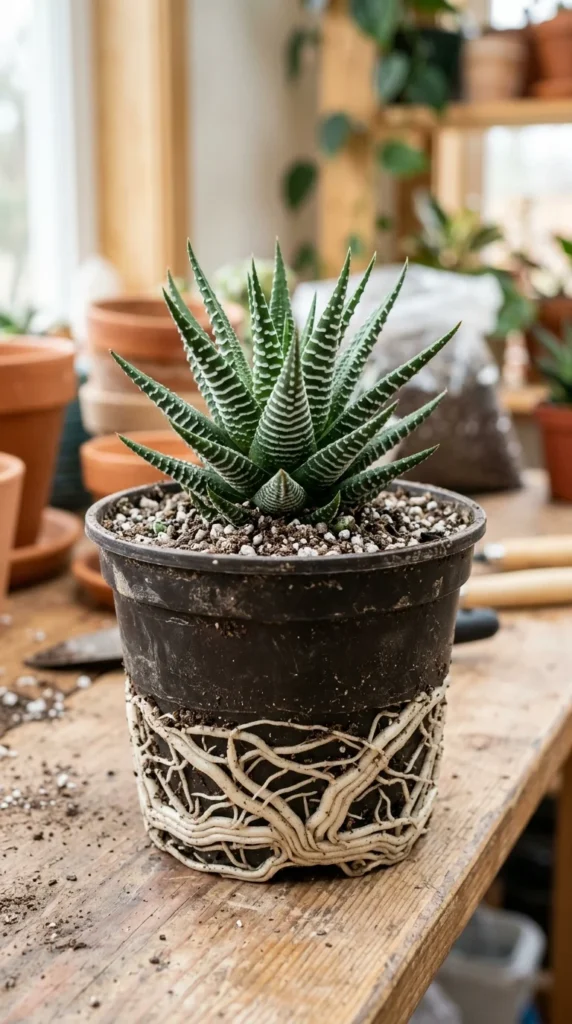
You only need to repot Haworthias every 2 to 3 years. The best time to do this is in the spring or autumn when the plant is in its active growth phase. This allows the roots to recover quickly and establish themselves in the new soil.
16. Removing Offsets
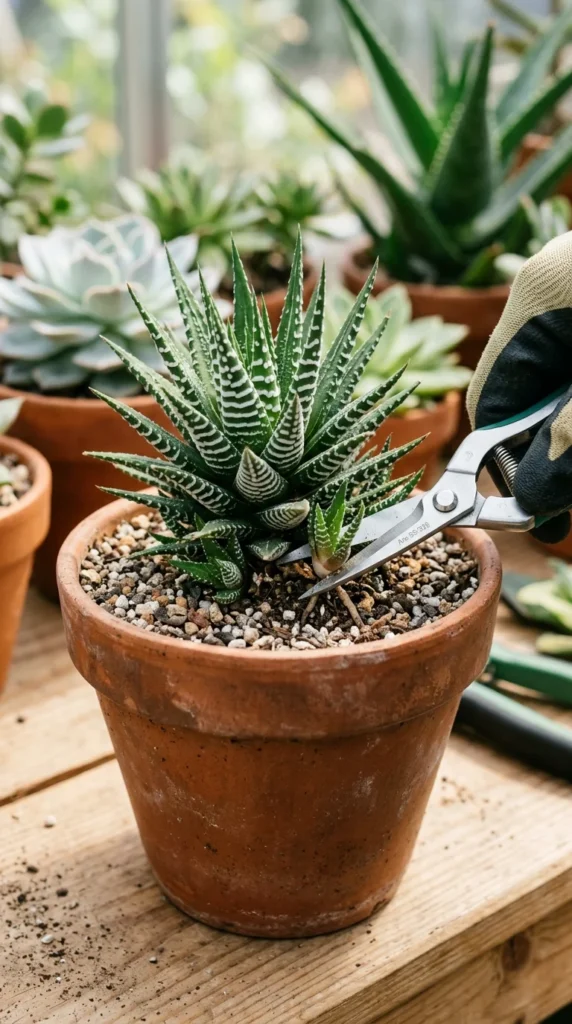
Haworthias are prolific at producing “pups” or offsets around the base. To encourage the mother plant to grow faster and larger, you can remove these offsets once they are about one-third the size of the parent. You can then pot these pups separately to start new plants!
17. Pest Monitoring
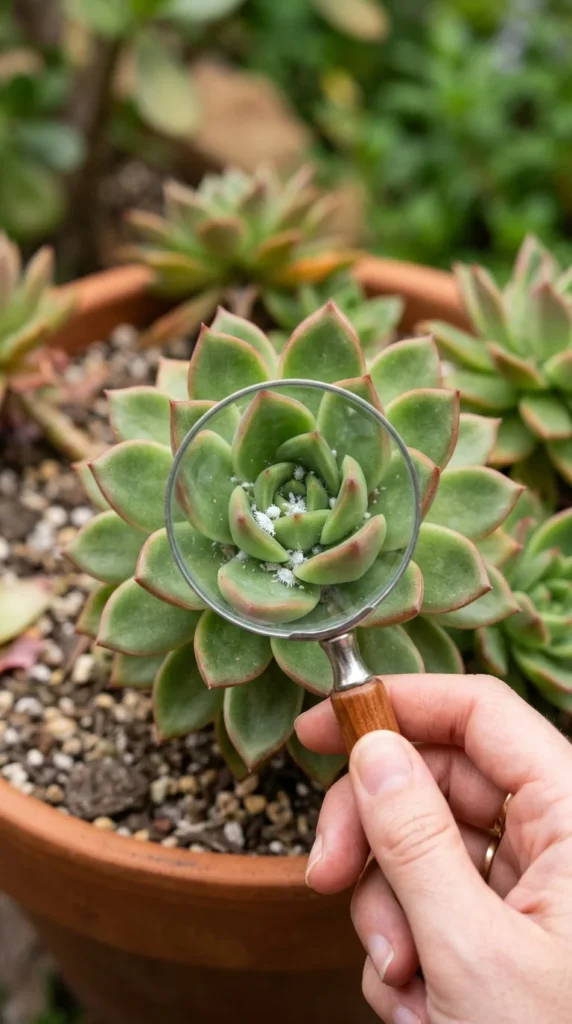
Keep an eye out for mealybugs, which love to hide in the tight crevices of Haworthia leaves. They look like tiny bits of white cotton. If you spot them, use a cotton swab dipped in rubbing alcohol to dab them away instantly.
18. Root Health
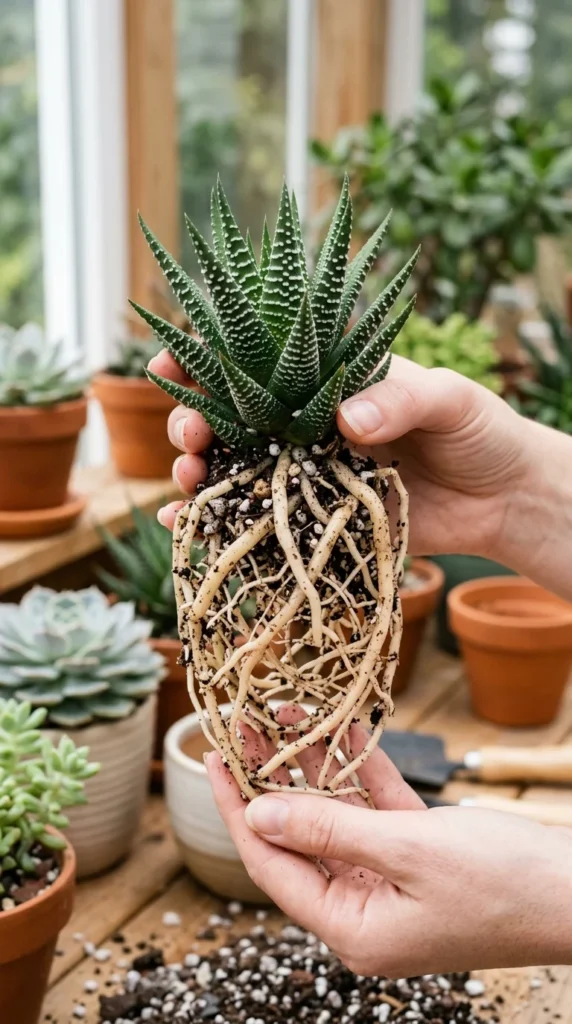
Haworthias have unusually thick, almost tuberous roots. Occasionally, these roots may die back during dormancy. If your plant feels “loose” in its pot, don’t panic. Simply check the roots, trim away any dried or mushy ones, and let the plant regrow new ones in fresh, dry soil.
19. Humidity Control
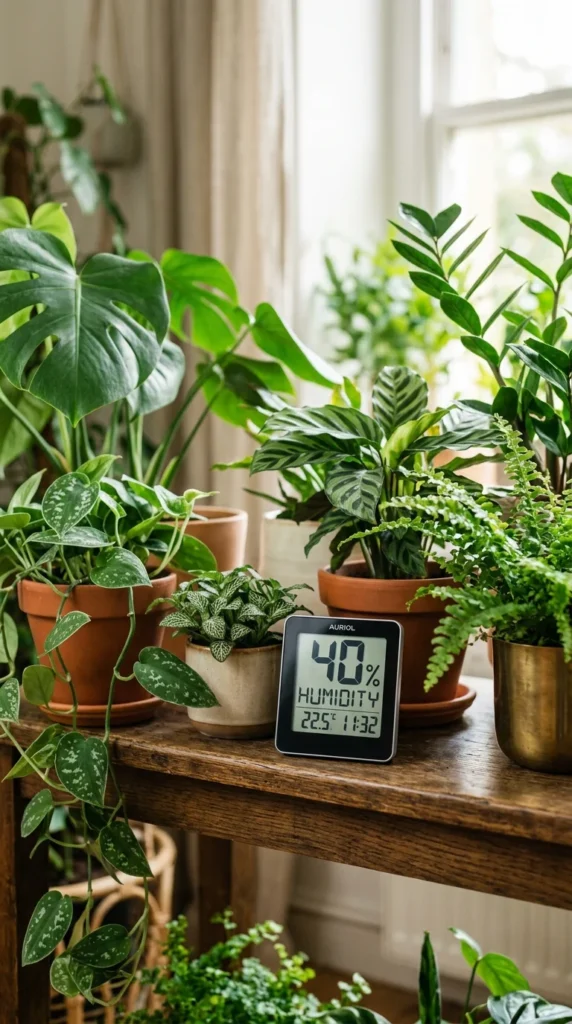
Haworthias prefer low to moderate humidity. High humidity combined with low airflow is a recipe for fungal infections. Avoid placing them in bathrooms or kitchens with lots of steam unless there is very good ventilation.
20. Dusting Leaves
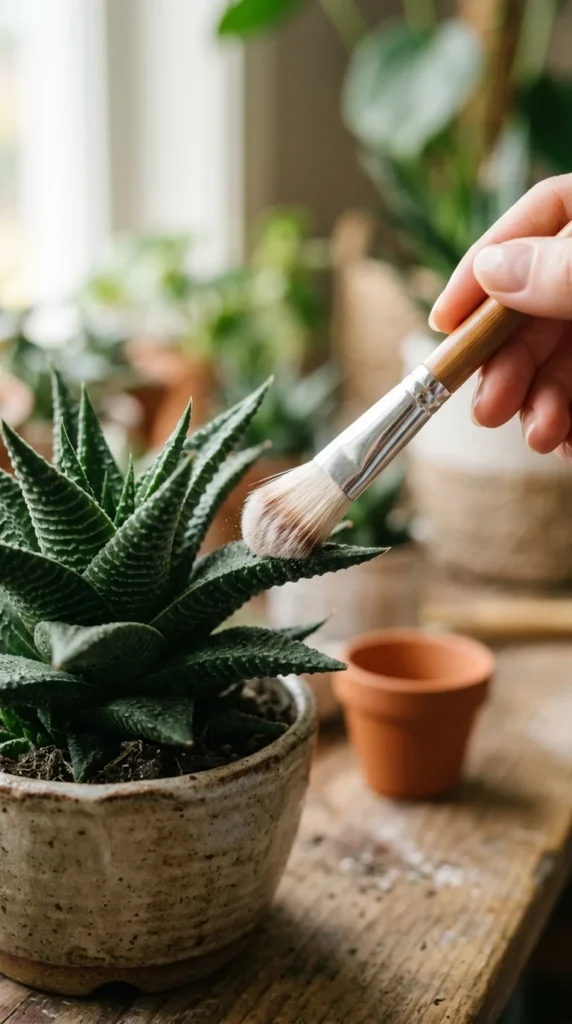
Because Haworthias grow slowly, their leaves can collect a significant amount of dust over time. This dust blocks sunlight. Use a soft brush or a gentle puff of air to keep the leaves clean and the “windows” clear.
21. Acclimatization
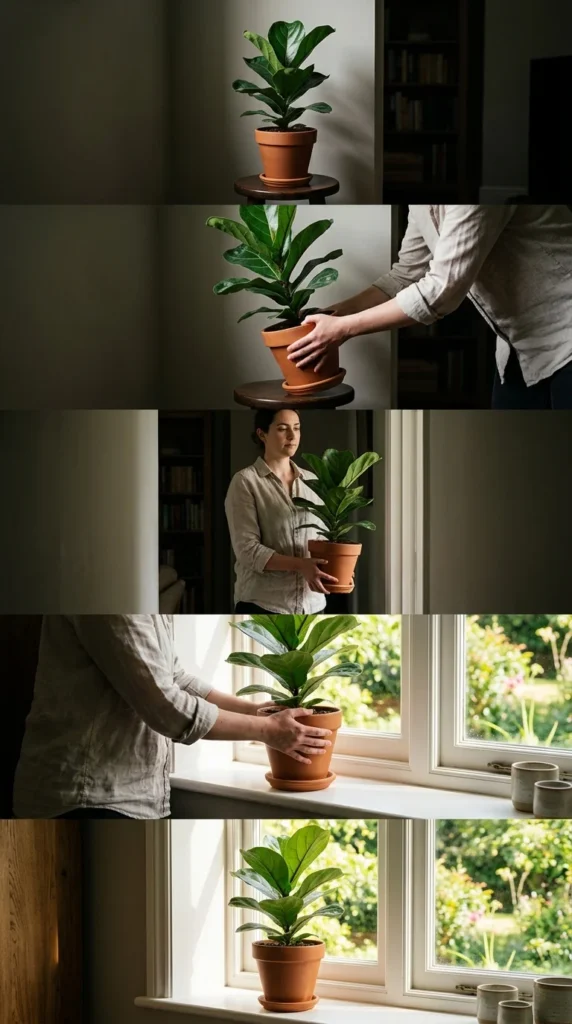
If you decide to move your Haworthia to a sunnier spot, do it gradually. Moving a plant from a dark corner directly into bright light will cause the leaves to scorch. Increase the light exposure by an hour or two each day over the course of a week.
22. Seed Propagation
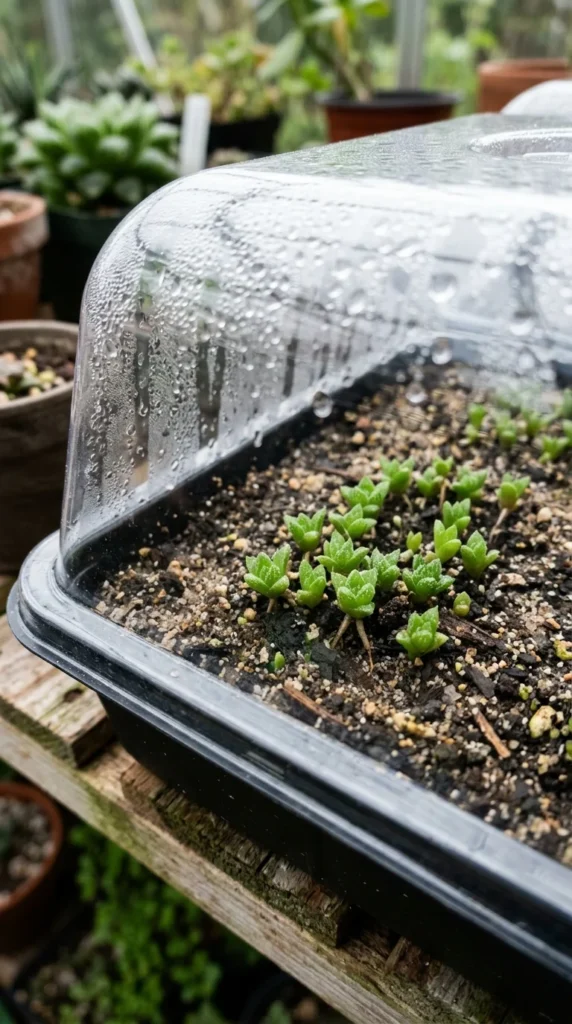
While slow, growing Haworthias from seed is incredibly rewarding. Use a sterile, sandy mix and keep the environment humid until the seedlings are established. This is how many collectors find rare hybrids and variations.
23. Top Dressing
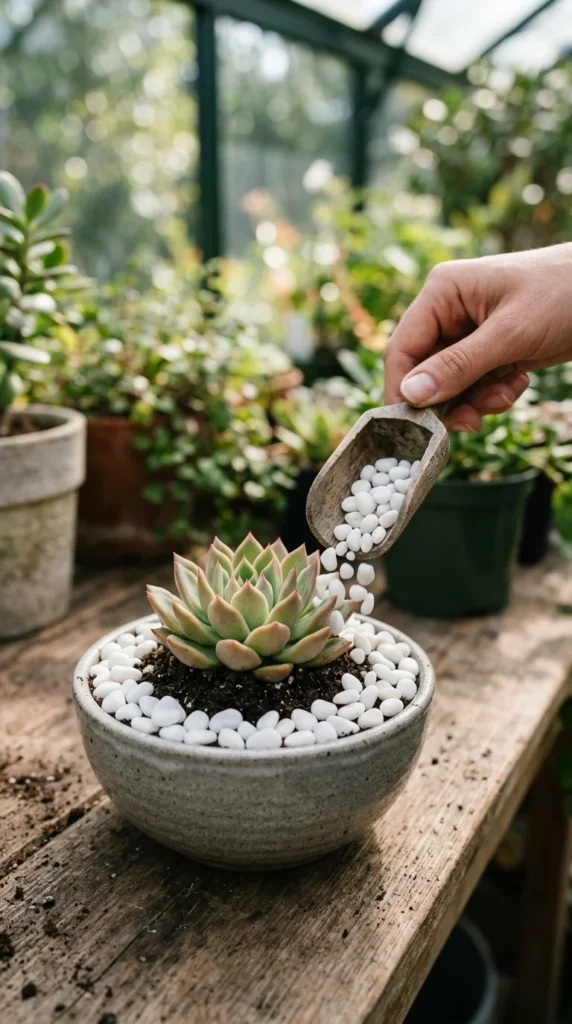
Using a top dressing of gravel or small stones isn’t just for looks. It keeps the lower leaves of the Haworthia off the damp soil, which prevents rot, and it stops the perlite in your soil mix from floating to the top when you water.
24. Tool Sterilization
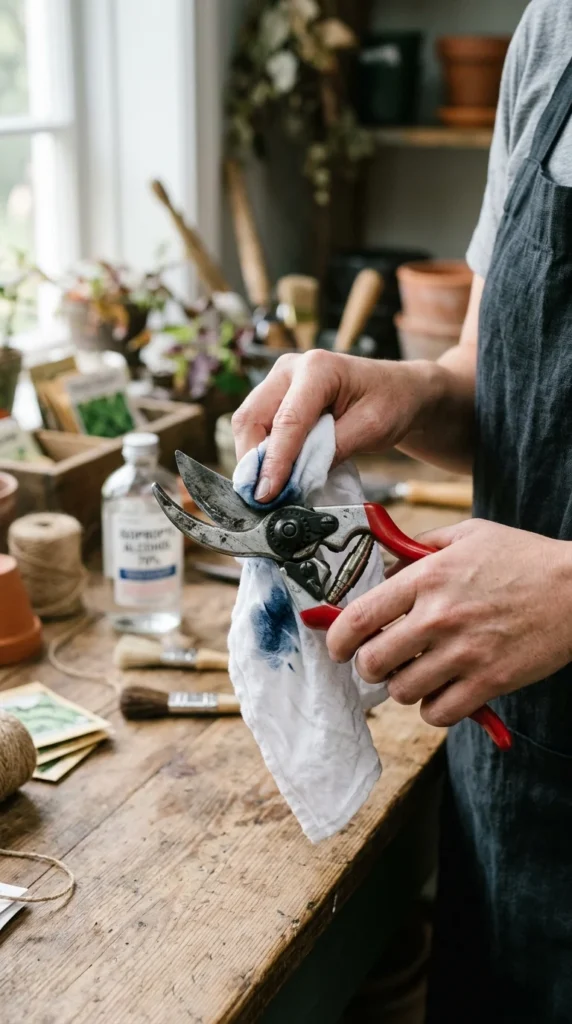
Whenever you are trimming dead leaves or removing offsets, always sterilize your tools with alcohol. This prevents the spread of bacteria or fungi from one plant to another.
25. Winter Light
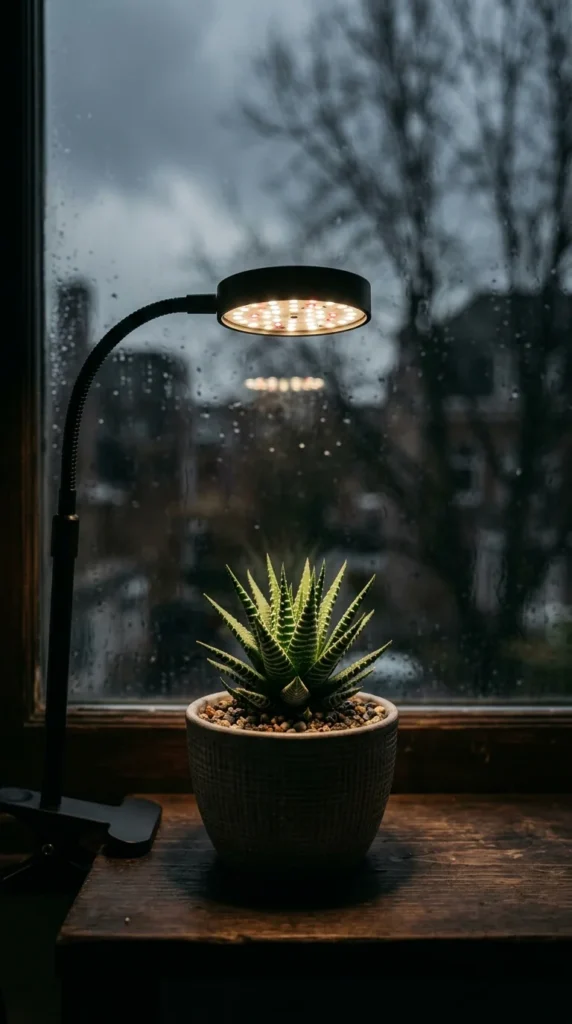
During the short days of winter, your Haworthia might struggle to get enough light. If you notice the center of the plant turning very pale or the leaves starting to stretch upward, consider using a small LED grow light to supplement the natural sun.
26. Grouping Plants
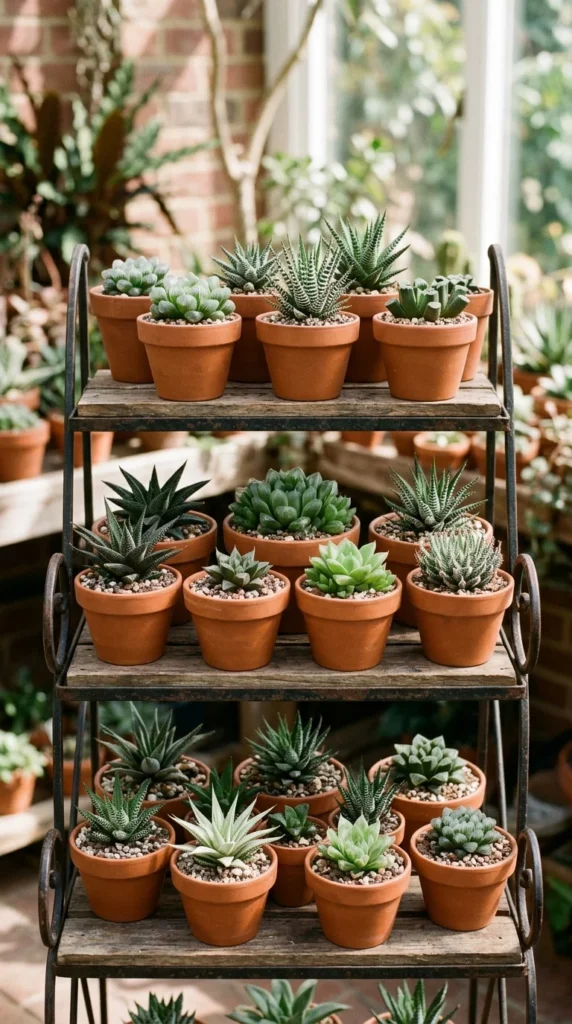
Grouping your succulents together can create a small microclimate that stabilizes temperature. However, make sure they aren’t so crowded that they touch, as this can restrict airflow and allow pests to jump from one plant to another.
27. Patience
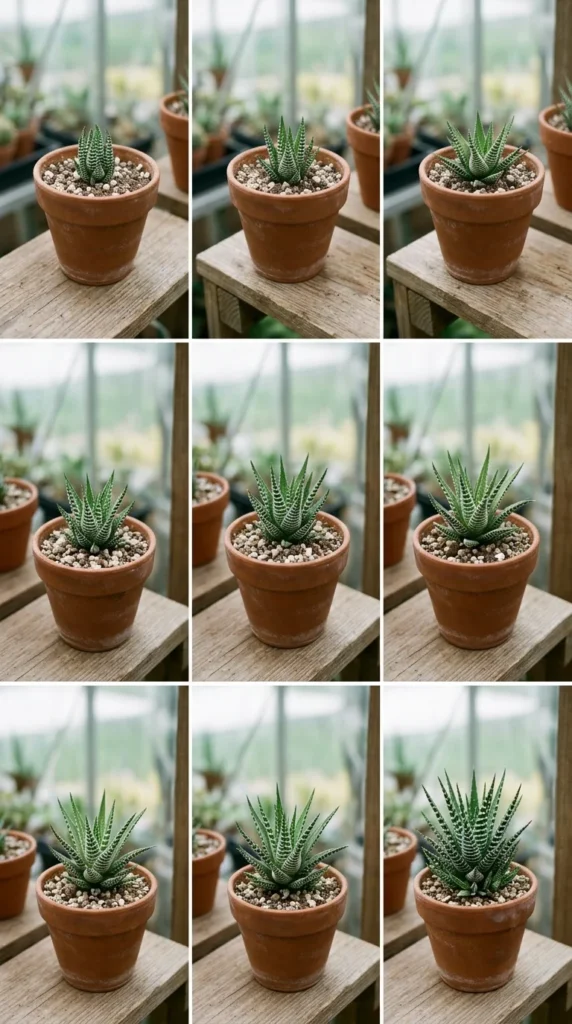
The most important tip for Haworthia care is patience. These are not plants that will double in size in a month. They are slow, steady, and architectural. Enjoy the subtle changes in their texture and form, and eventually, you will be rewarded with a stunning, mature specimen that can live for decades.