

The Panda Plant, scientifically known as Kalanchoe tomentosa, is one of the most charming succulents any plant enthusiast can own. Native to Madagascar, this “Pussy Ears” plant is beloved for its soft, felt-like foliage and hardy nature. While it is known for being low-maintenance, there is a distinct difference between a Panda Plant that is merely surviving and one that is truly thriving.
To help your fuzzy companion reach its full potential, you need to look beyond basic watering. From light exposure secrets to the nuances of leaf hygiene, here are 13 expert secrets to keeping your Panda Plant flourishing throughout the seasons.
1. Sunlight
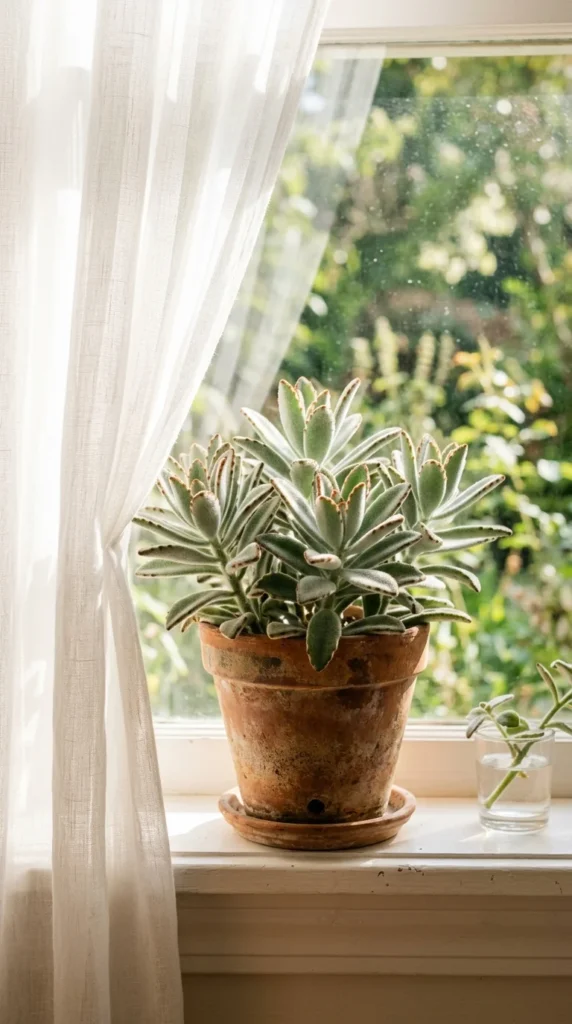
Panda Plants are sun-worshippers, but they have a limit. The secret to those deep cocoa-colored leaf tips is providing plenty of bright, indirect light. In their natural habitat, they receive filtered sun. If you keep them in a spot that is too dark, they will begin to stretch—a process known as etiolation—losing their compact, bushy shape.
However, be cautious with intense, direct afternoon sun, especially during the peak of summer. While they can handle some direct light, excessive heat through glass can actually scorch those velvety leaves. Aim for a south-facing window with a bit of distance, or an east-facing window where they can soak up the gentle morning rays.
2. Watering
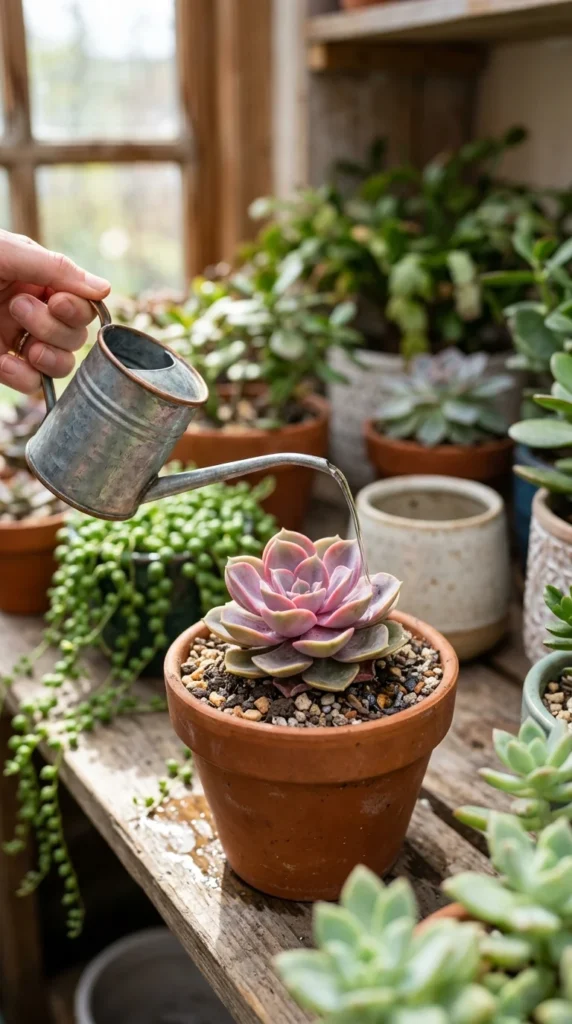
The most common killer of the Panda Plant is overwatering. These plants are succulents, meaning they store water in their thick, fleshy leaves. The “Secret” is the soak-and-dry method. You should never water on a schedule. Instead, poke your finger two inches into the soil; if it feels completely dry, it’s time to water.
When you do water, do it thoroughly until water runs out of the drainage holes. This encourages a deep root system. During the winter months, the plant enters a semi-dormant state and will require significantly less water—sometimes only once a month.
3. Drainage
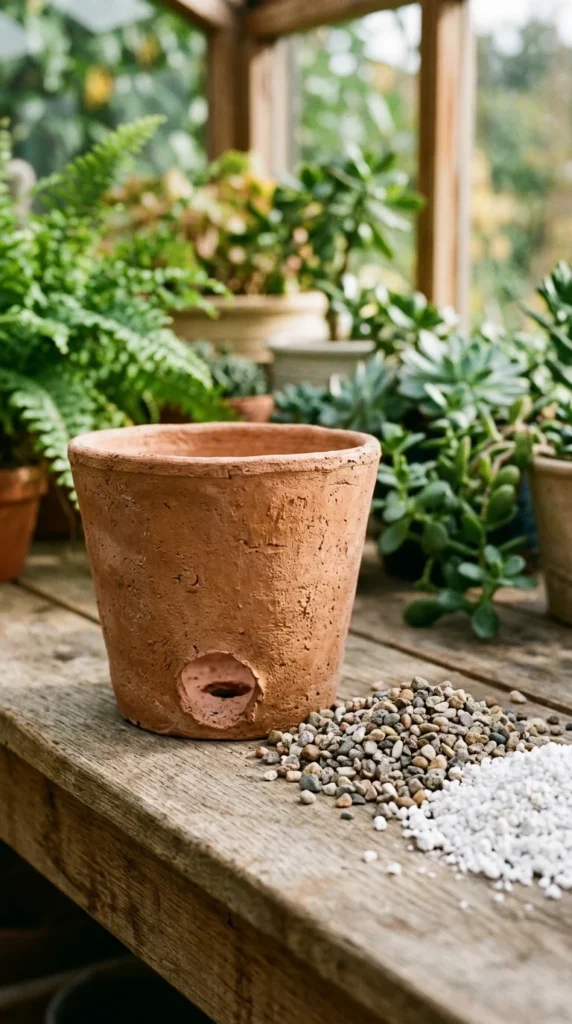
Drainage is non-negotiable for Kalanchoe tomentosa. Because they are prone to root rot, any standing water at the bottom of the pot is a death sentence. Ensure your pot has at least one large drainage hole.
If you find a decorative “cachepot” that doesn’t have holes, keep the Panda Plant in a plastic nursery liner inside the decorative pot. This allows you to remove the plant to water it, let it drain completely, and then place it back in the stylish container.
4. Soil
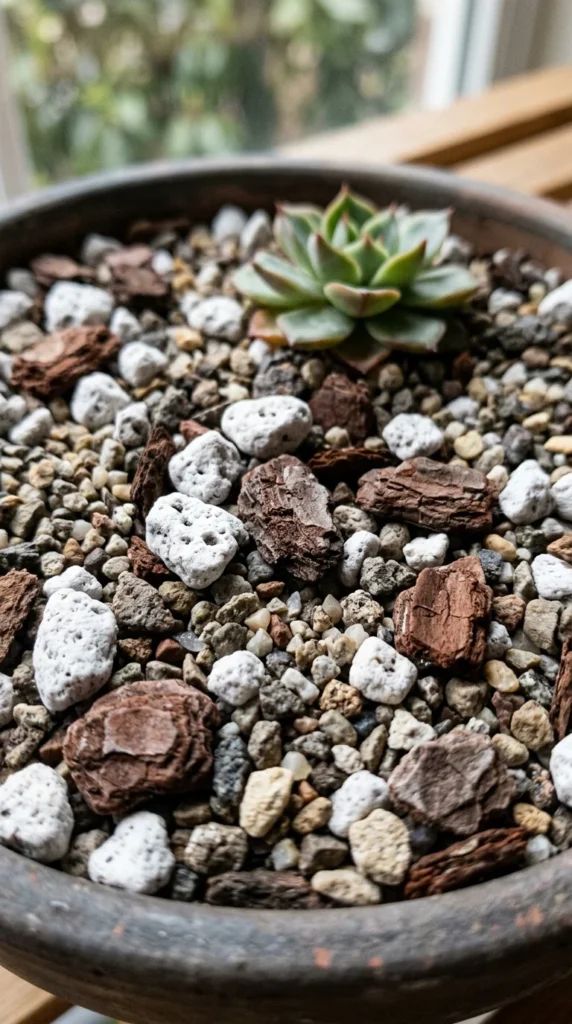
Standard potting soil is too heavy and retains too much moisture for a Panda Plant. The secret to a happy root system is a specialized succulent or cactus mix. These mixes are amended with perlite, pumice, or sand to increase aeration.
If you want to go the extra mile, mix two parts of succulent soil with one part perlite. This creates an ultra-breathable environment that allows the roots to “breathe” and prevents the soil from compacting over time, which can suffocate the plant.
5. Temperature
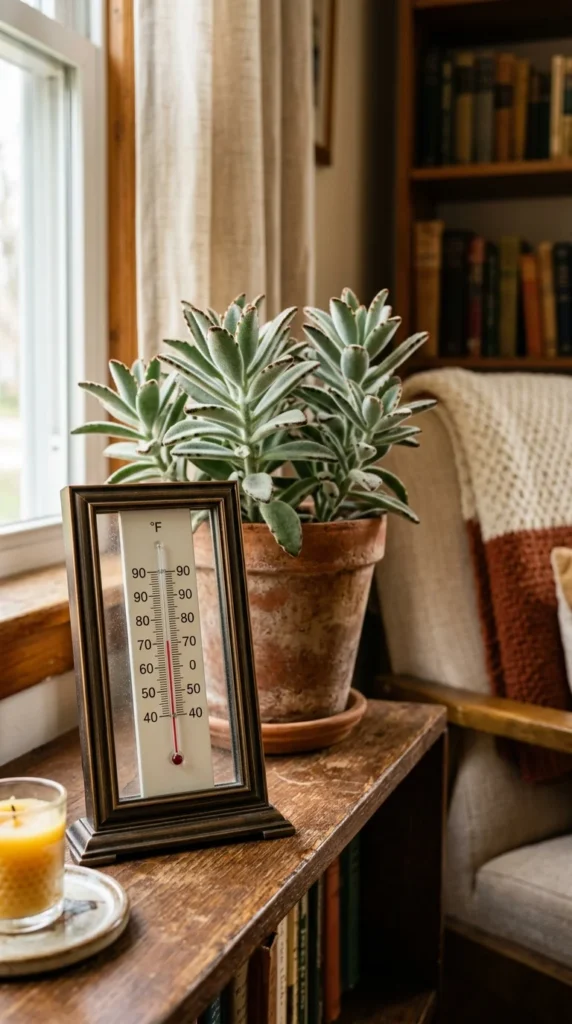
Panda Plants thrive in “human” temperatures. They are most comfortable between 60°F and 75°F (15°C – 24°C). While they can handle slightly higher temperatures, they are not frost-tolerant.
The secret to year-round health is keeping them away from sudden temperature swings. This means avoiding drafty windows in the winter and keeping them away from the direct blast of air conditioning vents or heaters. If the temperature drops below 50°F, the plant’s growth will stall, and it may begin to drop leaves.
6. Humidity
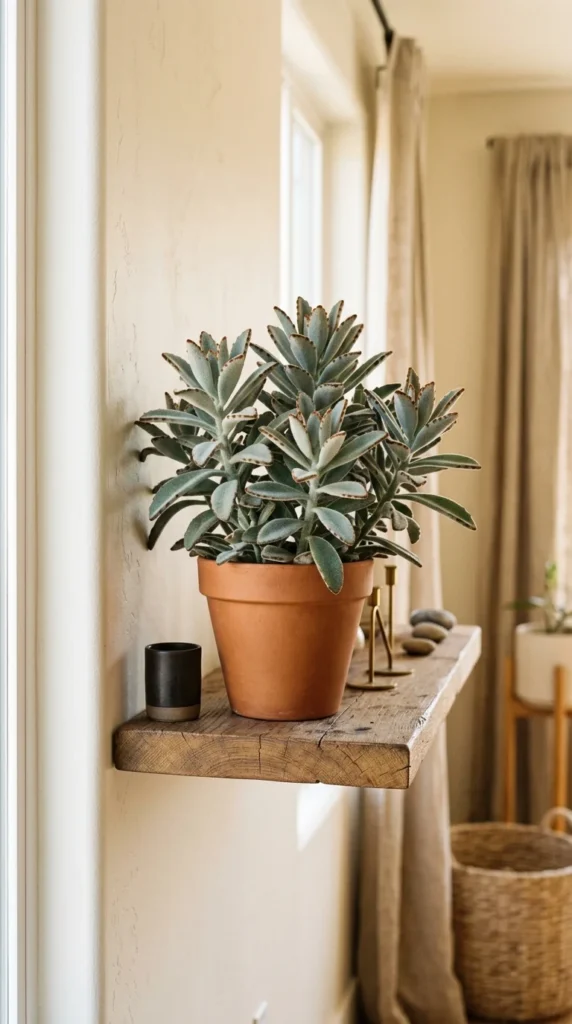
Unlike many tropical houseplants, the Panda Plant loves low humidity. The tiny hairs (trichomes) on its leaves are actually an adaptation to help the plant retain moisture in dry environments. High humidity can lead to fungal issues and powdery mildew on the velvet surface.
Never mist your Panda Plant. Misting creates a damp environment on the leaf surface which can cause the foliage to rot. If you live in a particularly humid climate, ensure there is good air circulation around the plant to keep the leaves dry.
7. Fertilizing
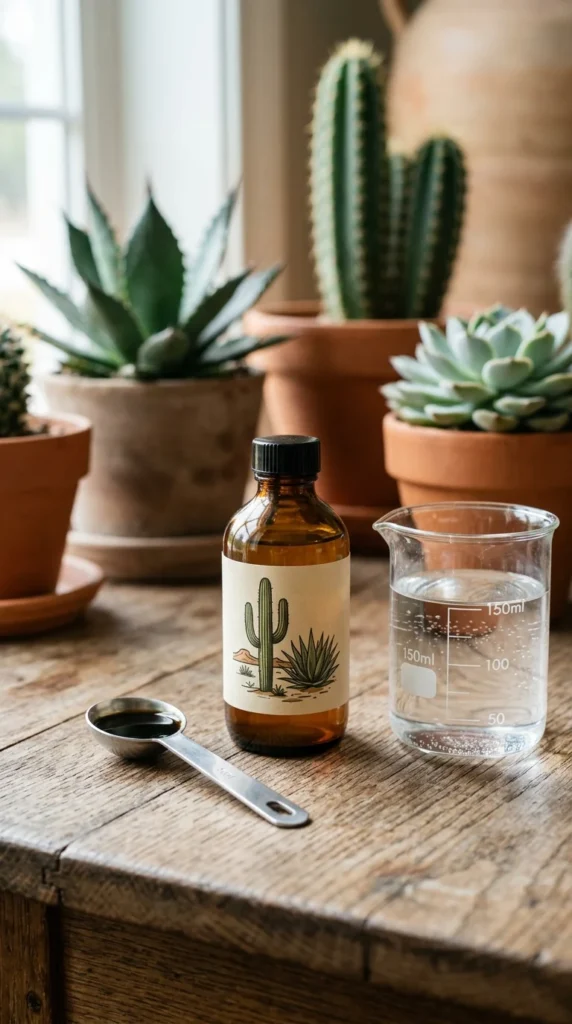
Panda Plants are slow growers and don’t require much “food.” Over-fertilizing can lead to a buildup of salts in the soil, which burns the roots. The secret is to feed them only during the active growing season—spring and summer.
Use a balanced, water-soluble fertilizer diluted to half-strength once every four to six weeks. Skip the fertilizer entirely in the autumn and winter. This rest period is essential for the plant to consolidate its energy for the next growing season.
8. Grooming
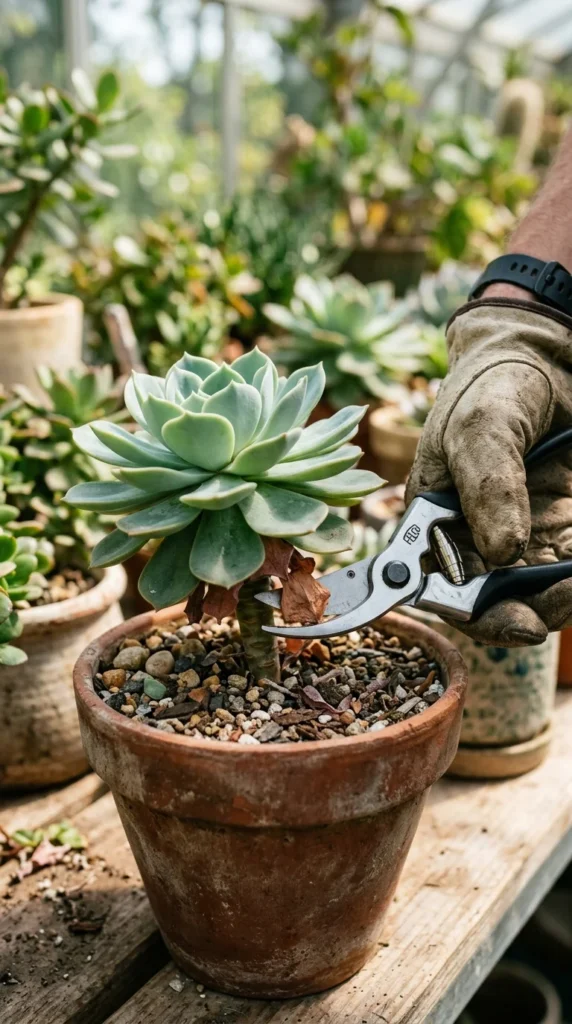
To keep your plant looking its best, regular grooming is required. As the plant grows, the lower leaves will naturally age, turn brown, and shrivel. This doesn’t mean the plant is dying; it’s simply making room for new growth.
Carefully pluck these dead leaves away to prevent them from rotting against the soil, which can attract pests. Additionally, if your plant becomes “leggy” (long stems with few leaves), don’t be afraid to prune the tops. This encourages the plant to branch out and become bushier.
9. Propagation
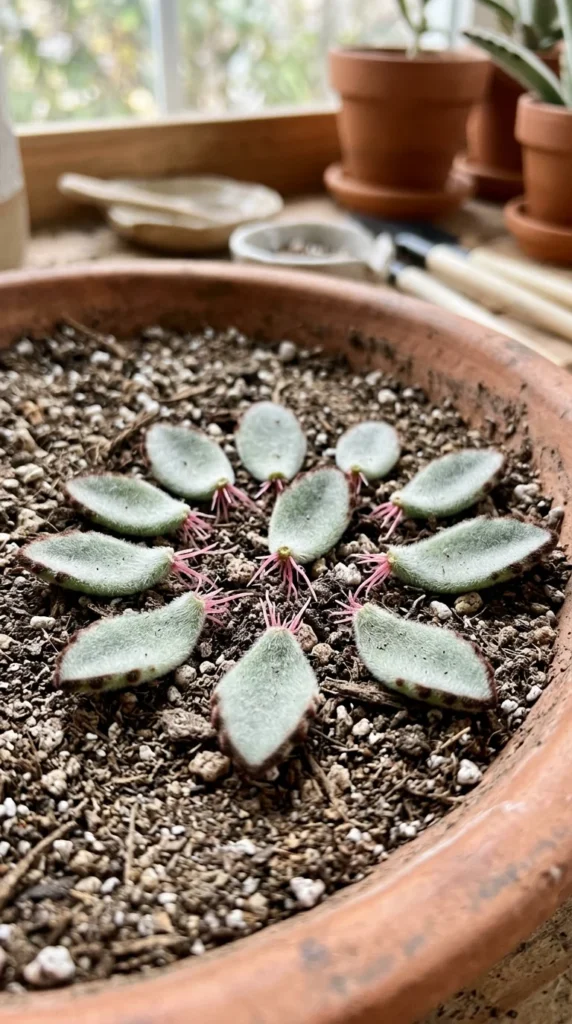
One of the best “secrets” of the Panda Plant is how incredibly easy it is to multiply. You don’t need seeds or fancy equipment. Simply wiggle a healthy leaf off the stem, making sure it’s a clean break.
Let the leaf sit on a paper towel for two to three days until the end “callouses” over. Then, lay it on top of some moist succulent soil. In a few weeks, you will see tiny pink roots and a miniature plantlet forming at the base of the leaf. It’s a rewarding way to grow your collection for free.
10. Leaf Hygiene
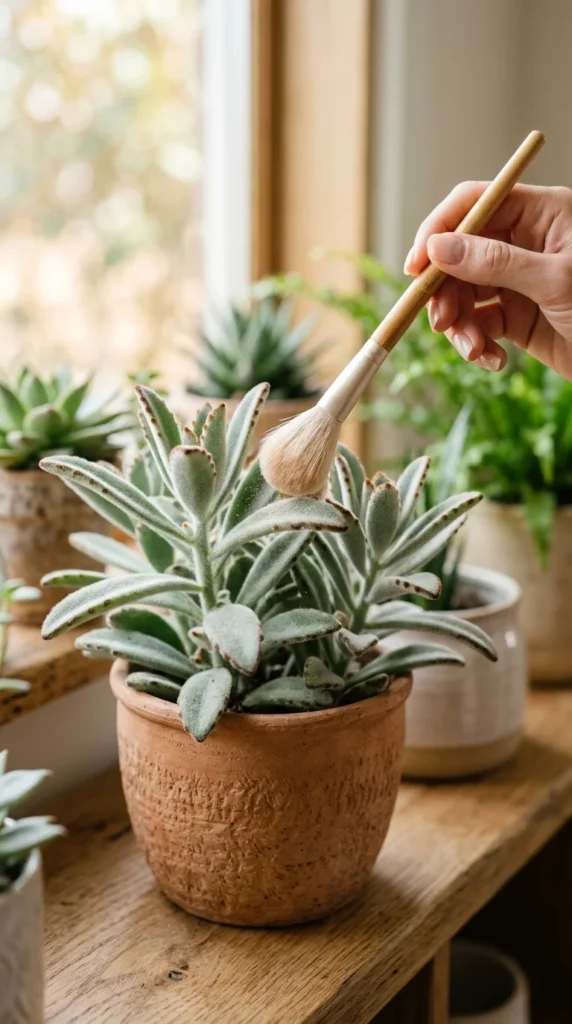
The very thing that makes the Panda Plant beautiful—its fuzz—is also a dust magnet. Dust can block sunlight from reaching the leaf’s surface, slowing down photosynthesis. However, you cannot wipe these leaves with a wet cloth like you would a Monstera.
The secret to cleaning a Panda Plant is using a soft, dry brush (like a clean makeup brush or a soft paintbrush). Gently brush the dust off the leaves once a month. This keeps the plant looking silvery and bright without risking moisture-related rot.
11. Potting
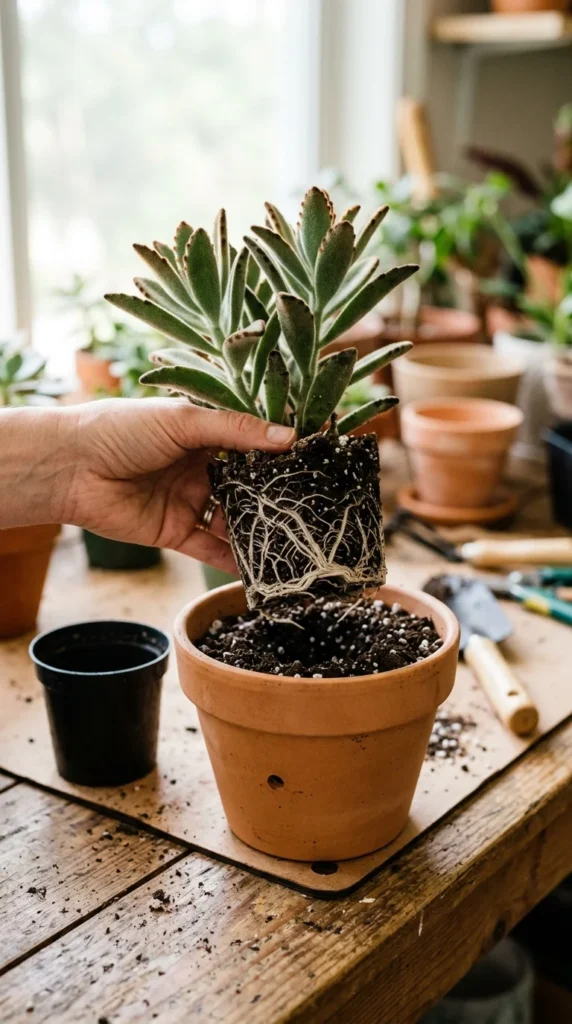
Panda Plants actually prefer being slightly root-bound, so you don’t need to repot them often. Usually, once every two years is sufficient. The secret is choosing the right material: terracotta.
Terracotta is porous, meaning it allows moisture to evaporate through the walls of the pot. This is an extra layer of protection against overwatering. When you do repot, only go up one size (about 1-2 inches wider in diameter). A pot that is too large will hold more soil and, consequently, more water than the plant can handle.
12. Pests
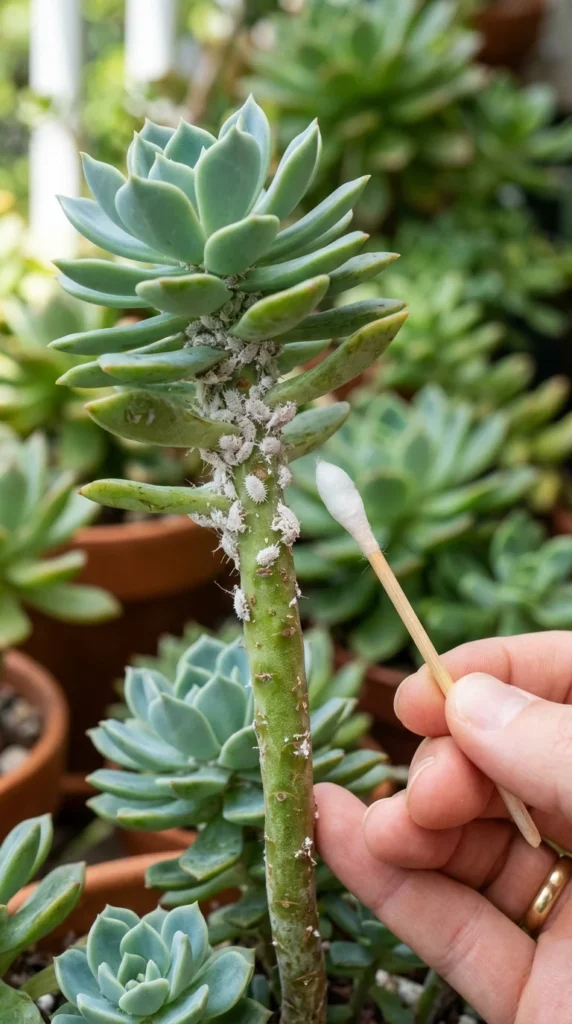
While relatively pest-resistant, Panda Plants can occasionally fall victim to mealybugs or aphids. These pests love to hide in the nooks where the leaves meet the stem. Because of the plant’s fuzzy texture, you have to be careful with treatments.
The secret is using a cotton swab dipped in 70% isopropyl alcohol. Dab the pests directly to kill them. Avoid spraying the entire plant with insecticidal soaps or oils, as these can damage the delicate trichomes (hairs) and leave the plant looking “greasy” or burnt.
13. Winter Care
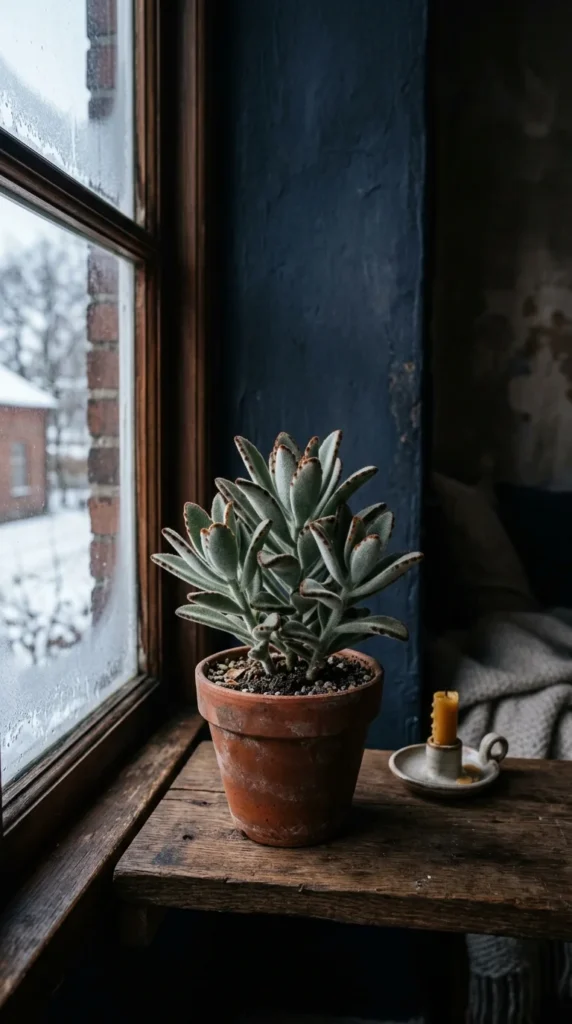
The final secret to long-term success is respecting the plant’s winter dormancy. From November to February, the Panda Plant’s metabolism slows down significantly. During this time, it needs almost no intervention.
Reduce watering to the bare minimum—just enough to keep the leaves from shriveling. Stop fertilizing completely. By allowing the plant this “rest” in a cooler, drier environment, you are setting the stage for a massive burst of growth once the warmth of spring arrives.
By following these thirteen secrets, you’ll transform your Panda Plant from a simple windowsill resident into a thriving, velvety centerpiece that brings joy to your home for years to come.