

The Panda Plant (Kalanchoe tomentosa) is a standout in the succulent world, beloved for its velvety texture and “cat ear” appearance. Native to the rocky landscapes of Madagascar, this perennial succulent is famous for its thick, fleshy leaves covered in tiny silvery hairs that give it a soft, shimmering look. While it is a hardy plant, achieving that perfect, plump, and fuzzy aesthetic requires a specific set of care standards. Here are 22 essential tips to ensure your Panda Plant thrives for years to come.
1. Bright Light
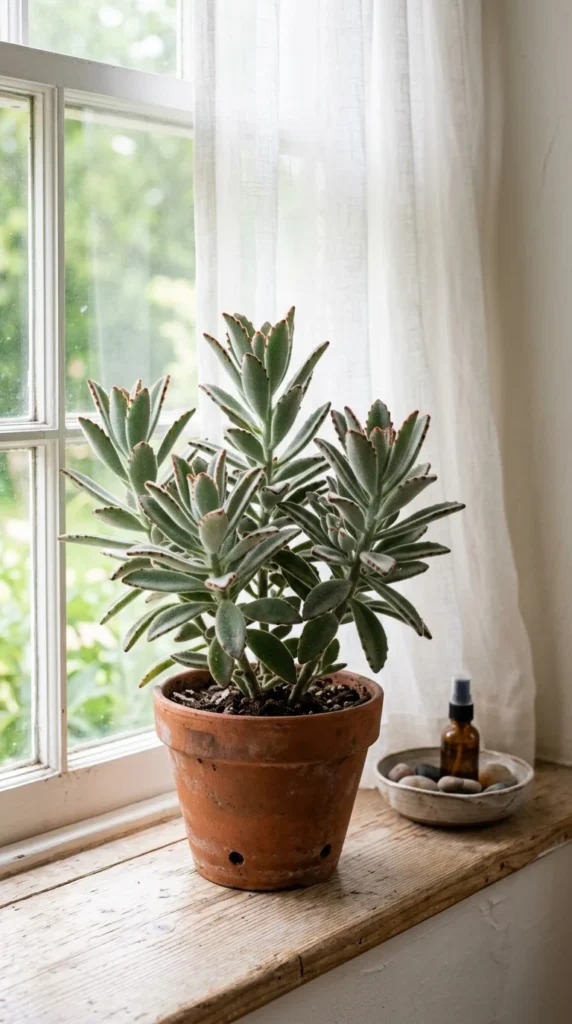
Panda Plants are sun-worshippers by nature. To maintain their compact shape and vibrant leaf colors, they need at least six hours of bright light daily. If they are kept in a spot that is too dark, they will begin to “stretch” toward the nearest light source, losing their charming, bushy appearance. A south-facing window is usually the best spot in most homes.
2. Indirect Sunlight
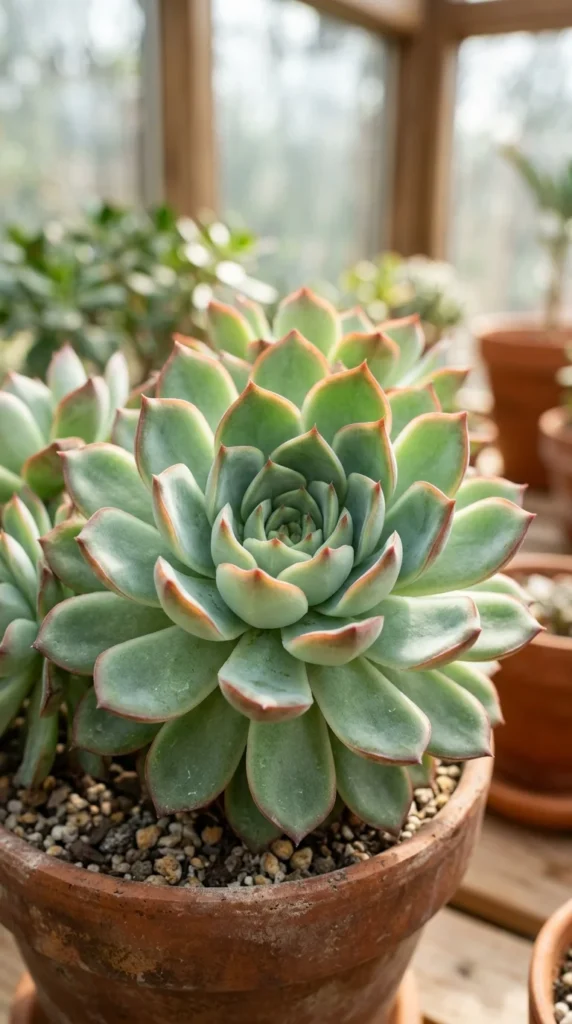
While they love light, direct, scorching afternoon sun can actually burn the delicate hairs on their leaves. The ideal scenario is “bright indirect light.” If you notice the leaf tips turning a crispy, dark black rather than their natural chocolate brown, they might be getting too much direct UV exposure.
3. Gritty Soil
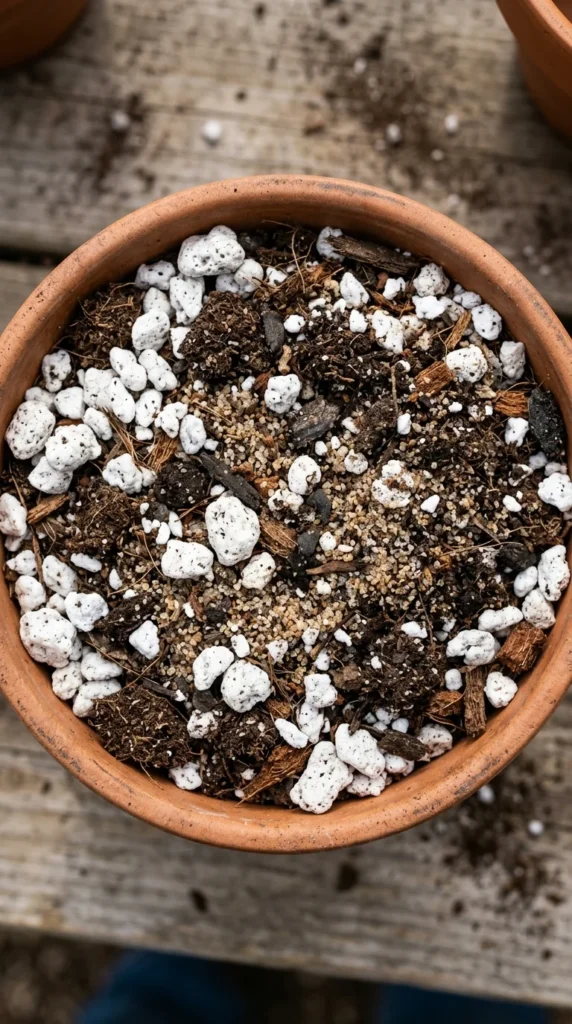
Standard potting soil holds far too much moisture for a Panda Plant. Instead, use a specialized cactus or succulent mix. These mixes are engineered to allow water to pass through quickly. You can even enhance a store-bought mix by adding extra perlite or pumice to ensure the roots never sit in soggy earth.
4. Terracotta Pots
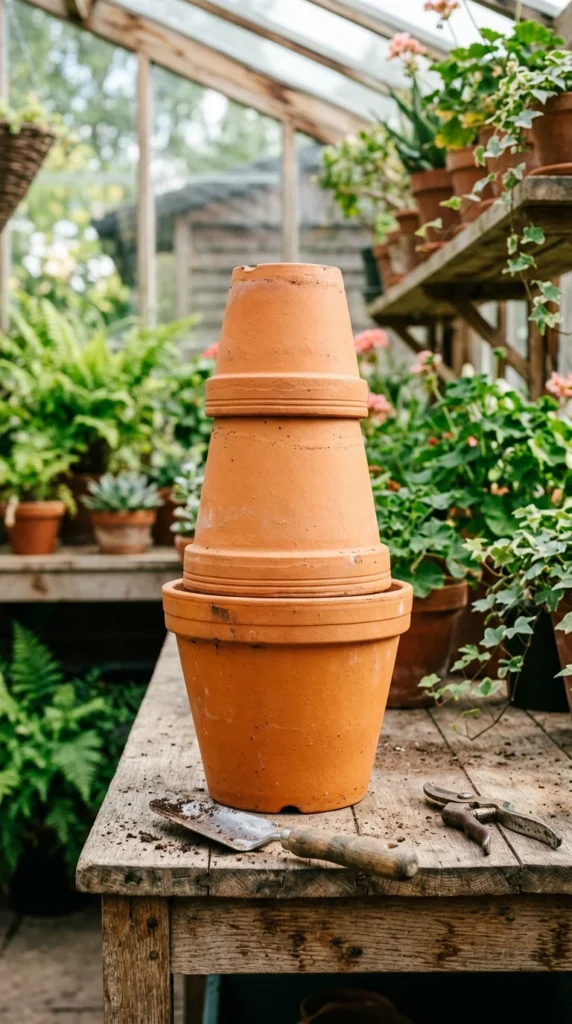
The material of your pot matters just as much as the soil. Terracotta is porous, meaning it allows air and moisture to move through the walls of the pot. This helps the soil dry out faster, which is a major defense against the Panda Plant’s biggest enemy: root rot.
5. Drainage Holes
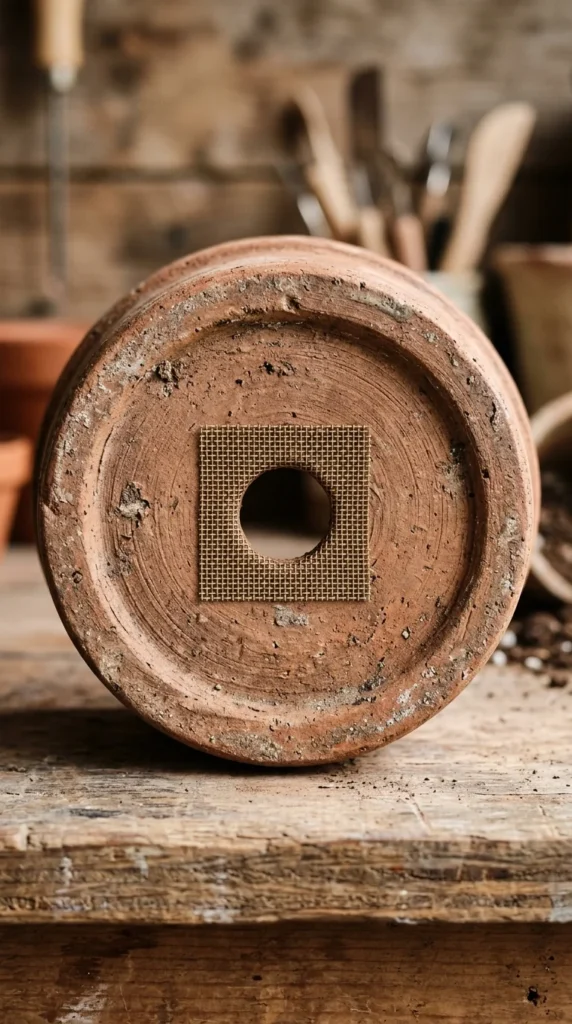
Never plant a Kalanchoe tomentosa in a container without a drainage hole. Without a way for excess water to escape, moisture will collect at the bottom of the pot, creating a stagnant pool that will drown the roots. If you have a decorative pot without a hole, use it as a “cachepot” by placing the plant in a plastic nursery liner inside it.
6. Soak and Dry
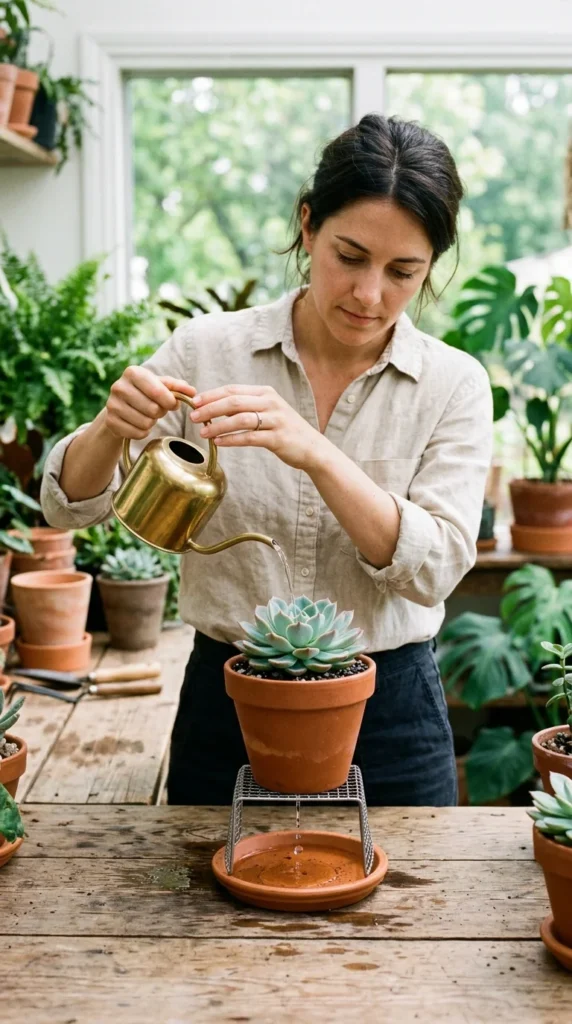
The “soak and dry” method is the golden rule for succulents. Water the plant thoroughly until water runs out of the drainage holes, then wait until the soil is completely dry to the touch—all the way through—before watering again. During the summer, this might be every two weeks; in the winter, it could be once a month.
7. Winter Rest
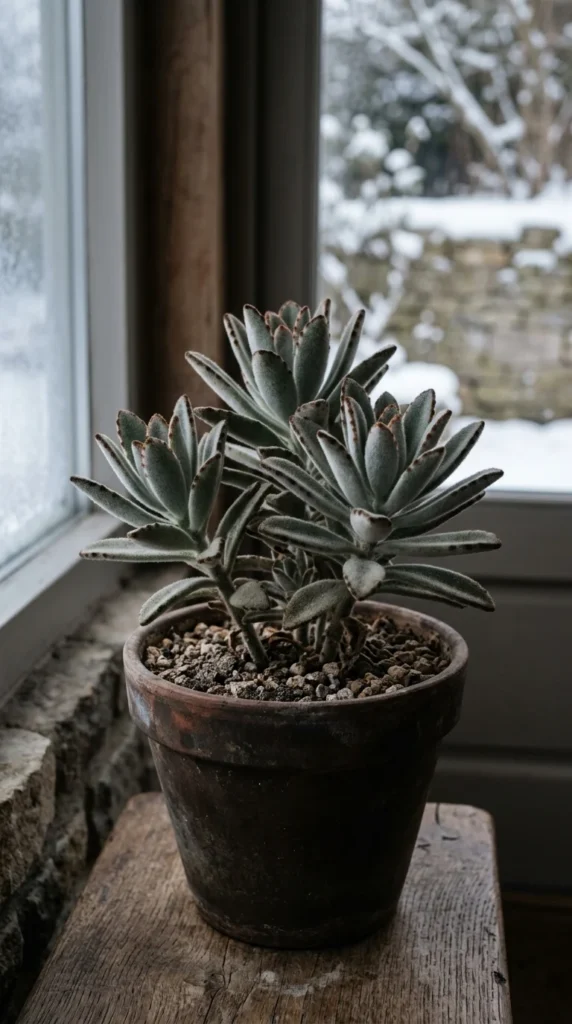
During the late autumn and winter months, the Panda Plant enters a semi-dormant state. Its growth slows down significantly, and its water needs drop. Reduce your watering frequency during this time. Overwatering in the winter is the most common way these plants are lost to rot.
8. Warm Temperatures
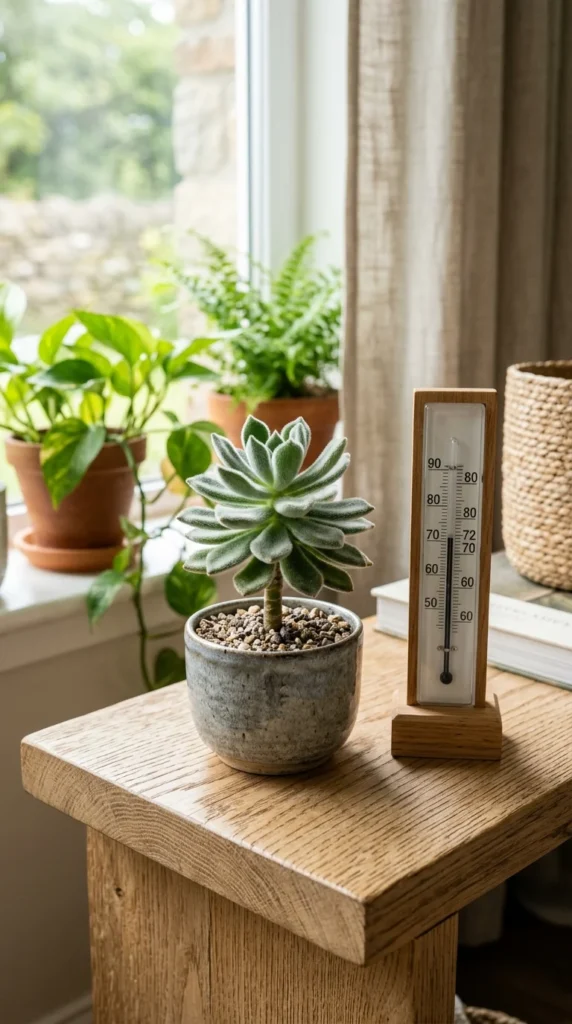
Coming from Madagascar, these plants prefer warm environments. They thrive in temperatures between 60°F and 75°F (15°C to 24°C). While they can handle slightly higher temperatures, they are not frost-tolerant. If you keep your plant outdoors in the summer, make sure to bring it inside before the first frost hits.
9. Low Humidity
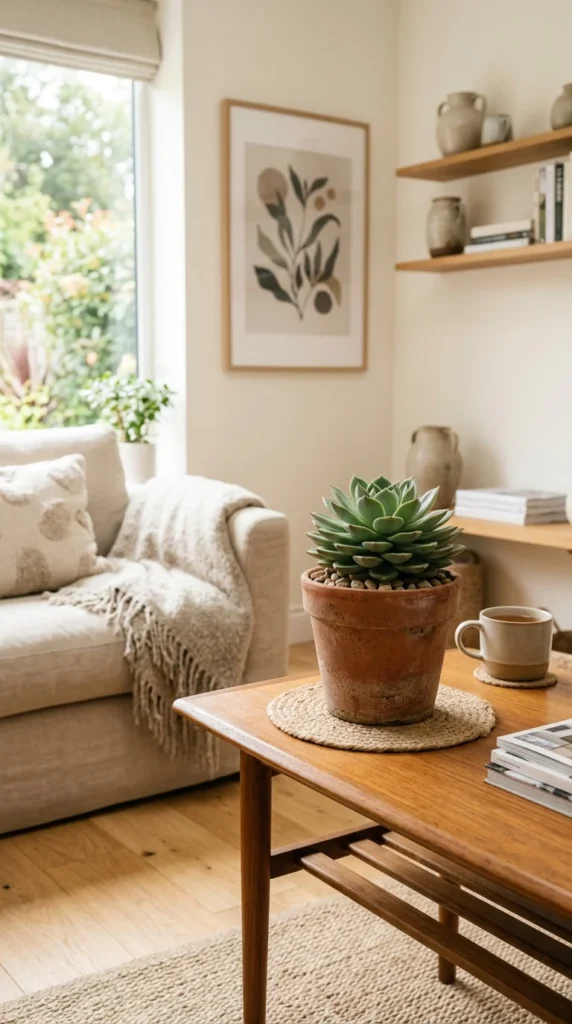
Unlike tropical ferns or orchids, Panda Plants prefer dry air. High humidity can lead to fungal issues or cause the velvety hairs to trap too much moisture, potentially leading to rot. Avoid placing them in bathrooms or kitchens where steam is frequent.
10. Minimal Fertilizer
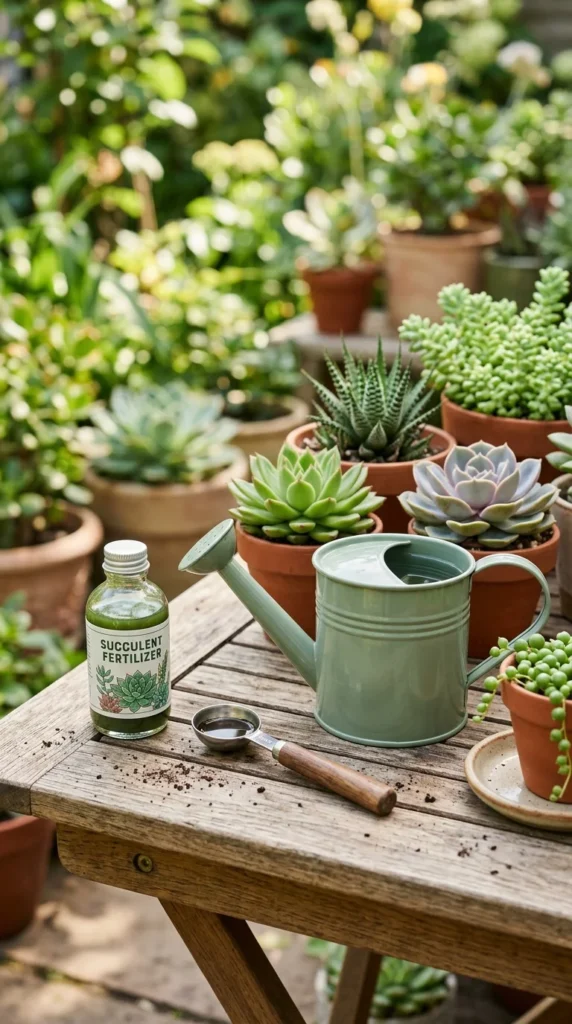
Panda Plants are not heavy feeders. You only need to fertilize them once or twice during the growing season (spring and summer). Use a balanced liquid fertilizer diluted to half-strength. Avoid fertilizing in the winter, as the plant isn’t active enough to utilize the nutrients.
11. Strategic Pruning
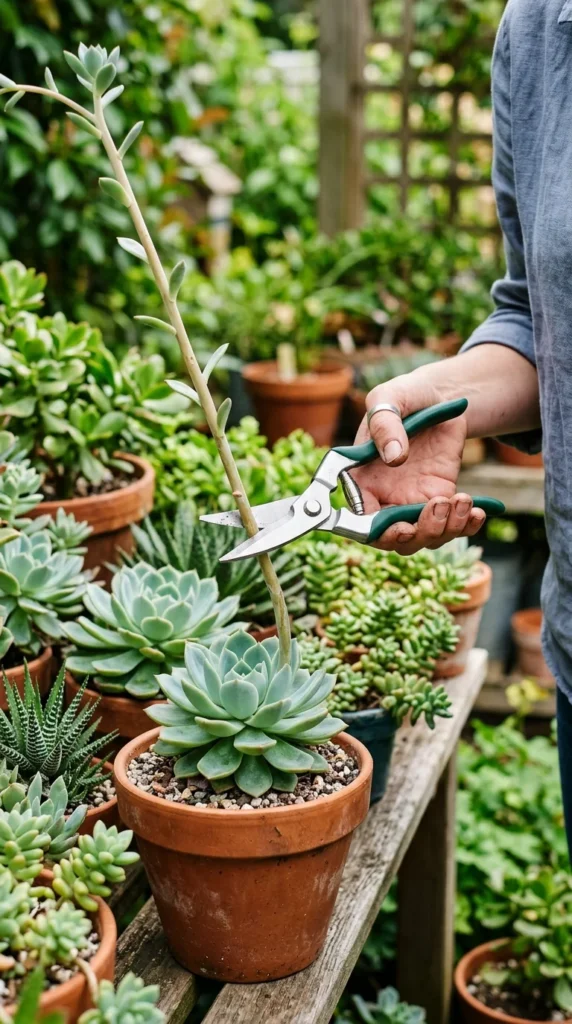
If your plant becomes “leggy” or too tall, don’t be afraid to prune it. Snipping off the top of a stem will encourage the plant to branch out from the sides, creating a fuller, bushier look. Always use clean, sterilized shears to prevent the spread of disease.
12. Stem Cuttings
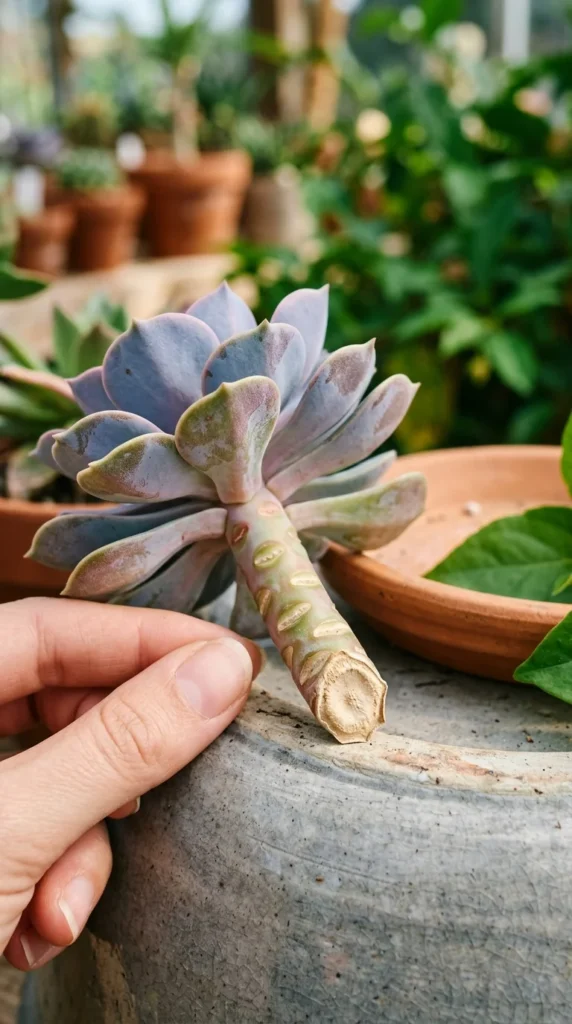
Propagation is incredibly easy with Panda Plants. Simply cut a stem, let it “callus” (dry out) for a few days until the wound heals, and then stick it into fresh succulent soil. Within a few weeks, new roots will begin to form, giving you a brand new plant.
13. Leaf Cuttings
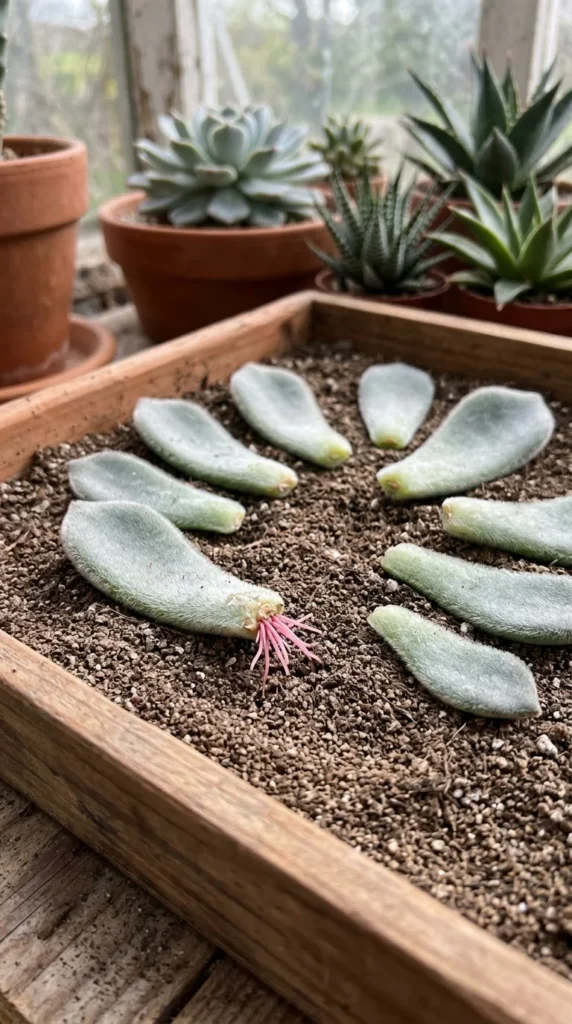
If a leaf accidentally falls off, don’t throw it away! You can propagate Panda Plants from individual leaves. Lay the leaf on top of dry soil and keep it in bright, indirect light. Eventually, a tiny “baby” plant will sprout from the base of the leaf. This method takes longer than stem cuttings but is very rewarding.
14. Repotting Cycles
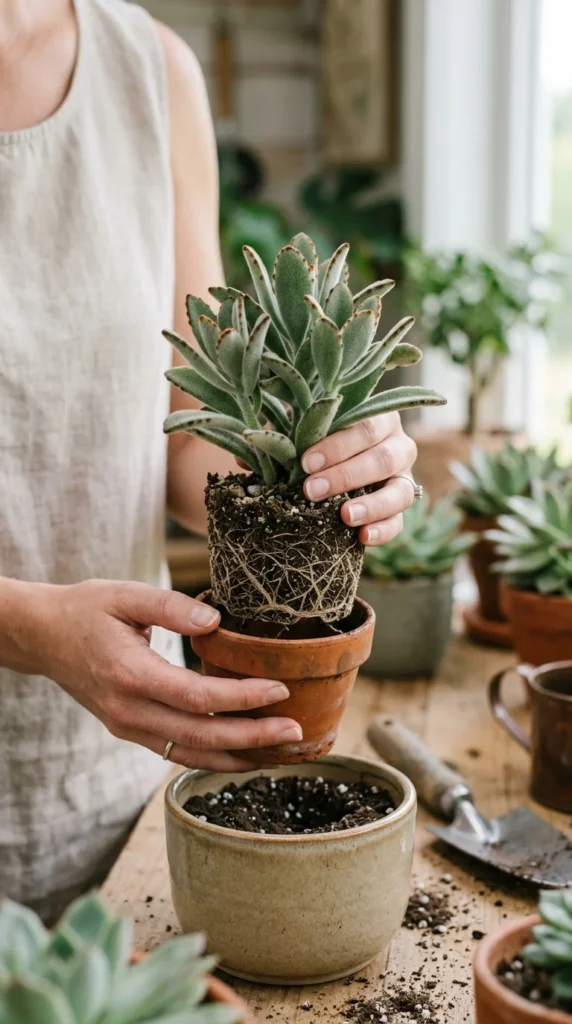
You don’t need to repot your Panda Plant often. They actually enjoy being slightly root-bound. Generally, repotting every two years is sufficient to refresh the soil and provide a slightly larger space for growth. Always repot in the spring at the start of the growing season.
15. Pest Watch
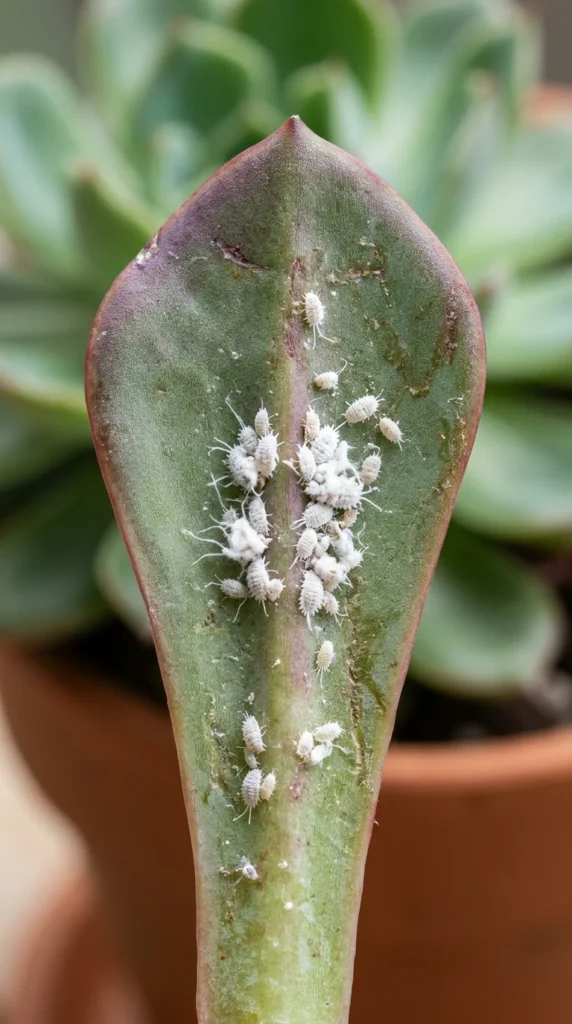
Mealybugs are the most common pest for Kalanchoe tomentosa. They love to hide in the fuzzy crevices of the leaves. If you spot white, cottony spots, treat the plant immediately with a cotton swab dipped in rubbing alcohol or use insecticidal soap.
16. Spotting Rot
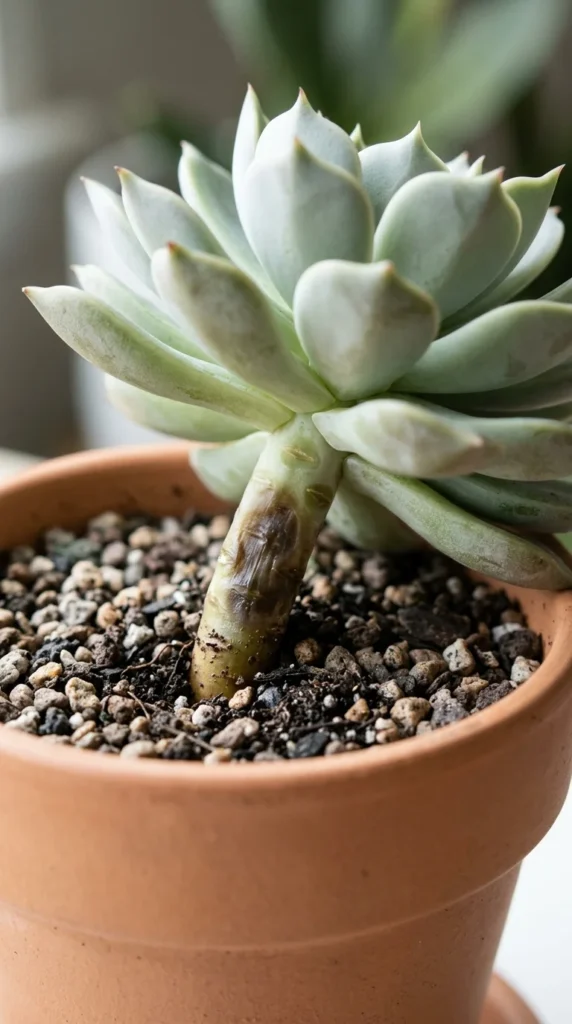
Root rot starts below the soil line, but you can see signs of it in the leaves. If the leaves become yellow, translucent, or mushy, you are likely overwatering. At this stage, you may need to take cuttings from the healthy top of the plant to save it, as the roots may be unsalvageable.
17. Avoiding Etiolation
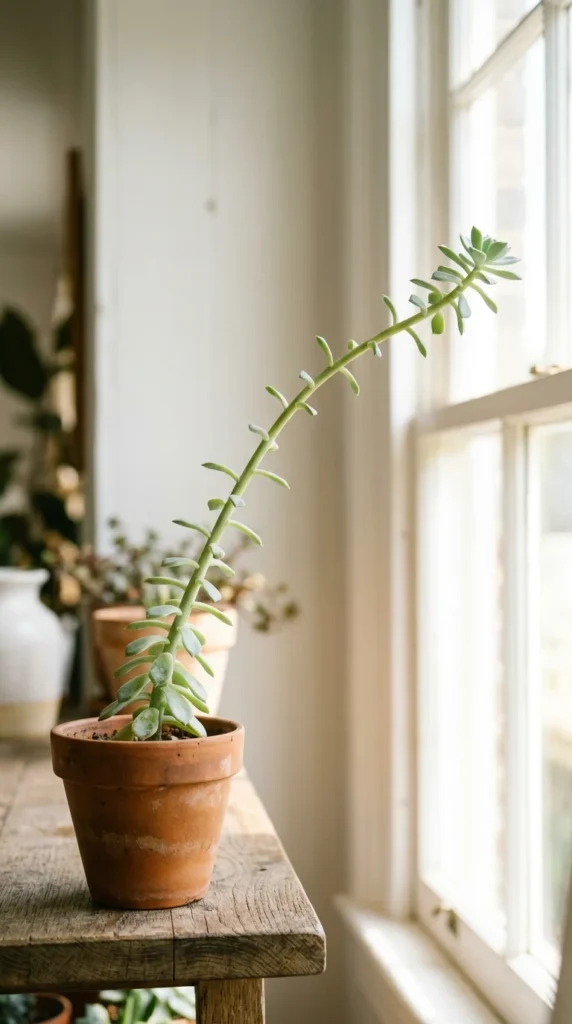
Etiolation is the scientific term for “stretching.” If your Panda Plant looks thin and the leaves are spaced far apart, it is starving for light. Move it to a brighter location immediately. While the stretched part won’t shrink back, new growth will be tight and compact.
18. Pet Safety
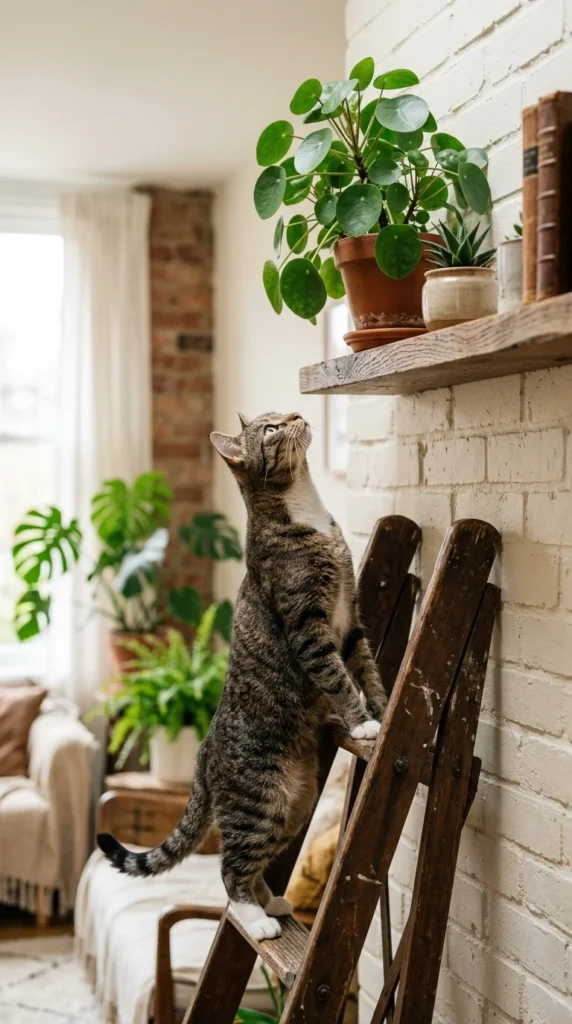
It is important to note that the Panda Plant is toxic to cats and dogs if ingested. It contains bufadienolide cardiac glycosides, which can cause vomiting or lethargy. Keep your fuzzy friend on a high shelf or in a room where pets cannot reach it.
19. Dust Management
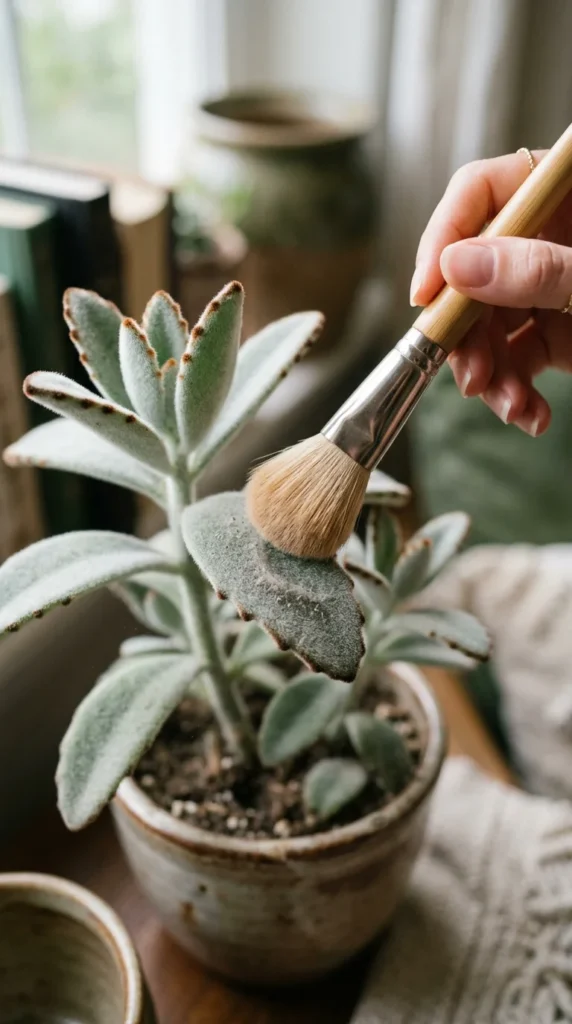
Because the leaves are so fuzzy, they act like little dust magnets. Dust can block sunlight and hinder photosynthesis. Instead of spraying the leaves with water (which can cause rot), use a soft, dry paintbrush or makeup brush to gently whisk away dust from the foliage.
20. Air Circulation
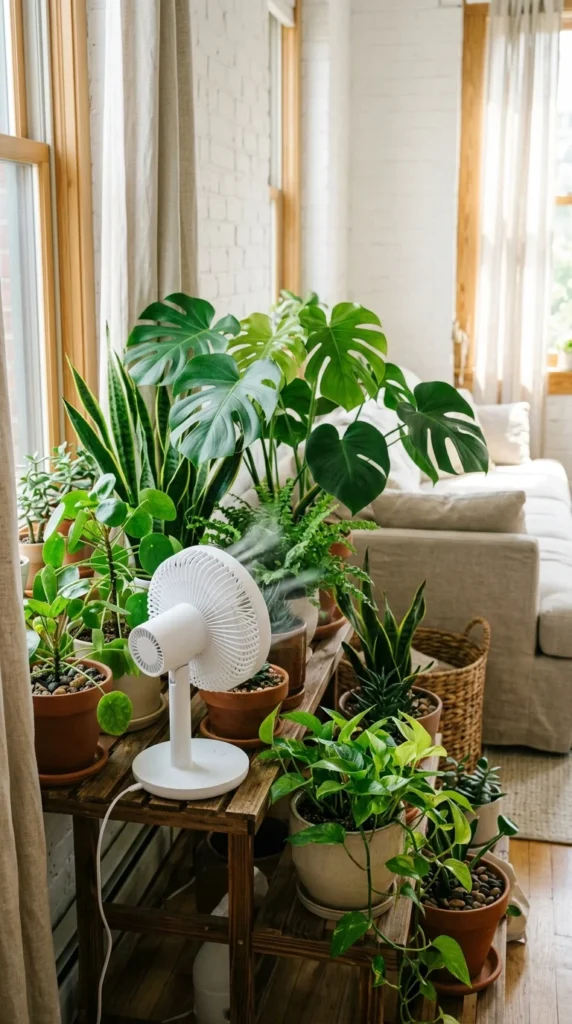
Good airflow is essential for preventing fungal infections and helping the soil dry out. Ensure your plant isn’t tucked away in a stagnant corner. A room with a ceiling fan or an open window in the summer provides the perfect environment for a healthy succulent.
21. Grouping Plants
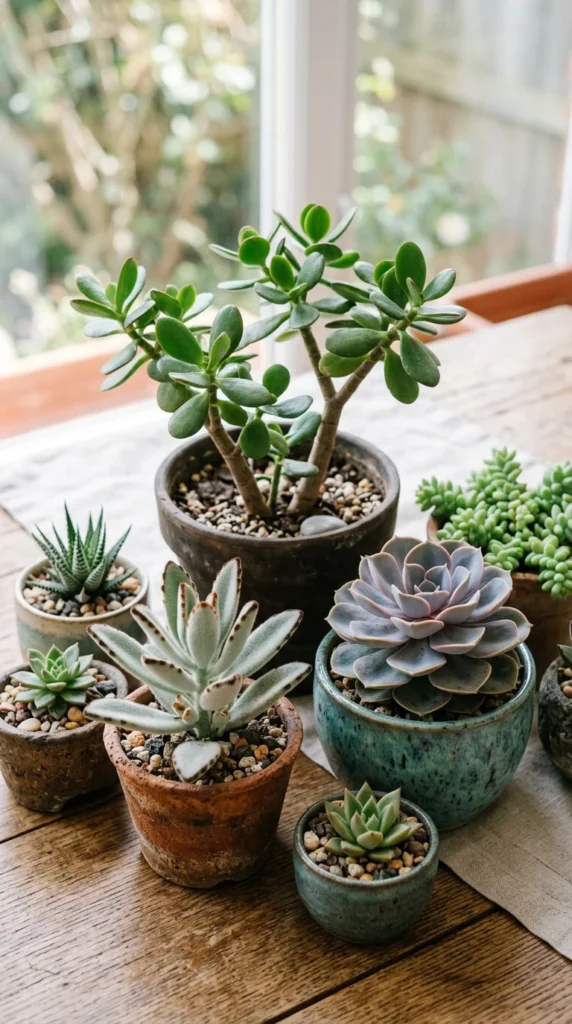
Grouping your Panda Plant with other succulents can create a small microclimate that helps regulate temperature. Just ensure they aren’t crowded so closely that air cannot circulate between them. It also makes for a stunning visual display of different textures and colors.
22. Practice Patience
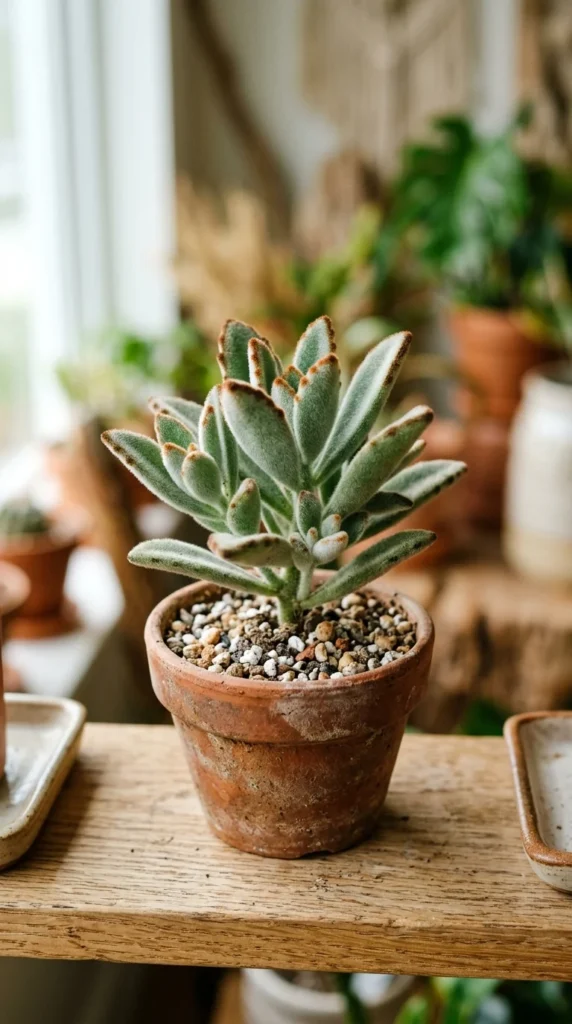
Panda Plants are relatively slow growers. Don’t expect yours to double in size overnight. If the leaves remain firm and the color is vibrant, your plant is healthy. Enjoy the slow process of watching it develop its unique, velvety character over the years.