
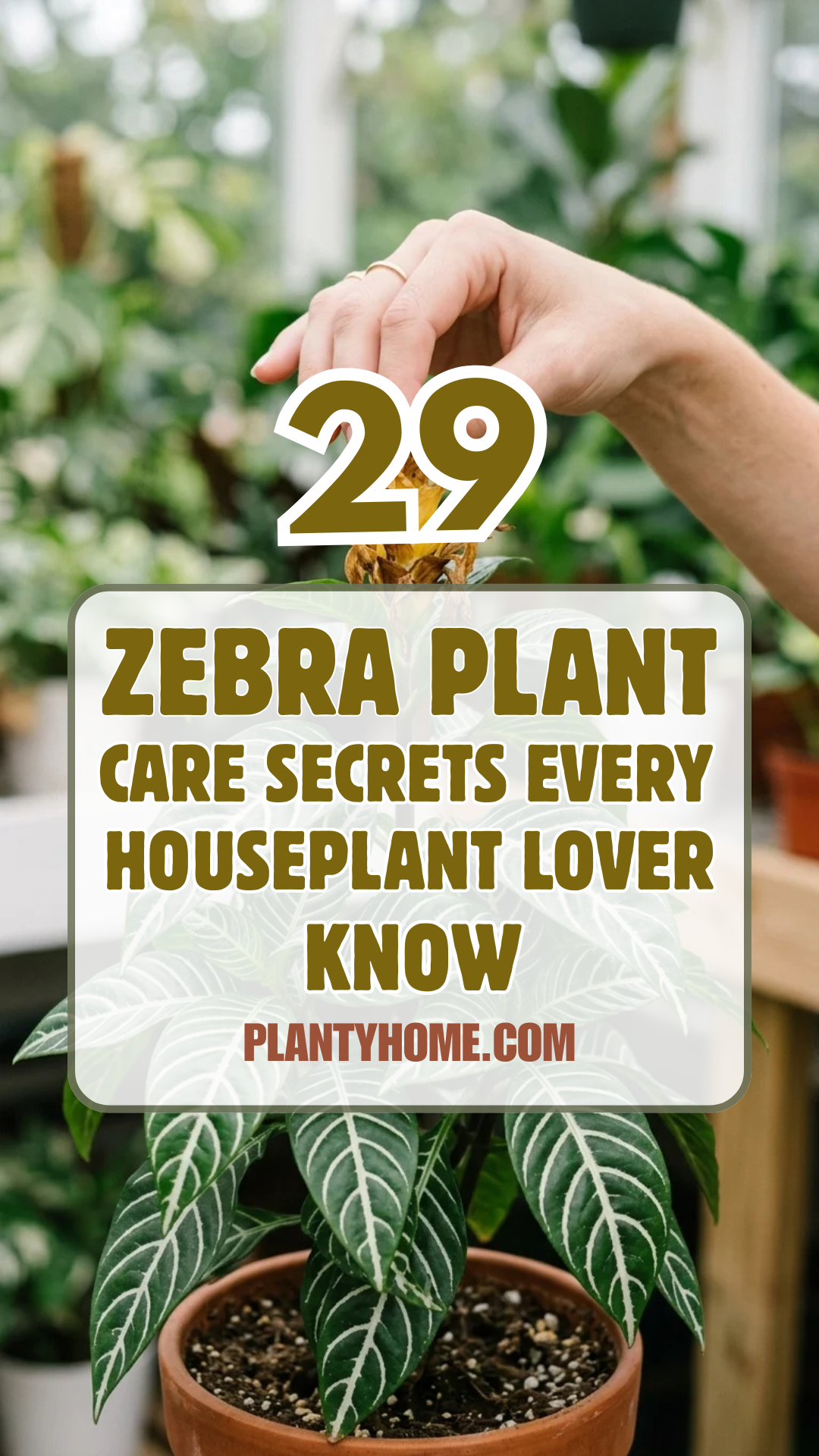
The Zebra Plant (Aphelandra squarrosa) is the ultimate crown jewel for any indoor urban jungle. Known for its shocking white veins against deep emerald leaves and its brilliant yellow bracts, it is also notoriously known as one of the most demanding “divas” in the plant world. If you’ve ever brought one home only to watch it drop leaves in a dramatic fashion, you aren’t alone. However, mastering this plant isn’t about luck; it’s about understanding the specific environmental whispers it sends your way. Here are 29 essential secrets to keeping your Zebra Plant thriving, blooming, and beautiful for years to come.
1. Bright Light
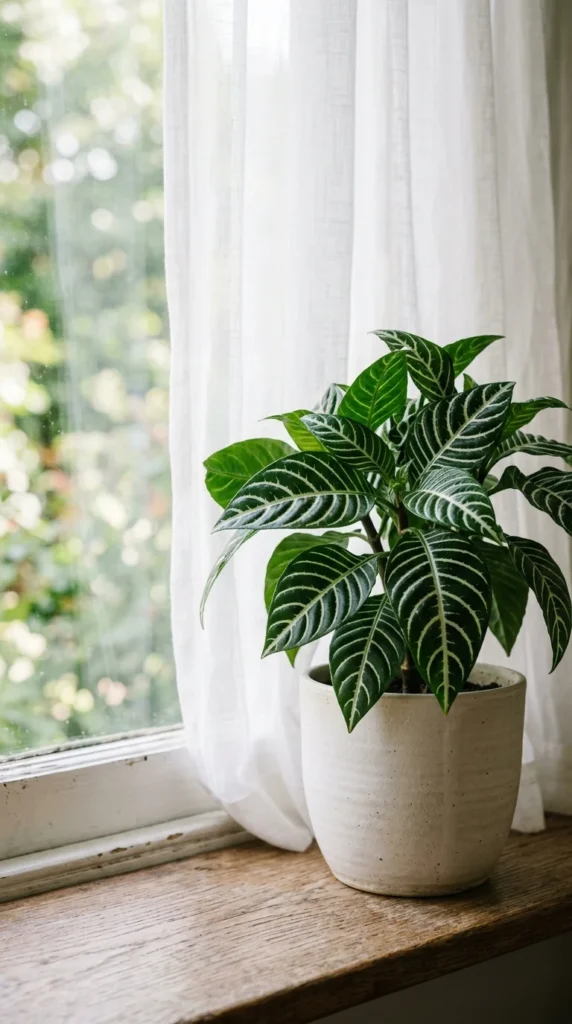
The Zebra Plant craves light, but it is highly sensitive to direct sun. To keep those white veins “popping,” place it in a spot that receives bright, indirect light for at least six to eight hours a day. An east-facing window is often the sweet spot, providing gentle morning rays without the scorching heat of the afternoon sun.
2. High Humidity
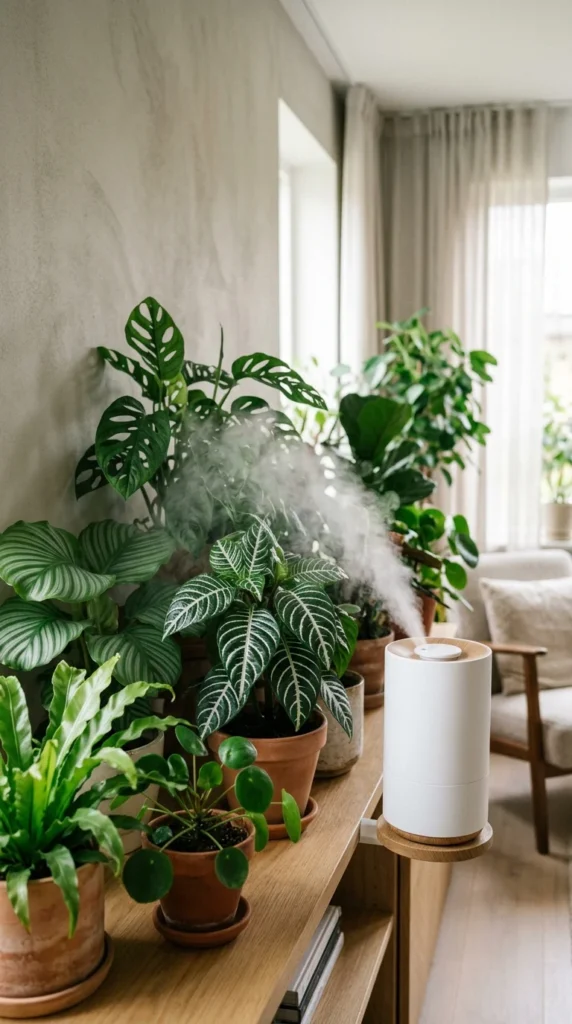
If there is one “secret” that overrides all others, it is humidity. These plants are native to the Atlantic Forest of Brazil, where the air is thick with moisture. Aim for a humidity level of at least 60% to 70%. If your home is dry, especially during winter, a dedicated humidifier is not just a luxury; it is a survival requirement for this plant.
3. Consistent Moisture
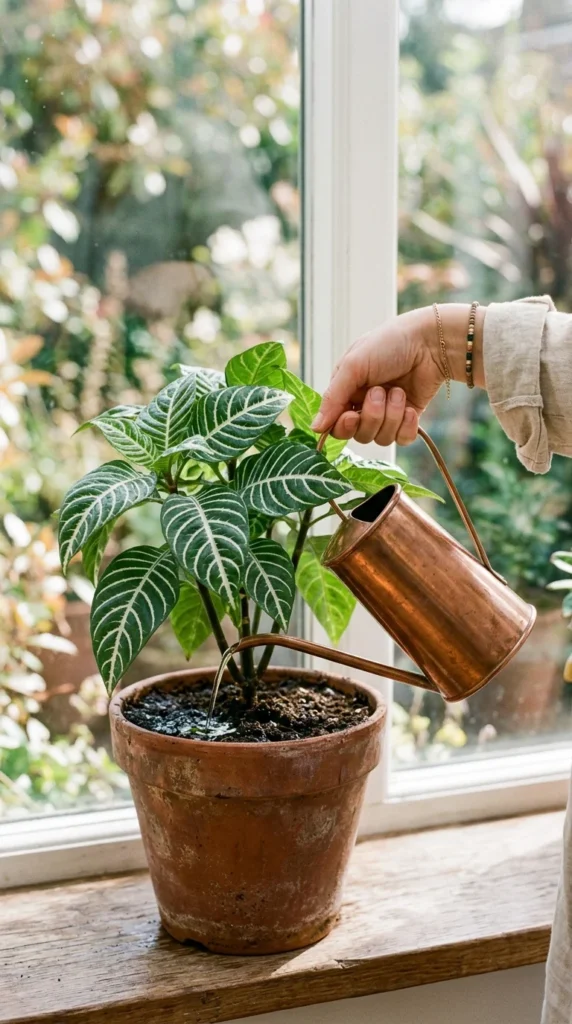
Unlike succulents, the Zebra Plant does not like to dry out. The secret is “consistent dampness.” The soil should feel like a wrung-out sponge—never soggy, but never bone-dry. If the soil dries out completely, the plant will likely reward you by dropping its lower leaves almost instantly.
4. Pebble Trays
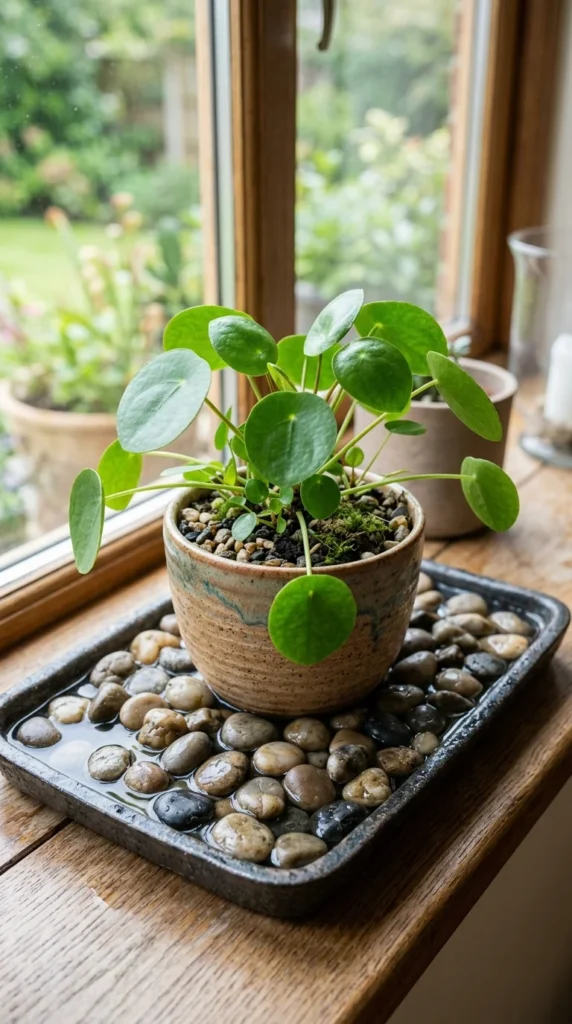
If you don’t have a humidifier, a pebble tray is your next best friend. Fill a tray with small stones and water, then set the pot on top. Ensure the bottom of the pot isn’t touching the water to prevent root rot. As the water evaporates, it creates a localized micro-climate of humidity right around the foliage.
5. Warm Temperatures
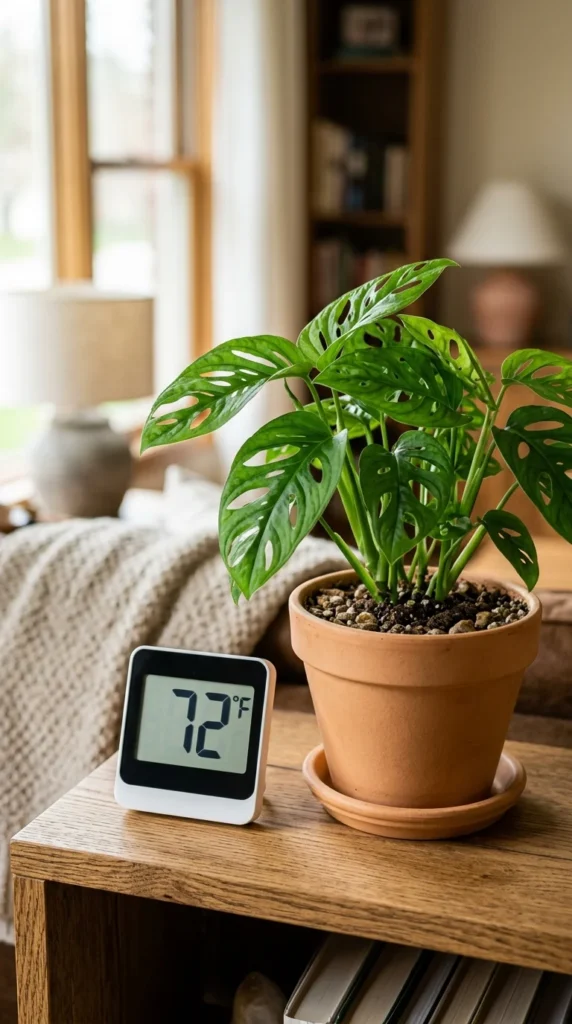
Zebra Plants are tropical creatures that despise the cold. Keep your home between 65°F and 80°F (18°C–27°C). If the temperature drops below 55°F, the plant will go into shock. Keep it away from cold entryways or drafty hallways during the winter months.
6. Filtered Water
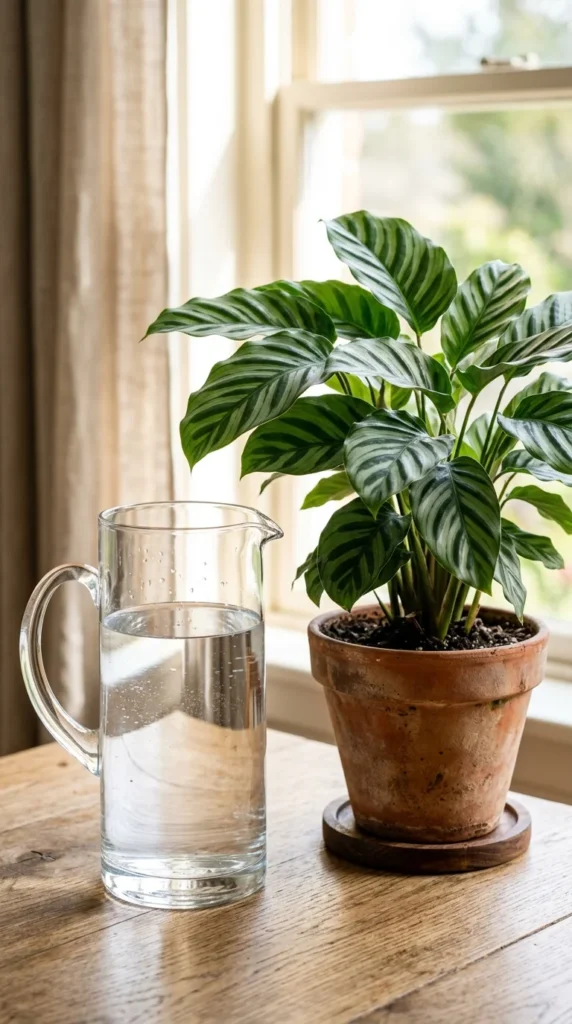
Sensitive to chemicals, the Zebra Plant can react poorly to the chlorine and fluoride found in tap water. Using filtered water or rainwater can prevent the leaf edges from browning. Alternatively, let tap water sit out for 24 hours to allow the chemicals to dissipate before watering.
7. Drainage Holes
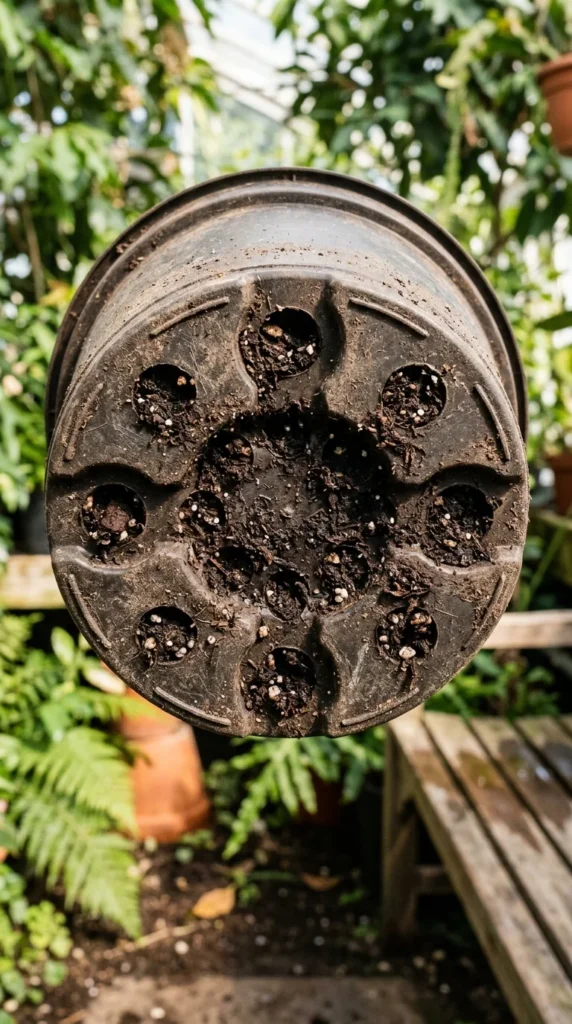
While they love moisture, they hate “wet feet.” Ensure your pot has ample drainage holes. If water sits at the bottom of the pot, the roots will quickly suffocate and rot, leading to a swift demise for the plant.
8. Peat-Rich Soil
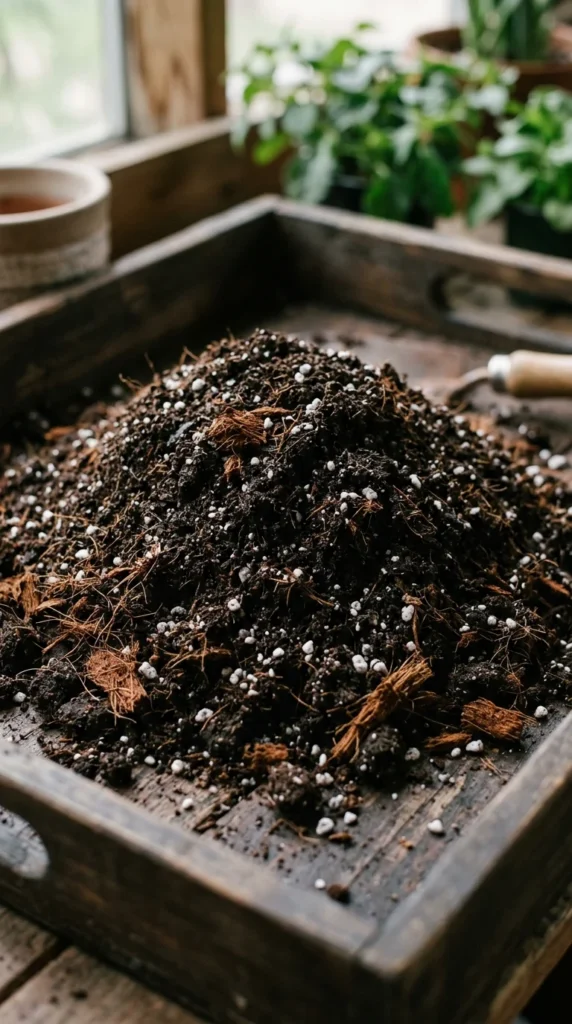
The ideal soil recipe for a Zebra Plant is one that retains moisture but allows for aeration. A mix of two parts peat moss (or coco coir) to one part perlite is perfect. This ensures the roots stay hydrated without being drowned in a heavy, compacted medium.
9. Spring Pruning
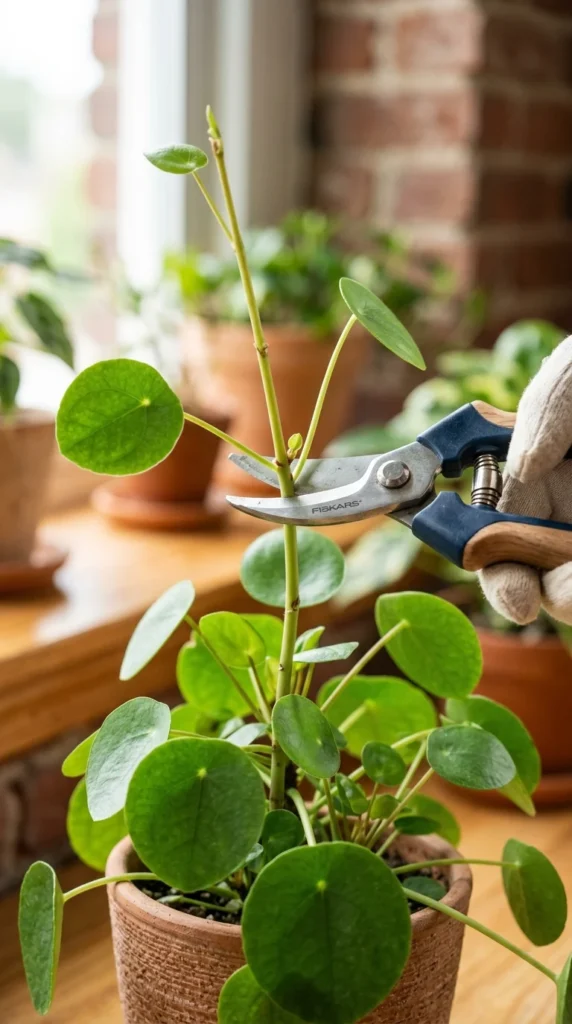
To prevent your Zebra Plant from becoming “leggy” or sparse, prune it in the early spring. Cutting back the stems encourages the plant to branch out, resulting in a bushier, fuller appearance. Always use sterilized shears to prevent the spread of disease.
10. Liquid Fertilizer
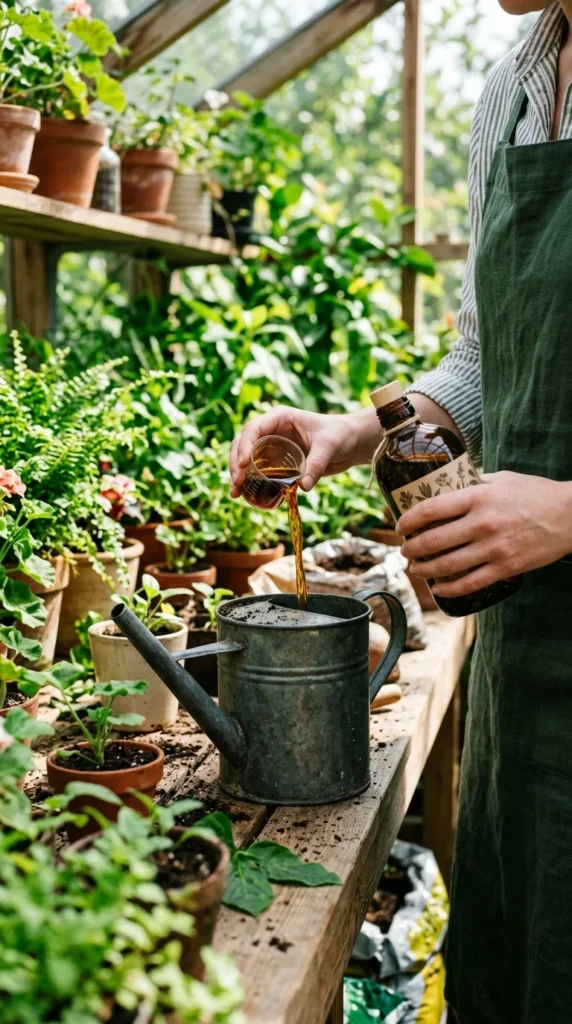
During the growing season (spring and summer), feed your plant every two weeks with a balanced liquid fertilizer diluted to half strength. This provides the nutrients necessary for the plant to produce its signature yellow blooms.
11. Deadheading Blooms
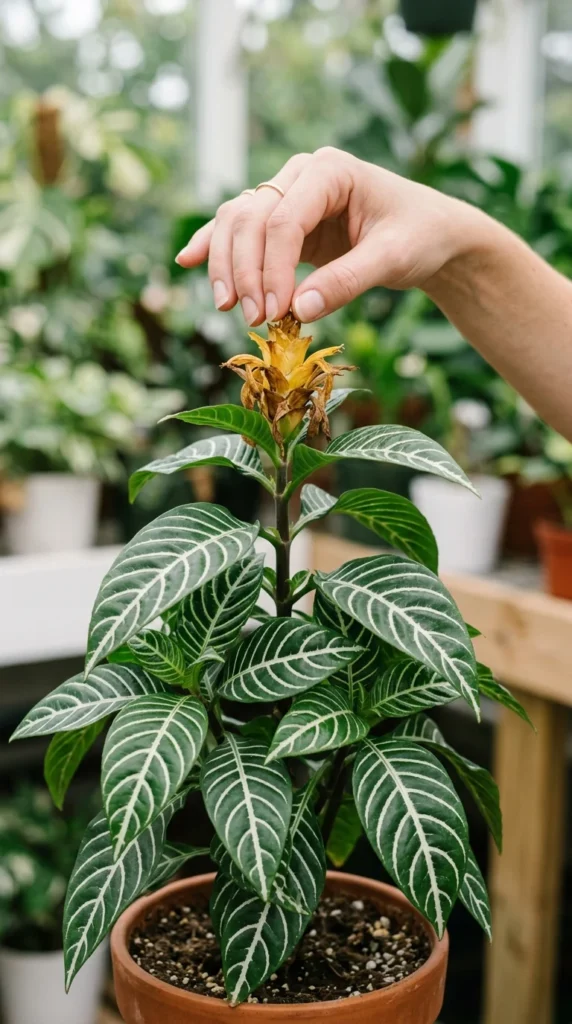
Once the spectacular yellow bracts begin to fade and turn brown, cut them off. This process, known as deadheading, allows the plant to redirect its energy back into leaf production and root health rather than wasting it on a dying flower.
12. Grouping Plants
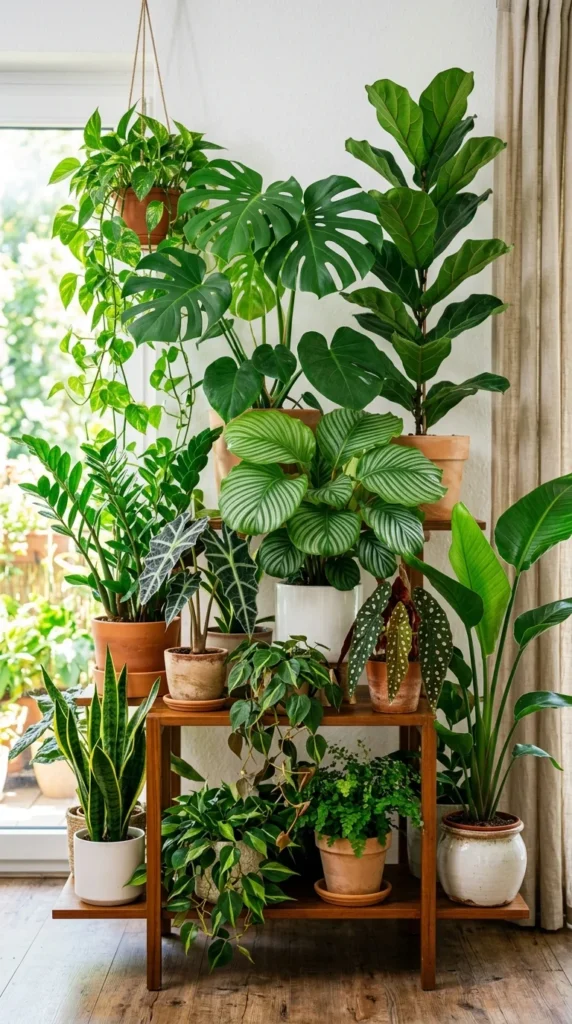
Plants “breathe” out moisture through a process called transpiration. By grouping your Zebra Plant with other tropicals like Calatheas or Ferns, you create a natural “humidity bubble” that benefits all the plants in the cluster.
13. Misting Routine
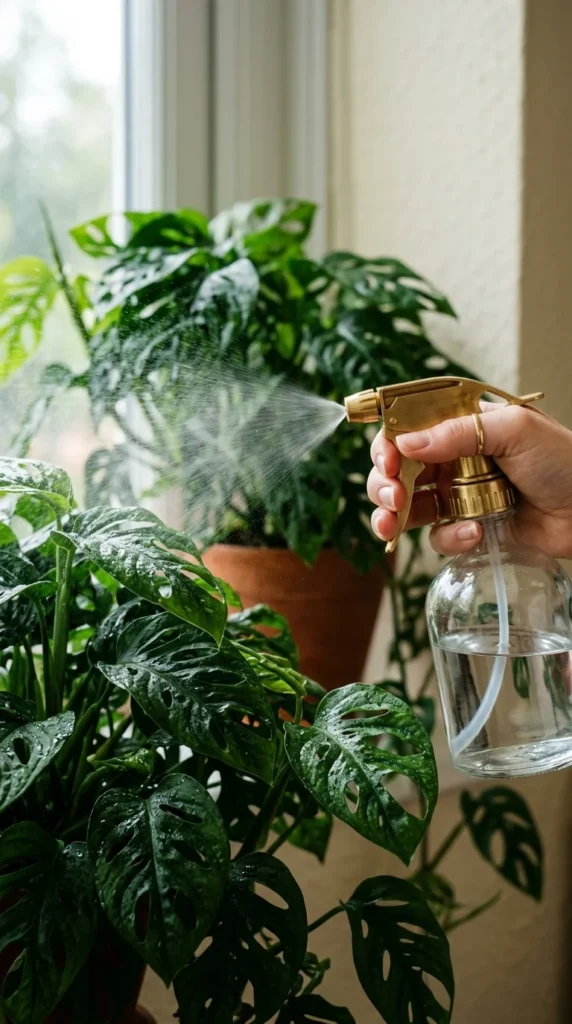
While misting is not a substitute for a humidifier, it can provide a temporary boost in humidity. Mist your plant in the morning so the water has time to evaporate before nightfall. Wet leaves in a cold room at night can lead to fungal issues.
14. Terrarium Life
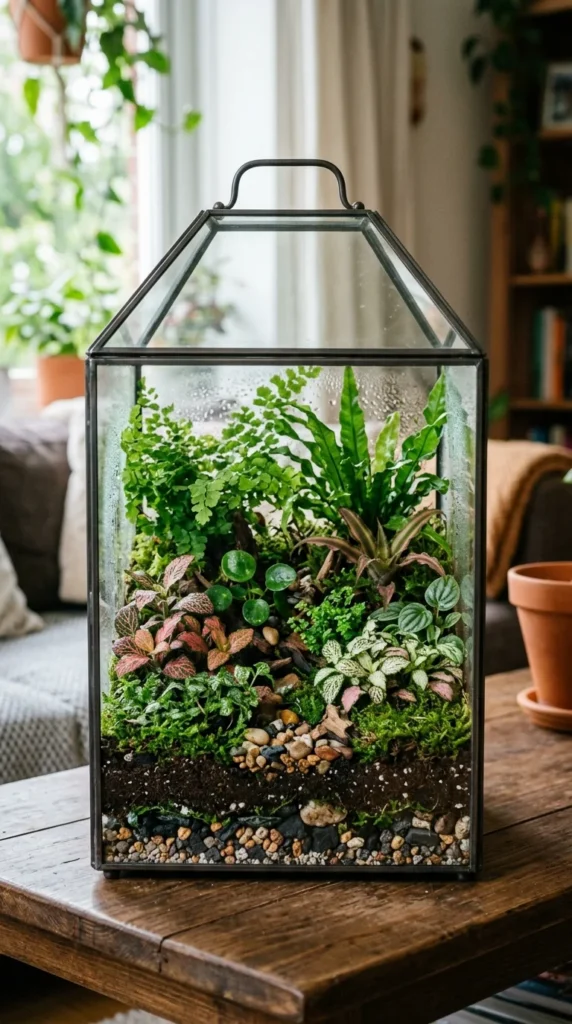
If you live in an exceptionally dry climate, a large glass terrarium or a Wardian case is a secret weapon. It traps humidity perfectly, creating a miniature rainforest environment where the Zebra Plant can thrive with minimal effort from you.
15. Avoid Drafts
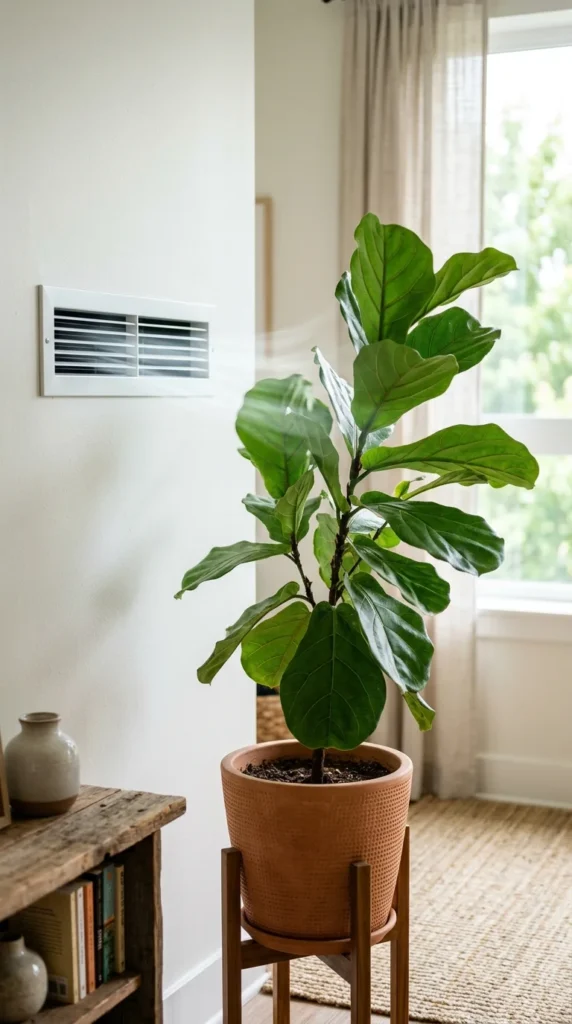
Placement is everything. Even if the room temperature is perfect, placing your plant directly in the path of an AC vent or a heater will dry out the leaves rapidly. Keep it in a spot with “still” air but good overall circulation.
16. Stem Cuttings
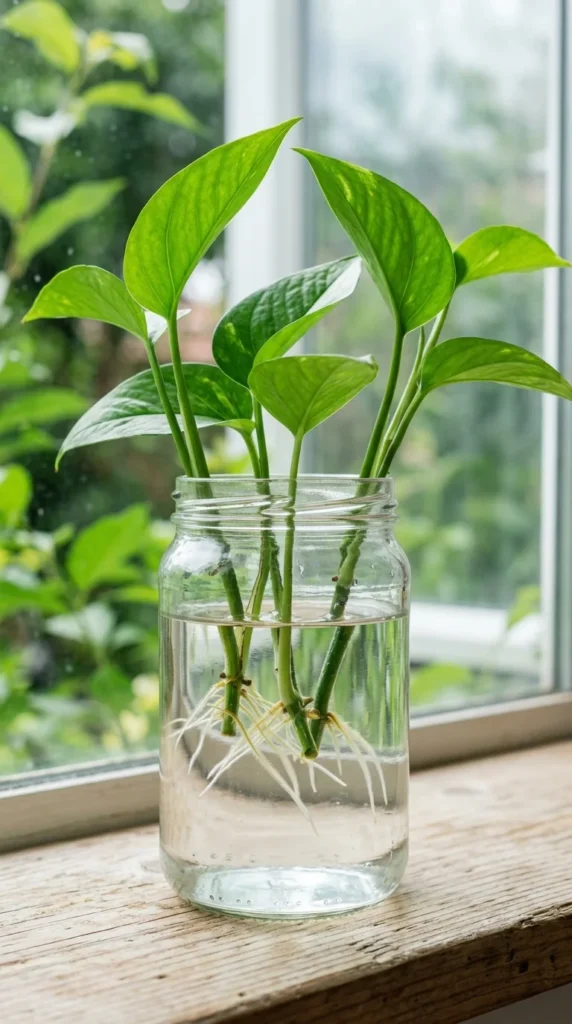
Want more Zebra Plants? They are easily propagated through stem cuttings. Take a 4-inch cutting in the spring, dip it in rooting hormone, and place it in moist soil or water. Cover it with a plastic bag to maintain high humidity until roots develop.
17. Root Bound
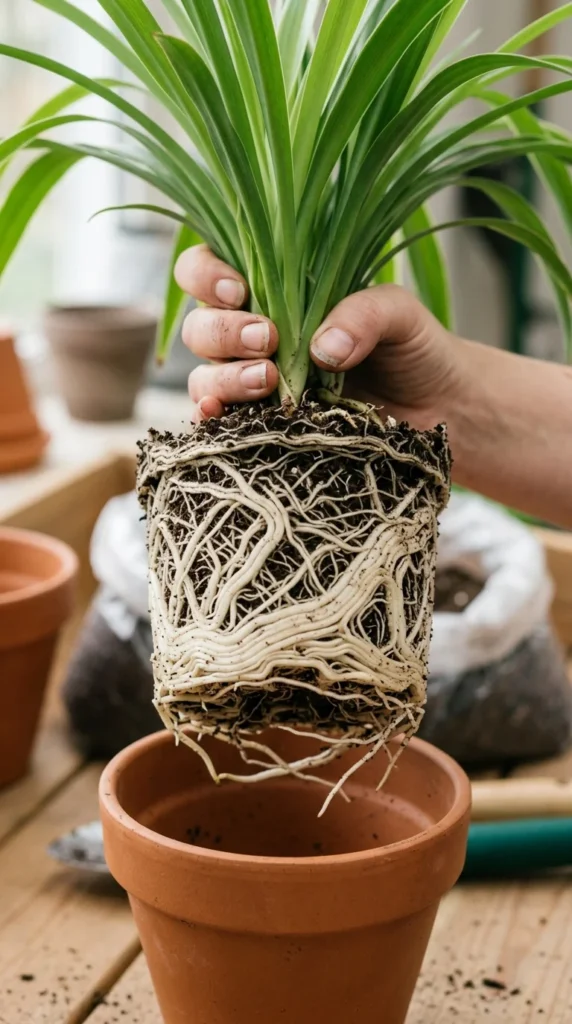
Zebra Plants actually prefer being slightly root-bound. Don’t rush to repot them every year. Only move to a larger container when you see roots emerging from the drainage holes or if the plant requires watering almost every day.
18. Leaf Cleaning
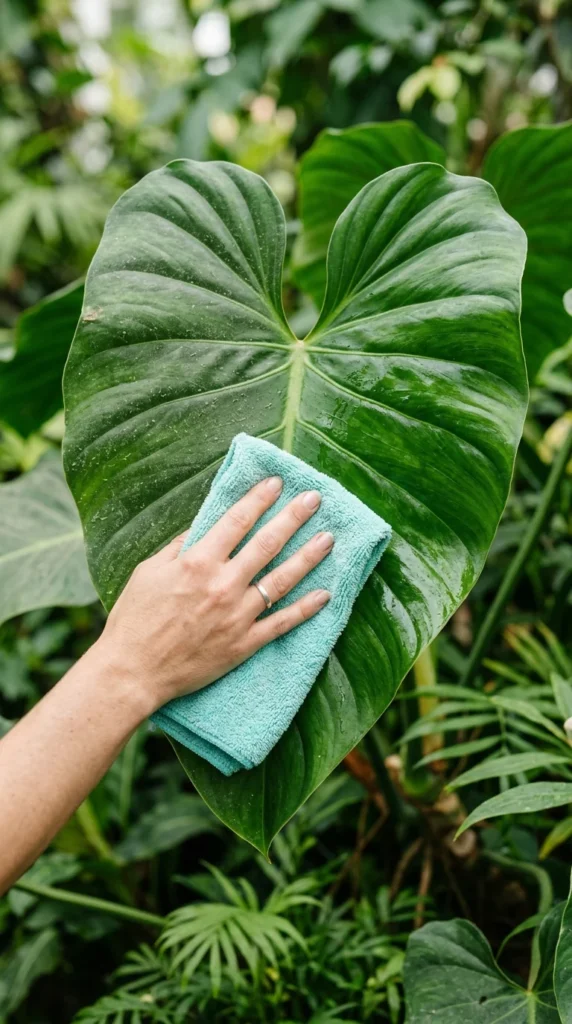
Dust can block the leaf’s pores (stomata), making it harder for the plant to “breathe” and photosynthesize. Once a month, gently wipe the leaves with a damp, soft cloth. This keeps the plant healthy and ensures the white veins look their absolute best.
19. Pest Patrol
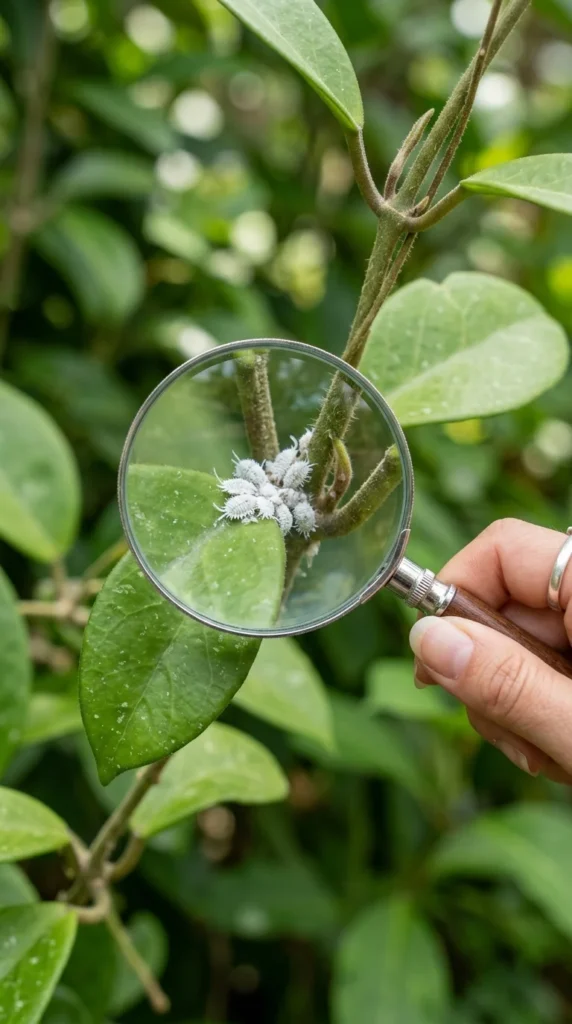
Keep an eye out for mealybugs, scale, and spider mites. These pests love the high-humidity environment the Zebra Plant lives in. If you spot them, treat the plant immediately with neem oil or insecticidal soap to prevent an infestation.
20. Brown Tips
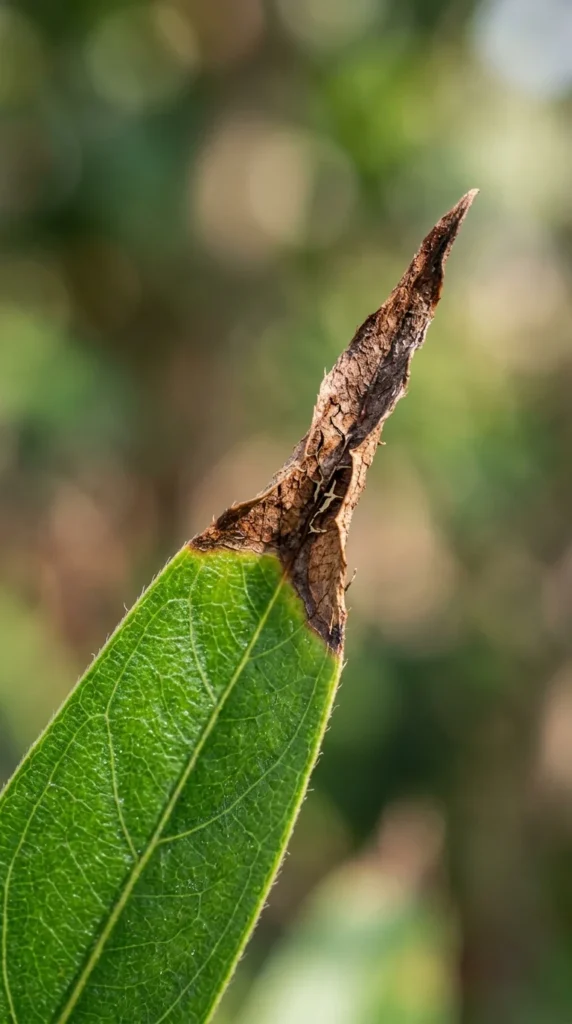
Brown tips are the plant’s way of screaming “the air is too dry!” If you see this, increase the humidity immediately. You can also trim the brown tips off with scissors for aesthetic reasons, but be careful not to cut into the healthy green tissue.
21. Yellow Leaves
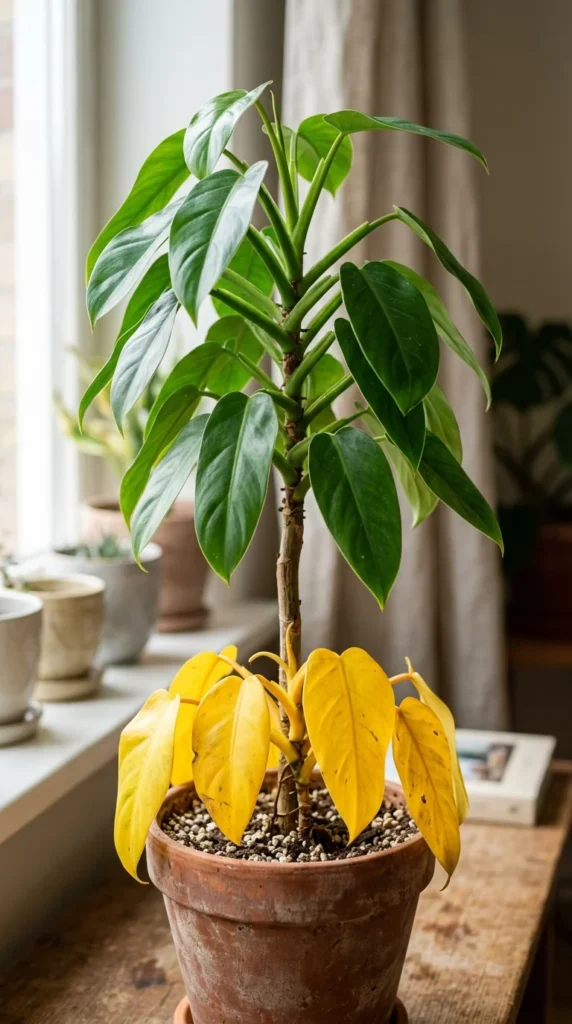
If the leaves are turning yellow and falling off, you are likely overwatering. Check the soil; if it feels soggy, let it dry out a bit more between waterings and ensure your drainage is working properly.
22. Winter Rest
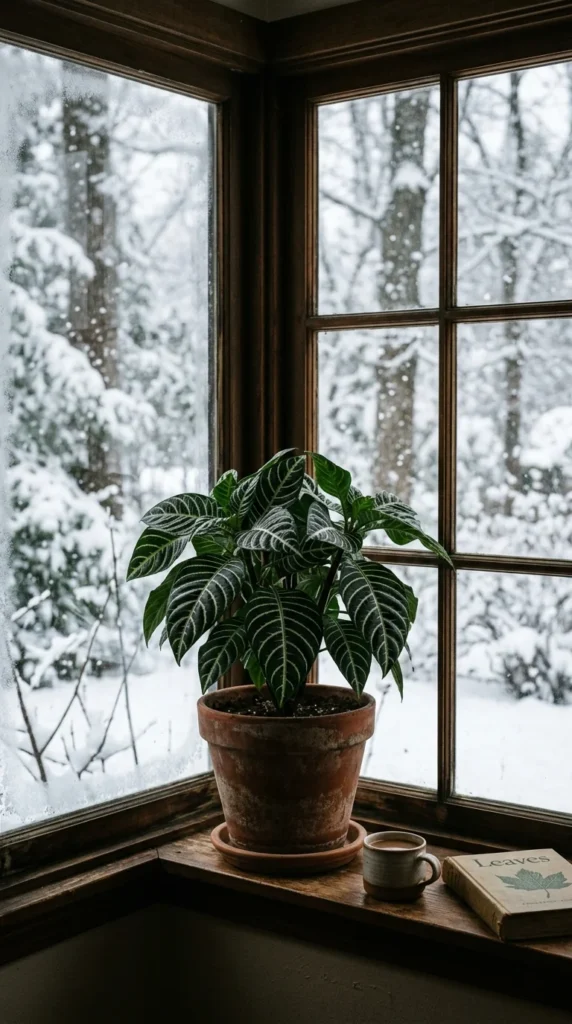
In the winter, the Zebra Plant goes through a dormant phase. Reduce your watering frequency and stop fertilizing entirely until the first signs of new growth appear in the spring. The plant needs this “rest” to prepare for the next blooming cycle.
23. Indirect Exposure
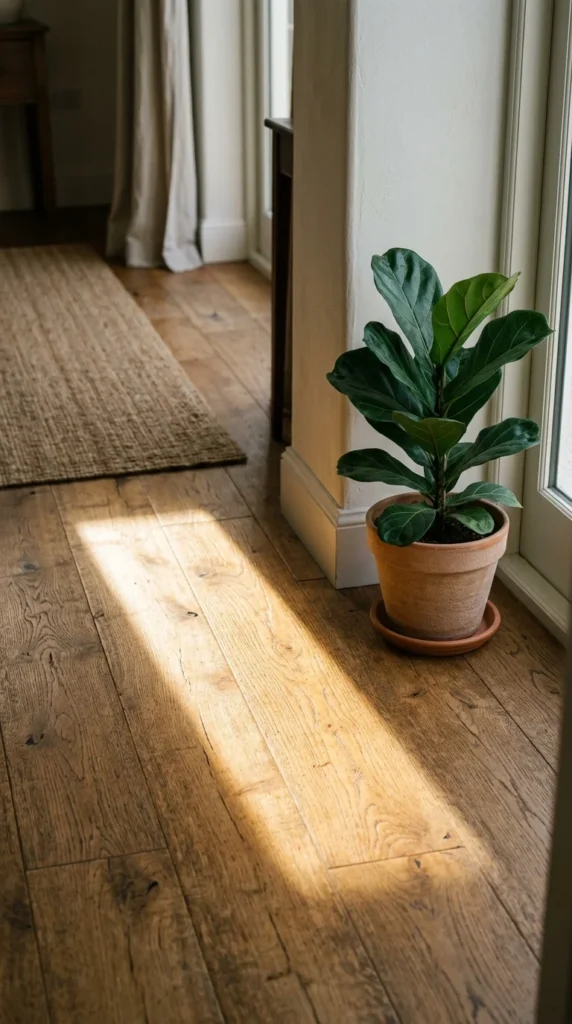
If you notice the leaves looking bleached or “washed out,” it’s getting too much light. Move it a few feet away from the window. The goal is “bright but soft” light, never “harsh and direct.”
24. Humidifier Help
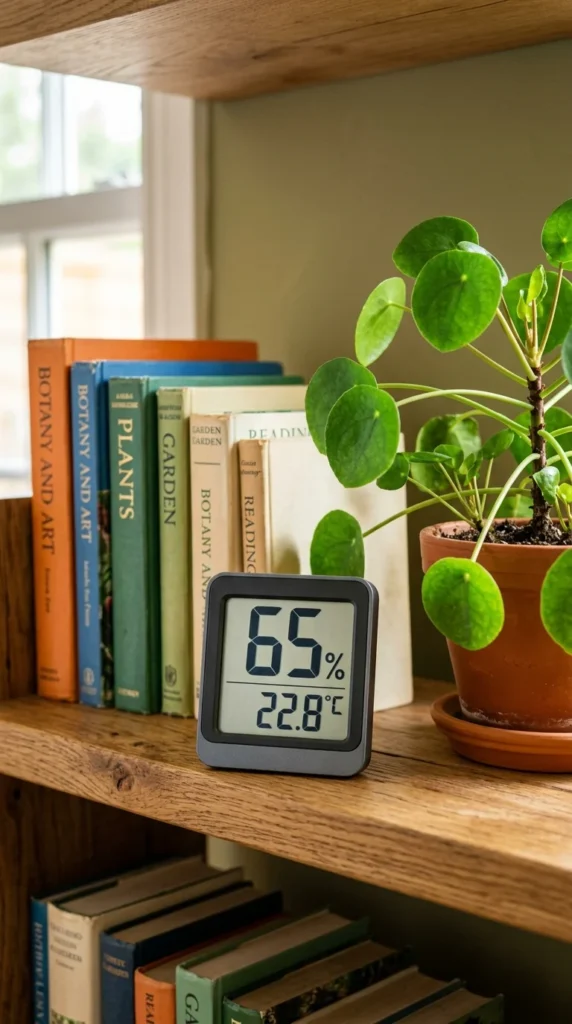
Invest in a cheap hygrometer. This small device tells you exactly what the humidity level is in your room. It takes the guesswork out of care and tells you exactly when you need to turn on the humidifier or refill the pebble tray.
25. Pot Material
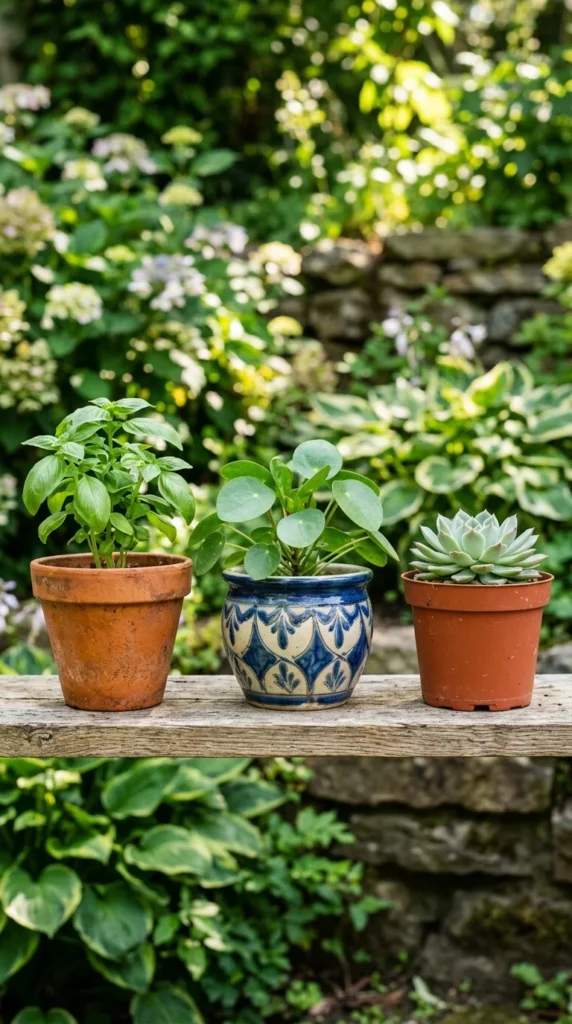
Glazed ceramic or plastic pots are usually better for Zebra Plants than terracotta. Terracotta is porous and wicks moisture away from the soil, which can cause the Zebra Plant to dry out too quickly. Non-porous pots help maintain that “consistent moisture” the plant loves.
26. Stem Support
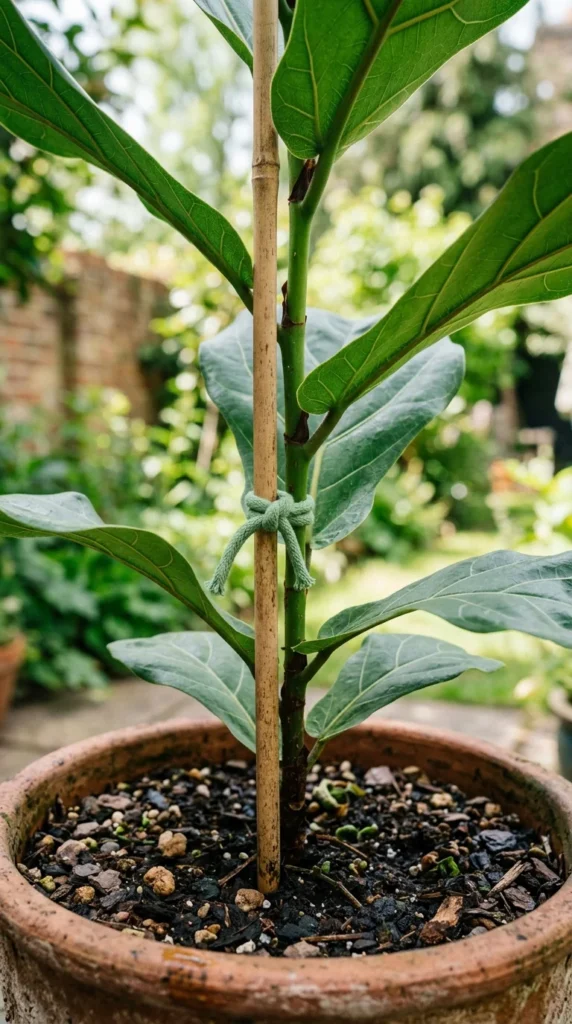
As Zebra Plants grow taller, they can become top-heavy, especially when they produce those large, heavy flower bracts. Use a small bamboo stake to provide support and keep the plant upright.
27. Slow Acclimation
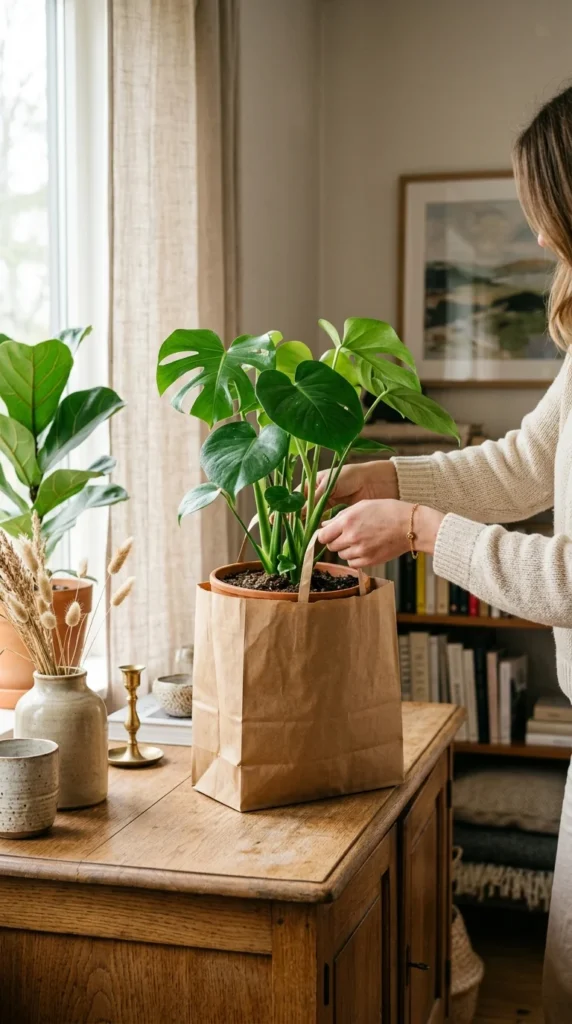
When you first bring your Zebra Plant home, don’t move it around. These plants hate change. Find a good spot and leave it there. It may drop a leaf or two as it adjusts to your home’s environment; this is normal “acclimation stress.”
28. Pruning Shears
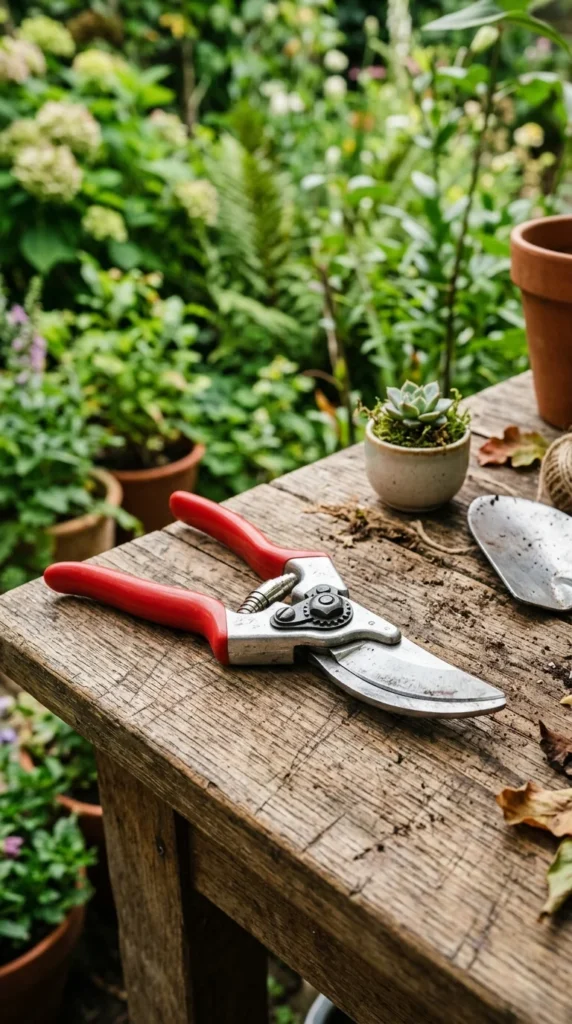
Always use bypass pruners rather than anvil pruners. Bypass pruners act like scissors and make a clean cut, whereas anvil pruners can crush the soft stems of the Zebra Plant, leading to rot or infection.
29. Patience First

The final secret is patience. The Zebra Plant is a slow grower and can be temperamental. Don’t panic at the first sign of a drooping leaf. Observe, adjust your humidity or water, and give the plant time to respond. With the right care, this “diva” will become the most rewarding resident of your indoor garden.