
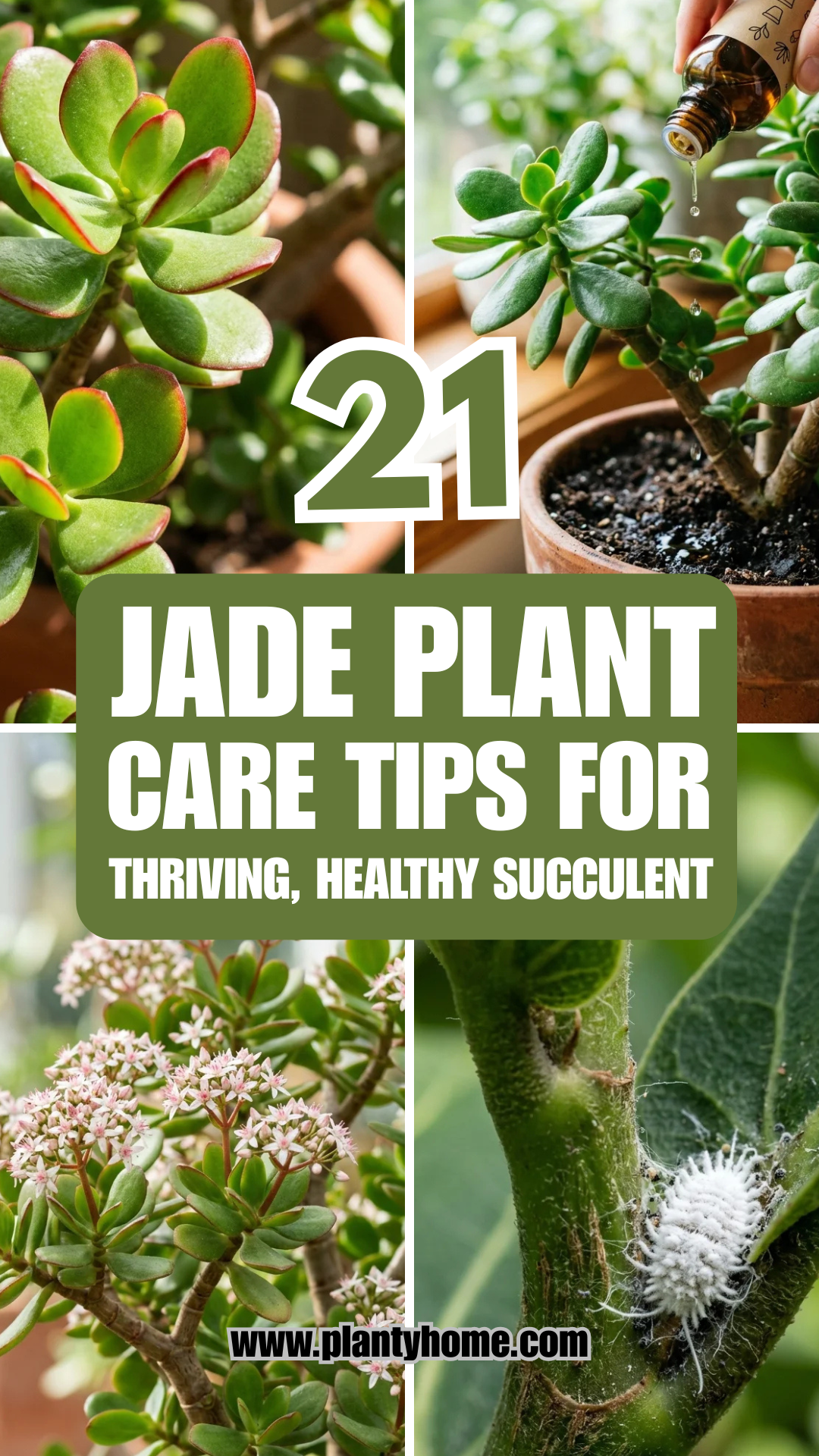
The Jade plant (Crassula ovata) is a cornerstone of the indoor gardening world. Often referred to as the “Money Plant” or “Friendship Tree,” this South African native is beloved for its resilient nature and its miniature, tree-like appearance. While they are famously difficult to kill, there is a significant difference between a Jade plant that is merely surviving and one that is truly thriving. To help you cultivate a specimen that could live for decades, follow these 21 comprehensive care tips.
1. Sunlight
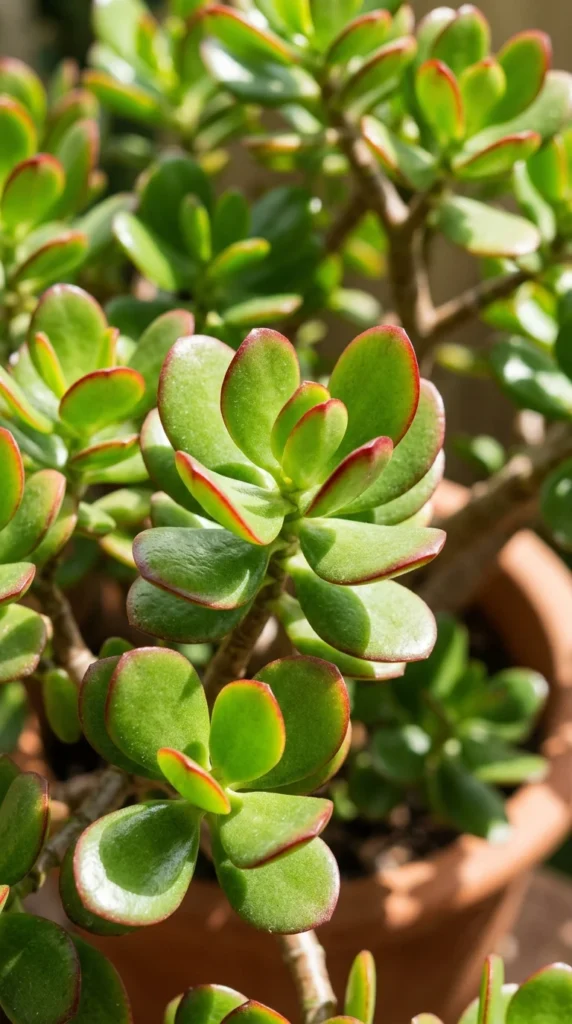
Jade plants are sun worshippers. To maintain their compact shape and deep green luster, they require at least four to six hours of bright, indirect light every day. Younger plants prefer bright, filtered light to avoid scorching, while mature plants can often handle direct sunlight once acclimated. If your Jade starts to look “leggy”—with long spaces between leaves—it is likely reaching for more light.
2. Watering
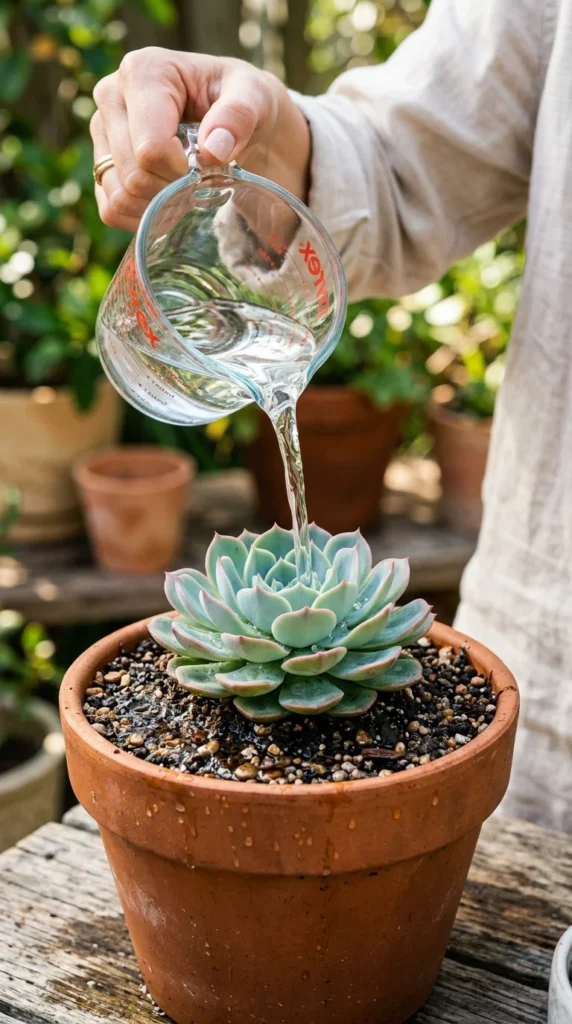
The most common cause of Jade plant demise is overwatering. These succulents store water in their thick leaves and stems, allowing them to survive droughts. The “soak and dry” method is best: water the soil thoroughly until it drains out the bottom, then wait until the top two inches of soil are completely bone-dry before watering again. In the winter, you may only need to water once every three to four weeks.
3. Soil
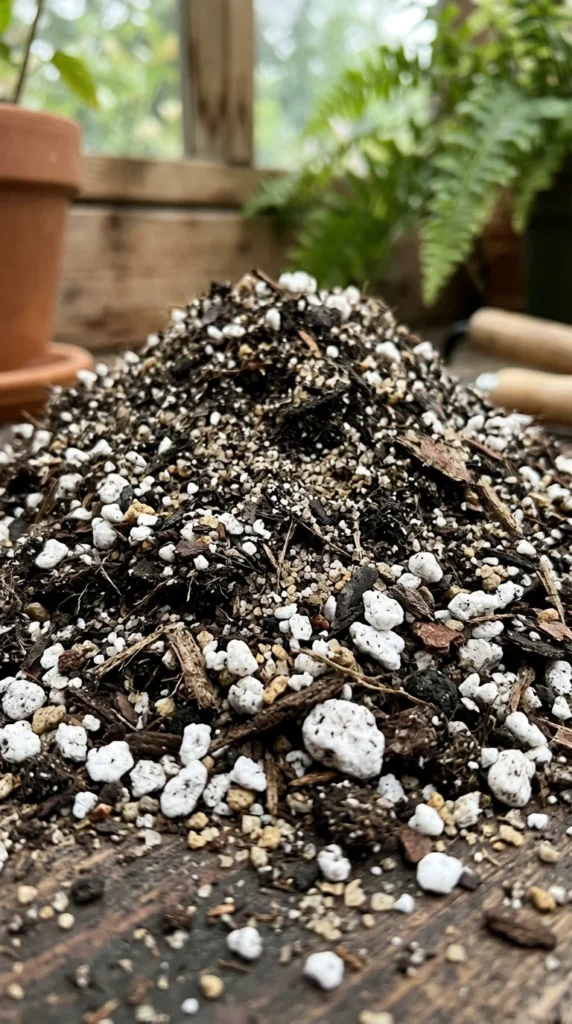
Standard potting soil holds too much moisture for a Jade plant. Instead, use a specialized succulent or cactus mix. These blends usually contain perlite, pumice, or sand, which increases aeration and allows water to move through the root zone quickly. If you only have regular soil, mix it in a 1:1 ratio with coarse sand or perlite to ensure the roots never sit in “wet feet.”
4. Pots
While plastic or glazed ceramic pots look beautiful, terracotta is the gold standard for Jade plants. The porous nature of clay allows the soil to breathe and moisture to evaporate through the walls of the pot, preventing the root rot that often plagues succulents. Regardless of the material, a drainage hole at the bottom is non-negotiable.
5. Temperature
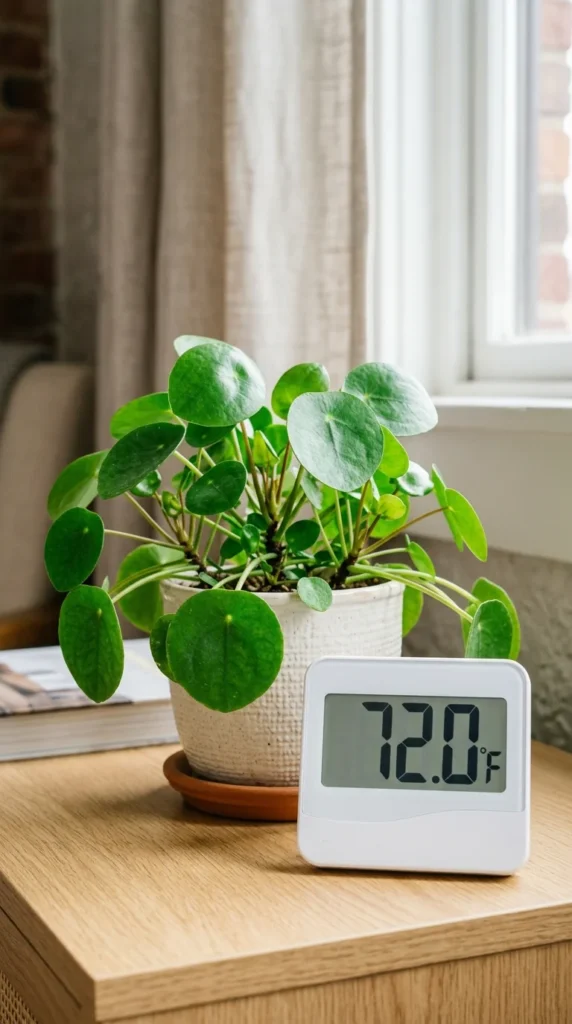
Jade plants thrive in temperatures between 65°F and 75°F (18°C–24°C) during the day. At night, they prefer slightly cooler temperatures down to 50°F (10°C). While they are hardy, they are not frost-tolerant. If you keep your plant outdoors during the summer, ensure you bring it inside before the first frost hits, as freezing temperatures will turn the water-filled leaves into mush.
6. Humidity
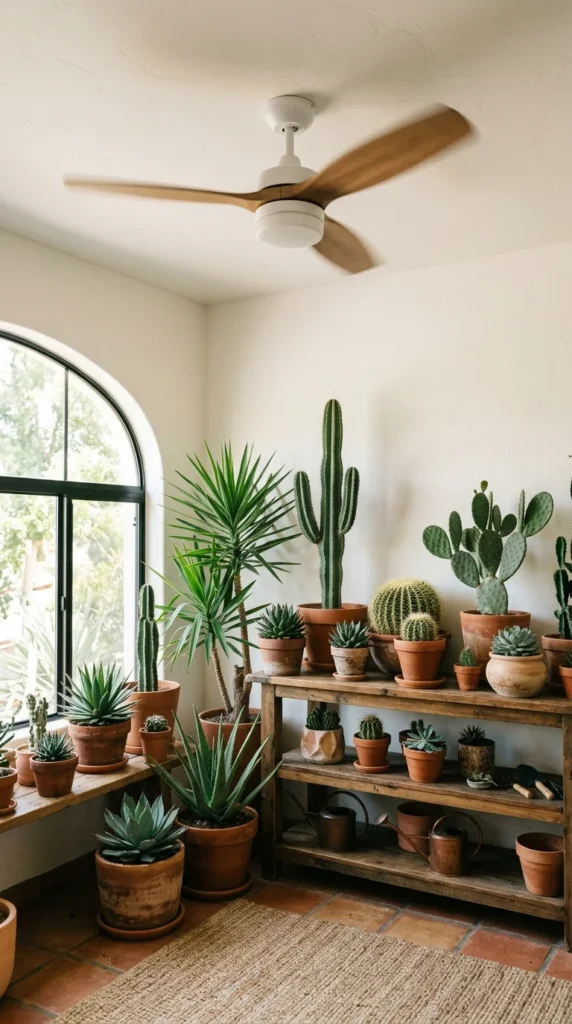
Unlike many tropical houseplants, Jades do not need high humidity. They are perfectly content in the dry air of most modern homes. In fact, excessive humidity can lead to fungal issues or powdery mildew. Ensure there is decent air circulation around the plant, especially if you live in a naturally humid climate.
7. Fertilizing
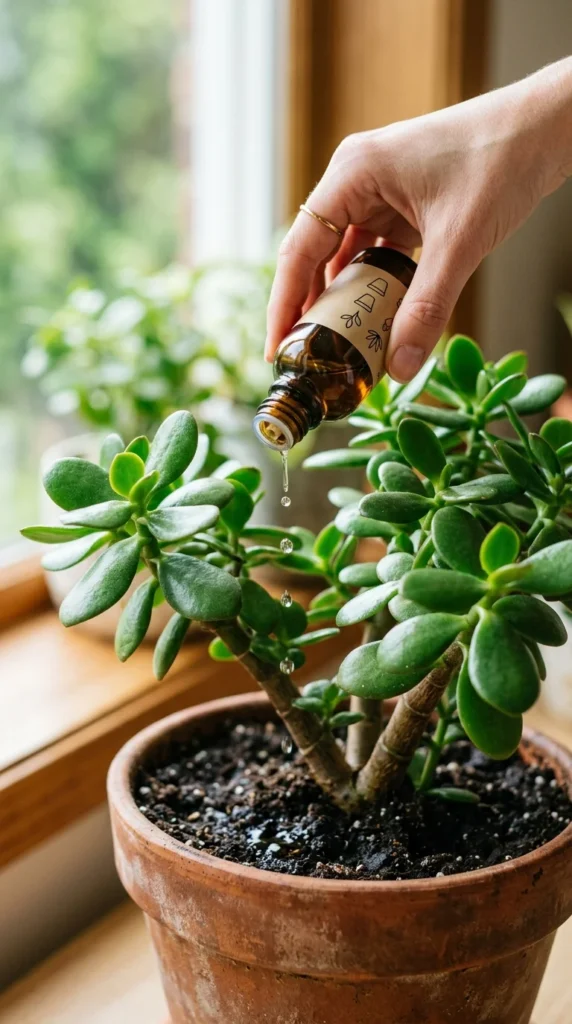
Jade plants aren’t heavy feeders, but they do appreciate a boost during their active growing season (spring and summer). Use a balanced, water-soluble fertilizer diluted to half-strength once every two months. Avoid fertilizing in the winter when the plant enters its natural dormancy period, as the excess salts can damage the roots.
8. Pruning
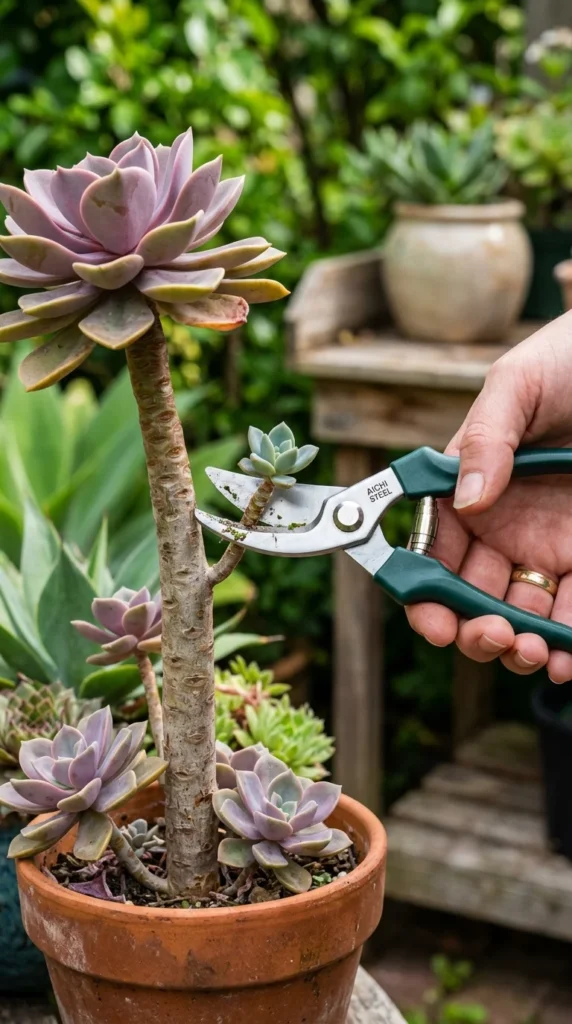
To achieve that iconic “miniature tree” look, pruning is essential. Pruning encourages the plant to grow thicker stems and more branches. If a branch is getting too heavy or the plant is lopsided, snip it off just above a leaf node (the ring on the stem). Two new stems will usually sprout from the cut, creating a bushier, more stable plant.
9. Propagation
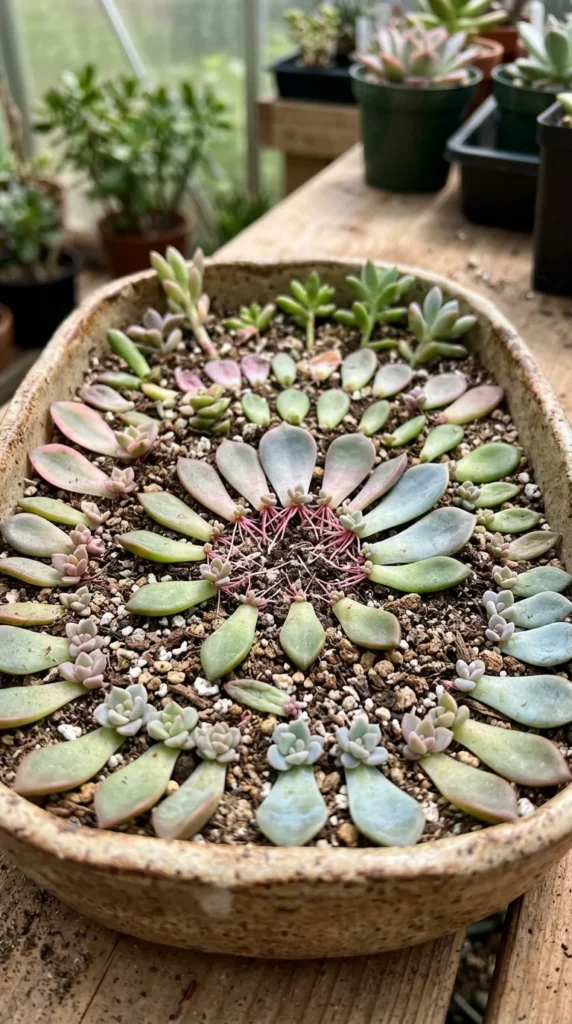
One of the joys of owning a Jade is how easily it multiplies. You can grow a whole new plant from a single leaf or a stem cutting. Simply let the cutting “callous” over for a few days in a dry spot, then place it on top of moist soil. Within a few weeks, tiny pink roots and a new baby plant will emerge.
10. Repotting
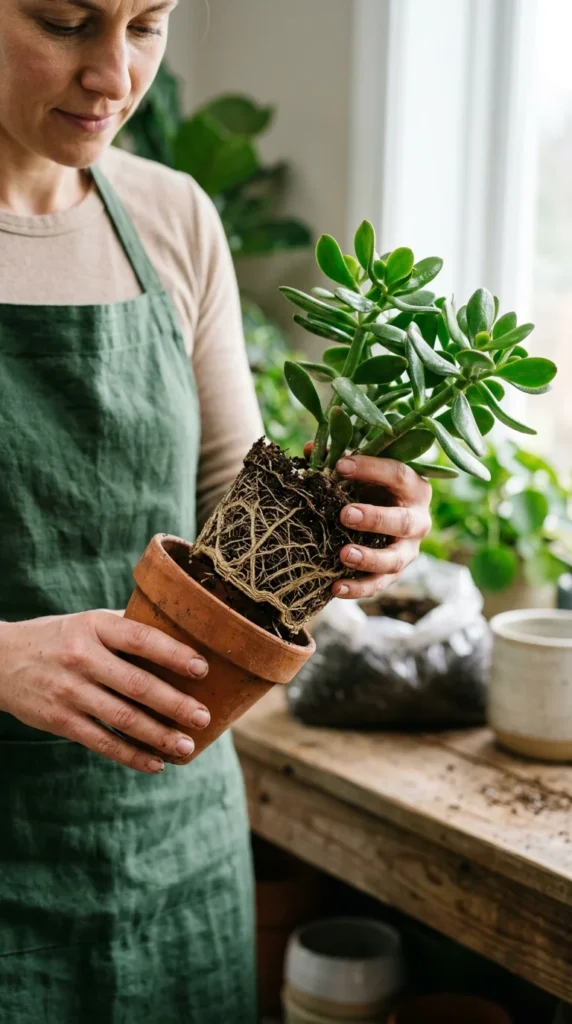
Jade plants actually enjoy being slightly root-bound, which helps keep them small and manageable. You typically only need to repot every two to three years. When you do, choose a pot only one size larger than the current one. The best time to repot is in the spring, just as the plant begins its most vigorous growth phase.
11. Pests
The most common enemy of the Jade plant is the mealybug. These tiny, white, cotton-like insects hide in the “axils” (the joints where leaves meet the stem) and suck the sap. If you spot them, dab them with a cotton swab soaked in rubbing alcohol. For larger infestations, neem oil or insecticidal soap can be effective.
12. Diseases
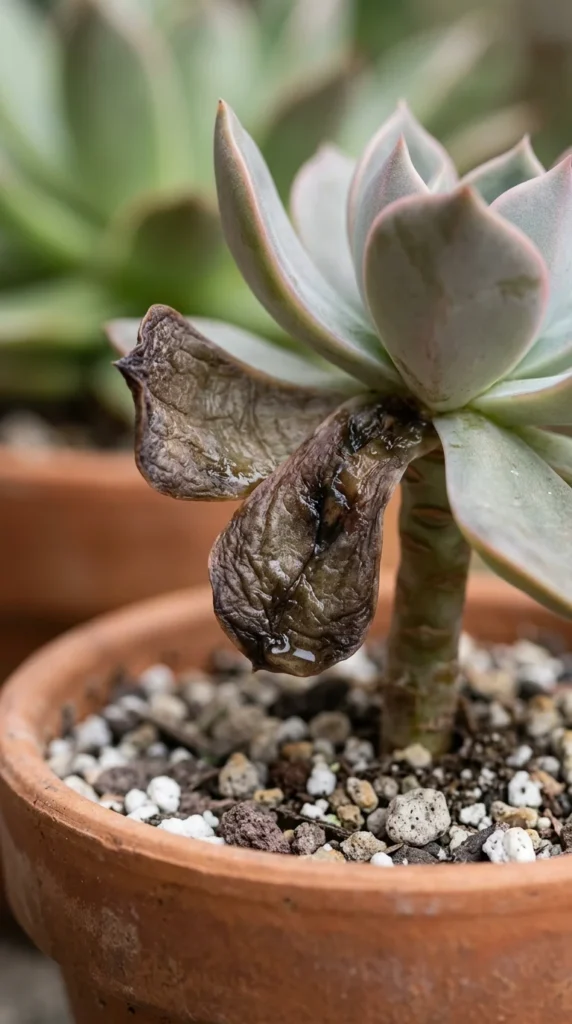
The primary disease to watch for is root rot, caused by overwatering. Symptoms include yellowing leaves, a soft or mushy stem, and a foul smell from the soil. If you catch it early, you can save the plant by removing the rotted roots and repotting it in fresh, dry soil. Prevention through proper drainage is always better than a cure.
13. Cleaning
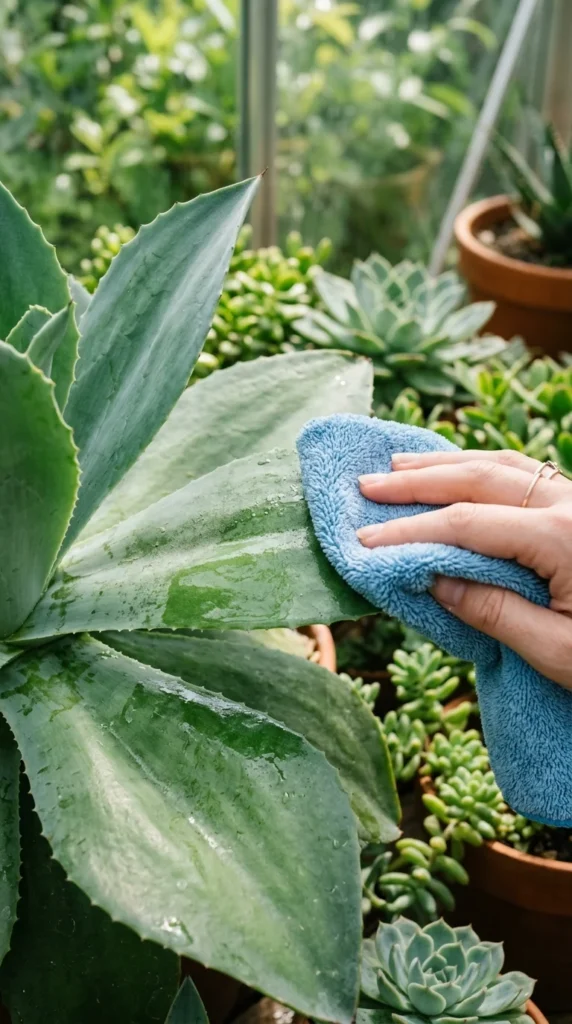
Because Jade leaves are broad and flat, they tend to collect dust. A layer of dust can block sunlight and hinder photosynthesis. Once a month, gently wipe the leaves with a damp cloth or give the plant a very light “shower” in the sink (just be sure to let the soil dry out completely afterward). Do not use leaf-shining products, as they can clog the plant’s pores.
14. Airflow
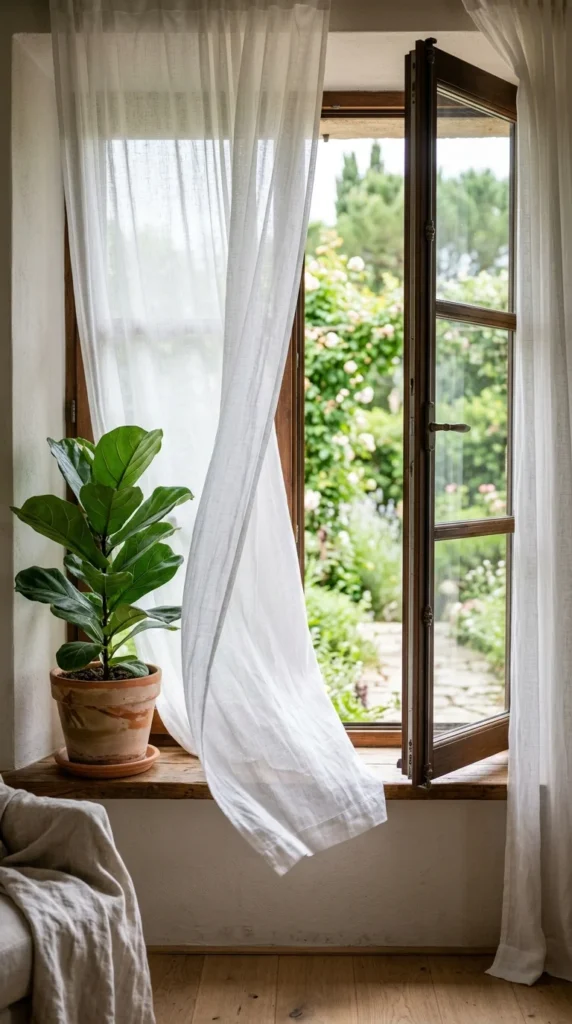
Good air circulation is vital for preventing fungal growth and keeping the plant’s stems strong. If your Jade is tucked away in a stagnant corner, it may become prone to mold. Placing it near a window that is occasionally opened or in a room with a ceiling fan will help keep the plant healthy and the soil surface dry.
15. Seasons
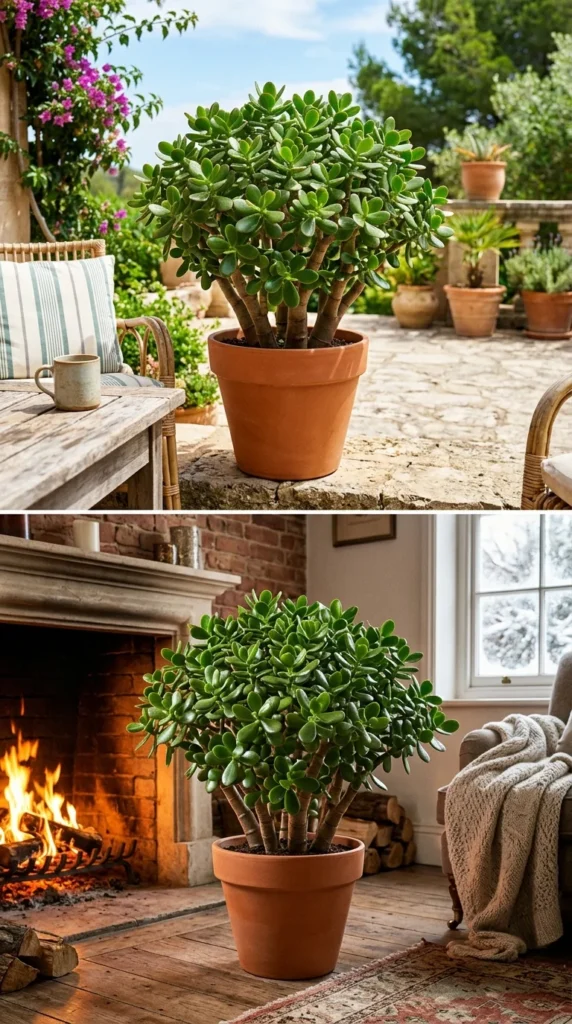
Understand that your Jade plant’s needs change with the seasons. In the summer, it will drink more and grow faster. In the winter, it enters a rest period. During this time, you should significantly reduce watering and stop fertilizing. This seasonal cycle mimics its natural habitat and encourages a healthier long-term life.
16. Leaf Drop
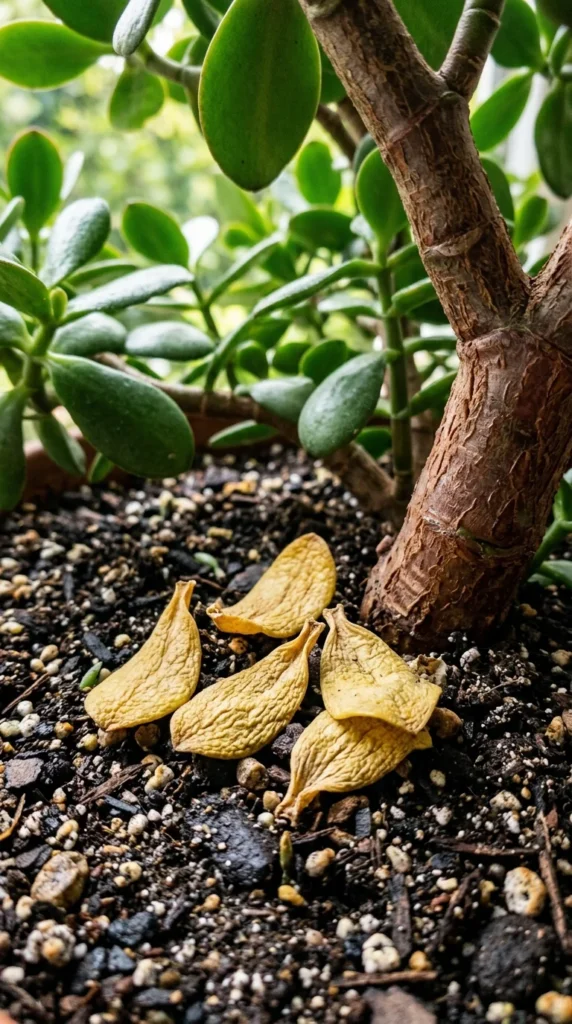
If your Jade starts dropping leaves, it’s a distress signal. If the leaves are yellow and mushy before they fall, it’s likely too much water. If they are shriveled and dry, the plant is dehydrated. Occasionally, a Jade will drop leaves due to a sudden change in environment or temperature (like a cold draft). Identify the stressor and adjust your care accordingly.
17. Color Stress
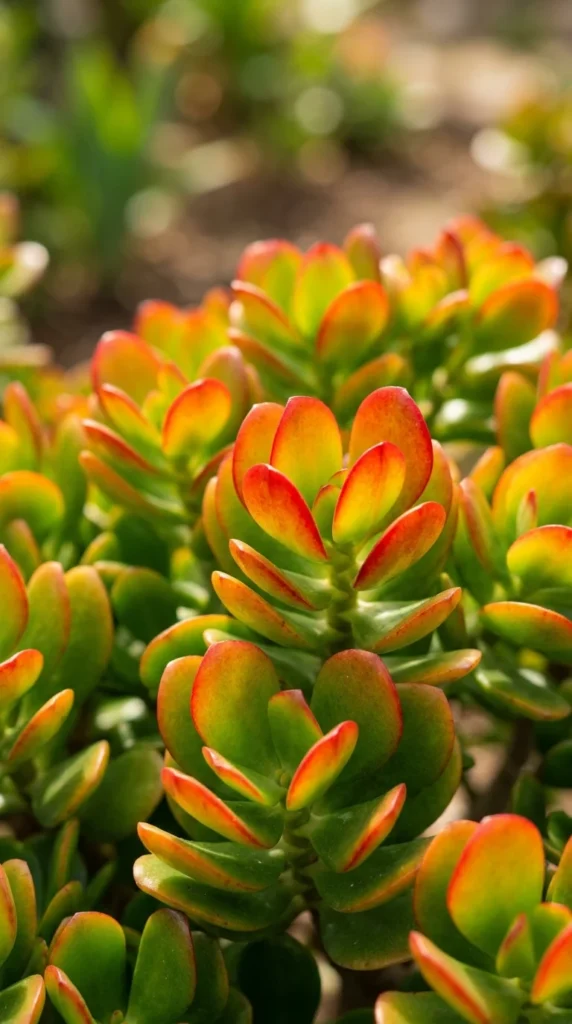
While “stress” sounds negative, “sun stress” in Jades can actually be quite beautiful. When exposed to high levels of light, many Jade varieties develop red or purple edges on their leaves. This is a natural defense mechanism and is generally a sign of a very healthy, high-light plant. If the leaves turn entirely yellow or look “bleached,” however, it may be getting too much direct heat.
18. Stability
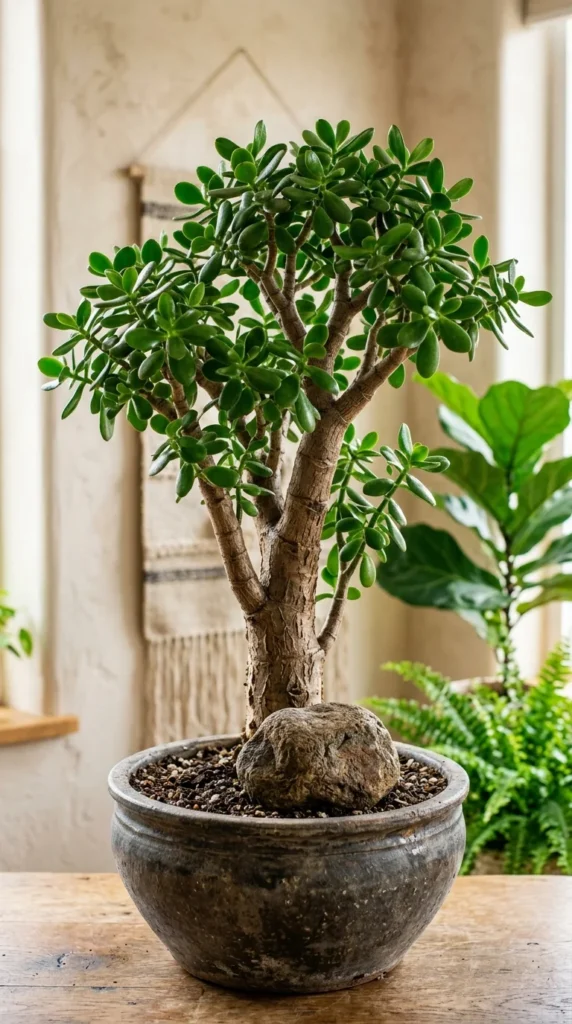
As Jade plants grow, they become very top-heavy. Their leaves are full of water, which adds significant weight. To prevent your plant from toppling over, use a heavy pot (like stone or thick ceramic). If the plant becomes lopsided, you can use a small bamboo stake for support until the trunk thickens enough to support the weight through pruning.
19. Flowering
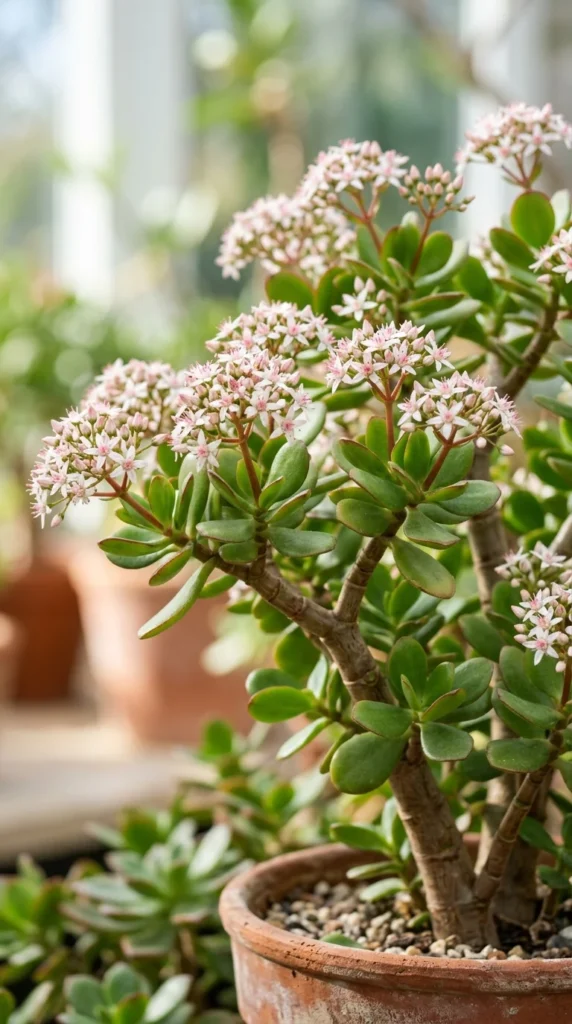
It is a rare treat to see a Jade plant bloom indoors, but it is possible. To trigger flowering, the plant needs to be mature (usually several years old). In the autumn, provide the plant with “short days” (long periods of darkness) and cooler nighttime temperatures (around 55°F). Withhold fertilizer and limit water, and you might be rewarded with clusters of delicate, star-shaped white or pink flowers in late winter.
20. Toxicity
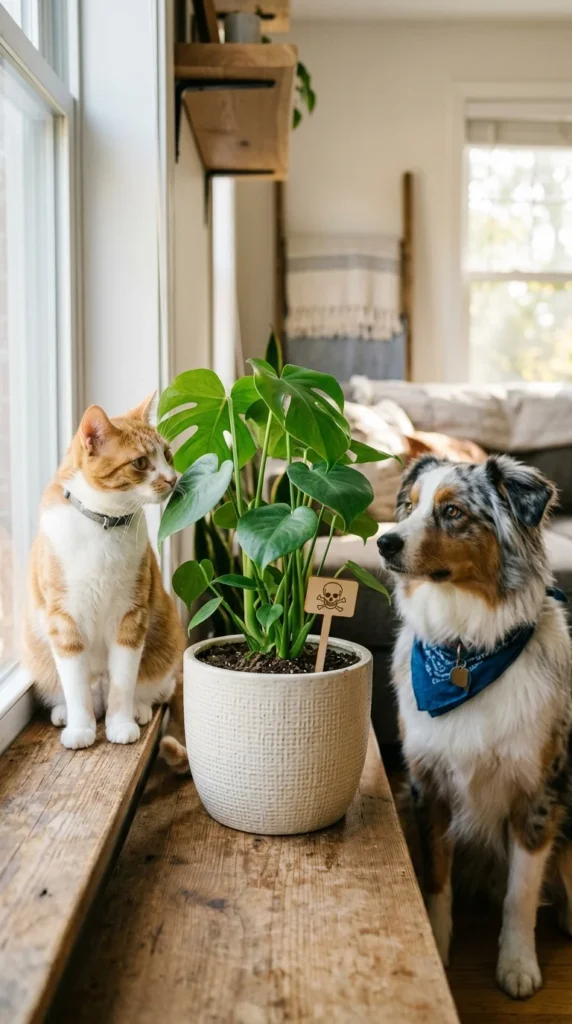
It is important to note that Jade plants are toxic to cats, dogs, and horses if ingested. Symptoms can include vomiting, lethargy, and lack of coordination. If you have curious pets, keep your Jade plant on a high shelf or in a room that is inaccessible to them. It is also mildly irritating to humans, so wash your hands after pruning or handling the sap.
21. Location
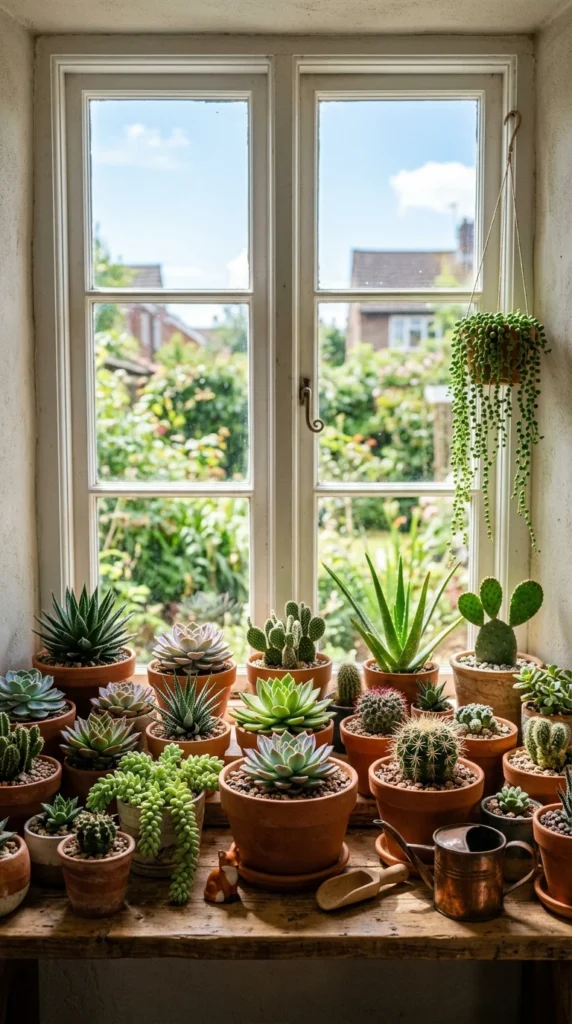
The best place for a Jade plant is usually a south-facing or west-facing window where it can receive the most intense light of the day. If you don’t have enough natural light, Jade plants respond very well to LED grow lights. Placing them in a central “hub” of the home where you pass by frequently will also ensure you notice when the soil is dry or if pests have decided to move in.