
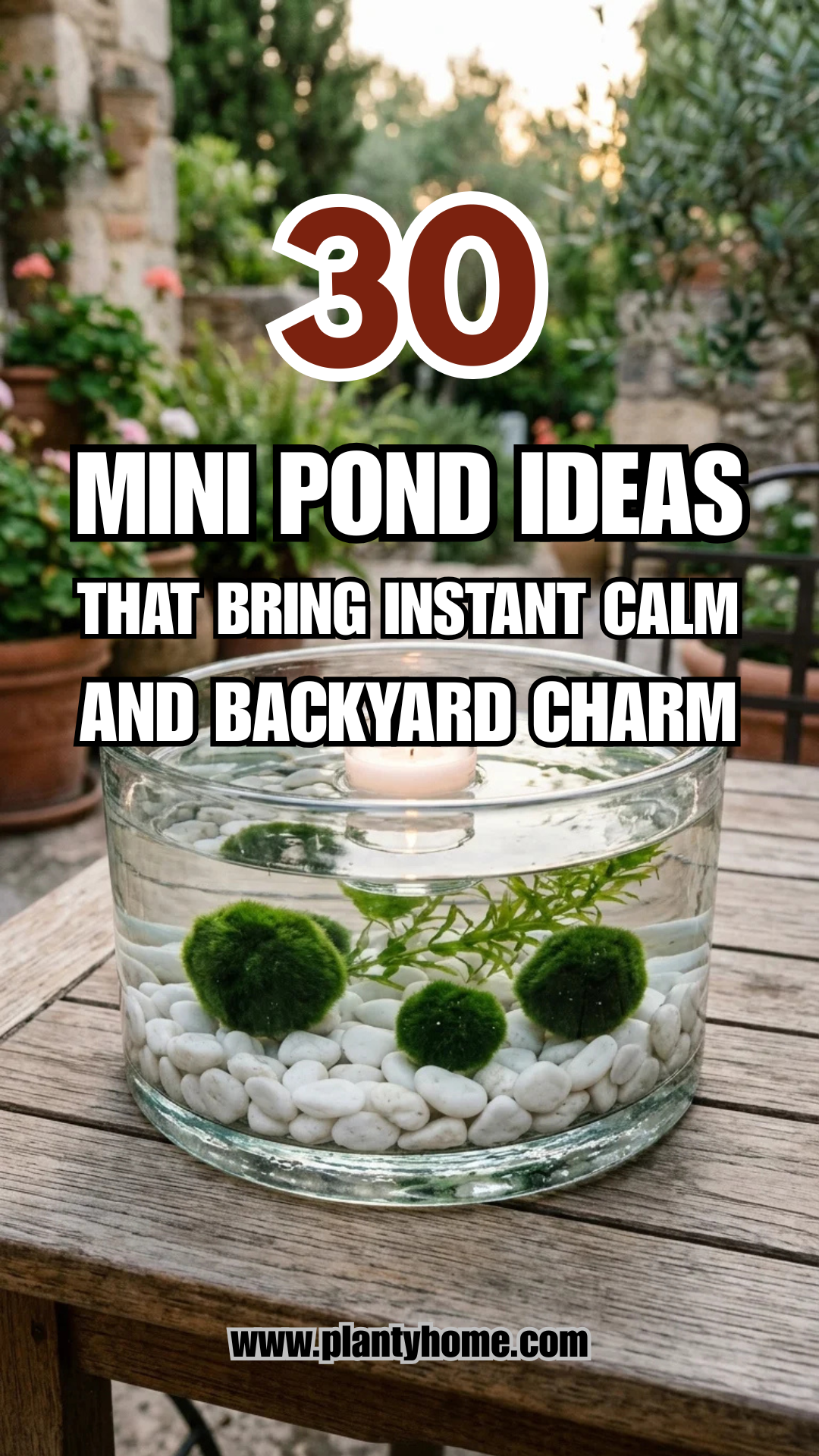
Water has a transformative effect on any outdoor space. Even in the smallest city balcony or a compact suburban patio, the addition of a mini pond can introduce a sense of tranquility, invite local wildlife, and provide a focal point that anchors your garden design. Unlike large-scale landscaping projects that require heavy machinery and significant investment, mini ponds are accessible, often DIY-friendly, and easy to maintain.
Whether you are looking to cool down your microclimate or simply want to listen to the gentle sound of trickling water, these thirty mini pond ideas offer inspiration for every style and budget.
1. Galvanized Tubs
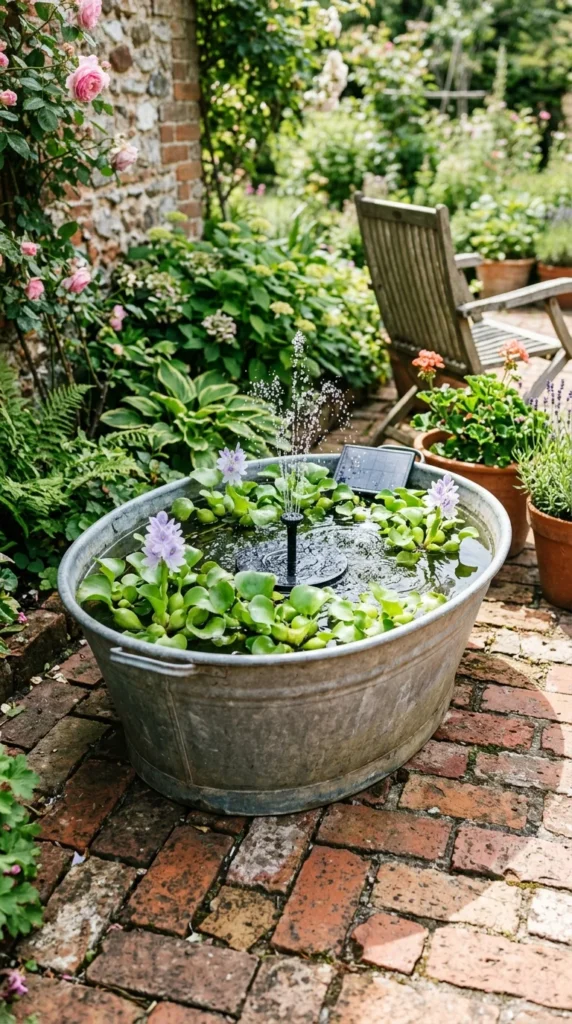
Galvanized steel tubs are a staple of the “farmhouse chic” aesthetic. Their metallic finish provides a beautiful contrast to the soft textures of aquatic plants. These tubs are incredibly durable and come in various sizes, from small buckets to large livestock troughs. Because they are deep, they offer excellent insulation for plant roots, though they should be lined if you plan to keep sensitive fish, as the zinc coating can sometimes leach into the water over many years.
2. Ceramic Pots
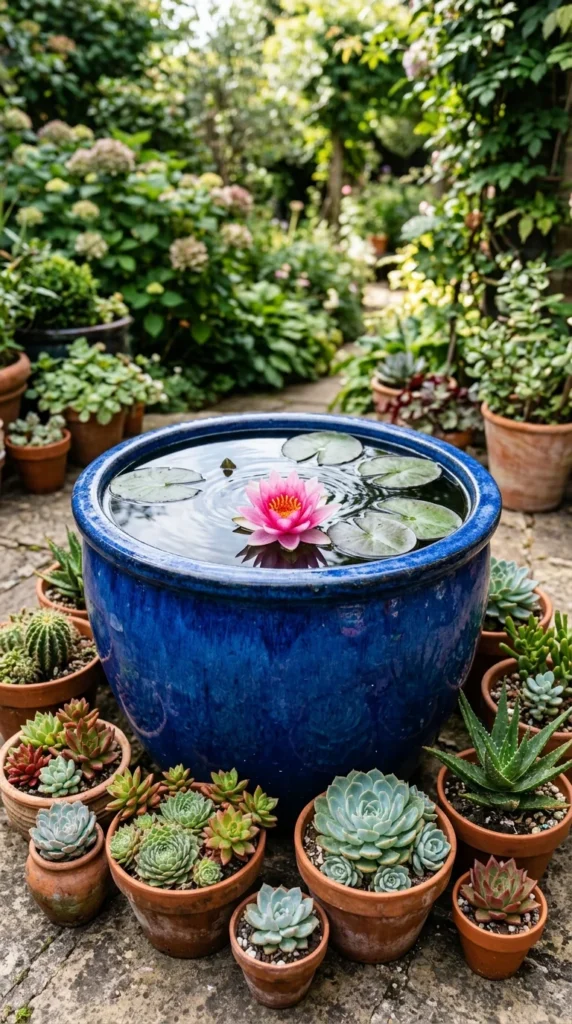
If you want a pop of color, glazed ceramic pots are the perfect vessel. Choose a pot without a drainage hole (or seal the hole with waterproof epoxy). The reflective surface of the glaze mimics the shimmer of the water, creating a cohesive look. Vibrant blues, deep greens, or earthy teals work best to blend the feature into a garden setting.
3. Wine Barrels
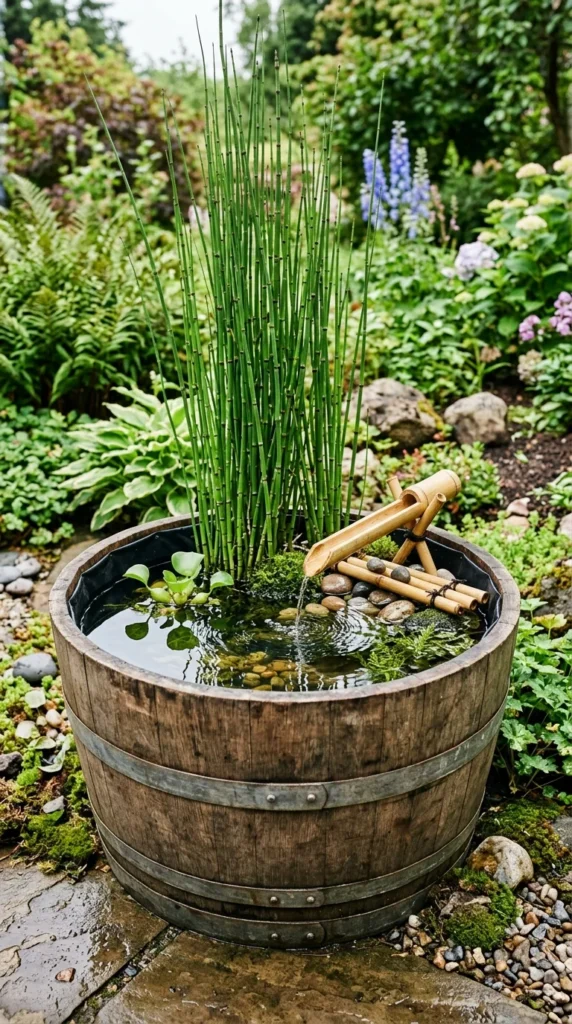
Repurposed wine barrels bring a rustic, earthy feel to the backyard. Usually sold as “half-barrels,” these containers are deep enough to host a variety of aquatic life. It is essential to use a heavy-duty plastic liner inside the barrel to prevent the wood tannins from discoloring the water and to ensure the container remains watertight as the wood expands and contracts.
4. Tiered Fountains
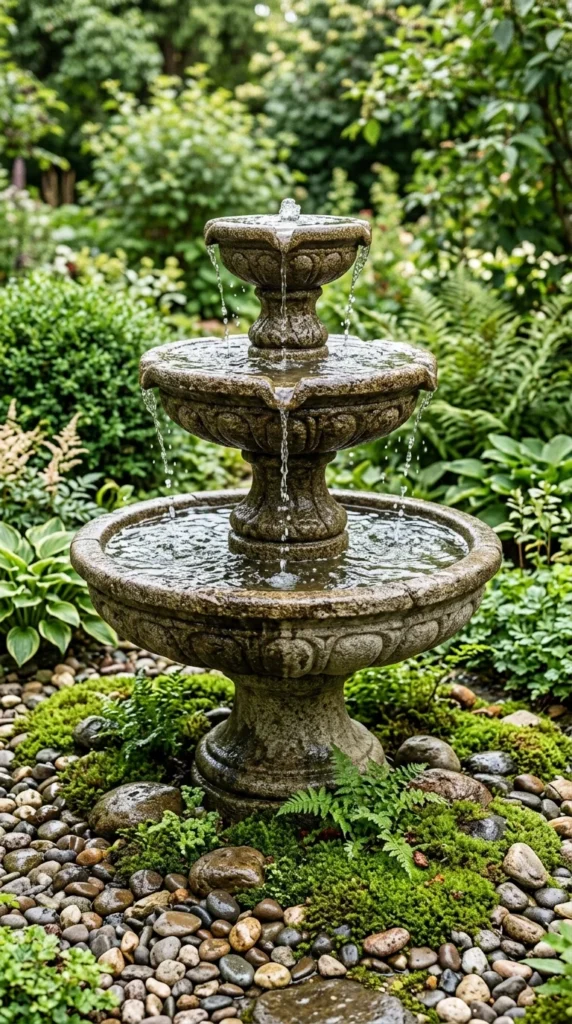
A tiered approach adds vertical interest and the therapeutic sound of falling water. You can create a DIY version using graduated sizes of terracotta saucers and pots. This setup oxygenates the water naturally as it moves, making it a healthy environment for plants and preventing the water from becoming stagnant.
5. In-Ground Basins
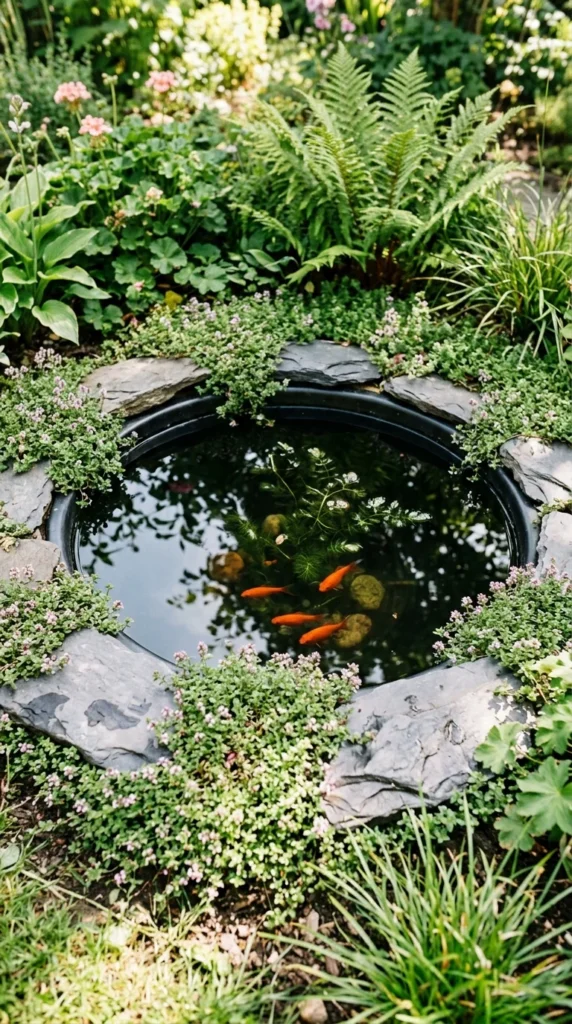
For a more permanent look, sinking a pre-formed plastic basin or a heavy-duty bucket into the ground creates a seamless transition between the water and your garden beds. By hiding the rim with flat stones, gravel, or “creeping Jenny” plants, you create the illusion of a natural spring bubbling up from the earth.
6. Recycled Bathtubs
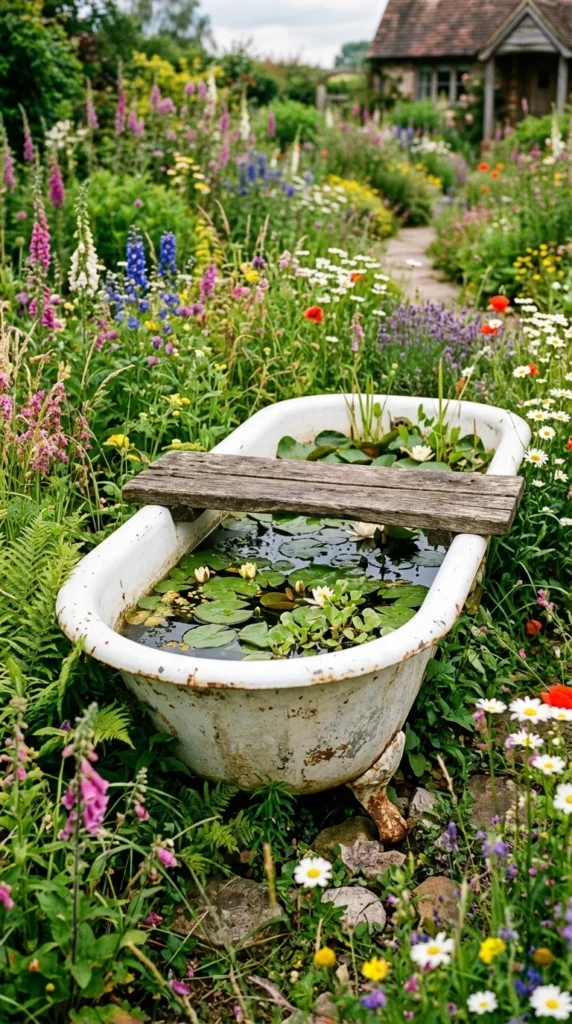
An old bathtub makes for an eclectic and spacious mini pond. Its depth allows for a wider variety of plants, including those that require deeper water like certain hardy lilies. This is a great way to recycle bulky items and create a “bog garden” effect where the edges are overgrown with tall grasses and flowering perennials.
7. Stone Troughs
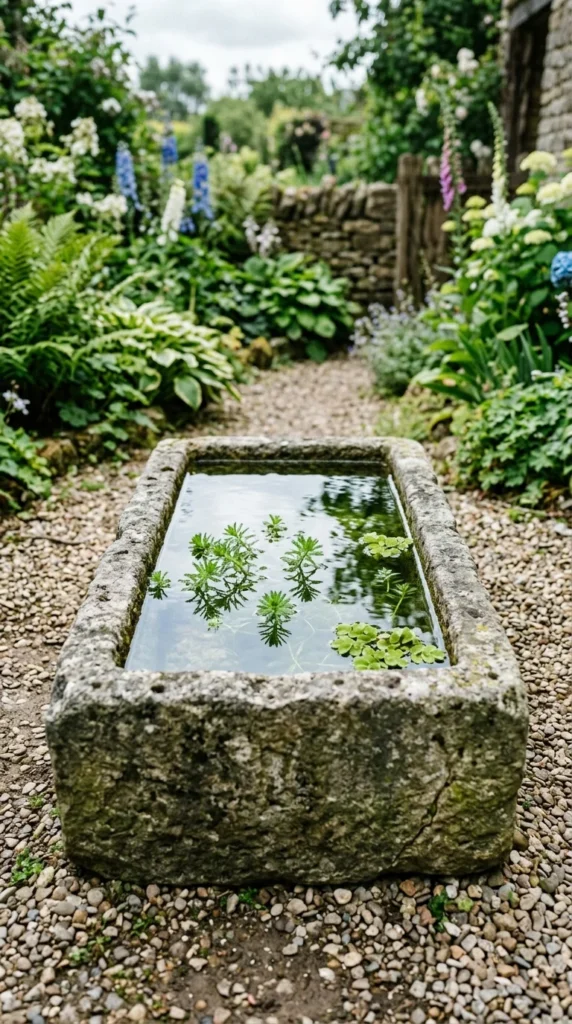
Stone troughs offer a timeless, English cottage garden appeal. Whether they are made of real carved stone or “hypertufa” (a lightweight concrete mix), they are incredibly sturdy and provide great thermal mass, keeping the water temperature stable throughout the day.
8. Glass Bowls
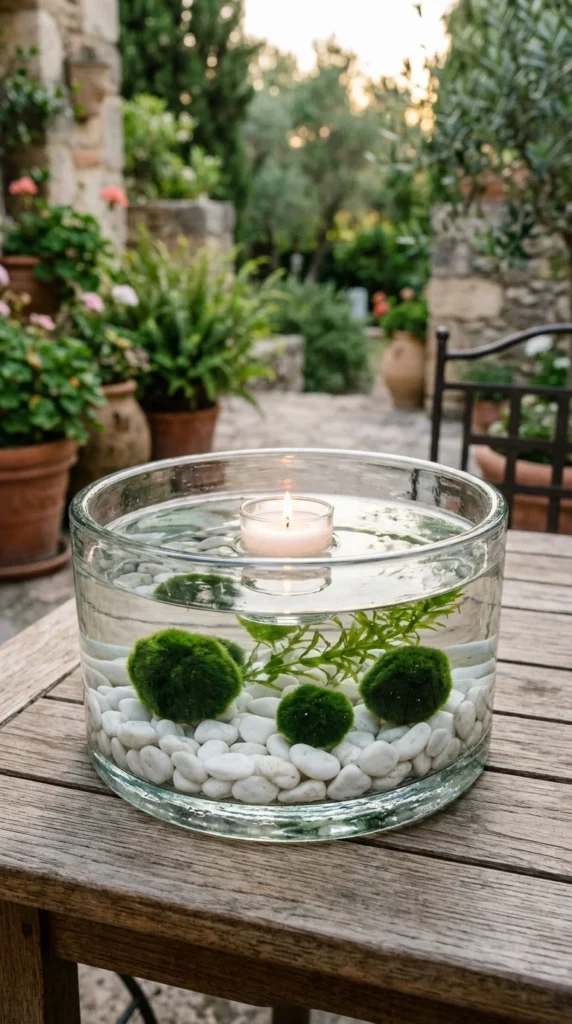
For those with limited space, a large glass bowl can serve as a “tabletop pond.” This is a minimalist approach that highlights the clarity of the water. Because glass allows light to enter from all sides, these are best kept in shaded areas to prevent excessive algae growth.
9. Wildlife Ponds
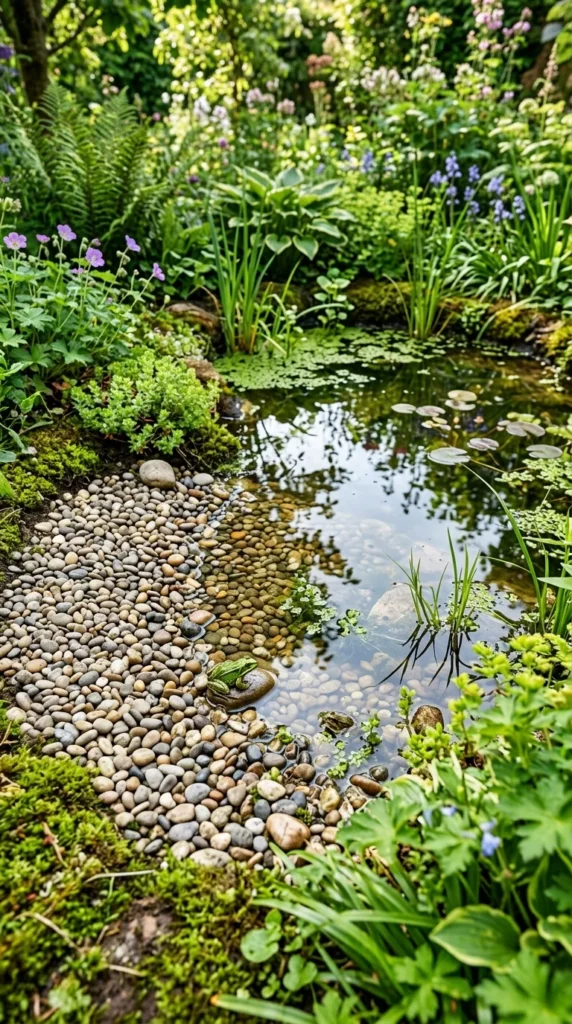
A wildlife-centric mini pond focuses on accessibility. Instead of steep sides, these ponds feature shallow “beach” entries made of pebbles and stones. This allows birds to bathe and beneficial insects like dragonflies or bees to drink safely without drowning. Avoid adding fish to a wildlife pond, as they may eat the tadpoles you are trying to attract.
10. Solar Powered Ponds
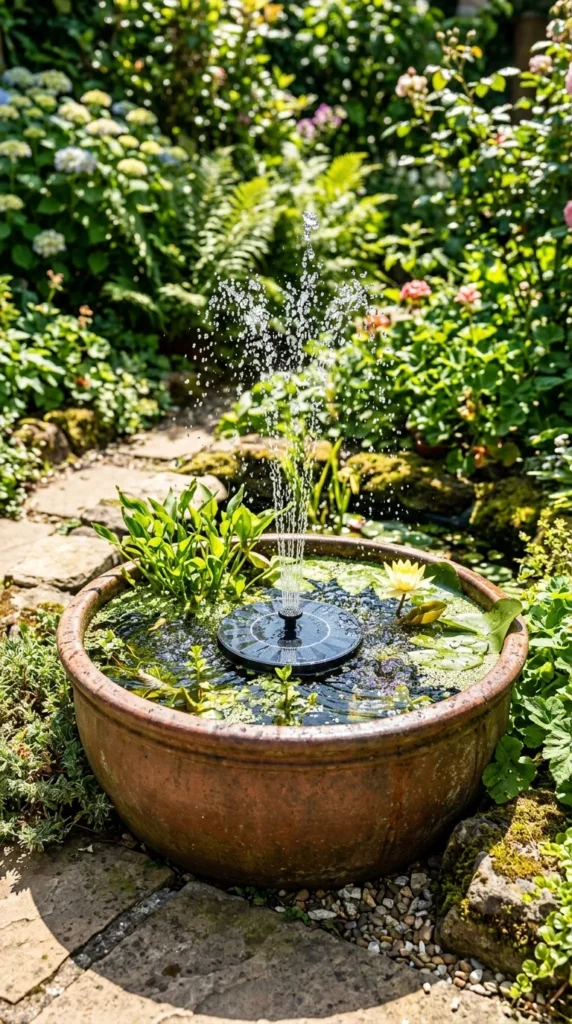
If you don’t have an outdoor electrical outlet, solar-powered pumps are the solution. These kits include a small panel and a pump that creates a fountain or a bubbling effect. Moving water is crucial for preventing mosquito larvae from settling on the surface and for keeping the water oxygenated for plants.
11. Minimalist Concrete
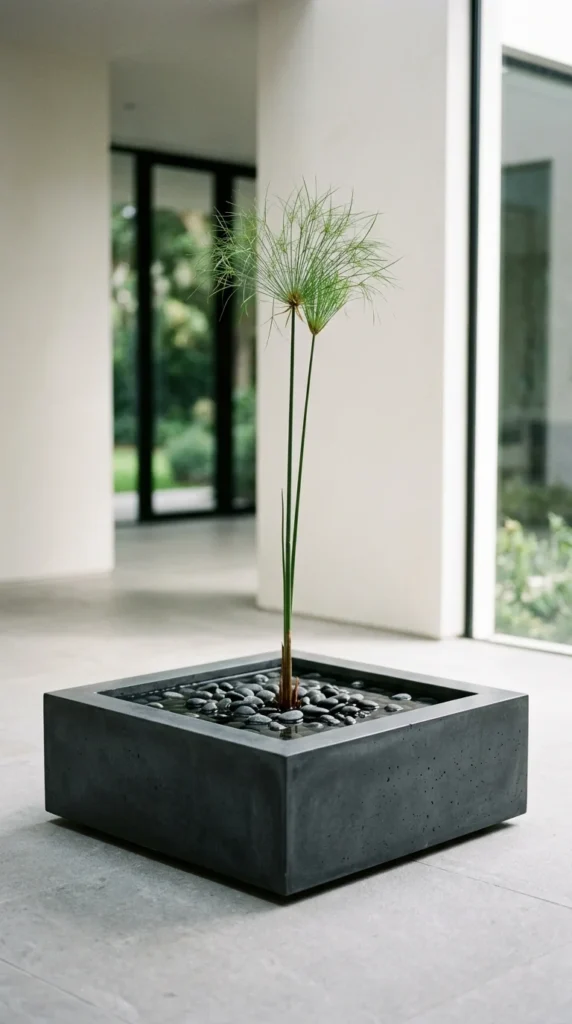
Modern landscapes benefit from the clean lines of concrete. A cast-concrete mini pond acts as a piece of living sculpture. The neutral grey of the concrete makes the vibrant green of aquatic plants stand out, creating a sophisticated, high-end look for a contemporary patio.
12. Zen Raked Gravel Ponds
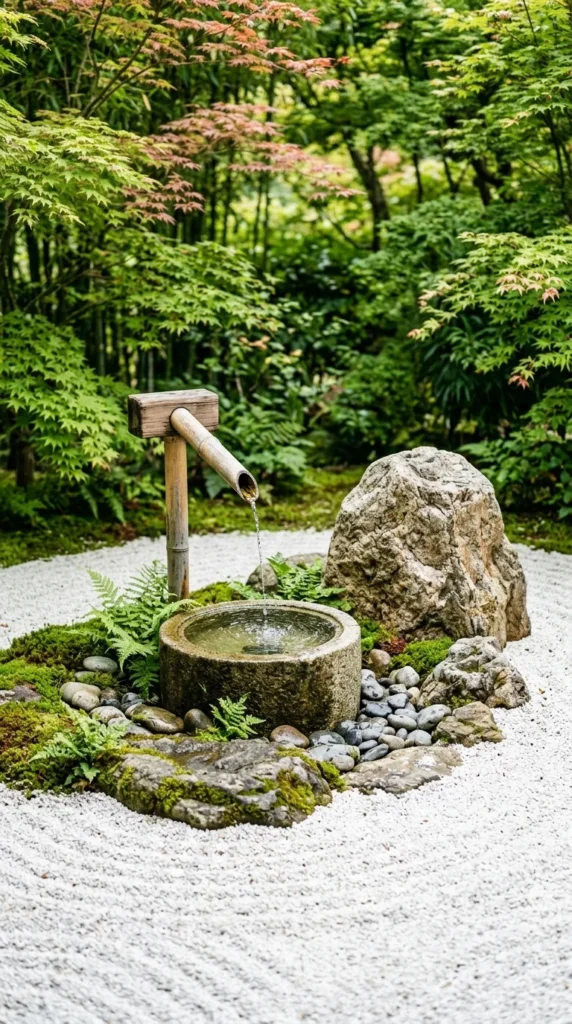
Integrating a mini pond into a Zen garden adds a sense of movement to the otherwise static landscape. Using a simple stone bowl and a bamboo spout (shishi-odoshi) creates a rhythmic clicking sound and a gentle splash, encouraging meditation and mindfulness.
13. Floating Lily Ponds
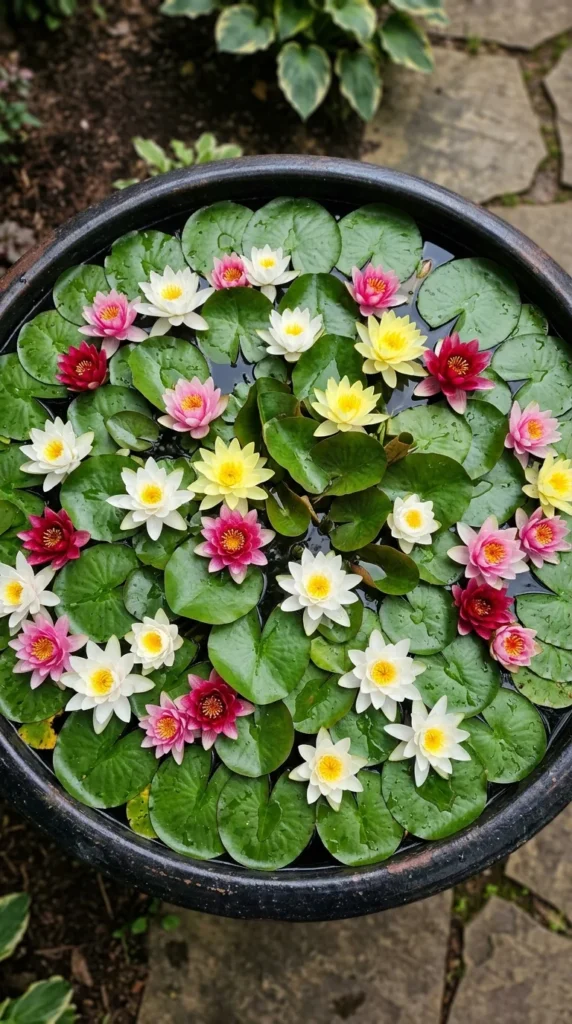
The primary focus here is the flora. By choosing a wide, shallow vessel, you can create a “carpet” of lily pads. This is not only aesthetically pleasing but also functional; the leaves shade the water, which keeps it cool and prevents the sun from fueling algae blooms.
14. Vertical Wall Ponds
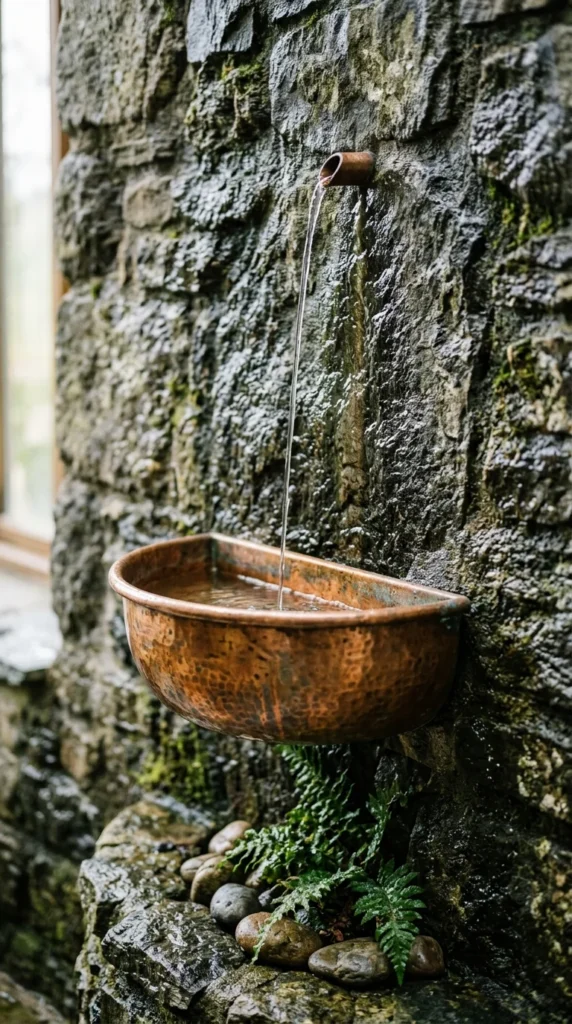
When floor space is at a premium, go vertical. Wall-mounted water features can be installed on fences or masonry walls. These units often function as closed-loop systems where a small pump hidden in the basin recirculates water up to a spout at the top.
15. Repurposed Wheelbarrows
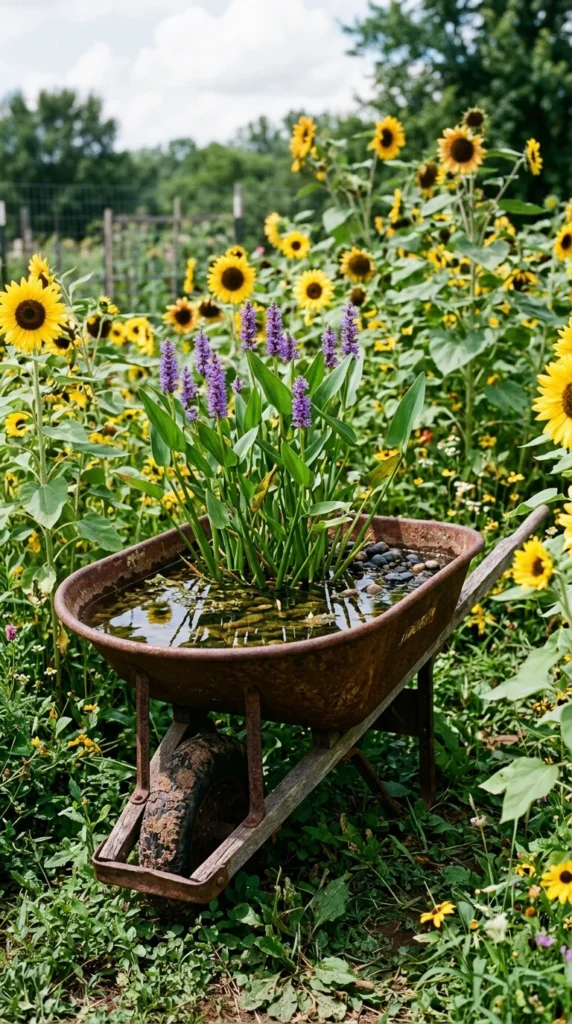
A retired metal wheelbarrow adds a whimsical, storybook charm to the garden. Since it has wheels, you can technically move it around (with caution) to find the best light for your plants. It provides a unique “elevated” water view that is easy to appreciate without bending down.
16. Bamboo Spout Ponds
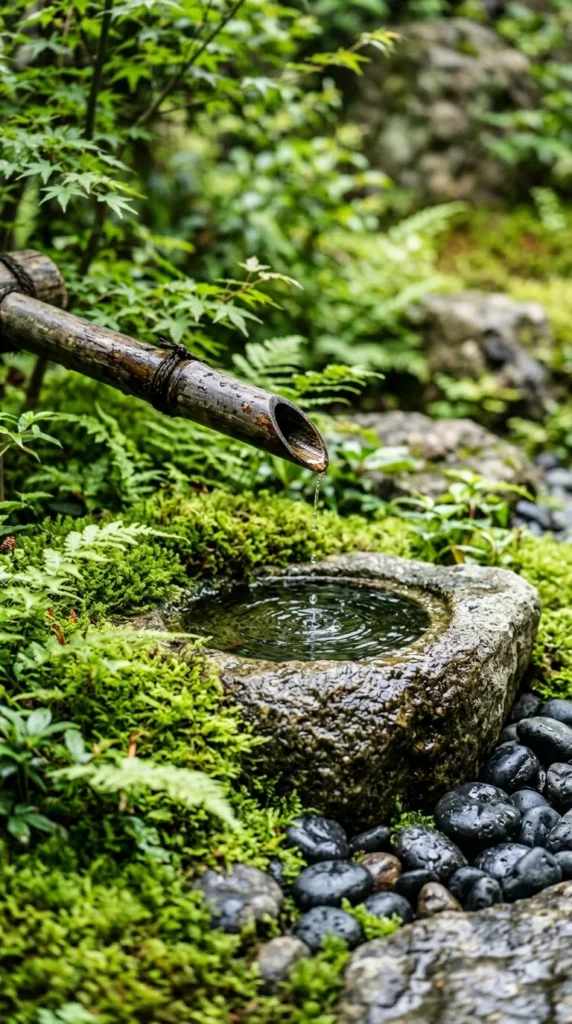
Bamboo spouts, or “kakei,” are essential for a Japanese-inspired aesthetic. They can be added to almost any container pond. The sight and sound of water flowing through the natural bamboo tube provide an instant cooling sensation, even on the hottest summer days.
17. Rock Garden Ponds
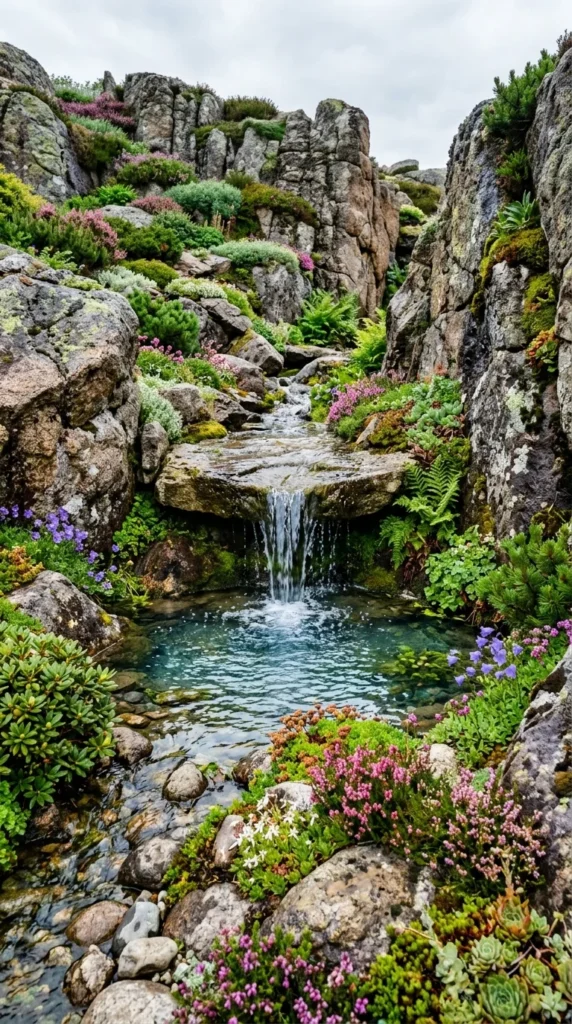
By building a mini pond into an existing rockery, you make it look like a natural part of the topography. Use rocks of varying sizes to create a rugged, naturalistic edge, and tuck moisture-loving plants like ferns into the gaps between the stones.
18. Deck-Integrated Ponds
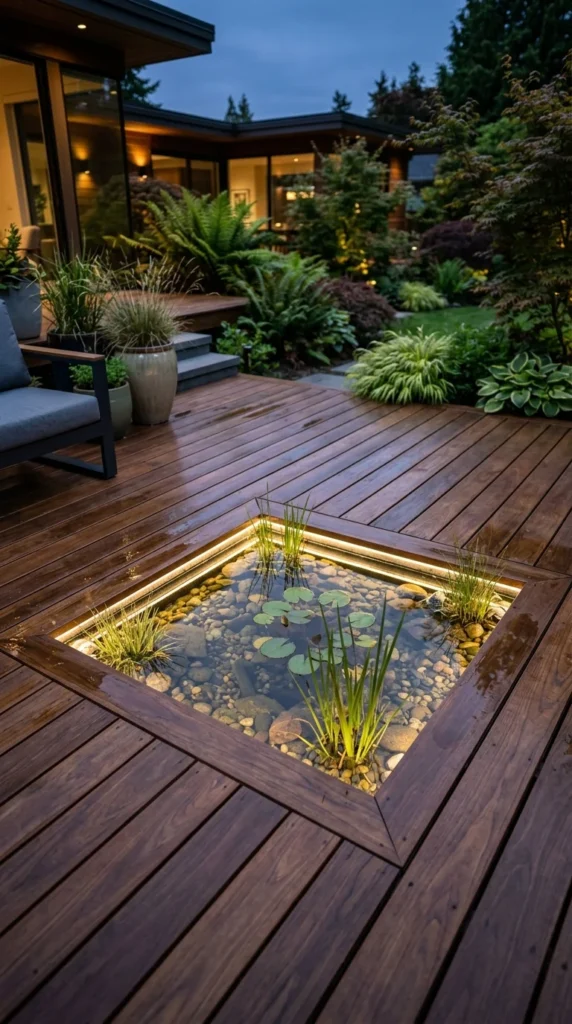
For a seamless look, integrate the pond directly into your decking. This requires careful planning and waterproofing, but the result is a stunning “sunken” feature that you can walk around and look down into, creating a high-end architectural feel.
19. Desktop Terrarium Ponds
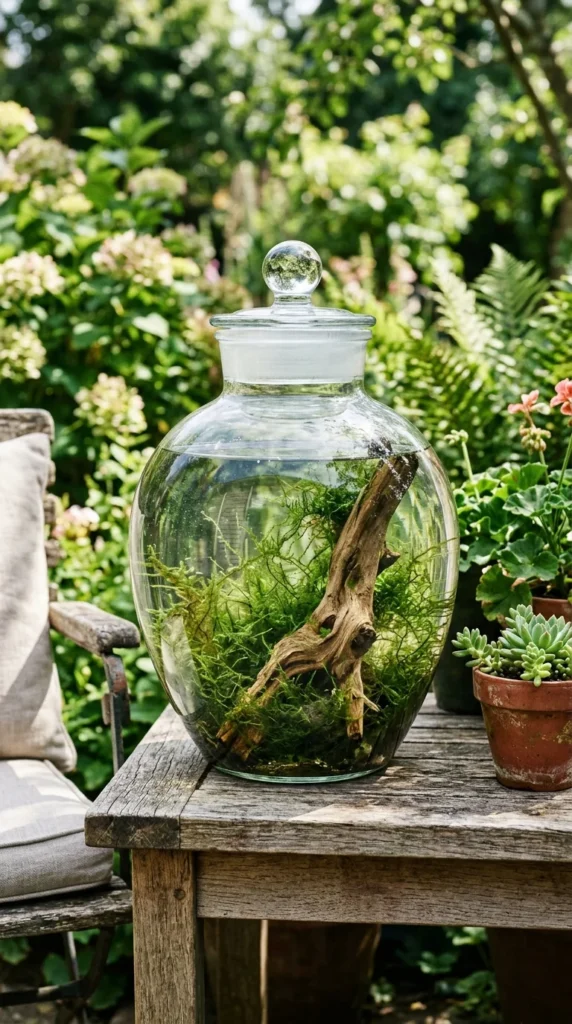
These are essentially “indoor” ponds brought outside to a protected patio table. Using a glass vessel allows you to see the underwater world, including the intricate root systems of the plants. It’s like having a low-maintenance aquarium without the complexity of heaters and filters.
20. Herb Garden Ponds
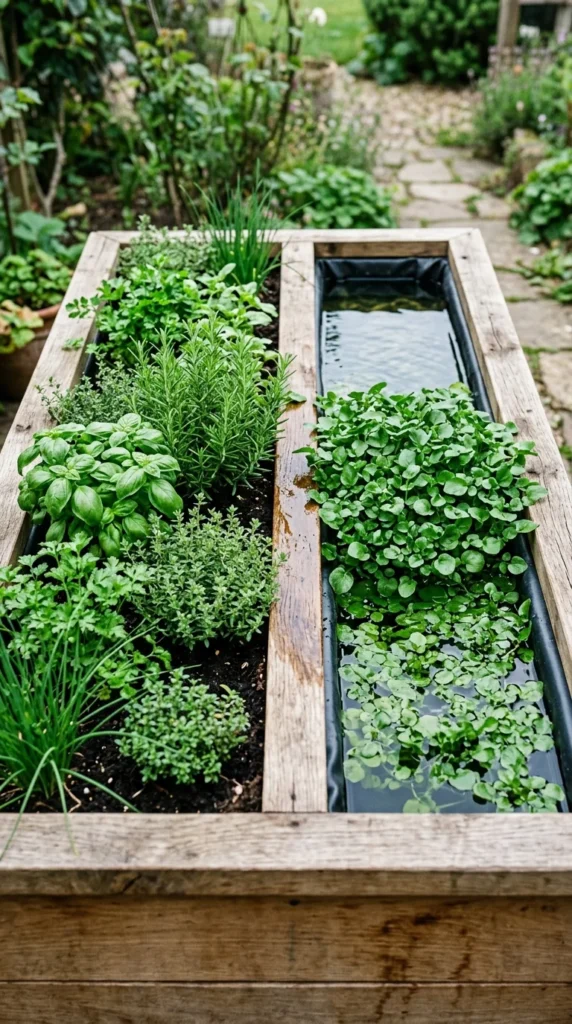
Combine utility with beauty by adding a water element to your herb garden. Certain edible plants, like watercress or Vietnamese coriander, thrive in saturated conditions. A mini pond provides the perfect habitat for these “water herbs” while keeping them separate from your dry-soil Mediterranean herbs like rosemary.
21. Corner Pocket Ponds
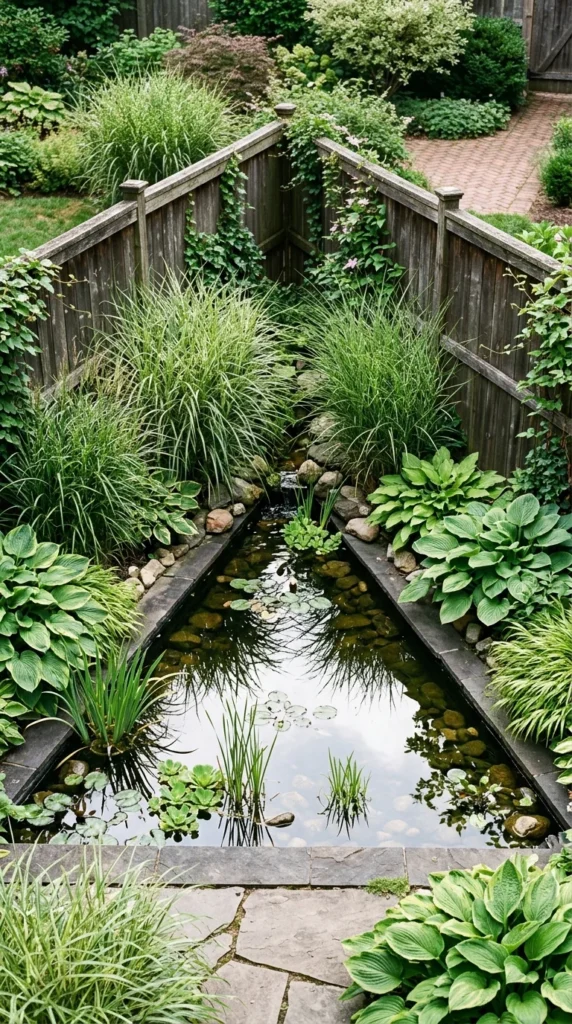
Corners are often “dead space” in a garden. A triangular or L-shaped container fits perfectly into these nooks, maximizing your square footage. This creates a hidden gem that draws the eye to the edges of the yard, making the entire space feel larger.
22. Log Hollow Ponds
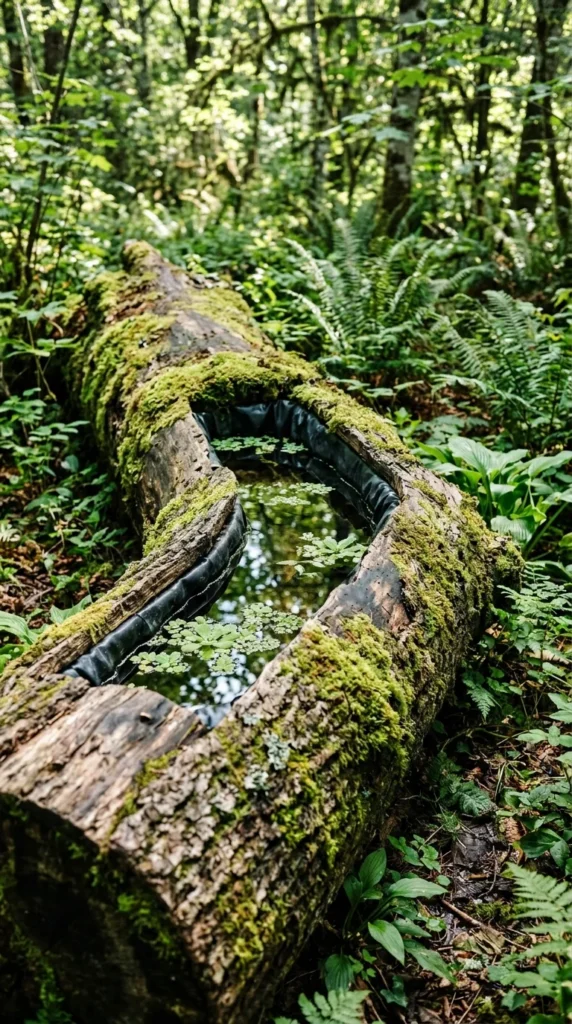
For the ultimate natural look, use a hollowed-out log. This “nurse log” style pond blends perfectly into woodland gardens. Over time, the bark will host moss and fungi, further integrating the pond into the ecosystem.
23. Fairy Garden Ponds
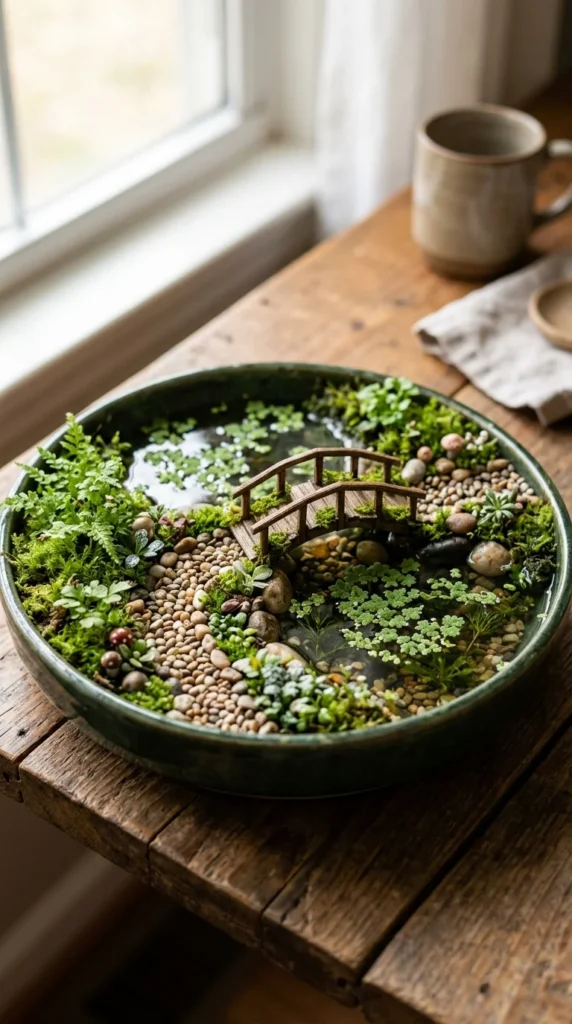
Fairy gardens are all about the details. A tiny “pond” made from a buried saucer or a small resin bowl provides a watering hole for the “fairies” (and local bees). Decorate the edges with miniature furniture and tiny succulents to complete the magical scene.
24. Bird Bath Upgrades
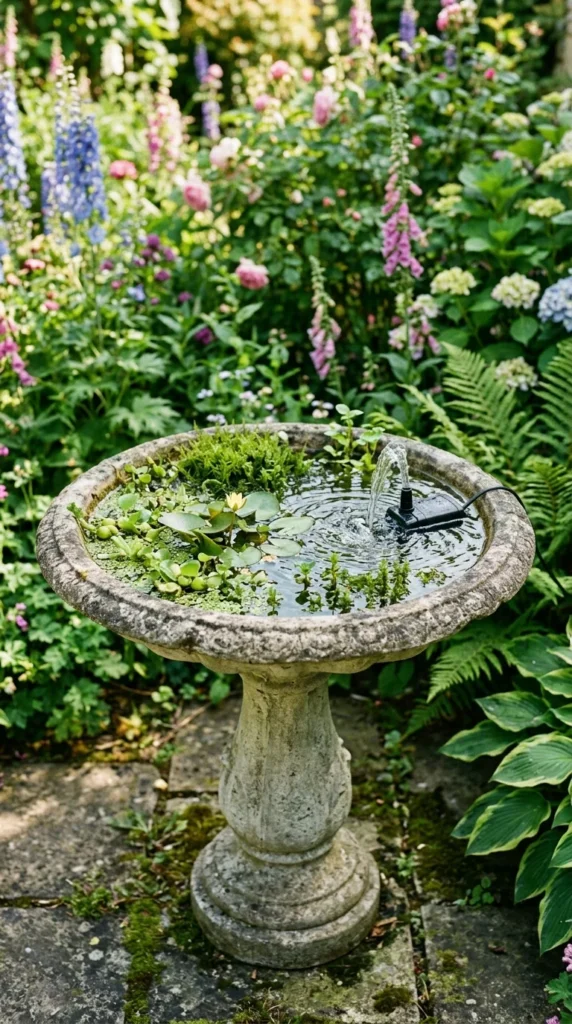
Turn a standard bird bath into a living ecosystem. By adding a layer of gravel and some oxygenating plants, you create a more natural environment for birds to visit. The moving water keeps the bath cleaner and more attractive to feathered friends.
25. Resin Wicker Ponds
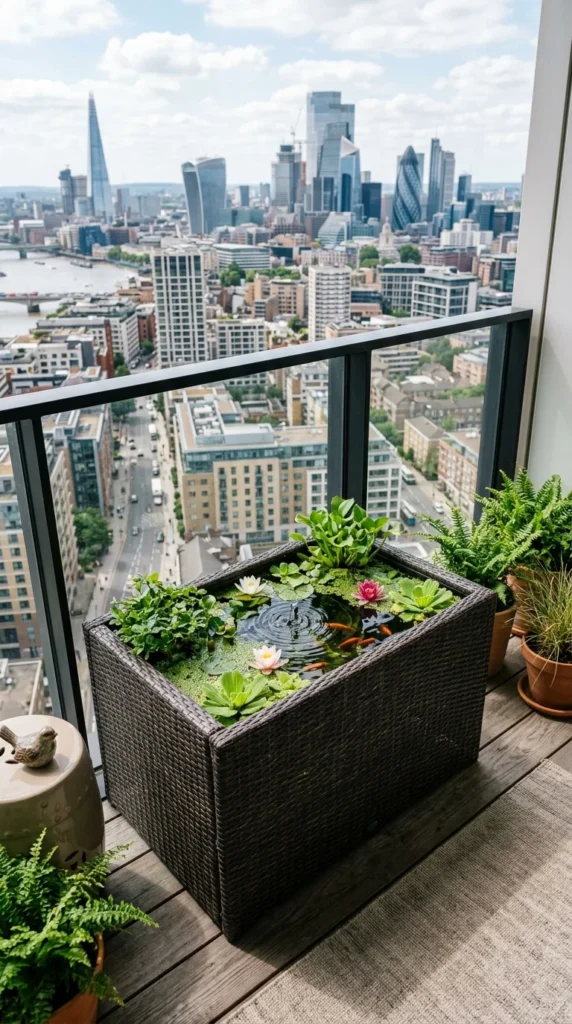
If you have a modern balcony with wicker furniture, a matching resin wicker pond ties the look together. These are usually lightweight and come with built-in liners, making them ideal for apartment dwellers who want a water feature without the weight of stone or concrete.
26. Mosaic Tiled Ponds
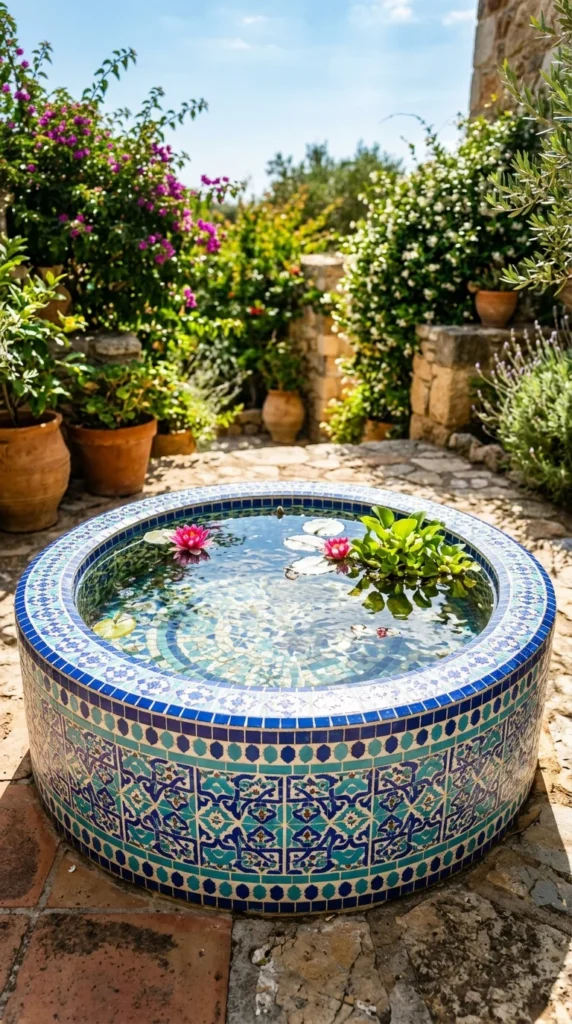
Add a touch of artistry with mosaics. You can buy pre-tiled basins or create your own DIY version using broken tiles, glass beads, or stones. This is a great way to introduce vibrant colors and intricate patterns that sparkle under the water’s surface.
27. Paver-Surrounded Ponds
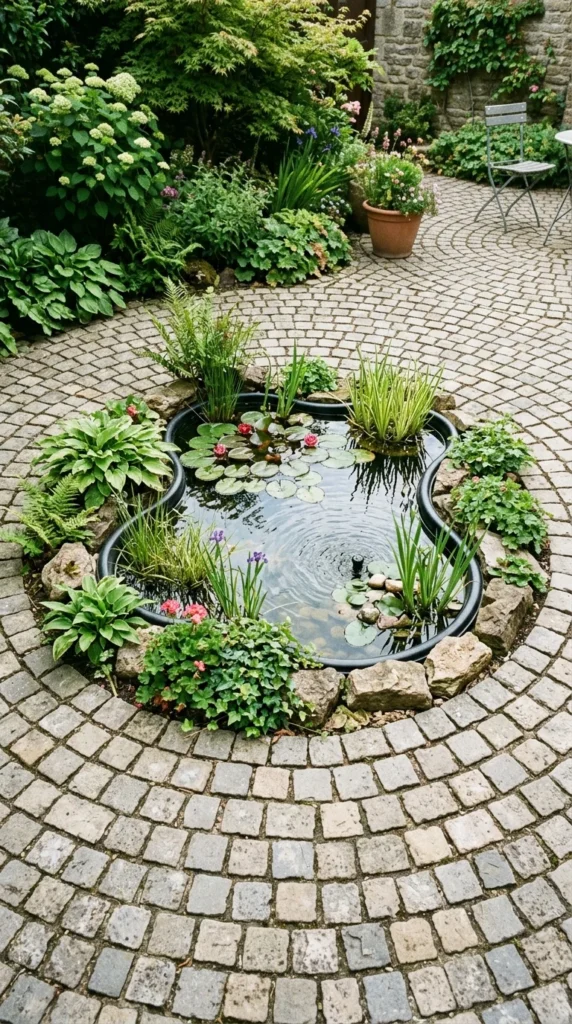
Instead of grass or plants, surround your mini pond with decorative pavers or bricks. This creates a very clean, intentional look and provides a stable, mud-free area to stand while you observe the pond or feed the fish.
28. Pond-in-a-Box Kits
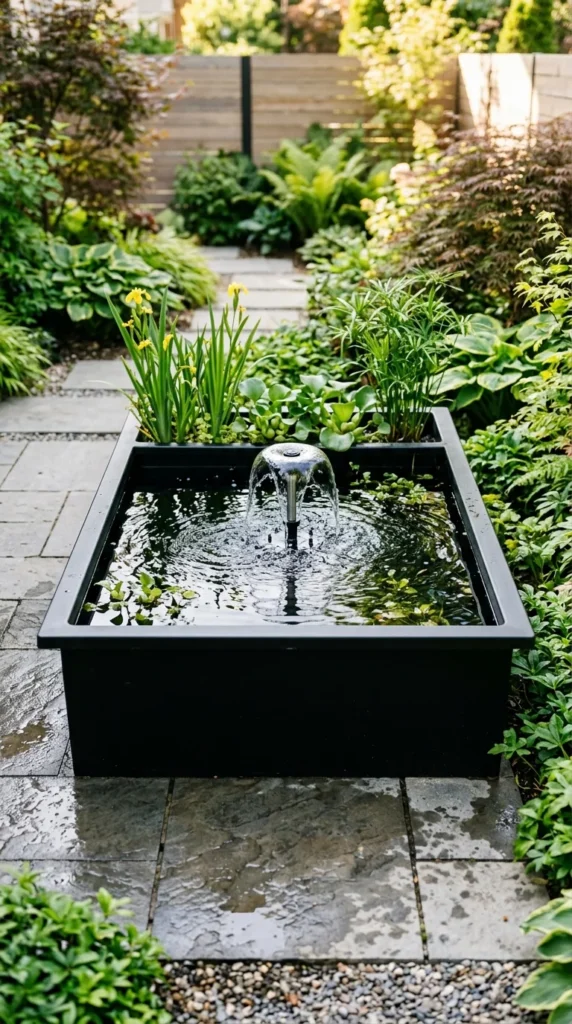
For those who want an “instant” garden, many retailers sell complete kits. These usually include the container, the pump, and sometimes even the plants. It’s the fastest way to achieve a professional-looking result with zero guesswork.
29. Water Meadow Troughs
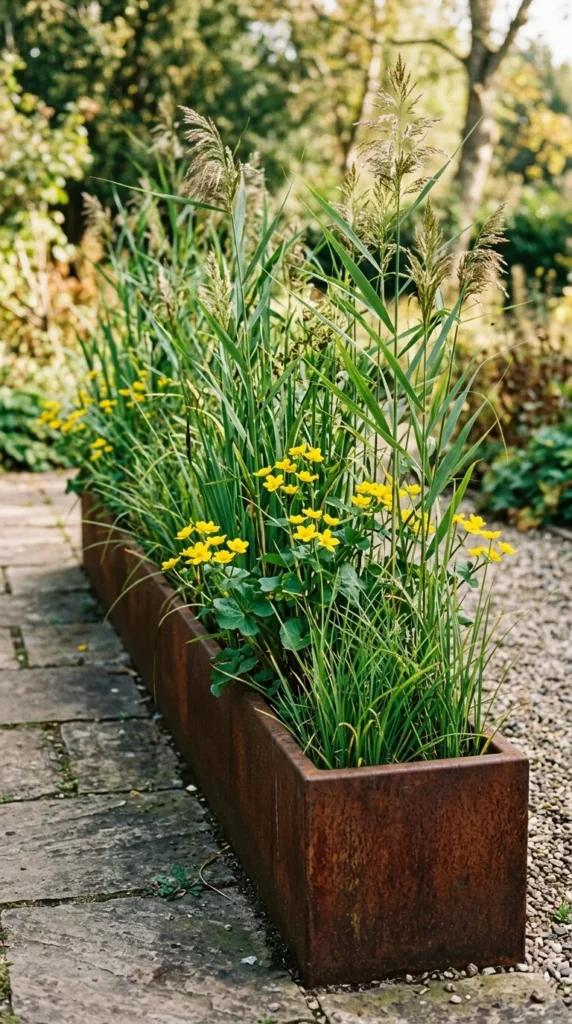
A “water meadow” focuses on the lush, vertical growth of bog plants. These ponds are less about seeing the water and more about the dense, vibrant greenery that moisture-loving plants provide. They are excellent for creating low-profile privacy screens on a patio.
30. Modern Geometric Ponds
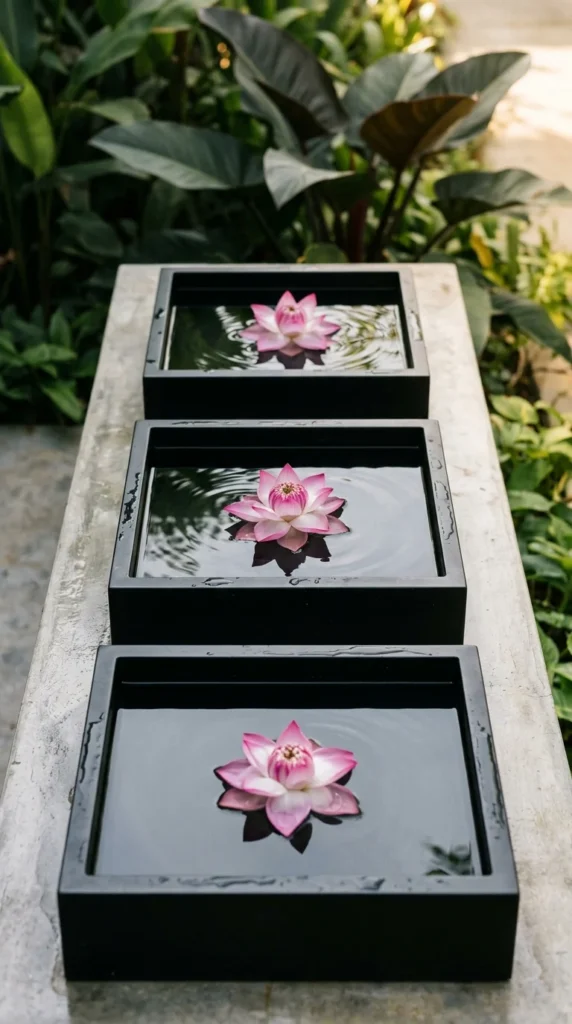
Symmetry creates a sense of order and calm. By using identical containers arranged in a geometric pattern, you create a sophisticated rhythm in your garden design. This approach works exceptionally well along pathways or as a border for a modern seating area.
Essential Tips for Mini Pond Success
To keep your mini pond beautiful and healthy, keep these maintenance tips in mind:
- Balance Sun and Shade: Most aquatic plants need about 5-6 hours of sunlight, but too much sun can lead to pea-soup green water (algae). Aim for a spot that gets morning sun and afternoon shade.
- Plant Selection: Use a mix of “floaters” (like water lettuce), “oxygenators” (like hornwort), and “marginals” (like iris). This creates a balanced ecosystem that cleans the water naturally.
- Avoid Overcrowding: Plants grow quickly in water. Ensure that at least 50% of the water surface remains clear to allow for gas exchange.
- Mosquito Control: If your water is still, use “Mosquito Dunks” (a biological control) or add a small pump to keep the surface moving.
- Winter Care: In cold climates, small containers can freeze solid, which might crack the vessel or kill the plants. Bring your mini pond into a garage or basement, or use a small pond heater during the coldest months.