
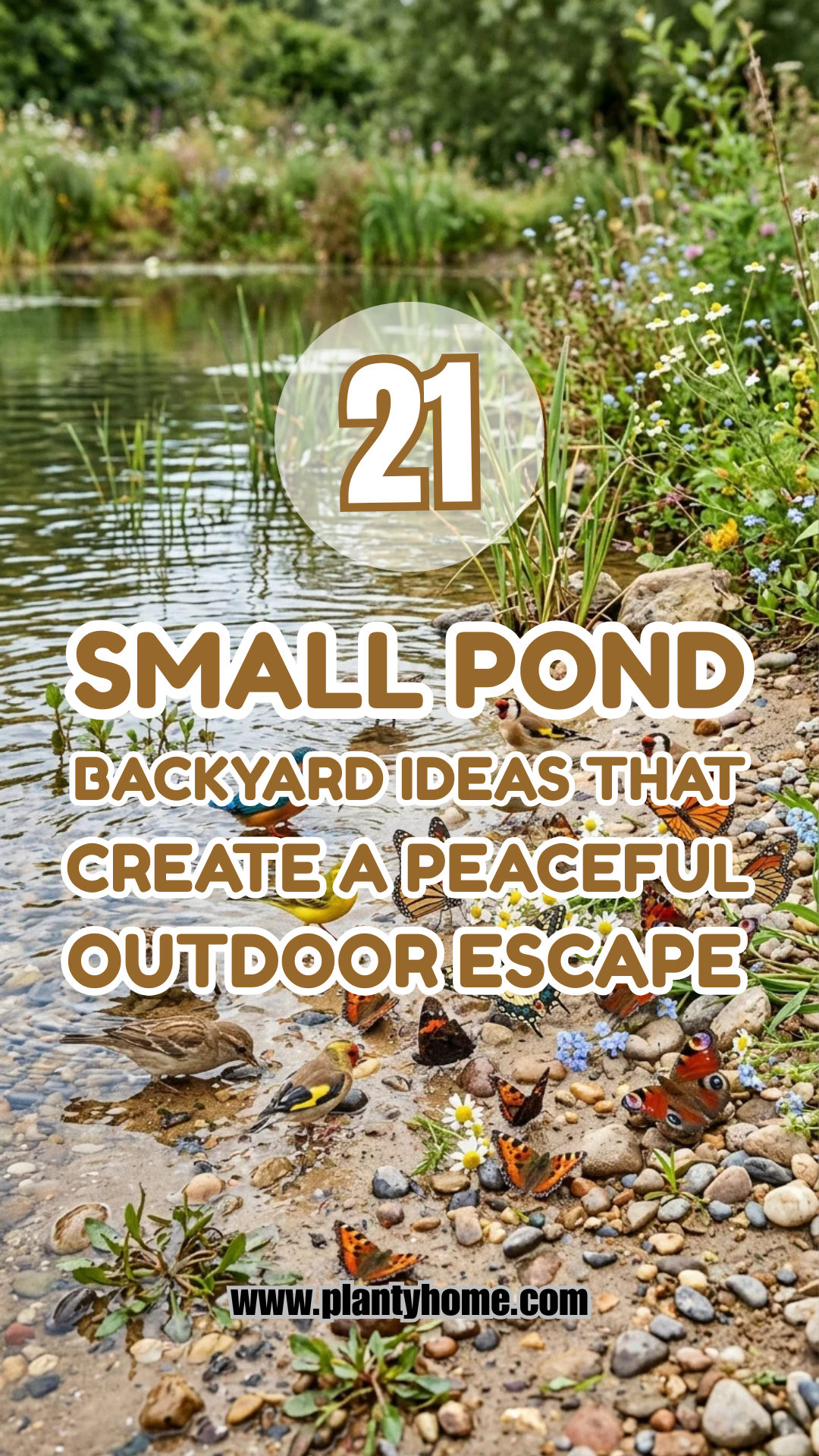
Transforming a backyard into a sanctuary often requires more than just greenery; it requires the soothing, rhythmic presence of water. A small pond can act as the focal point of a landscape, offering a cool microclimate, attracting local wildlife, and providing a meditative space for relaxation. Whether you have a sprawling lawn or a compact urban courtyard, these 21 small pond ideas will help you design a tranquil retreat that fits your lifestyle.
1. Whispering Waterfall
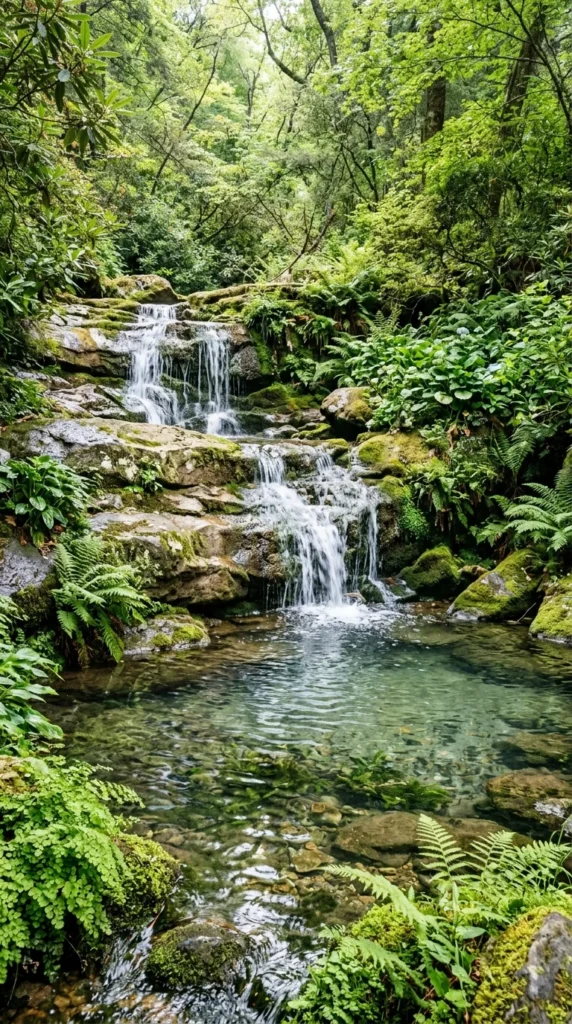
A waterfall adds a dynamic element to any small pond. The sound of moving water is naturally calming and helps mask neighborhood noise, such as traffic or distant chatter. For a small space, a “disappearing” waterfall or a short, multi-tiered drop made from slate or river rock works best. This setup not only adds visual interest but also oxygenates the water, which is vital if you plan to keep fish or specific aquatic plants.
2. Container Garden
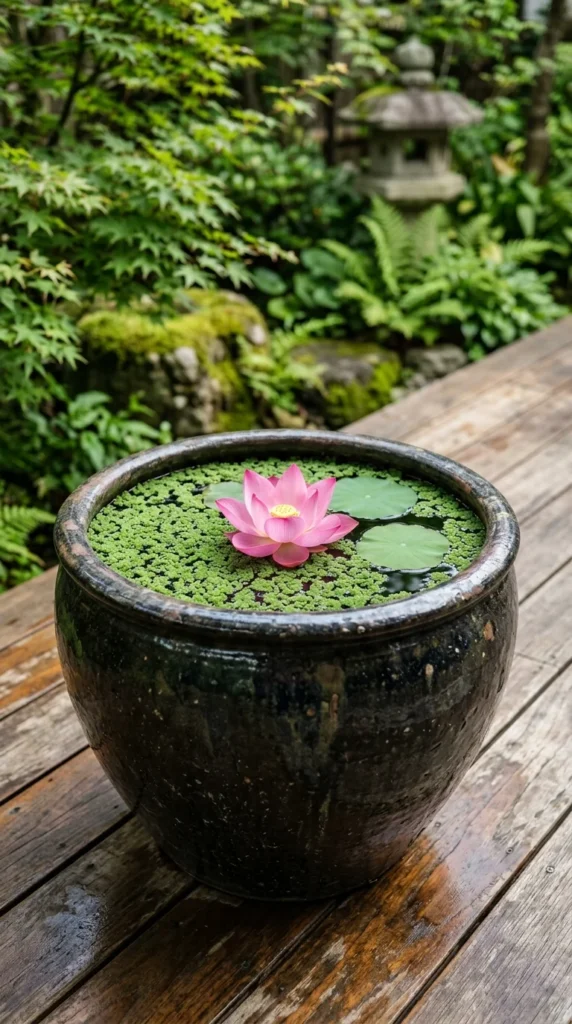
If you are limited by space or live in a rental, a container pond is the perfect solution. Using large glazed ceramic pots, galvanized steel troughs, or even repurposed wooden barrels, you can create a miniature ecosystem. These ponds are easy to maintain and can be placed on decks or balconies. To keep the water clear, include a mix of oxygenating plants and a small solar-powered pump.
3. Preformed Liner
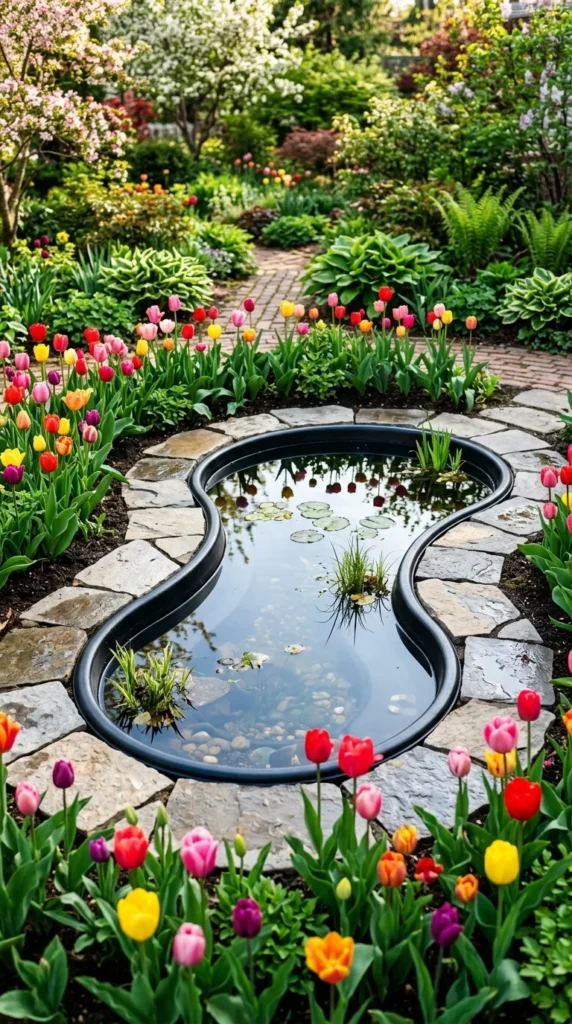
For DIY enthusiasts, preformed pond liners are a game-changer. These rigid plastic or fiberglass shells come in various shapes and sizes, making installation straightforward. Once the hole is dug and the liner is leveled, the focus shifts to the edging. Using flat flagstones or decorative pebbles to hide the black plastic rim creates a professional, integrated look that blends seamlessly with the surrounding garden beds.
4. Koi Sanctuary
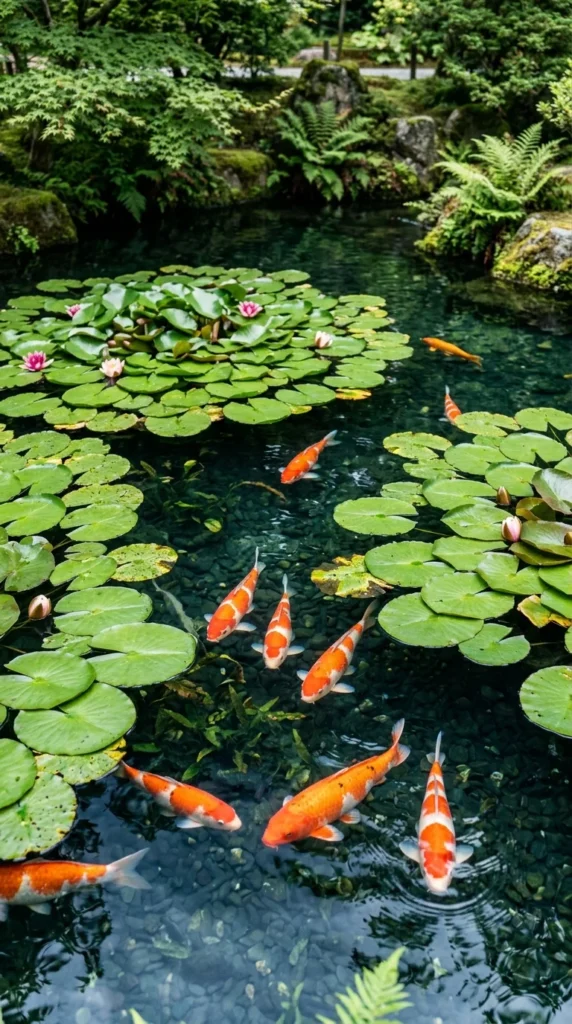
While koi usually require large spaces, a well-designed “mini” koi pond is possible with deep excavation and high-quality filtration. These ponds focus on the fish as the primary aesthetic. Keep the design simple with clean edges and clear water to highlight the vibrant colors of the koi. Ensure the pond is at least three feet deep to protect the fish from predators and temperature fluctuations.
5. Edge Planting
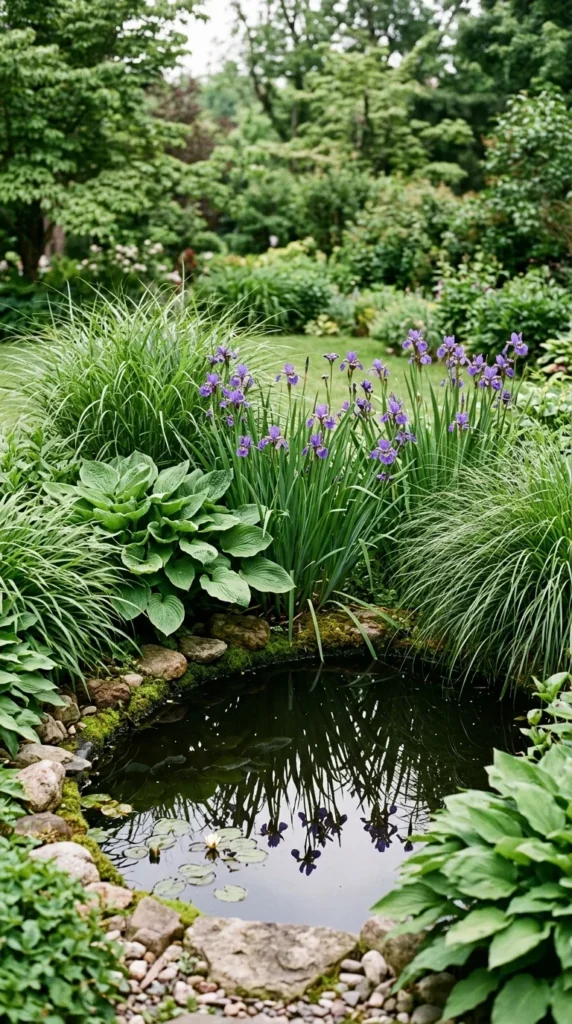
The transition between land and water is where a pond truly comes to life. Softening the edges with moisture-loving plants like Hostas, Siberian Iris, and Creeping Jenny creates a naturalistic appearance. These plants thrive in the damp soil near the water’s edge and provide hiding spots for beneficial garden creatures like frogs and dragonflies.
6. Wildlife Hub
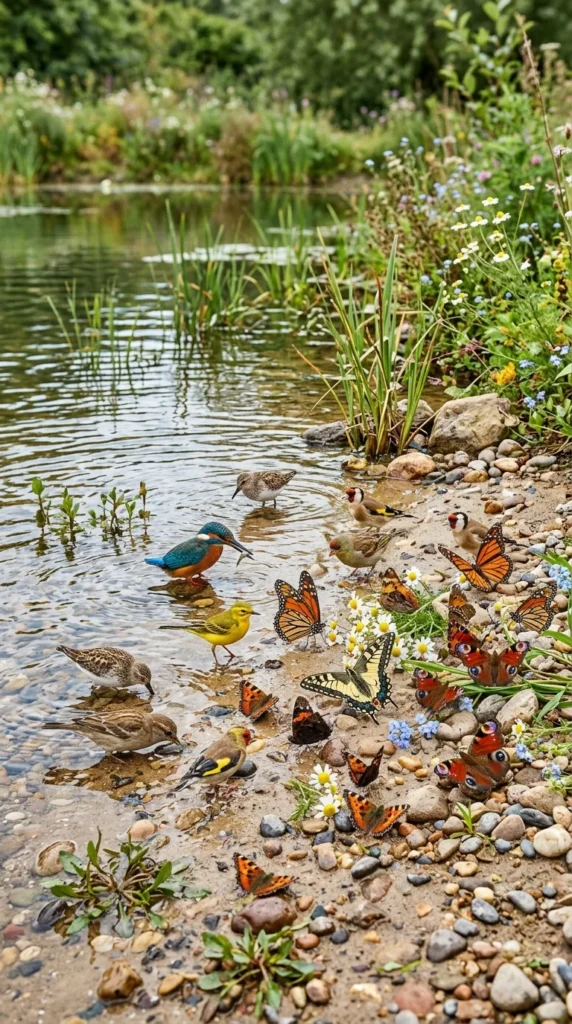
To attract biodiversity, design your pond with a “beach” entry—a shallow, sloping area covered in pebbles. This allows birds, bees, and small mammals to drink safely without the risk of drowning. Avoid using harsh chemicals in a wildlife pond; instead, rely on a balanced mix of native aquatic plants to naturally filter the water and provide food and shelter for local species.
7. Reflecting Pool
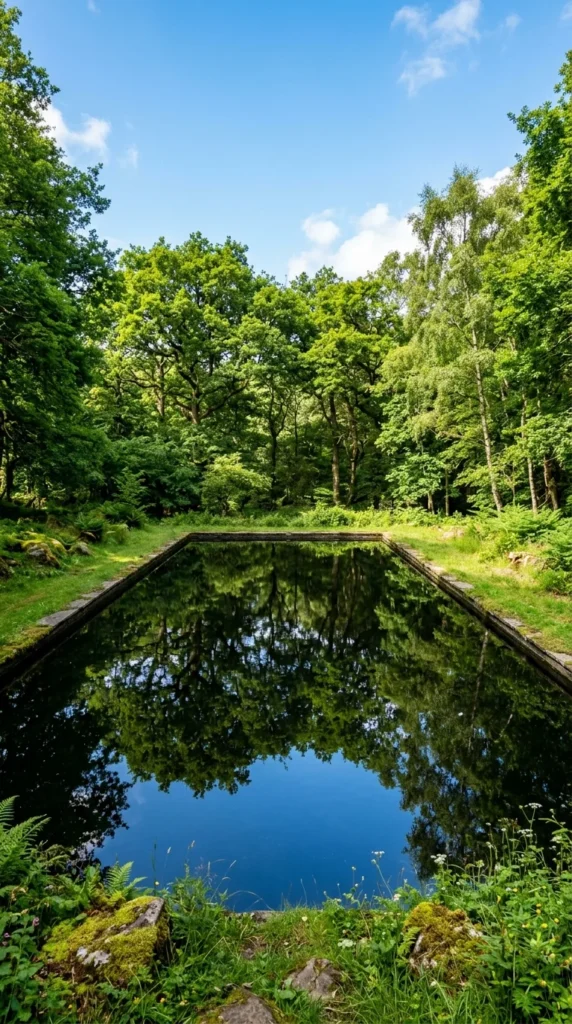
A reflecting pool is a minimalist’s dream. Characterized by still, dark water and geometric lines, these ponds are designed to mirror the sky and surrounding architecture. To achieve the best reflection, use a black liner or dark tiles and keep the water surface free of floating plants. This style works exceptionally well in modern or formal garden designs.
8. Sunken Basin
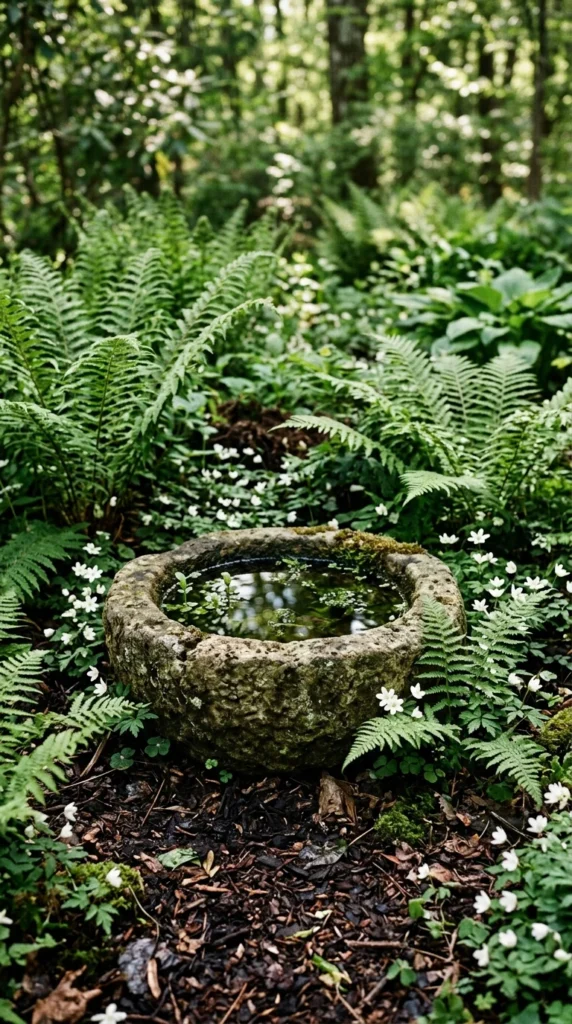
A sunken basin offers a subtle, understated water feature. Unlike a traditional pond, the basin is tucked away, often flush with the ground. It feels like a hidden gem discovered within the foliage. This idea is perfect for small, shady corners of the yard where a full-scale pond might feel overwhelming.
9. Rock Grotto
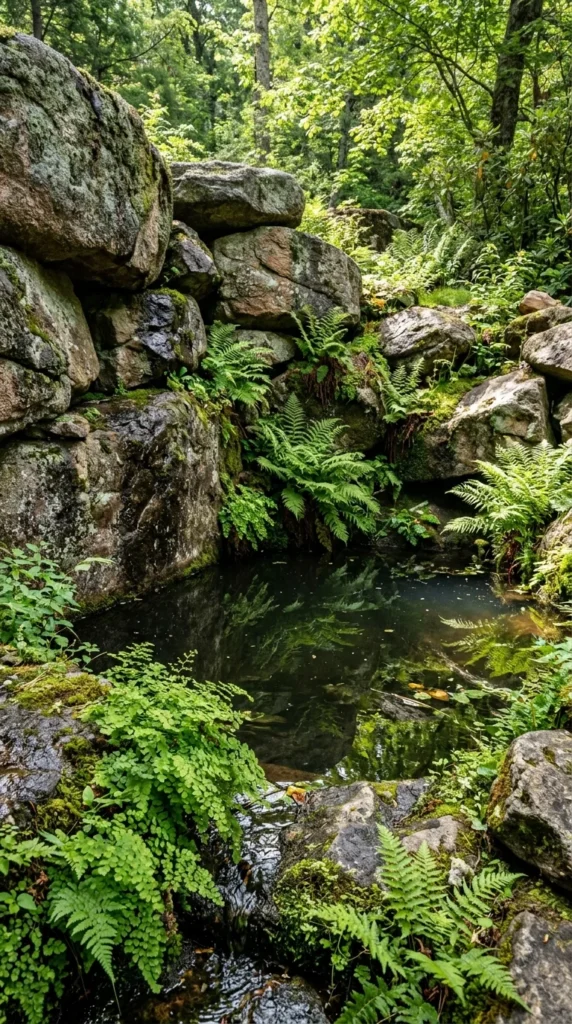
By stacking large boulders and rocks of varying sizes, you can create a grotto-like feel. This verticality adds depth to a small backyard and creates a sense of enclosure and privacy. Incorporating moss and ferns into the crevices between the rocks will give the feature an aged, timeless look, as if the water has been flowing there for decades.
10. Bridge Crossing
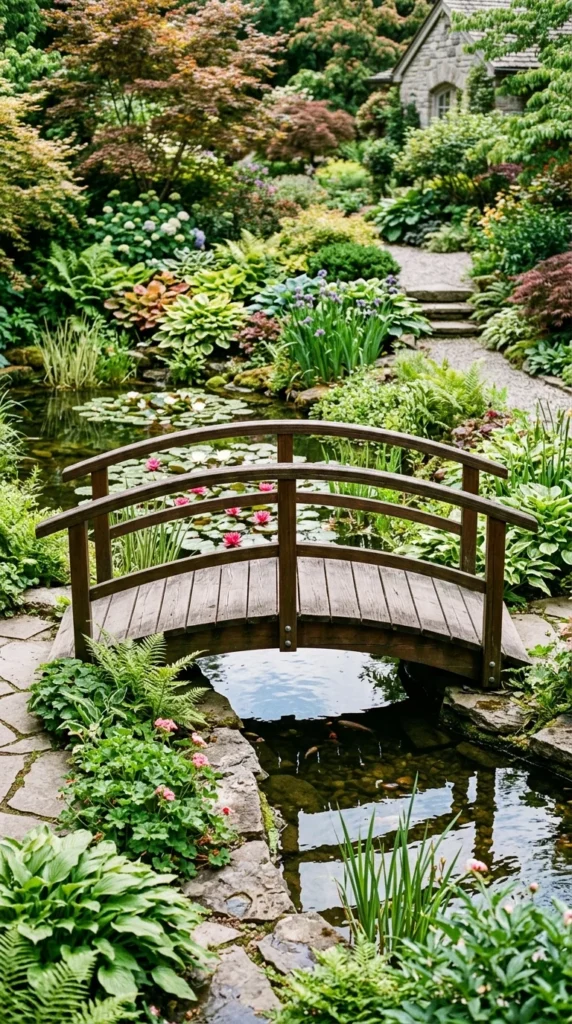
Even the smallest pond can benefit from a bridge. A simple wooden or stone footbridge creates a sense of journey and exploration. It provides a unique vantage point to look down into the water and observe the aquatic life below. For very small ponds, a single large, flat “slab” stone can serve as a rustic bridge.
11. Night Lighting
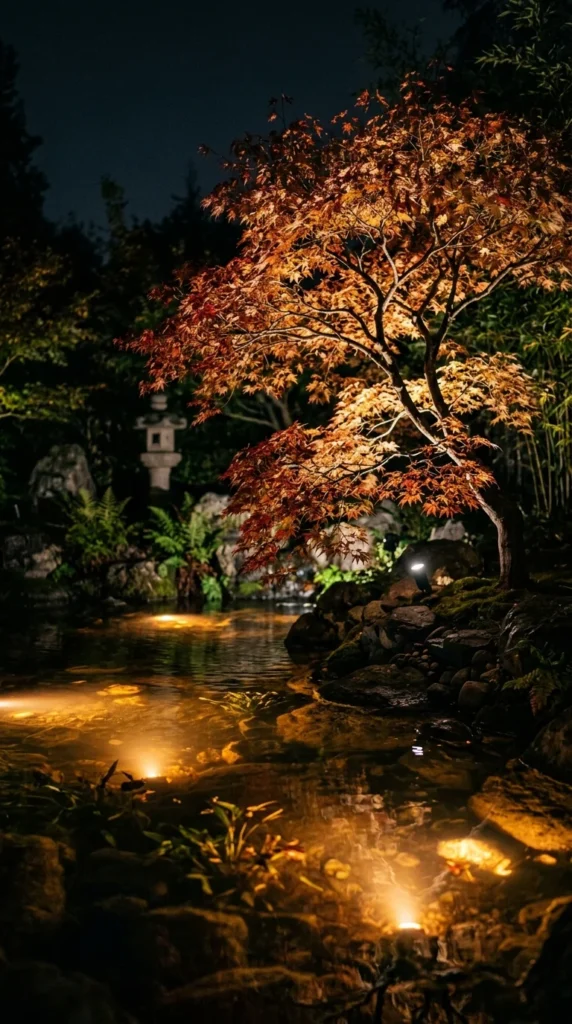
A pond shouldn’t disappear when the sun goes down. Submersible LED lights can highlight the movement of fish or the texture of the pond floor. Additionally, path lights around the perimeter or spotlights on a nearby feature tree can create a magical, ethereal atmosphere at night, extending the enjoyment of your outdoor space into the evening hours.
12. Stepping Stones
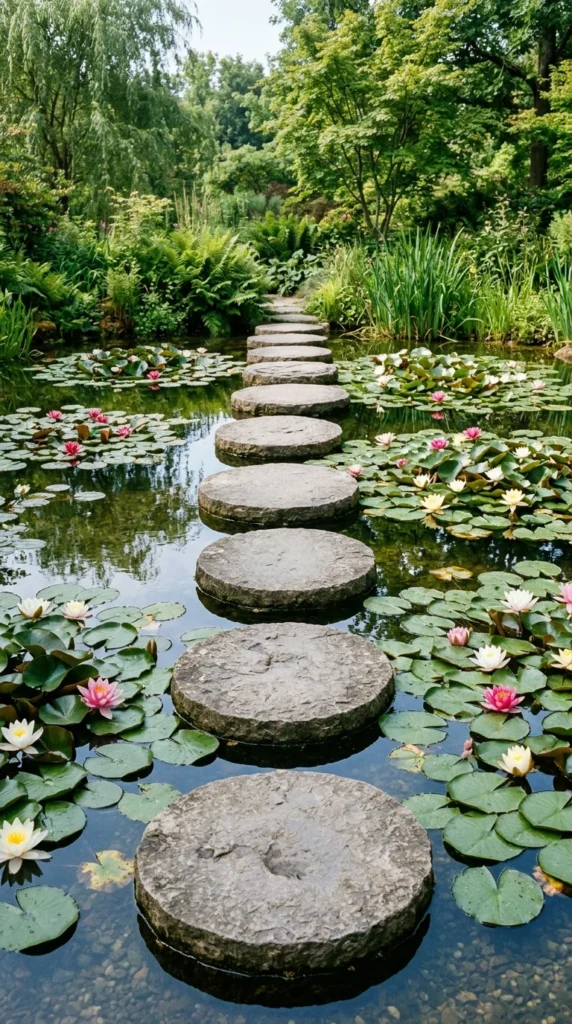
Stepping stones allow you to literally walk on water. By placing sturdy, flat stones across a shallow section of the pond, you create a path that invites interaction. This is a fantastic way to make a small pond feel larger, as it encourages visitors to move through the space rather than just viewing it from the sidelines.
13. Lily Pad Haven
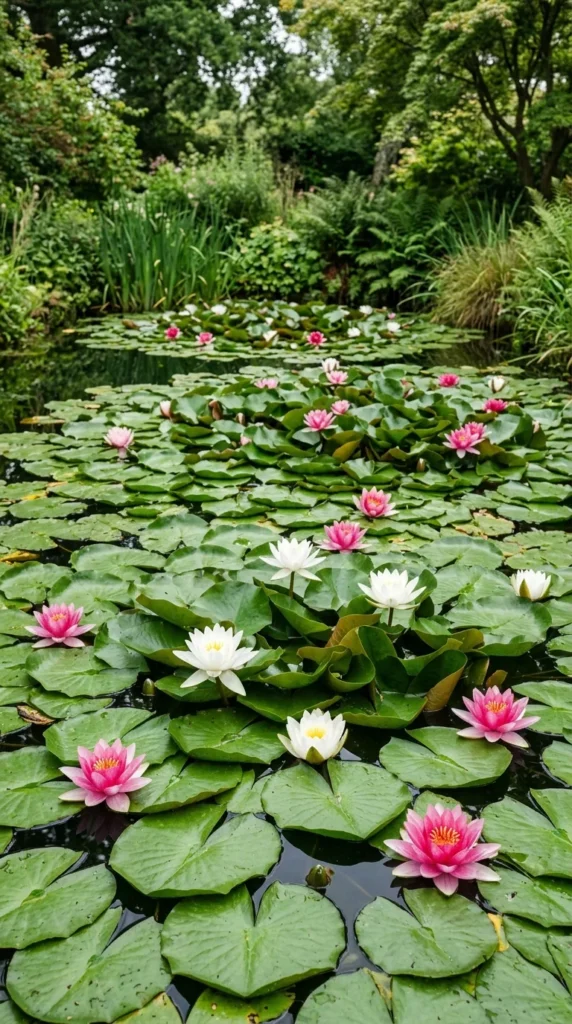
Water lilies are the crown jewels of the aquatic garden. They provide essential shade for the water, which helps prevent algae growth, and their stunning blooms add a burst of color. In a small pond, choose “dwarf” varieties of lilies to ensure they don’t overwhelm the surface area. The contrast of the round leaves against the dark water creates a classic, painterly aesthetic.
14. Tiered Basin
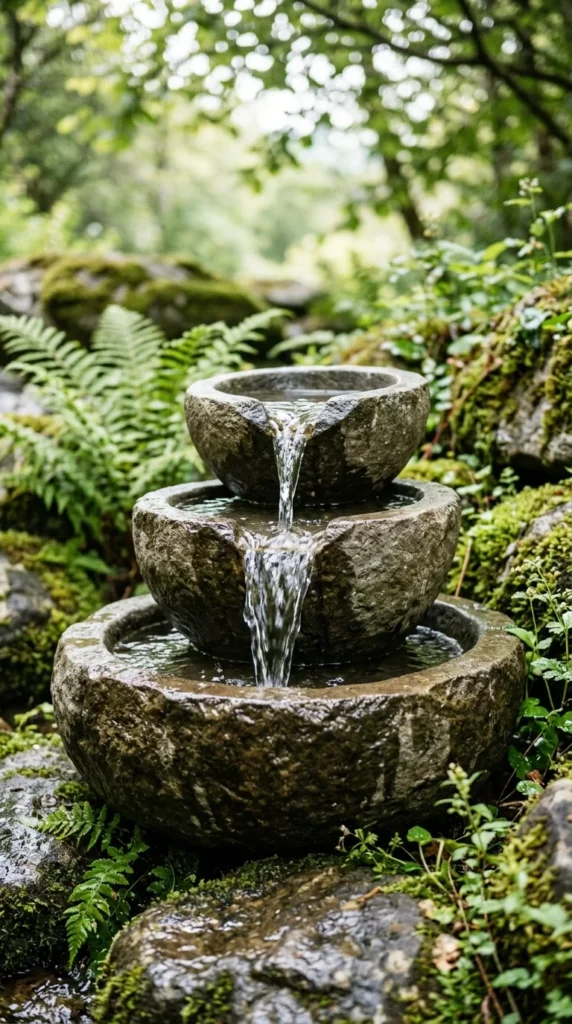
A tiered basin pond utilizes vertical space, making it an excellent choice for narrow yards. Water spills from one level to the next, creating a gentle splashing sound. This design is often more formal and architectural, fitting well near a patio or outdoor dining area where the sound and sight can be appreciated up close.
15. Modern Geometry
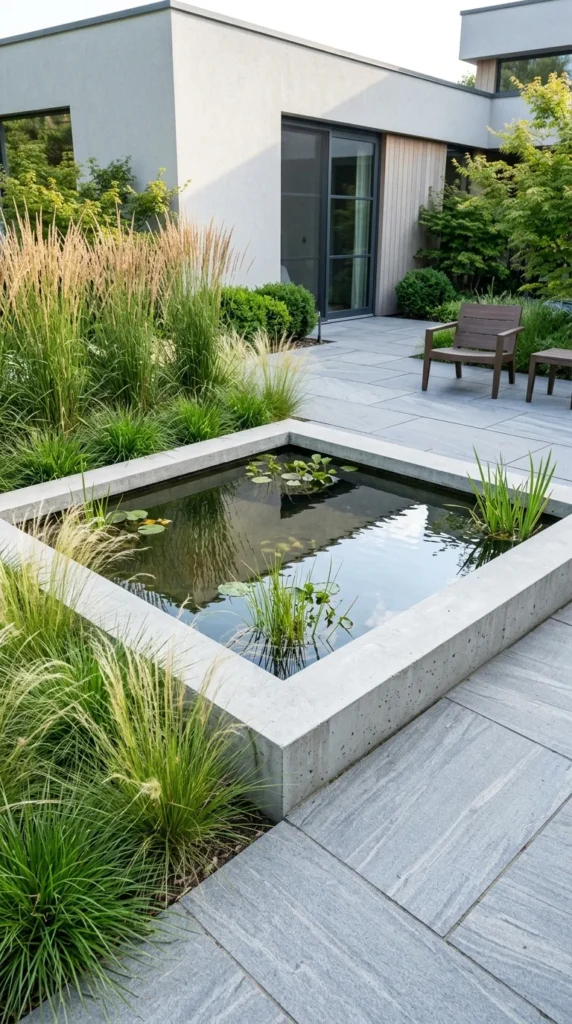
Modern backyard designs often favor clean lines and right angles. A square or rectangular pond with concrete or Corten steel edging creates a striking visual statement. To maintain the modern aesthetic, keep the plantings minimal—perhaps a single species of reed or a solitary architectural plant—to emphasize the pond’s shape.
16. Bamboo Spout
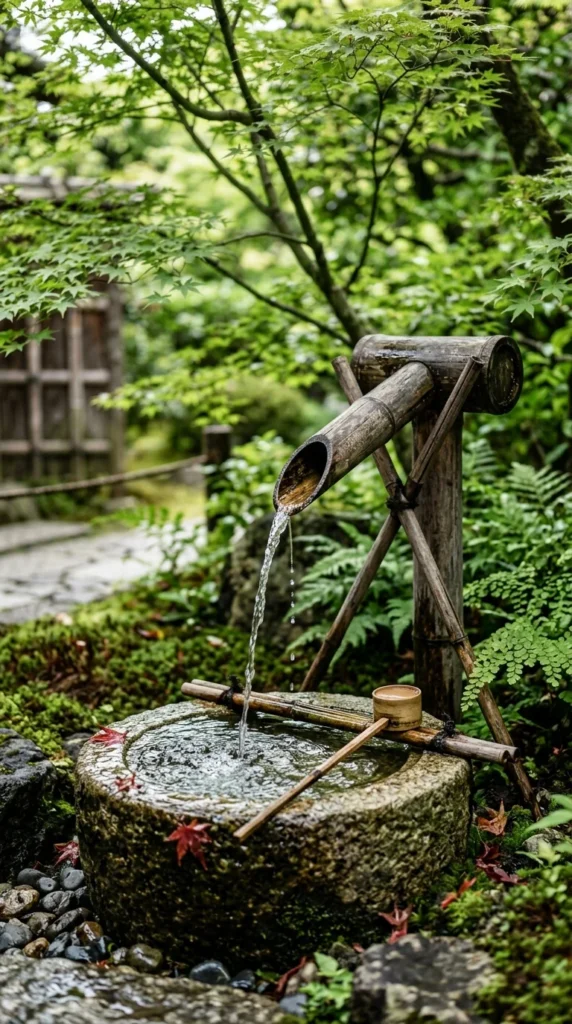
Inspired by Japanese Zen gardens, a bamboo spout (known as a kakei) adds a touch of Eastern elegance. The gentle “clack” of a traditional shishi-odoshi (deer scarer) provides a rhythmic, percussive sound that enhances the meditative quality of the garden. This is an ideal feature for a small, quiet corner dedicated to yoga or reflection.
17. Native Stones
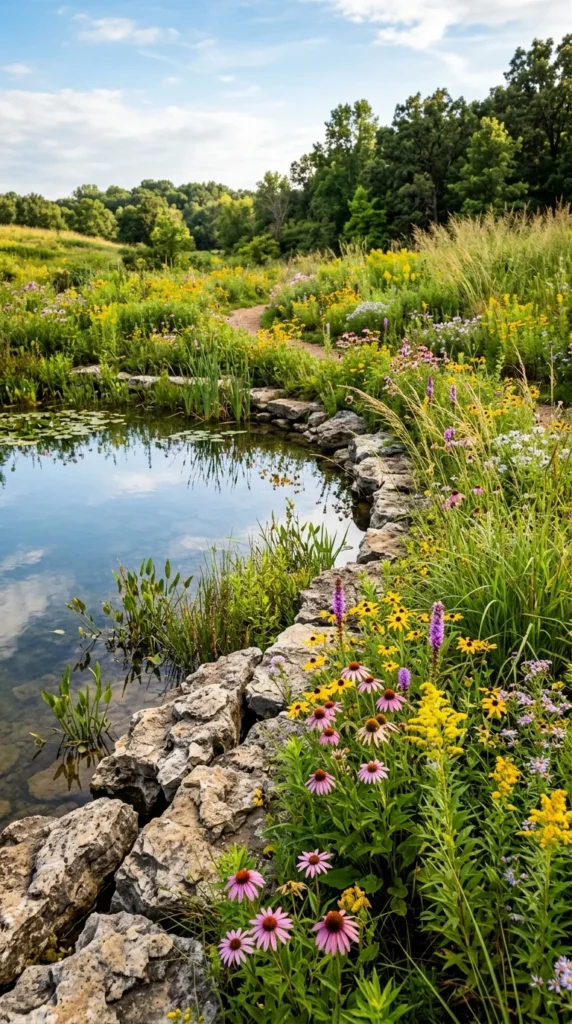
Using stones that are native to your local area ensures the pond looks like a natural part of the landscape. Whether it’s jagged limestone, smooth river pebbles, or red sandstone, local materials create a sense of place. This approach is also more sustainable, as it reduces the carbon footprint associated with transporting heavy materials.
18. Aquatic Border
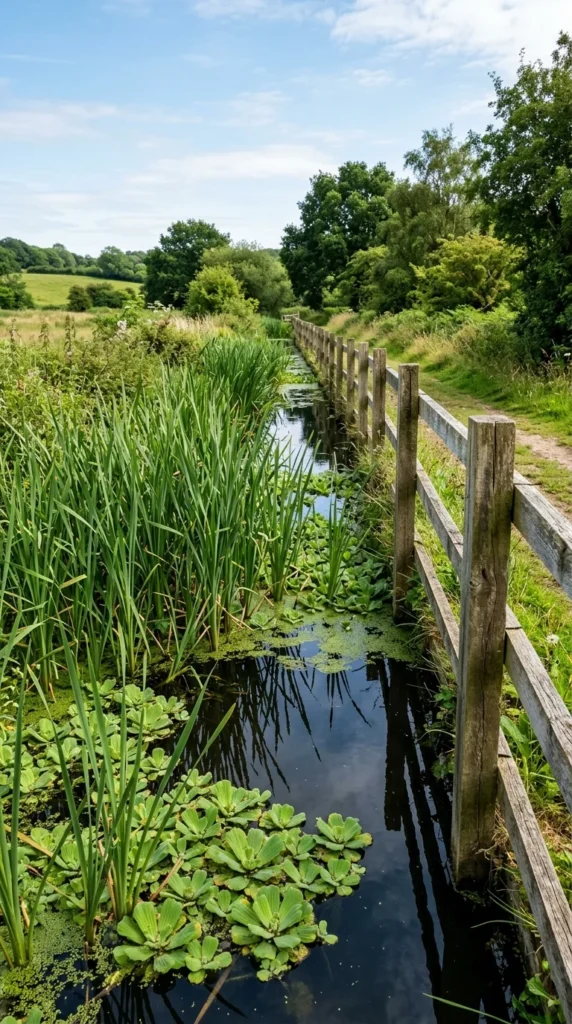
If you have a long, narrow strip of land, consider an aquatic border. This “linear pond” can run along a fence line or a walkway. It functions as a living fence, providing a barrier while adding beauty. Fill it with tall, vertical plants like Horsetail or Papyrus to add height and privacy to your garden boundaries.
19. Floating Island
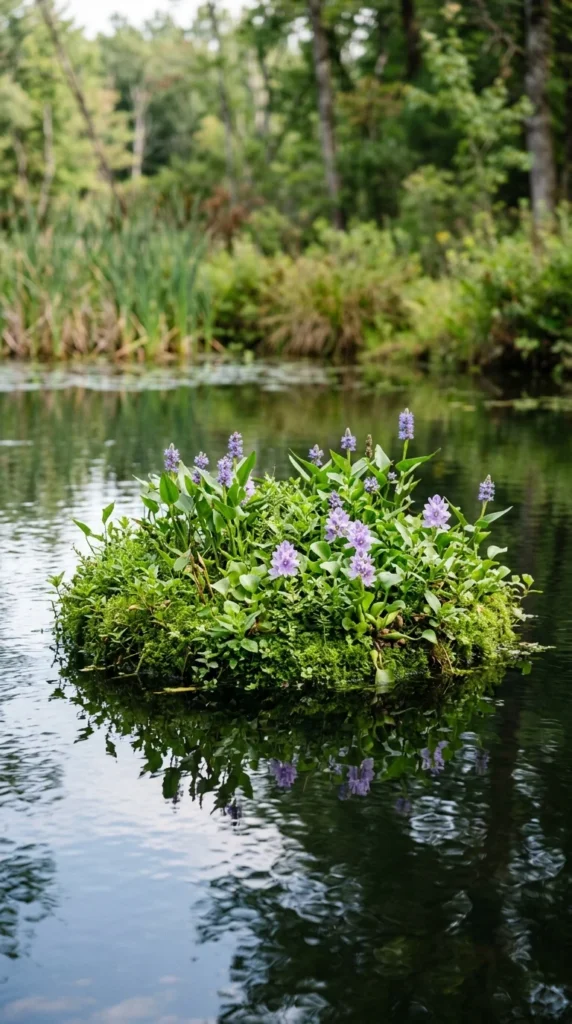
A floating island is a buoyant mat planted with aquatic species. These islands move slightly with the breeze or water current, adding a sense of motion. Beyond their beauty, they are highly functional; the roots hang down into the water, absorbing excess nutrients and providing a natural filtration system that helps keep the pond clear.
20. Bubbling Boulder
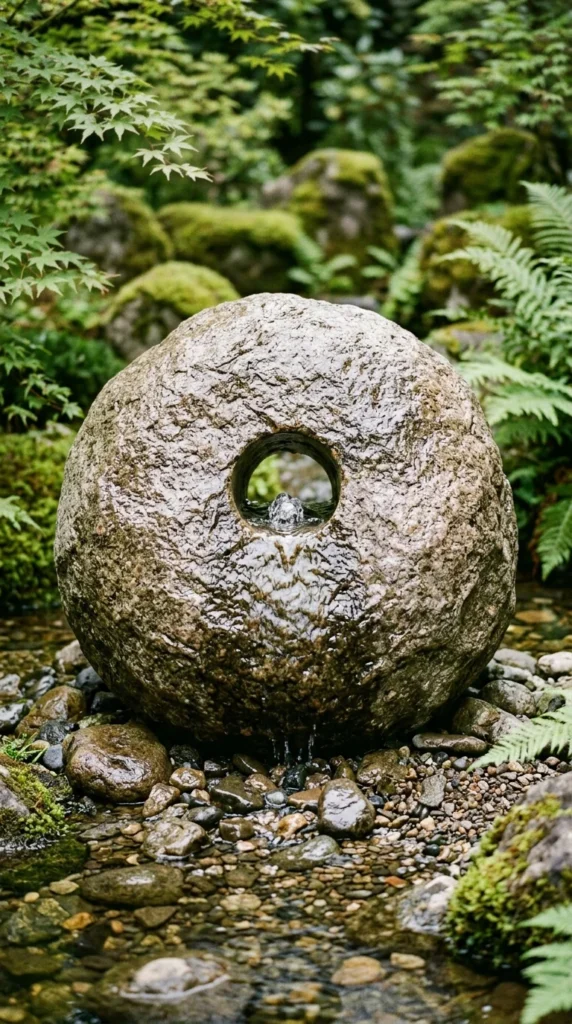
A bubbling boulder offers the movement of a fountain with the rugged look of a pond. A hole is drilled through a natural rock, and a pump pushes water up through the center. The water then spills over the sides of the rock and disappears into a hidden reservoir or a small basin below. It’s a low-maintenance option that provides constant sound and movement.
21. Deck Integration
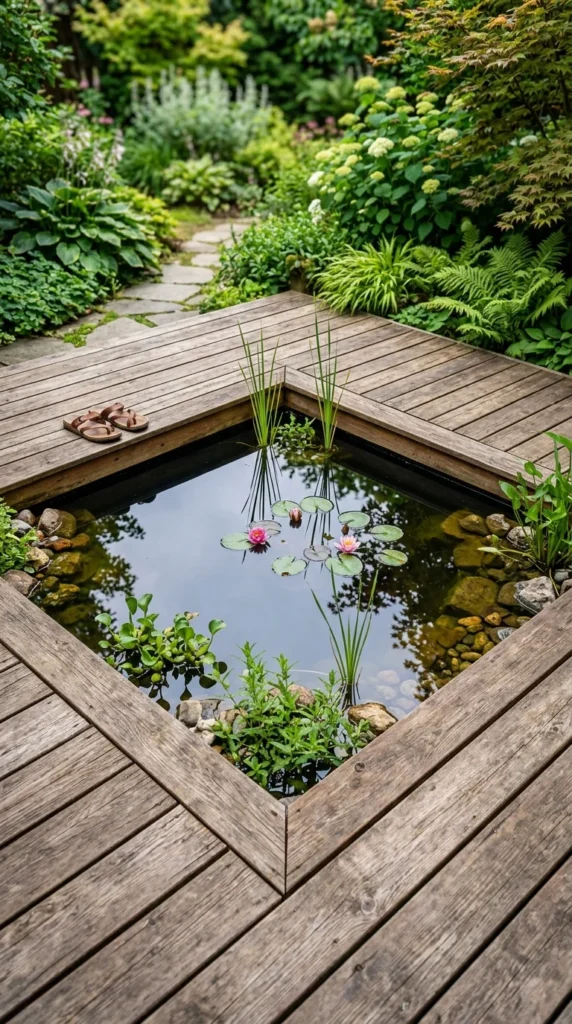
For a truly seamless look, integrate your pond directly into your decking. By cutting a “window” into the deck for the pond, you create an intimate connection between your seating area and the water. This allows you to sit right at the edge and watch the water life, making the pond feel like a natural extension of your indoor-outdoor living space.
Tips for Maintaining Your Small Pond
While small ponds are easier to manage than large lakes, they still require consistent care to remain healthy and beautiful:
- Balance the Ecosystem: Use a combination of submerged (oxygenating) plants, floating plants (to provide shade), and marginal plants (at the edges) to naturally filter the water.
- Manage Algae: Algae thrive on sunlight and excess nutrients. If your pond turns green, consider adding more shade-providing plants like lilies or installing a UV clarifier.
- Keep the Water Moving: Stagnant water can attract mosquitoes. A small pump or fountain keeps the surface agitated, preventing insects from laying eggs.
- Monitor Water Levels: Small ponds can evaporate quickly, especially in the summer. Check water levels weekly and top up as needed, using a dechlorinator if you use tap water.
- Seasonal Cleanup: In the fall, place a net over the pond to catch falling leaves, which can rot and harm the water quality. In the spring, remove any accumulated debris from the bottom.