
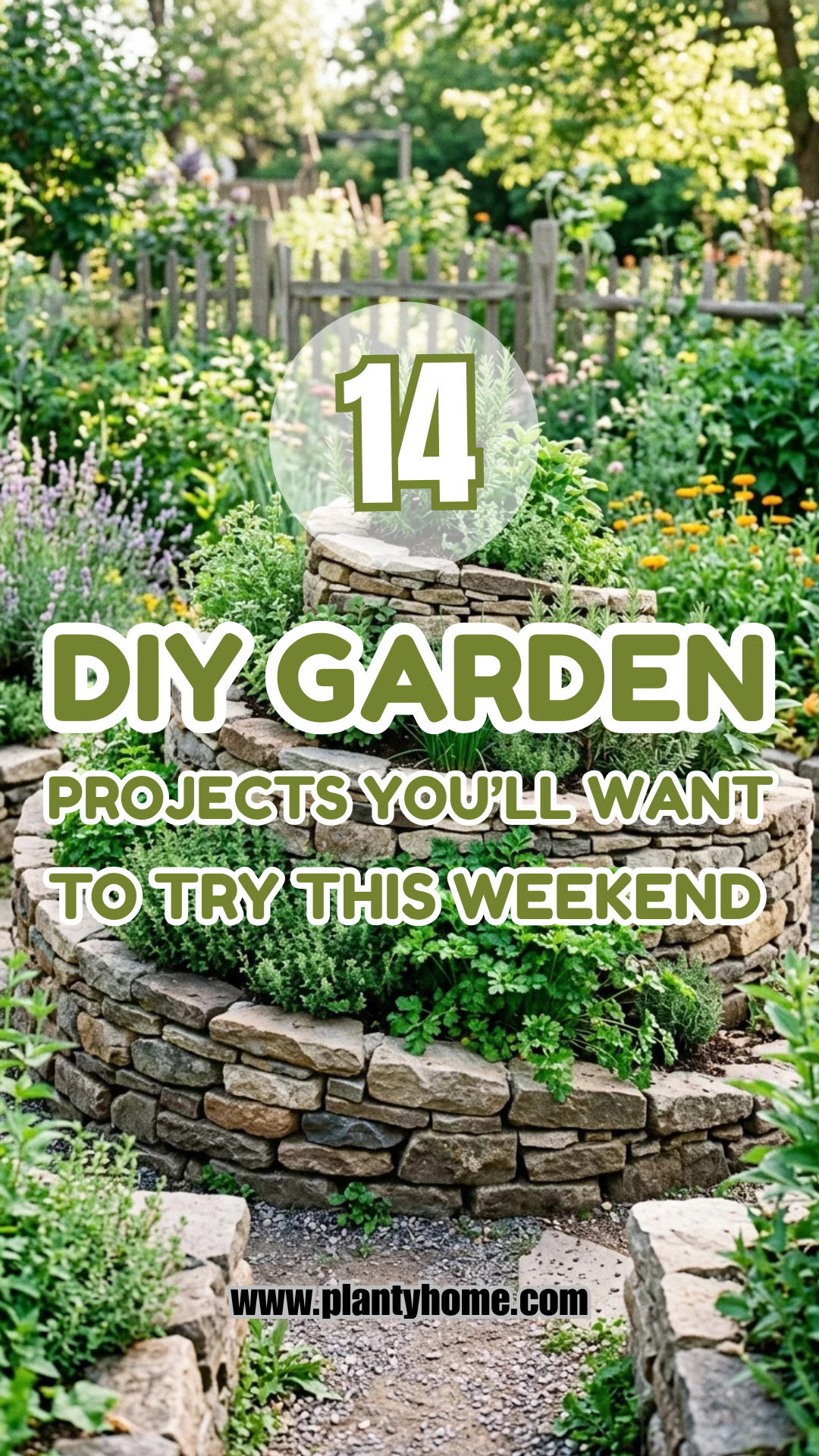
Transforming your outdoor space doesn’t require a professional landscaping crew or a massive budget. Often, the most charming and functional garden features are those built with your own hands over the course of a productive weekend. Whether you are looking to grow your own food, attract local wildlife, or simply create a serene escape for relaxation, these fourteen DIY projects offer something for every skill level.
1. Pallet Planter
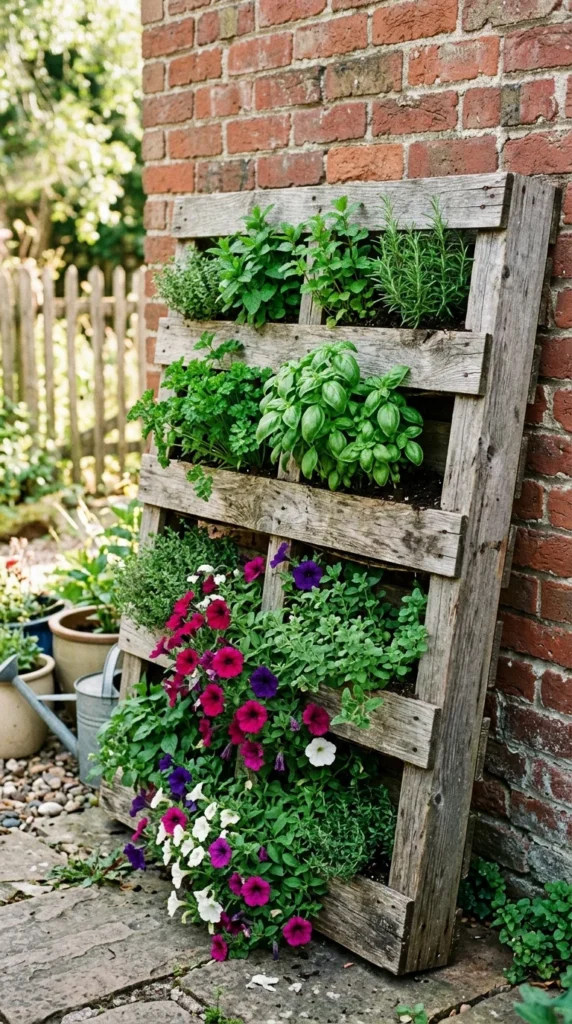
Upcycling a wooden pallet is one of the most cost-effective ways to add vertical growing space to a small garden or balcony. This project is perfect for those with limited ground space who still want to enjoy a variety of herbs or succulents.
- Materials Needed: Heat-treated (HT) wooden pallet, landscape fabric, heavy-duty stapler, potting soil, and plants.
- How to Build: Start by sanding down any rough edges on your pallet. Lay the pallet flat and staple landscape fabric across the back and bottom, creating “pockets” between the slats. Flip it over, fill the pockets with high-quality potting soil, and tuck your plants into the openings. Secure the pallet against a wall or fence to ensure it remains upright.
2. Raised Beds
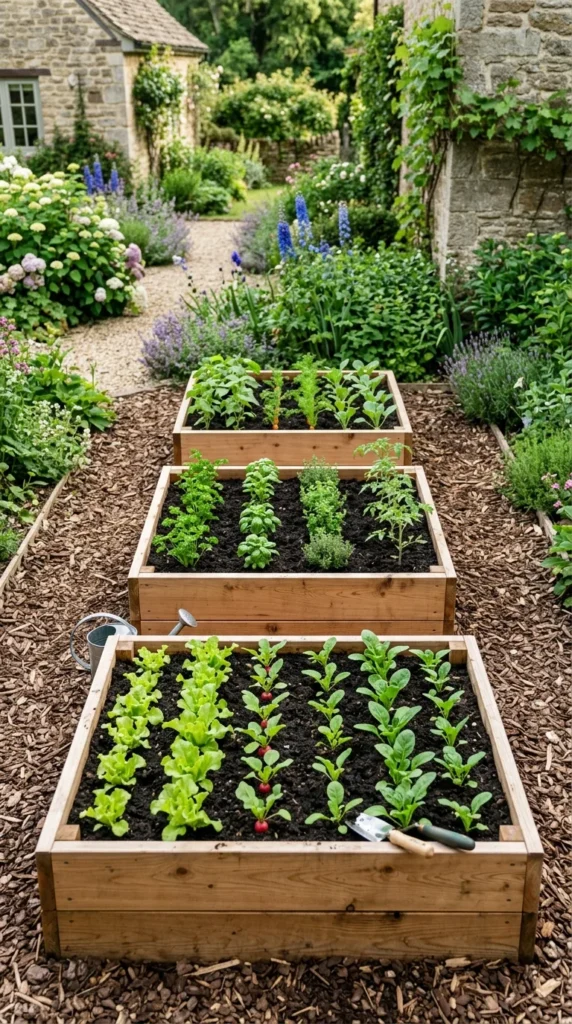
Raised garden beds are the gold standard for home vegetable gardening. They provide excellent drainage, prevent soil compaction, and make it much easier to control the quality of your soil, especially if your native ground is clay-heavy or rocky.
- Materials Needed: Untreated cedar or redwood planks, wood screws, power drill, and level.
- How to Build: Cut your planks to your desired dimensions—standard sizes are often 4×8 feet. Screw the corners together to create a sturdy frame. If you have issues with burrowing pests like gophers, staple hardware cloth to the bottom of the frame before placing it on the ground. Fill with a 50/50 mix of topsoil and compost.
3. Fairy Garden
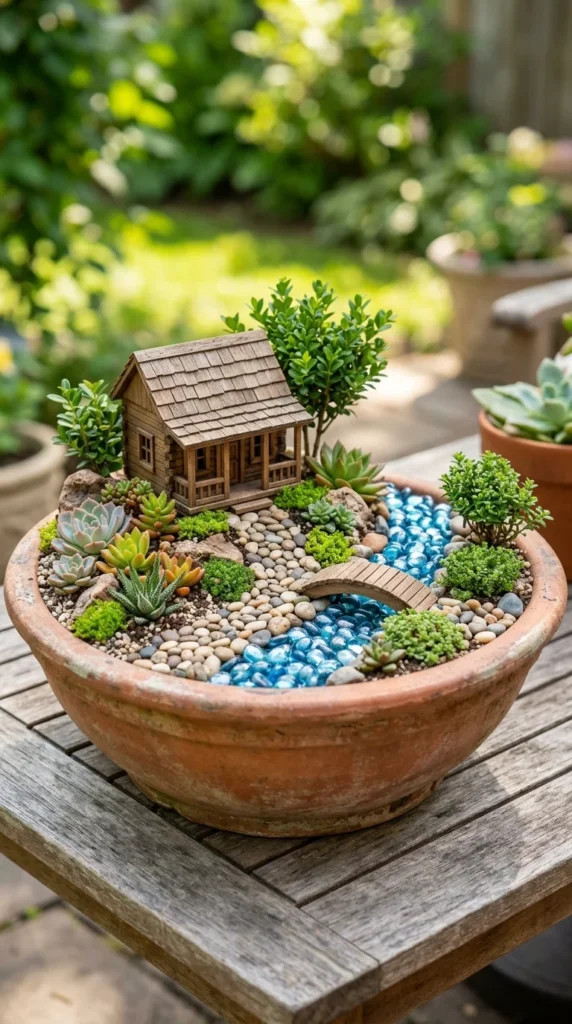
A fairy garden is a whimsical project that allows for total creative freedom. It is an excellent way to involve children in gardening or to create a miniature focal point on a patio table.
- Materials Needed: A large shallow container, potting soil, small-leafed plants (like Irish moss or miniature ferns), and miniature accessories.
- How to Build: Fill your container with soil and plan out a tiny landscape. Use flat stones to create a miniature pathway and arrange your plants to look like full-sized trees and shrubbery in a tiny world. Add a “fairy house” made of bark or a pre-made ceramic structure to complete the scene.
4. Bird Bath
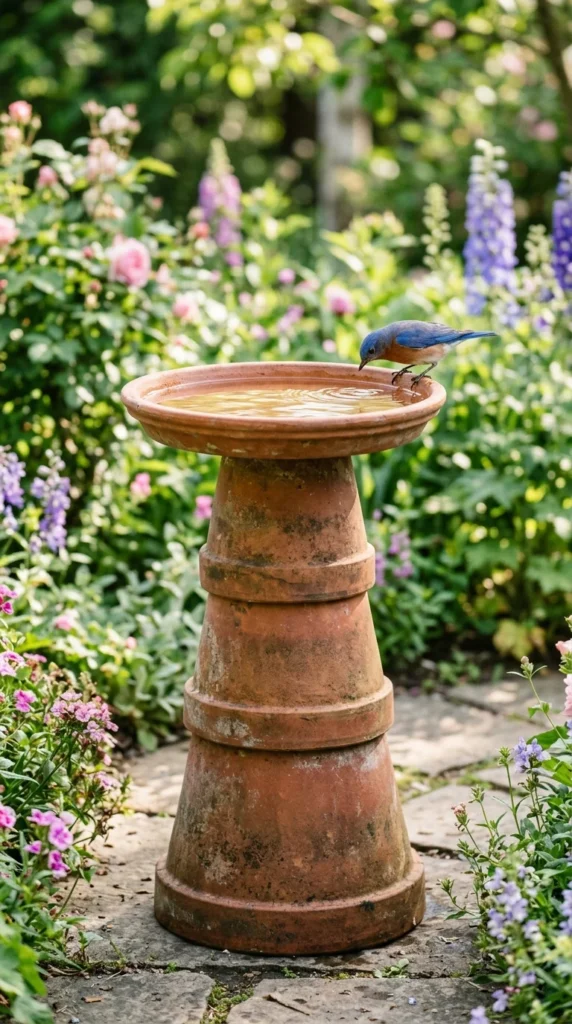
Attracting birds to your garden provides natural pest control and a lovely soundtrack to your outdoor chores. A DIY bird bath is a simple way to provide a water source for local avian visitors.
- Materials Needed: Three or four terracotta pots of graduating sizes, a large terracotta saucer, and waterproof construction adhesive.
- How to Build: Clean the pots thoroughly. Stack them upside down, starting with the largest at the bottom and the smallest at the top, securing each layer with a generous amount of adhesive. Once the “pedestal” is dry, glue the large saucer to the top pot. You can paint the pots or leave them natural for a rustic look.
5. Pathway Lighting
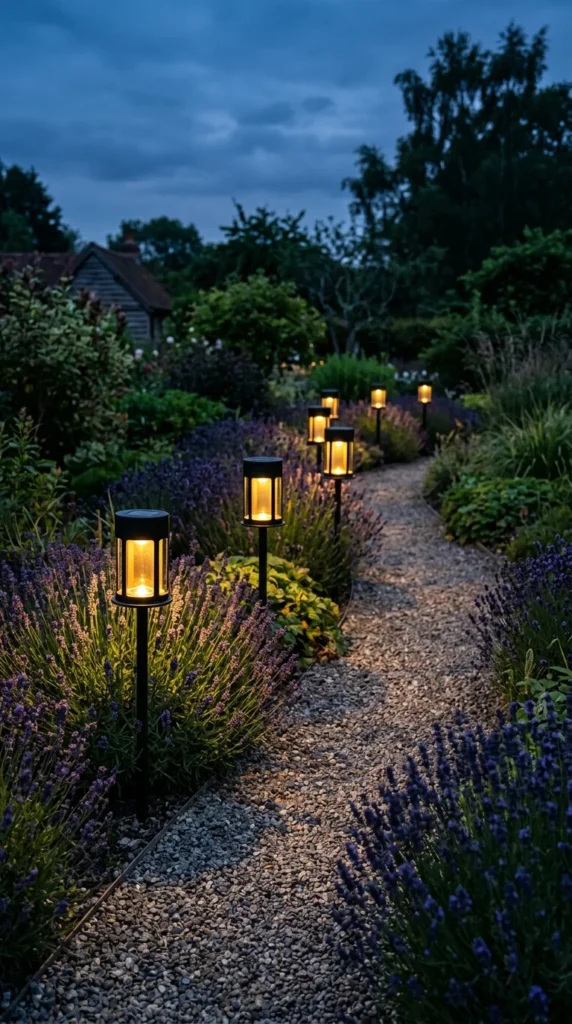
Lighting is essential for extending the usability of your garden into the evening hours. Solar-powered path lights are incredibly easy to install because they require no wiring or electricity.
- Materials Needed: Solar LED path lights and a rubber mallet.
- How to Build: Plan your layout by spacing the lights evenly along your main garden walkway. If the ground is hard, use a mallet to create a pilot hole before inserting the plastic stakes of the solar lights. Ensure the lights are placed in an area that receives at least six hours of direct sunlight during the day to ensure they stay lit all night.
6. Herb Spiral
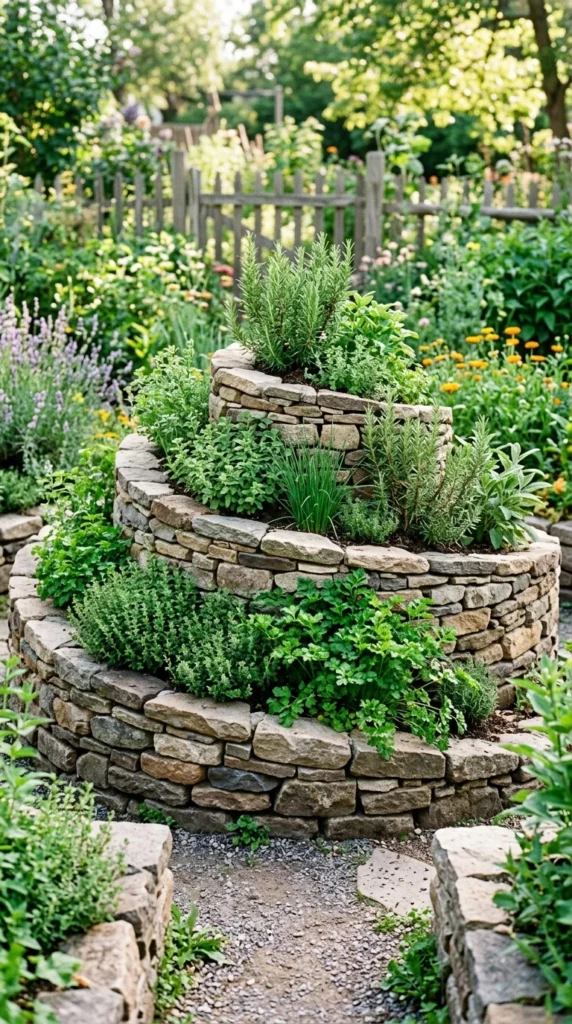
An herb spiral is a permaculture design that creates multiple microclimates in a small footprint. The top is dry and sunny, while the bottom is cooler and more moist, allowing you to grow herbs with different needs right next to each other.
- Materials Needed: Large stones or bricks, cardboard, and organic compost.
- How to Build: Clear a circular area about five feet in diameter. Lay down cardboard to suppress weeds. Begin laying stones in a spiral pattern, gradually building the height as you move toward the center. Fill the spiral with soil as you go. Plant drought-tolerant herbs like rosemary at the top and moisture-loving herbs like mint or chives at the bottom.
7. Trellis Arch
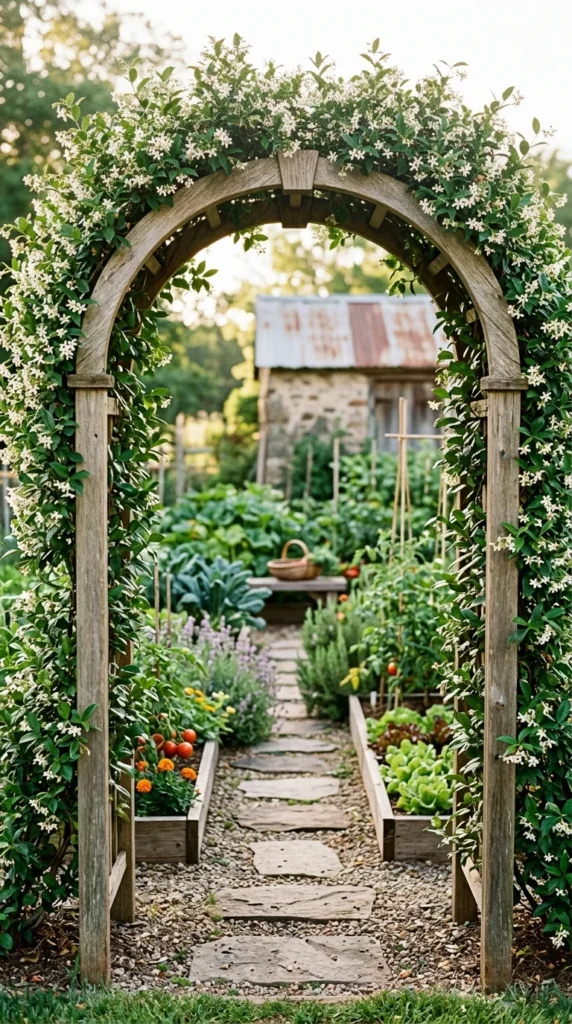
Vertical interest can make a small garden feel much larger. A trellis arch creates a beautiful entranceway and provides a sturdy support system for climbing plants like beans, peas, or flowering vines.
- Materials Needed: Two cattle panels or wooden lattice panels, sturdy wooden posts, and heavy-duty zip ties or wire.
- How to Build: Secure your wooden posts into the ground using a post-hole digger. If using cattle panels, bend them into an arch shape and secure them to the posts with wire. For a wooden lattice, attach the panels to the posts to create a “doorway” frame. Plant climbers at the base of each side of the arch.
8. Tire Planter
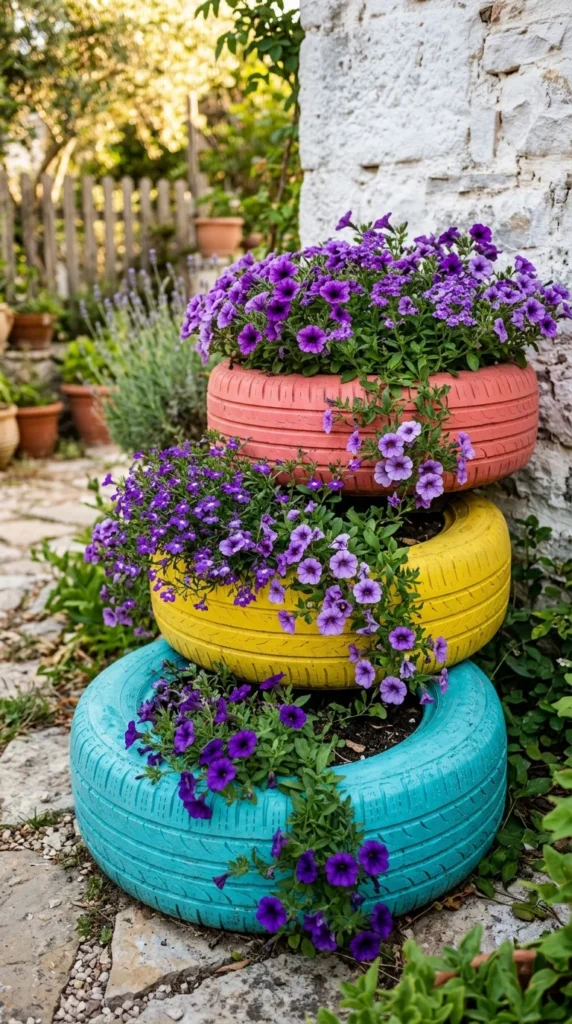
Old tires are a major environmental problem, but they can be repurposed into vibrant, durable garden containers. Their thick rubber walls help insulate soil against temperature fluctuations.
- Materials Needed: Old tires, outdoor spray paint (optional), and potting soil.
- How to Build: Scrub the tires clean and let them dry. If you want a pop of color, use spray paint formulated for plastic and rubber. Stack the tires in your desired configuration. If stacking more than two, you may want to bolt them together for stability. Fill the center with soil and plant hardy perennials or annuals.
9. Rain Barrel
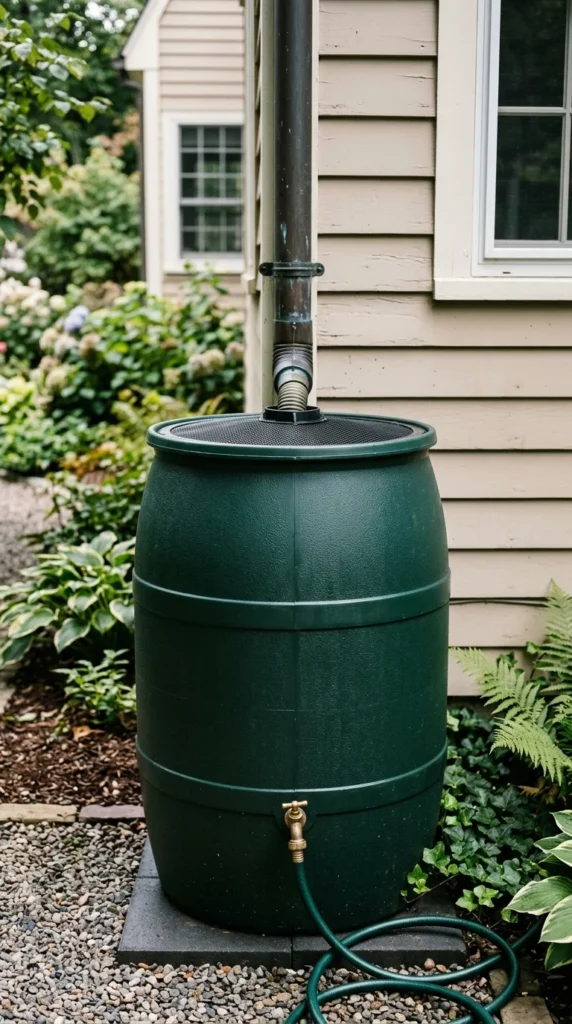
Collecting rainwater is an eco-friendly way to keep your garden hydrated during dry spells while reducing your water bill. A DIY rain barrel is a straightforward plumbing project that yields high rewards.
- Materials Needed: A 55-gallon food-grade plastic drum, a spigot kit, a drill with a hole saw bit, and a downspout diverter.
- How to Build: Drill a hole near the bottom of the barrel to install the spigot. Drill another hole near the top for an overflow valve. Cut a large opening in the lid and cover it with fine mesh to keep out mosquitoes and debris. Position the barrel beneath a downspout and use a diverter to channel the water inside.
10. Compost Bin
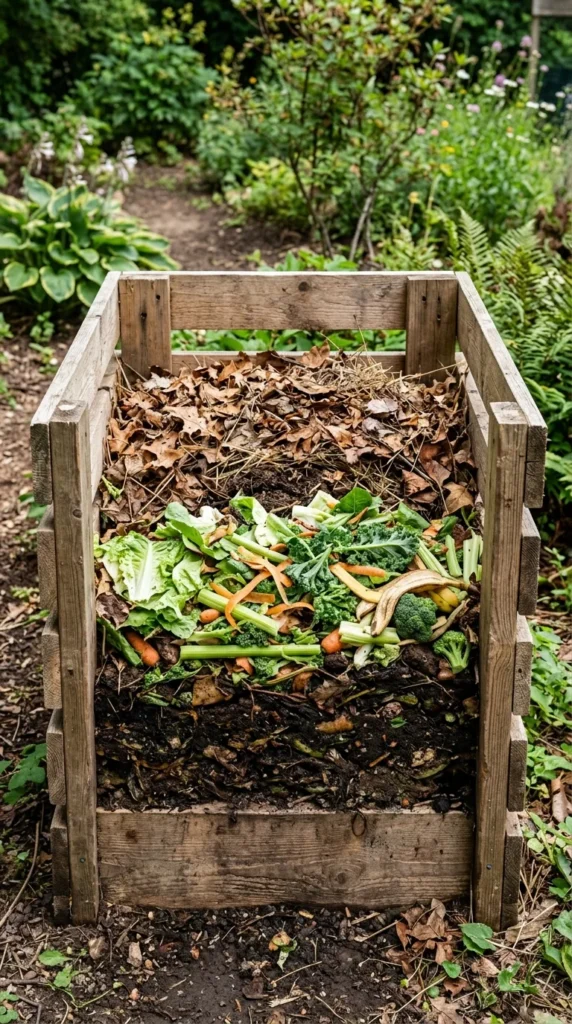
Composting is the best way to turn kitchen scraps and yard waste into “black gold” for your garden. A simple wooden bin keeps the pile contained and allows for proper aeration.
- Materials Needed: Four wooden pallets or several 2x4s and wire mesh.
- How to Build: The easiest way is to lash four wooden pallets together to form a square. For a more polished look, build a frame with 2x4s and wrap the sides in hardware cloth or wire mesh. Leave the front panel removable or hinged so you can easily turn the compost with a pitchfork.
11. Succulent Frame
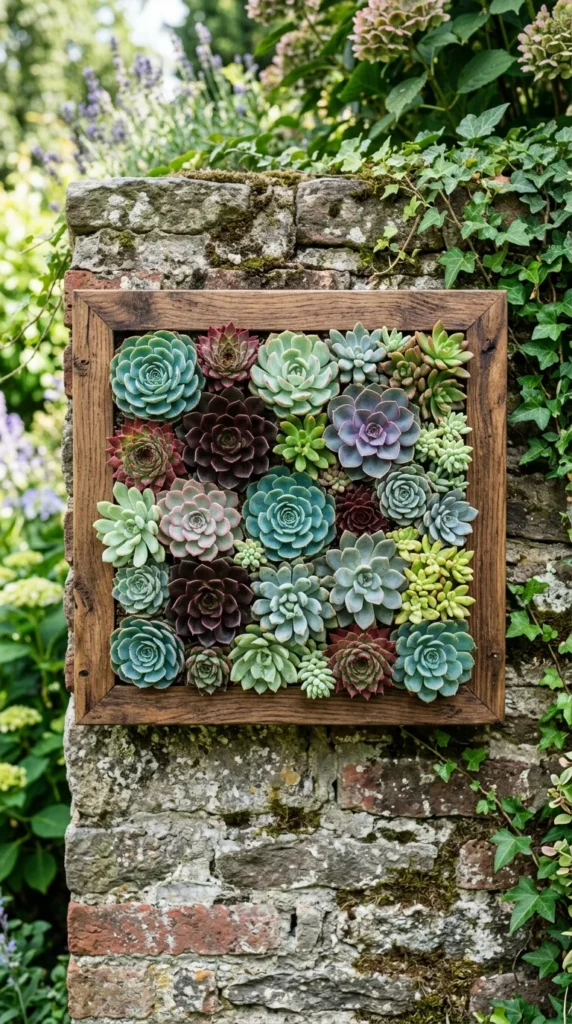
A living picture frame is a stunning piece of wall art for a patio or porch. Succulents are ideal for this project because they have shallow root systems and require very little water.
- Materials Needed: A deep shadow-box frame, hardware cloth (wire mesh), plywood backing, potting soil, and succulent cuttings.
- How to Build: Remove the glass from the frame. Staple wire mesh to the inside of the frame. Fill the frame with soil and secure a plywood backing to keep the soil in. Poke your succulent cuttings through the wire mesh into the soil. Keep the frame flat for several weeks to allow the roots to take hold before hanging it vertically.
12. Stone Pathway
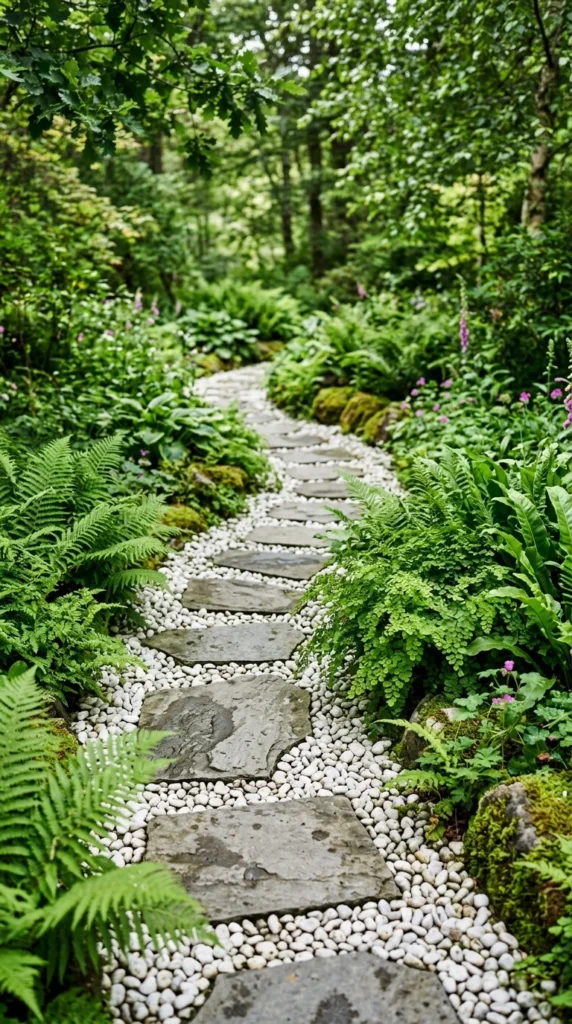
A well-defined path prevents soil compaction and guides visitors through your garden. Using natural stone creates a timeless look that blends seamlessly with the environment.
- Materials Needed: Flagstones or pavers, leveling sand, landscape fabric, and gravel.
- How to Build: Mark out the path using a garden hose or spray paint. Dig out the area to a depth of about 4 inches. Lay down landscape fabric to prevent weeds, followed by a layer of gravel and a layer of leveling sand. Arrange your stones on the sand, ensuring they are level. Fill the gaps between stones with more gravel or creeping groundcover like thyme.
13. Garden Bench
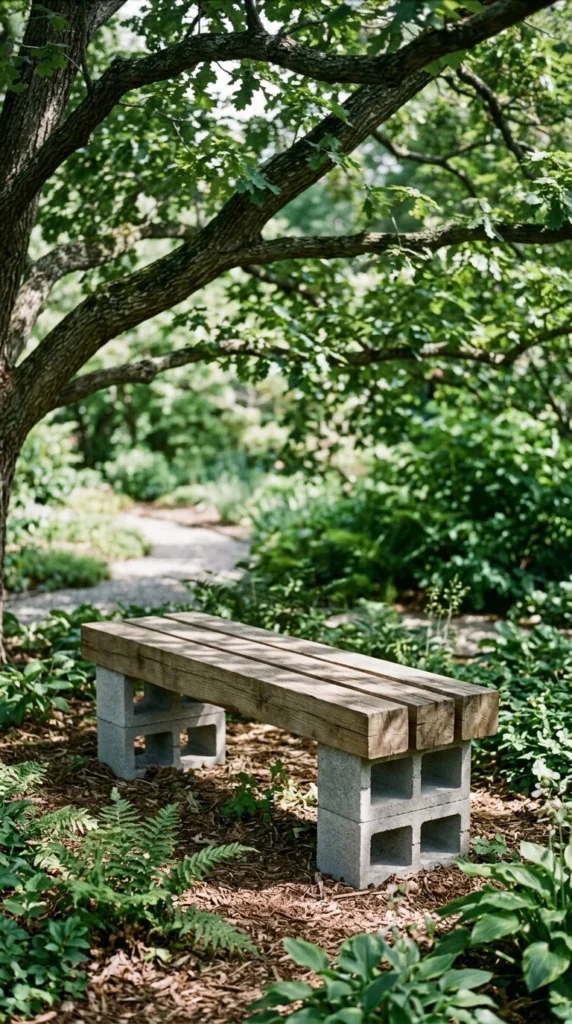
Every gardener needs a place to sit and admire their hard work. A cinder block and timber bench is a “no-tools” project that looks surprisingly modern and sophisticated.
- Materials Needed: 12 cinder blocks and four 4×4 wooden beams (8 feet long).
- How to Build: Stack the cinder blocks vertically on each side to create the “legs” of the bench, ensuring the holes in the blocks are facing sideways. Slide the wooden beams through the top holes of the blocks. The weight of the beams will hold everything in place. Add some outdoor cushions for extra comfort.
14. Fire Pit
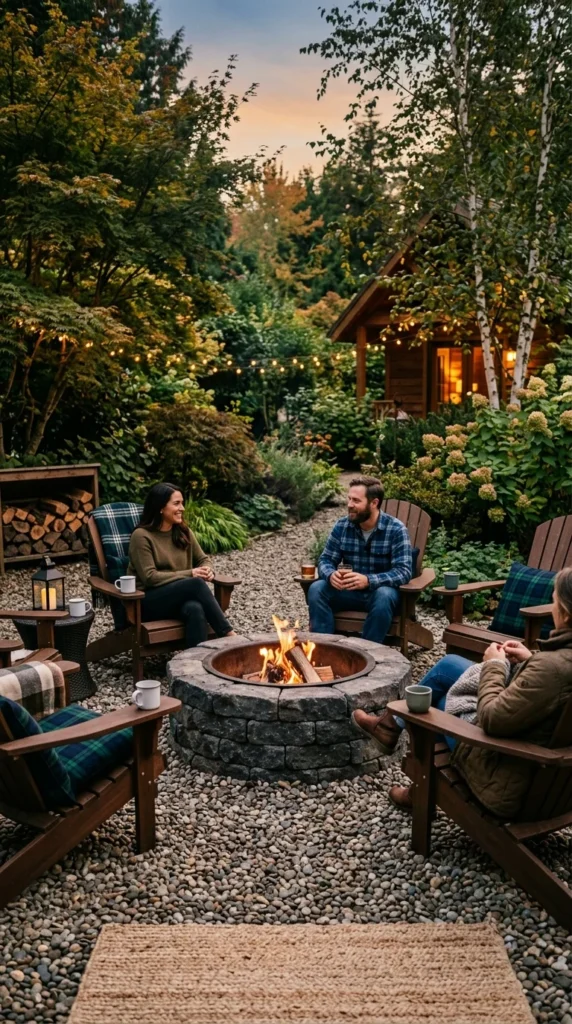
A fire pit creates a natural gathering spot for cool evenings. Building one yourself ensures it matches the aesthetic of your patio and fits perfectly in your designated space.
- Materials Needed: Fire-rated bricks or masonry wall blocks, lava rocks or gravel, and a level.
- How to Build: Choose a safe location away from low-hanging branches or wooden structures. Dig a shallow circular pit and fill it with gravel for drainage. Lay your first ring of blocks, ensuring they are perfectly level. Stack two or three more rings on top, staggering the joints for stability. Fill the bottom with a layer of lava rocks to protect the ground and improve airflow.