In the world of direct-to-consumer agriculture, the first bite is taken with the eyes. A farmstand is more than just a place to exchange currency for calories; it is a visual representation of your farm’s brand, the quality of your soil, and the care you put into your harvest. Effective merchandising can transform a simple roadside stop into a community landmark.
When produce is displayed thoughtfully, it tells a story of seasonality and freshness. Whether you are operating a permanent structure or a mobile pop-up, these twelve design ideas will help you elevate your presentation and turn passersby into loyal customers.
1. Vintage Trucks
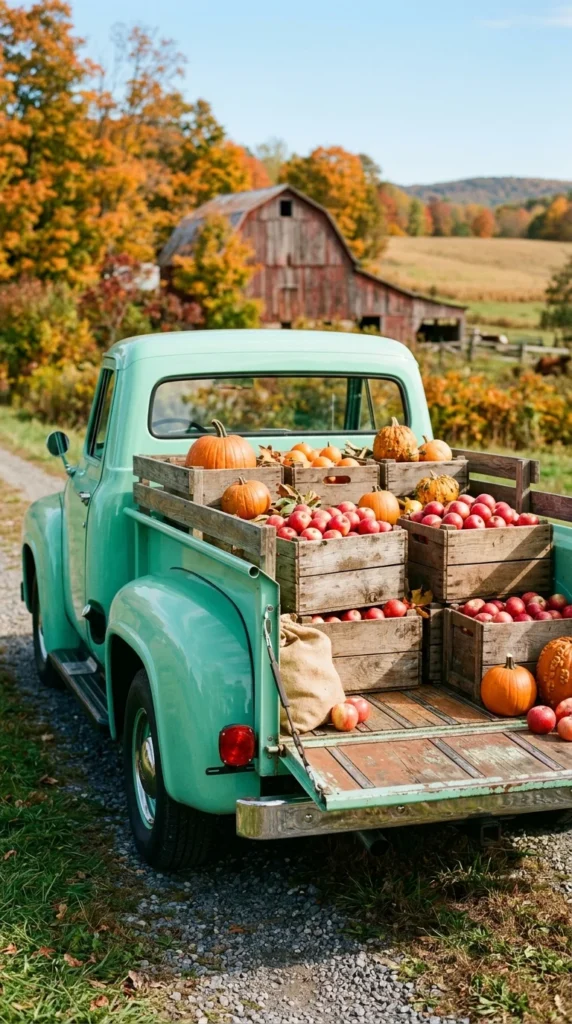
Utilizing a vintage vehicle as the centerpiece of your farmstand creates an instant focal point that exudes nostalgia and charm. An old pickup truck or a classic flatbed provides a built-in “stage” for your goods. The aged patina of the metal contrasts beautifully with the organic textures of fresh vegetables. To maximize this look, use the truck bed for larger items like pumpkins or watermelons, and use the side rails to hang bundles of dried herbs or garlic braids.
2. Tiered Crates
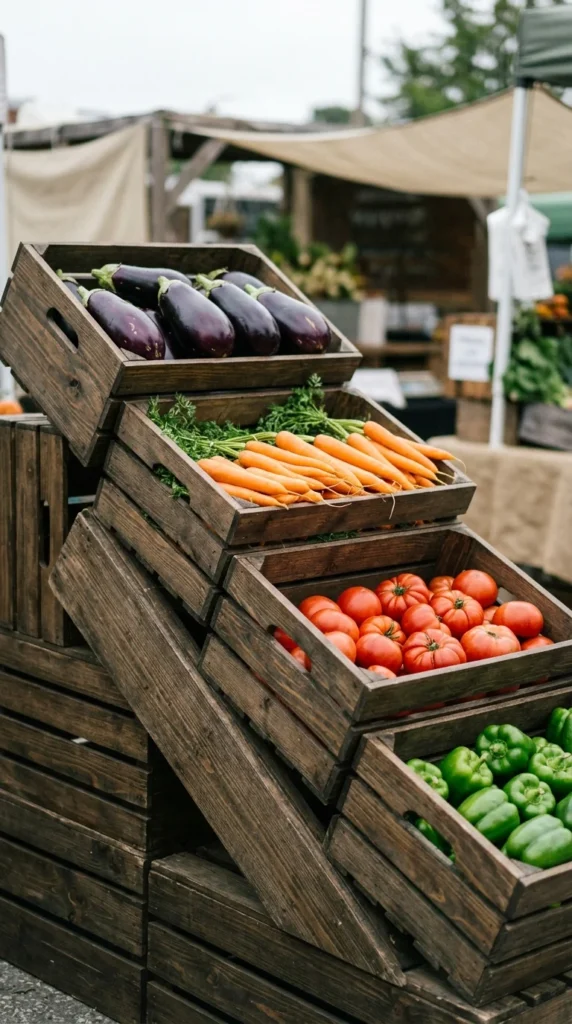
Verticality is a key principle in retail design. By stacking wooden crates in a tiered fashion, you draw the customer’s eye upward and make the space feel more abundant. This method also saves floor space while allowing for clear categorization. Use varied crate sizes to create a dynamic silhouette, and ensure that the most colorful produce—like bell peppers or radishes—is placed at eye level to grab immediate attention.
3. Chalkboard Signs
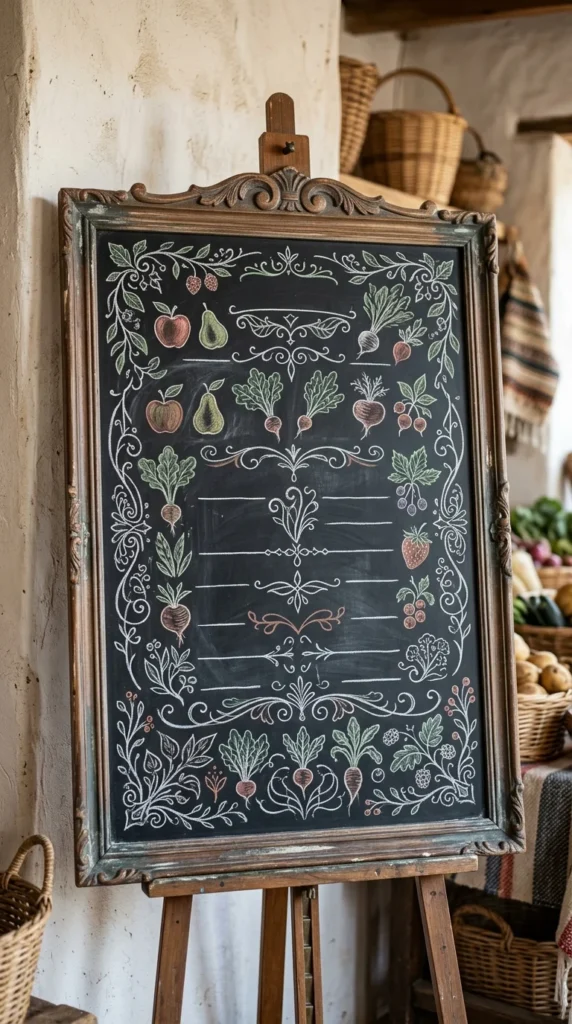
Communication is vital, but it should also be beautiful. Move away from plastic price tags and embrace the rustic elegance of chalkboards. Hand-lettered signs provide a personal, “maker” feel that resonates with supporters of local food. Use large boards for your main menu or daily specials and smaller slate tags for individual item pricing. High-contrast white chalk on dark slate or black paint ensures readability even from a distance.
4. Repurposed Wagons
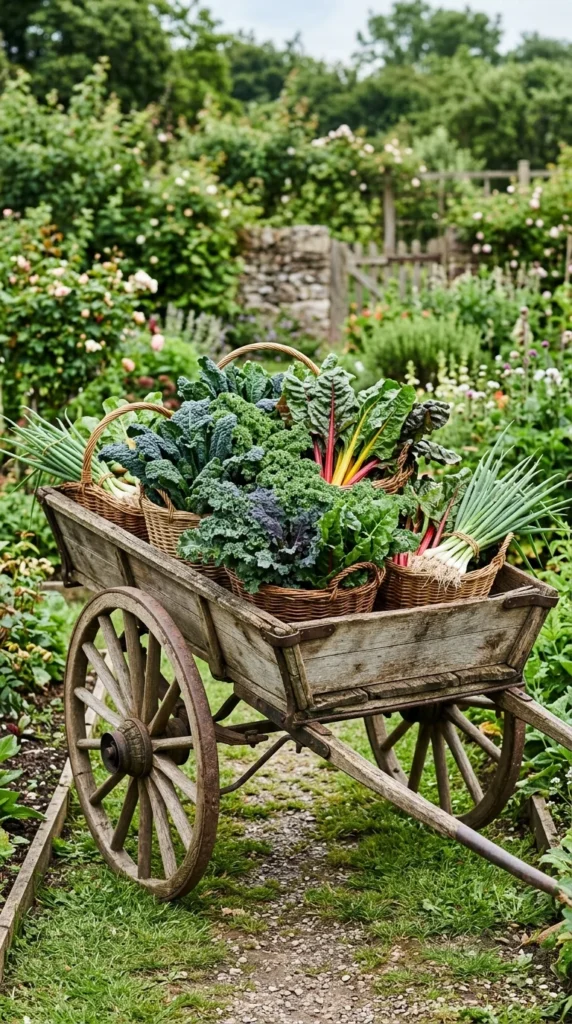
An antique wagon offers both mobility and aesthetic appeal. It evokes images of traditional harvests and can be easily moved to catch the best sunlight or moved under cover during a sudden rainstorm. Linens draped over the edges of the wagon can add a pop of color that complements the produce. This setup works particularly well for “grab-and-go” items like pre-bagged salad mixes or small pint containers of berries.
5. Vertical Walls
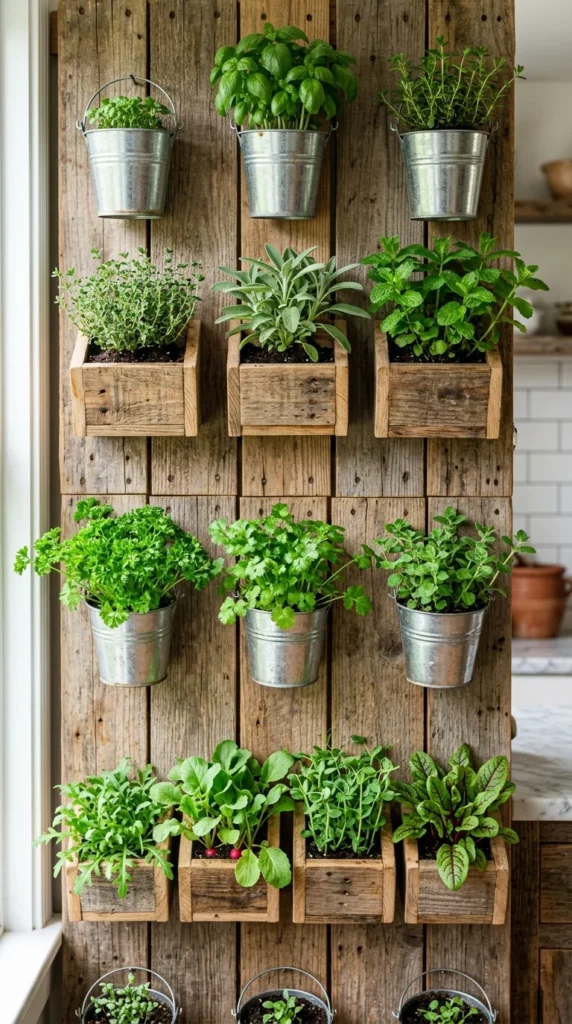
When horizontal space is limited, look to the walls. A vertical display wall made from reclaimed pallets or wire mesh creates a “living wall” effect. Hanging small buckets of cherry tomatoes or bundles of lavender allows customers to browse at different heights. This setup is particularly effective for herbs and cut flowers, as it keeps them organized and prevents delicate leaves from being crushed under heavier produce.
6. Themed Booths
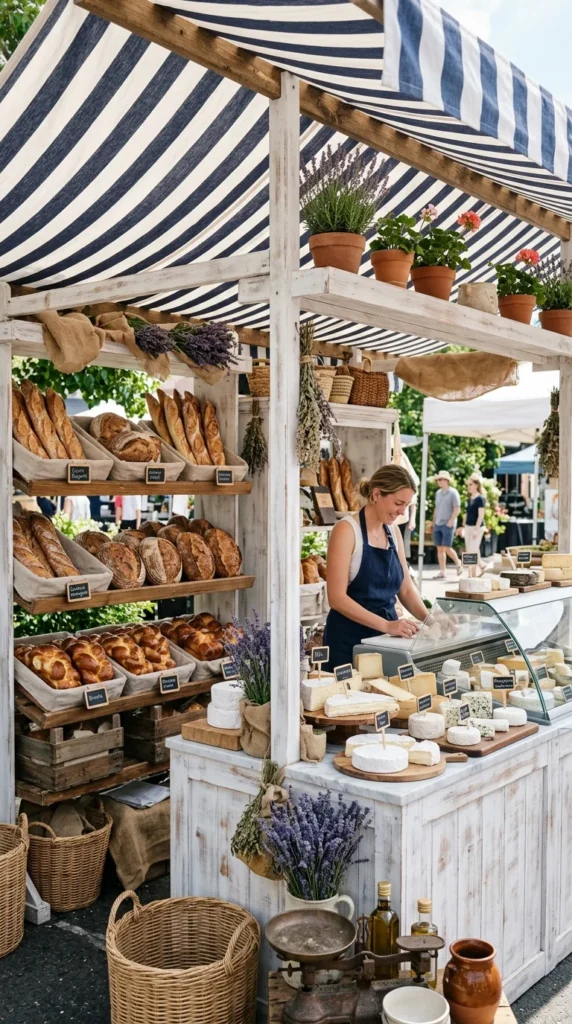
Creating a cohesive theme can make your farmstand feel like a destination. Whether it is a “Coastal Market” with driftwood accents or a “Bohemian Garden” with macramé hangers, a theme helps curate the shopping experience. Consistency in materials—such as using only galvanized steel buckets or only wicker baskets—creates a professional, high-end look that justifies premium pricing for organic goods.
7. Baskets & Linens
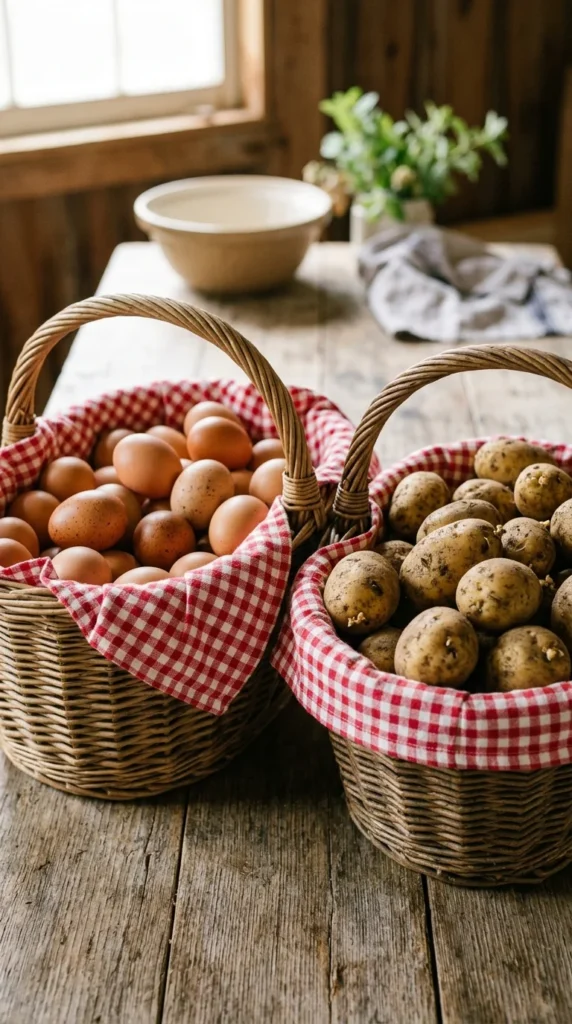
Texture plays a massive role in visual appeal. Woven baskets provide a natural, earthy feel, while fabric liners add softness and a touch of domesticity. Using linens is also a practical way to keep produce clean and protect it from rough wooden surfaces. Choose fabrics that reflect the season: light linens for summer berries and heavier burlap or plaid for autumn squashes and root vegetables.
8. Pop-up Canopies
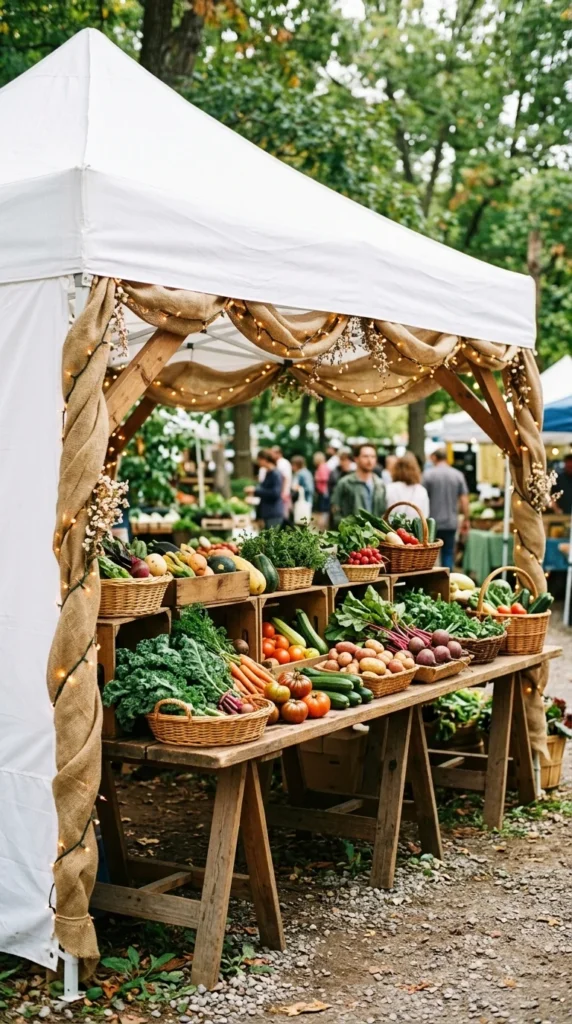
For farmers on the move, a canopy is a necessity, but it doesn’t have to look industrial. You can “soften” a standard pop-up tent by wrapping the metal legs in fabric or vines. Using a white or light-colored canopy ensures that the light filtering through is bright and neutral, making the colors of your produce pop. Avoid colored tents (like bright blue or green), as they can cast an unappealing tint on your food.
9. Glass Jars
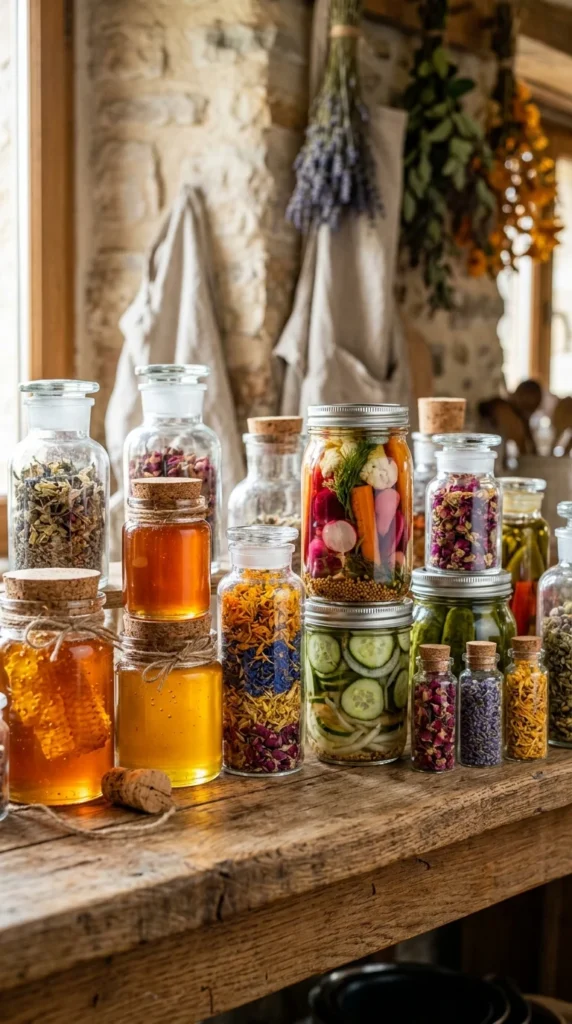
Transparency creates trust. For value-added products like honey, jams, pickles, or dried herbs, glass jars are the gold standard. They allow the natural colors of the preserved food to shine through. Arrange these jars on backlit shelves or near a window where the light can catch the amber hues of honey or the vibrant greens of pickled beans. Grouping them by size and color creates a rhythmic, pleasing display.
10. Barrel Displays
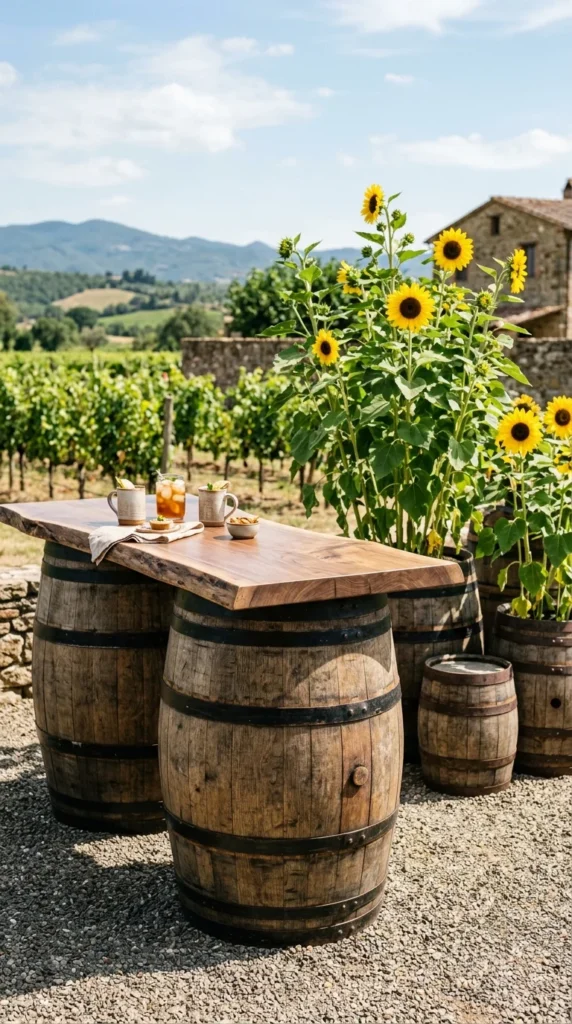
Barrels are iconic symbols of agriculture and fermentation. Using large whiskey or wine barrels as table bases provides a sturdy, rustic foundation for your displays. Smaller barrels can be used upright to hold long-stemmed items like sunflowers, gladiolus, or even stalks of Brussels sprouts. The circular shape of the barrels breaks up the straight lines often found in farmstand structures, adding visual interest.
11. Natural Lighting
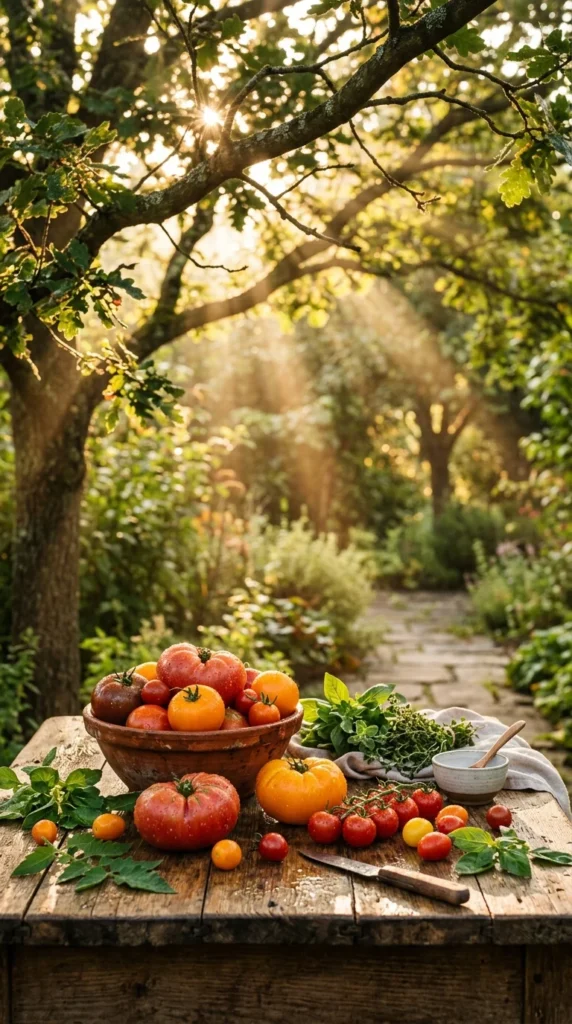
Lighting is the most overlooked element of farmstand design. Position your stand to take advantage of the “golden hour” in the morning or late afternoon. If your stand is in a shaded area, use warm-toned LED string lights or lanterns to create an inviting atmosphere. Avoid harsh fluorescent lights; instead, aim for a warm, amber glow that mimics the sun and makes fruits and vegetables look succulent and ripe.
12. Floral Accents
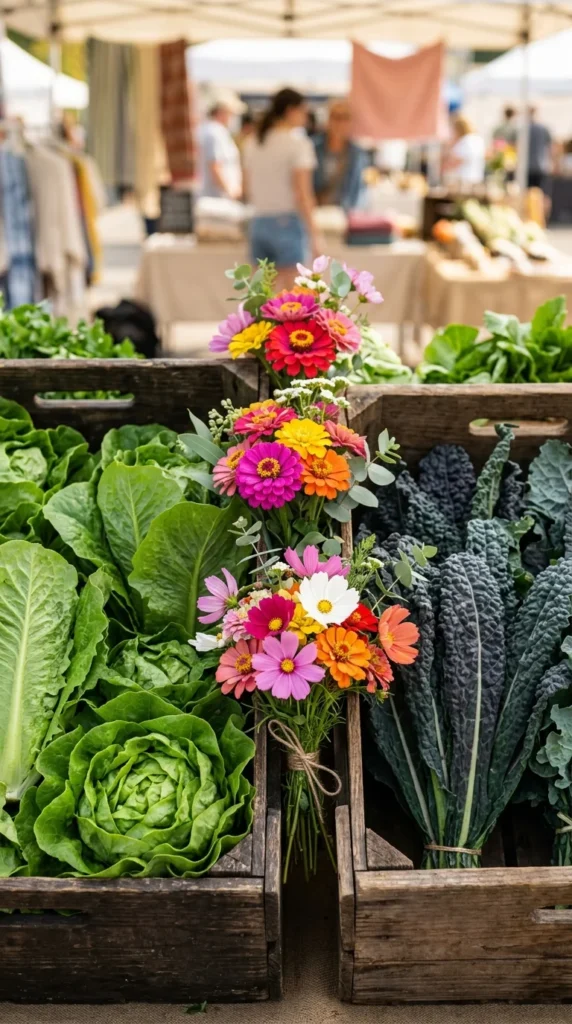
Flowers are the ultimate “cross-merchandising” tool. Even if you aren’t primarily a flower farmer, tucking small jars of wildflowers or sunflowers among your vegetables adds a layer of beauty and life to the stand. The bright petals draw the eye and create a sense of abundance. Flowers also suggest a healthy ecosystem on your farm, subconsciously signaling to the customer that the produce was grown in a vibrant, natural environment.