
In the modern era of home design, the backyard has evolved from a simple patch of grass into a sophisticated extension of the living room. A well-designed deck is the cornerstone of this transformation, offering a functional bridge between the comfort of the indoors and the serenity of nature. Whether you are looking to create a space for high-end entertaining or a private sanctuary for relaxation, the right architectural choices can significantly increase both your home’s market value and your quality of life.
The following thirteen deck ideas represent the pinnacle of contemporary outdoor design, blending aesthetics, durability, and functionality.
1. Multi-Level Tiers
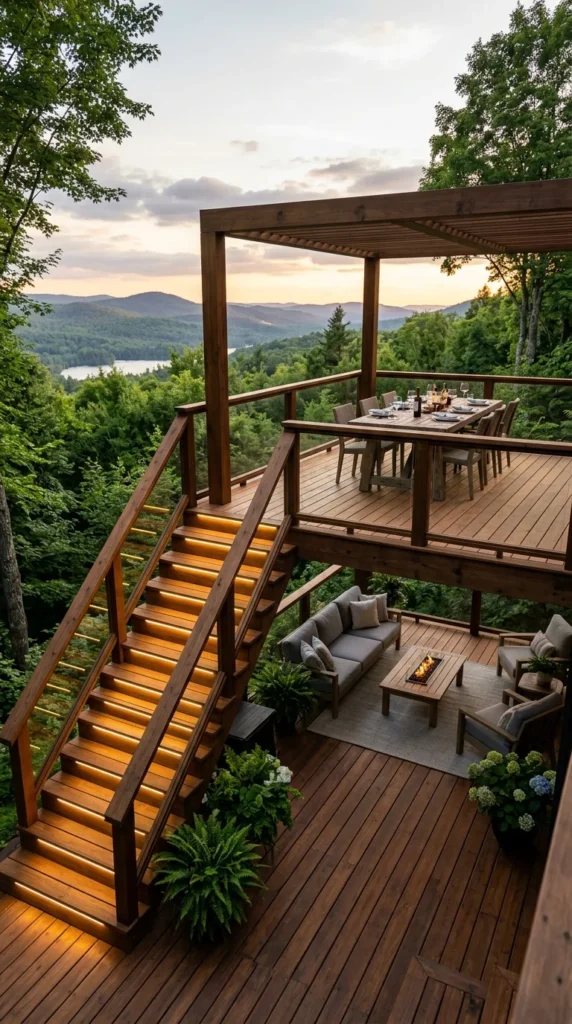
Creating a multi-level deck is one of the most effective ways to define specific zones within your outdoor space without the need for walls. By utilizing different elevations, you can separate the high-traffic dining area from a more intimate lounging or sunbathing zone. This architectural approach is particularly beneficial for sloped yards where a traditional flat deck might require extensive excavation. Multi-level designs add visual depth and complexity to the home’s exterior, making even a modest backyard feel like a curated estate.
2. Fire Features
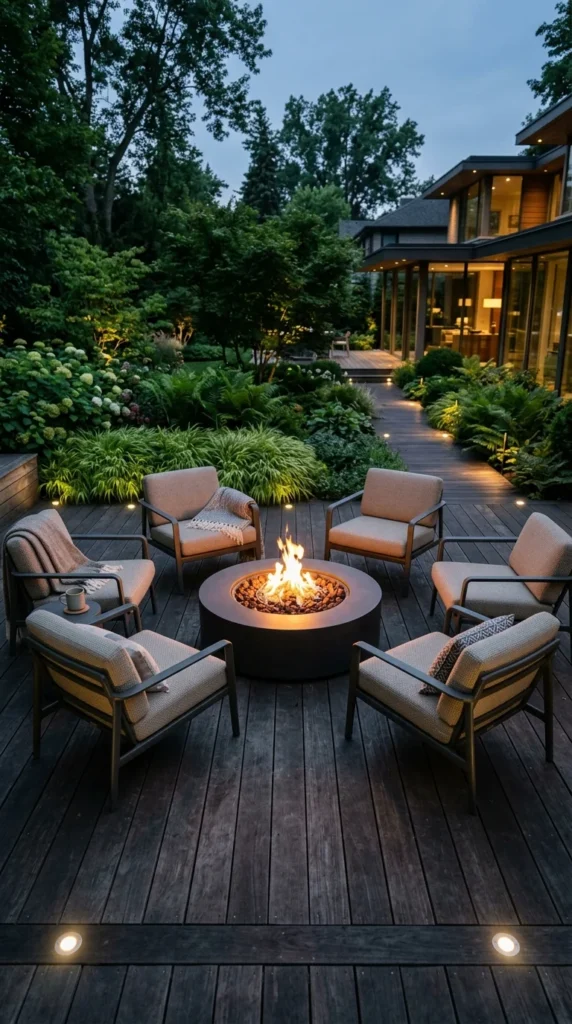
Integration of a fire feature instantly elevates a deck from a seasonal platform to a year-round destination. Whether you choose a built-in stone fire pit or a sleek, linear gas fireplace, the addition of fire provides a focal point that naturally draws people together. For a professional finish, ensure the fire feature is framed by heat-resistant materials and positioned to allow for comfortable circulation. The warmth and flickering light create an inviting atmosphere that extends the usability of the deck well into the cooler autumn and winter months.
3. Modern Pergolas
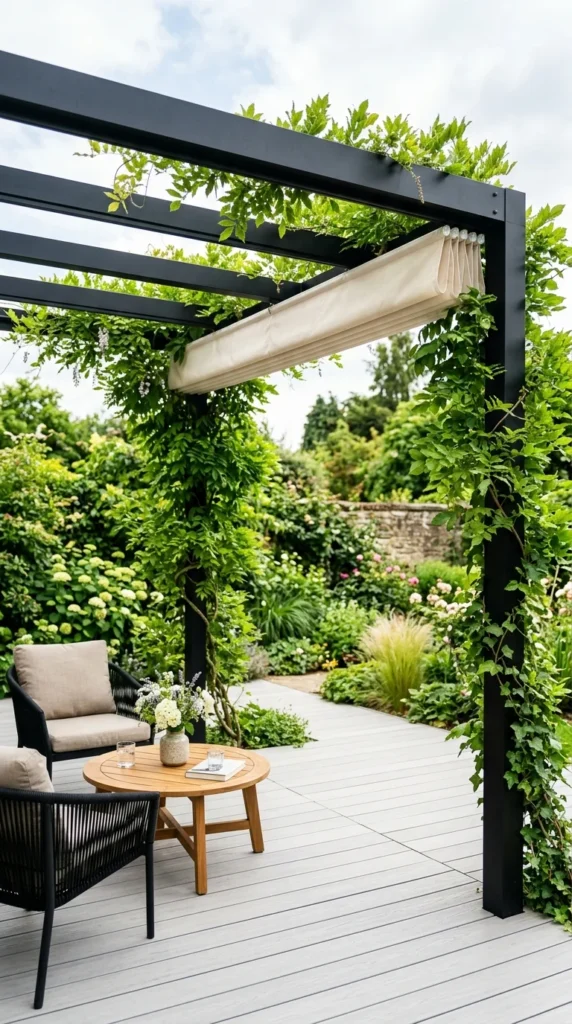
While a deck provides the floor, a pergola provides the “ceiling” that makes an outdoor space feel like a room. Modern pergolas utilize clean lines and high-quality materials like cedar, aluminum, or steel to provide architectural interest and essential shade. To enhance the functionality, many homeowners are opting for louvered systems that can be opened or closed depending on the weather. A pergola also offers a structural framework for hanging swings, lighting fixtures, or climbing plants like wisteria and jasmine, which add a layer of organic softness to the hardscaping.
4. Perimeter Benches
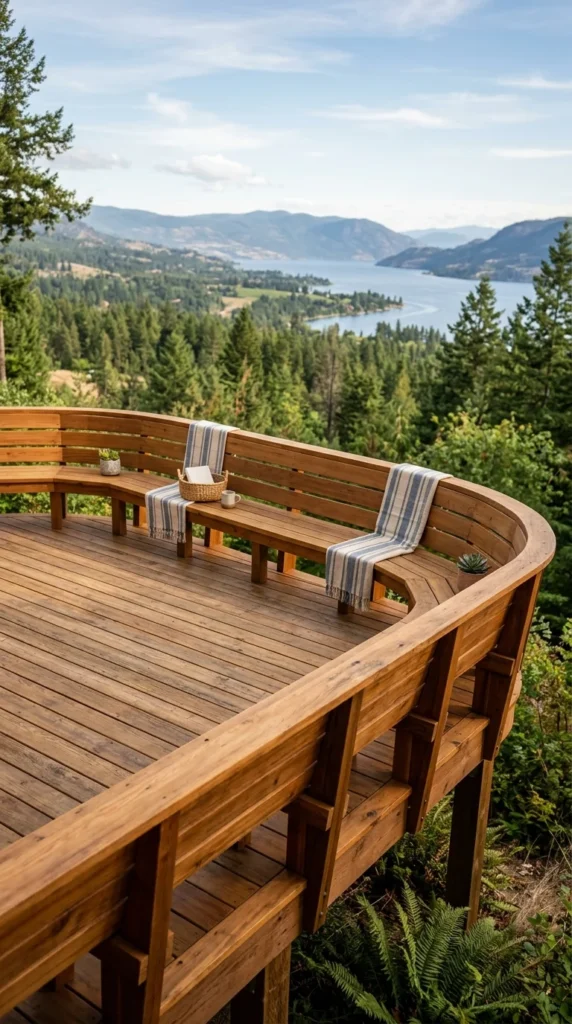
Built-in seating is a masterclass in space-saving design. By integrating benches directly into the perimeter of the deck, you eliminate the need for bulky patio furniture that can clutter the floor plan. This approach is ideal for homeowners who enjoy hosting large gatherings, as it provides ample seating without sacrificing the flow of movement. For added utility, these benches can be designed with hinged tops to provide hidden storage for cushions, gardening tools, or outdoor toys, keeping the deck looking pristine and organized.
5. Gourmet Kitchens
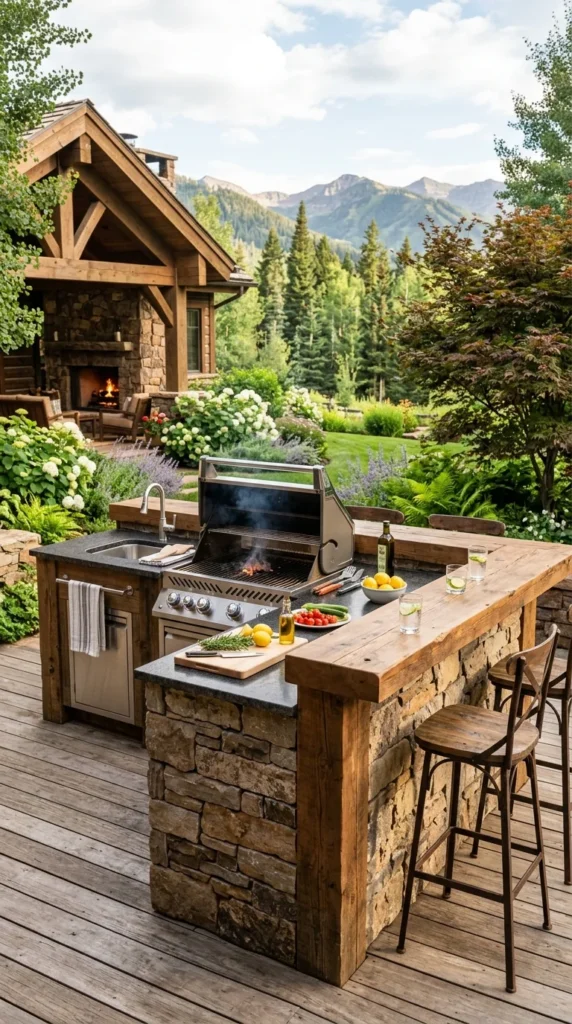
The traditional standalone grill is being replaced by fully integrated outdoor kitchens. A deck equipped with a built-in grill, prep counters, a sink, and even a small refrigerator allows the host to remain part of the conversation while preparing meals. When designing an outdoor kitchen, it is crucial to use weather-resistant materials such as stainless steel and granite. This upgrade turns your deck into a premier culinary destination, perfect for summer barbecues and sophisticated dinner parties under the stars.
6. Recessed Lighting
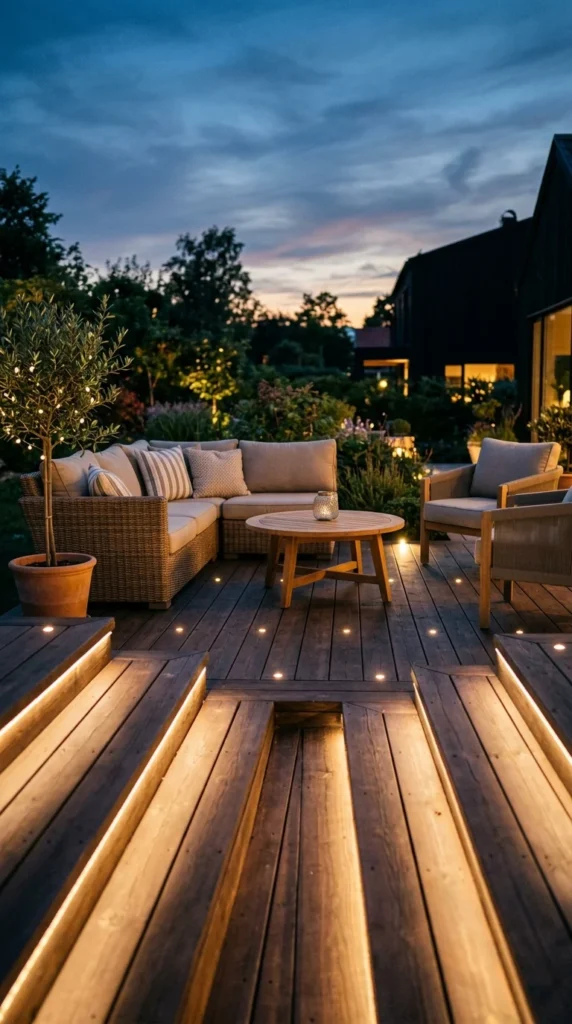
Lighting is often an afterthought in deck design, yet it is the element that most dramatically influences the evening ambiance. Moving away from harsh floodlights, professional designs now favor recessed LED lighting. By embedding small, low-voltage lights into the deck boards, stair risers, and railing posts, you create a sophisticated “glow” that highlights the architecture of the space. Not only does this enhance safety by illuminating pathways, but it also creates a resort-like atmosphere that makes the deck feel luxurious after dark.
7. Privacy Slats
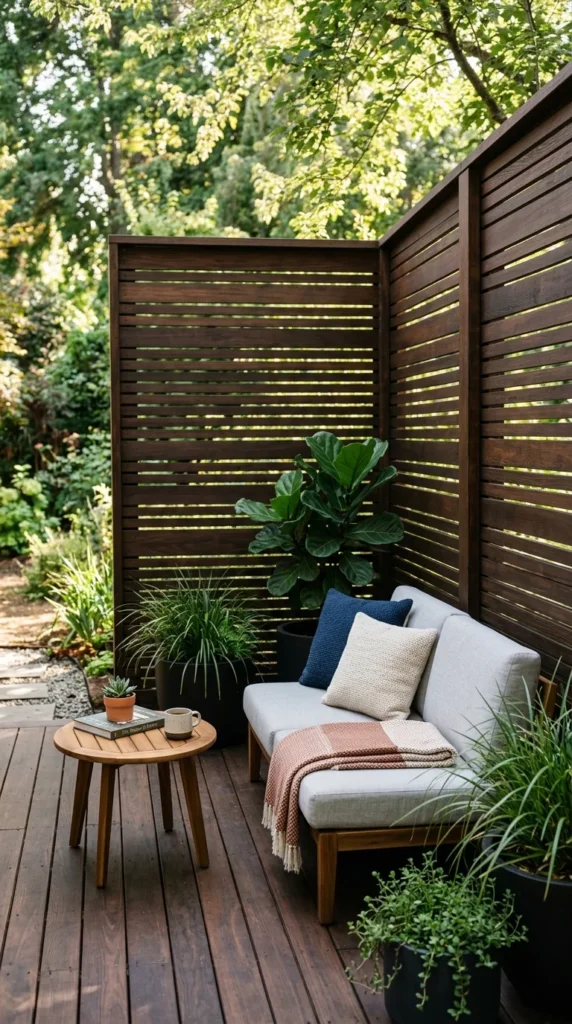
In many residential areas, privacy is a primary concern. Instead of traditional solid fences which can feel claustrophobic, modern deck designs utilize horizontal slat screens. These screens provide a contemporary aesthetic while blocking the line of sight from neighbors. The spacing between the slats allows for airflow and filtered light, preventing the space from feeling walled-in. Using high-contrast wood stains or black metal frames can turn these functional privacy screens into a striking design feature.
8. Glass Railings
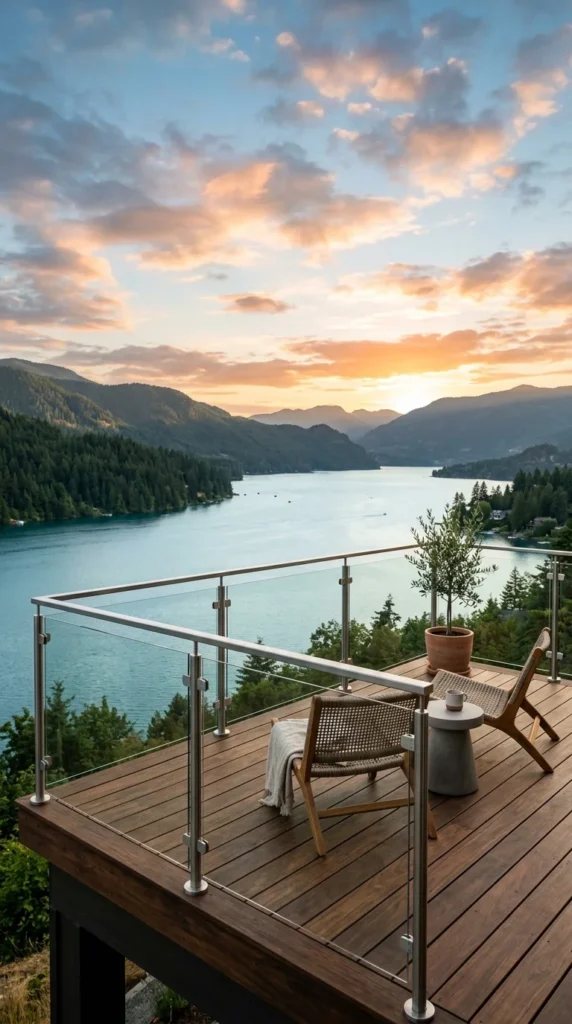
If your backyard boasts a beautiful view—be it a garden, a pool, or a distant landscape—standard wooden balusters can be a significant visual obstruction. Glass railings offer a solution that provides safety without compromising the vista. Tempered glass panels held by minimalist stainless steel or aluminum clips create a “seamless” look that makes the deck feel larger and more connected to the environment. This is a hallmark of modern luxury design and is particularly effective for elevated decks.
9. Sunken Spas
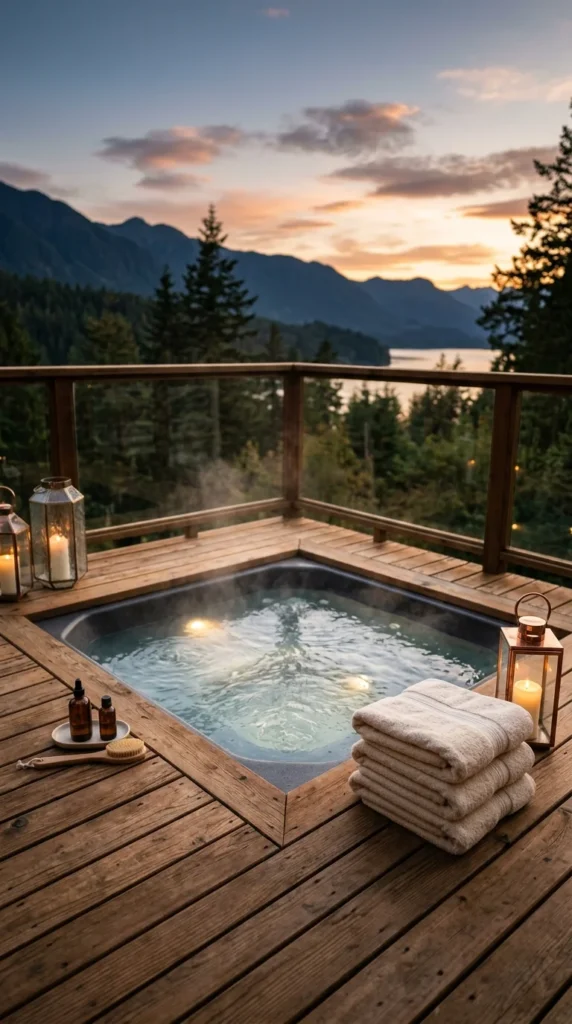
Integrating a hot tub into a deck requires careful structural planning, but the aesthetic payoff is immense. By sinking the spa so that it is flush with the deck surface, you maintain the clean lines of the outdoor space and make access much easier. This configuration also allows the spa to feel like a natural part of the deck’s architecture rather than an oversized plastic addition. Surrounding the sunken spa with non-slip materials and subtle lighting creates a private spa retreat just steps from your back door.
10. Vertical Greenery
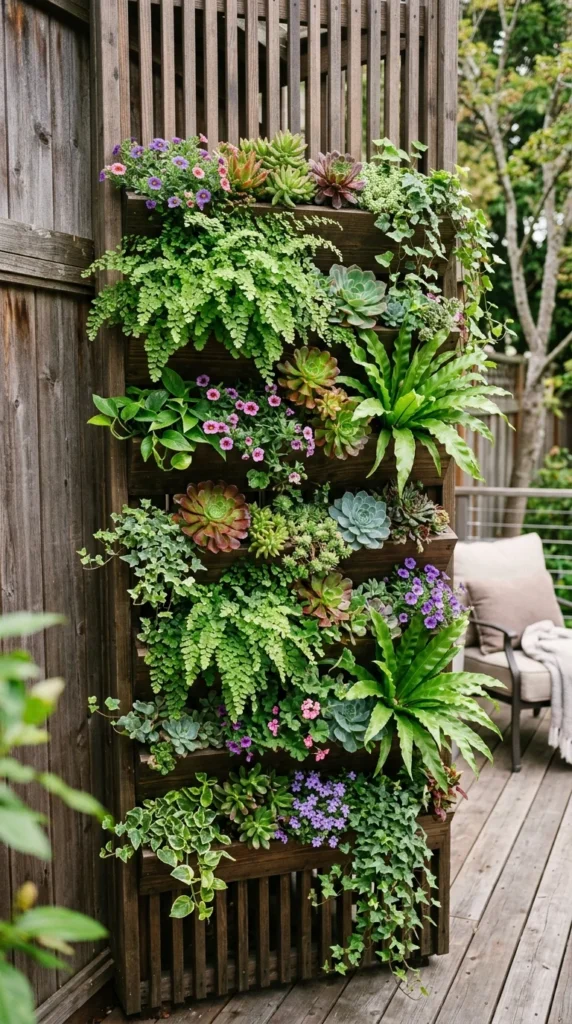
To prevent a deck from feeling too “hard” or industrial, the integration of vertical gardens is essential. Using living walls or trellis systems allows you to bring nature onto the deck without taking up valuable floor space. Vertical gardens can serve as a backdrop for a seating area or as an organic privacy screen. Choosing a variety of textures—such as trailing ivy, vibrant succulents, or even a vertical herb garden—adds color, life, and a refreshing scent to the outdoor living area.
11. Material Contrast
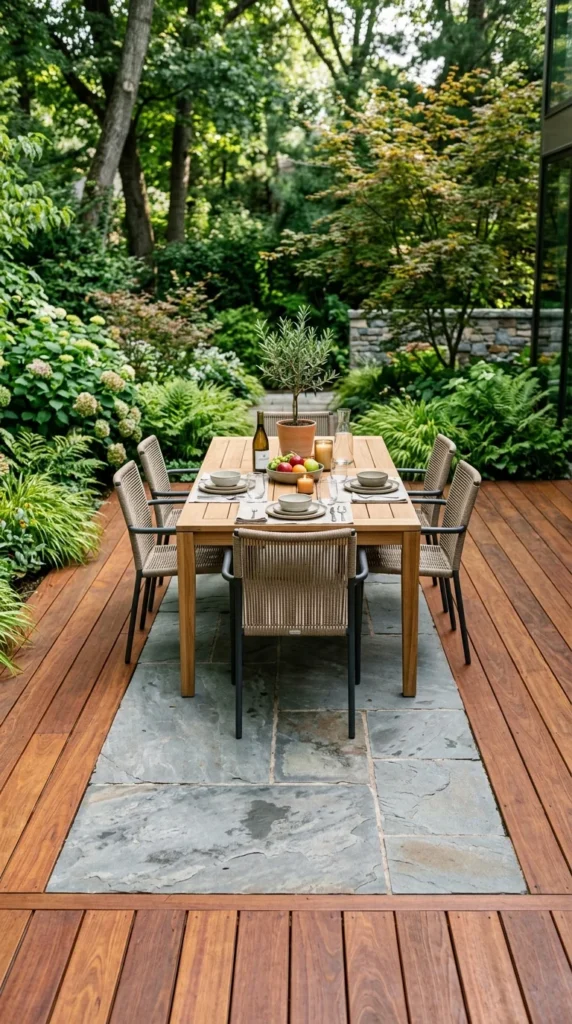
One of the most modern trends in deck design is the use of mixed materials. Rather than using a single type of wood or composite for the entire surface, designers are incorporating inlays of natural stone, slate, or decorative tile. For example, a stone inlay beneath a dining table can define the area while providing a durable surface for heavy furniture. This contrast in texture and color adds a level of custom craftsmanship that immediately signals a high-end, professional design.
12. Screened Enclosures
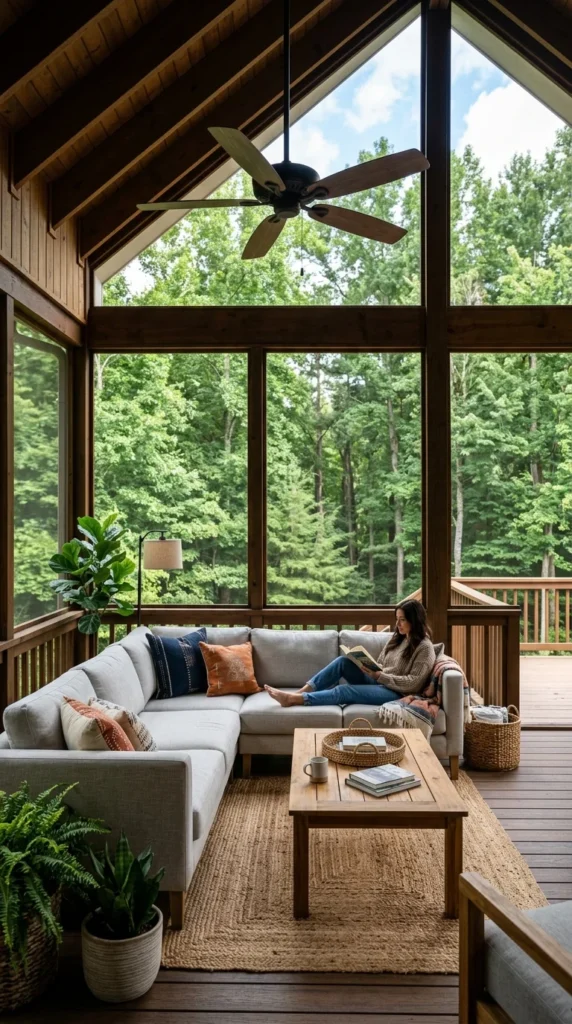
For homeowners in regions where insects or frequent rain can limit outdoor time, a screened-in section of the deck is an invaluable upgrade. By enclosing a portion of the deck with fine mesh screens and a permanent roof, you create a “three-season room” that offers the best of both worlds. This space can be furnished with plush, indoor-style sofas and rugs, providing a protected environment to enjoy the outdoors regardless of the weather or pests.
13. Composite Innovation
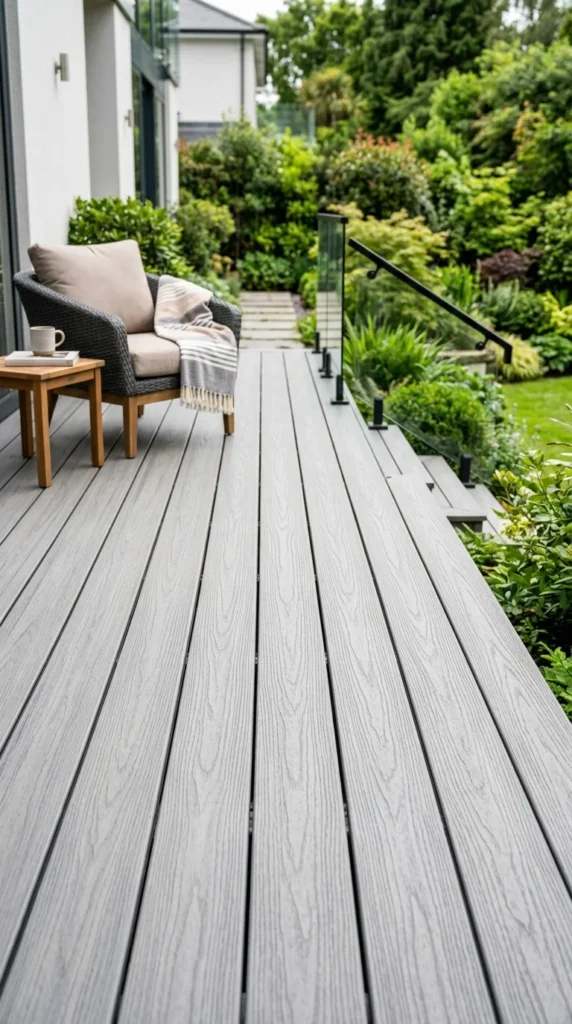
While natural wood like cedar and Ipe remains popular, high-performance composite decking has become the gold standard for longevity and low maintenance. Modern composites offer incredibly realistic wood-grain textures and a wide palette of colors that do not fade, warp, or splinter. Choosing a hidden fastening system ensures that no screw heads are visible on the surface, resulting in a sleek, furniture-grade finish. Investing in high-quality composite materials ensures that your deck upgrade remains beautiful and structurally sound for decades with minimal upkeep.