
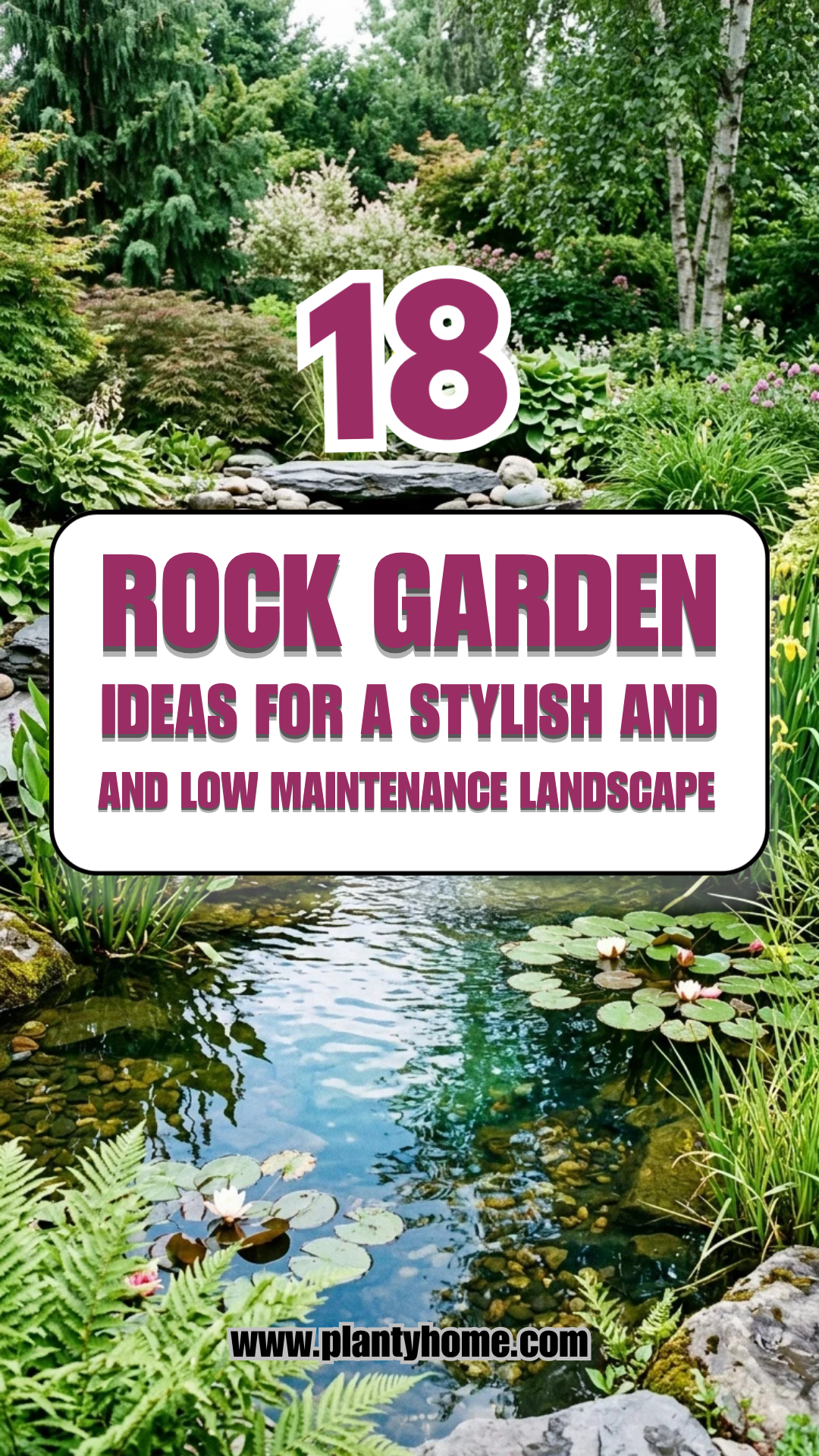
Rock gardens represent the perfect marriage between rugged natural beauty and modern convenience. As homeowners increasingly seek sustainable alternatives to water-intensive lawns, the rock garden has emerged as a premier solution for those who want a high-impact aesthetic with minimal upkeep. Whether you are dealing with a steep slope, poor soil quality, or a desire for a minimalist Zen retreat, integrating stone elements into your landscape can transform a mundane yard into a sophisticated sanctuary.
The following 18 ideas explore the versatility of stone, ranging from massive structural boulders to delicate gravel pathways, providing inspiration for every climate and architectural style.
1. Alpine Slope
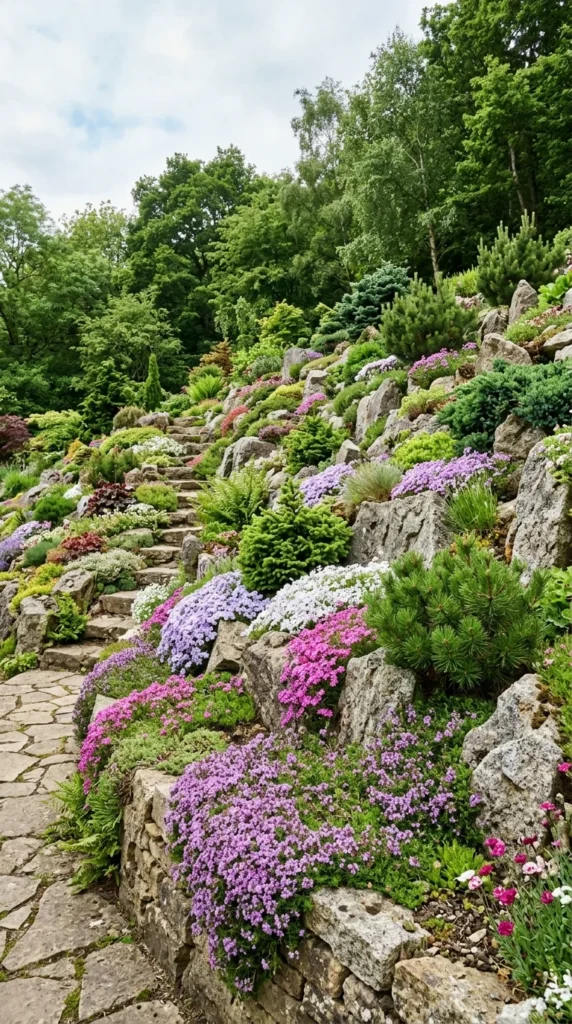
An alpine slope mimics the high-altitude environments where hardy plants thrive in rocky crevices. This design is particularly effective for properties with natural elevation changes. By burying one-third of each boulder into the earth, you create a look of “outcropping” that appears as though it has been there for centuries. To complete the look, plant low-growing perennials like aubrieta or sedum, which will spill over the rock edges, softening the hard lines of the stone.
2. Zen Sanctuary
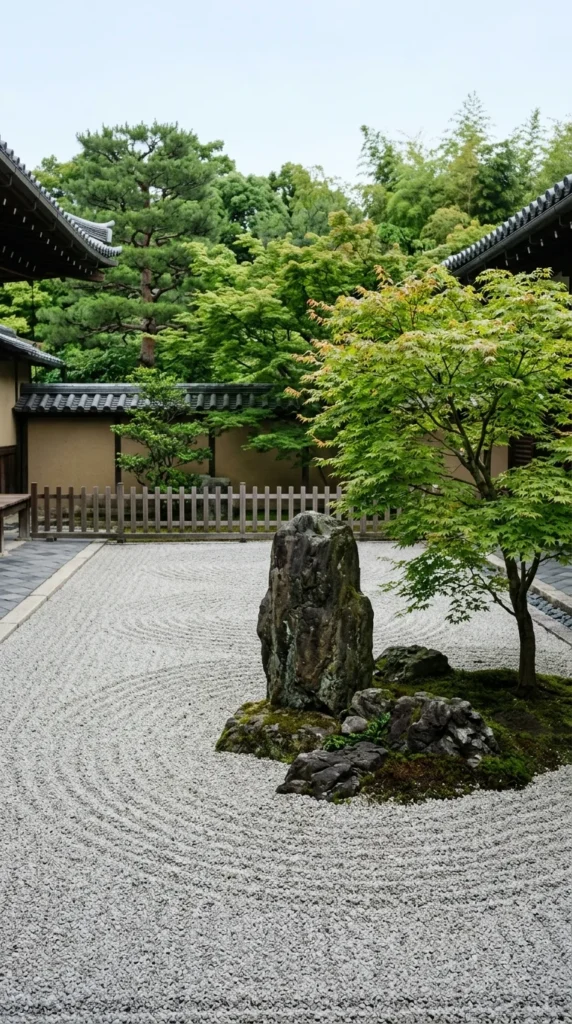
Borrowing from traditional Japanese aesthetics, a Zen rock garden focuses on negative space and mindfulness. The primary element is usually fine gravel or sand, raked into patterns that represent water ripples. A few carefully placed “island” rocks provide focal points. This style is exceptionally low-maintenance as it requires no irrigation and only occasional raking to maintain the crisp patterns.
3. Desert Minimalism
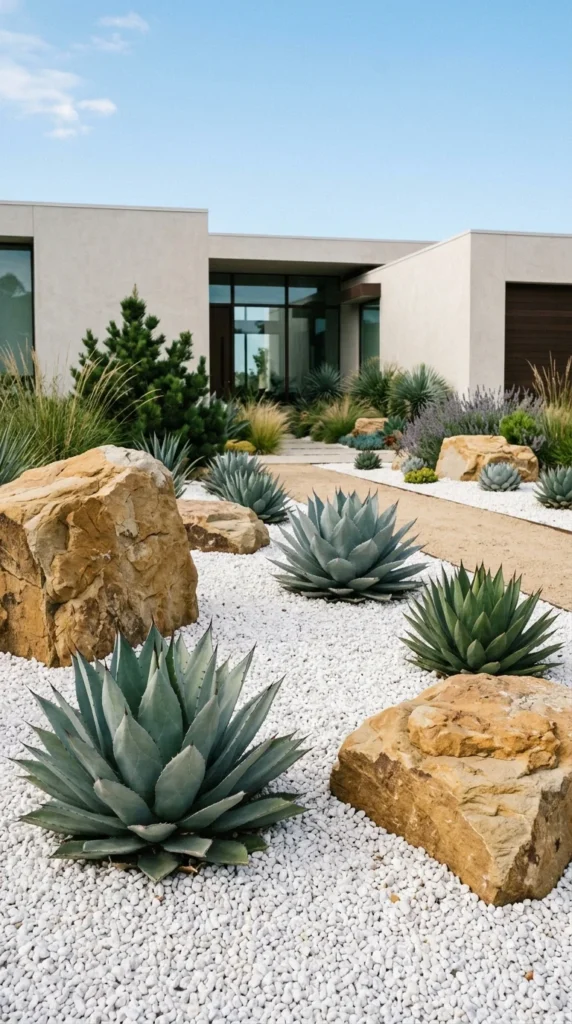
Ideal for arid climates, desert minimalism utilizes the warm tones of sandstone or red lava rock. The key is to use a limited palette of both stone and flora. Pair large, smooth boulders with architectural plants like Agave or Yucca. The contrast between the organic shapes of the succulents and the solid presence of the rocks creates a high-end, gallery-like feel in your outdoor space.
4. Riverbed Dry Stream
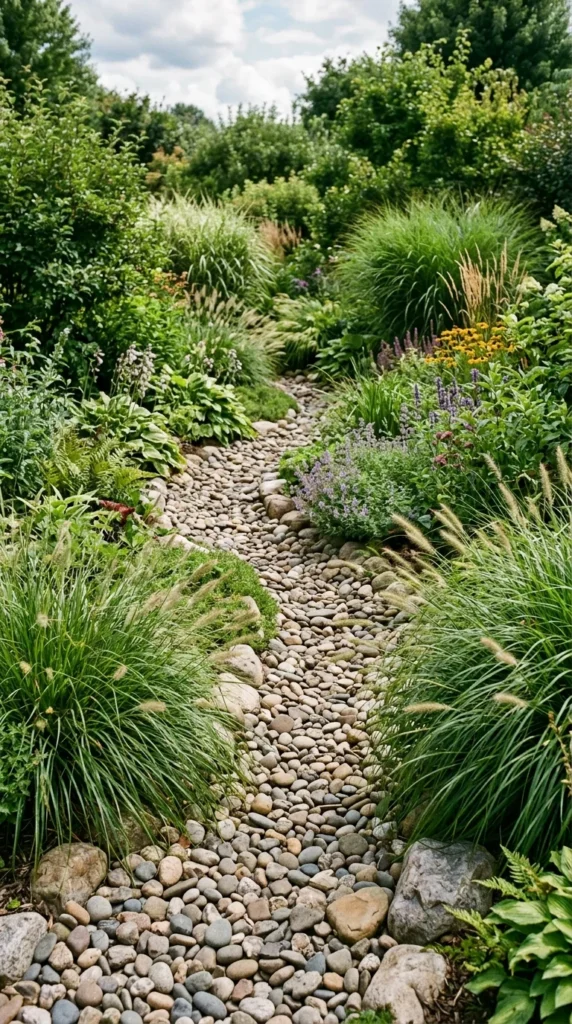
A dry stream bed is both a functional drainage solution and a visual masterpiece. By using smooth, rounded river rocks of varying sizes, you can simulate the path of a waterway. This is an excellent way to manage runoff during heavy rains while providing a permanent structural element that looks beautiful even in the dry season. Line the “banks” with moisture-loving ferns or ornamental grasses to enhance the illusion.
5. Gabion Walls
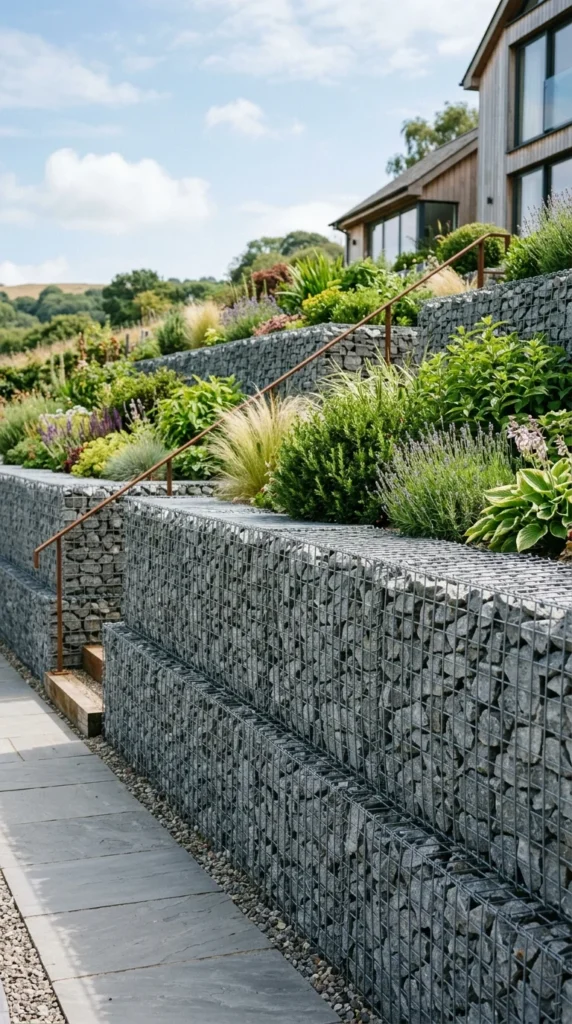
Gabion walls are wire cages filled with rocks, and they have transitioned from industrial civil engineering to high-end residential design. They offer a textured, geometric look that works perfectly in modern or industrial-style landscapes. Beyond their aesthetic appeal, they provide excellent drainage and can be used as retaining walls, seating benches, or even privacy dividers.
6. Stepping Stones
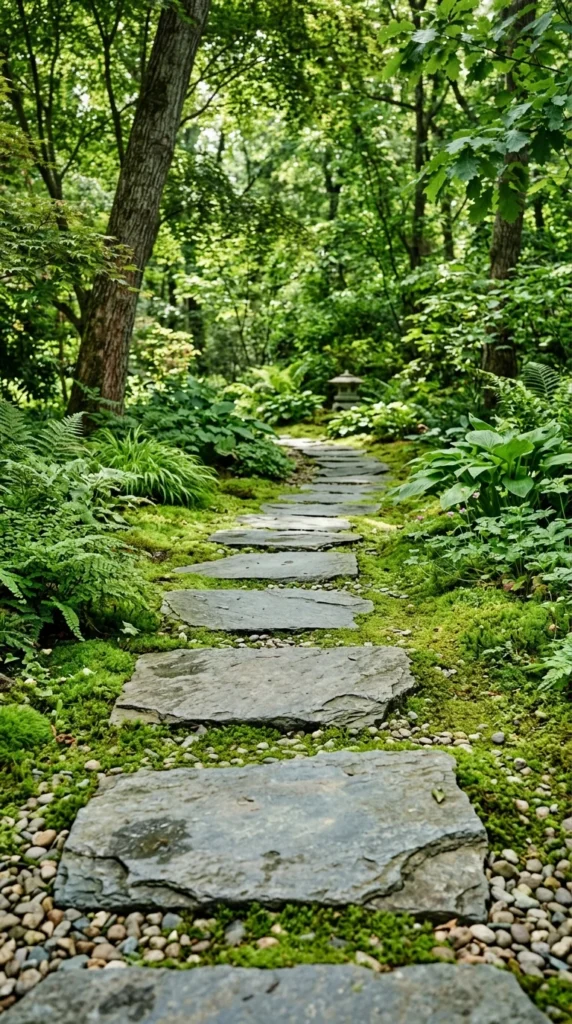
Integrating large, flat stones as a pathway creates an immediate sense of journey through the garden. Unlike poured concrete, stepping stones allow for permeability, meaning rainwater can soak back into the ground. For a stylish touch, fill the gaps between the stones with “steppable” ground covers like Irish Moss or Corsican Mint, which release a pleasant aroma when trodden upon.
7. Boulder Accents
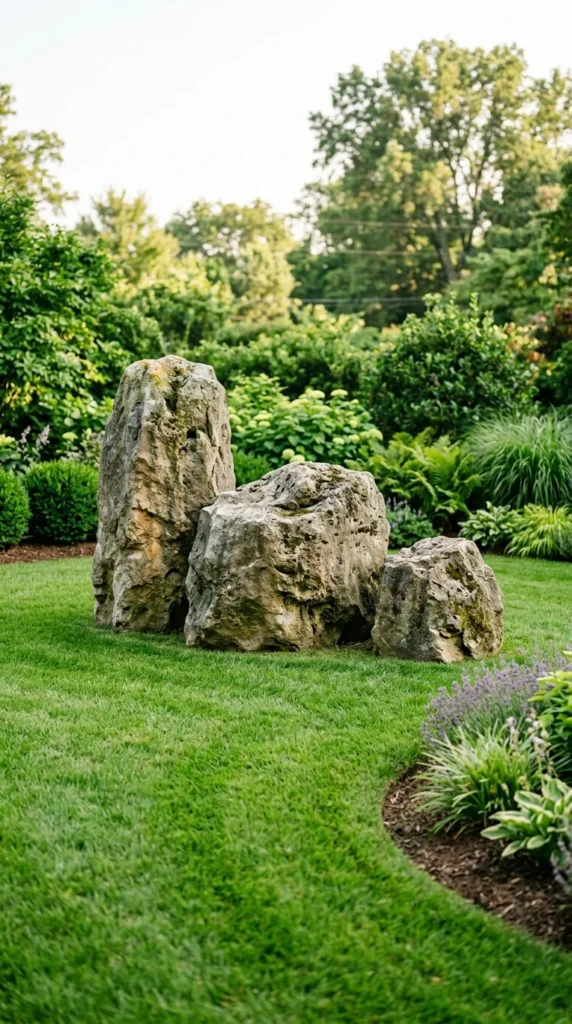
You don’t need a massive rock garden to enjoy the benefits of stone. A “rule of three” approach involves placing a cluster of boulders of varying sizes to serve as a natural sculpture. This adds vertical interest and a sense of permanence to a flat landscape. Choose rocks that have interesting textures, such as lichen growth or deep fissures, to provide year-round visual intrigue.
8. Gravel Paths
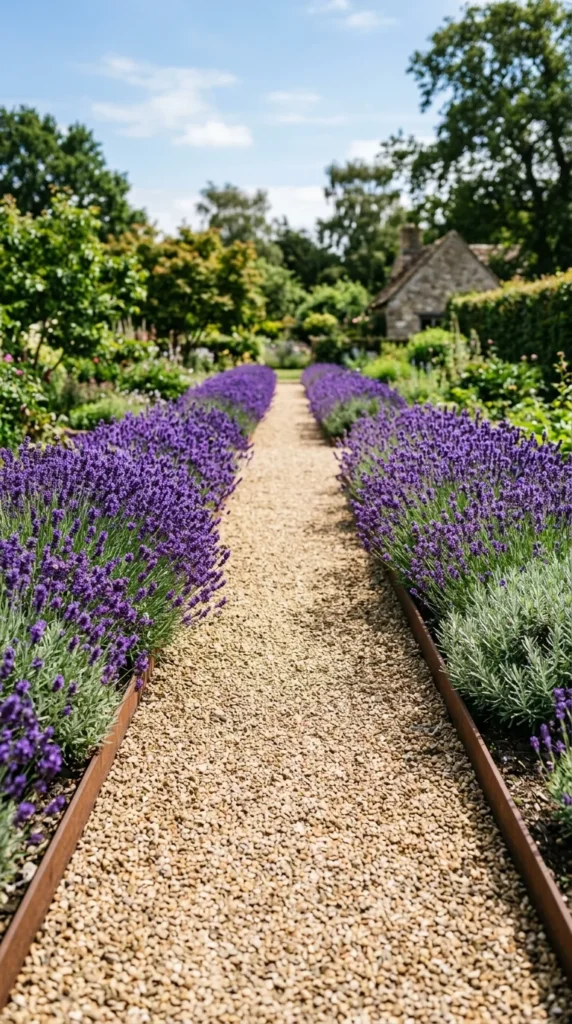
Gravel is the ultimate low-maintenance ground cover. It is inexpensive, easy to install, and provides a satisfying crunch underfoot. To keep it looking stylish, use a metal or bender board edging to maintain clean lines. Choose a gravel color that complements your home’s exterior—light tan for a Mediterranean feel or dark charcoal for a contemporary look.
9. Coastal Shoreline
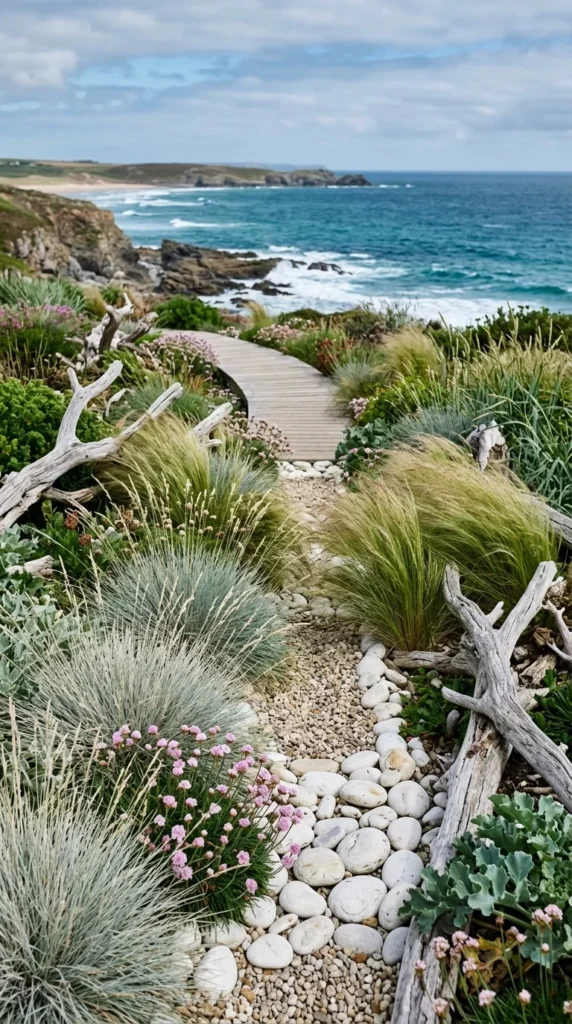
Bring the beach to your backyard by using smooth, water-worn stones and bleached driftwood. This style works best with a palette of whites, grays, and soft blues. Plant salt-tolerant species like Sea Kale or Blue Fescue to complete the maritime atmosphere. It is a relaxing, breezy aesthetic that requires virtually no pruning or fertilization.
10. Vertical Crevice
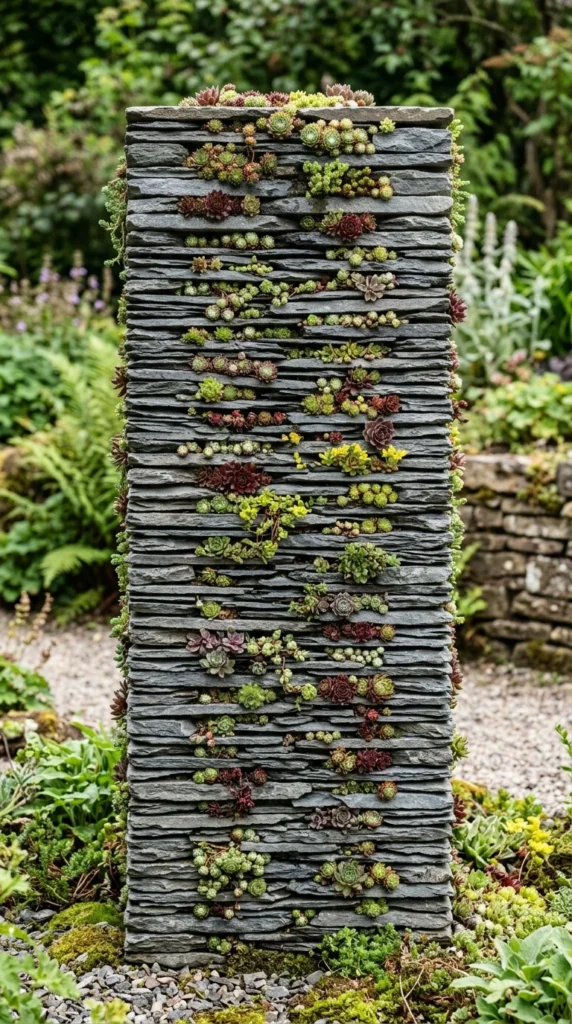
A crevice garden is a specialized form of rock gardening where stones are placed vertically or at a steep angle, mimicking natural rock strata. This creates deep, cool root zones for plants that might otherwise struggle with heat. It is a highly artistic approach that turns the garden into a living wall of stone and flora, perfect for small urban spaces.
11. Terraced Slopes
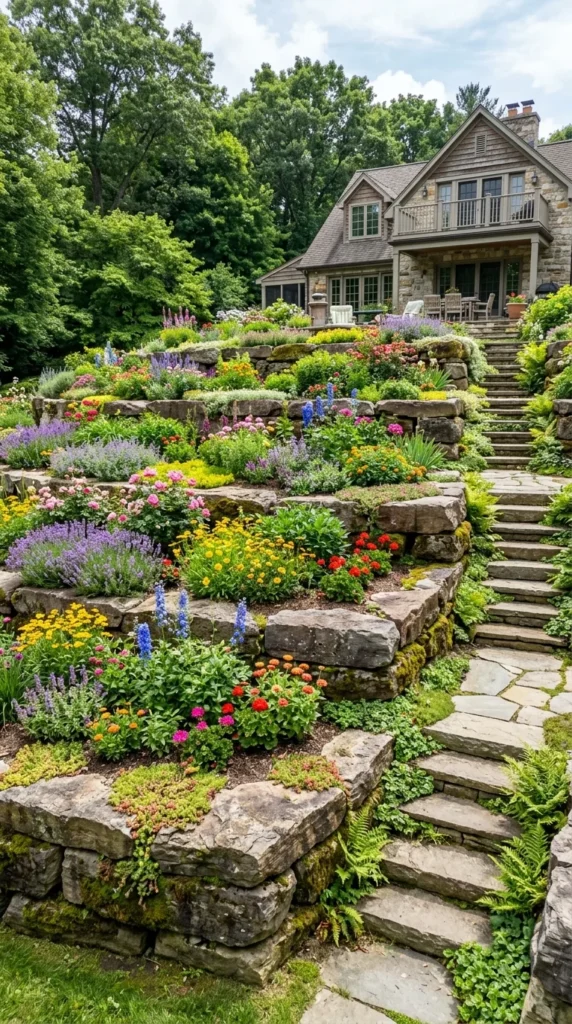
If your property is on a steep incline, rocks are your best friend. Creating terraces using large flat stones prevents erosion and creates usable planting “pockets.” This turns a difficult-to-mow hillside into a tiered display of color and texture. The rocks act as heat sinks, warming the soil during the day and protecting plant roots during cool nights.
12. Water Features
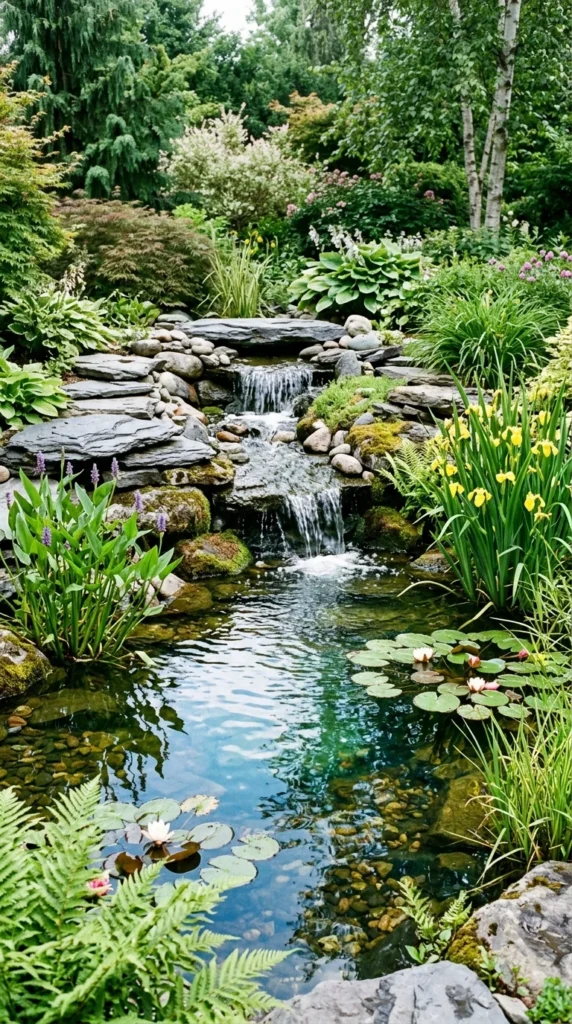
Rocks and water are a natural pairing. Whether it’s a simple bubbling basalt column or a complex waterfall, stones provide the framework for movement and sound. Using rocks of different sizes helps to break up the water flow, creating that soothing “babbling brook” sound that can mask neighborhood noise and create a private oasis.
13. Succulent Pockets
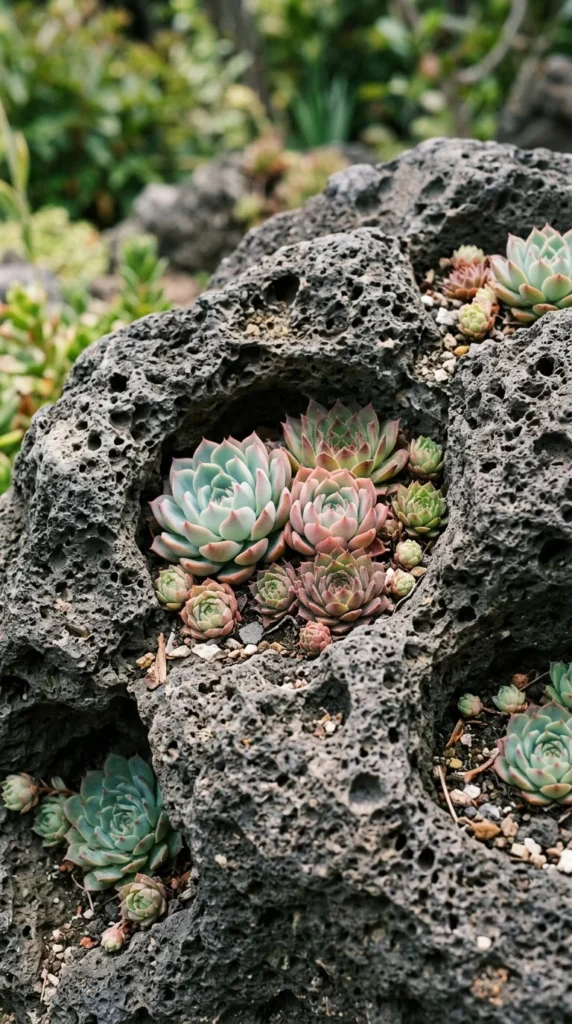
Rocks with natural holes or porous surfaces, such as tufa or lava rock, make excellent natural planters. Tucking small succulents into these “pockets” creates a miniature ecosystem. Because succulents require very little water and the rock provides excellent drainage, these displays can thrive for years with almost zero intervention.
14. Flagstone Patio
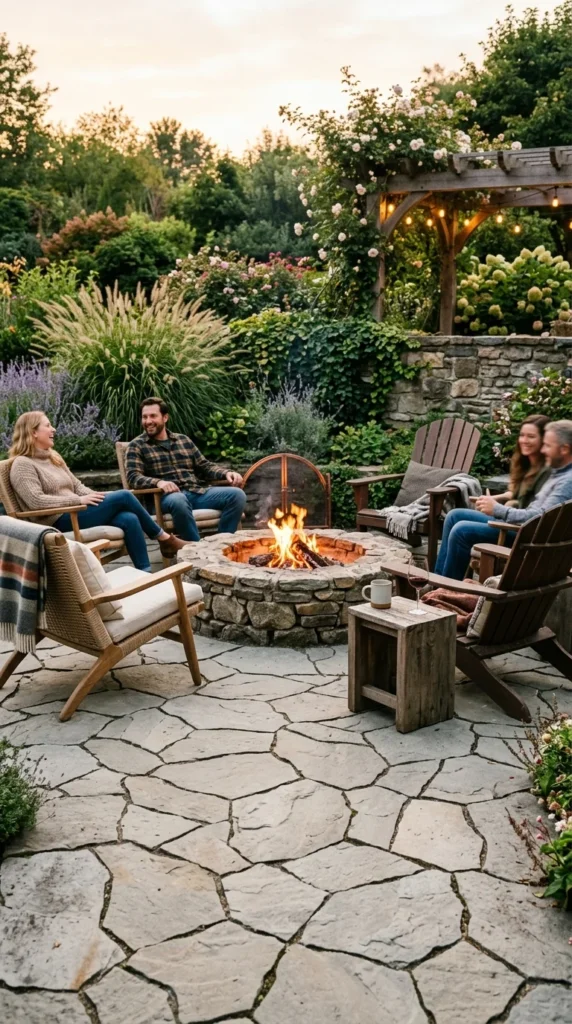
A flagstone patio offers a more organic, high-end alternative to traditional pavers or decking. The irregular shapes and natural color variations of the stone ensure that no two patios are exactly alike. It’s a durable surface that withstands the elements and provides a solid foundation for outdoor furniture and fire pits.
15. Woodland Edge
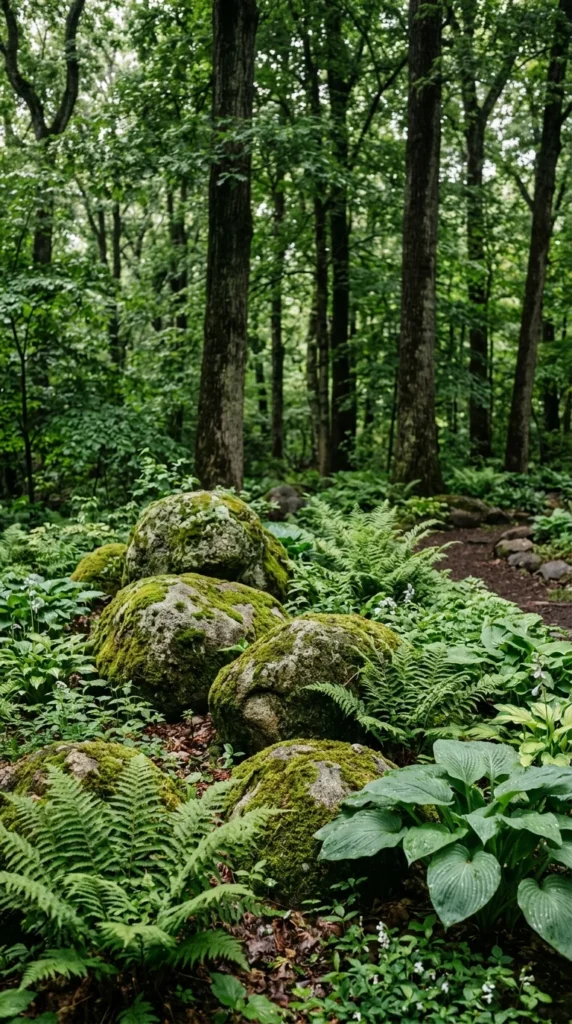
In shaded areas of the yard, rocks can be used to anchor a woodland-style garden. Soft, rounded boulders covered in moss or lichen look right at home alongside ferns and hostas. This style emphasizes cool greens and organic textures, creating a refreshing retreat from the summer sun.
16. Modern Geometry
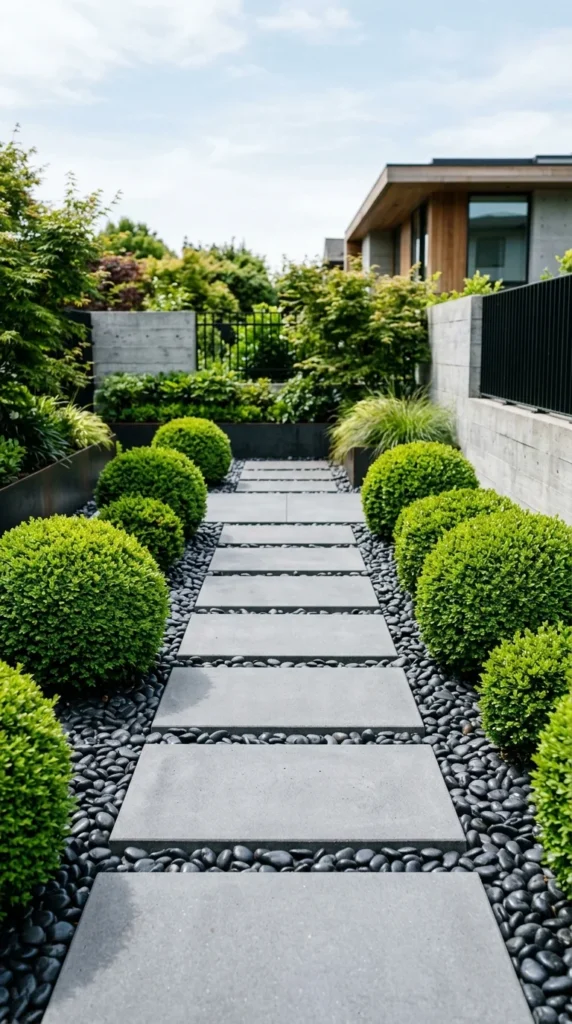
For those who prefer a clean, architectural look, use stones in geometric arrangements. Square pavers set into a bed of dark Mexican beach pebbles create a striking contrast. This style relies on precision and symmetry, making it a perfect match for contemporary homes with glass and steel elements.
17. Native Grasses
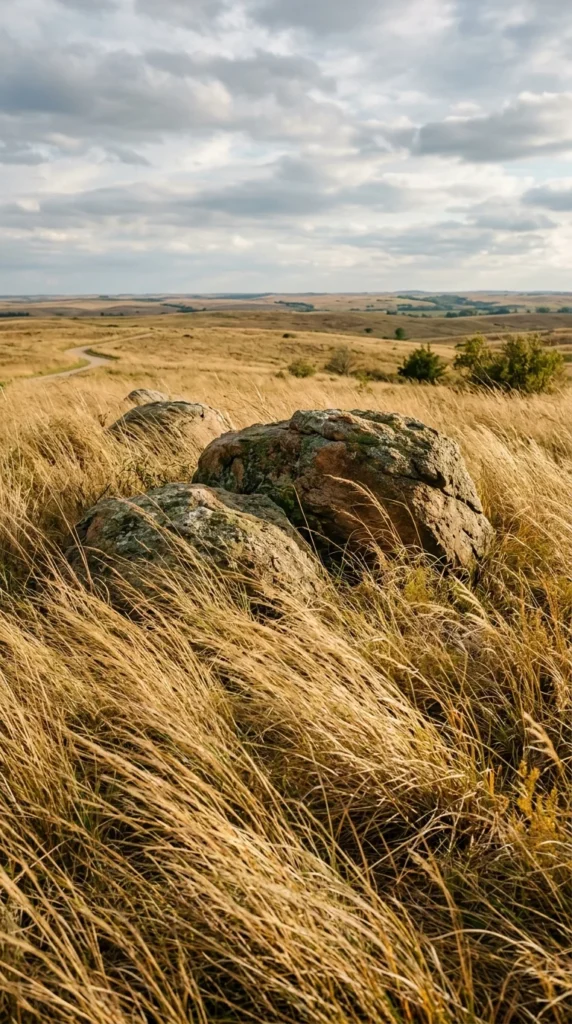
Pairing rocks with native grasses creates a landscape that is both beautiful and ecologically responsible. The solid, unmoving presence of the rocks provides a perfect foil to the light, airy movement of grasses like Switchgrass or Little Bluestem. This combination is highly drought-tolerant and provides essential habitat for local birds and pollinators.
18. Lighting Effects
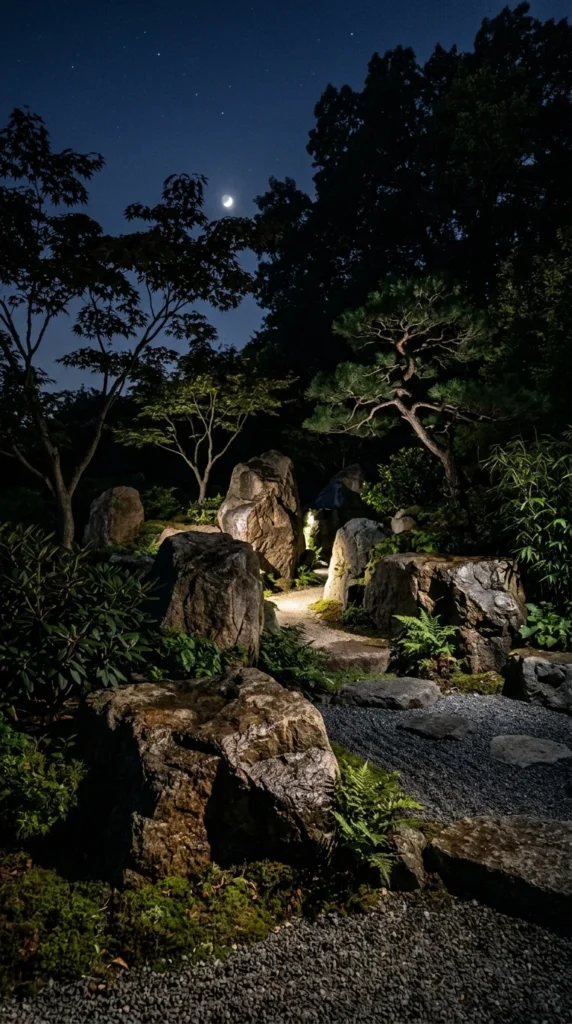
The beauty of a rock garden shouldn’t disappear when the sun goes down. Uplighting large boulders or silhouetting them against a wall can create a dramatic, theatrical effect. Low-voltage LED lights tucked between stones can also illuminate pathways, ensuring that the garden is both safe and stunning during the evening hours.
Conclusion: Maintaining Your Stone Landscape
While rock gardens are marketed as low-maintenance, they are not “no-maintenance.” To keep your landscape looking its best, consider these professional tips:
- Weed Prevention: Always use a high-quality landscape fabric beneath your gravel or rocks to prevent weeds from poking through.
- Leaf Management: Use a leaf blower rather than a rake to remove debris from gravel areas to avoid disturbing the stones.
- Stone Choice: Choose stones that are native to your region for the most natural look and to minimize transportation costs.
- Scale: Ensure the size of your rocks is proportional to your house and yard. Small stones can look cluttered in a large yard, while massive boulders can overwhelm a small courtyard.
By thoughtfully integrating these rock garden ideas, you can create a sustainable, stylish, and enduring landscape that adds significant value and beauty to your home.