

Succulents are celebrated for their resilience and low-maintenance nature, but they possess a significant vulnerability: fungal pathogens. Often caused by overwatering, poor drainage, or high humidity, fungal infections can quickly compromise the structural integrity and aesthetic beauty of these desert plants. Identifying the early signs of fungus is critical for intervention and recovery.
1. Yellowing Leaves
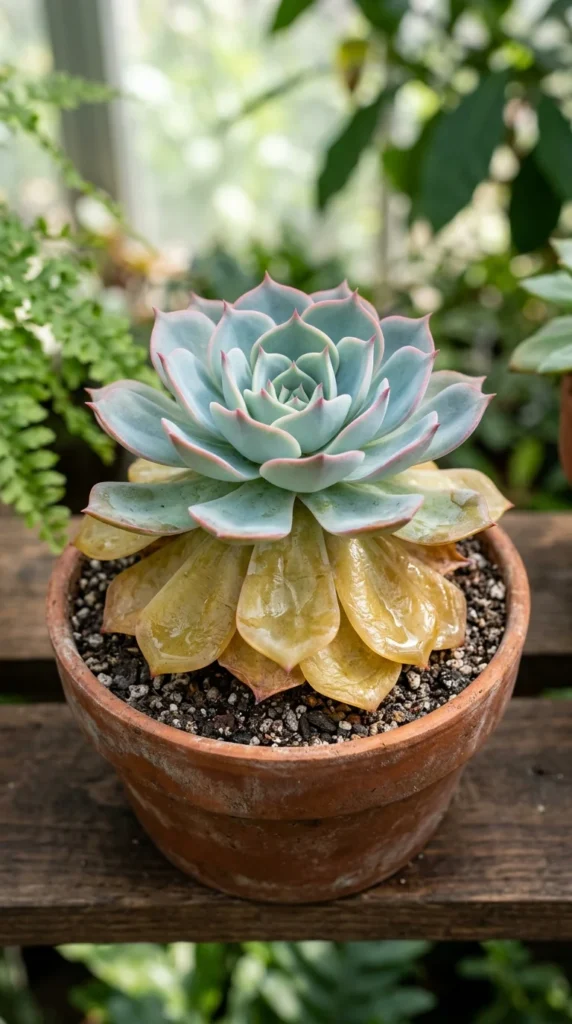
Yellowing, or chlorosis, is often the first red flag. While it can indicate a nutrient deficiency, in succulents, it frequently points to the early stages of root rot caused by soil-borne fungi. The leaves lose their deep green or blue hues and become pale, indicating the root system is no longer effectively processing nutrients and water.
2. Black Spots
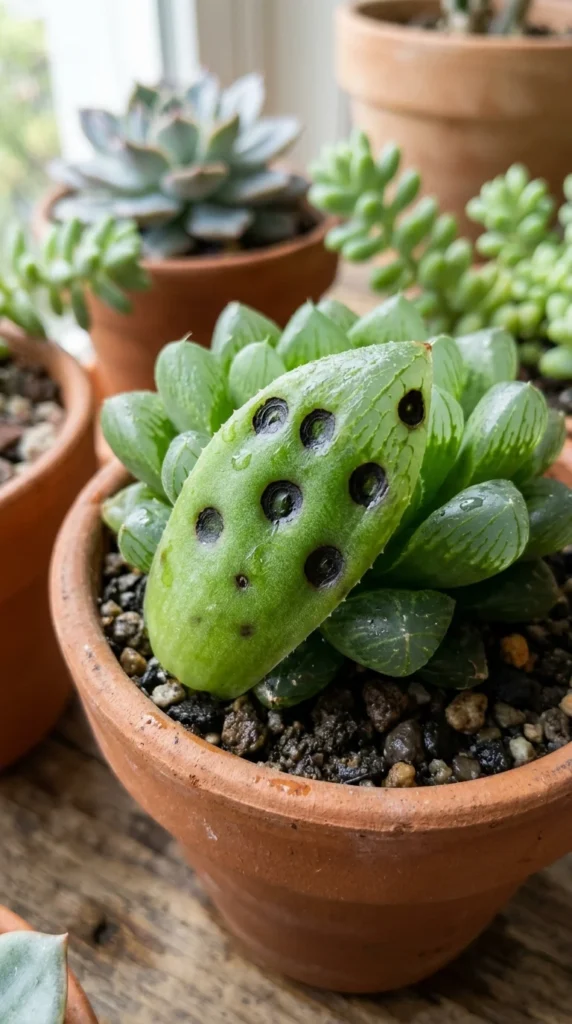
Small, dark, circular spots on the foliage are a classic sign of a fungal infection, often Anthracnose or Phyllosticta. These spots may start small but can coalesce into larger necrotic patches. If the spots feel soft to the touch, the fungus is actively consuming the plant tissue.
3. White Fuzz
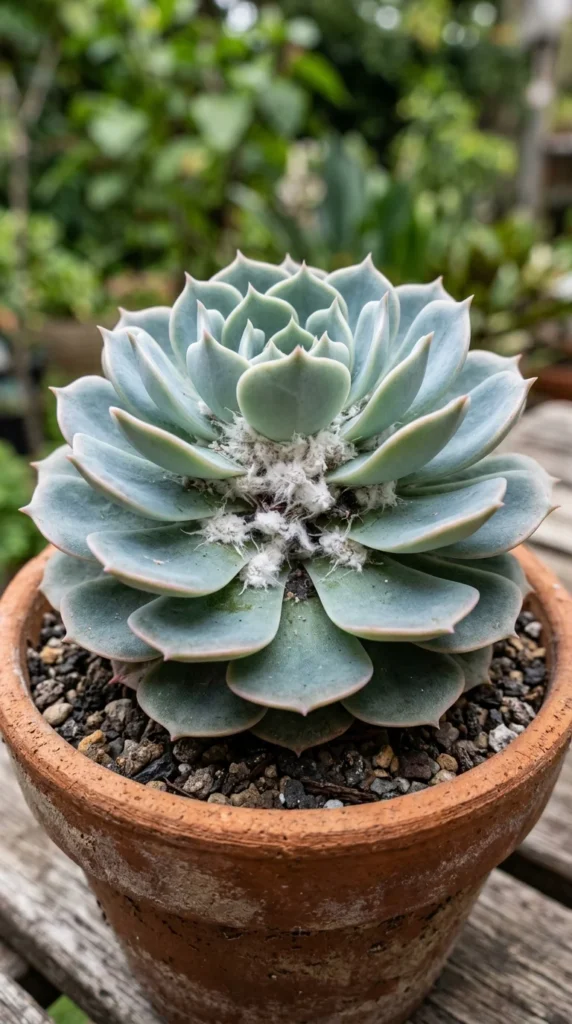
Often mistaken for mealybugs, white fuzzy growth is usually a sign of Botrytis or a similar fungal colony. This mold thrives in humid environments with poor air circulation. It typically begins at the base of the plant or in the tight crevices where moisture becomes trapped.
4. Mushy Stem
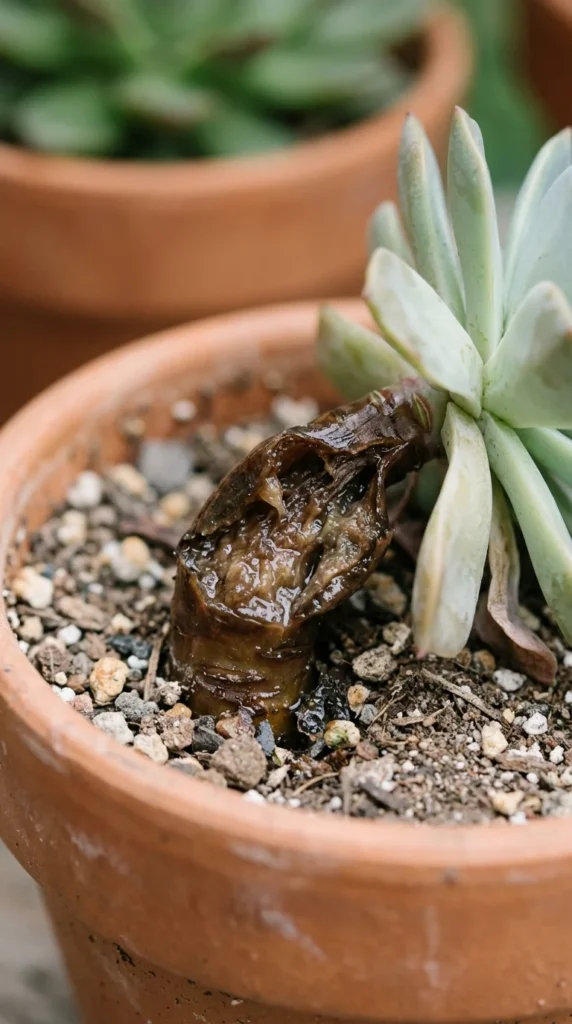
When a succulent stem becomes soft, dark, and mushy at the soil line, it is a definitive sign of advanced stem rot. This is usually caused by Fusarium or Phytophthora fungi. Once the stem loses its rigidity, the vascular system is compromised, making it difficult for the plant to survive without surgical intervention.
5. Orange Rust
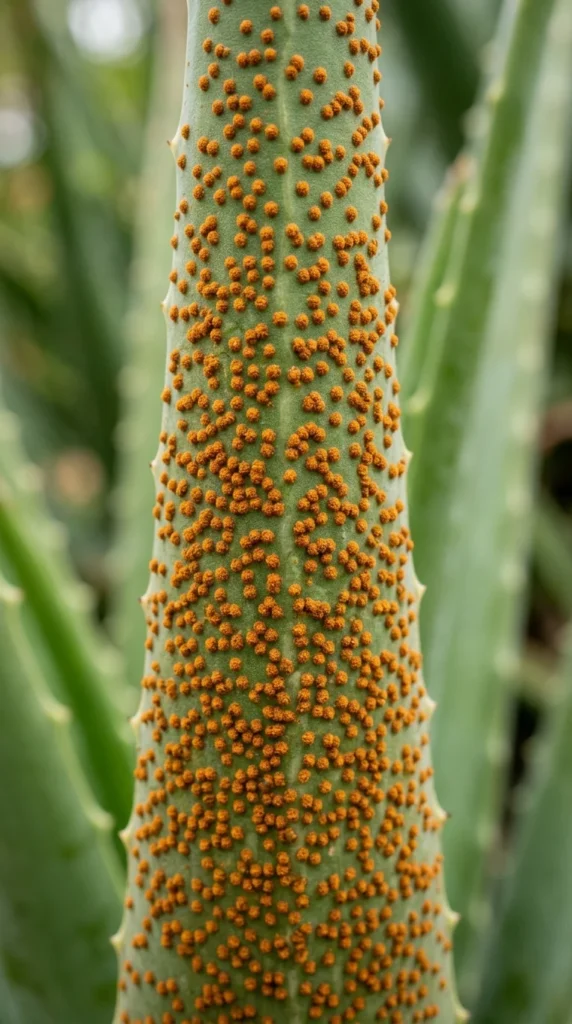
Rust is a specific fungal disease that manifests as orange, yellow, or rust-colored pustules on the undersides of leaves. These pustules contain spores that can easily spread to neighboring plants via wind or water splashes. It is particularly common in cooler, damp climates.
6. Gray Mold
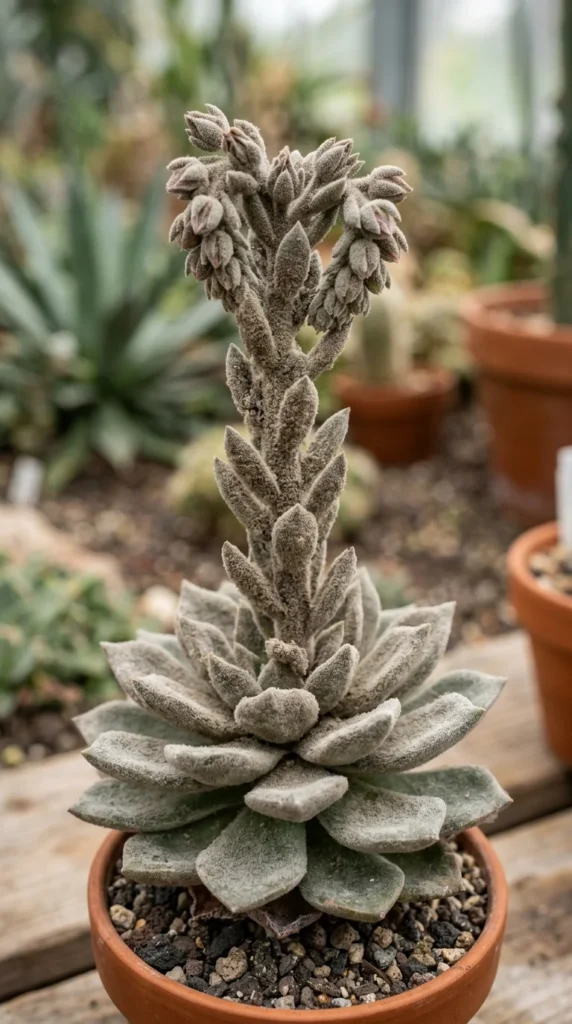
Botrytis cinerea, or gray mold, often targets the spent blooms or weakened tissues of succulents. It appears as a dusty gray coating that can quickly spread to healthy leaves if the environment remains damp and stagnant.
7. Powdery Coating
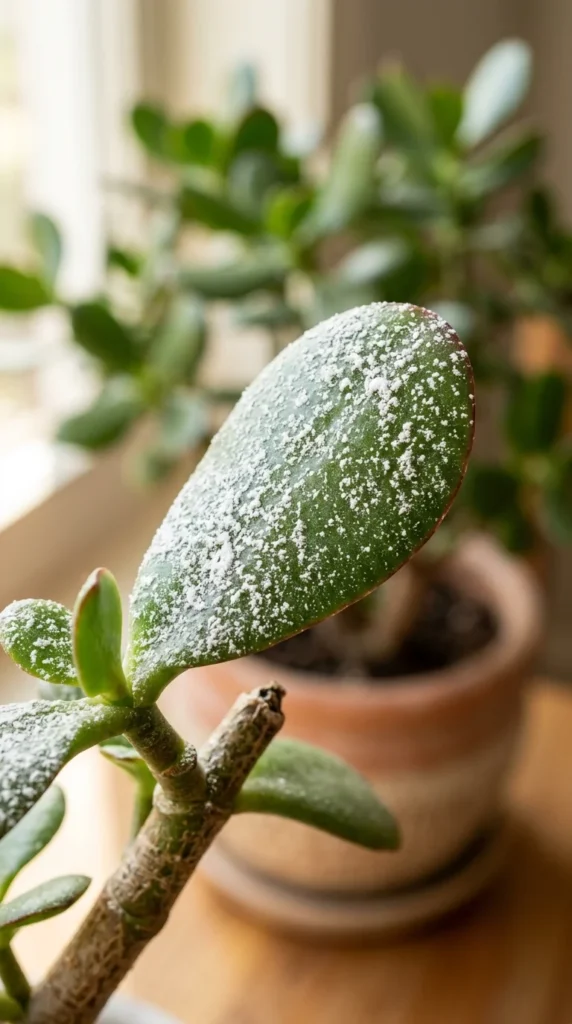
Powdery mildew presents as a white or light gray powdery substance on the leaf surfaces. Unlike dust, it cannot be easily wiped away without damaging the plant skin. It thrives in high humidity and can cause the leaves to become stunted or distorted over time.
8. Leaf Drop
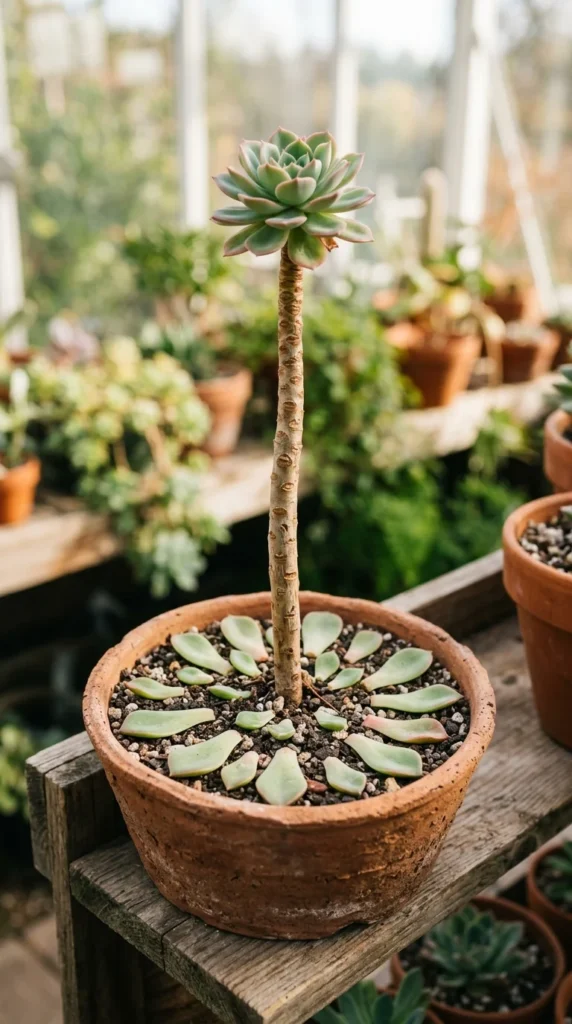
While succulents naturally shed older leaves, a sudden drop of healthy, turgid leaves is a sign of internal distress. This “dropping” is often a defensive reaction to a fungal infection at the root level, as the plant attempts to shed mass to survive.
9. Brown Patches
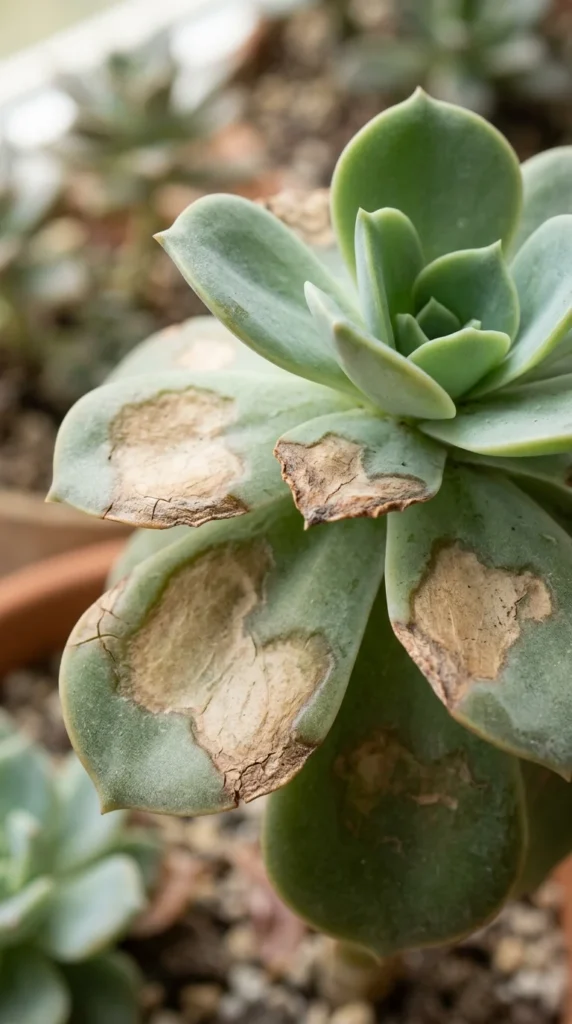
Brown, leathery patches that appear on the leaves are often a sign of “corking” or a fungal blight. If the patches are soft, it is active rot; if they are dry, it may be the plant’s attempt to compartmentalize a previous infection.
10. Root Rot

Root rot is the “silent killer” of succulents. Since it occurs underground, it is often missed until the plant is in severe decline. Healthy roots should be firm and light-colored; fungal-infected roots are black, slimy, and emit a distinct earthy, sour smell.
11. Dark Veins
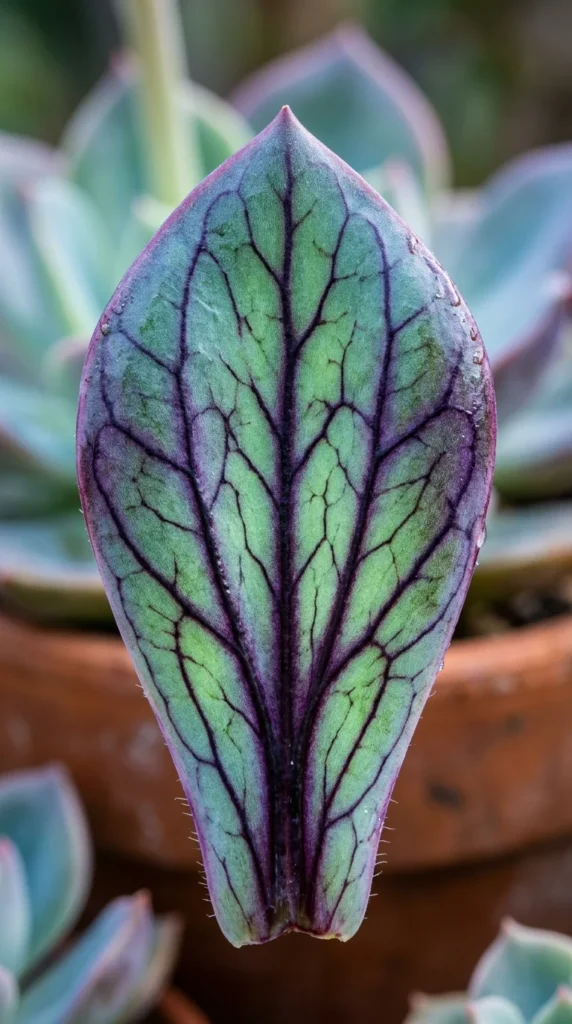
In some cases, fungal pathogens enter the plant’s vascular system. This can cause the veins of the leaves to darken significantly, creating a web-like pattern of decay that moves from the center of the plant outward.
12. Cottony Growth
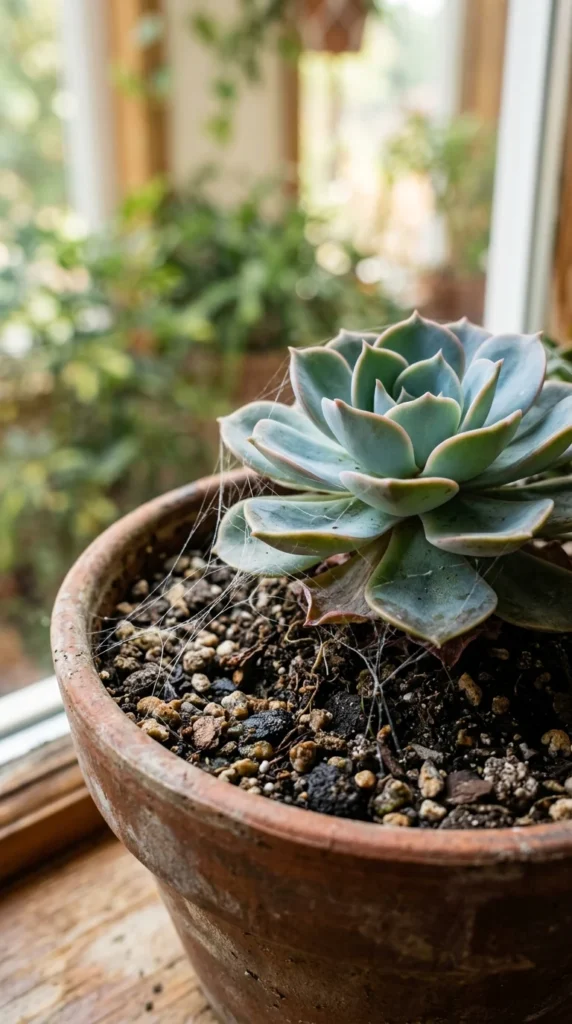
This is often a sign of soil-borne fungi like Sclerotium rolfsii. The cottony white threads, or mycelium, can spread across the soil surface and eventually climb the plant, leading to rapid wilting and collapse.
13. Concentric Rings

Target-shaped spots with concentric rings are a hallmark of certain fungal leaf spots. This pattern indicates cycles of fungal growth and spore release, showing how the infection is progressively moving through the plant tissue.
14. Stem Cankers
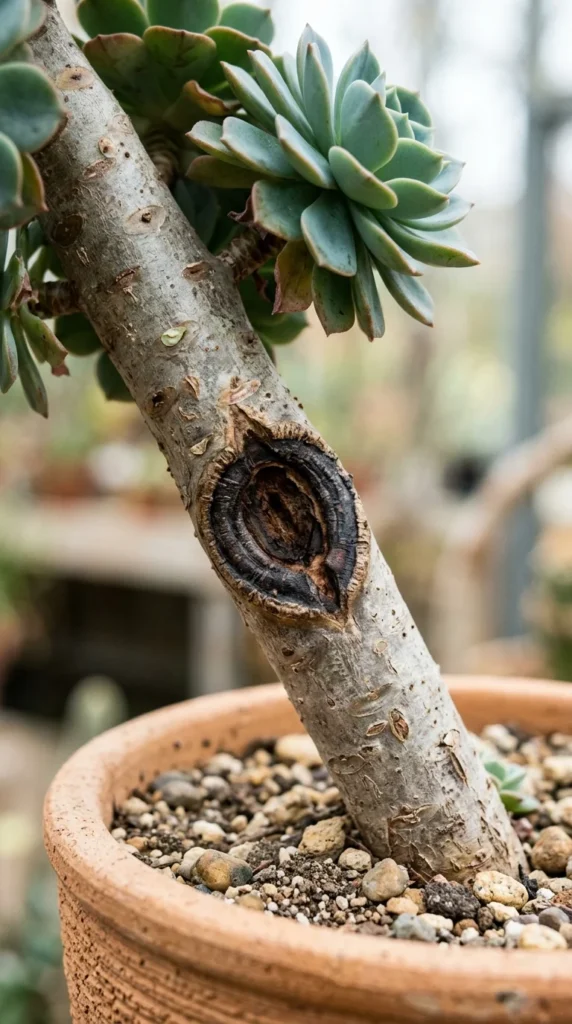
Cankers are localized areas of dead bark or tissue on the stems of succulents. They are often caused by fungi entering through a wound. These cankers can eventually girdle the stem, cutting off the flow of water and nutrients to the upper parts of the plant.
15. Shriveled Base
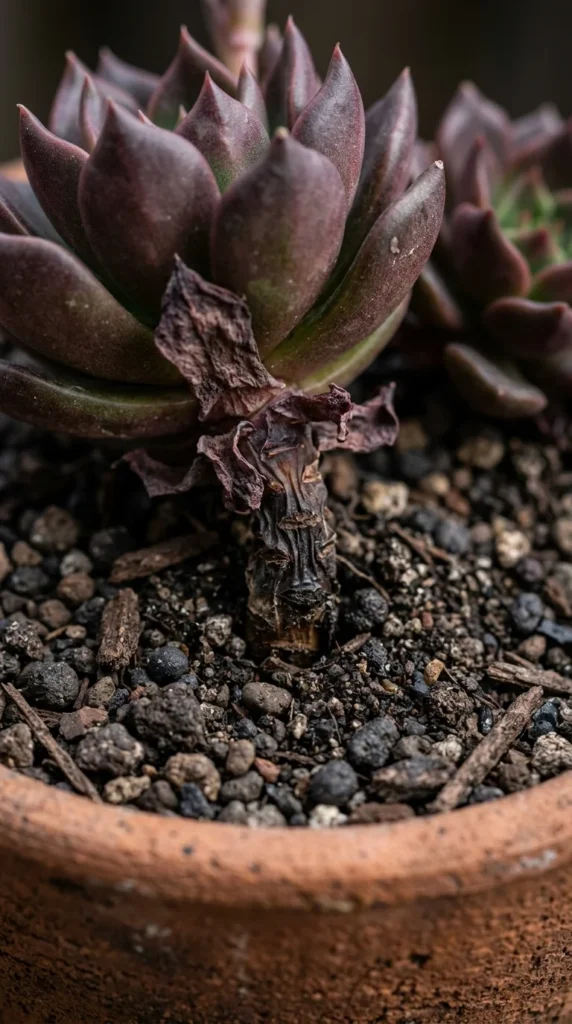
A shriveled or “pinched” base indicates that the fungus has successfully compromised the main “trunk” of the succulent. Even if the top of the plant looks healthy, a shriveled base means the connection to the roots is dying.
16. Sticky Residue
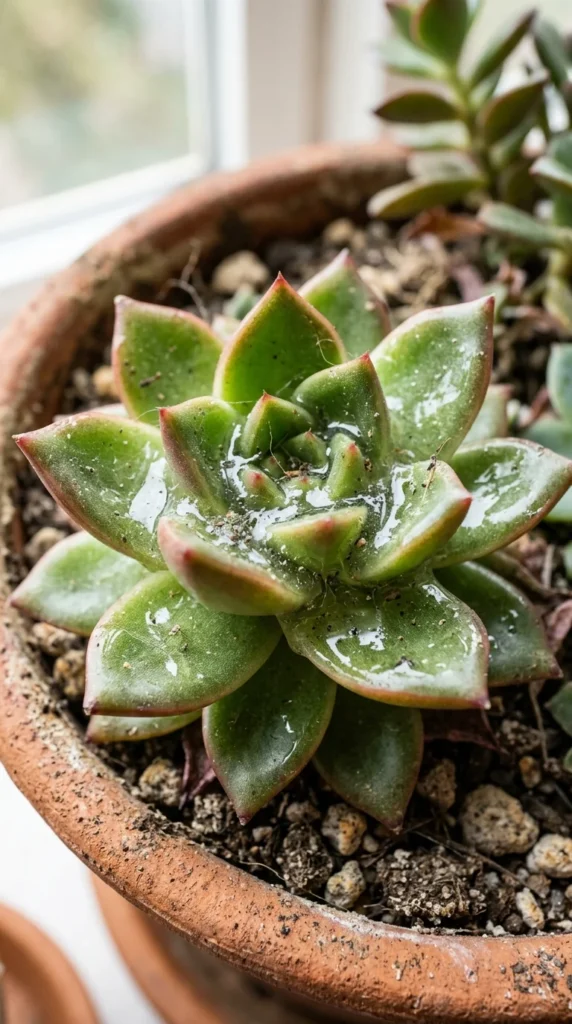
While often associated with pests like aphids, a sticky residue (honeydew) can lead to the growth of sooty mold. This fungus doesn’t feed on the plant itself but grows on the sticky secretions, eventually blocking sunlight and inhibiting photosynthesis.
17. Black Sooty Mold
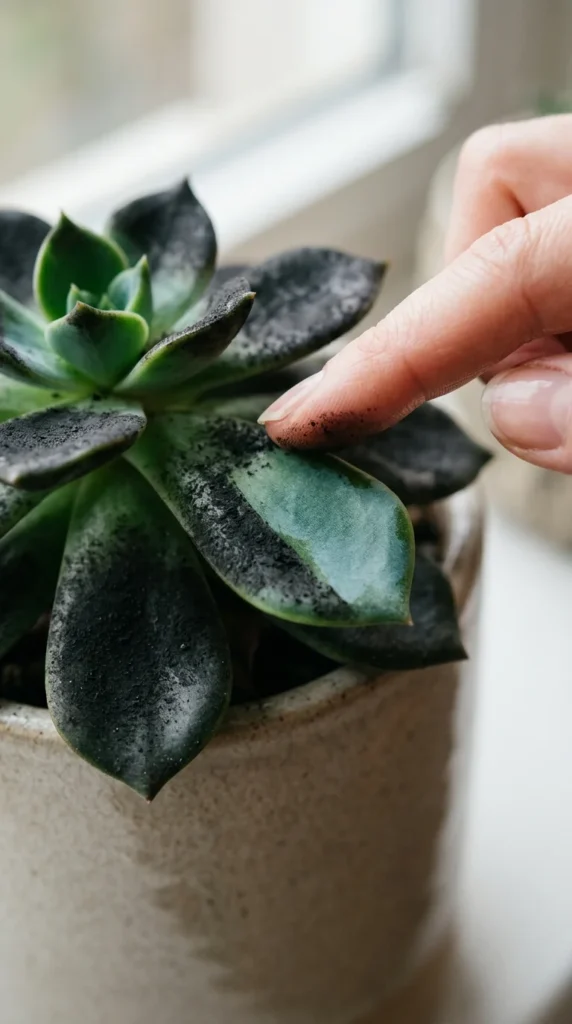
Sooty mold looks like a layer of charcoal dust on the plant. It is a secondary fungal infection that arises when insects are present. If left untreated, it can suffocate the leaves and cause the plant to weaken and die.
18. Foul Odor

A healthy succulent and its soil should have no discernible scent. If you notice a pungent, rotting, or sulfuric smell, it is a sign that anaerobic fungi and bacteria are feasting on decaying organic matter in the root zone.
19. Red Pustules
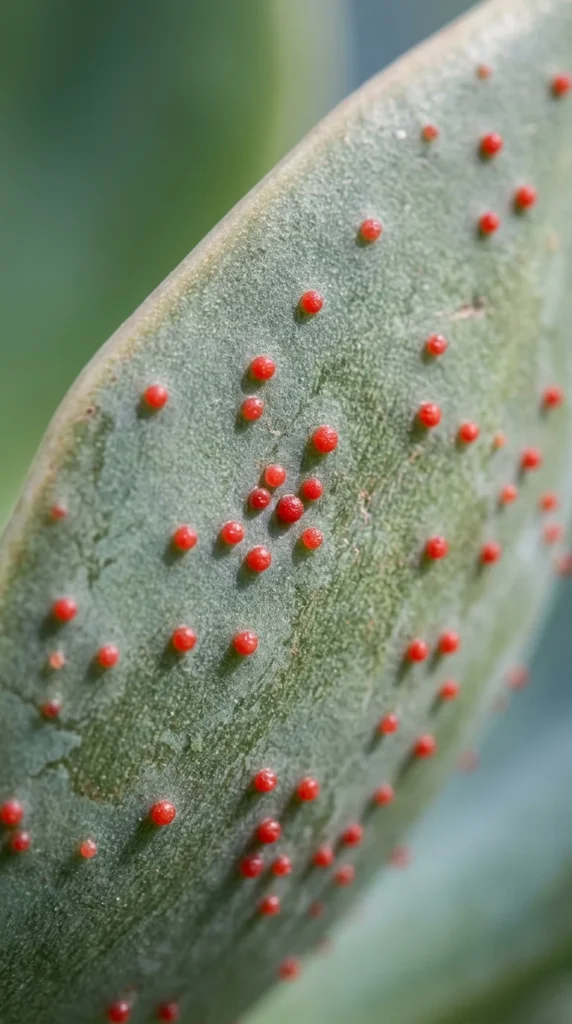
Similar to orange rust, red pustules are a sign of a specific fungal pathogen. These are often seen on tropical-leaning succulents that have been exposed to too much moisture and not enough light.
20. Translucent Leaves

When fungus attacks the cell walls of a succulent, the internal structure collapses, causing the leaf to appear translucent or “water-logged.” This is a precursor to the leaf turning mushy and falling off.
21. Crown Rot
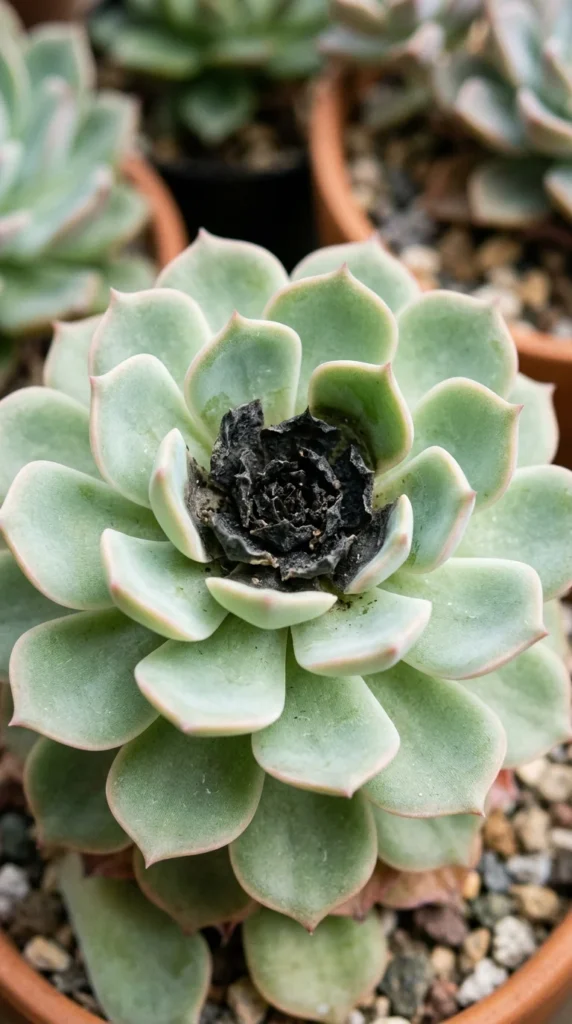
Crown rot is particularly devastating because it attacks the growth point of the plant. If the center of the rosette turns black or mushy, the plant can no longer produce new leaves, and the infection will likely spread downward.
22. Sudden Wilting
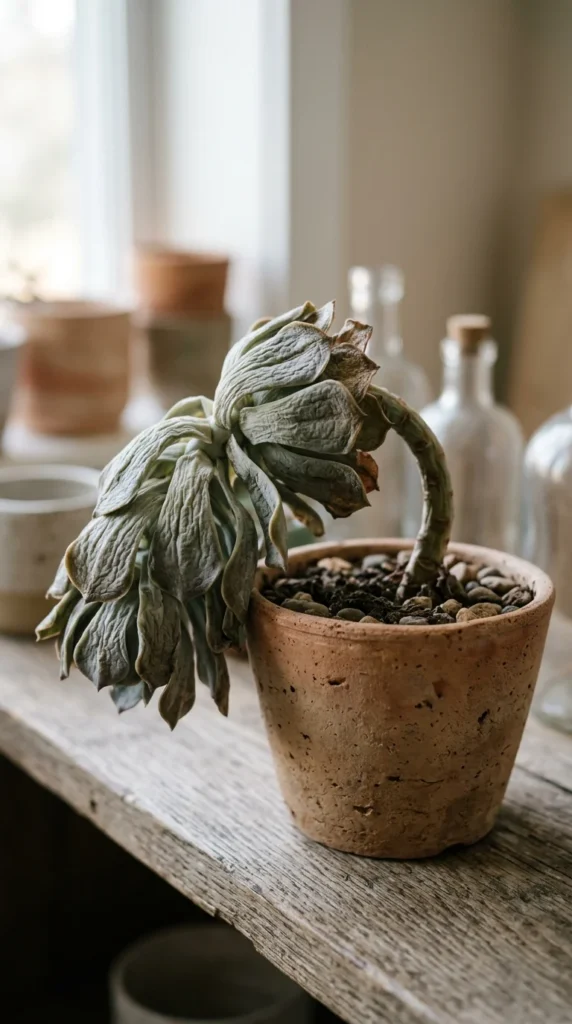
Wilting is usually associated with underwatering, but if the soil is damp and the plant is wilting, it is a sign of fungal root damage. The plant is unable to draw up water because the roots have been destroyed by the fungus.
23. Pale Center
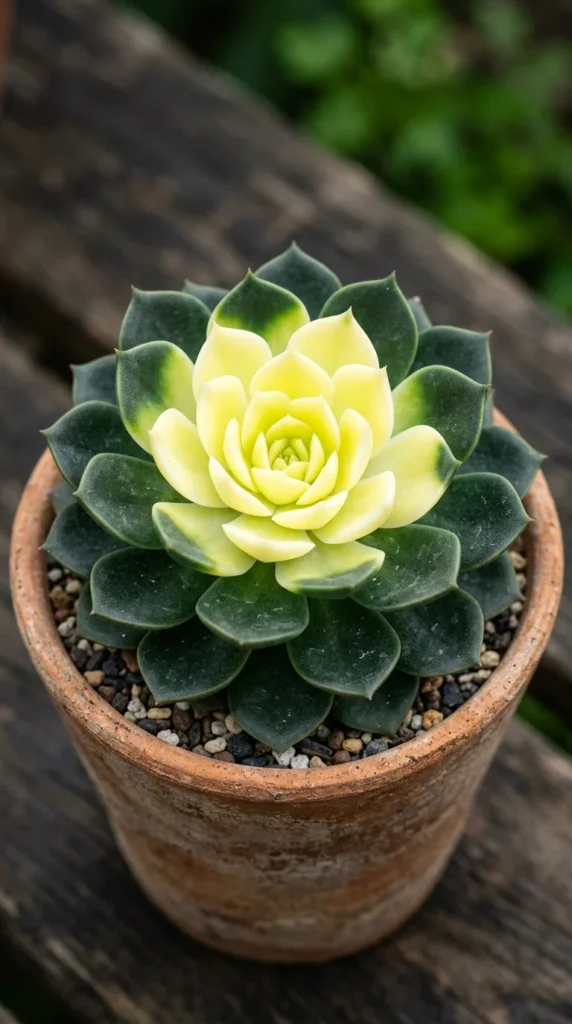
A pale center can indicate that the plant is under stress from a fungal pathogen affecting its ability to produce chlorophyll. This is often seen in succulents kept in low-light, high-moisture environments.
24. Distorted Growth
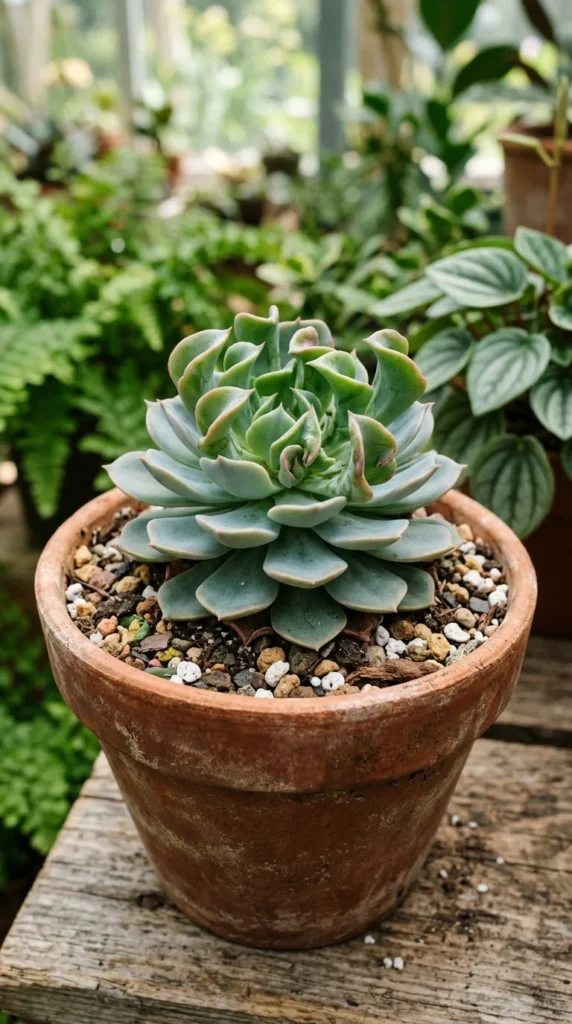
Fungal infections can interfere with a plant’s growth hormones. This results in “atypical” growth, where new leaves emerge misshapen, curled, or significantly smaller than they should be.
25. White Spots
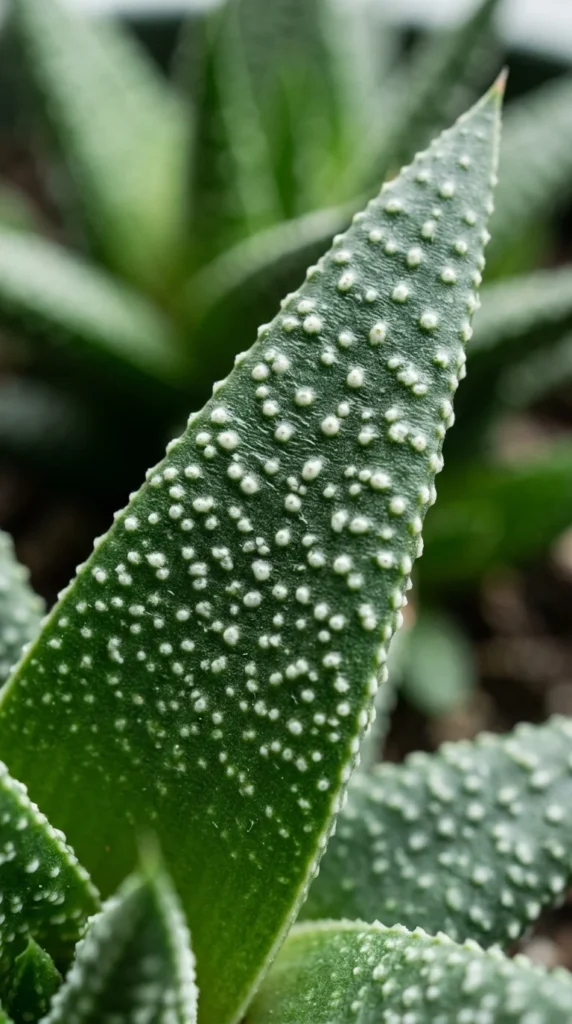
Small white spots that look like pits can be the result of a fungal infection that has been “scarred” over. While the fungus may be dormant, these spots indicate a history of infection and a need for better environmental controls.
26. Wet Lesions
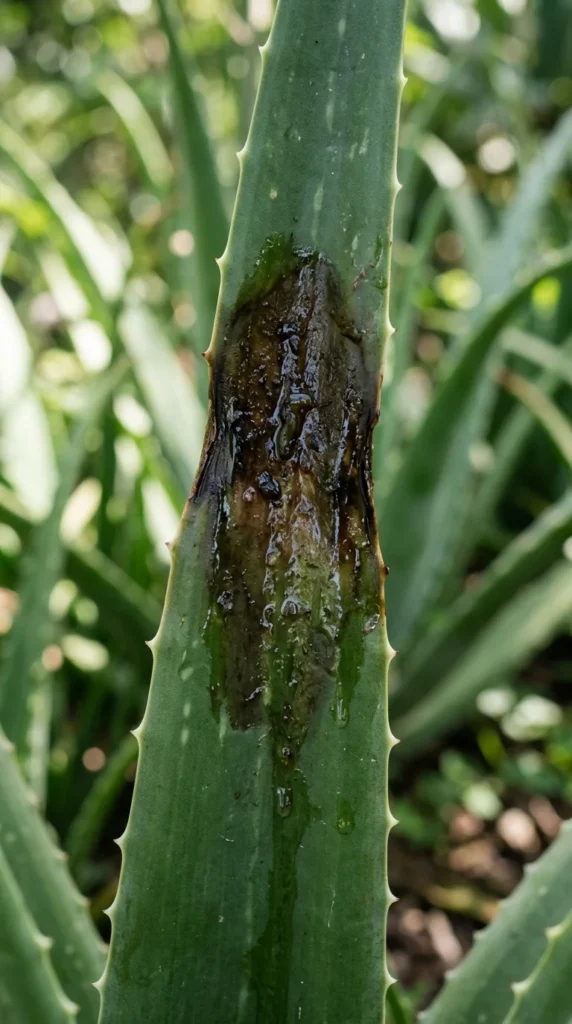
Wet lesions appear as if the plant has been bruised. These areas are saturated with fungal spores and bacteria, and they tend to expand rapidly, turning the entire leaf into a liquid mess within days.
27. Slow Growth
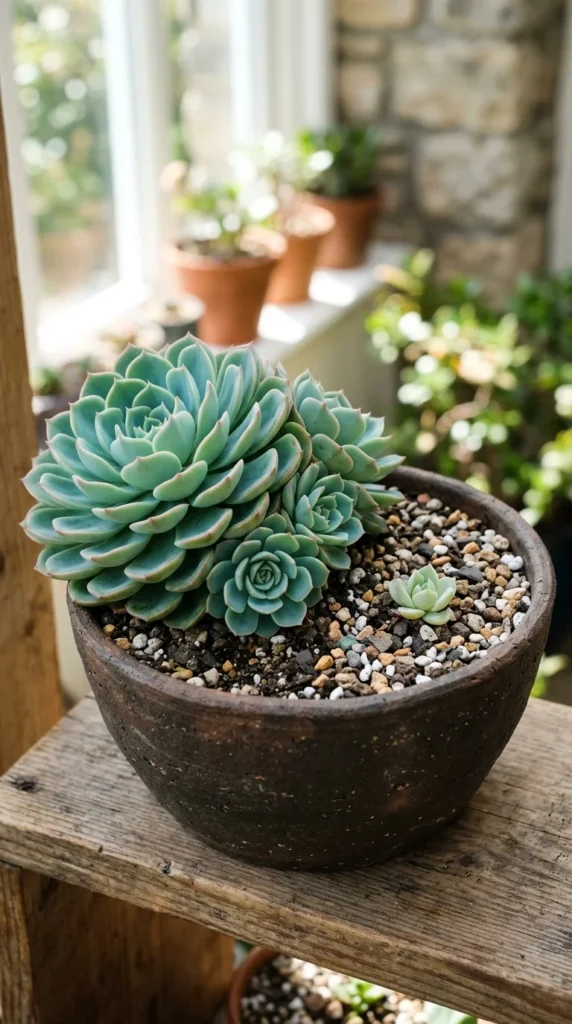
If a succulent has stopped growing entirely during its active season, it may be fighting an internal fungal battle. The plant diverts all its energy to survival and immune response rather than producing new foliage.
28. Soil Mold
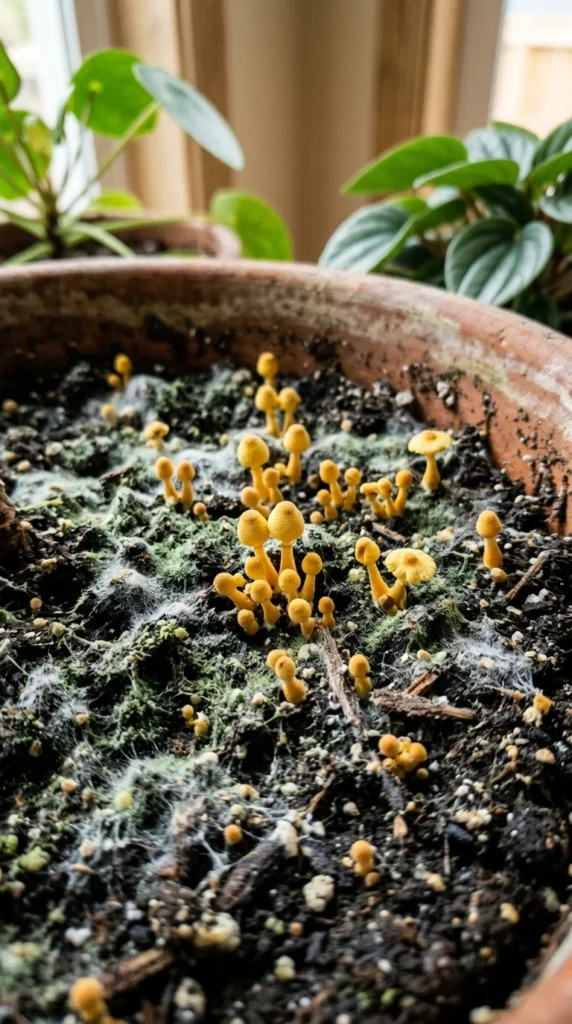
Visible mold on the soil surface is a warning sign that the environment is too wet. While the mold on the soil might not kill the plant directly, it indicates the presence of conditions where pathogenic fungi thrive.
29. Scarred Tissue
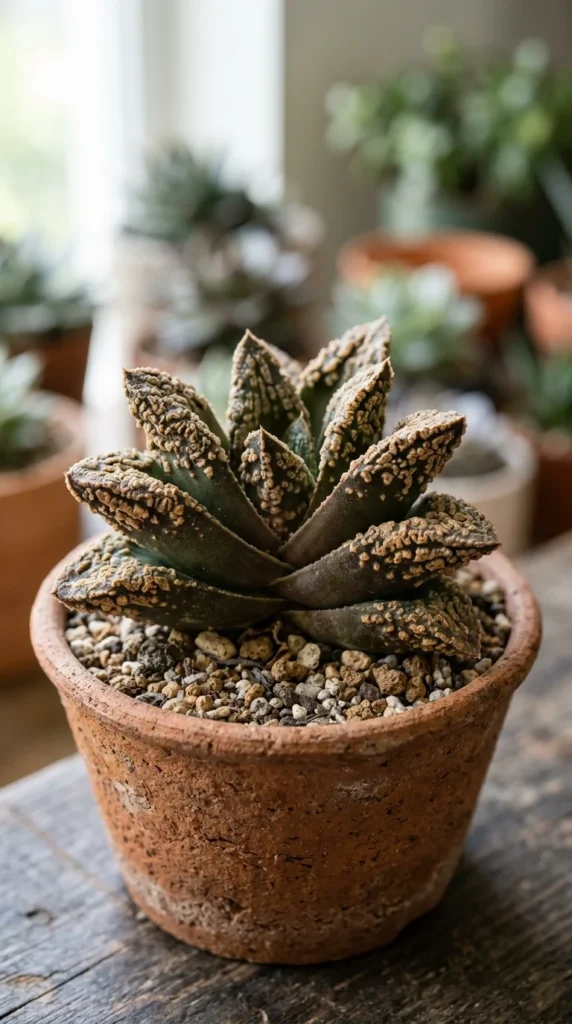
When a succulent survives a fungal attack, it often develops “scars”—thick, tan, or gray woody tissue. While this is a sign of healing, widespread scarring indicates a chronic issue with the plant’s environment that must be addressed to prevent future outbreaks.