
Growing succulents in or around rocks is more than just an aesthetic choice; it mimics their natural alpine and desert habitats. This method, often referred to as “lithophytic” planting or rock gardening, provides the excellent drainage and root temperature regulation these plants crave. To achieve a professional, thriving rock garden, consider these 27 essential tips.
1. Porous Rocks
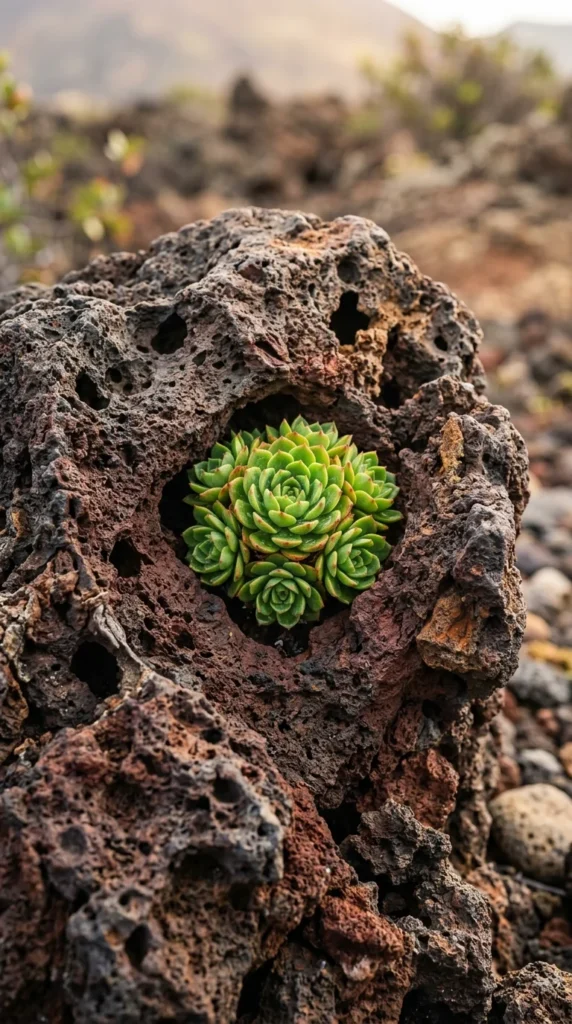
Choosing rocks like pumice, lava rock, or tufa is crucial for success. These materials are porous, meaning they contain tiny air pockets that allow roots to breathe. Unlike solid granite or river stones, porous rocks can hold a small amount of moisture and minerals while ensuring that the roots never sit in stagnant water, which is the leading cause of succulent death.
2. Top Dressing
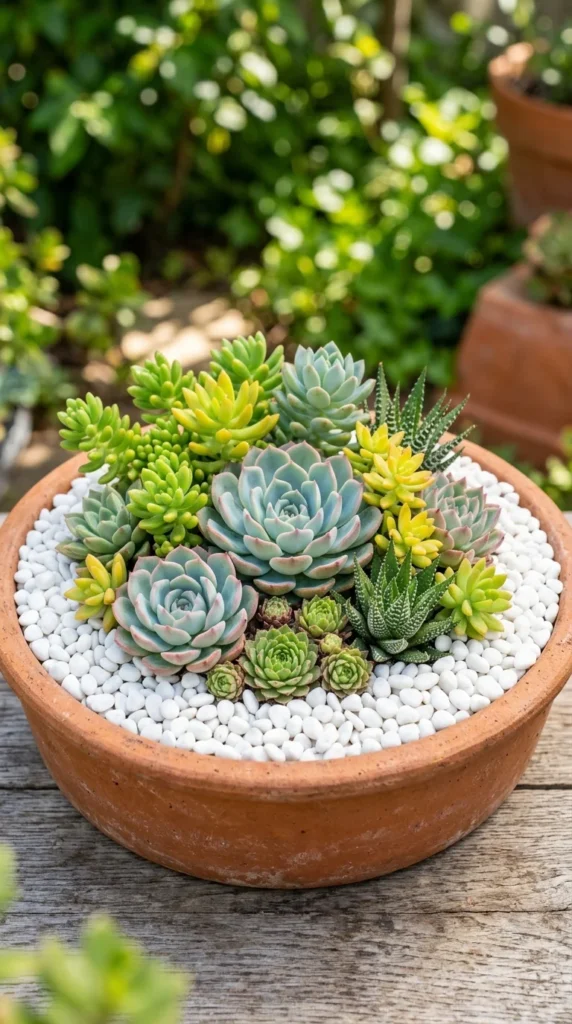
Top dressing refers to a layer of small pebbles or crushed stone placed over the soil surface. This isn’t just for looks; it serves a vital functional purpose. Top dressing keeps the succulent leaves off the damp soil, preventing crown rot. It also prevents the soil from splashing onto the leaves during watering and helps suppress weed growth.
3. Crevice Planting
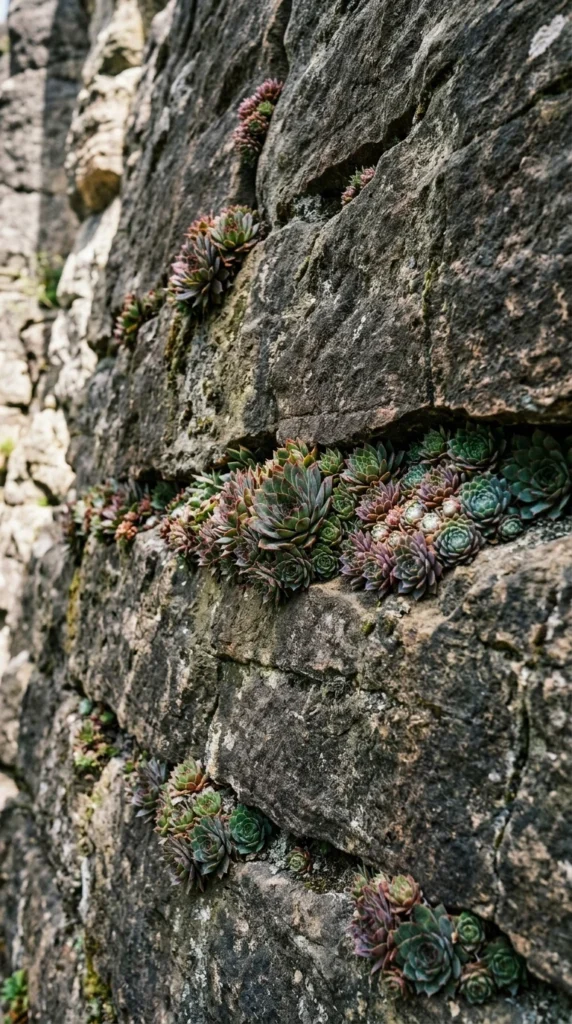
In nature, many succulents grow in the narrow crevices of cliff faces. You can replicate this by wedging plants into the gaps between large rocks. Use a mixture of gritty soil and a bit of clay to “plug” the plant into the crack. This mimics the tight, squeezed environment that many Haworthia and Sempervivum species prefer, leading to sturdier root systems.
4. Drainage Holes
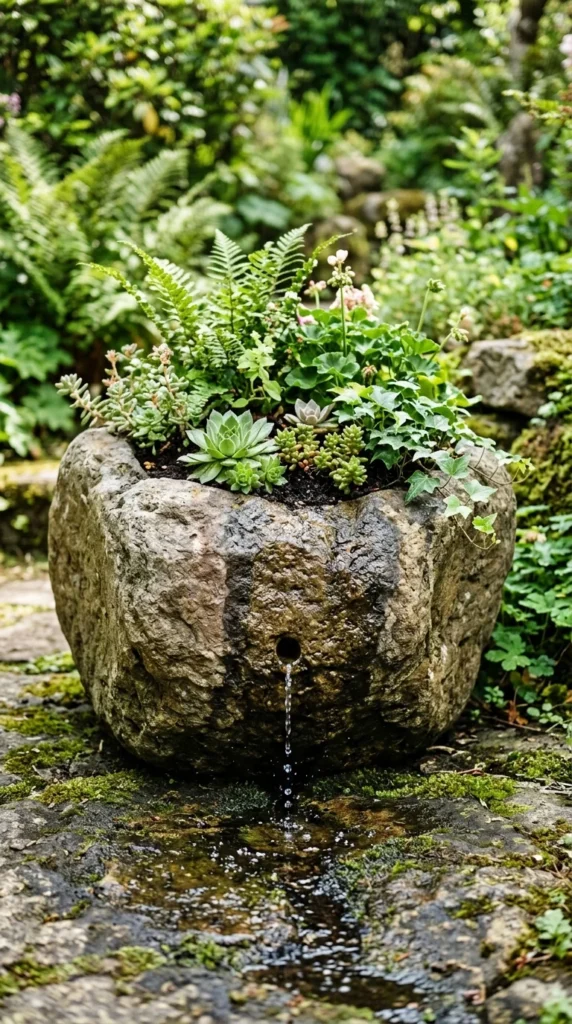
If you are using a rock as a primary container (a “potted rock”), you must ensure it has a drainage hole. Natural depressions in rocks often lack an exit point for water. Use a diamond-tipped drill bit to create a path for excess water to escape. Without this, the depression becomes a “death bowl” where water collects and rots the roots.
5. Rock Mulch
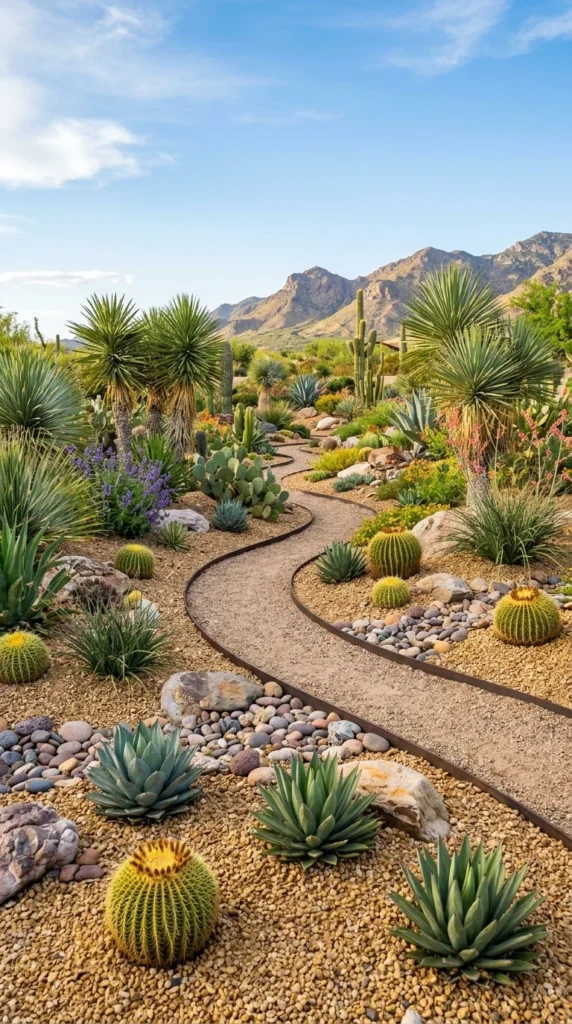
Using rocks as mulch is far superior to wood chips for succulents. Wood mulch retains too much moisture and can acidify the soil as it decomposes. Rock mulch, such as decomposed granite or river pebbles, facilitates rapid evaporation and reflects light back up into the plant, which can help with the coloring of sun-loving species.
6. Lava Rock
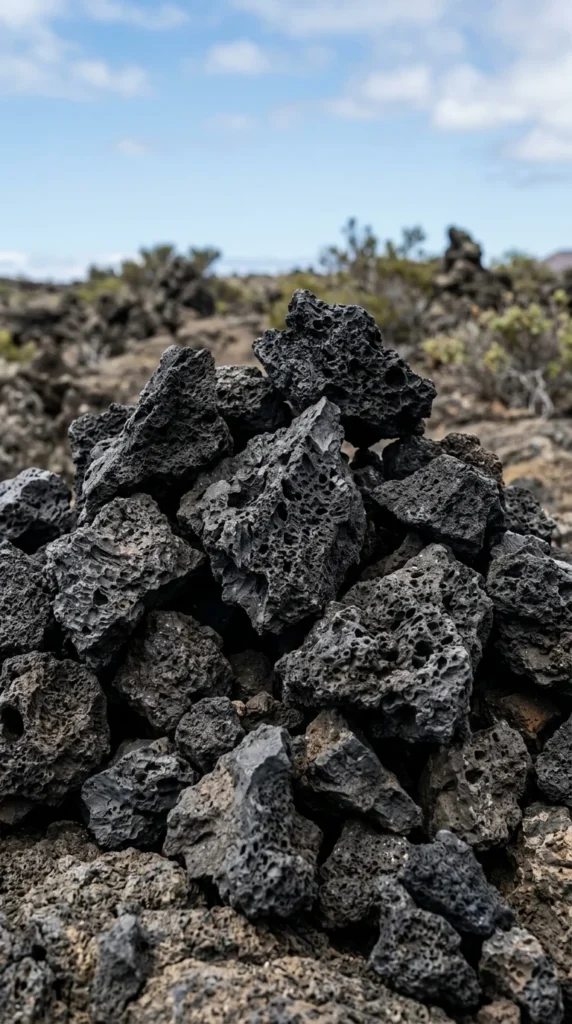
Lava rock (scoria) is a secret weapon for succulent enthusiasts. It is rich in trace minerals and provides an incredibly high surface area for beneficial microbes. You can use crushed lava rock as a soil amendment to increase aeration or use large chunks as anchors for climbing or trailing succulent species.
7. River Stones
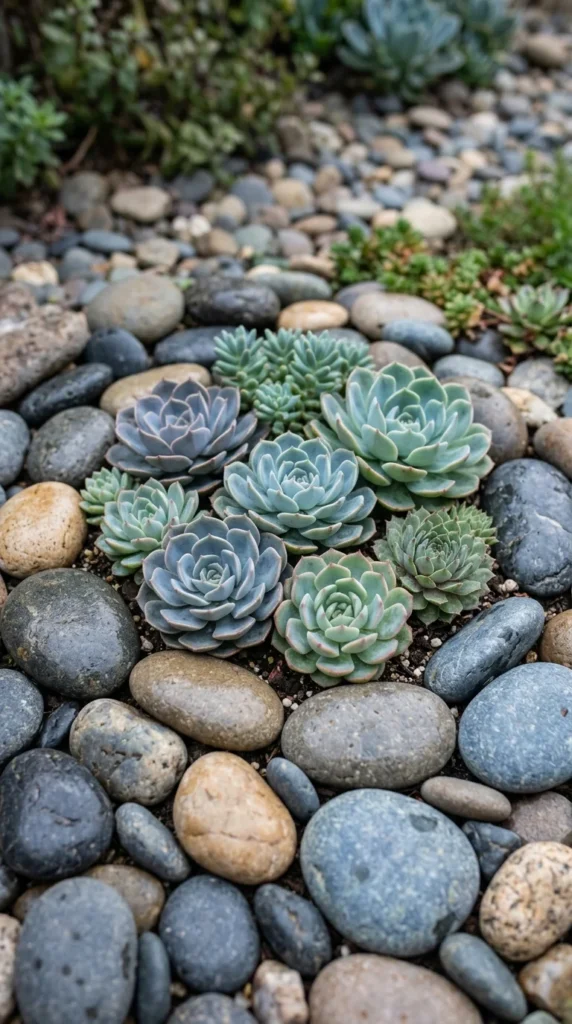
Smooth river stones are excellent for creating “dry creek beds” within your garden. While they aren’t porous, their smooth surfaces allow water to glide away from the plants quickly. They are best used as decorative borders or as “feet” to prop up heavy succulent branches that might otherwise touch the ground and rot.
8. Gritty Mix
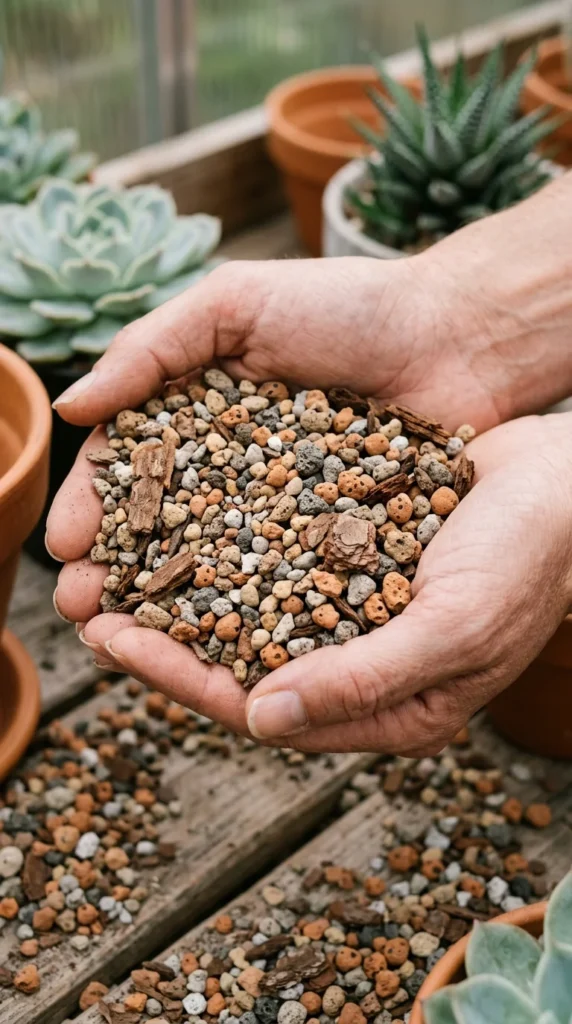
The internal substrate inside your rock crevices should be a “gritty mix.” This is a soil-less or low-soil medium consisting of one part pine bark fines, one part calcined clay, and one part granite grit. This mixture provides the structural stability needed within rock gaps while ensuring that oxygen can always reach the roots.
9. Root Space
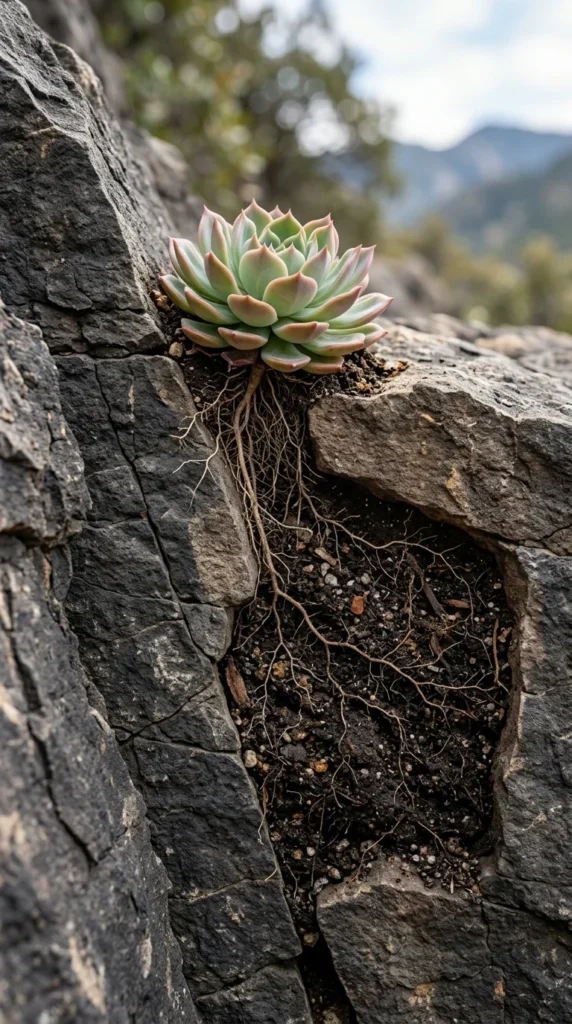
When planting in rocks, it is easy to forget that the roots need space to grow. Ensure that the crevice or hole is at least twice as deep as the current root ball. If the space is too shallow, the roots will overheat in the summer and freeze in the winter. Deep pockets provide the thermal insulation necessary for long-term health.
10. Slanted Surfaces
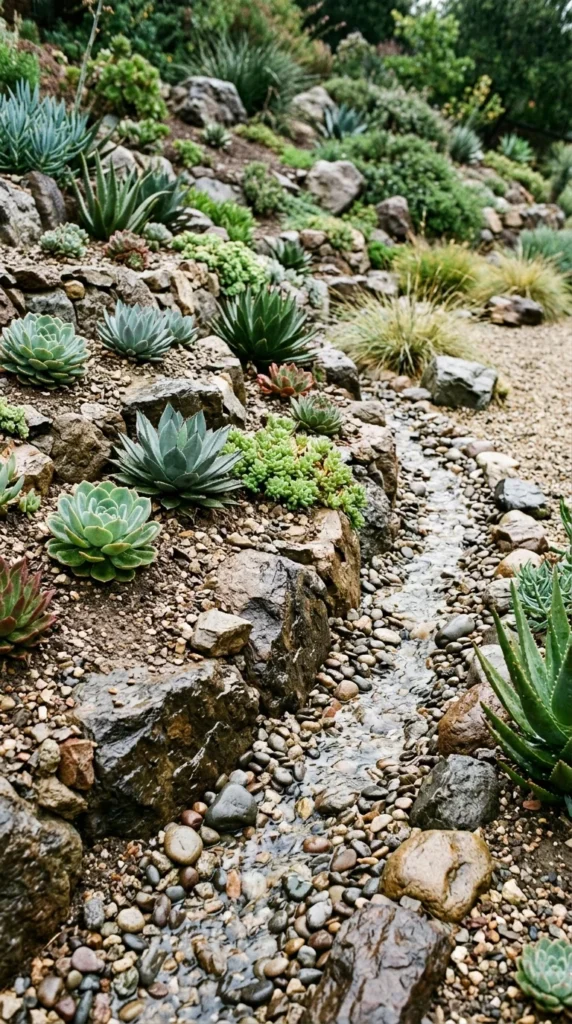
When building a rockery, tilt your rocks slightly forward or to the side. This prevents water from pooling in the center of the rock where the plant sits. Even a slight 5-degree angle can make the difference between a plant that survives a rainstorm and one that succumbs to rot due to standing water at the base.
11. Moss Accents
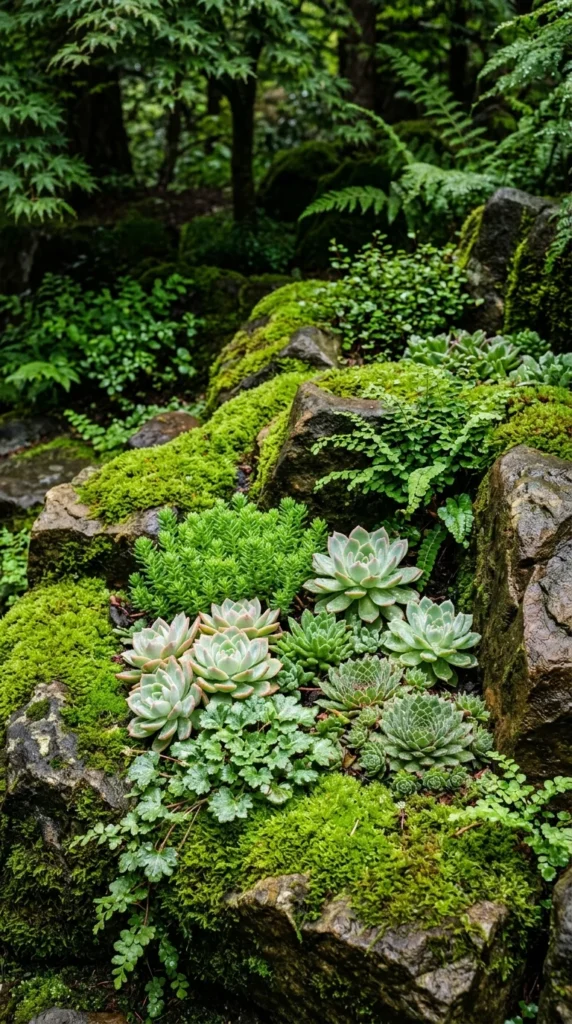
While succulents generally prefer dry conditions, adding a bit of dried or living moss in the shaded corners of your rock garden can act as a natural moisture indicator. If the moss is crispy, the area is dry. If the moss is lush, you may need to hold off on watering the nearby succulents. Moss also adds a sense of “age” and “permanence” to the landscape.
12. Size Scale
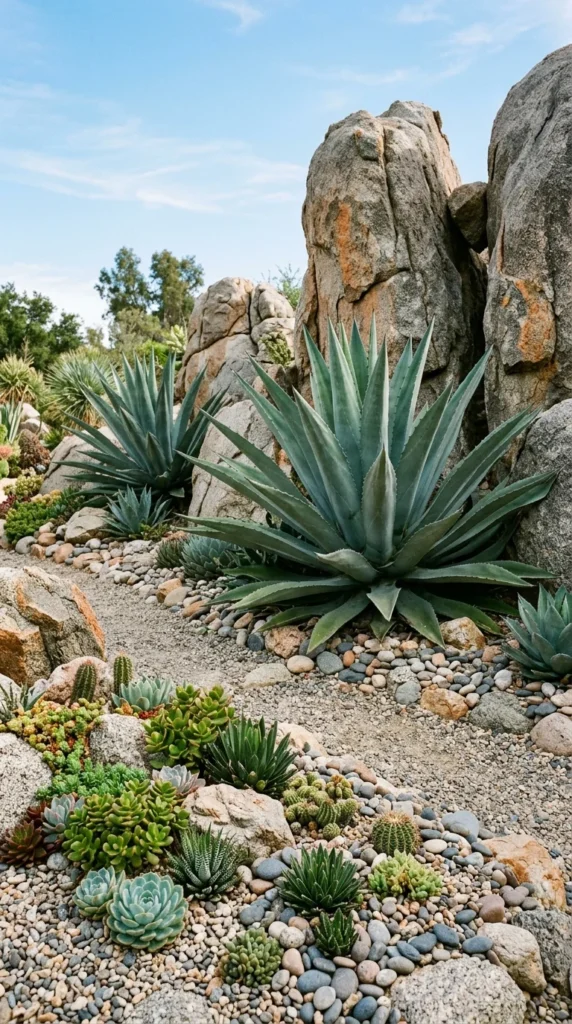
Aesthetic balance is key. Pairing tiny Sedum japonicum with massive boulders can make the plant look lost, while a giant Agave americana will dwarf small pebbles. Match the scale of your rocks to the ultimate size of the plant. This ensures the rocks provide the right amount of physical protection and visual framing.
13. Glue Warning
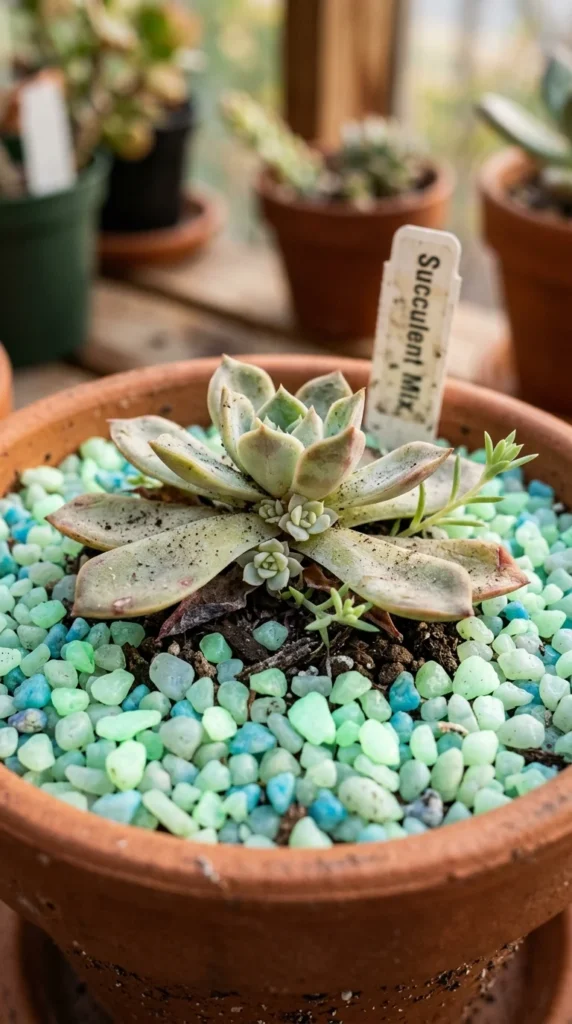
Avoid the “glued rock” traps often found in big-box stores. These rocks are glued together for transport, but they suffocate the plant and prevent water from reaching the soil. If you buy one of these, carefully soak the top to soften the glue and remove the rocks immediately. Replace them with loose, natural stones.
14. Limestone Buffering
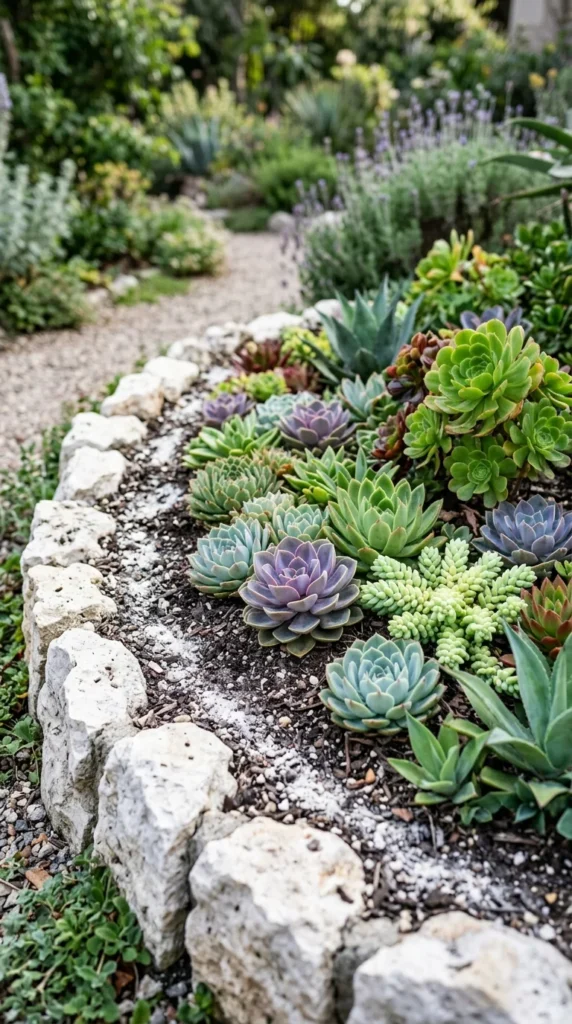
Be aware of the pH of your rocks. Limestone is alkaline and can raise the pH of the soil over time as it erodes. While many succulents are adaptable, some species (like certain South African varieties) prefer slightly acidic conditions. If using limestone, monitor your plants for yellowing leaves, which may indicate a pH imbalance.
15. Natural Erosion
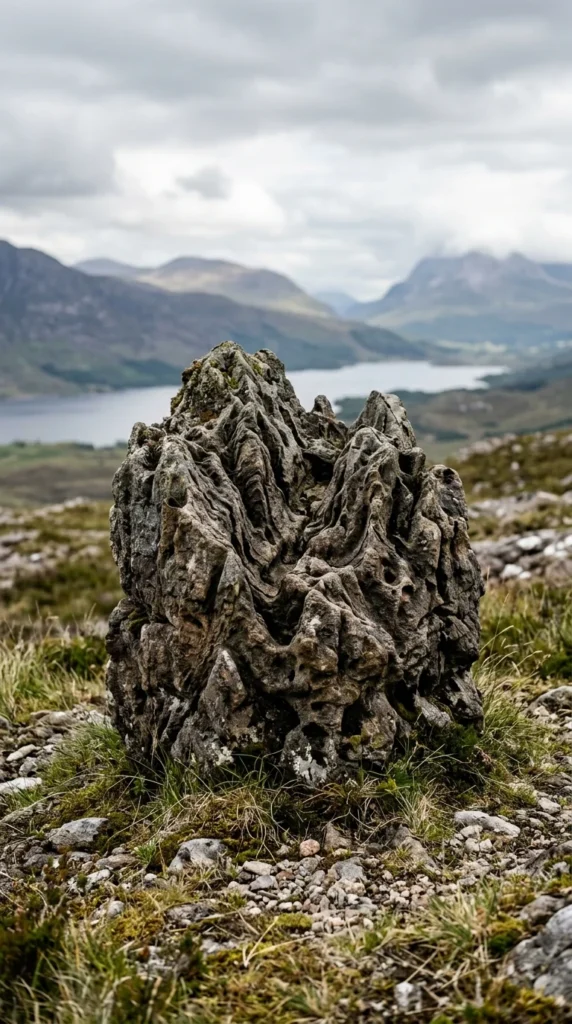
Seek out rocks with natural “character”—pits, grooves, and weathered faces. These features are not just beautiful; they provide micro-habitats. Water and nutrients collect in these tiny depressions, giving the succulent’s opportunistic roots a place to cling and feed.
16. Sun Exposure
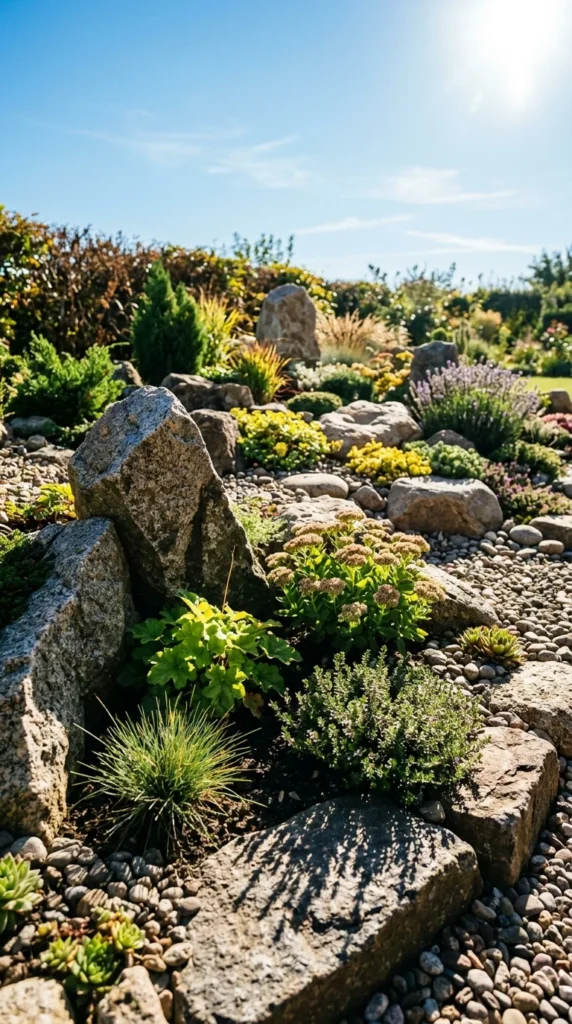
Rocks act as heat sinks. During the day, they absorb solar energy and can become quite hot. This is great for heat-loving desert cacti but can scorch more delicate “soft” succulents like Haworthia. Position your rocks so they provide afternoon shade for sensitive species while soaking up the morning sun.
17. Winter Protection
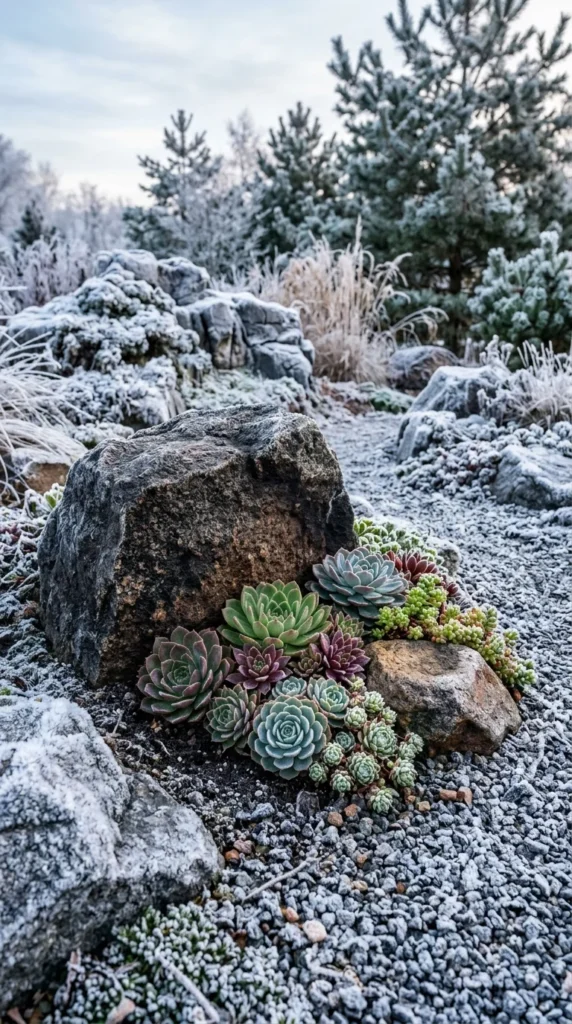
In colder climates, rocks are a lifesaver. Because they hold onto the day’s heat, they release it slowly throughout the night. This creates a “microclimate” that can be several degrees warmer than the surrounding air. Planting your succulents against a south-facing rock can help them survive a frost that might kill them in an open field.
18. Sedum Varieties
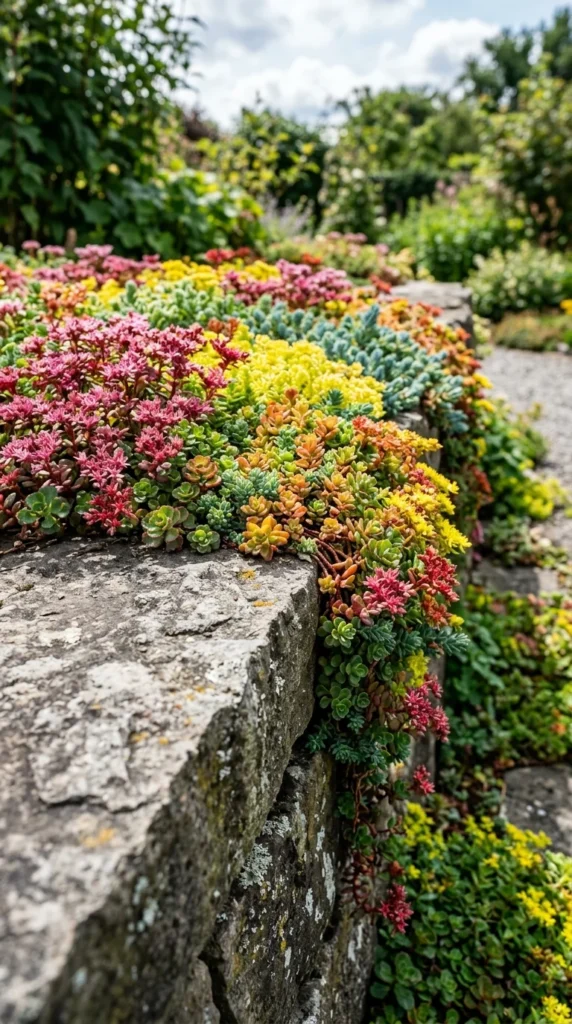
Sedums (Stonecrops) are the quintessential rock succulents. Most varieties are groundcovers that naturally “creep” over stone surfaces. They use the rocks to stay cool and will often root directly into tiny bits of debris on top of the rock. Use them to soften the hard edges of your stone arrangements.
19. Airflow
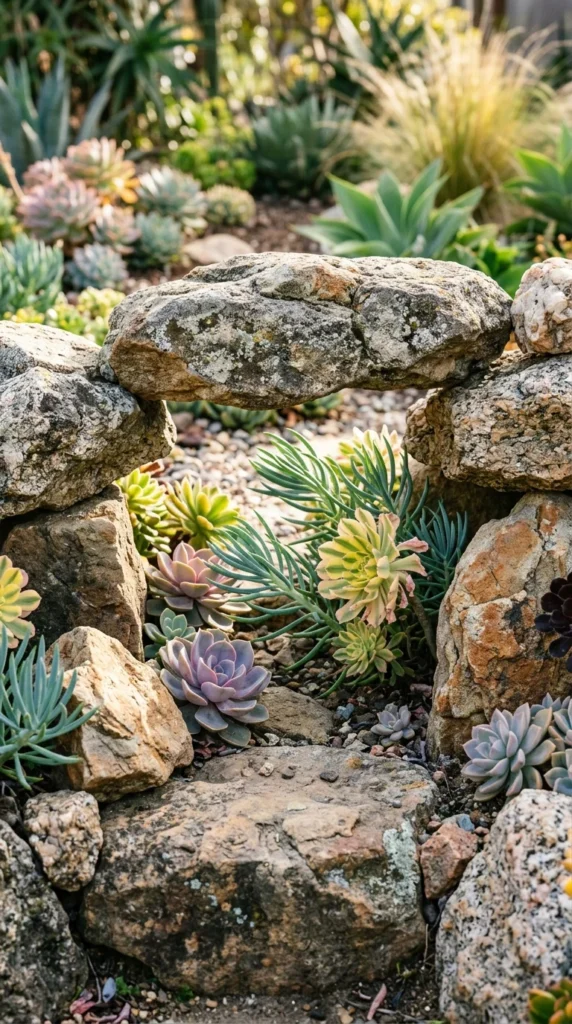
Do not pack your rocks and plants too tightly. Succulents require excellent airflow to prevent fungal infections and pest outbreaks (like mealybugs). By leaving gaps between the rocks, you allow the wind to whisk away excess humidity and keep the “micro-environment” around the plant dry and fresh.
20. Watering Frequency
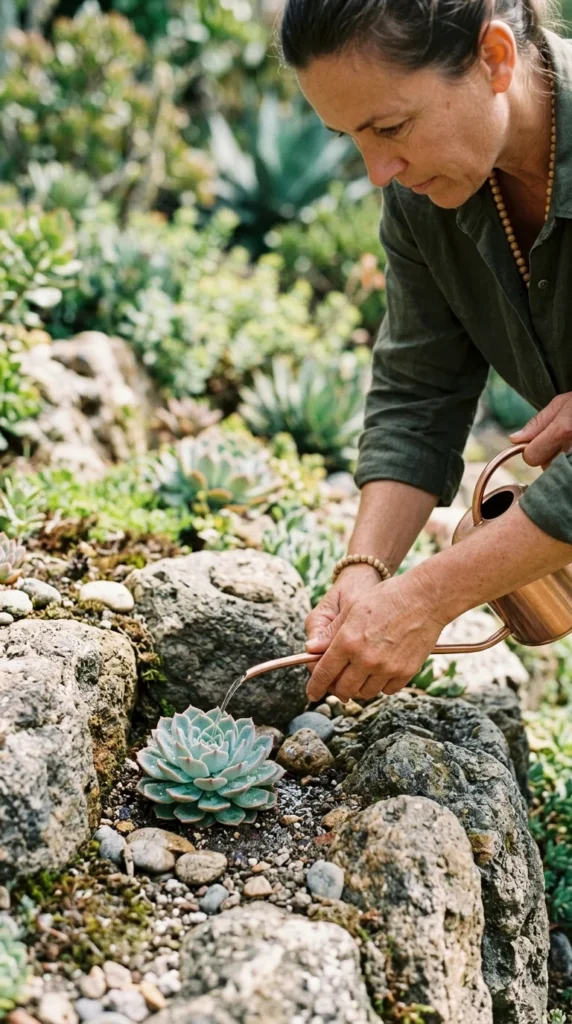
Plants in rocks dry out faster than those in traditional plastic pots. The rocks (especially porous ones) and the high drainage levels mean you may need to water more frequently during the peak of summer. Always check the soil depth with a finger or a bamboo skewer before watering; the surface rocks can be deceptive.
21. Fertilization
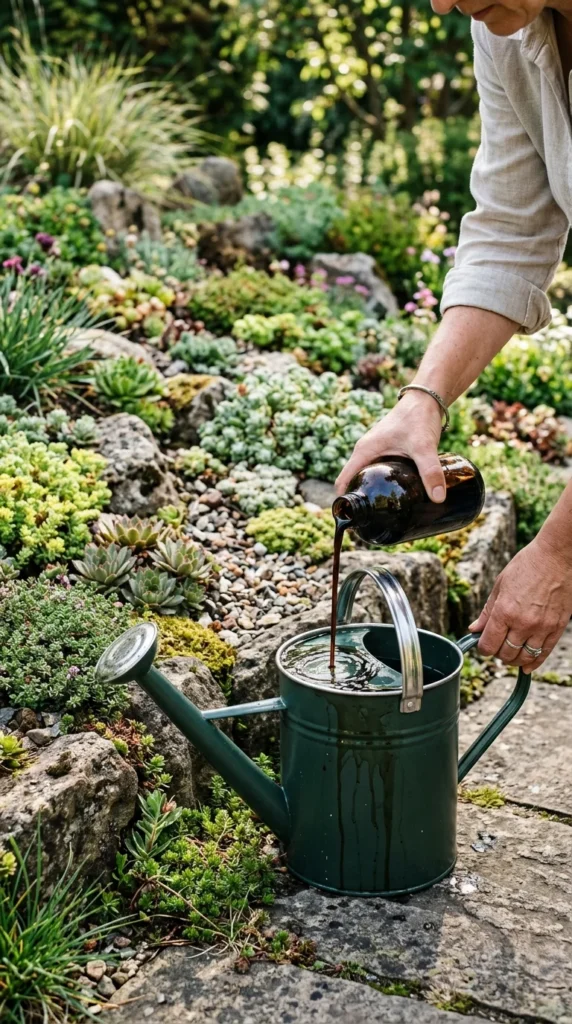
Because rock-based substrates have very little organic matter, they don’t provide much nutrition. Use a diluted, low-nitrogen liquid fertilizer during the growing season. Pour the fertilizer directly into the crevices. Since rocks don’t “hold” nutrients like clay soil does, “weakly, weekly” is a good rule of thumb for feeding.
22. Pest Control
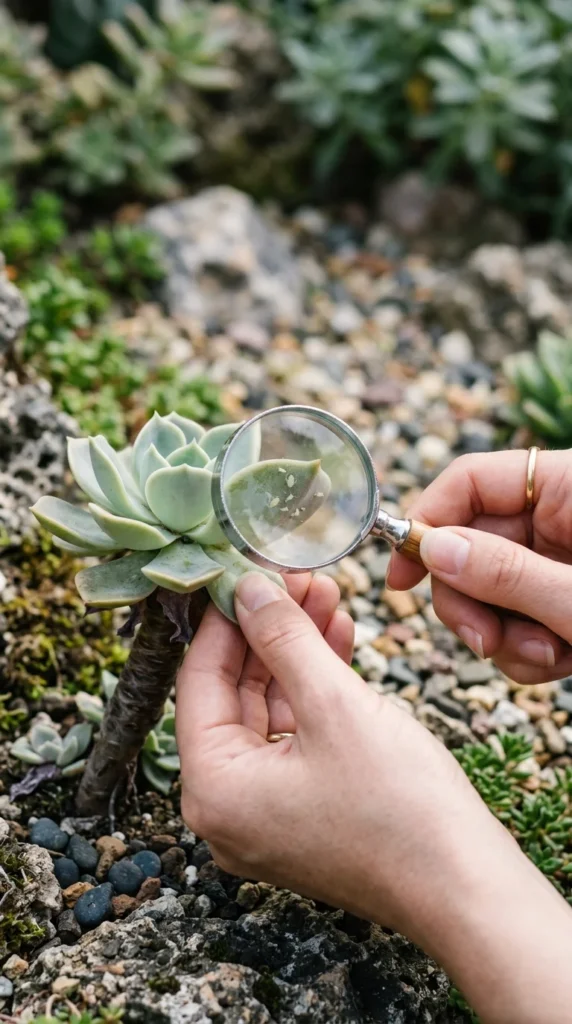
Rocks can provide hiding spots for pests like slugs, snails, and crickets. Periodically lift smaller decorative rocks to check for stowaways. Keeping the area free of dead leaves and debris that collect between the rocks will significantly reduce the likelihood of an infestation.
23. Repotting
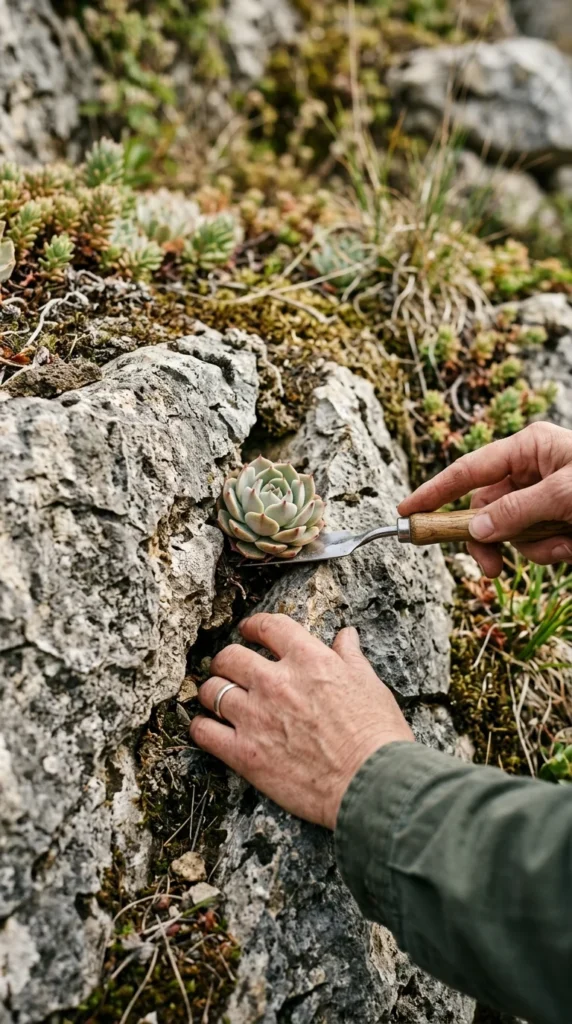
When it’s time to move a plant out of a rock crevice, it can be tricky. Use a long, thin tool like a butter knife or a specialized “crevice tool” to loosen the soil around the roots first. Never pull the succulent by its leaves; the resistance from the rocks will likely cause the plant to snap.
24. Color Contrast
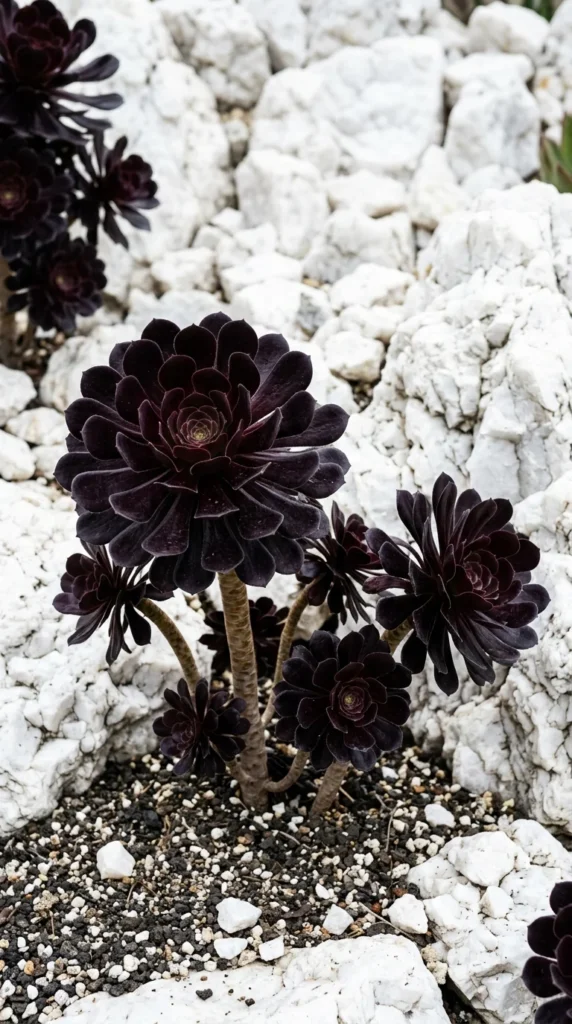
Use the color of the rocks to make your succulents pop. Darker succulents (burgundies, blacks, and deep greens) look stunning against light-colored stones like quartz or limestone. Conversely, pale, “powdery” succulents like Echeveria lauii look best against dark basalt or red lava rocks.
25. Sand Base
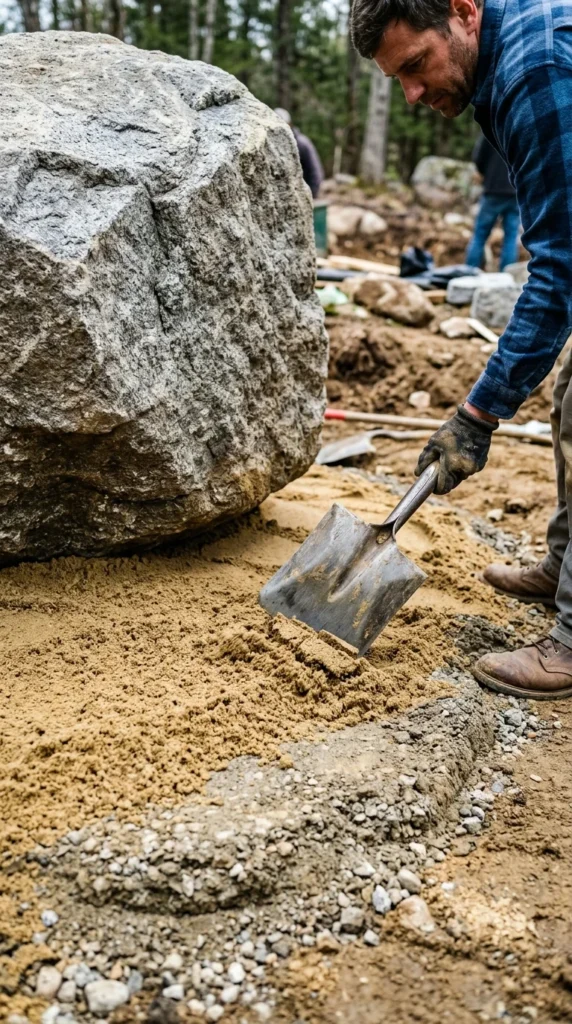
Before placing large boulders, lay down a 2-inch base of coarse sand. This provides stability, preventing the heavy rocks from shifting and crushing the roots of nearby succulents. It also adds an extra layer of drainage at the very bottom of your rockery, ensuring no water ever pools under the stones.
26. Drill Bits
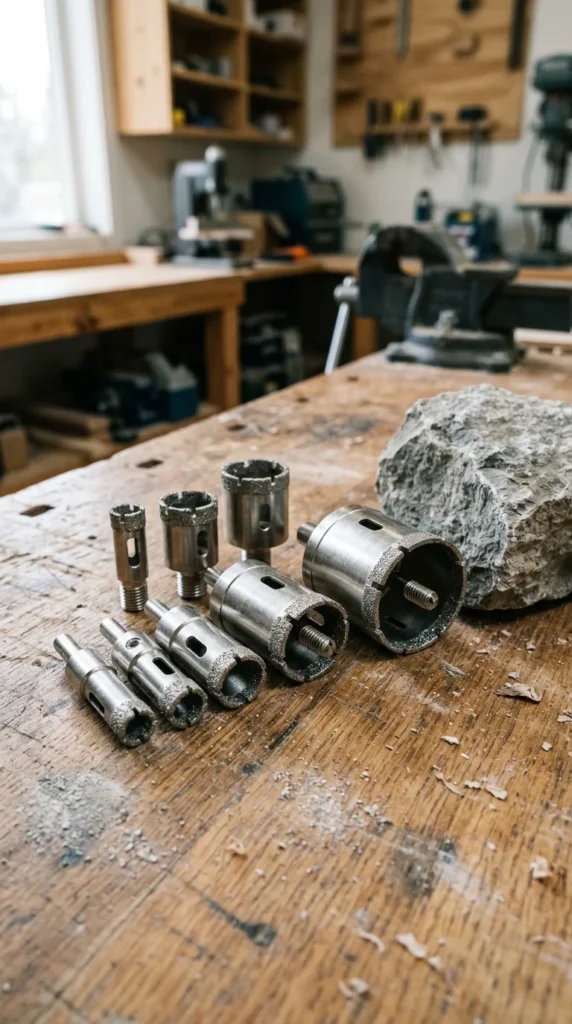
If you plan on making your own rock planters, invest in high-quality diamond-tipped hole saws. Standard masonry bits can crack natural stone. Diamond bits “grind” through the rock rather than hammering through it, allowing you to create clean, professional-looking holes for your plants.
27. Hardening Off
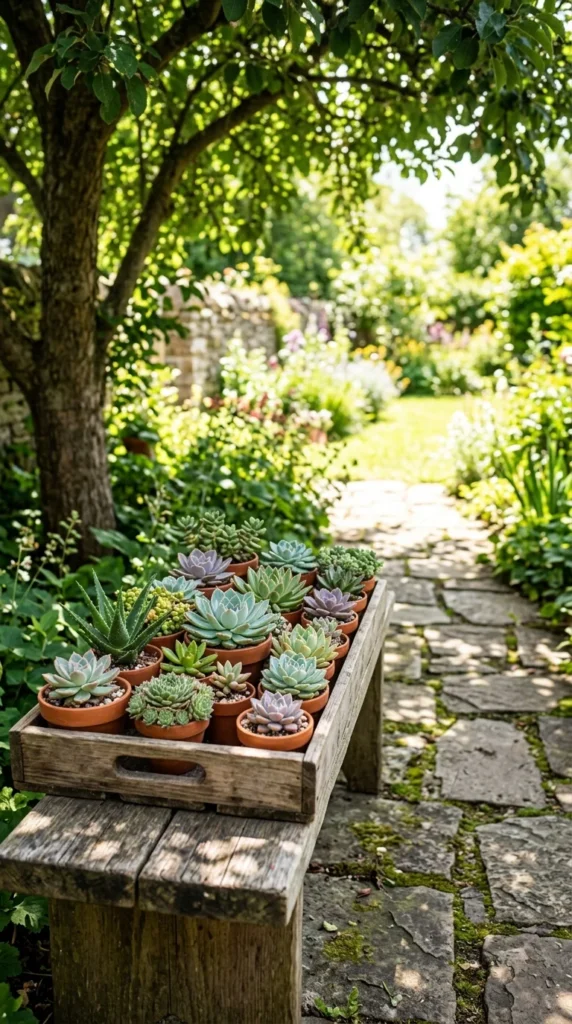
When moving succulents from a nursery to a rock garden, they need time to adjust to the increased light reflection from the stones. Place them in the garden for a few hours a day, gradually increasing their exposure. The “extra” light reflected off bright rocks can cause sunburn on unacclimated plants within hours.