
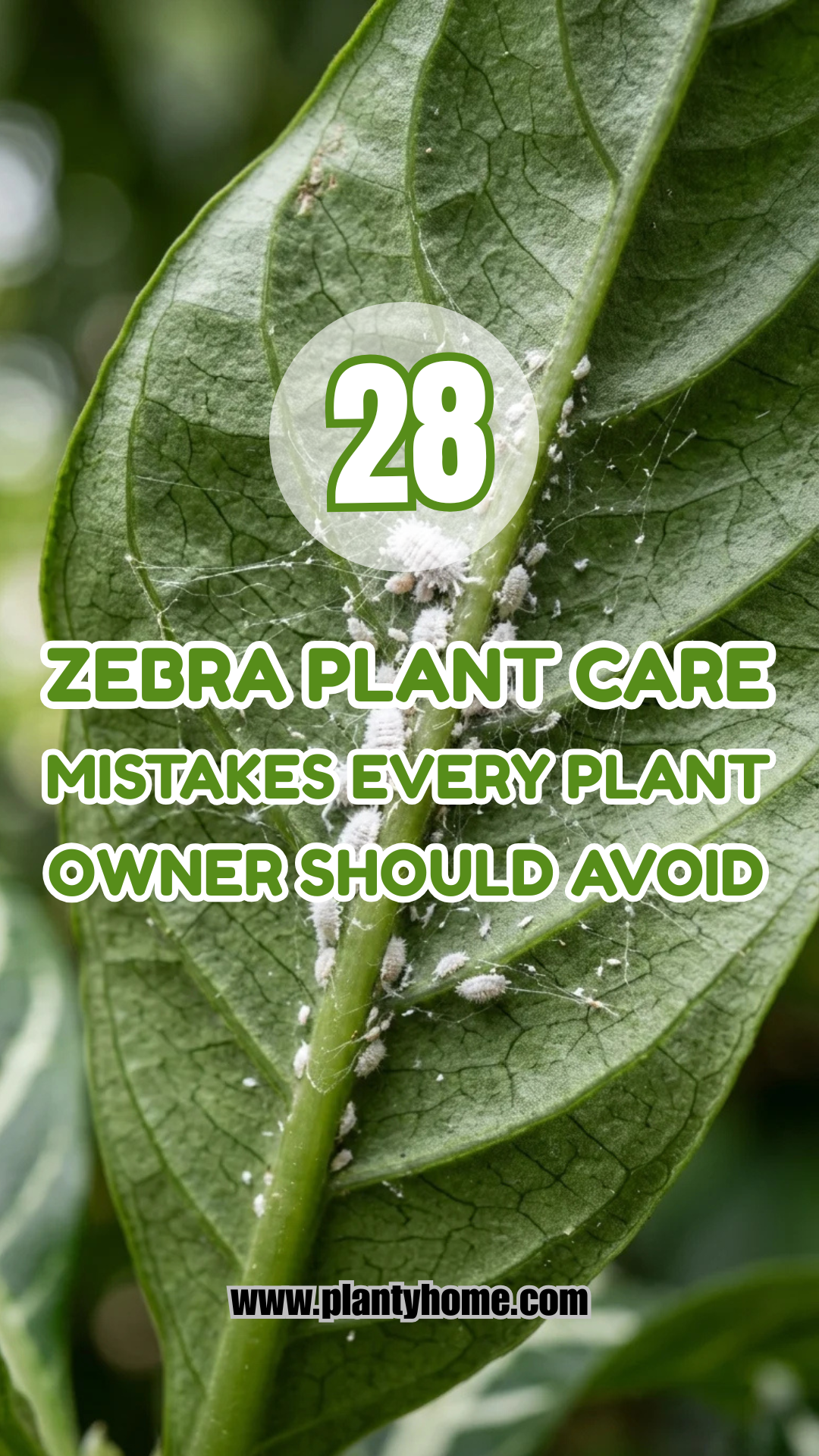
The Zebra Plant (Aphelandra squarrosa) is a showstopper in any indoor garden, known for its dramatic foliage and stunning yellow bracts. However, it is also notorious for being a “diva.” This tropical native demands specific conditions to thrive, and even small lapses in care can lead to drooping leaves or a total collapse. To help you master the art of keeping this plant happy, here are 28 common mistakes you should avoid.
1. Low Humidity
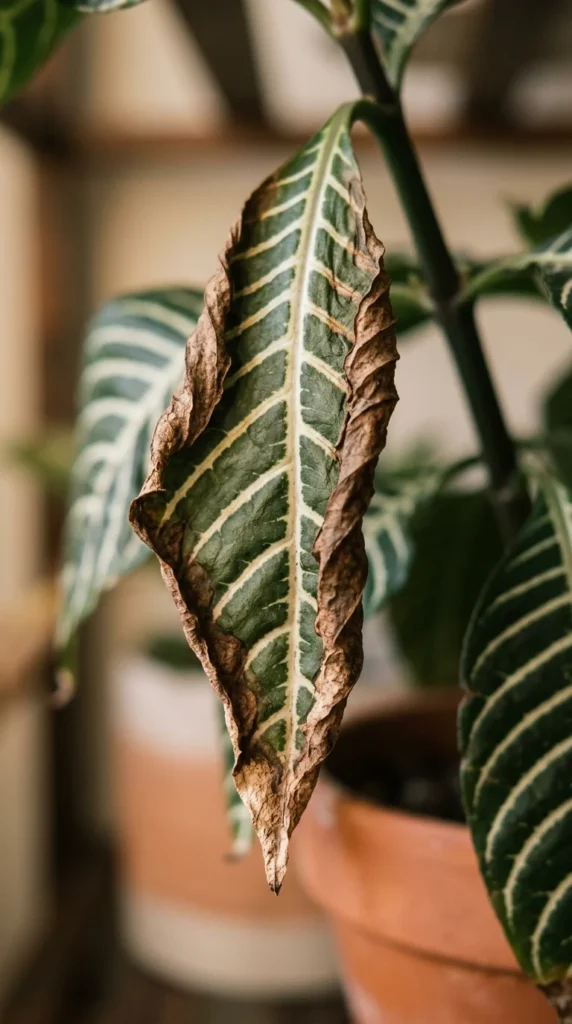
The Zebra Plant is native to the Brazilian rainforest, where humidity levels are consistently high. One of the biggest mistakes owners make is keeping it in a standard household environment without supplemental moisture. When the air is too dry, the leaf tips will turn brown and brittle. To avoid this, use a humidifier, a pebble tray, or group your plants together to create a humid microclimate.
2. Direct Sunlight
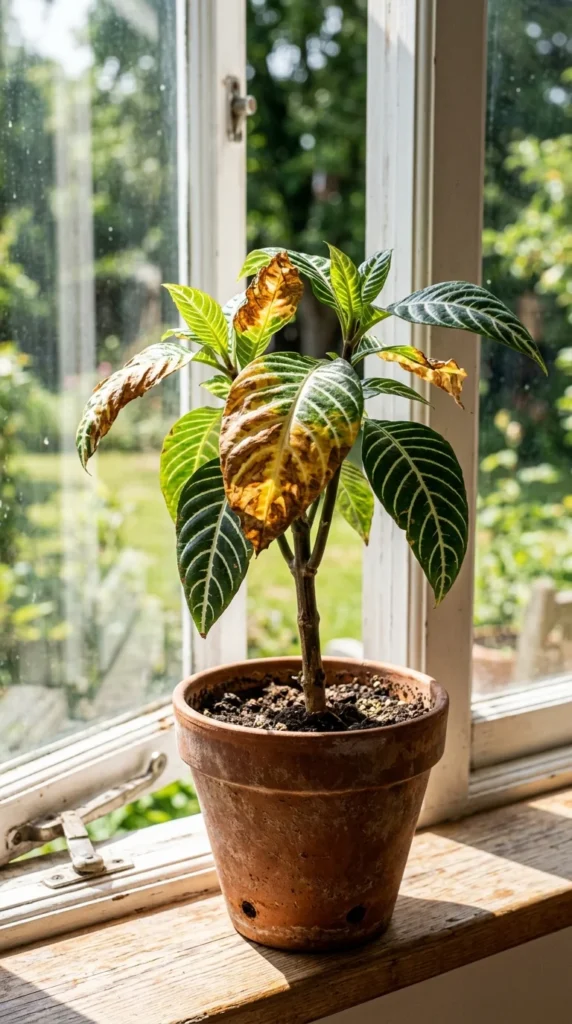
While these plants love light, direct afternoon sun is a death sentence for their foliage. Harsh UV rays will scorch the leaves, leaving permanent burn marks and causing the plant to dehydrate rapidly. Always place your Zebra Plant in a spot where it receives bright, filtered light—think behind a sheer curtain or a few feet away from a south-facing window.
3. Total Shade
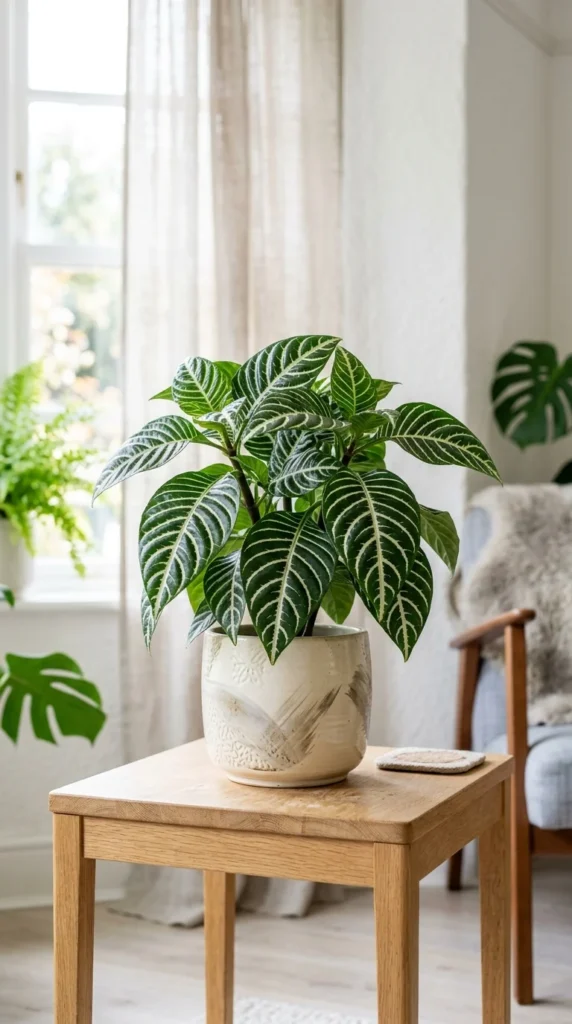
On the flip side, many owners assume that because it dislikes direct sun, it can survive in a dark corner. Low light will cause the plant to become “leggy” as it stretches toward the nearest light source. The iconic white veins will also lose their vibrancy, and the plant will likely refuse to bloom.
4. Overwatering
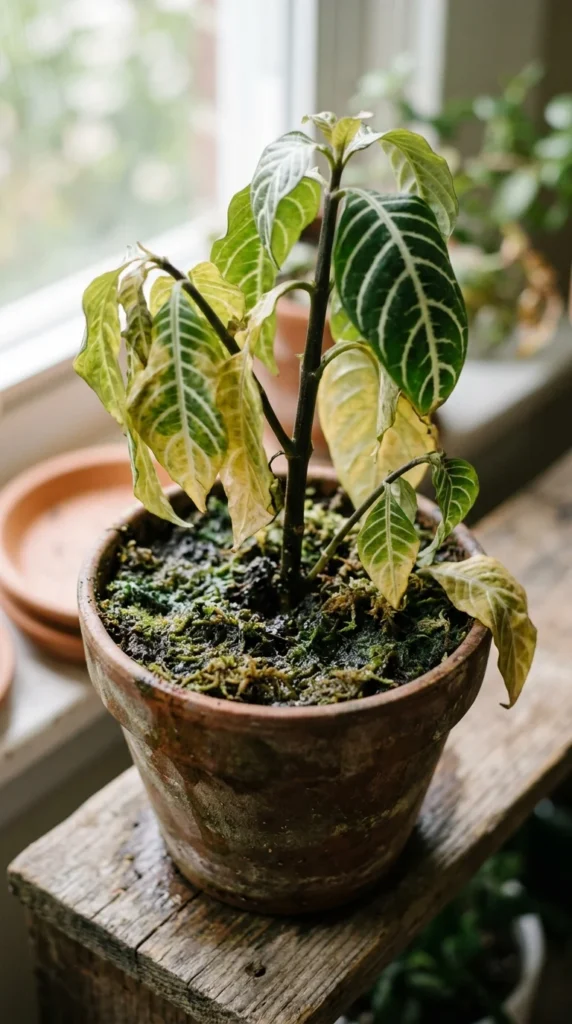
The Zebra Plant likes moisture, but it hates “wet feet.” If you water too frequently or allow the plant to sit in a saucer of standing water, the roots will suffocate and rot. Overwatering often manifests as yellowing lower leaves that eventually drop off. Always feel the top inch of soil before adding more water.
5. Bone Dry Soil
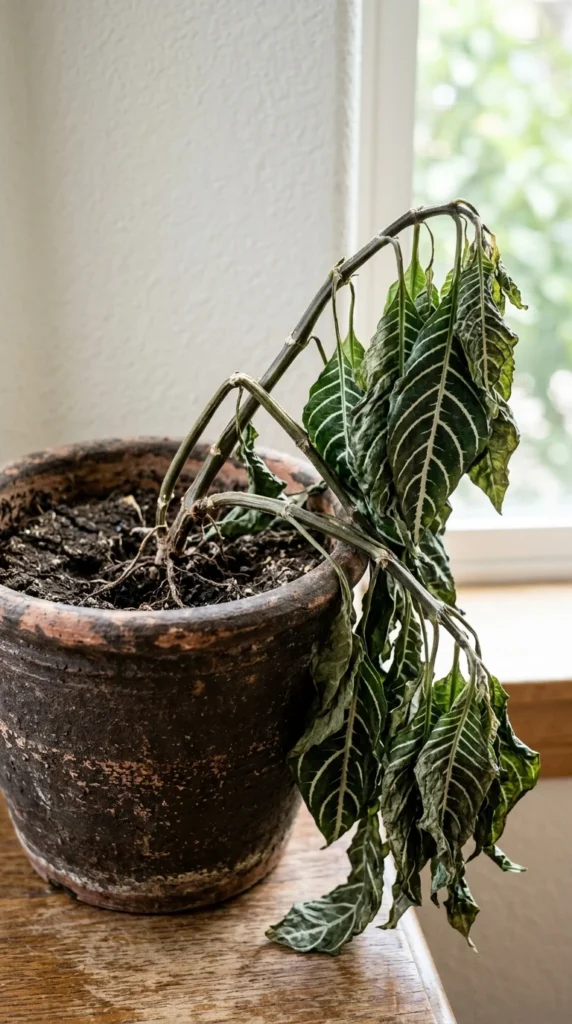
Known as the “fainting plant,” the Zebra Plant will dramatically wilt the moment its soil dries out. Letting the soil dry out completely can cause cellular damage that makes it difficult for the plant to recover even after watering. Consistency is key; aim to keep the soil evenly moist, like a wrung-out sponge.
6. Tap Water Usage
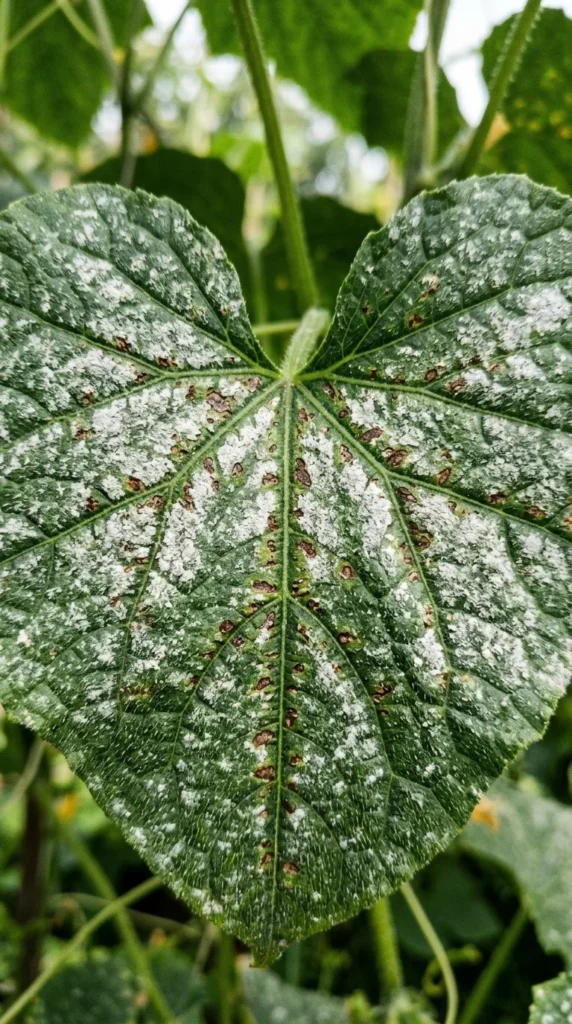
Zebra Plants are sensitive to the chemicals found in municipal tap water, such as chlorine, fluoride, and heavy minerals. These can build up in the soil and cause leaf burn or stunted growth. If possible, use distilled water, rainwater, or at least let tap water sit out for 24 hours before using it.
7. Cold Drafts
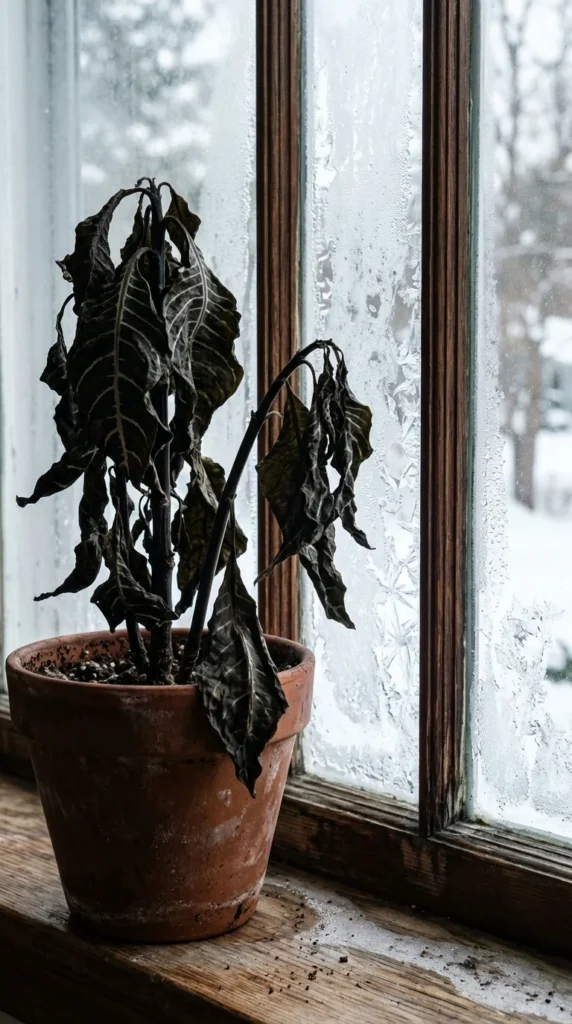
As a tropical species, the Aphelandra squarrosa cannot tolerate temperatures below 60°F (15°C). Placing it near a drafty window in winter or in the direct path of an air conditioner will cause the plant to drop its leaves overnight. Keep it in a stable, warm environment.
8. High Temperatures
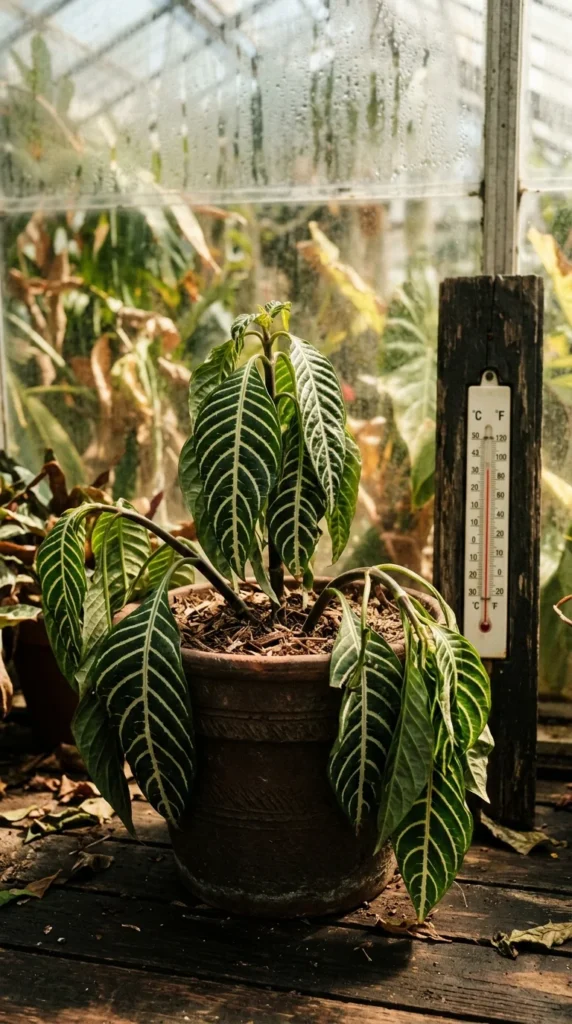
While they love warmth, temperatures exceeding 80°F (27°C) for extended periods can stress the plant, especially if the humidity isn’t increased to match. Extreme heat causes the plant to respire faster than it can take up water, leading to rapid wilting.
9. Wrong Potting Mix
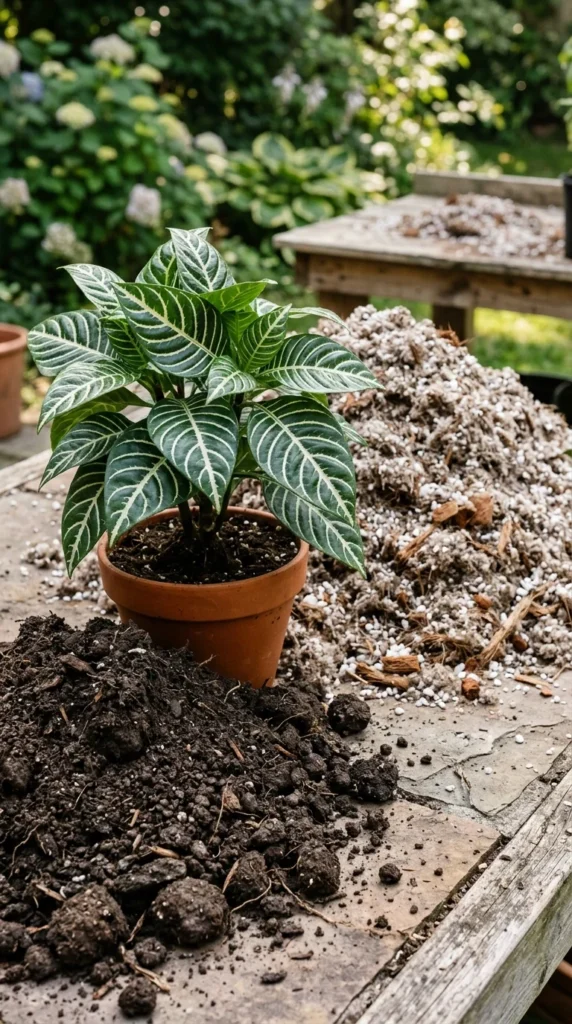
Using standard garden soil or a heavy potting mix that retains too much water will lead to root rot. Zebra Plants need a medium that is both moisture-retentive and well-draining. A mix of peat moss, perlite, and a bit of orchid bark is usually ideal for providing the necessary aeration.
10. Frequent Repotting
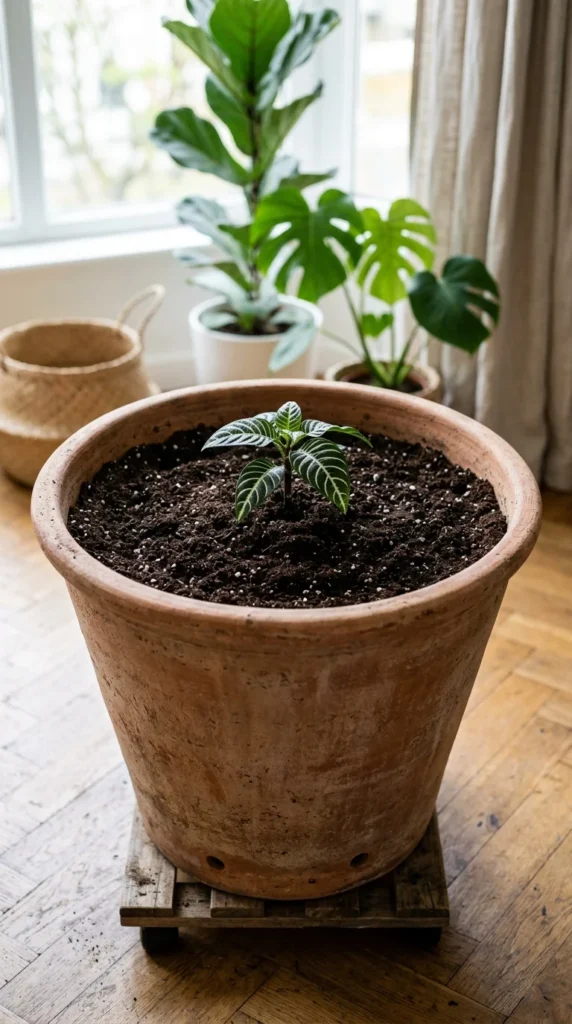
These plants actually prefer to be slightly root-bound. Repotting too often or moving them into a container that is much larger than the previous one can lead to “pot shock” and overwatering issues, as the excess soil stays wet for too long. Only repot every 2-3 years or when roots are clearly escaping the drainage holes.
11. Ignoring Pests
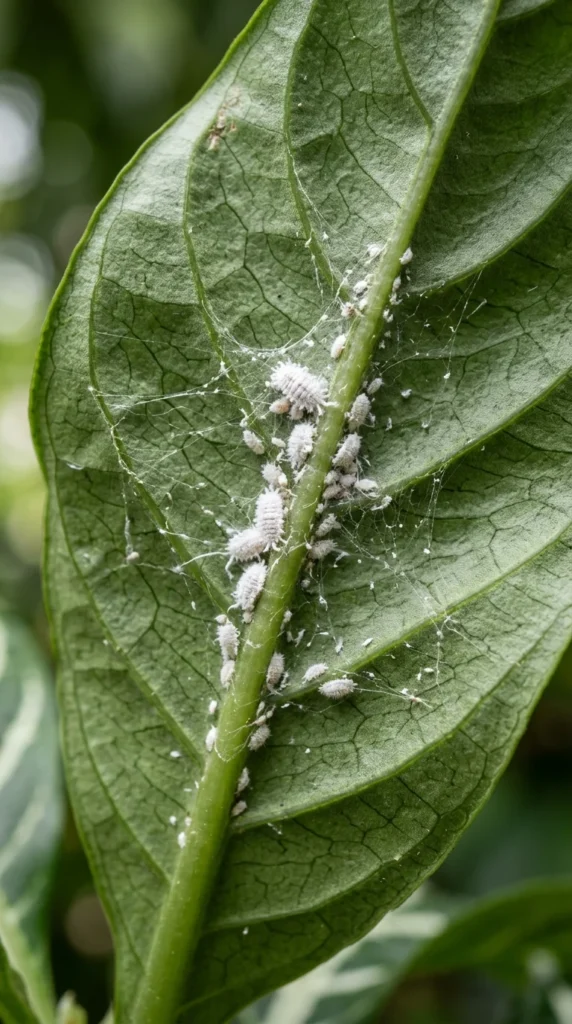
Because of their high humidity requirements, Zebra Plants can attract pests like fungus gnats, mealybugs, and spider mites. Many owners fail to inspect the undersides of the leaves until the infestation is severe. Regularly check your plant and treat any issues immediately with neem oil or insecticidal soap.
12. No Pruning
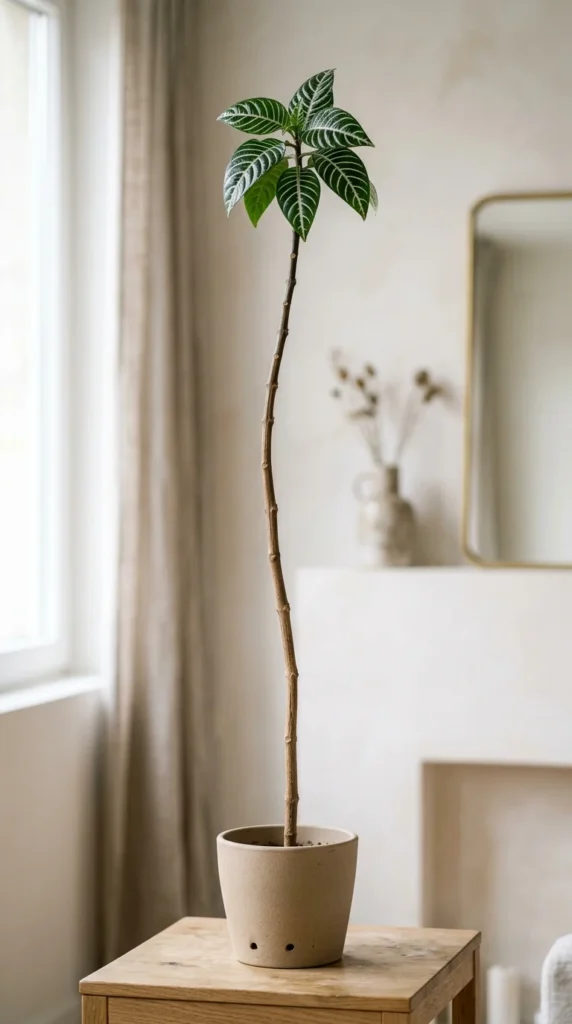
Without regular pruning, Zebra Plants can become top-heavy and unattractive. Once the yellow flower bract has faded, many owners leave it on. Cutting back the spent bloom and occasionally pinching back the stems will encourage the plant to grow bushier and maintain a compact shape.
13. Over-fertilizing
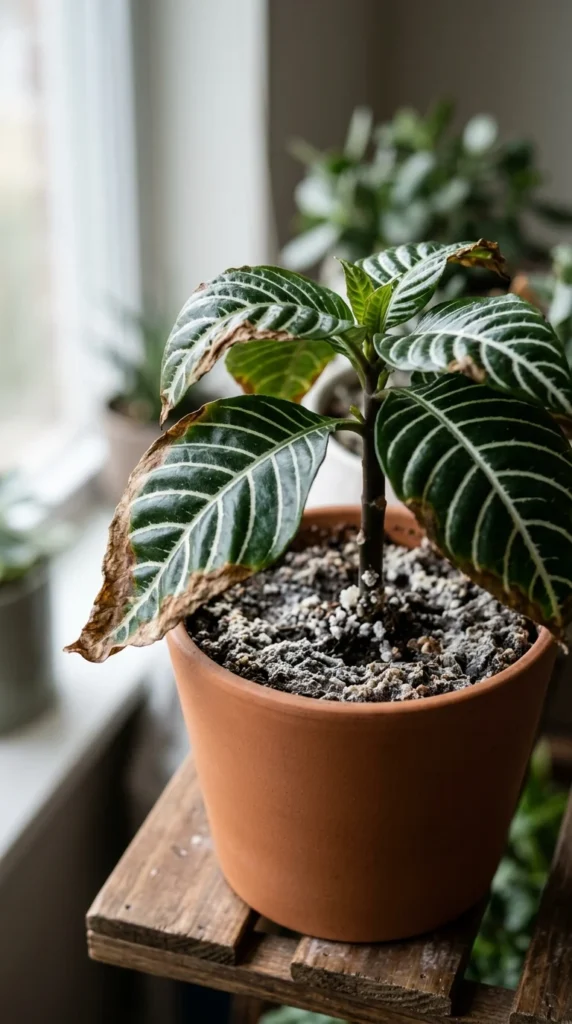
Applying too much fertilizer, or fertilizing during the dormant winter months, can burn the delicate root system. This leads to “fertilizer burn,” which shows up as brown leaf tips or edges. Only fertilize during the growing season (spring and summer) using a balanced liquid fertilizer diluted to half-strength.
14. Low Fertilizer
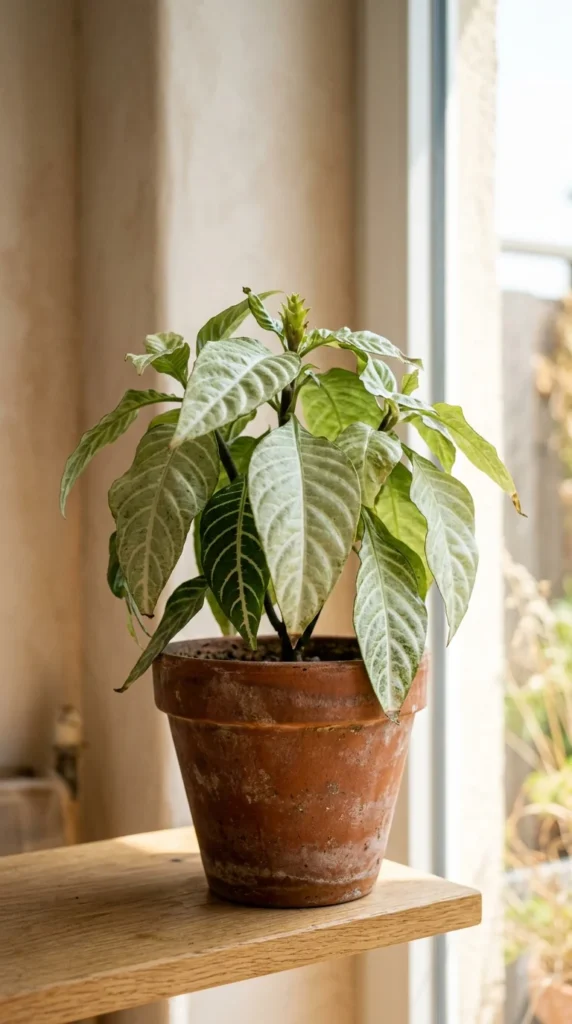
While over-fertilizing is bad, providing no nutrients at all will result in a stunted plant that lacks the energy to produce its signature yellow flowers. These are relatively fast-growing plants during the summer and require a steady supply of nutrients to look their best.
15. Hard Water Buildup
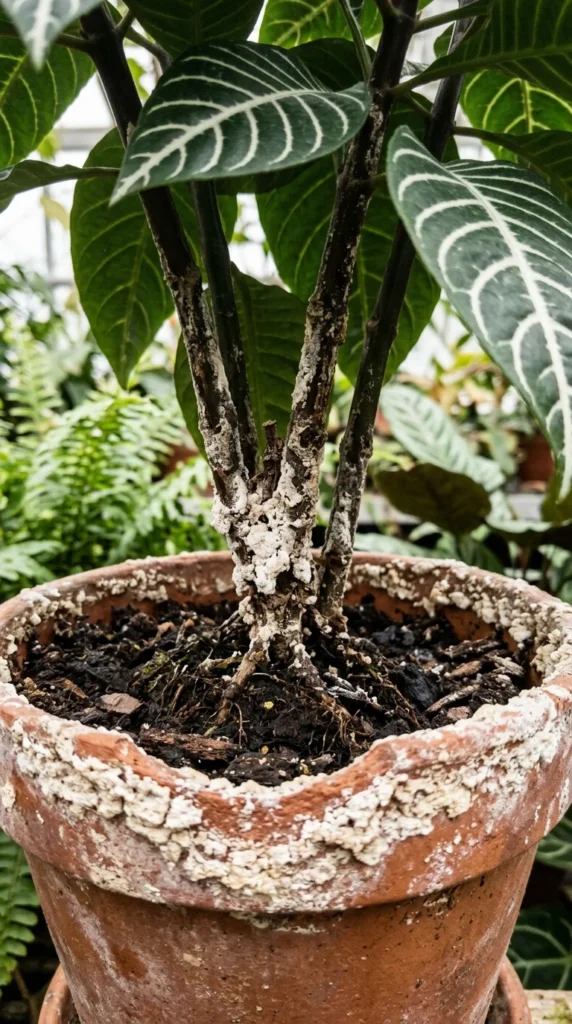
If you consistently water with hard water, minerals will build up in the soil, altering the pH and preventing the plant from absorbing nutrients. To fix this, “leach” the soil every few months by running a large amount of distilled water through the pot and letting it drain away completely.
16. Leaf Misting Mistakes
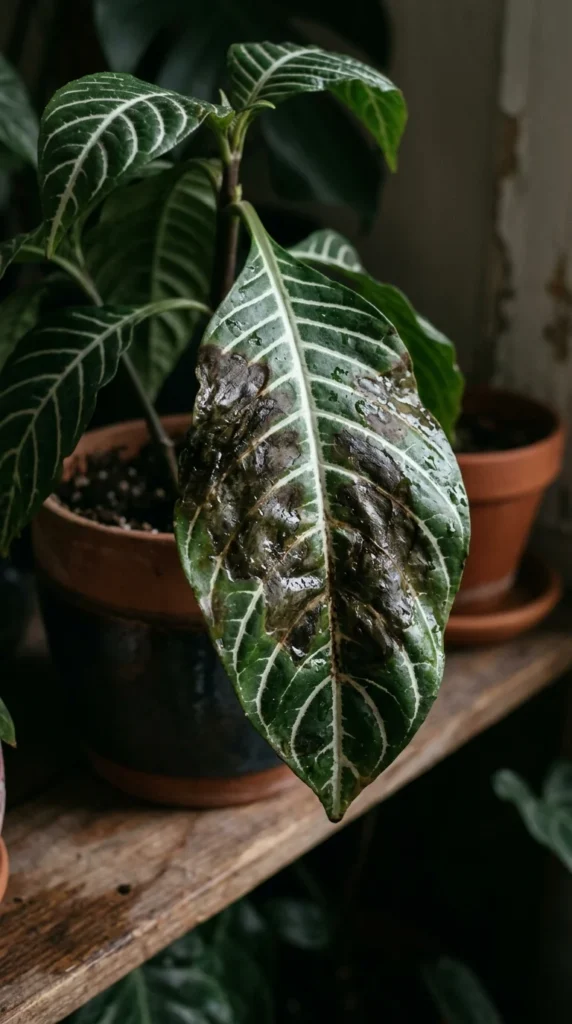
While misting can temporarily boost humidity, doing it late at night or in a room with poor air circulation can lead to fungal leaf spot or botrytis. If you mist, do it in the morning so the water can evaporate before the temperature drops at night.
17. Crowded Roots
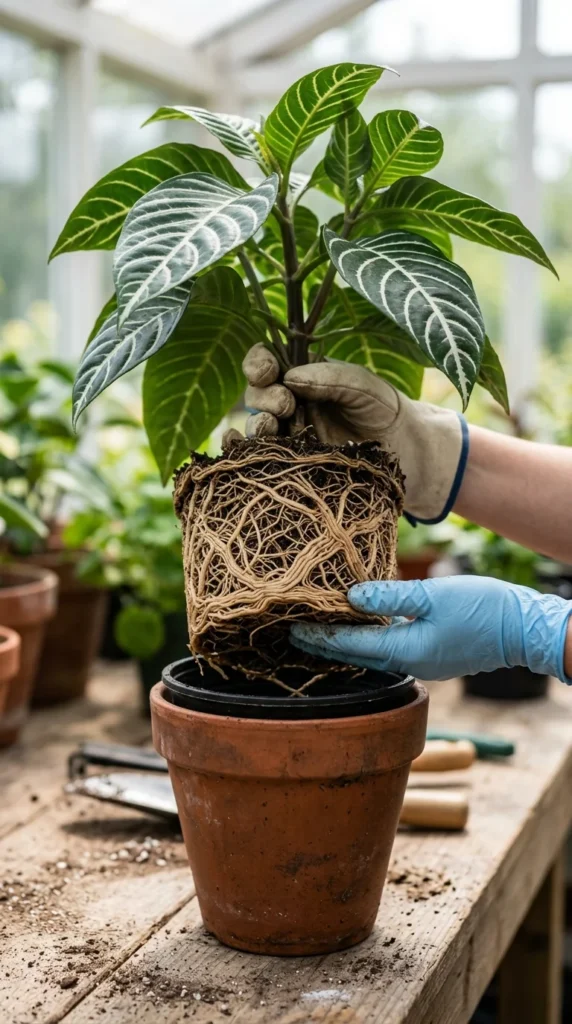
While they like being snug, a completely root-bound Zebra Plant will struggle to take up water. If the water runs straight through the pot without soaking in, or if the plant wilts every single day, it’s likely time for a slightly larger home.
18. Dark Corners
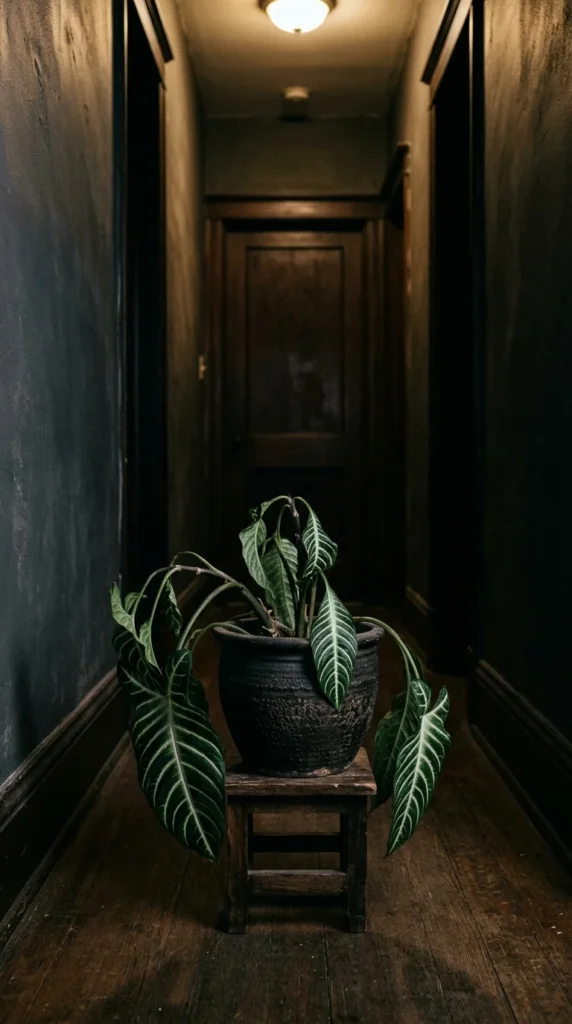
Mistakenly thinking the Zebra Plant is a “low light” plant like a Snake Plant or ZZ Plant is a common error. It is a medium-to-bright light plant. Without sufficient light, it will not only stop growing but will become highly susceptible to root rot because it isn’t using water efficiently.
19. Moving Too Often
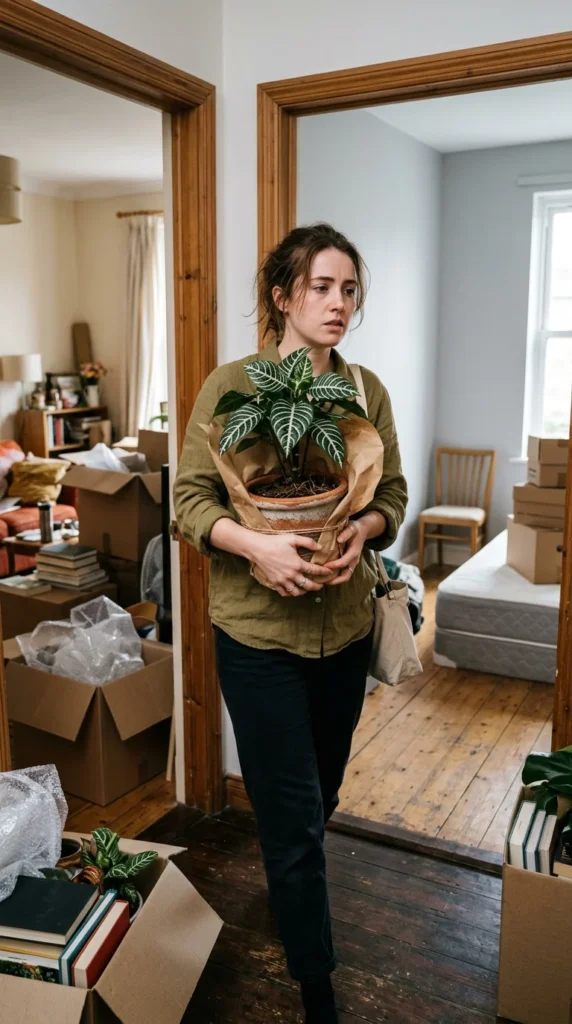
Zebra Plants are sensitive to changes in their environment. Moving them from room to room as you decorate can cause “stress drop,” where the plant sheds leaves to cope with the changing light and temperature levels. Find a good spot and leave it there.
20. Ignoring Yellow Leaves
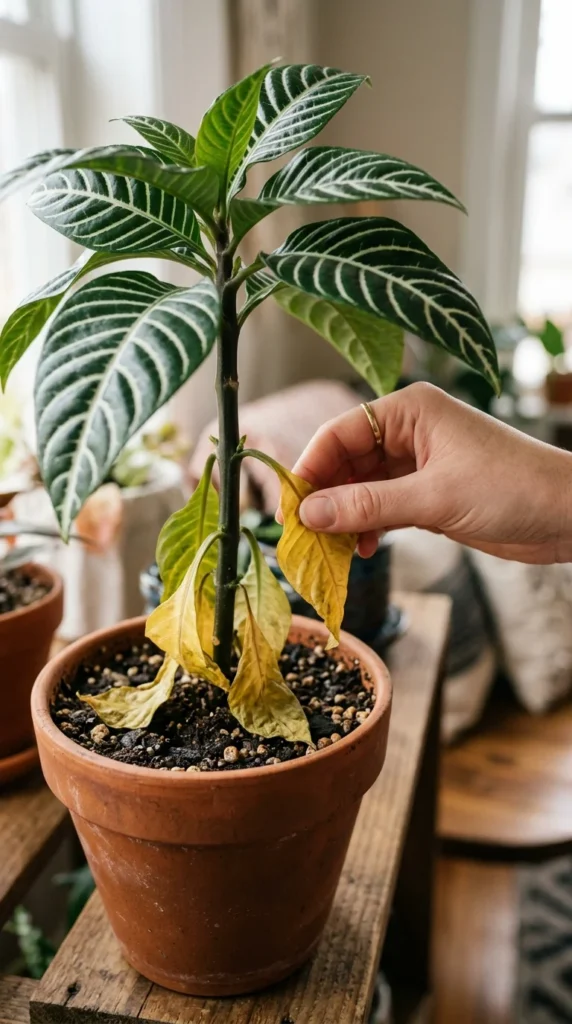
Yellow leaves are the plant’s way of communicating. Don’t just pull them off and ignore the cause. Is it overwatering? Is it a nutrient deficiency? Investigate the root cause immediately to prevent the problem from spreading to the rest of the foliage.
21. Leaf Dust
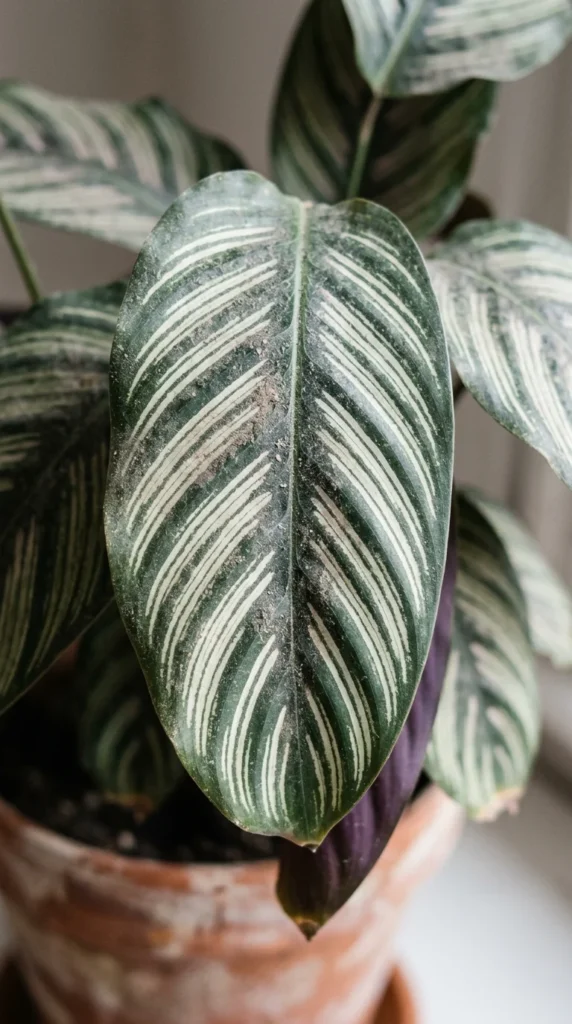
The large, broad leaves of the Zebra Plant are dust magnets. A thick layer of dust blocks sunlight and prevents the plant from “breathing” (photosynthesizing) properly. Wipe the leaves gently with a damp cloth every two weeks to keep them clean and functional.
22. Poor Drainage
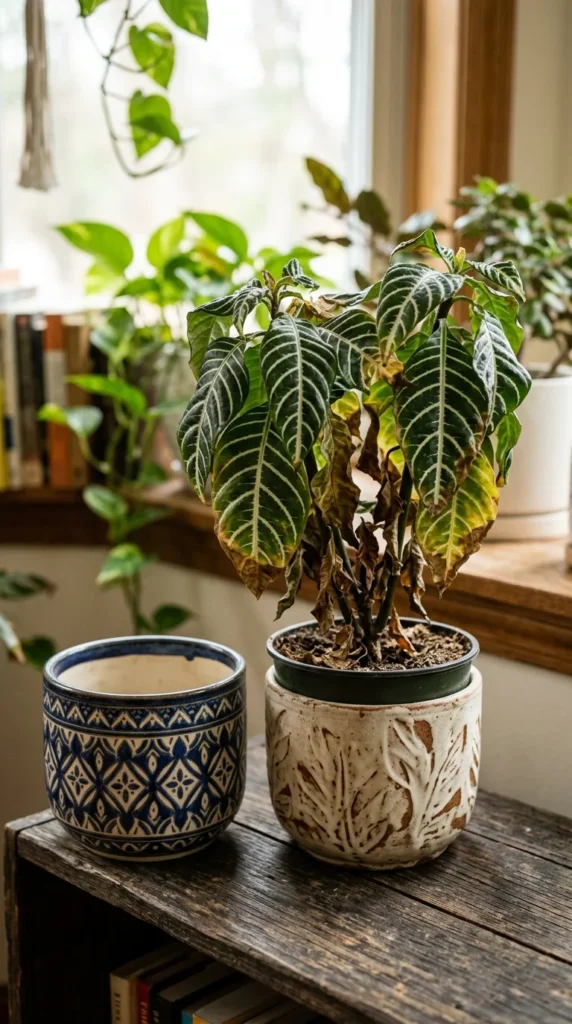
This is a classic mistake. If your pot doesn’t have a hole at the bottom, water will pool at the base, and even if the top inch of soil feels dry, the roots will be drowning. Always use a pot with drainage holes, or use a plastic nursery liner inside a decorative “cachepot.”
23. Shallow Watering
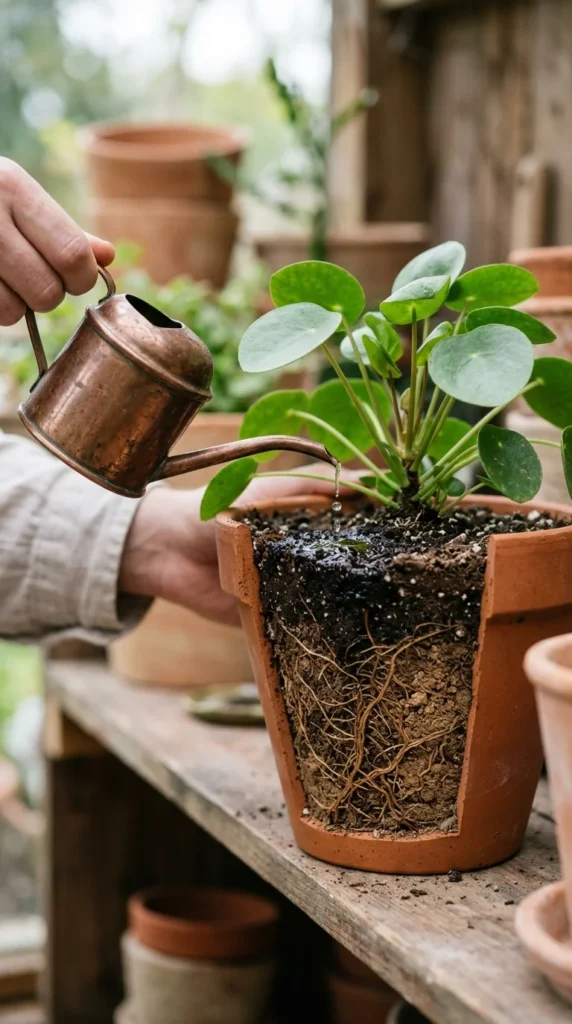
Giving the plant “sips” of water every day only wets the top layer of soil. This encourages roots to grow upward and leaves the main root ball dry. Instead, water thoroughly until it runs out of the drainage holes, then wait until the top inch is dry before watering again.
24. Winter Over-watering
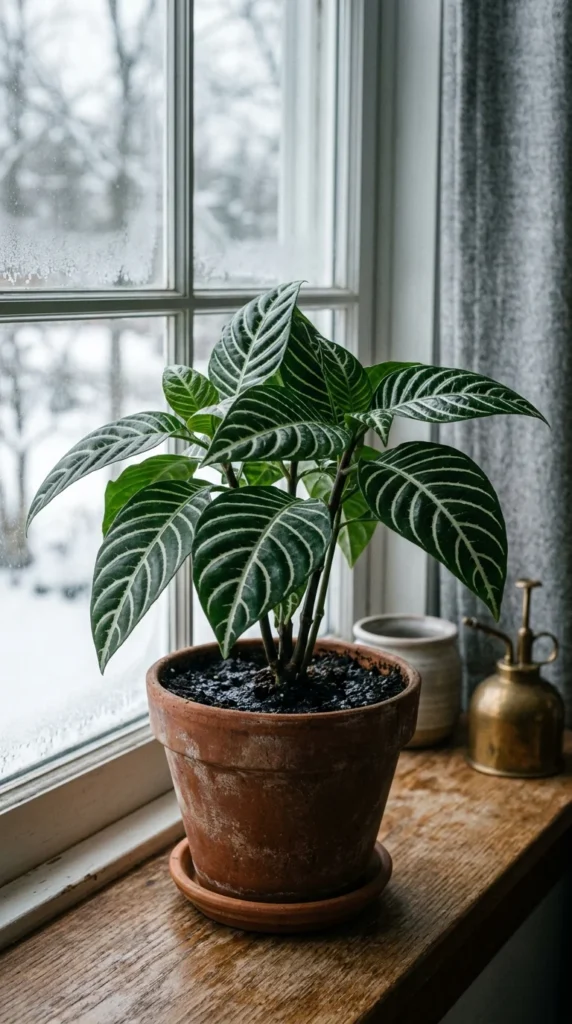
During the winter, the Zebra Plant’s growth slows down significantly. It requires much less water during this time. Continuing the summer watering schedule into the winter is a fast track to root rot. Always adjust your watering frequency based on the season.
25. Neglecting the Bloom
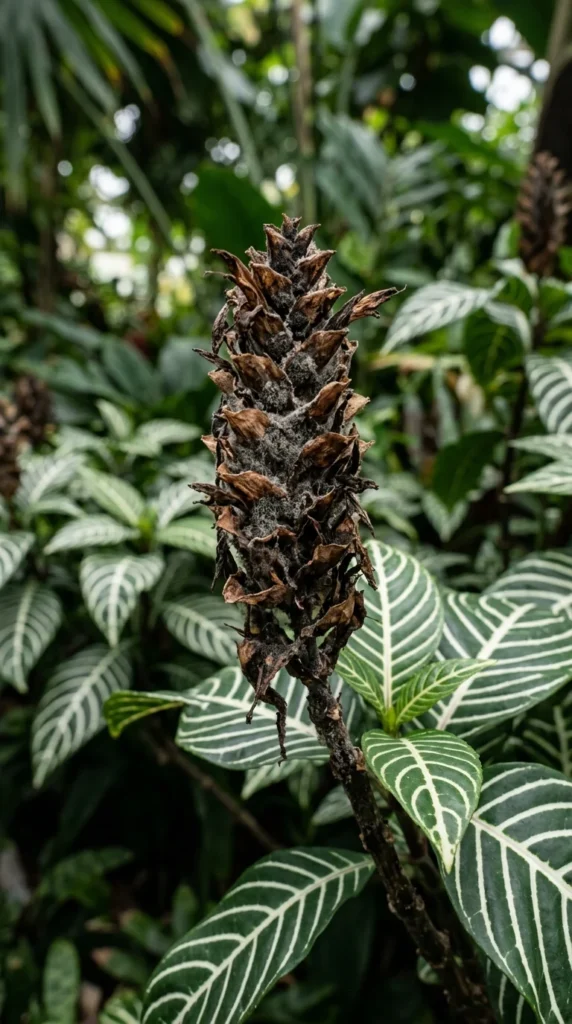
The yellow bracts are beautiful, but they take a lot of energy from the plant. Once the flower begins to die and turn brown, it should be removed. Neglecting to deadhead can lead to mold issues and prevents the plant from redirecting its energy back into leaf production.
26. Chemical Shine Products
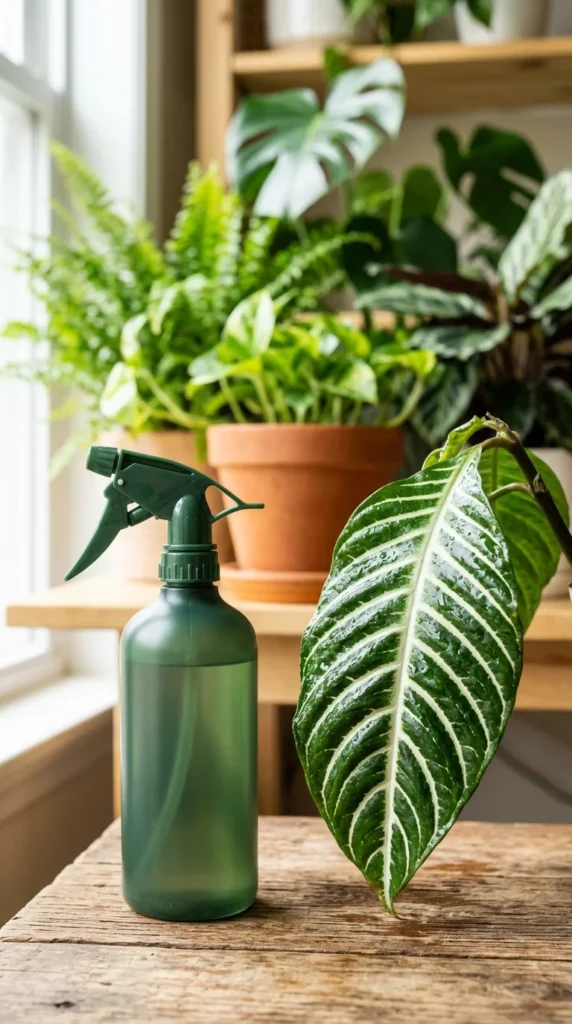
Using commercial leaf shine products can clog the stomata (pores) on the leaves of a Zebra Plant. This interferes with the plant’s ability to exchange gases and can lead to leaf drop. A simple damp cloth with water is all you need for a natural shine.
27. Potting Without Aeration
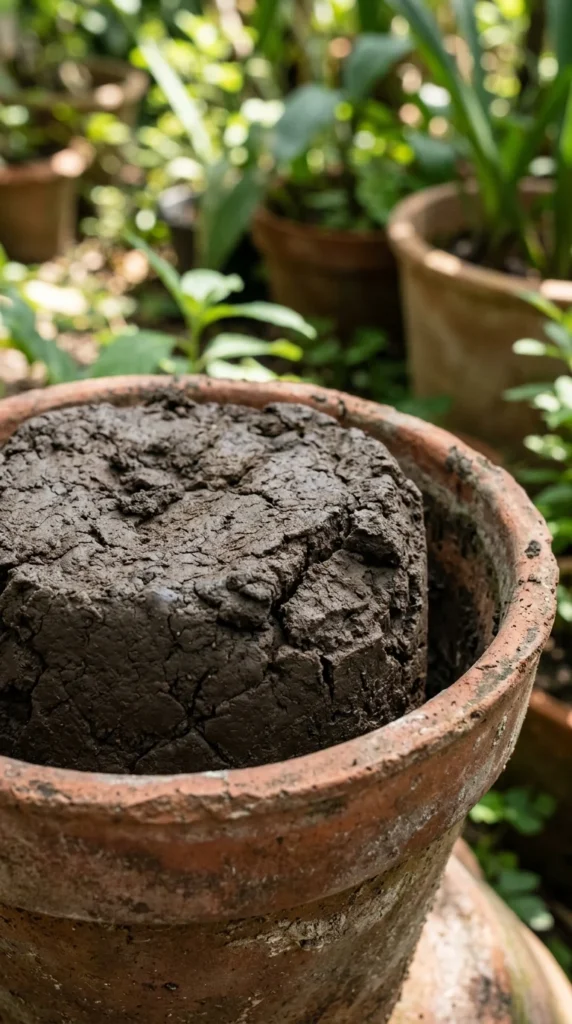
Even if you have the right “mix,” if you pack the soil down too tightly when repotting, you eliminate the air pockets the roots need to breathe. Gently tap the pot to settle the soil rather than pressing it down with your hands.
28. Pesticide Burn
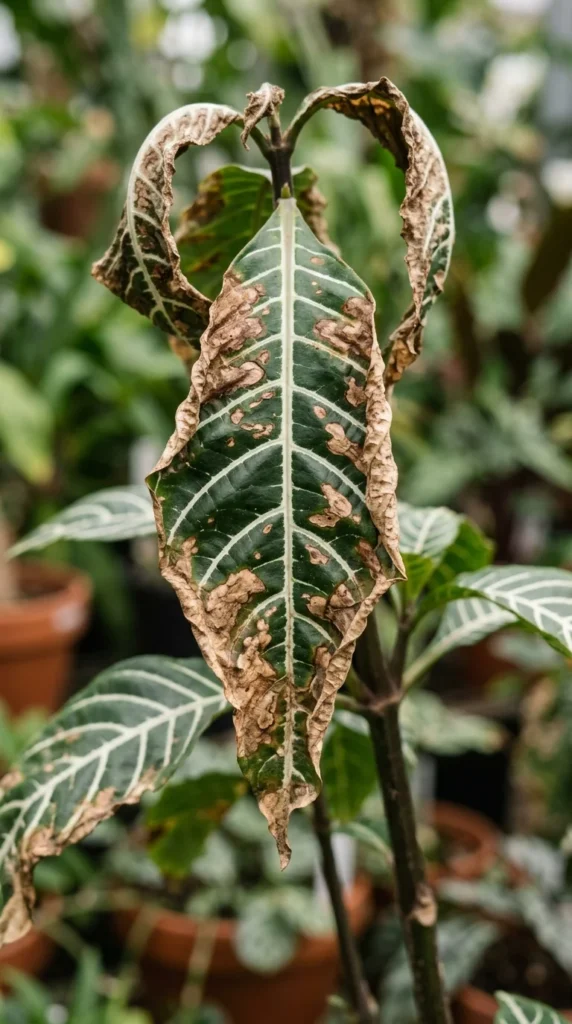
Zebra Plants have relatively sensitive leaves. Using harsh chemical pesticides in high concentrations or applying them while the plant is in bright light can cause chemical burns. Always test a small area first and apply treatments in the evening or in a shaded area.