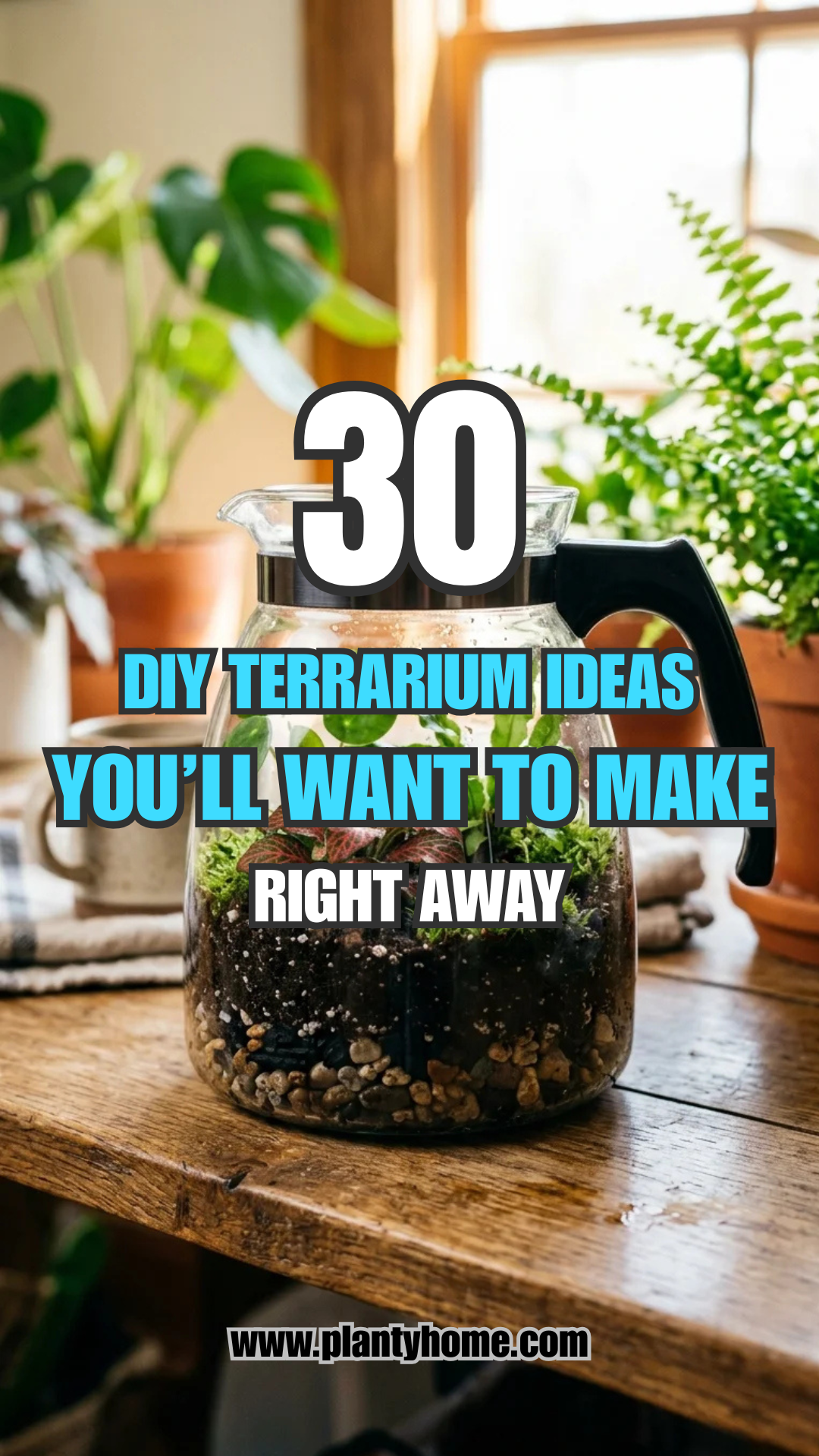
Terrariums are more than just home decor; they are self-sustaining miniature ecosystems that bring a slice of the natural world indoors. Whether you are a seasoned gardener or a self-proclaimed “black thumb,” these glass-encased gardens offer a low-maintenance way to enjoy greenery year-round. From arid desert landscapes to humid tropical jungles, the possibilities for customization are endless. In this guide, we explore 30 unique DIY terrarium ideas that cater to every style and skill level.
1. Desert Landscape
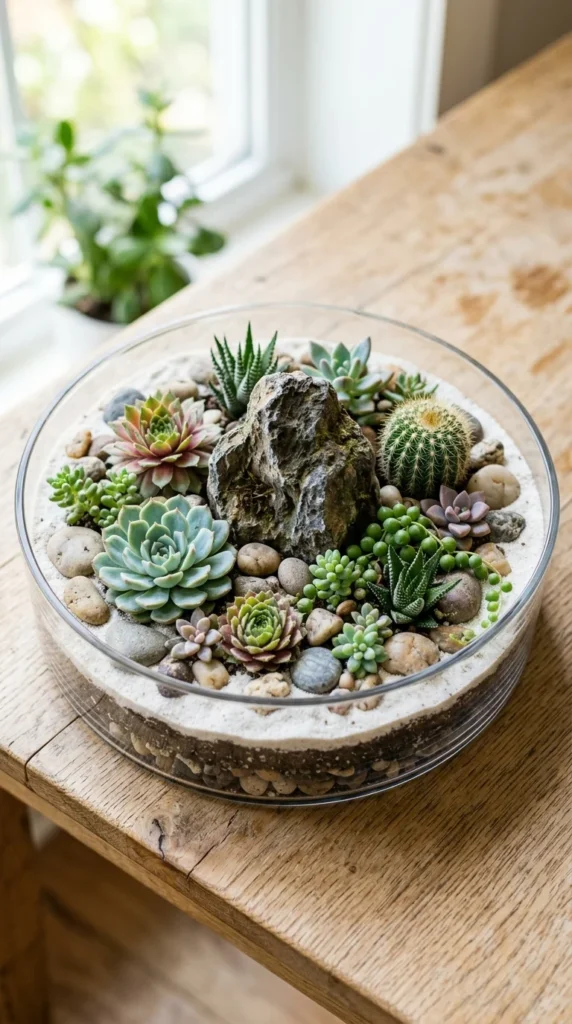
A desert terrarium is perfect for those who prefer low-humidity environments. By using succulents like Echeveria and small cacti, you can create a rugged, sun-drenched scene. Use well-draining soil and top it with sand or pebbles to mimic a natural desert floor. Since these plants store water in their leaves, they require very little attention.
2. Moss Forest
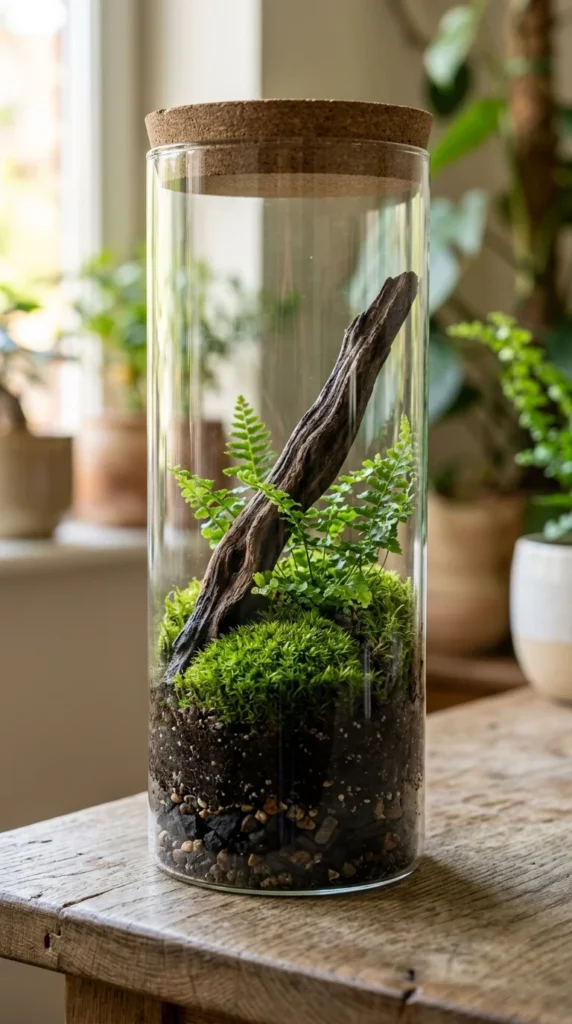
Moss terrariums thrive in closed containers where humidity is high. These “eternal” gardens are incredibly soothing to look at. Use different types of moss, such as sheet moss and mood moss, to create texture and depth. A spray of water every few weeks is usually all they need to stay lush.
3. Lightbulb Microcosm
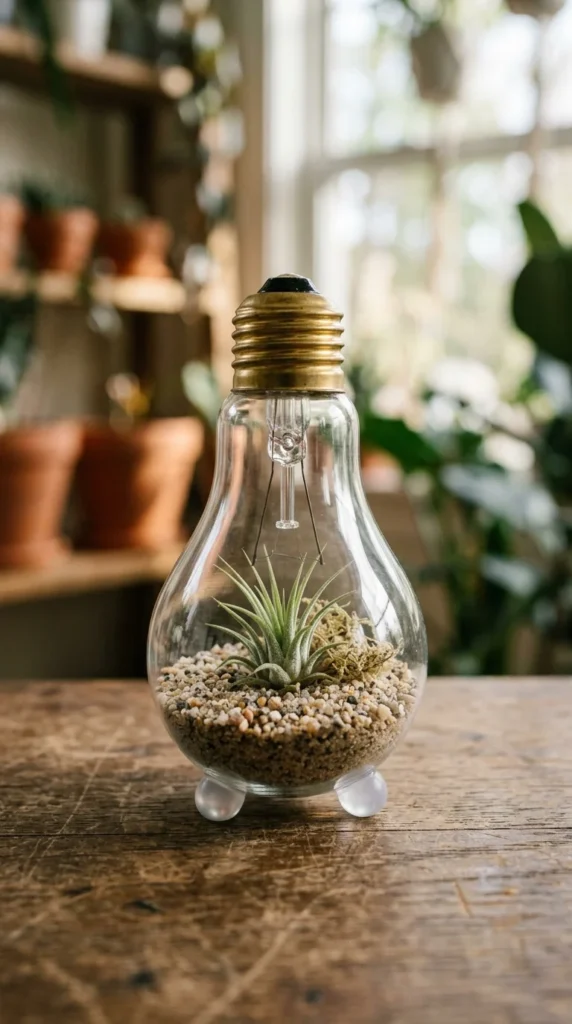
Upcycling old incandescent lightbulbs into tiny ecosystems is a creative way to recycle. Because of their small size, these are best suited for air plants (Tillandsia) or very small sprigs of moss. It’s a delicate project that results in a stunning piece of desk art.
4. Hanging Globes
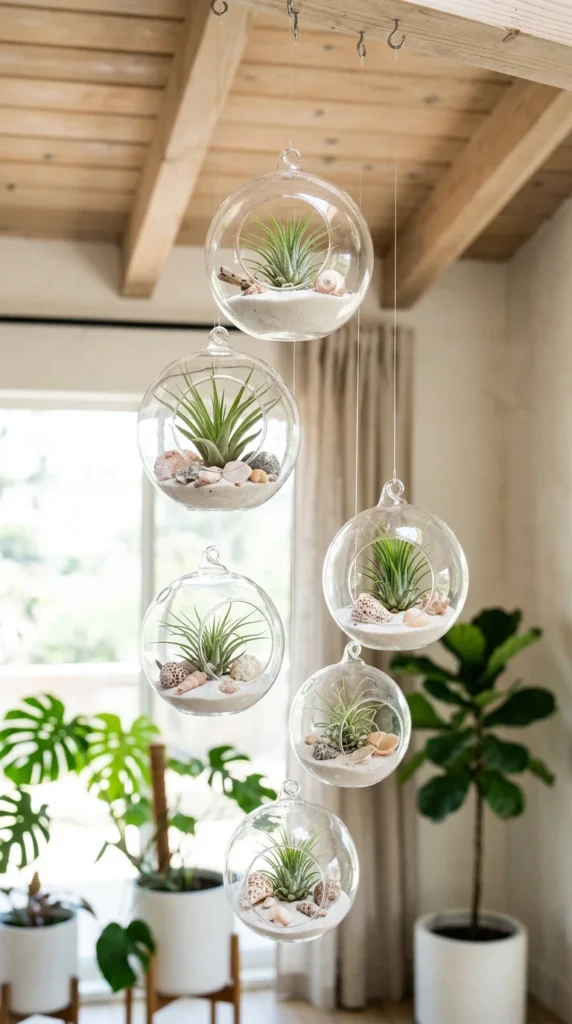
Hanging terrariums add vertical interest to a room. Glass globes with side openings allow for air circulation, making them ideal for air plants. You can hang them near a window where they can catch the light without taking up valuable shelf space.
5. Coffee Pot
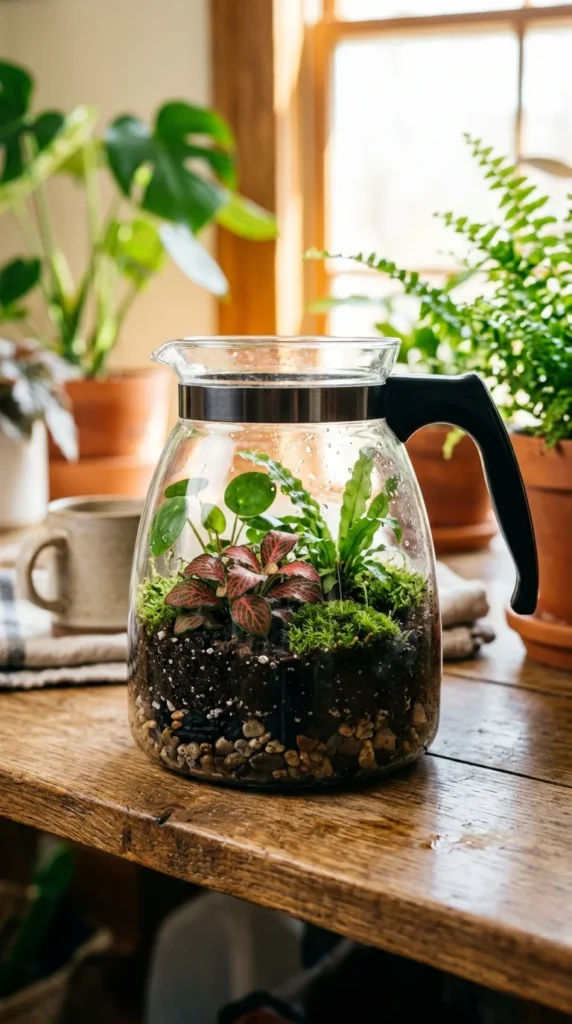
Give your old coffee carafe a second life. The wide bottom and tapered top make it an excellent vessel for a humid-loving environment. The handle also makes it easy to move around your home as lighting needs change.
6. Mason Jar
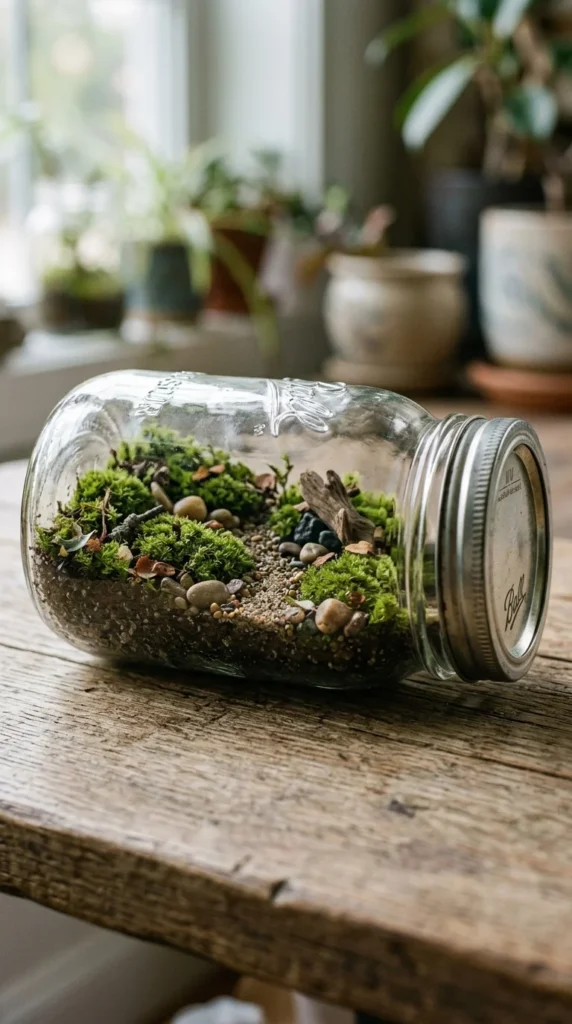
The Mason jar is the quintessential DIY container. It’s affordable, accessible, and fits perfectly with a rustic or farmhouse aesthetic. You can stand them upright or lay them on their side for a wider planting area.
7. Geometric Prism
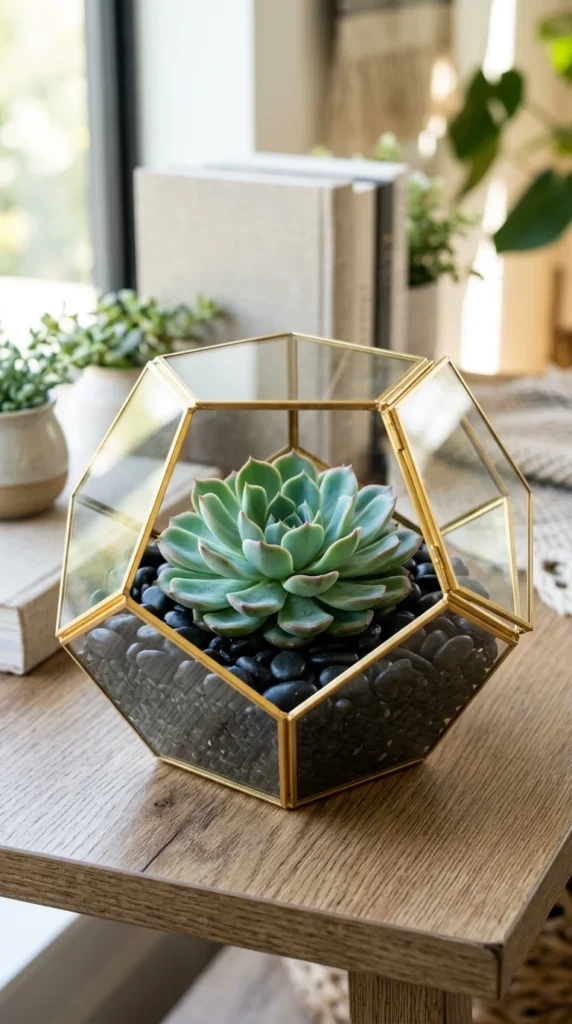
Geometric terrariums are a staple of modern interior design. Their sharp lines and metallic edges provide a beautiful contrast to the soft, organic shapes of the plants inside. These are often best kept open to prevent heat buildup from the glass facets.
8. Victorian Wardian
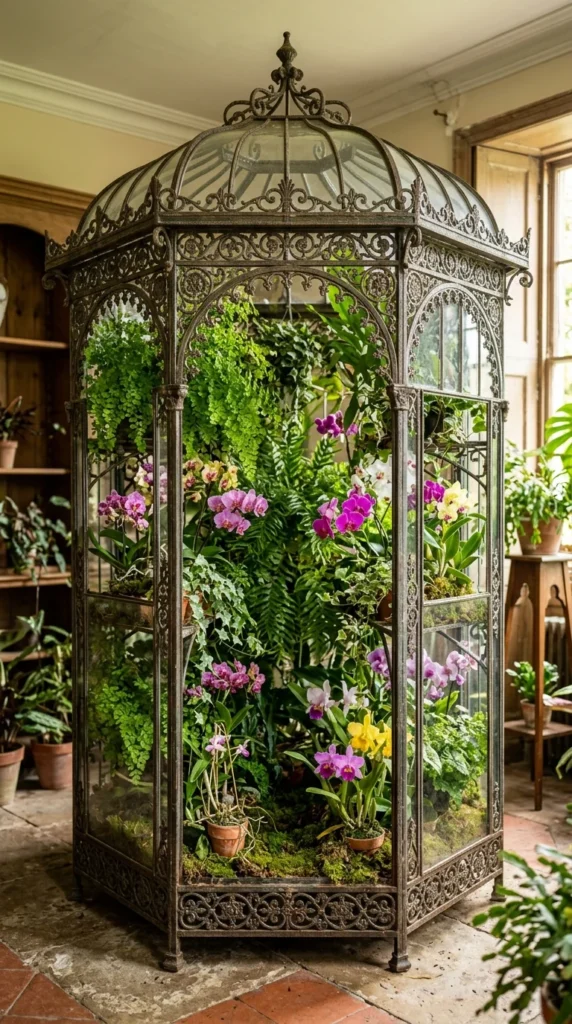
Inspired by the 19th-century “Wardian Case,” these large terrariums are grand statements. They are designed to house delicate tropical plants that require high levels of moisture. It’s like having a miniature botanical garden in your living room.
9. Tea Tin
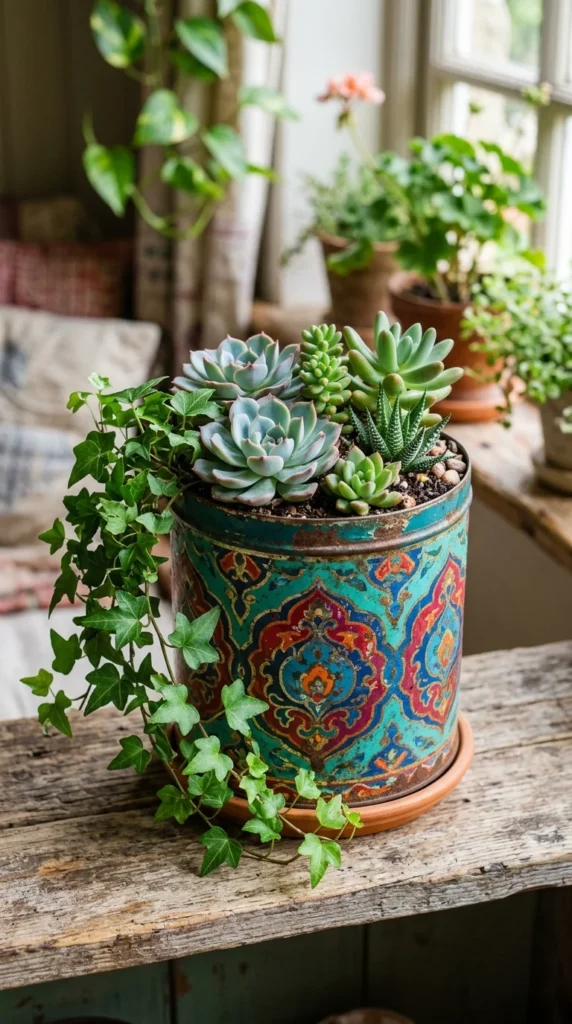
Vintage tea tins offer a pop of color and a nostalgic feel. Since metal tins aren’t transparent, the plants will only be visible from the top, making this a “top-down” terrarium style. Ensure you add a thick layer of gravel at the bottom for drainage since you can’t drill holes in the tin.
10. Fishbowl Jungle
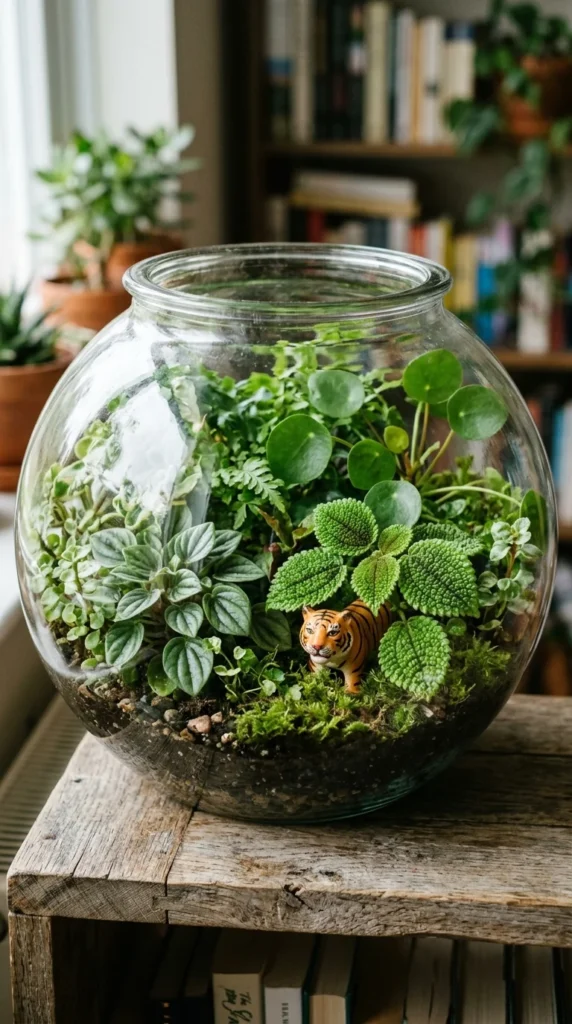
A round fishbowl provides a 360-degree view of your miniature jungle. The curved glass magnifies the plants slightly, making the ecosystem look even more detailed and lush. It’s a great project for kids who want to add small animal figurines to their “forest.”
11. Wine Bottle
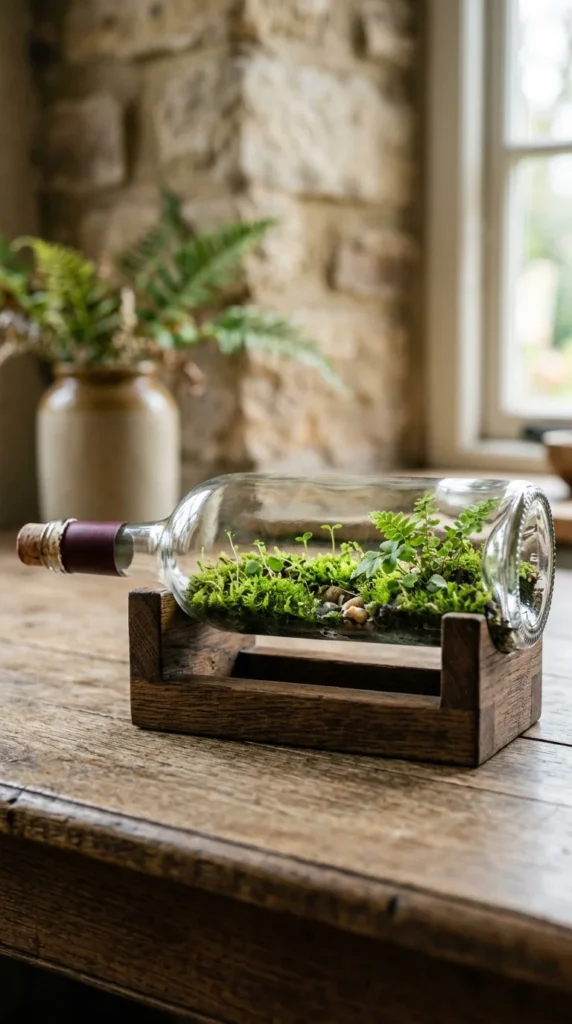
Creating a terrarium inside a wine bottle is a “ship-in-a-bottle” style challenge. It requires long-handled tools and a bit of patience to place the plants through the narrow neck, but the result is a sophisticated and sleek piece of decor.
12. Apothecary Jar
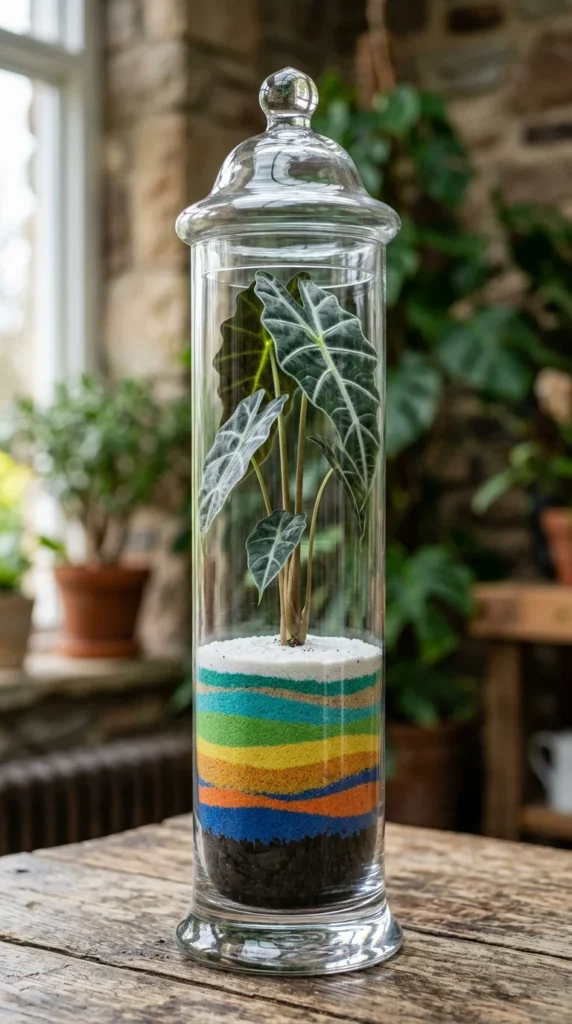
Apothecary jars come in beautiful shapes and sizes. Their heavy lids create a nearly airtight seal, making them perfect for “self-watering” closed systems. The height of these jars allows you to plant taller species that wouldn’t fit in a standard bowl.
13. Zen Garden
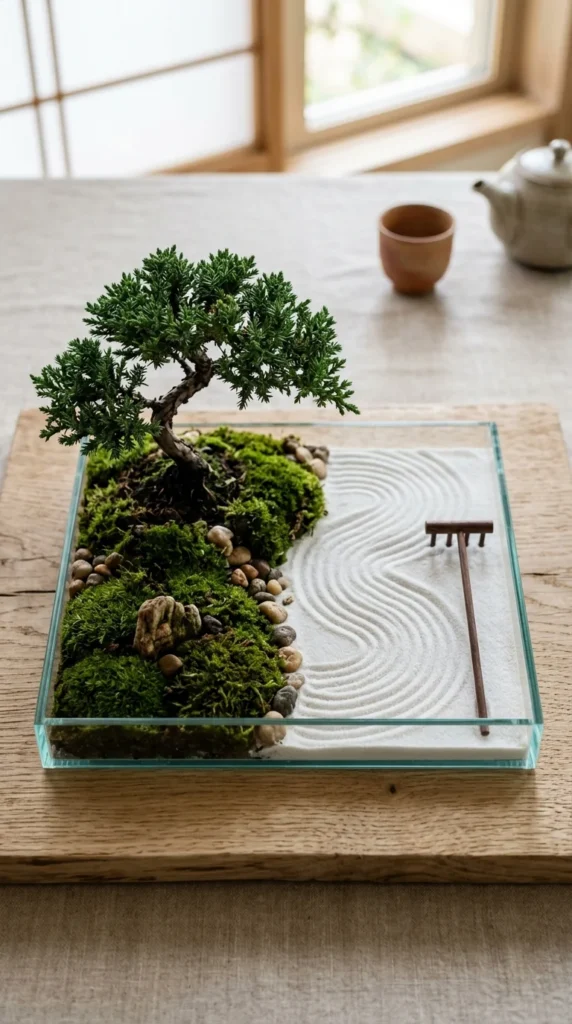
A Zen-themed terrarium combines living plants with the meditative practice of sand raking. It’s a minimalist approach that emphasizes balance and tranquility. Use a small juniper or a thick-stemmed succulent to mimic the look of a tree.
14. Fairy Garden
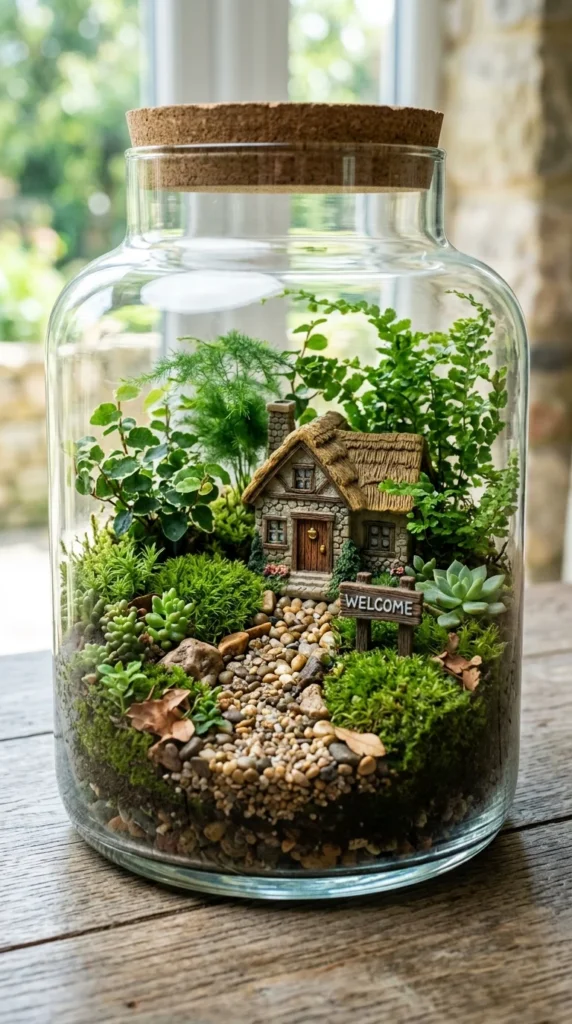
Fairy gardens are all about storytelling. By adding miniature furniture, tiny doors, and whimsical accessories, you can create a magical world. These are particularly popular with children and those who enjoy miniature scale modeling.
15. Jurassic World
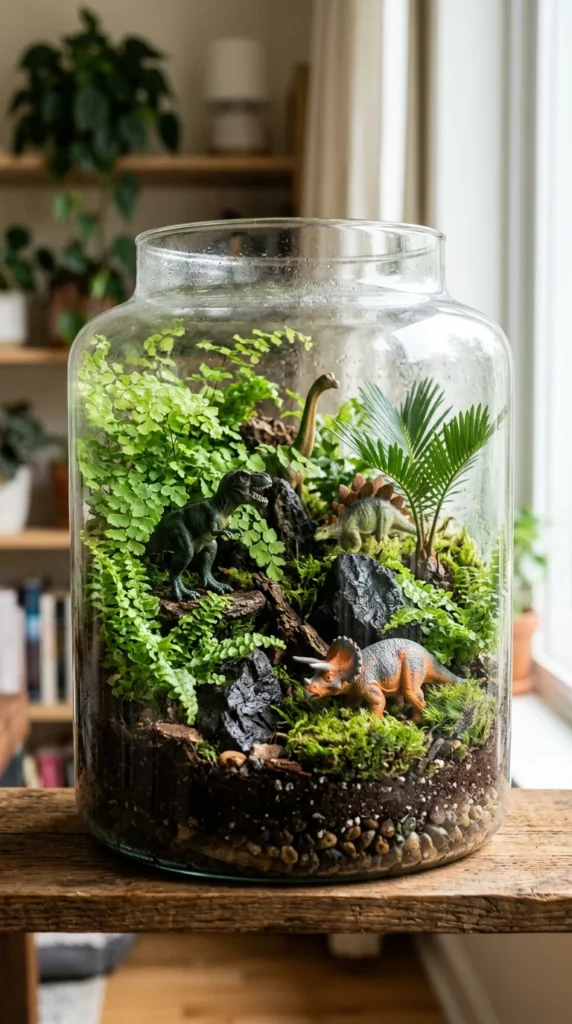
For a fun twist, use ancient-looking plants like ferns and cycads to create a prehistoric landscape. Adding toy dinosaurs makes it a great educational piece for a child’s bedroom or a playful addition to an office.
16. Beach Air-Plant
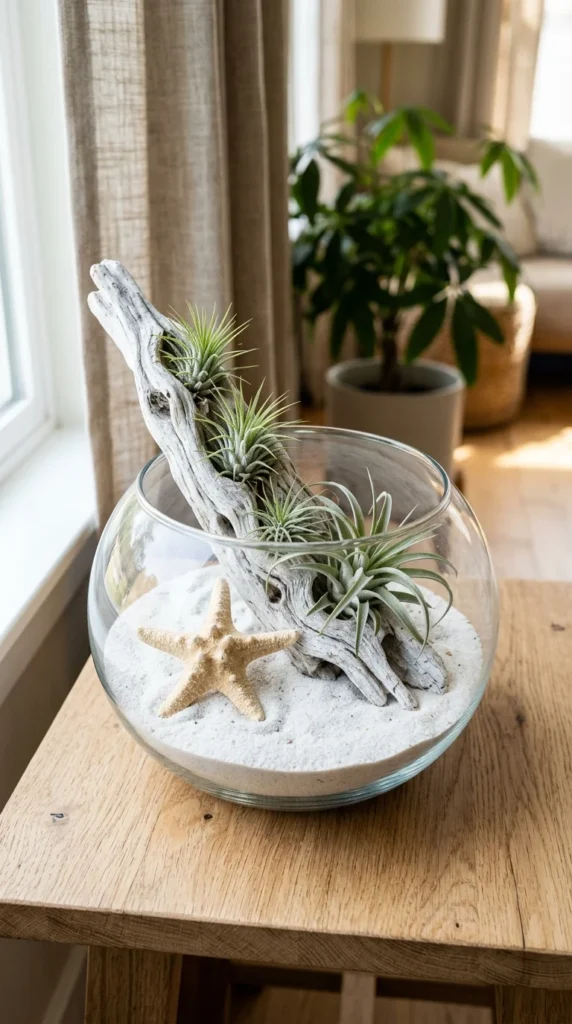
If you love the ocean, a beach-themed terrarium is the way to go. Since air plants don’t require soil, you can use sand and seashells without worrying about root rot. It brings a permanent summer vibe to your space.
17. Gumball Machine
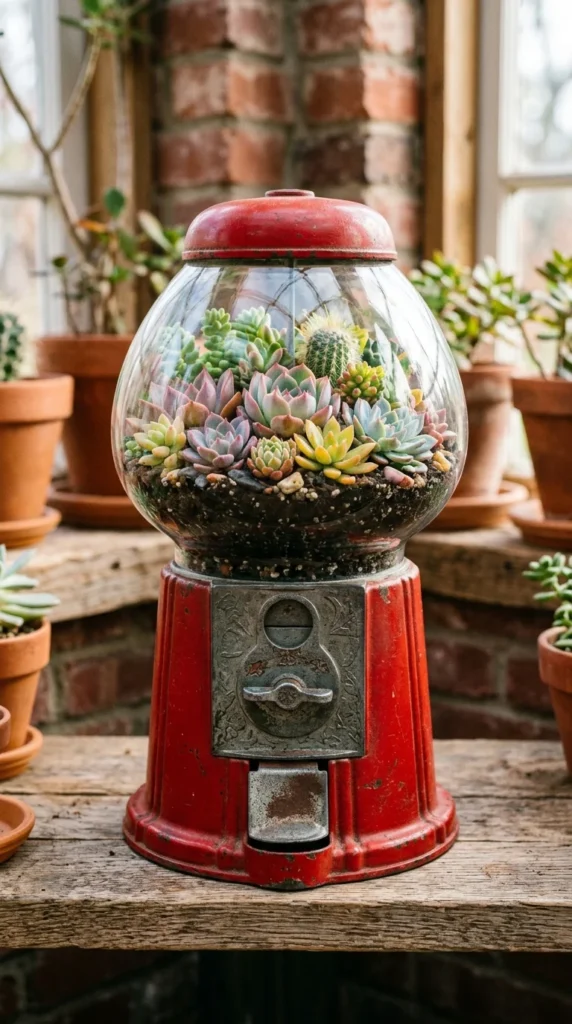
An old gumball machine is a quirky and unexpected vessel. It’s a great conversation starter and adds a vintage, playful touch to your home. The glass globe provides plenty of light for the plants inside.
18. Spice Jar
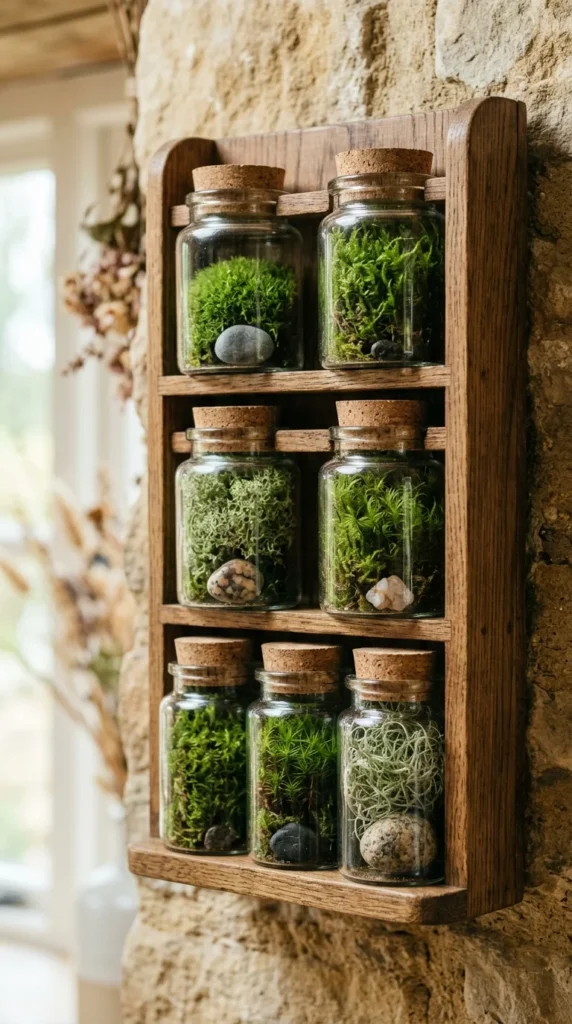
Don’t throw away those empty spice jars. They make perfect “micro-terrariums.” These are excellent for small spaces like windowsills or as a series of decorative accents on a bookshelf.
19. Lantern Terrarium
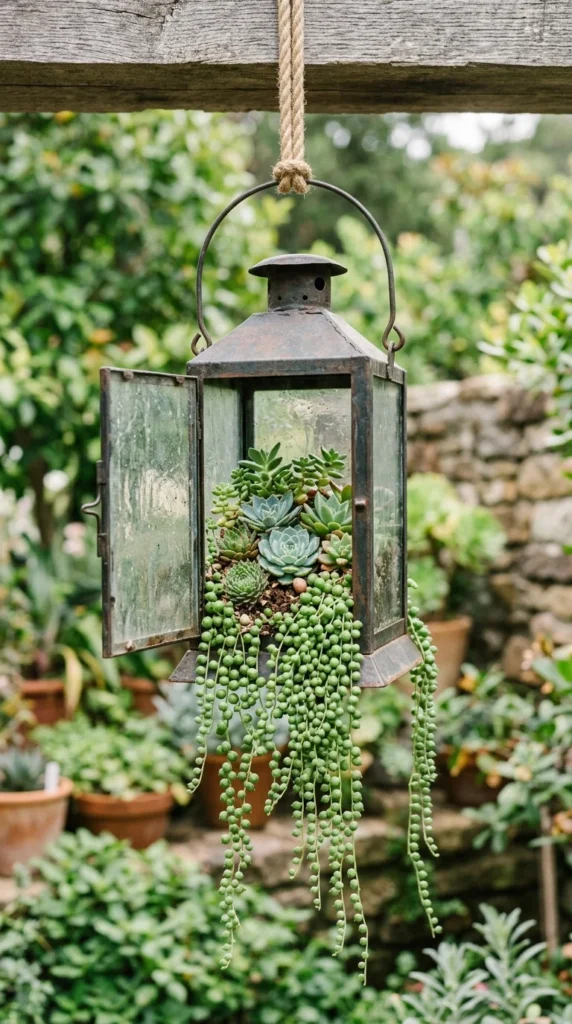
Lanterns are designed to hold light, but they are equally good at holding life. The door of the lantern makes it very easy to access the plants for watering or pruning. This style works beautifully as a centerpiece for an outdoor patio table.
20. Teacup Garden
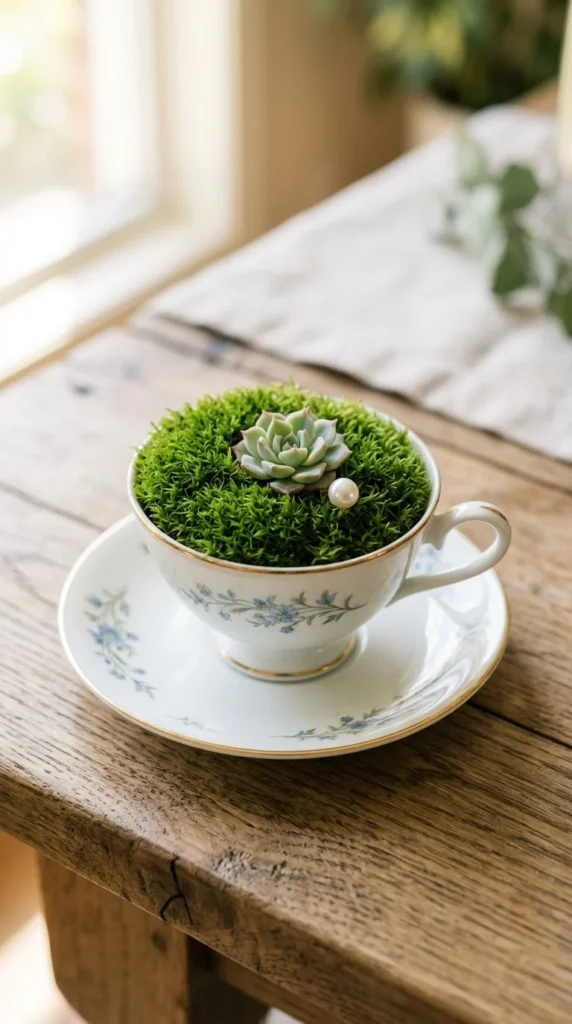
A teacup terrarium is dainty and charming. It’s a perfect gift idea or a way to display an heirloom piece that might be chipped or unusable for tea. Because they are small, they are very easy to assemble in just a few minutes.
21. Wall-Mounted Glass
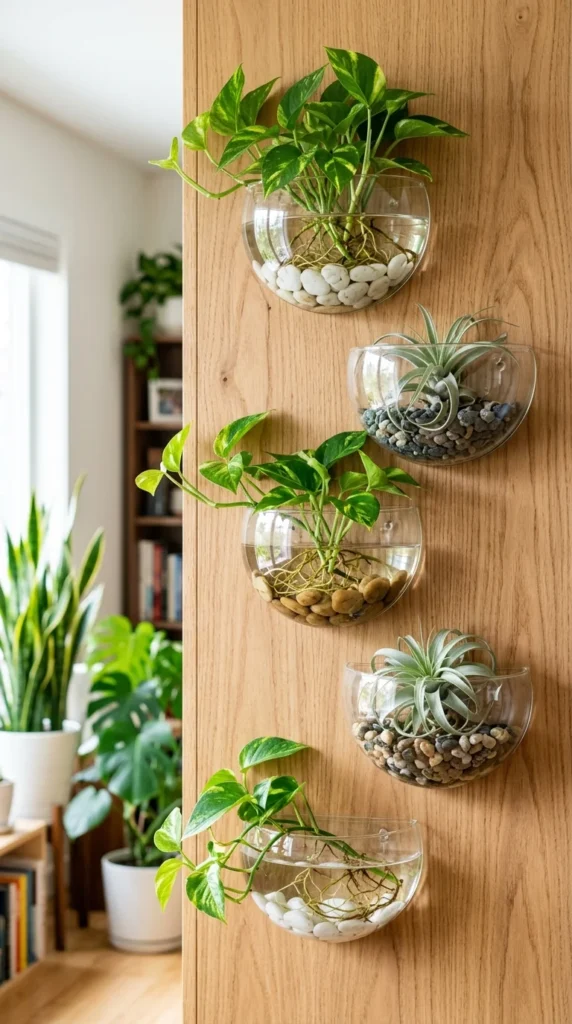
Wall-mounted terrariums save floor and counter space. They act like living wallpaper. Using clear glass allows the colors of the wall to show through, making the plants appear as if they are floating.
22. Corked Bottle
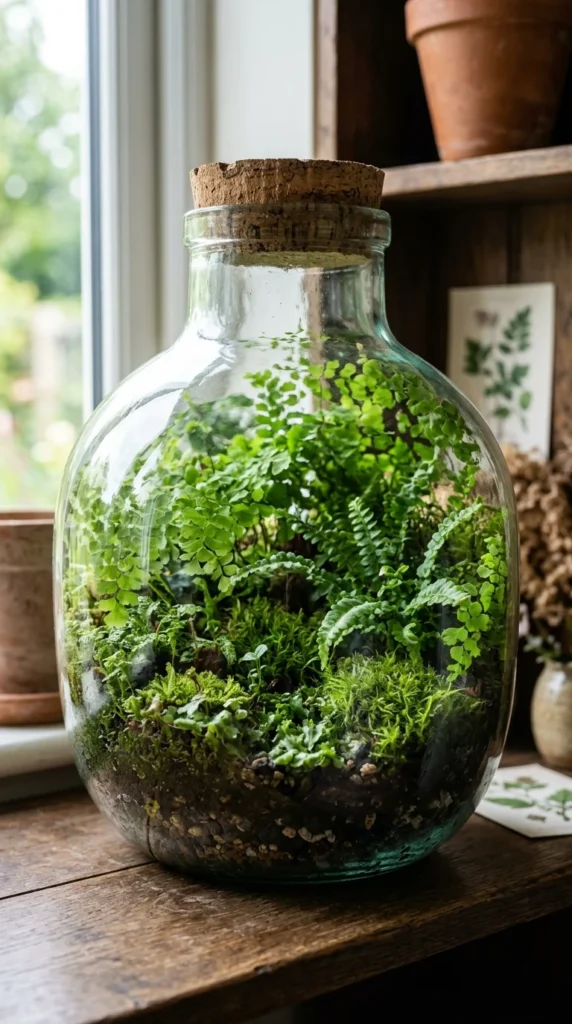
A corked bottle creates a completely closed system. The water cycles through evaporation and condensation, meaning you may only need to open it once a year—or less! It’s the ultimate “set it and forget it” garden.
23. Bell Jar
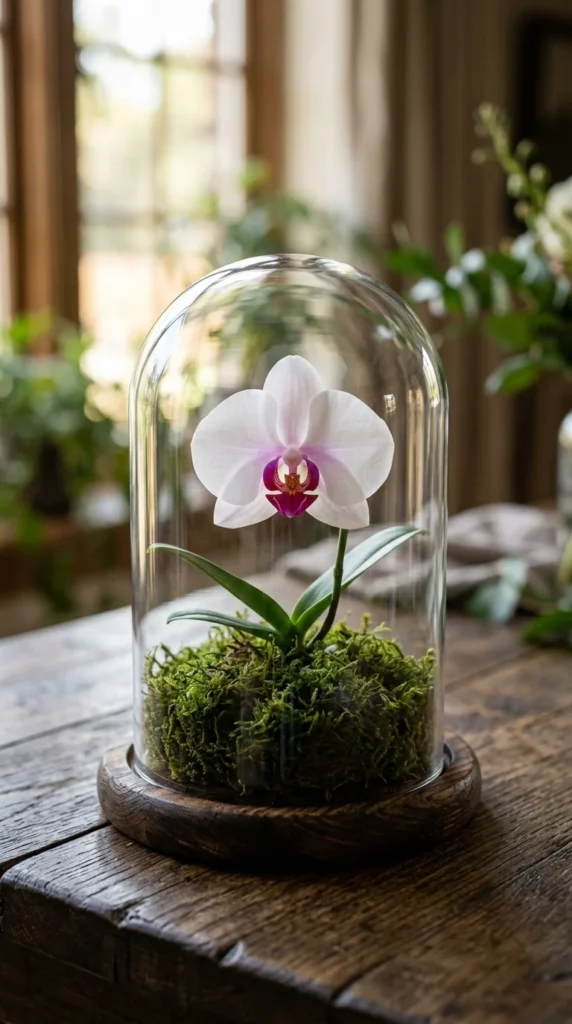
The bell jar, or cloche, offers a sophisticated way to highlight a single, beautiful plant. It acts as a spotlight, drawing the eye to the specimen inside. It also protects delicate plants from dust and drafts.
24. Vintage Birdcage
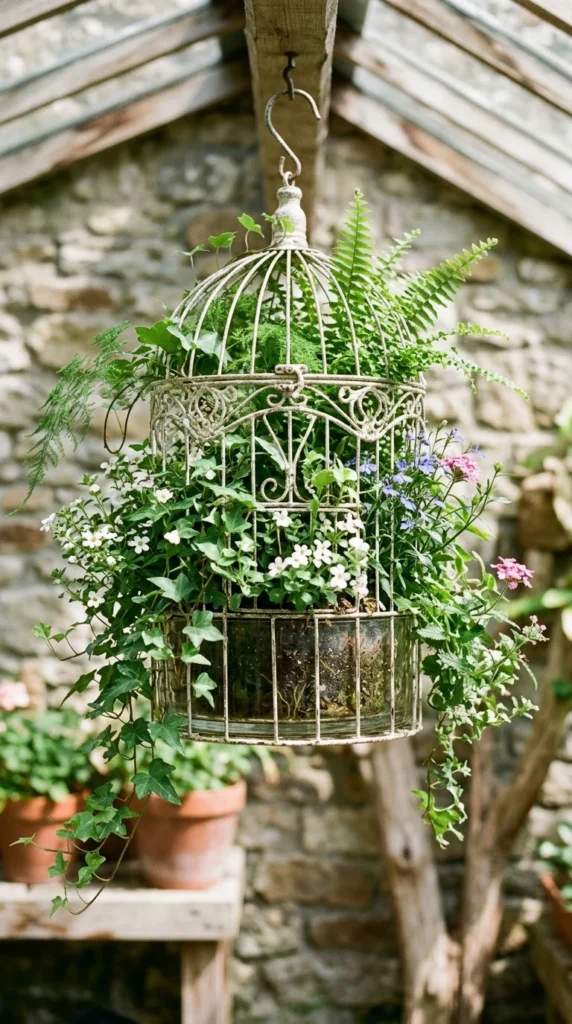
While not airtight, a birdcage provides a unique structure for climbing plants. You can line the bottom with a glass bowl or plastic tray to hold the soil and moisture, while the plants weave through the bars.
25. Cake Stand
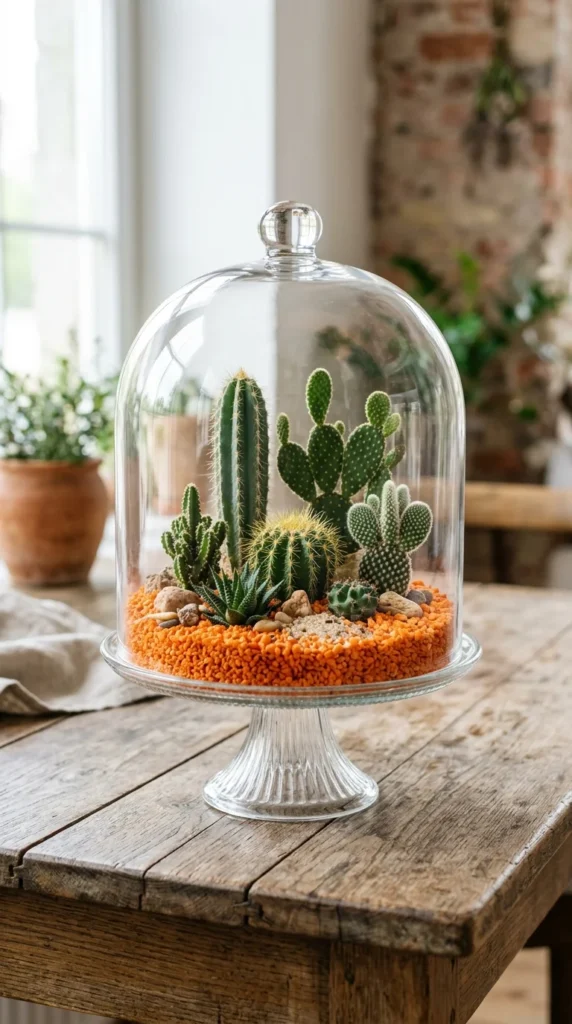
A cake stand with a dome is essentially a ready-made terrarium. It’s elegant and provides a large surface area for creating complex landscapes. It’s especially effective for desert themes where you want to show off different elevations of sand.
26. Crystal Infused
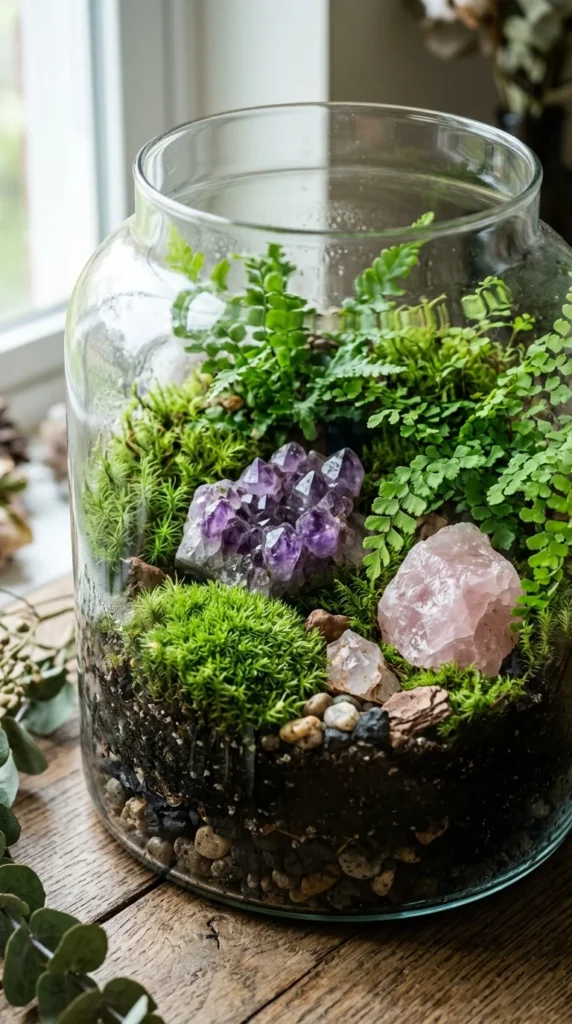
For those who enjoy the aesthetic or spiritual properties of crystals, incorporating them into a terrarium is a natural fit. The sparkling facets of the stones look beautiful against the organic green of the moss and leaves.
27. Terrarium Table
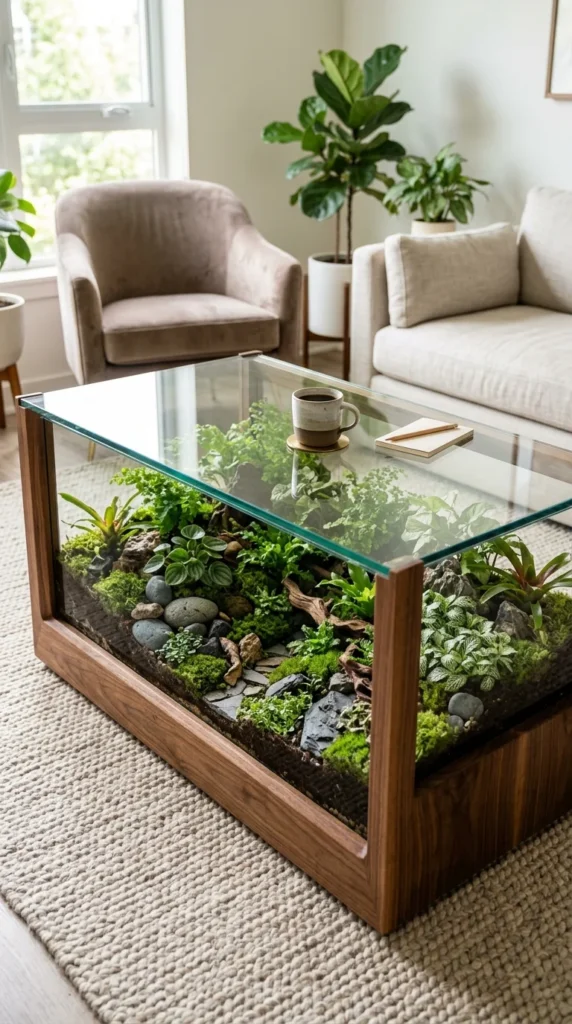
For the ultimate DIY project, you can turn a hollow coffee table into a massive terrarium. It becomes a functional piece of furniture and a living art installation simultaneously. It requires careful planning for lighting and access, but the impact is unmatched.
28. Miniature Greenhouse
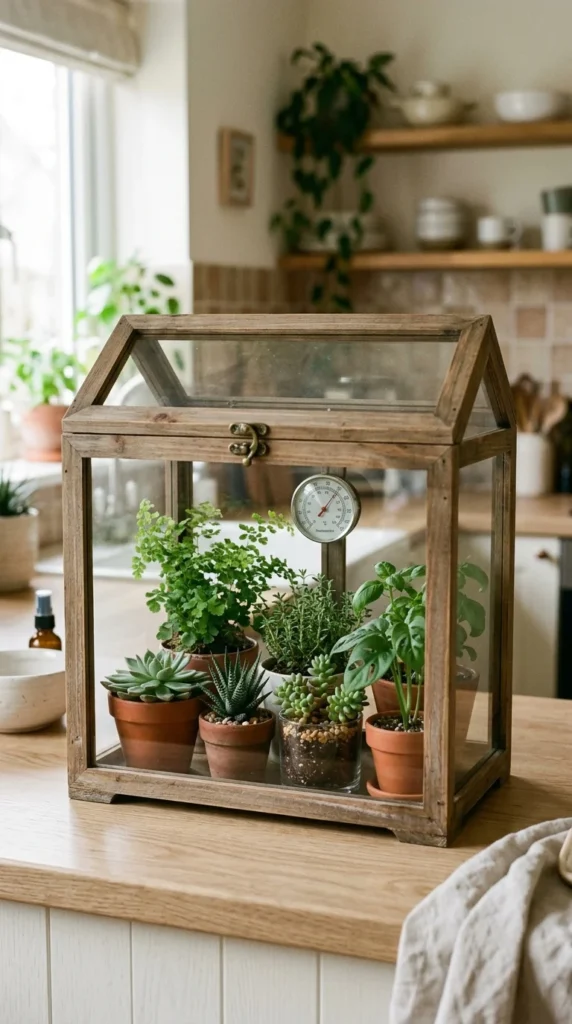
A miniature greenhouse allows you to keep several individual small terrariums or potted plants in one controlled environment. It’s perfect for propagating new plants or keeping humidity-loving species together.
29. Wood Base
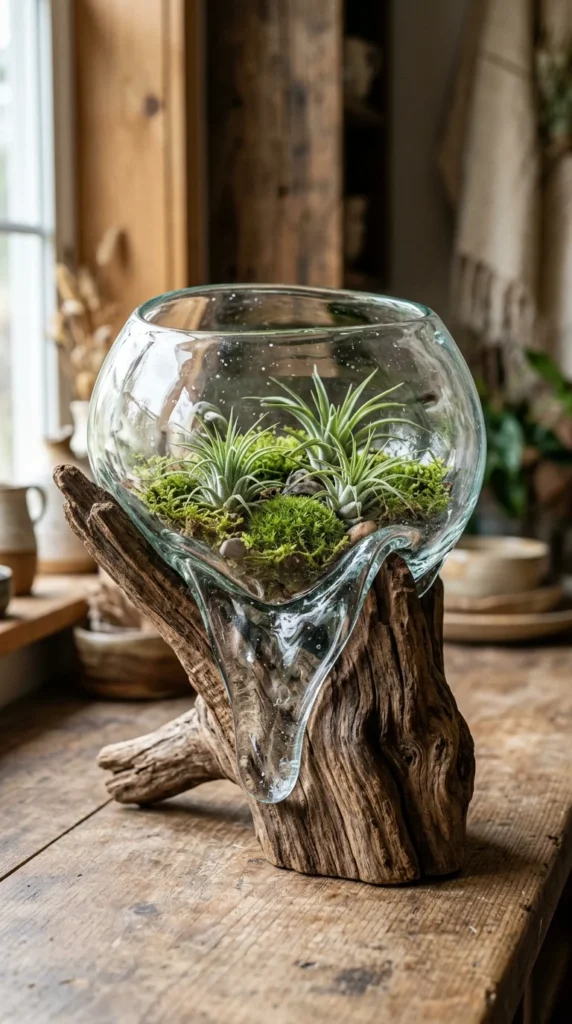
Molten glass terrariums are made by blowing glass directly onto a piece of driftwood. The glass takes the shape of the wood, creating a seamless, organic look. These are high-end decorative pieces that require very little additional styling.
30. Color Sand
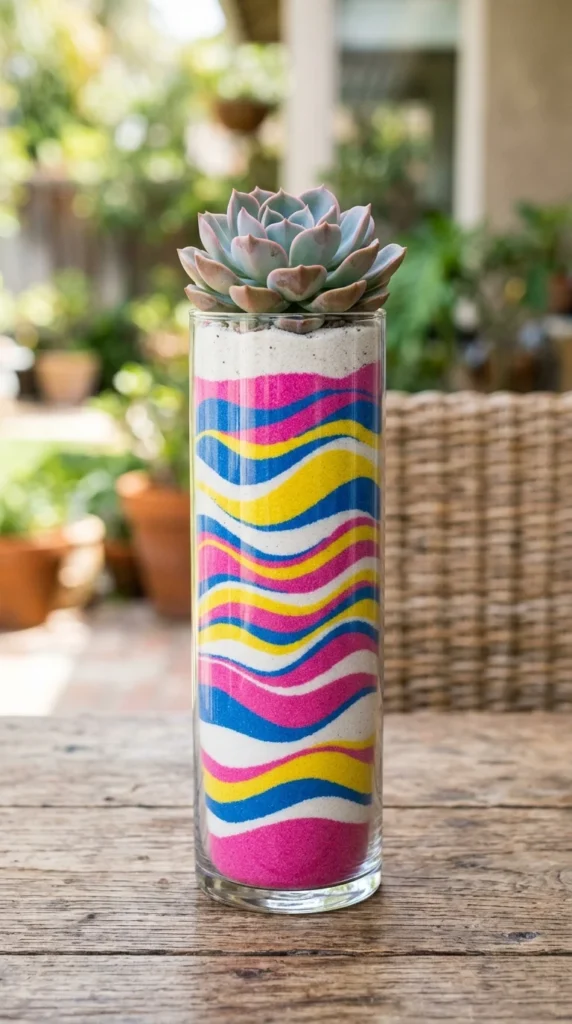
Using colored sand allows you to create vibrant, artistic patterns that you wouldn’t find in nature. It’s a great way to match your terrarium to the color palette of your room. Layering the sand slowly with a funnel helps keep the lines crisp and defined.
Terrarium Maintenance Tips
To keep your miniature ecosystem thriving, follow these simple rules:
- Light: Most terrariums prefer bright, indirect light. Direct sunlight can act like a magnifying glass through the container, scorching the delicate plants inside.
- Watering: For closed terrariums, water only when the soil looks dry or the condensation on the glass disappears. For open terrariums (succulents), water sparingly, ensuring the soil dries out completely between sessions.
- Cleaning: Use a long brush or a damp cloth to wipe away any algae or dust from the inside of the glass. This ensures your plants get maximum light and your view remains clear.
- Pruning: If a plant grows too large and begins to crowd the container, don’t be afraid to trim it back. This encourages bushier growth and keeps the ecosystem in balance.