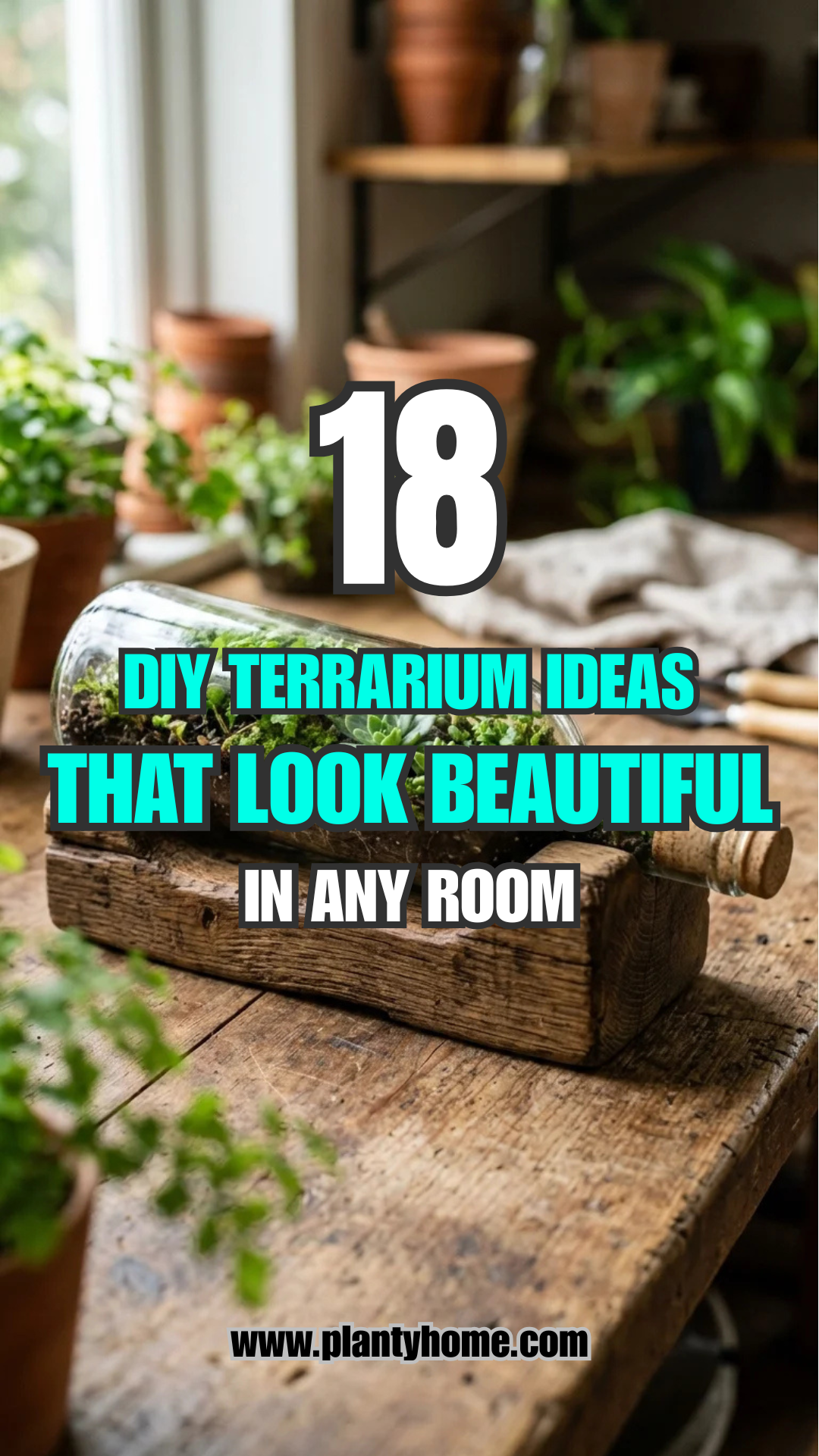
Terrariums are more than just indoor plants; they are self-contained ecosystems that function as living pieces of art. Whether you live in a sprawling house or a compact apartment, these miniature gardens bring a touch of nature indoors without requiring the maintenance of a full-scale garden. From desert landscapes to lush tropical forests, the versatility of a terrarium makes it a perfect addition to any interior design style.
1. Hanging Globes
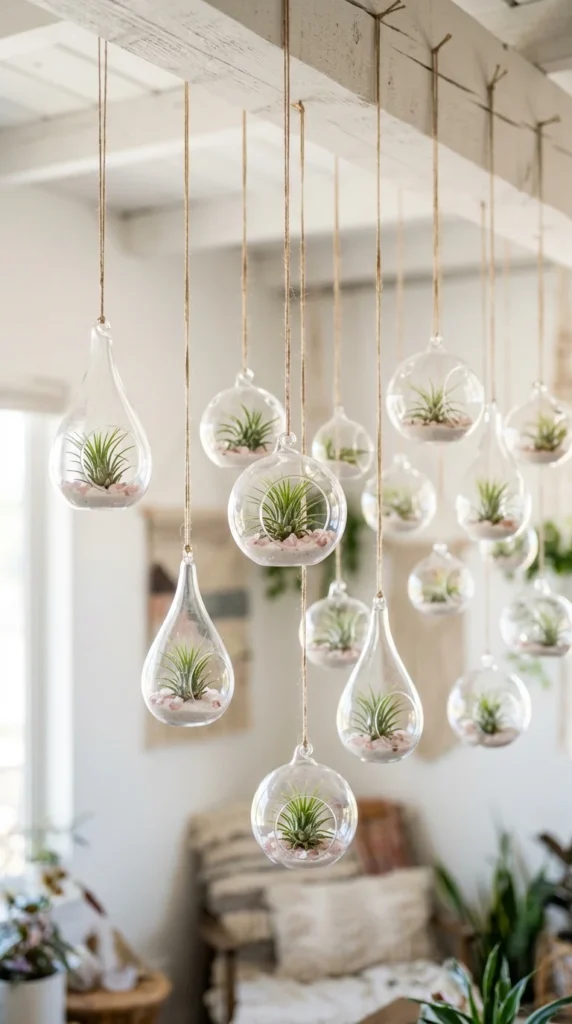
Hanging globes are the perfect solution for decorators who are short on surface space. These suspended glass spheres create a sense of floating greenery that adds vertical interest to a room. Typically used with air plants (Tillandsia), these terrariums do not require soil, making them incredibly lightweight. To assemble, place a layer of decorative pebbles or colored sand at the bottom, nestle an air plant inside, and perhaps add a small piece of driftwood or a dried flower for extra texture. They look particularly stunning when hung in clusters of three at varying heights near a bright window.
2. Classic Jar
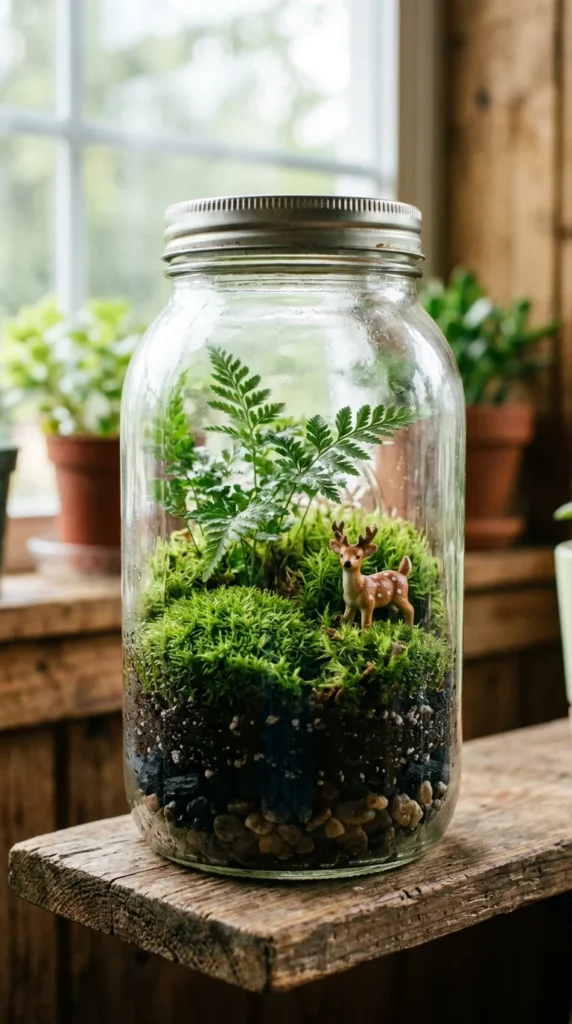
The classic jar terrarium is the quintessential DIY project for beginners. Using a repurposed Mason jar or a large pickle jar, you can create a high-humidity environment perfect for moisture-loving plants. The key to a successful jar terrarium is the layering: start with pebbles for drainage, followed by a thin layer of activated charcoal to keep the water fresh, and then a thick layer of potting soil. Small ferns like the Lemon Button or Asparagus fern thrive in this enclosed space, creating a dense, forest-like appearance that fits perfectly on a bookshelf or a kitchen counter.
3. Geometric Prism
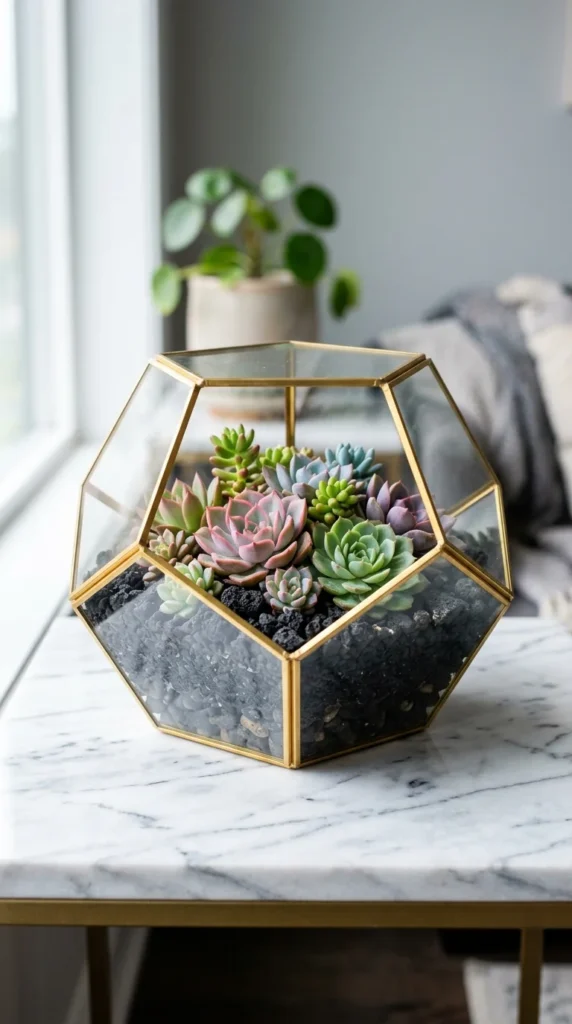
Geometric terrariums offer a modern, architectural aesthetic that complements contemporary or industrial decor. These containers, often framed in brass, copper, or black metal, are usually not airtight, making them ideal for succulents and cacti that prefer lower humidity. Use a variety of textures—such as a spiky Haworthia paired with a soft, round Echeveria—to create visual contrast. The sharp angles of the glass against the organic shapes of the plants create a sophisticated centerpiece for a dining table or an office desk.
4. Coffee Table
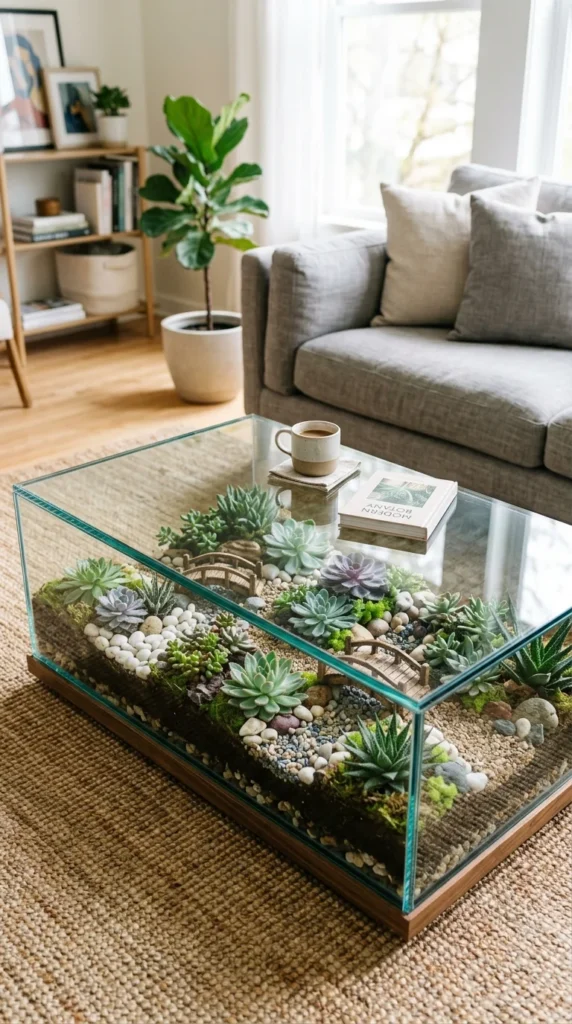
For a truly bold statement, consider a furniture-integrated terrarium. A glass-top coffee table with a hollow base serves as a massive canvas for a miniature landscape. Because of the large surface area, you can incorporate more complex elements like miniature winding paths made of fine gravel, “lakes” made of blue glass shards, and a diverse range of desert flora. This idea transforms a functional piece of furniture into a conversational focal point that guests will admire for hours.
5. Light Bulb
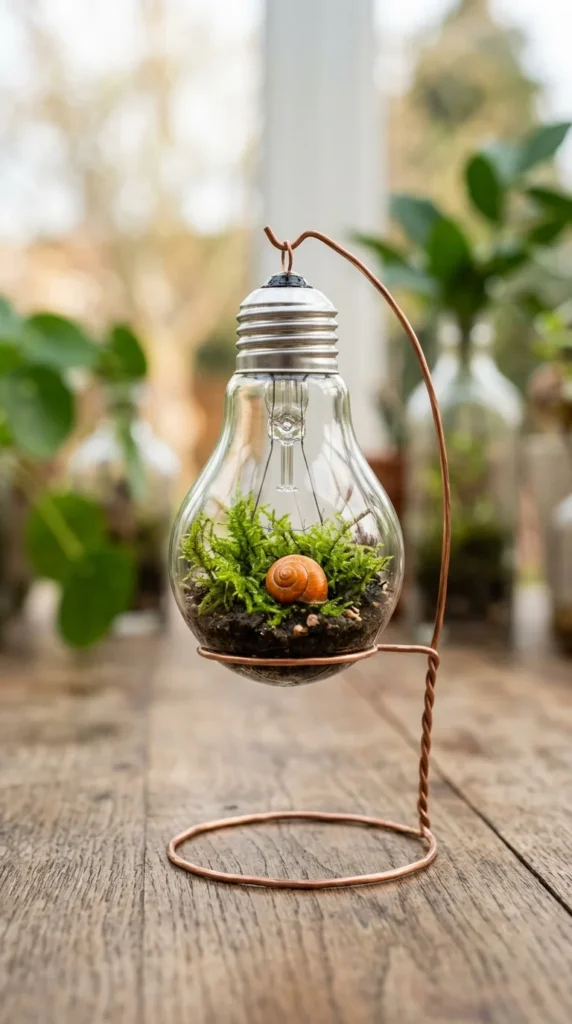
Upcycling an old light bulb into a tiny terrarium is a masterclass in delicate DIY. This project requires patience as you carefully remove the internal components of the bulb. Once hollowed, it becomes a tiny vessel for a single “sculpture” of nature. Because the space is so limited, use very small mosses or tiny cuttings. These look best when mounted on a simple wire stand or a wooden block, serving as a whimsical accent on a nightstand or a small mantle.
6. Vintage Lantern
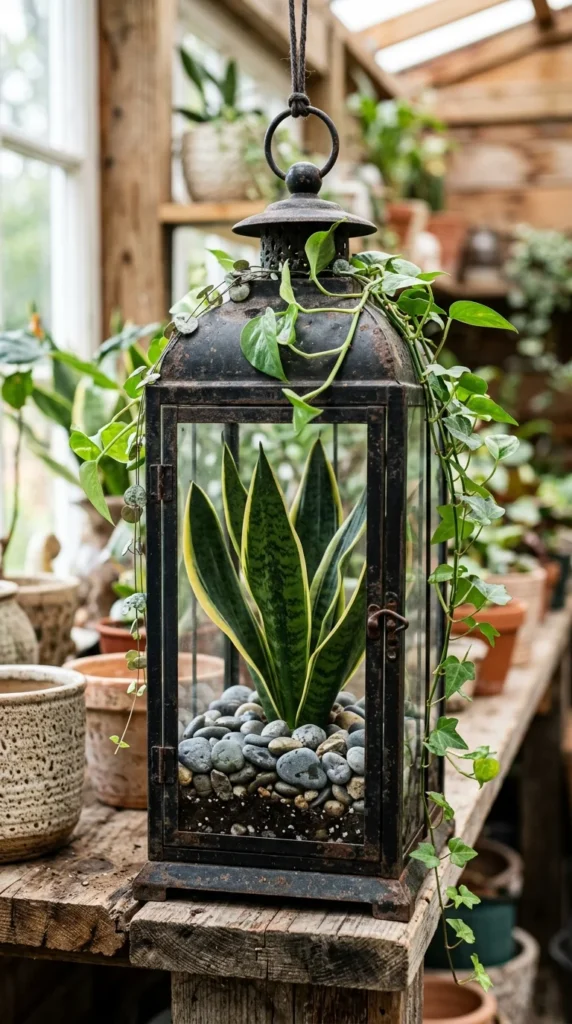
Vintage lanterns provide a rustic, cozy feel to any room. By replacing a candle with a plant arrangement, you give the lantern a fresh, vibrant purpose. Since lanterns often have vented tops, they are great for plants that need a bit of airflow. Try a mix of upright plants like the Snake Plant and trailing ones like the String of Pearls to create a “wild” look that spills out of the frame. This setup is particularly effective in entryways or on covered patios.
7. Desert Cacti
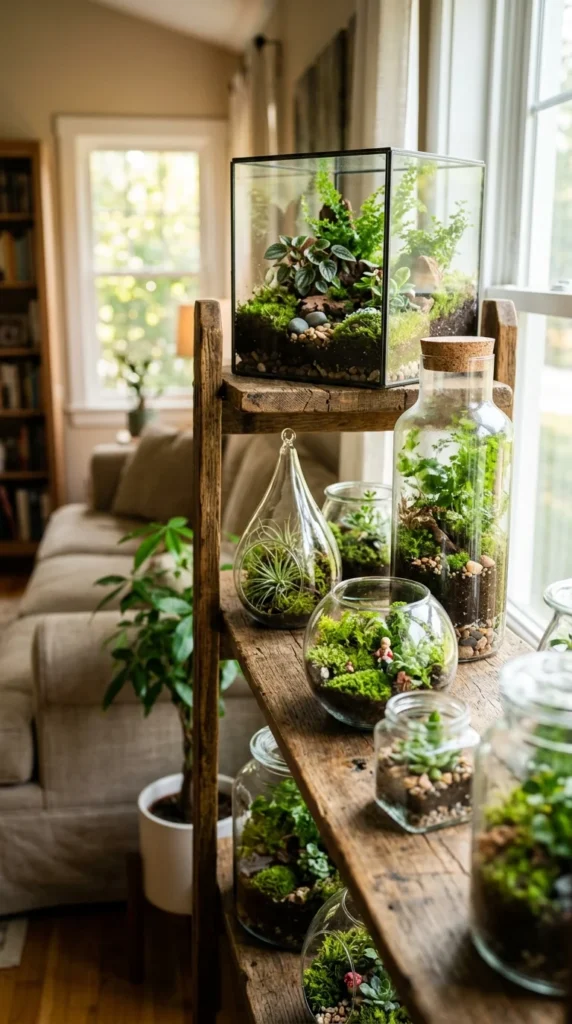
Desert-themed terrariums celebrate the beauty of arid landscapes. Unlike tropical versions, these require very little water and high amounts of light. Use a well-draining cactus mix and top it with a layer of coarse sand or decomposed granite to mimic a true desert floor. Incorporating different heights and shapes of cacti, along with a few larger “boulders” (rocks found in your yard), creates a rugged, naturalistic scene that thrives in sun-drenched rooms.
8. Tropical Fern
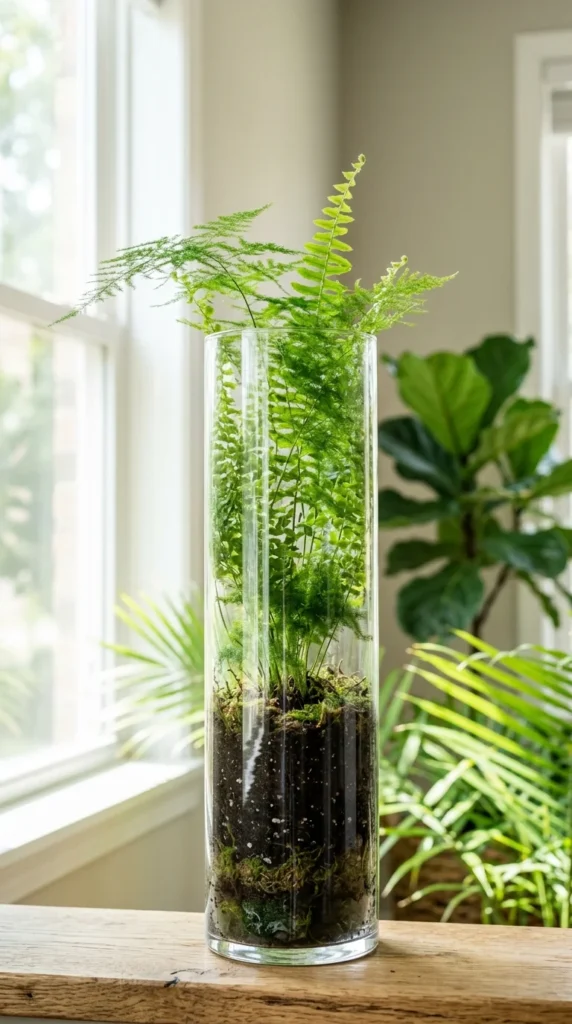
The tropical fern terrarium is all about lush, vibrant greens. Using a tall cylindrical vase allows ferns to grow upward, showcasing their delicate fronds. These terrariums act like miniature greenhouses, trapping moisture and heat. It is essential to include activated charcoal in these setups to prevent the growth of mold or odors. Place this in a bathroom or a room with indirect light to mimic the shaded floor of a rainforest.
9. Fishbowl Forest
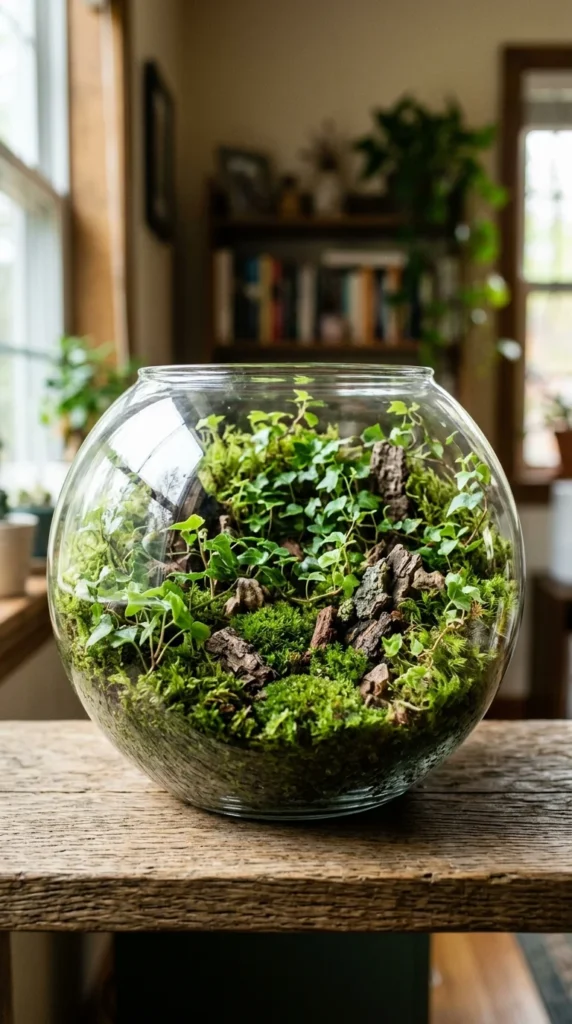
A fishbowl provides a 360-degree view of your miniature world. The curved glass magnifies the details inside, making a “Fishbowl Forest” look incredibly detailed and immersive. This is a great project for creating a moss-dominant landscape. By using different types of moss (like sheet moss and cushion moss) and adding small twigs that look like fallen logs, you can recreate the floor of an ancient woodland.
10. Teacup Garden
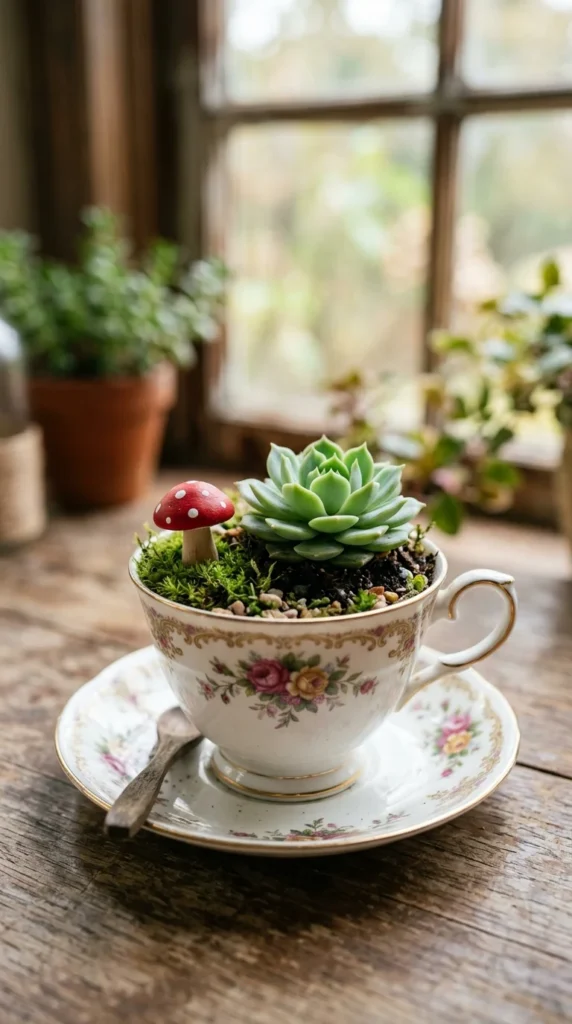
Teacup terrariums are charming, whimsical, and make for excellent gifts. They are perfect for small spaces like windowsills or vanity tables. Since most teacups do not have drainage holes, it is vital to start with a generous layer of pebbles to prevent root rot. These “fairy gardens” can be decorated with miniature figurines, such as tiny benches or mushrooms, to add a touch of fantasy to the greenery.
11. Wine Bottle
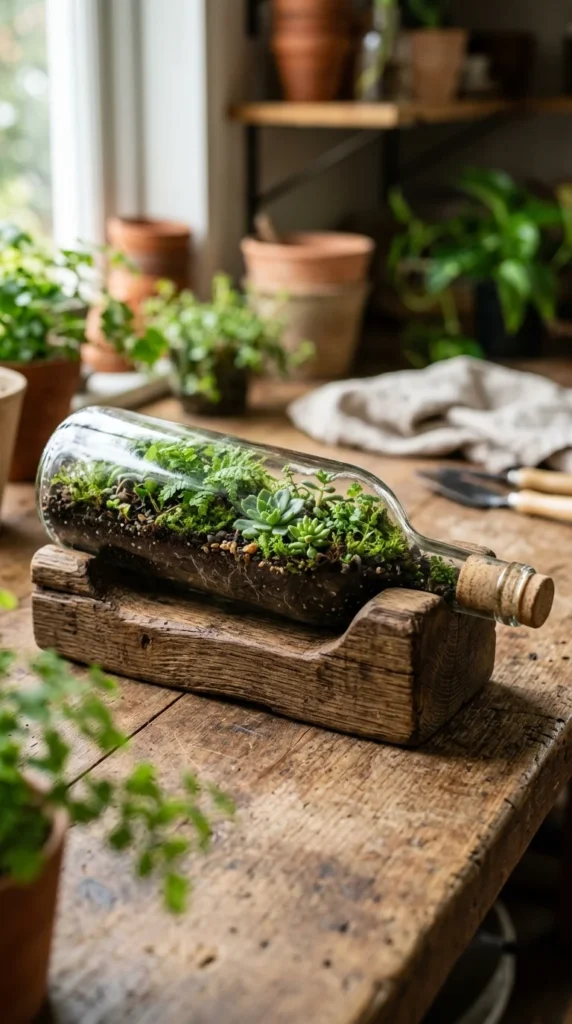
The wine bottle terrarium is a clever way to repurpose glass waste into art. This can be done by either cutting the bottle in half or, for a more challenging project, using long-handled tools to plant through the neck. A horizontal bottle offers a long, narrow planting area that looks great as a centerpiece on a long dining table. It gives the impression of a ship-in-a-bottle, but with a living, breathing cargo.
12. Picture Frame
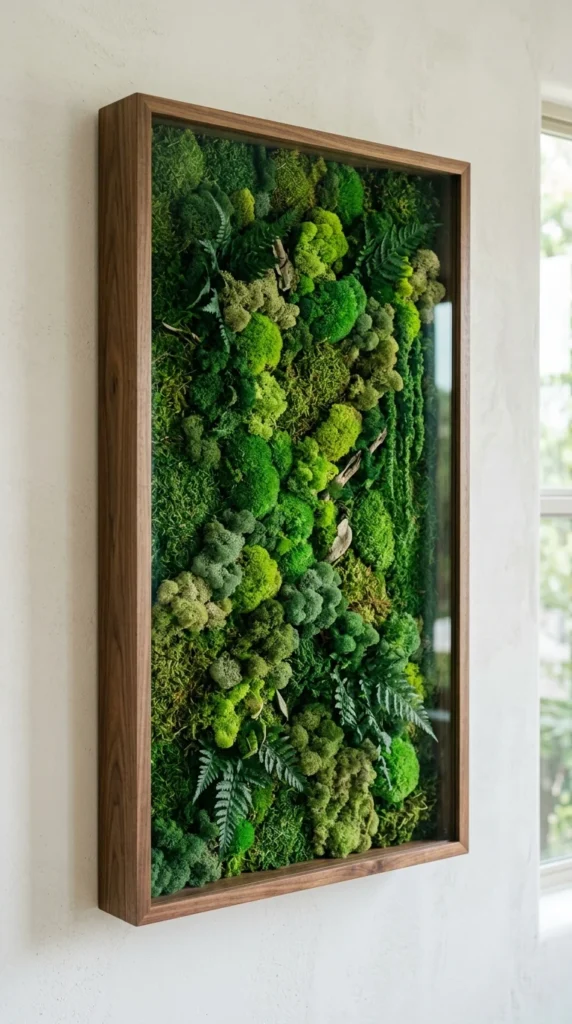
Vertical terrariums, or “living walls,” can be created using deep shadow-box frames. While living plants can be used with a specialized moisture-retention system, many DIYers opt for preserved moss for this project. Preserved moss doesn’t require water or light but maintains its soft texture and vibrant color for years. Arranging different shades and textures of moss inside the frame creates a stunning 3D topographical map of greenery.
13. Layered Sand
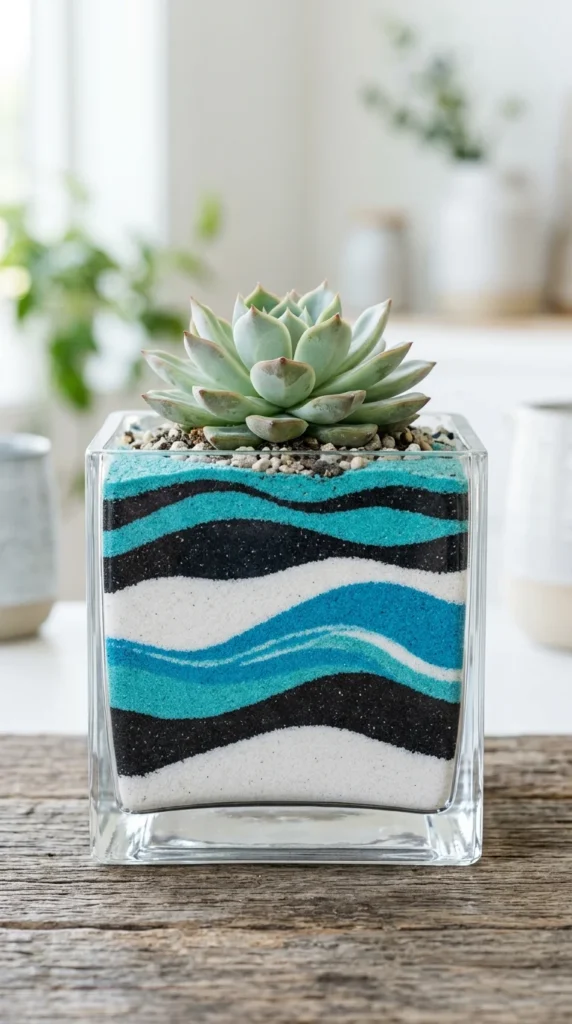
Focusing on the substrate rather than just the plants, the layered sand terrarium is a visual treat. By using funnel-poured colored sands, you can create intricate patterns and waves along the sides of the glass. This technique works best in square or rectangular containers where the layers remain crisp and visible. A single, striking succulent on top keeps the focus on the artistic sand designs below.
14. Woodland Moss
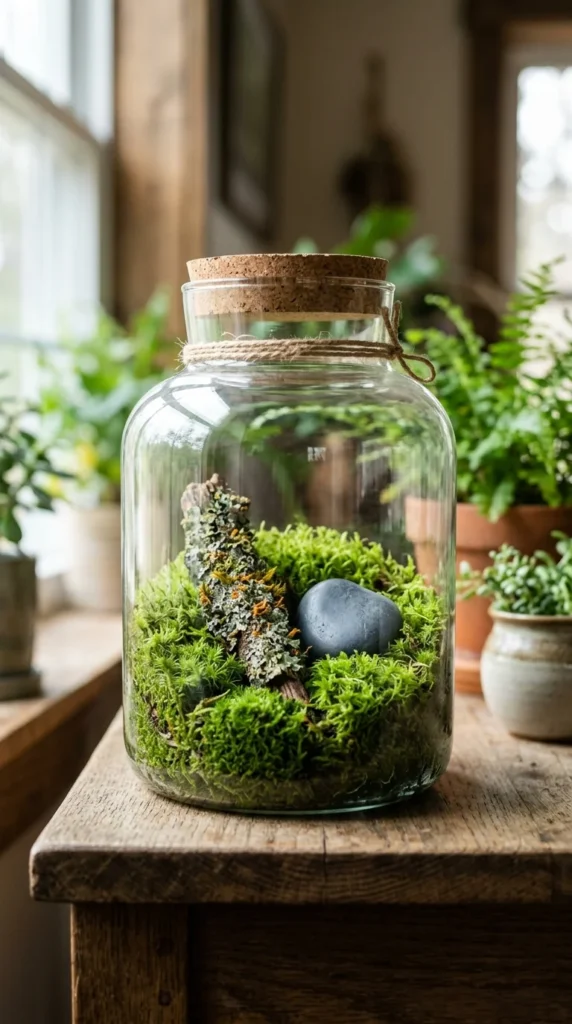
The woodland moss terrarium is the ultimate low-maintenance option. Mosses are hardy and only require a misting of water every few weeks. This style of terrarium focuses on minimalism and texture. By placing a single “feature” item—like a uniquely shaped piece of driftwood or a beautiful stone—in a bed of lush moss, you create a serene, meditative piece that brings the quiet of the forest into your home.
15. Succulent Centerpiece
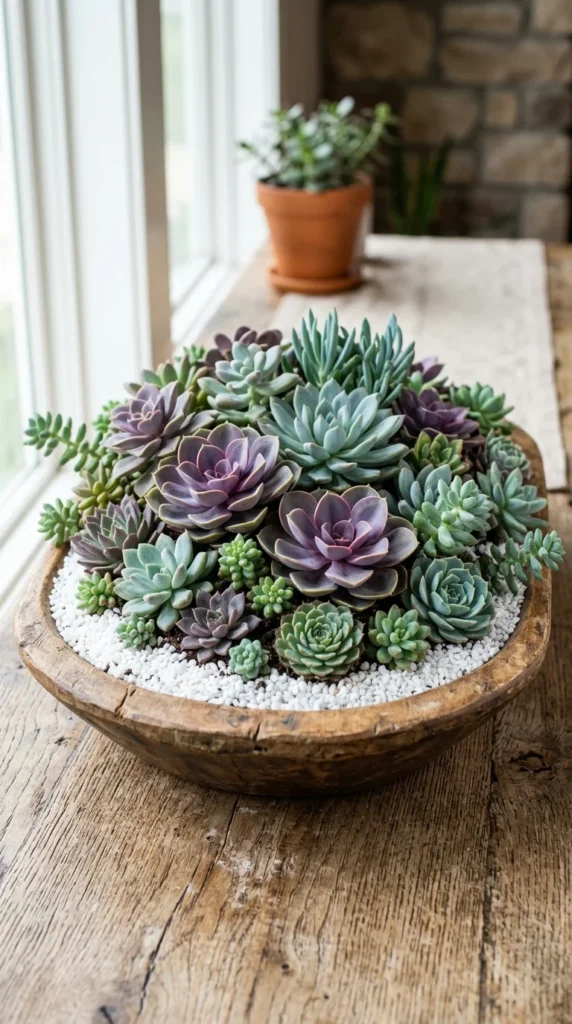
A succulent centerpiece is an “open” terrarium designed for maximum visibility and impact. Using a wide, shallow vessel like a wooden bowl or a stone trough allows you to plant a large number of succulents in a dense, bouquet-like arrangement. These are perfect for dining room tables or coffee tables where they can be viewed from above. The variety of colors—from deep purples to dusty blues—makes this a living alternative to a traditional floral arrangement.
16. Apothecary Jar
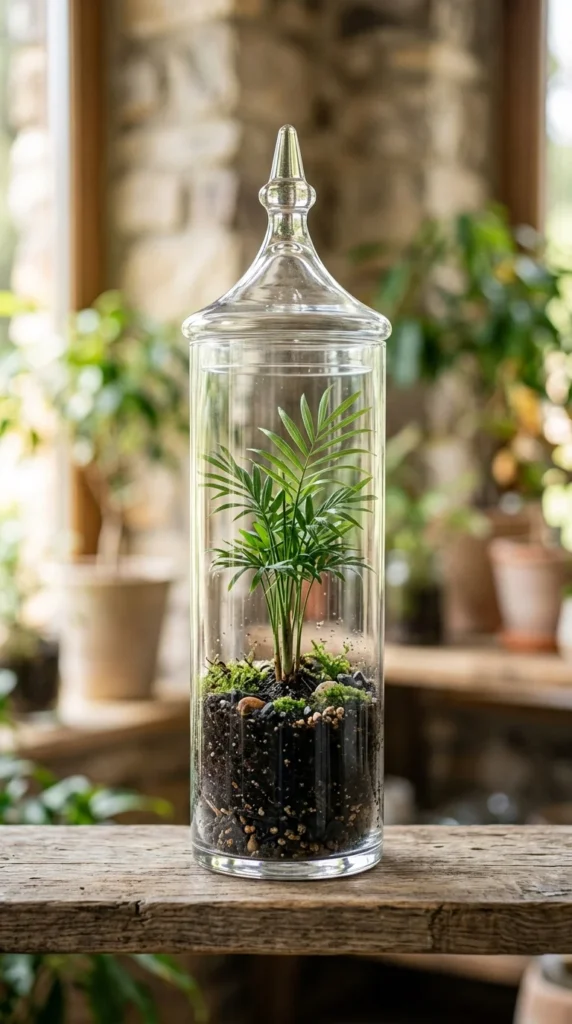
Apothecary jars add an element of elegance and height to your decor. Their classic shapes and lids make them perfect for “closed” terrariums that require very little watering. Because of their height, they can accommodate taller plants like miniature Parlor Palms or Crotons. These look exceptional when placed on a fireplace mantle or an entryway console table, adding a touch of Victorian-era botanical charm.
17. Upcycled Gumball Machine
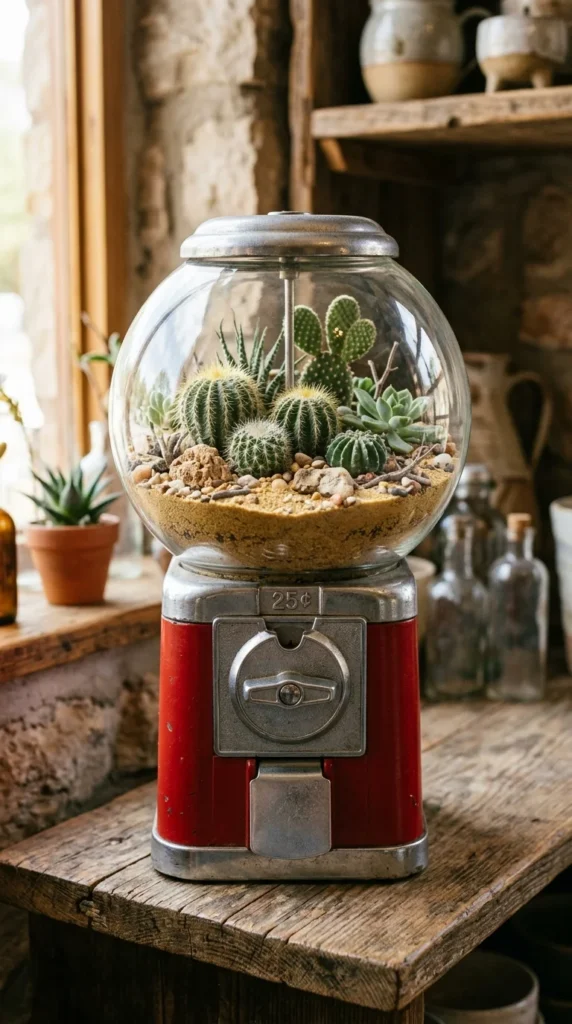
For a playful and nostalgic touch, turn an old gumball machine into a terrarium. The round glass globe is a fantastic container for a desert or tropical scene. This unique DIY project is a great way to incorporate vintage Americana into your home while showcasing your green thumb. The bright red base of the machine provides a stunning color contrast to the green plants inside.
18. Zen Rock Garden
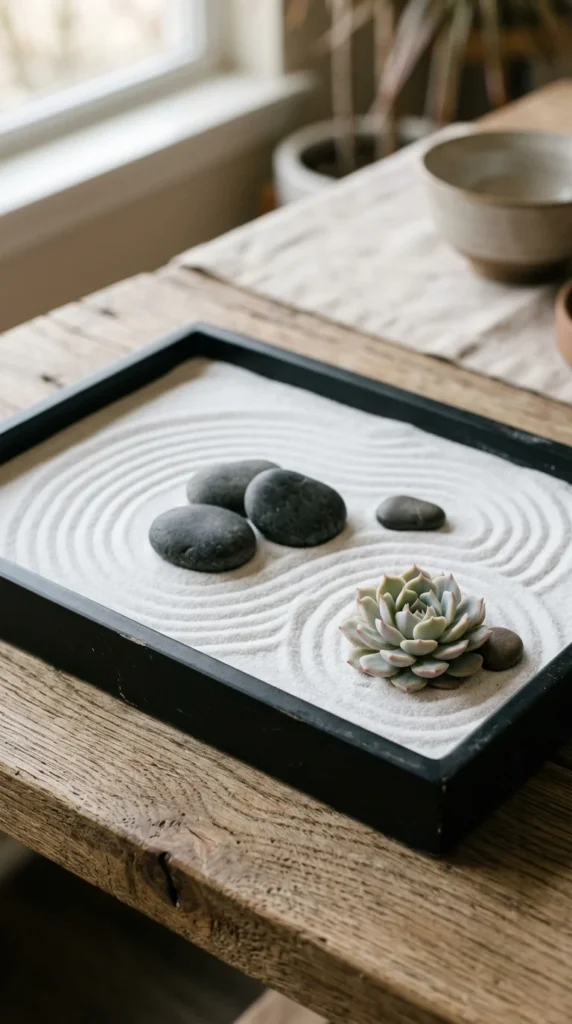
The Zen rock garden terrarium is rooted in Japanese aesthetics. It emphasizes negative space, balance, and tranquility. Use a shallow tray filled with fine white sand and a few carefully placed “island” rocks. A single, slow-growing plant like a small Haworthia or a clump of moss adds a living element to the composition. Including a tiny rake allows you to create swirling patterns in the sand, making this an interactive and stress-relieving piece of decor.
Tips for Terrarium Success
Creating a beautiful terrarium is only the first step; keeping it healthy is the key to long-term beauty.
- Light Requirements: Most terrarium plants prefer bright, indirect light. Direct sunlight can turn your glass container into a magnifying glass, scorching the delicate leaves inside.
- Watering Wisely: Overwatering is the most common cause of terrarium failure. For closed terrariums, you should rarely need to water; if the glass is completely fogged up, open the lid for a few hours. For open terrariums, water only when the soil feels dry to the touch.
- Pruning and Maintenance: As your plants grow, they may begin to crowd the glass. Use long-handled scissors to trim back any overgrowth to maintain the miniature aesthetic and allow light to reach all parts of the ecosystem.
- The Power of Charcoal: Never skip the activated charcoal layer in a closed terrarium. It acts as a filter that removes toxins and prevents the buildup of unpleasant odors that can occur in stagnant water.