
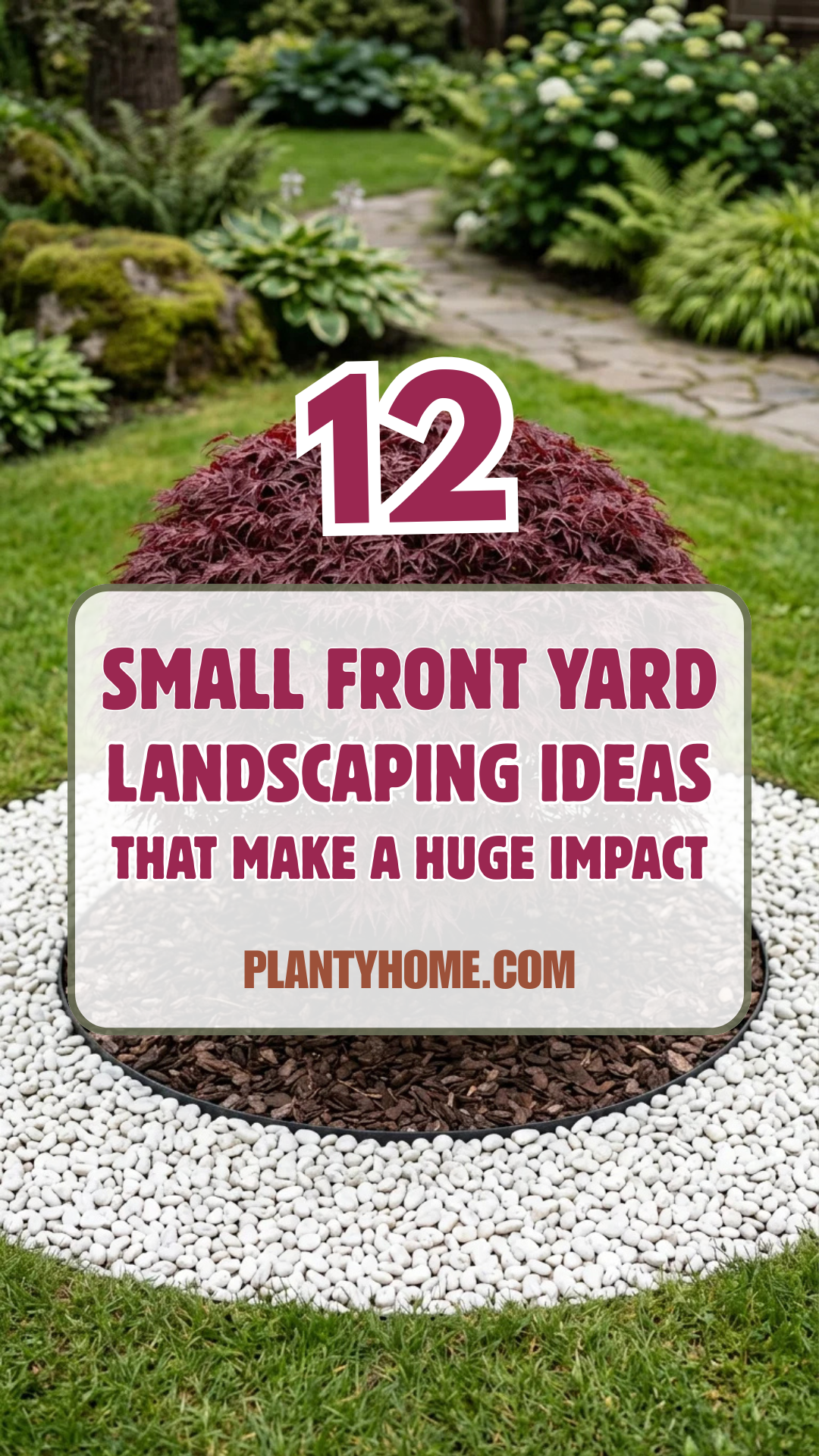
A limited footprint does not mean a limited vision. In the world of landscape design, small front yards often offer the most rewarding opportunities for creativity. Because the space is contained, every choice—from the texture of the mulch to the hue of a perennial—carries more weight. By focusing on intentionality rather than quantity, homeowners can transform a modest patch of grass into a stunning entryway that enhances curb appeal and increases property value.
Designing for a small space requires a balance of scale, color, and functionality. The goal is to lead the eye through the space without overwhelming the senses. Whether you are dealing with a tiny urban plot or a narrow suburban strip, these twelve ideas provide a roadmap to making a massive visual impact with minimal square footage.
1. Layered Plantings
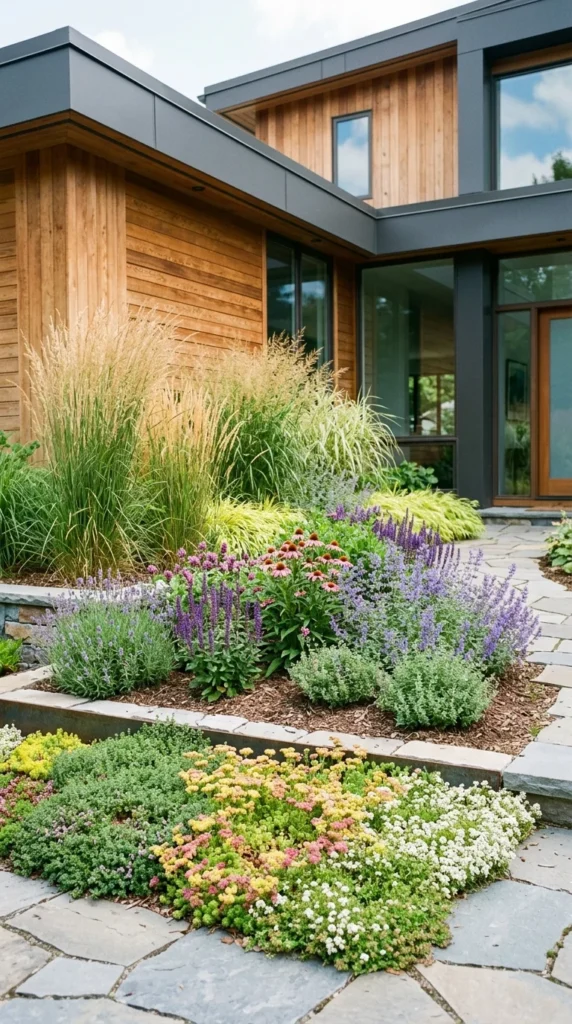
Layering is the secret to making a small space feel deep and lush. Instead of planting a single row of flowers, think in terms of “tiers.” By placing groundcovers at the very front, mid-sized perennials in the center, and taller shrubs or grasses against the home’s foundation, you create a sense of three-dimensional depth.
This technique tricks the eye into seeing more complexity than actually exists. Use contrasting textures, such as the soft, feathery fronds of a fern against the broad, waxy leaves of a hosta. This contrast ensures that even when plants aren’t in bloom, the garden remains visually interesting. Additionally, layered planting helps hide unsightly foundation walls, grounding the house into the landscape and making it feel more established.
2. Container Gardens
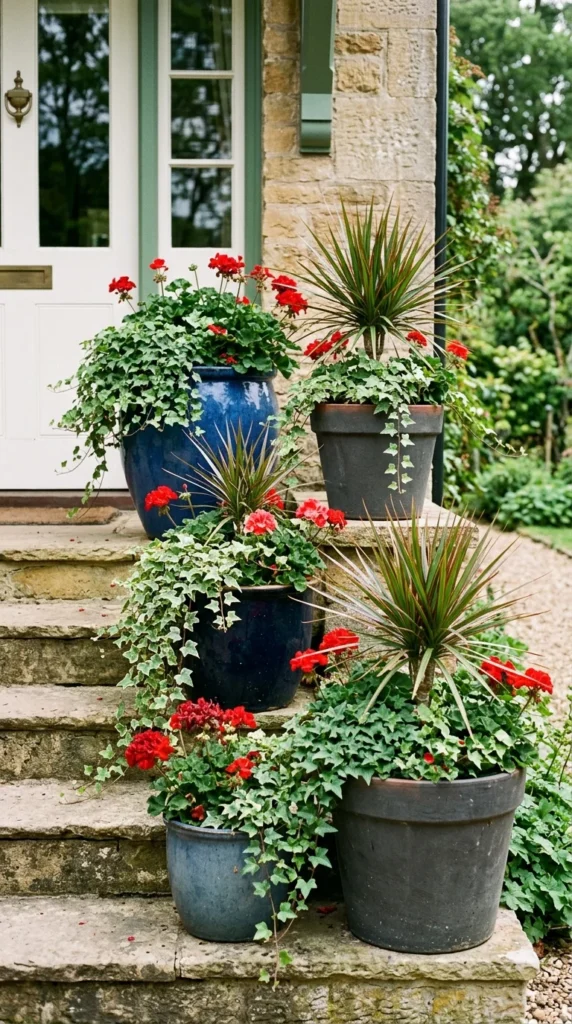
If you lack soil space, look to containers. Large, high-quality planters can serve as movable focal points that add height and architectural interest. The beauty of container gardening in a small front yard is the ability to swap plants out seasonally, ensuring your home looks fresh year-round.
When selecting containers, choose a cohesive color palette that complements your home’s exterior. For a modern look, go with sleek concrete or charcoal-colored cylinders. For a more traditional feel, opt for terracotta or glazed ceramic. Use the “thriller, filler, spiller” method: a tall “thriller” plant for height, mounded “fillers” to add bulk, and “spillers” like sweet potato vine or lobelia to drape over the edges.
3. Statement Walkways
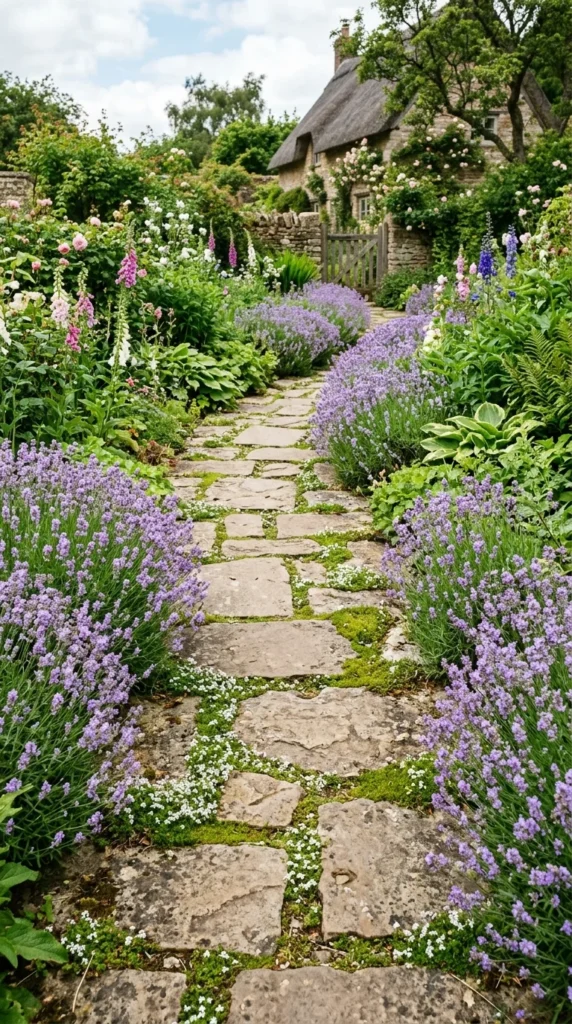
A straight concrete path can make a small yard feel utilitarian and cramped. By replacing it with a statement walkway, you transform a functional necessity into a design feature. Natural stone, pavers, or even reclaimed brick can add texture and color to the entryway.
Consider a slightly curved path rather than a straight line. A gentle “S” curve slows the viewer’s eye and makes the walk to the front door feel like a journey through a garden rather than a quick dash across a lawn. Filling the gaps between stones with “steppable” plants like creeping thyme or Irish moss adds a touch of enchantment and softens the hard edges of the masonry.
4. Vertical Accents
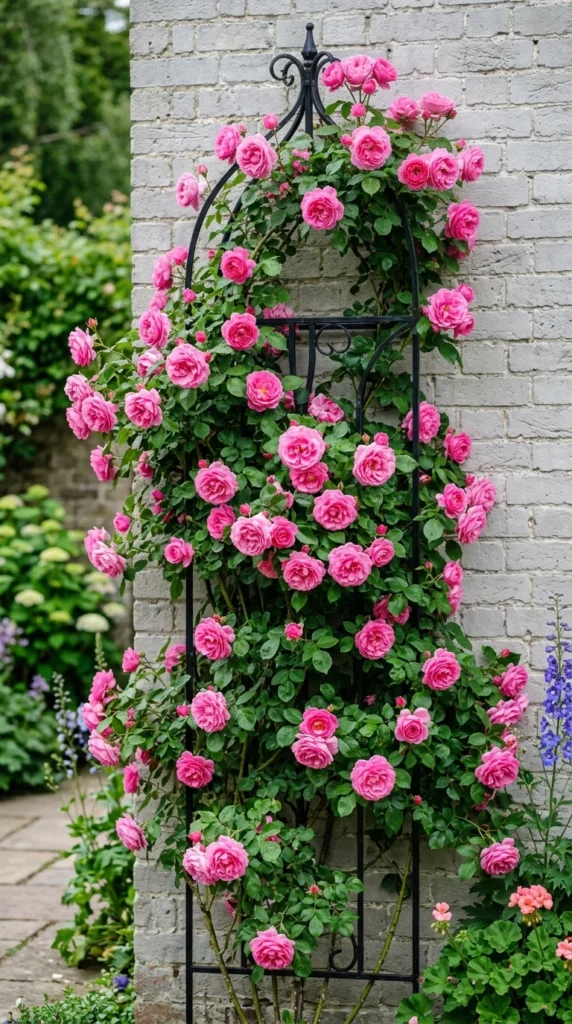
When you run out of horizontal space, go vertical. Vertical landscaping is essential for small front yards because it draws the eye upward, making the entire property feel larger. This can be achieved through the use of trellises, arbors, or even wall-mounted planters.
Climbing vines such as clematis, jasmine, or climbing roses can turn a flat, boring wall into a living tapestry of color and scent. If you have a fence, consider hanging “living wall” pockets or cedar boxes. These vertical elements provide privacy and greenery without consuming any precious square footage on the ground, leaving more room for walkways or small seating areas.
5. Window Boxes
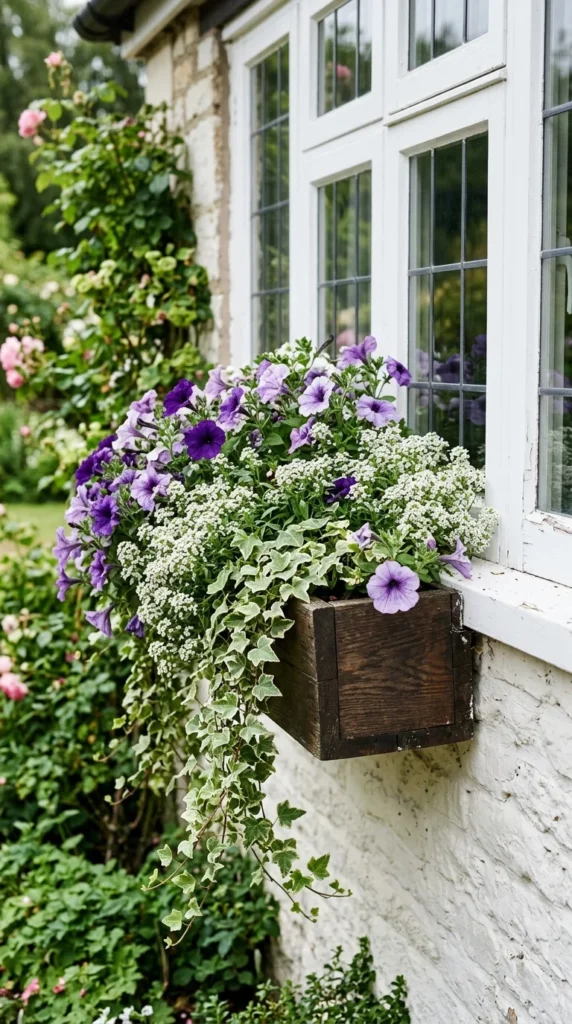
Window boxes are a classic landscaping tool that brings the garden directly onto the architecture of the home. They are particularly effective for small yards because they bridge the gap between the house and the lawn, creating a unified look.
For maximum impact, choose flowers that provide a long season of bloom and a variety of heights. In the spring, tulip bulbs and pansies can take center stage; in the summer, petunias and geraniums provide heat-tolerant color. Don’t be afraid to incorporate foliage-heavy plants like coleus or silver falls dichondra to add volume. Window boxes also provide an opportunity to bring fragrance closer to the house, allowing you to enjoy the scent of jasmine or lavender through an open window.
6. Strategic Lighting
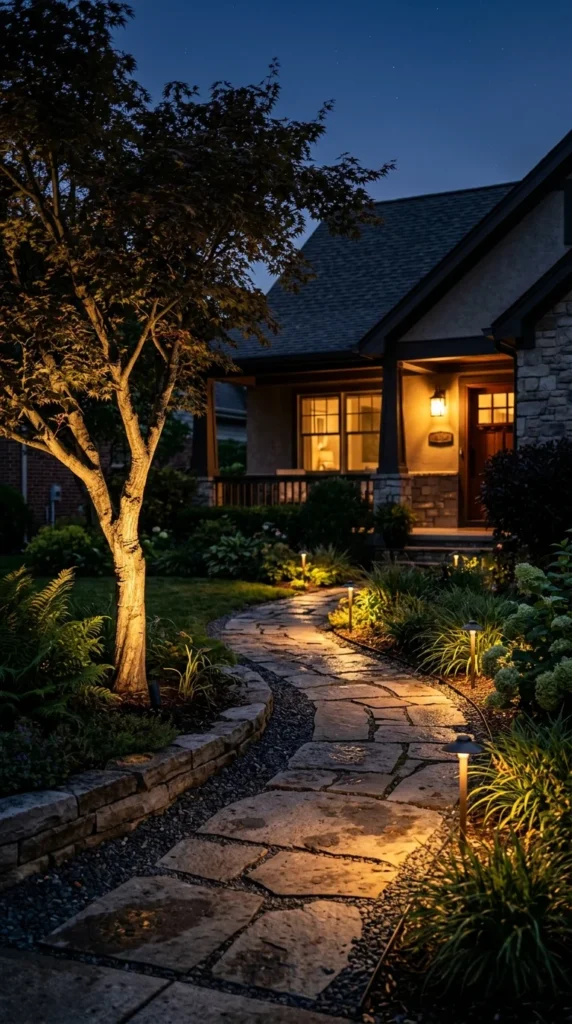
Landscape lighting is often an afterthought, but in a small yard, it is a game-changer. Proper lighting extends the beauty of your landscaping into the evening hours and adds a layer of safety and security. Because the space is small, you don’t need many fixtures to make a significant impact.
Use “uplighting” at the base of a featured tree or architectural element to create dramatic shadows. Path lights should be low to the ground and spaced evenly to guide visitors without creating a “runway” effect. Opt for warm-toned LED bulbs (around 2700K) to create an inviting, cozy atmosphere. Solar-powered lights are an easy DIY option, but hardwired low-voltage systems offer more reliability and a more professional finish.
7. Dwarf Varieties
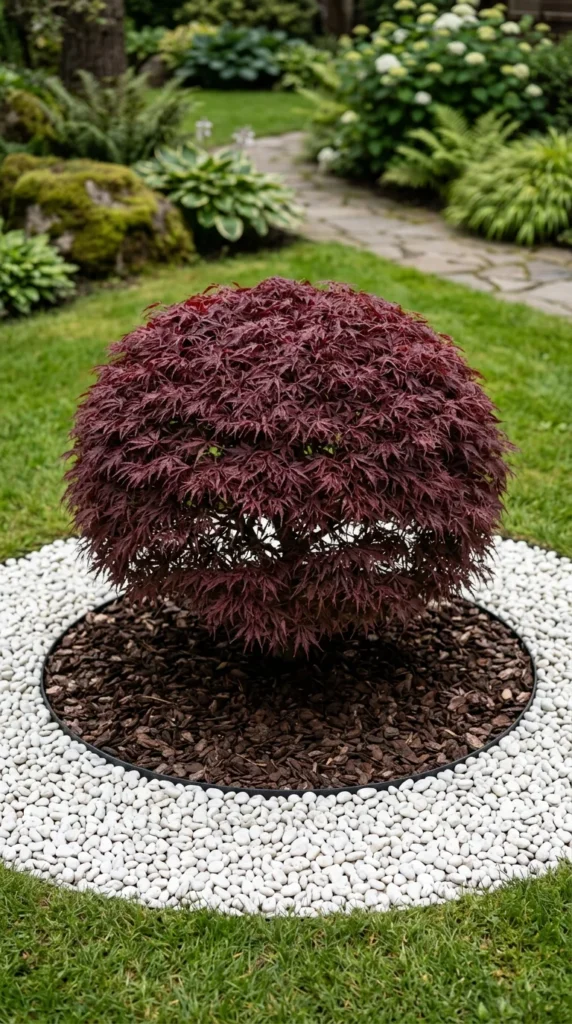
Standard trees can quickly overwhelm a small front yard, casting too much shade and making the house look diminutive. The solution lies in “dwarf” or “semi-dwarf” cultivars. These plants are specifically bred to reach a much smaller mature height while maintaining the beauty of their full-sized counterparts.
A dwarf Japanese Maple, a weeping cherry, or a “Skyrocket” juniper can provide a stunning focal point without the risk of roots damaging the foundation or branches scraping the roof. These miniature trees offer architectural structure and seasonal interest—such as spring blossoms or brilliant fall foliage—in a package that is perfectly scaled for limited spaces.
8. Modern Edging
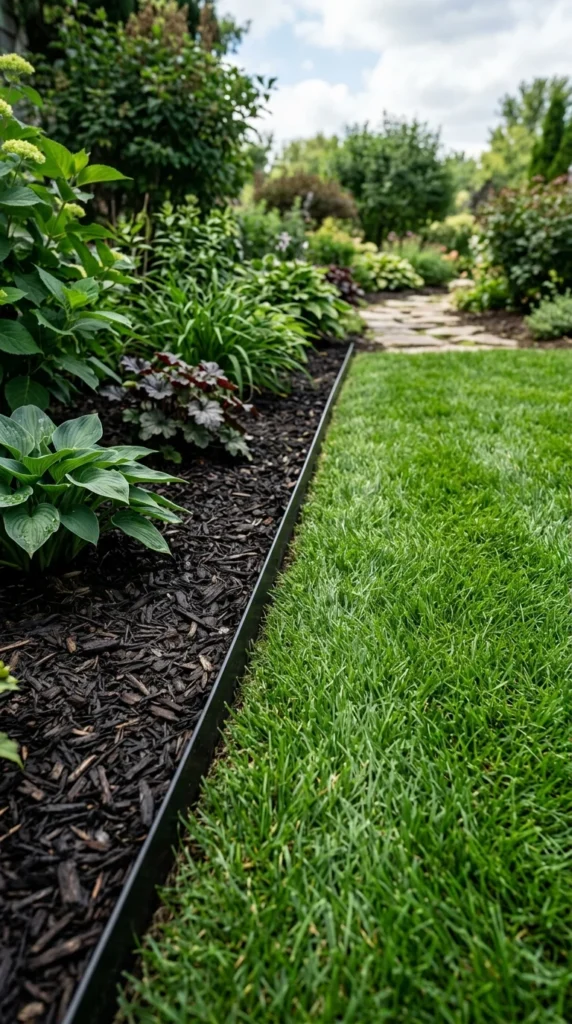
Definition is the key to a polished landscape. In a small yard, blurred lines between the grass and the flowerbeds can make the space look messy and uncared for. Installing high-quality edging provides a crisp, professional finish that defines the different “zones” of your yard.
Modern edging materials like thin corten steel, aluminum, or neatly laid bricks create a visual barrier that keeps mulch in and grass out. Steel edging is particularly popular for its slim profile and ability to create sharp, clean curves. This simple addition makes even a basic garden bed look intentional and high-end, proving that the smallest details often yield the greatest results.
9. Perennial Borders
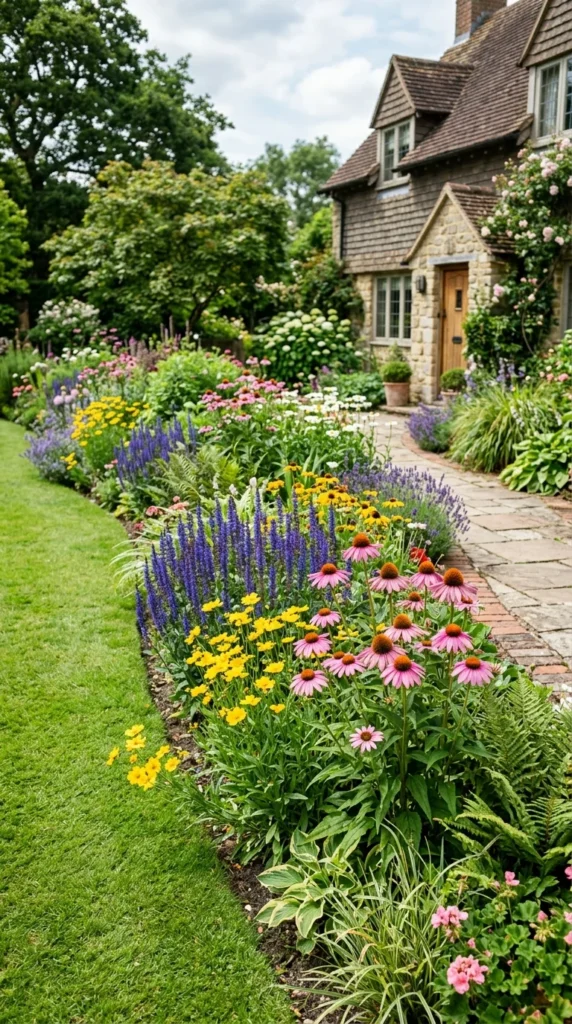
Perennials are the workhorses of the small front yard. Unlike annuals, which must be replaced every year, perennials return season after season, often growing larger and more beautiful with time. A well-planned perennial border ensures that there is always something blooming or providing texture.
In a small space, it is best to stick to a curated color palette of three to four colors to avoid a “cluttered” look. Grouping plants in odd numbers (threes or fives) creates a natural, flowing appearance. Choose a mix of early, mid, and late-season bloomers so that the yard never experiences a “brown-out” period. Hardy choices like lavender, salvia, and daylilies are excellent for their resilience and high visual output.
10. Rock Gardens
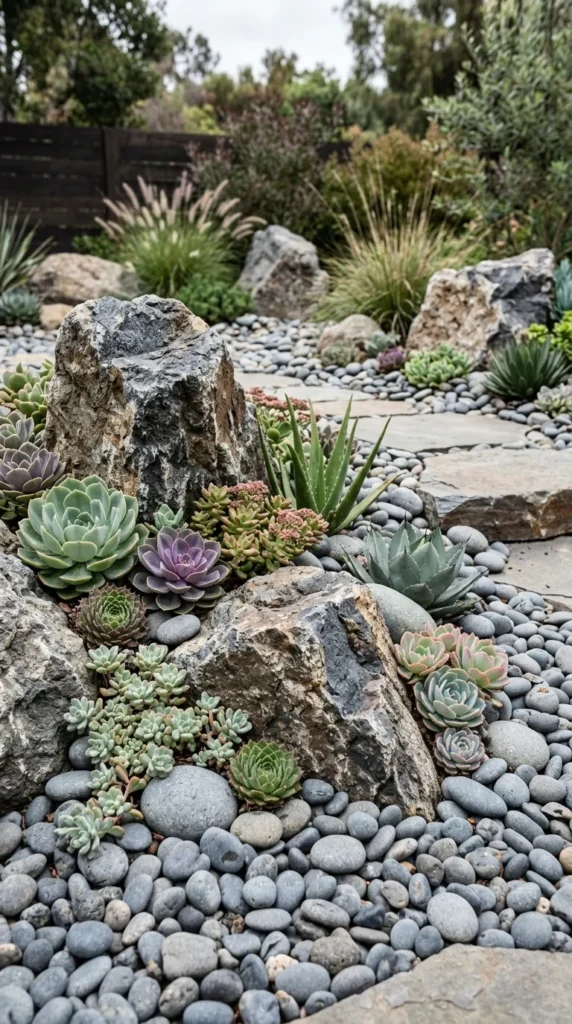
For those looking for a low-maintenance but high-impact option, a rock garden is an excellent choice. This is particularly effective in arid climates or in yards with poor soil quality. By using a mix of boulders, river rocks, and gravel, you can create a desert-chic or Zen-inspired aesthetic that requires very little water.
To prevent the rock garden from looking cold or sterile, intersperse it with hardy succulents, ornamental grasses, or alpine plants. The contrast between the rugged, permanent stones and the soft, living plants creates a sophisticated texture. Rock gardens also provide excellent drainage and can be used to solve erosion issues in small, sloped front yards.
11. Seating Nooks
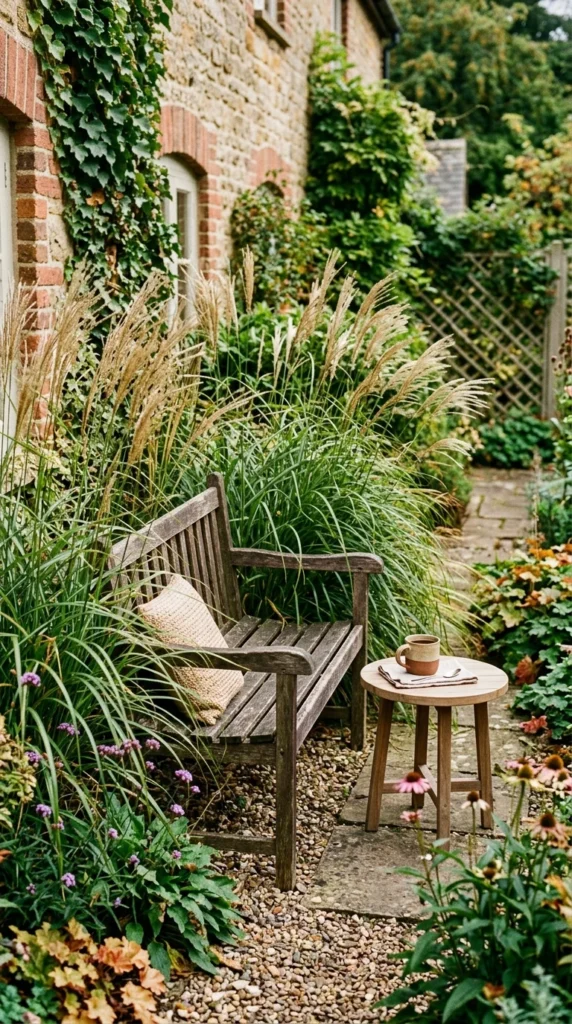
Even the smallest front yard can accommodate a place to sit. A “seating nook” transforms the front yard from a space you merely walk through into a destination where you can engage with the neighborhood. This adds a “lifestyle” element to your curb appeal that many buyers and neighbors find incredibly charming.
A simple bistro set, a small garden bench, or even a pair of Adirondack chairs can serve as a focal point. Place the seating near a fragrant plant like lilac or gardenia to enhance the experience. By creating a functional space, you give the impression that the yard is larger and more useful than its dimensions might suggest.
12. Monochromatic Schemes
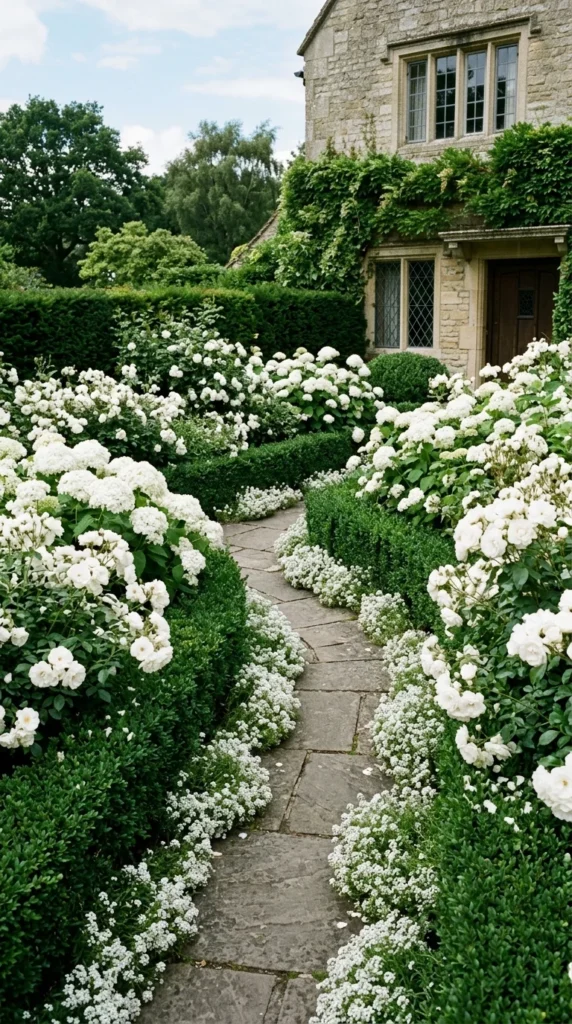
Color theory plays a massive role in spatial perception. In a small front yard, using a monochromatic color scheme—planting flowers in varying shades of a single color—can make the space feel more expansive and sophisticated. A “moon garden” of all-white flowers, for example, looks incredibly elegant and glows under the moonlight.
Vary the textures and heights while keeping the color consistent. For example, pair the large, round blooms of white hydrangeas with the tall, spiked flowers of white foxglove and the low-growing carpet of white sweet alyssum. This unified approach creates a sense of calm and order, preventing the small space from feeling busy or chaotic. Dark green foliage acts as the perfect neutral background to make the monochromatic colors pop.