
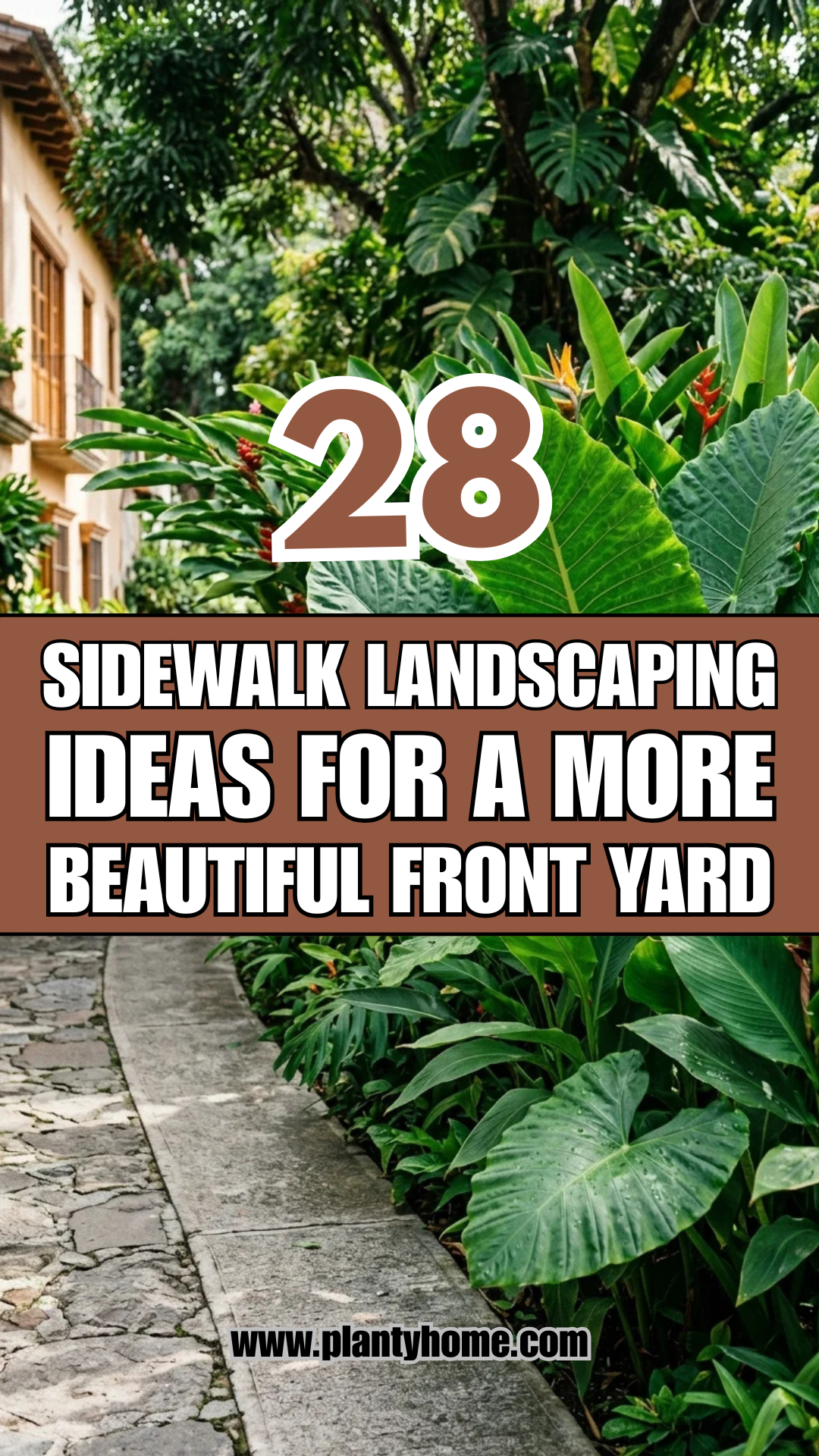
The space between your sidewalk and your home is often the first impression guests and neighbors have of your property. This transition zone, frequently referred to as the “hellstrip” or “parkway,” provides a unique opportunity to enhance your home’s curb appeal while expressing your personal style. Whether you are dealing with a narrow strip of grass or a sprawling front lawn, thoughtful landscaping can transform a mundane walkway into a breathtaking botanical journey. Here are 28 sidewalk landscaping ideas to inspire your next front yard project.
1. Lavender Borders
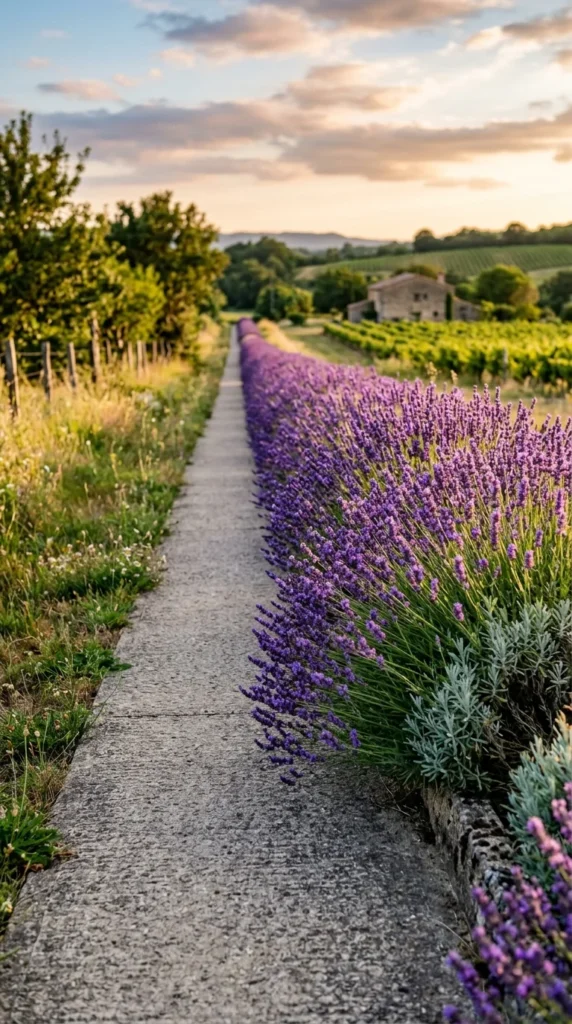
Lavender is a perennial favorite for sidewalk landscaping due to its hardiness and sensory appeal. Planting a row of lavender along the walkway creates a fragrant boundary that greets passersby with a calming scent. Lavender thrives in full sun and well-drained soil, making it perfect for exposed sidewalk areas. Its silvery-green foliage provides year-round interest, while the purple spikes add a pop of color during the summer months.
2. Ornamental Grasses
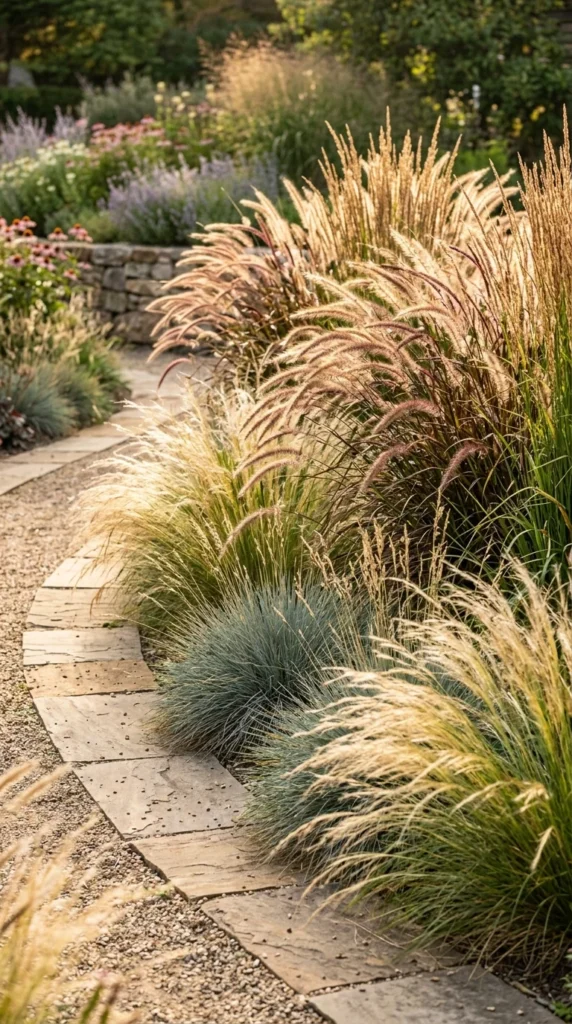
For a modern and low-maintenance look, ornamental grasses are an excellent choice. Varieties like Blue Fescue, Mexican Feather Grass, or Fountain Grass offer diverse textures and heights. These plants add movement to the garden as they sway with the breeze. They are also highly drought-tolerant once established, requiring very little upkeep while providing a sophisticated, architectural aesthetic.
3. Succulent Rows
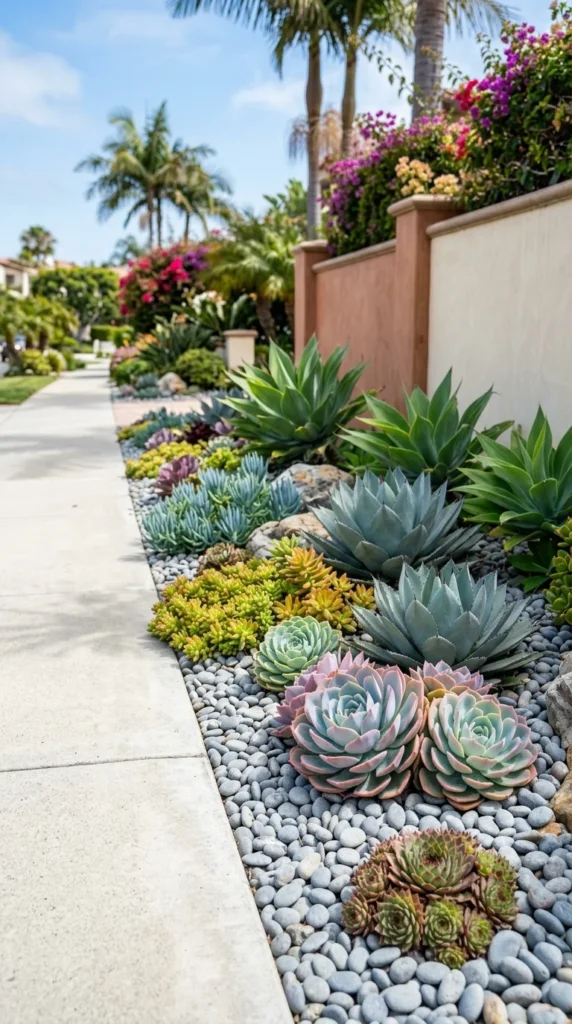
In drier climates, succulents offer a water-wise solution that doesn’t sacrifice style. By planting a variety of succulents with different colors and shapes, you can create a living tapestry along your sidewalk. Use rosettes like Echeveria for a floral look, or taller Agaves for a dramatic focal point. Succulents are incredibly resilient and provide a clean, geometric look that complements modern architecture.
4. Boxwood Hedges
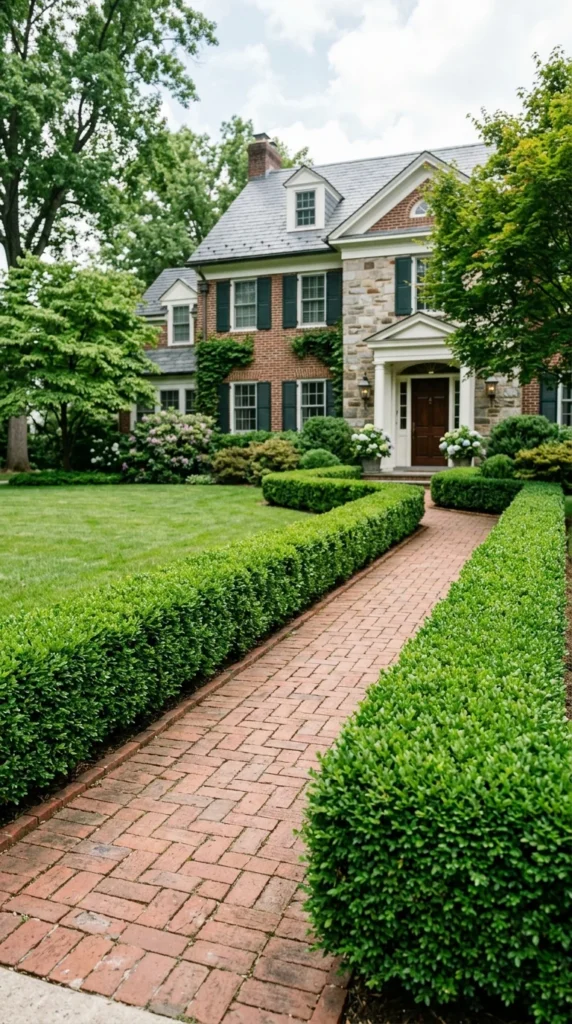
If you prefer a formal, classic appearance, low-growing boxwood hedges are the way to go. These evergreen shrubs can be pruned into sharp, clean lines to define the edges of your walkway. They provide a structured framework that looks good in every season. To keep the look inviting rather than imposing, keep the hedges below knee height to maintain an open view of your home.
5. Native Wildflowers
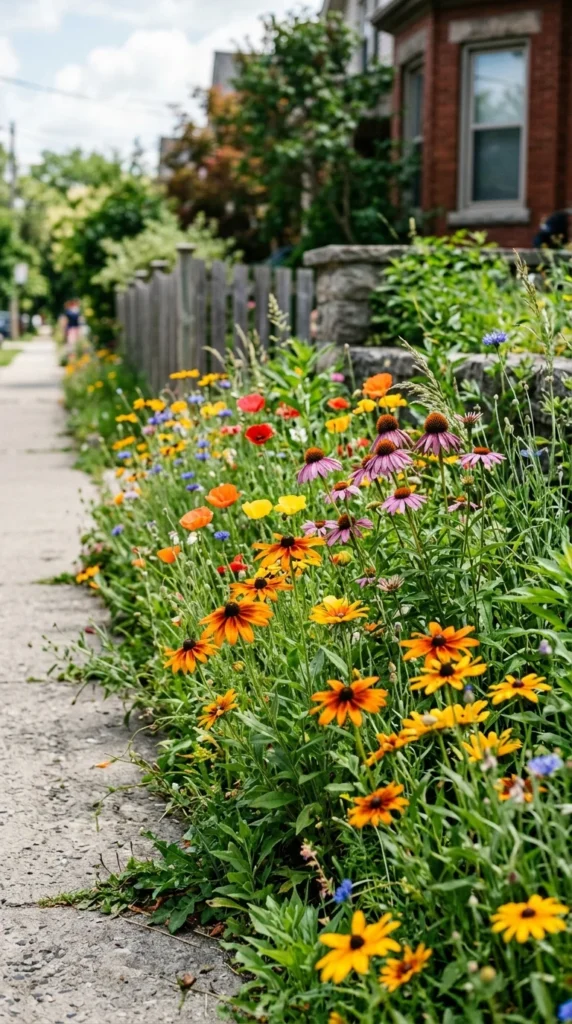
Embrace the local ecosystem by planting native wildflowers. This approach is not only environmentally friendly but also creates a charming, “cottage-core” aesthetic. Native plants are adapted to your local climate and soil, meaning they require less water and fewer fertilizers. They also serve as a vital habitat for local pollinators like bees, butterflies, and hummingbirds.
6. Rose Bushes
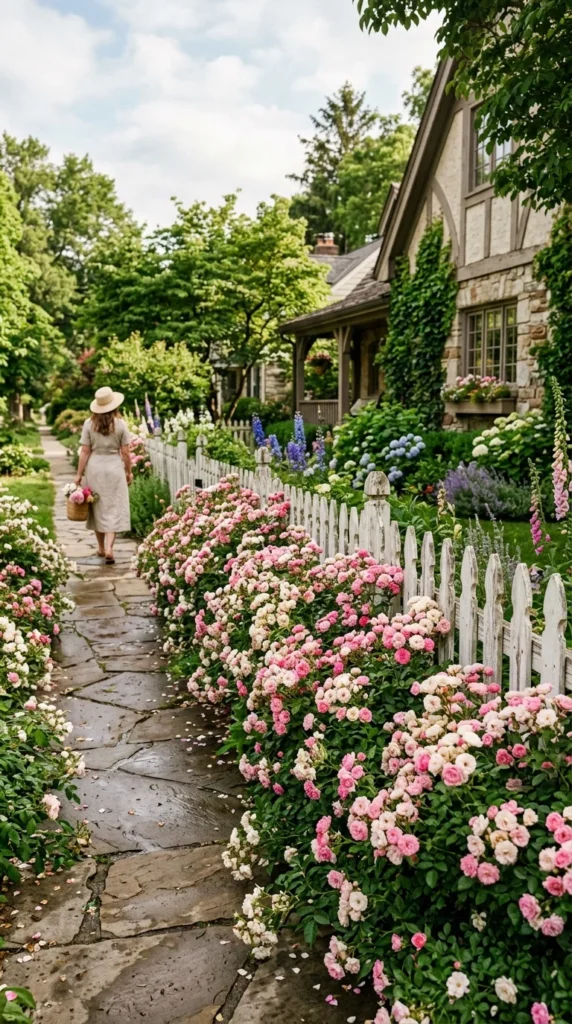
Few things are as timelessly beautiful as roses. For sidewalk landscaping, consider “Knock Out” roses or carpet roses, which are bred for disease resistance and continuous blooming. These varieties provide a lush, floral border that lasts from spring through the first frost. Ensure they are planted far enough back from the sidewalk so their thorns don’t catch on pedestrians’ clothing.
7. Stepping Stones
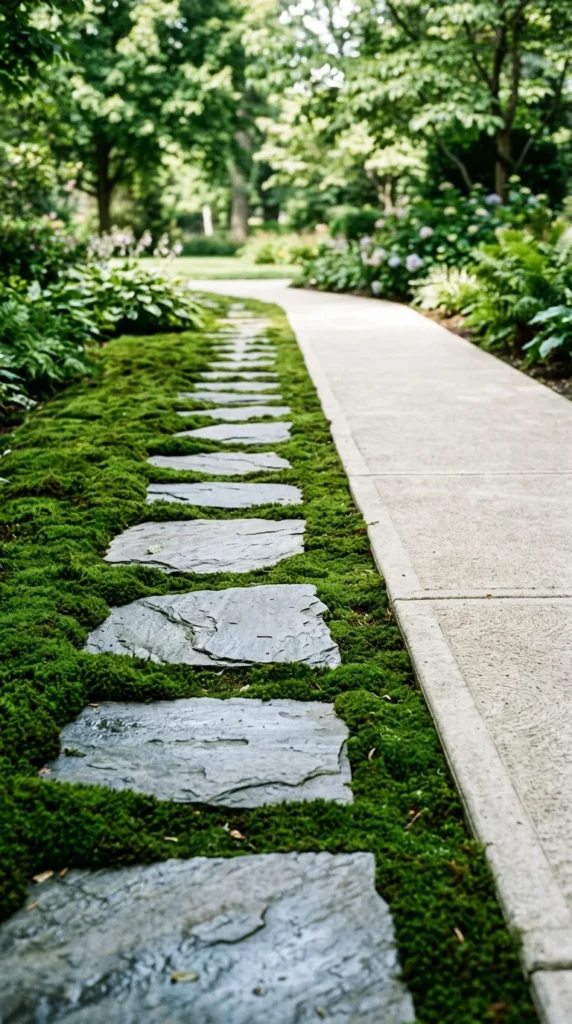
Break up a large expanse of mulch or ground cover by incorporating stepping stones. These can be made of natural flagstone, slate, or decorative concrete pavers. Stepping stones provide a functional path for mail carriers or guests who might need to step off the main sidewalk, and they add an organic, earthy element to the landscape design.
8. Hostas
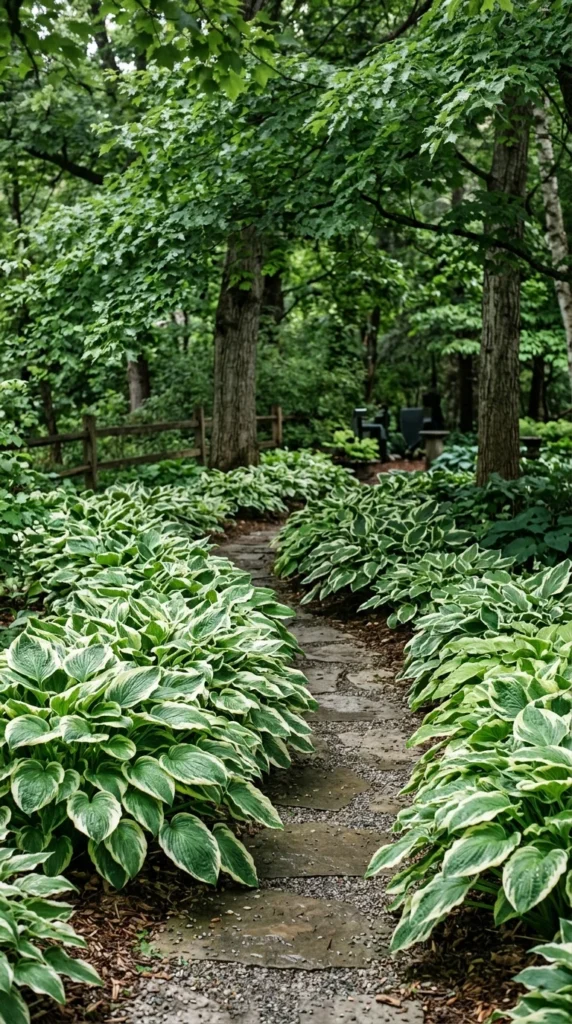
If your sidewalk is shaded by large trees or the shadow of your house, Hostas are a perfect choice. Known for their beautiful foliage, Hostas come in a wide range of greens, blues, and variegated patterns. They fill in gaps quickly and create a lush, tropical feel in temperate climates. Their broad leaves provide a great contrast to finer-textured plants.
9. Edible Garden
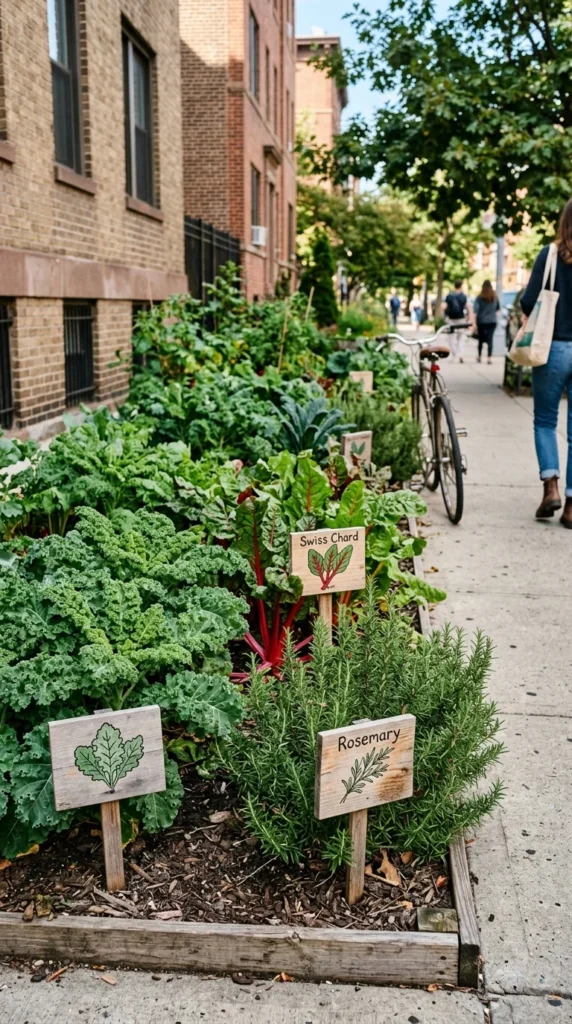
Who says landscaping can’t be functional? Transform your sidewalk strip into a “food forest” by planting edible greens, herbs, and even small berry bushes. Kale, Swiss chard, and purple basil are visually stunning and can be harvested for your kitchen. This is a great way to utilize sunny space and start a conversation with neighbors about sustainable living.
10. Picket Fencing
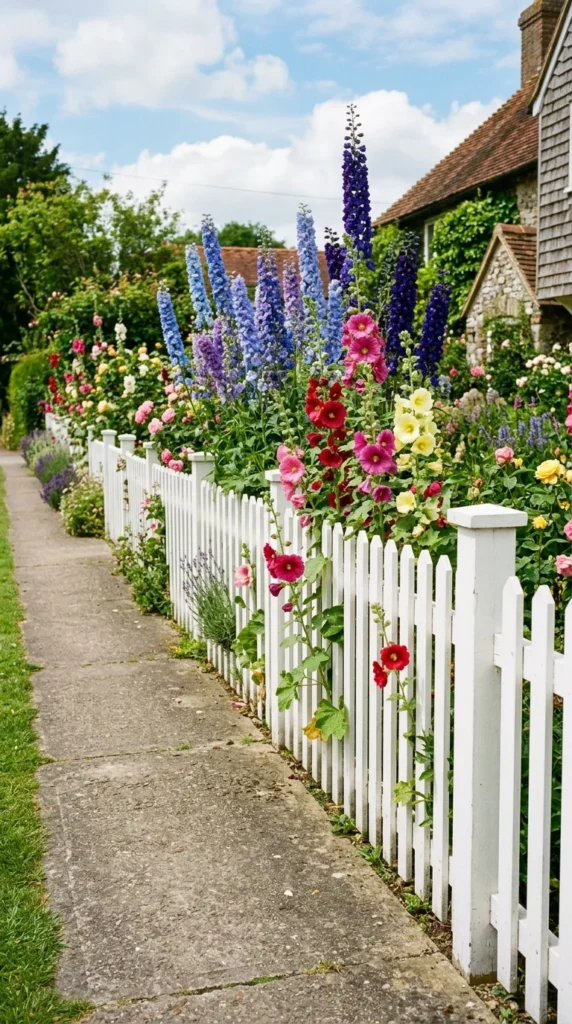
A low picket fence adds instant charm and defines the boundary of your property. It provides a backdrop for your plants, allowing them to lean against the slats or peek through the gaps. Painting the fence a crisp white makes the colors of your flowers pop, while a natural wood finish offers a more rustic, farmhouse vibe.
11. Hydrangeas
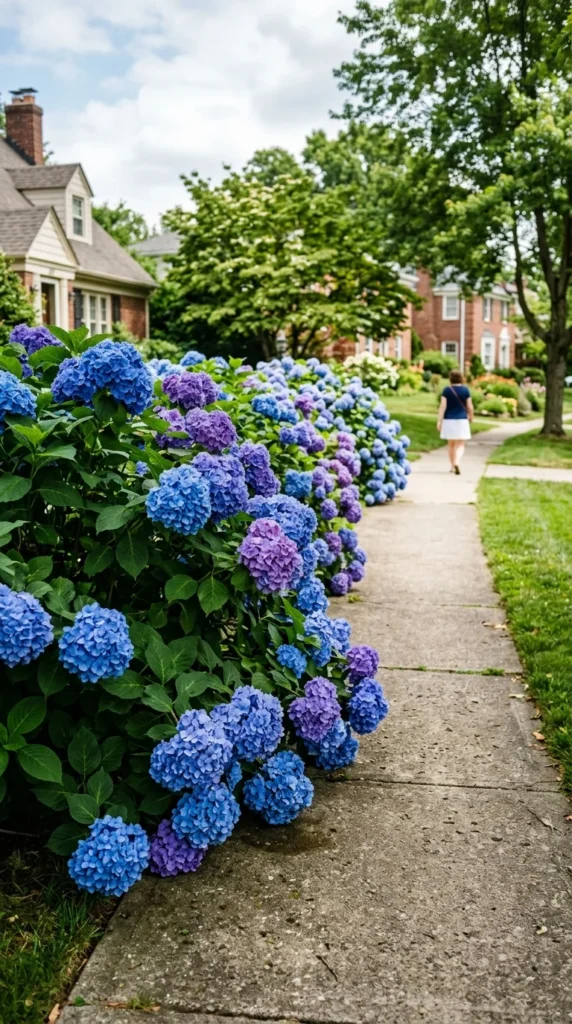
Hydrangeas are the stars of the summer garden. Planting them along a sidewalk creates a wall of color that feels both luxurious and welcoming. Varieties like ‘Endless Summer’ provide blooms for months. Because hydrangeas can grow quite large, they are best suited for wider sidewalk strips where they have plenty of room to expand without obstructing the path.
12. Gravel Mulch
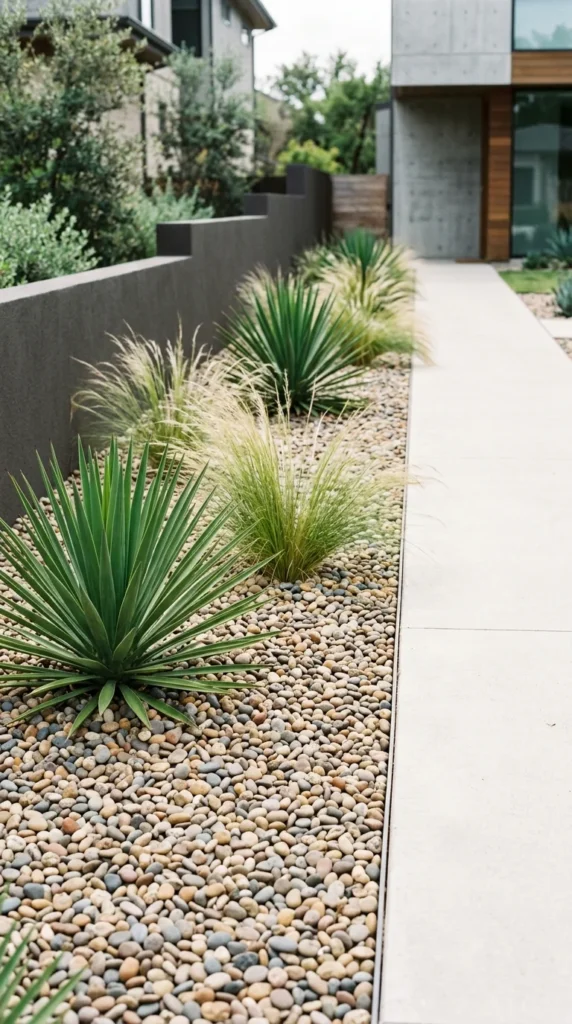
For a clean, low-maintenance look, replace traditional wood mulch with gravel or river rock. Gravel doesn’t decompose, meaning you won’t have to replace it every year. It provides excellent drainage and creates a neutral background that makes your plants stand out. Use different sizes and colors of stone to create visual interest and define different zones.
13. Flower Pots
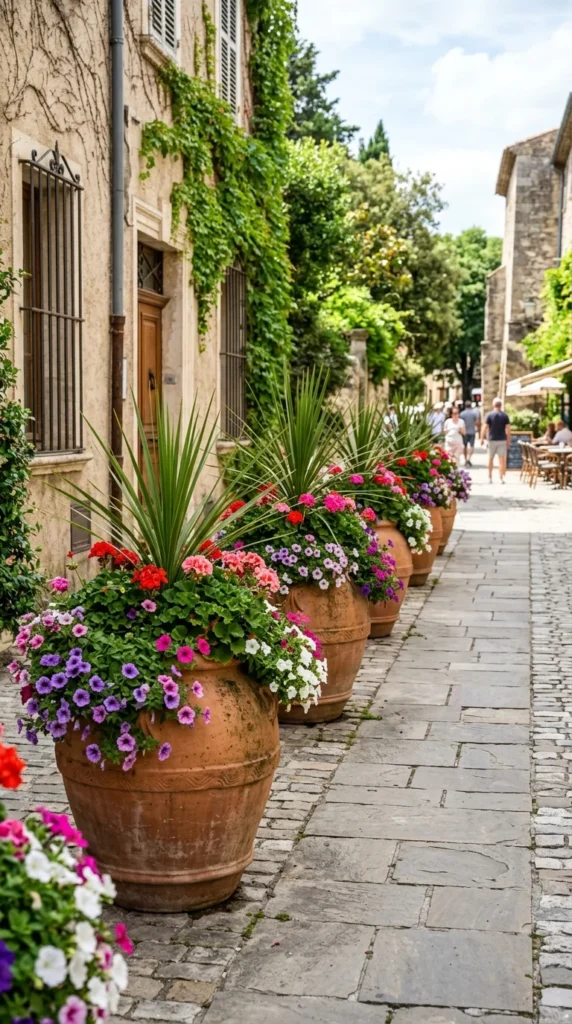
If you have a narrow sidewalk or poor soil quality, container gardening is a fantastic solution. Large, decorative pots can be placed along the edge of the walk to add height and color. The advantage of pots is that you can easily change the plants with the seasons—pansies for spring, petunias for summer, and mums for autumn.
14. Low-Voltage Lighting
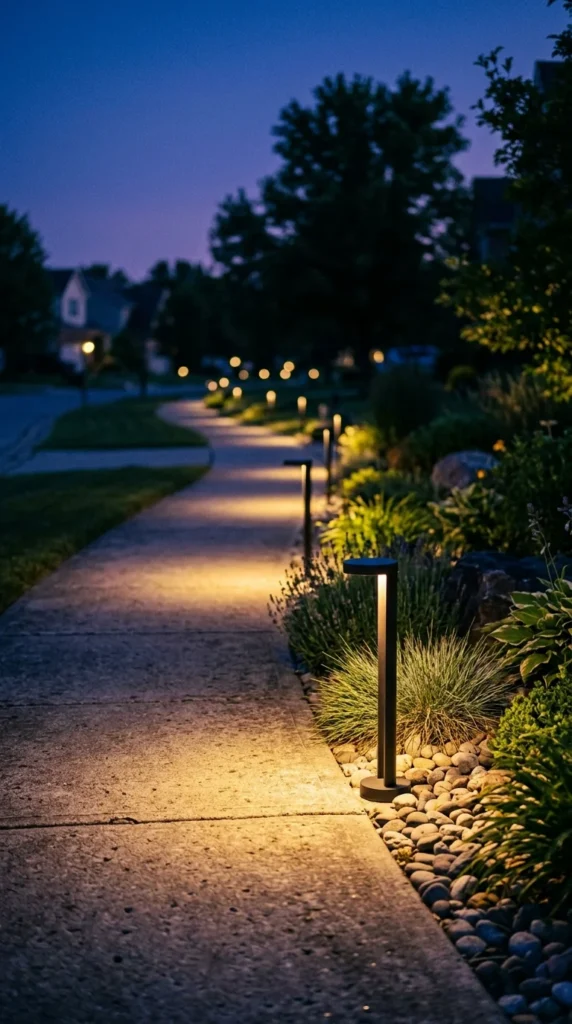
Landscaping shouldn’t disappear when the sun goes down. Installing low-voltage LED path lights along your sidewalk ensures safety and highlights your garden’s best features at night. Choose fixtures that direct light downward to avoid glare. Solar-powered lights are an easy, wire-free option, while hardwired systems offer more consistent brightness and durability.
15. Ground Covers
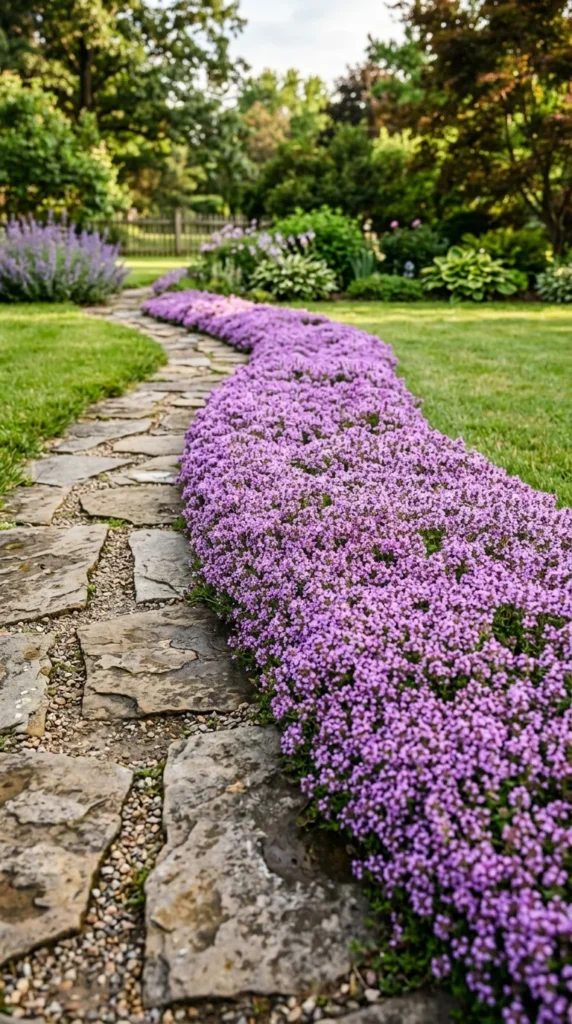
Instead of grass, consider a “living mulch” of low-growing ground covers. Plants like Creeping Thyme, Sedum, or Ajuga spread quickly to cover the ground, suppressing weeds and retaining moisture. Many ground covers produce tiny flowers and are tough enough to withstand occasional foot traffic if someone steps off the sidewalk.
16. Rock Gardens
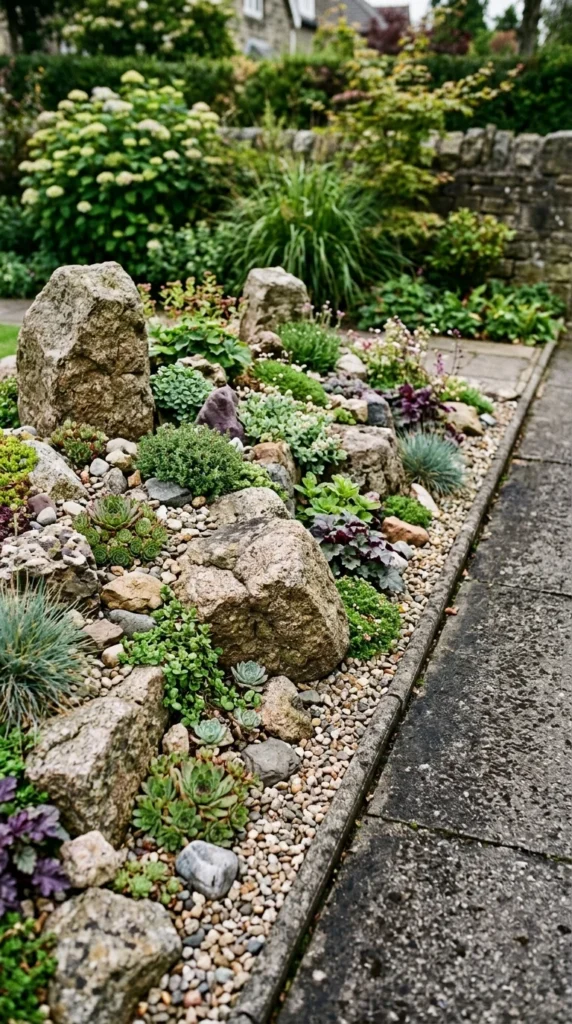
A rock garden brings a rugged, natural beauty to the front yard. By combining different sizes of boulders with drought-tolerant plants, you can create a miniature mountain landscape. This is an excellent way to handle slopes or uneven terrain near a sidewalk, as the rocks help stabilize the soil and prevent erosion.
17. Perennial Beds
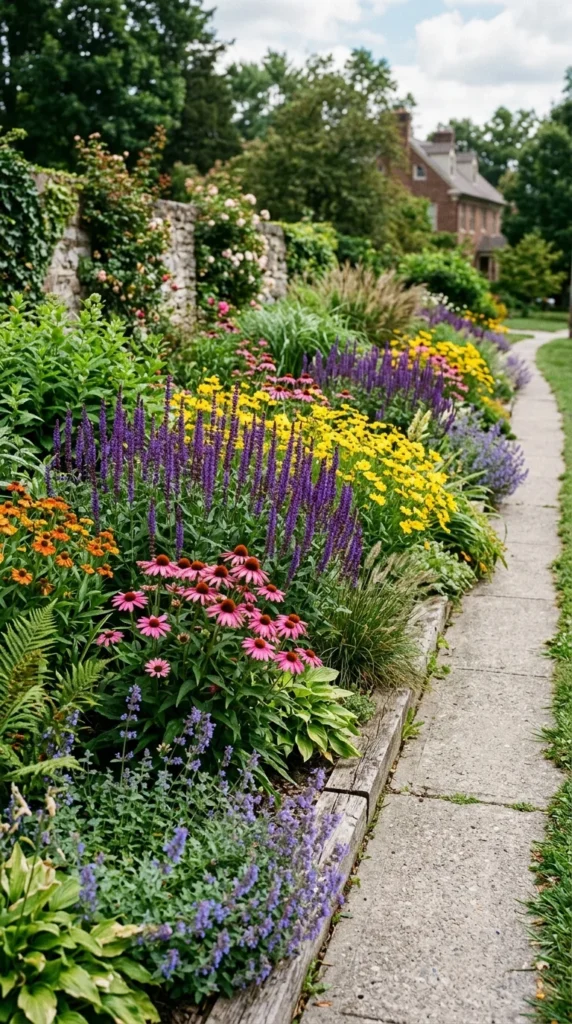
Perennial beds are the gift that keeps on giving. By selecting a variety of plants that bloom at different times, you can ensure your sidewalk looks beautiful from spring through fall. Focus on layering: taller plants in the back, medium in the middle, and short “spillers” at the very edge of the sidewalk.
18. Tiered Retaining Walls
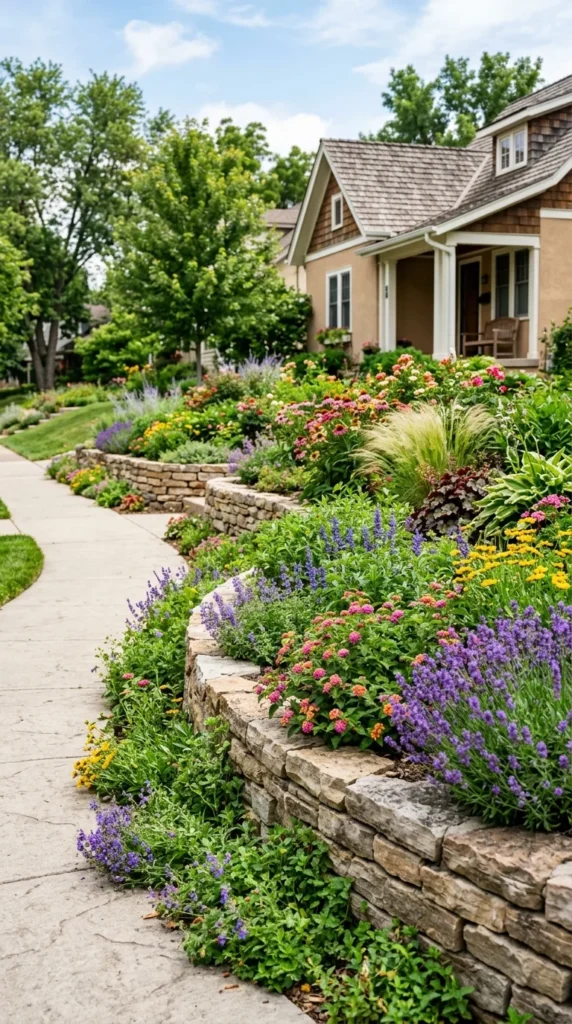
If your yard slopes down to the sidewalk, a tiered retaining wall can solve erosion issues while adding architectural interest. Built from stone, brick, or timber, these tiers create flat planting beds that act like a grand staircase for your flowers. This adds a sense of depth and luxury to the entrance of your home.
19. Ornamental Trees
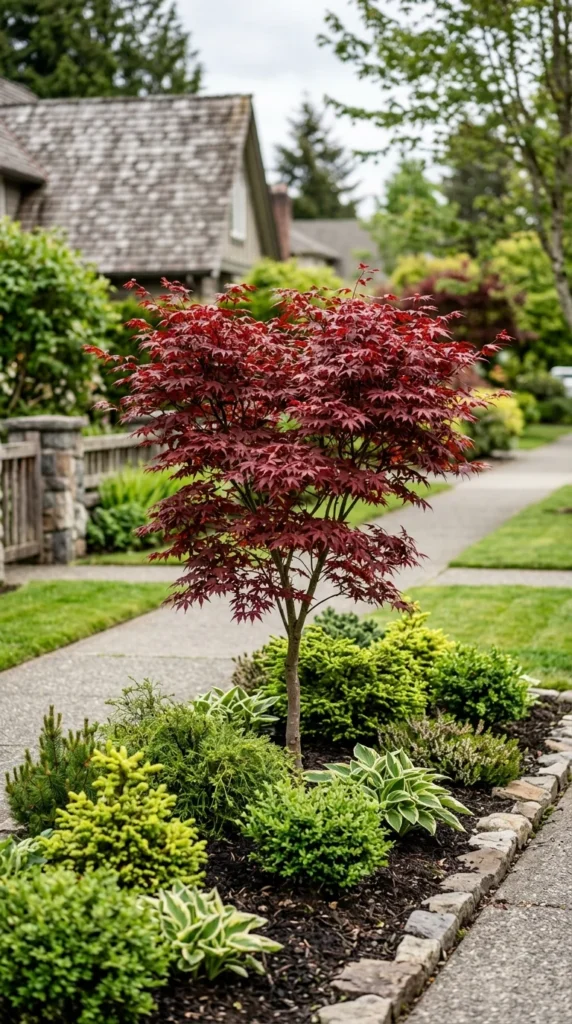
A single well-placed ornamental tree can serve as a stunning focal point. Choose small-scale trees that won’t overwhelm the space, such as a Japanese Maple, Dogwood, or Serviceberry. These trees provide vertical interest, seasonal color changes, and even shade for the sidewalk during hot summer days.
20. Herbaceous Borders
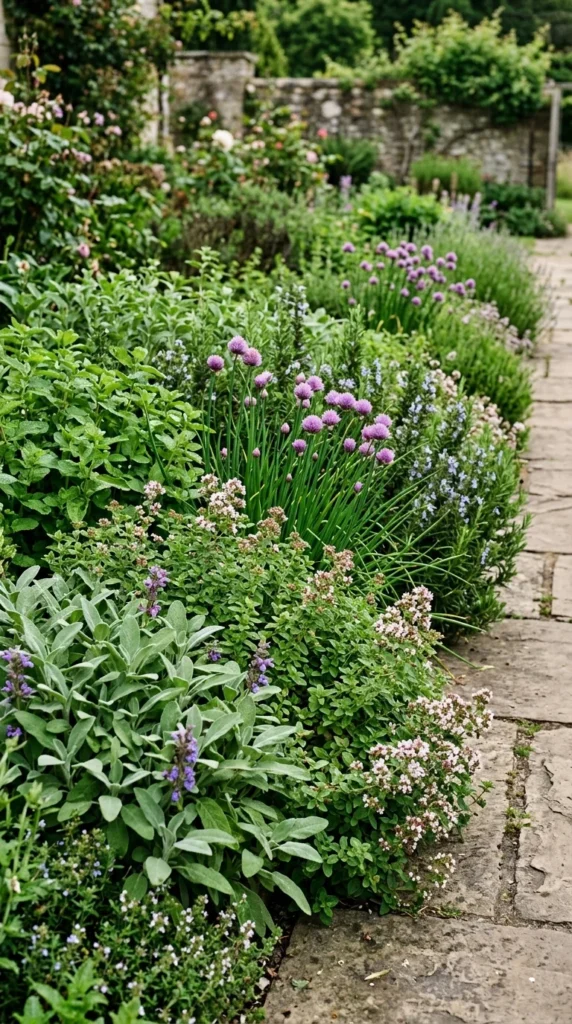
Herbaceous borders are both beautiful and useful. Plants like Sage, Rosemary, and Thyme have beautiful textures and colors that rival traditional ornamental plants. They are often quite hardy and can tolerate the heat reflected off the concrete sidewalk. Plus, they release a wonderful aroma when brushed against by passersby.
21. Window Boxes
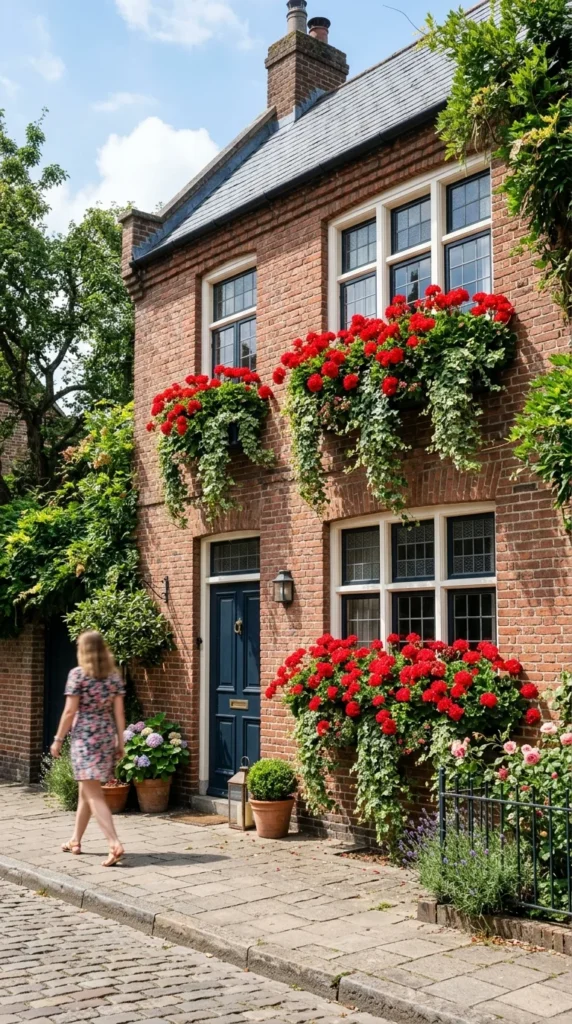
If your house is built close to the sidewalk, extend your landscaping vertically with window boxes. These containers allow you to add a splash of color at eye level, making the transition between the public walk and your private home feel more integrated. Coordinate the flowers in your window boxes with the plants along the sidewalk for a cohesive look.
22. Moss Pathways
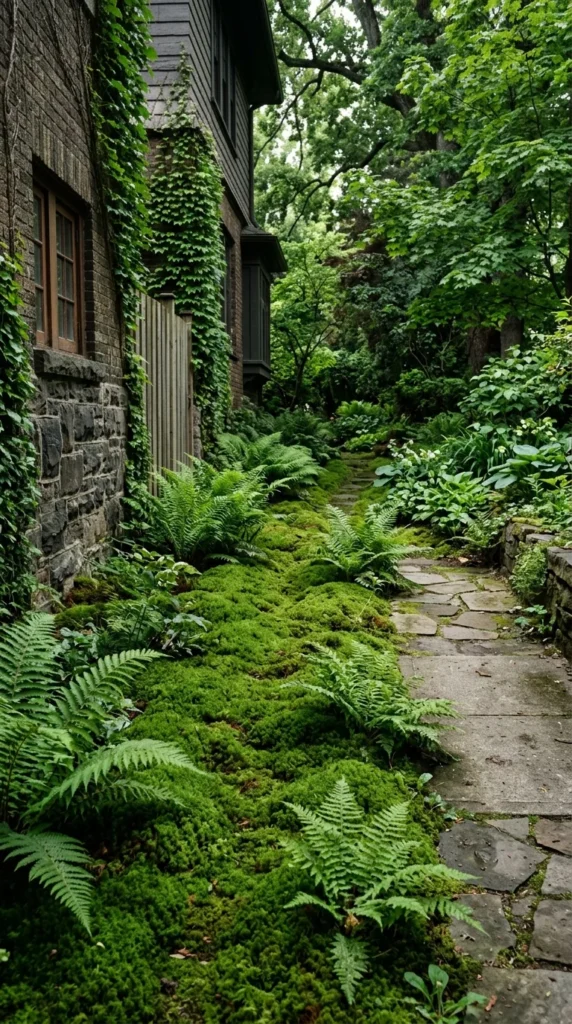
In damp, shady areas where grass struggles to grow, embrace moss. A moss “lawn” or border along the sidewalk creates a serene, woodland atmosphere. It’s incredibly soft underfoot and remains vibrant green even in the depths of winter. Pair moss with shade-loving plants like ferns and bleeding hearts for a magical, fairytale look.
23. Tropical Foliage
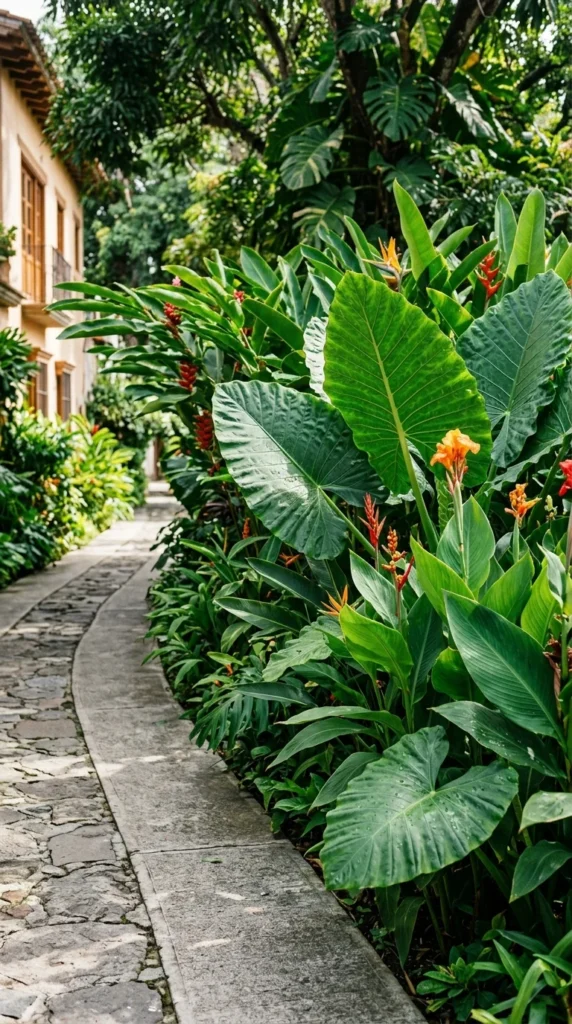
In warmer climates, go big with tropical foliage. Large-leafed plants like Cannas, Hibiscus, and Bird of Paradise create a lush, vacation-like feel right at your front door. These plants grow quickly and provide a high-impact look that is sure to stand out in the neighborhood.
24. Sculptural Elements

Incorporate art into your landscaping by adding sculptural elements. This could be a modern metal piece, a traditional birdbath, or a decorative glazed urn. Placing a sculpture among your plants provides a focal point and adds a touch of sophistication. It also ensures there is something interesting to look at even in the middle of winter when plants are dormant.
25. Seasonal Annuals
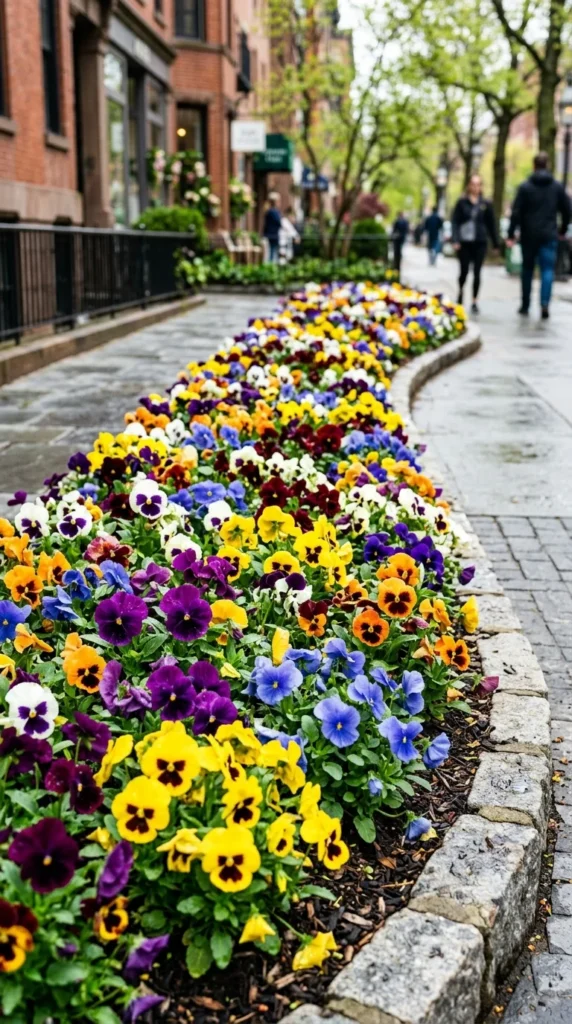
For those who love to change their look frequently, annuals are the answer. Petunias, Marigolds, and Zinnias can be planted in mass to create ribbons of intense color along the sidewalk. While they only last one season, they bloom more prolifically than most perennials, allowing you to experiment with different color schemes every year.
26. Privacy Screens
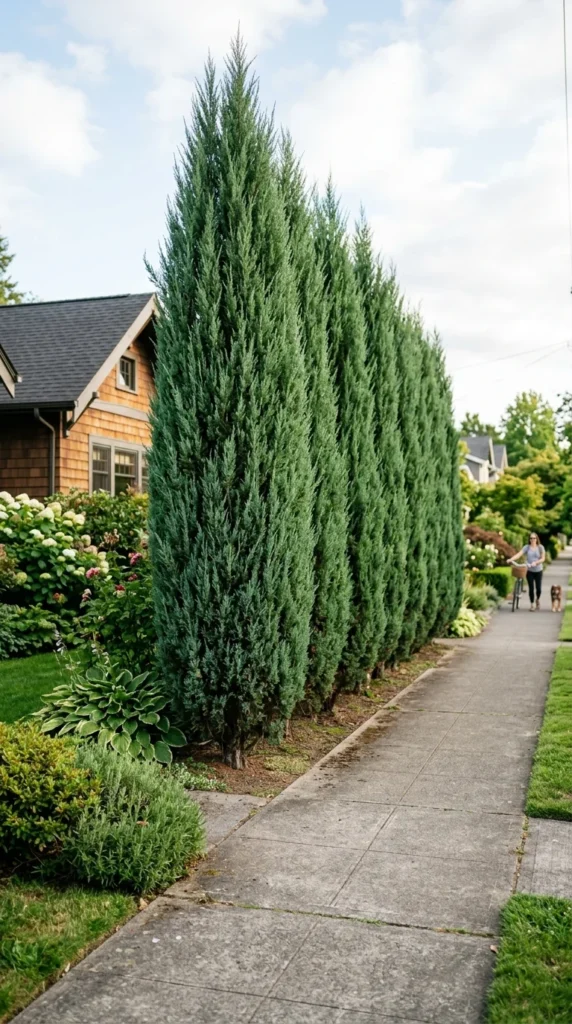
If your front yard feels too exposed, use sidewalk landscaping to create privacy. Tall, narrow evergreens or a trellis with climbing vines like Clematis or Star Jasmine can provide a screen without feeling like a solid wall. This creates a more intimate and secluded feel for your front porch or patio.
27. Rain Gardens
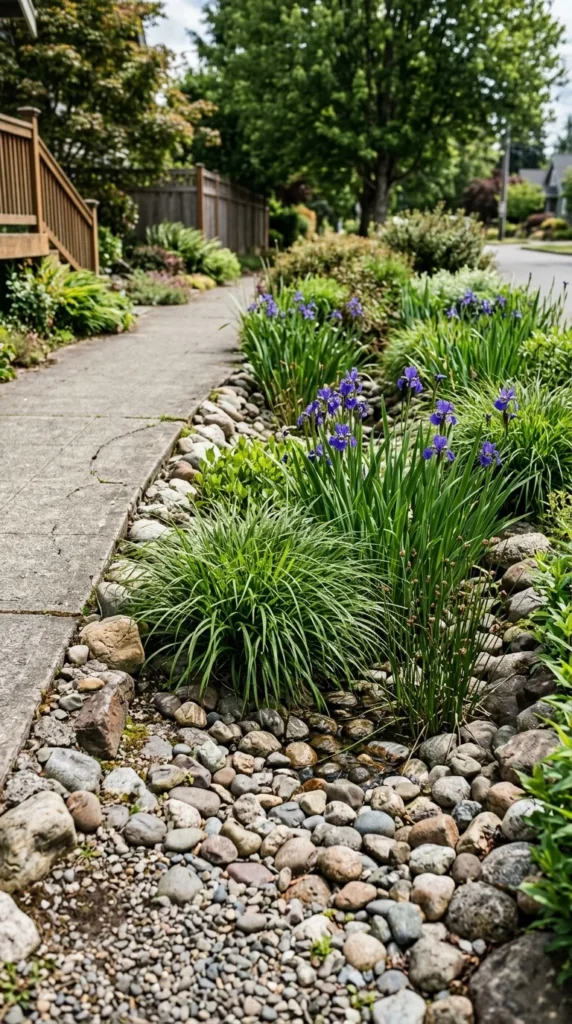
A rain garden is a functional landscape feature designed to soak up rainwater runoff from the sidewalk and street. By planting water-tolerant species in a slight depression, you help filter pollutants and prevent local flooding. Rain gardens are an eco-friendly choice that looks like a lush, natural wetland feature.
28. Bird-Friendly Habitat
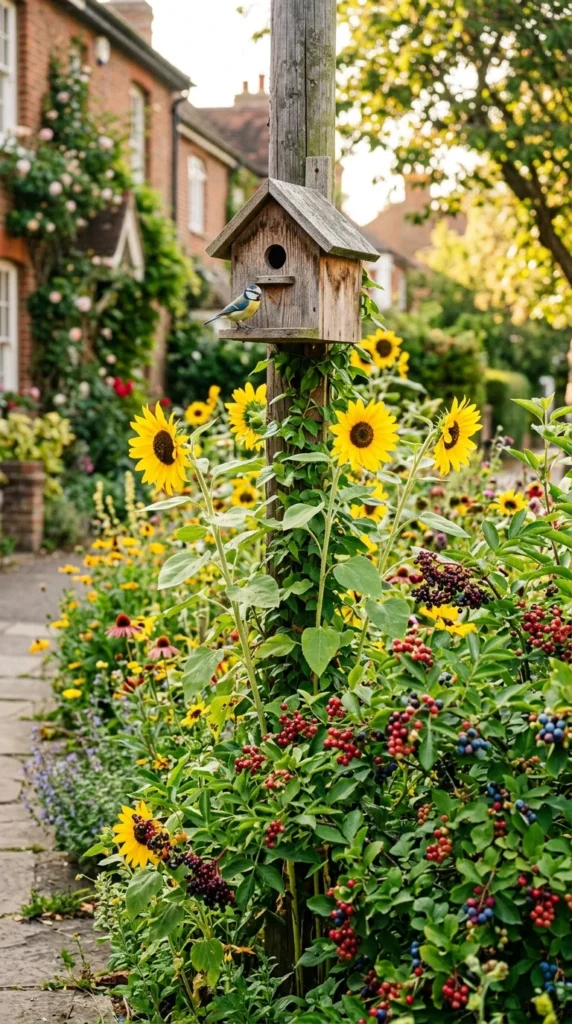
Turn your sidewalk strip into a sanctuary for local wildlife. Plant berry-producing shrubs like Winterberry or Viburnum, and include a small birdbath or a decorative birdhouse. Using plants with varied heights and dense foliage provides cover for birds. This approach makes your front yard a lively, active space that contributes to the local ecosystem.