
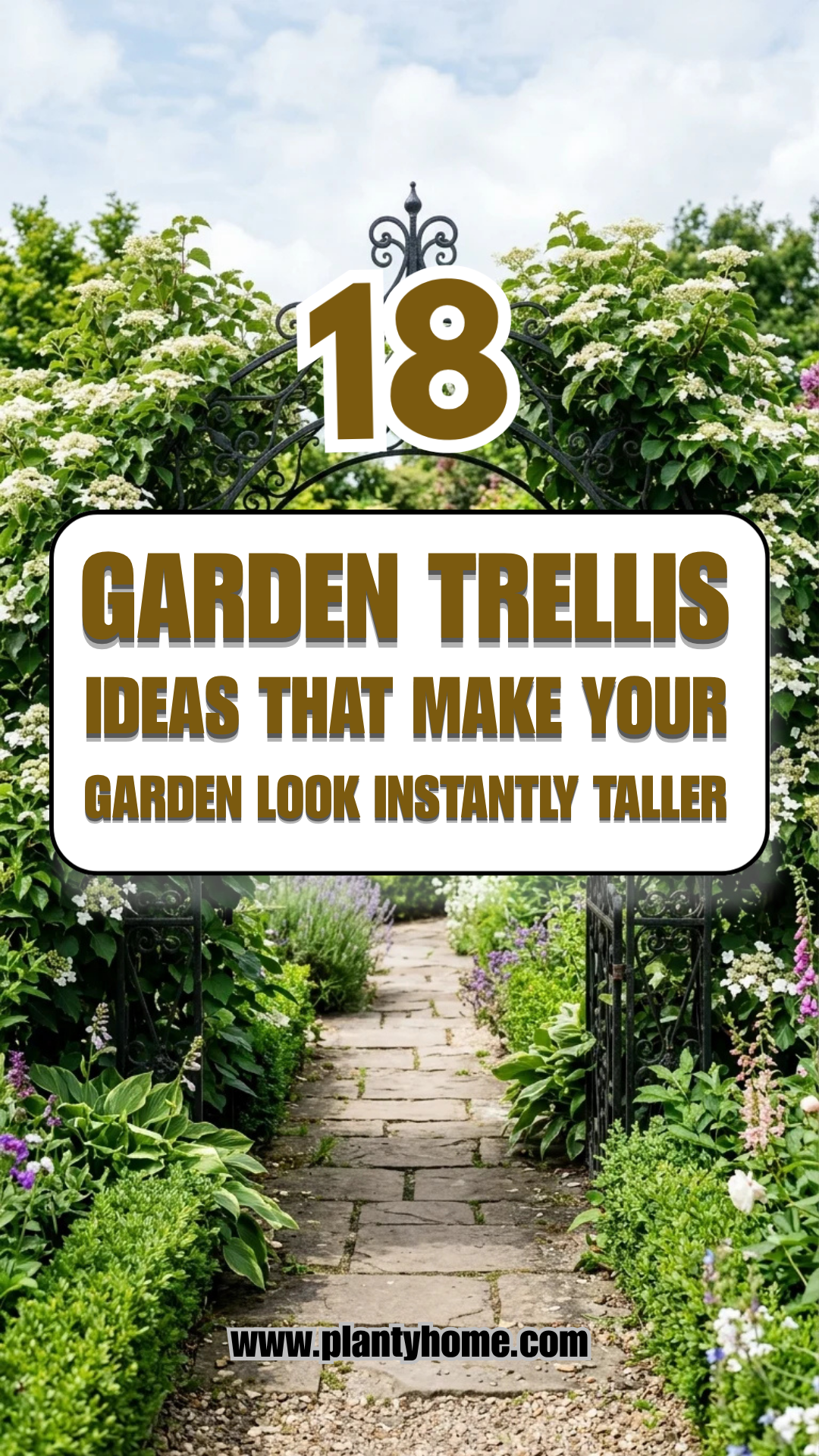
Vertical gardening is one of the most effective ways to transform a flat, one-dimensional outdoor space into a dynamic, multi-layered sanctuary. By drawing the eye upward, you not only maximize your growing area but also create an illusion of grandeur and scale. Whether you have a sprawling backyard or a compact balcony, the right trellis can act as architectural jewelry, providing support for climbing plants while adding much-needed verticality.
1. Classic Obelisks
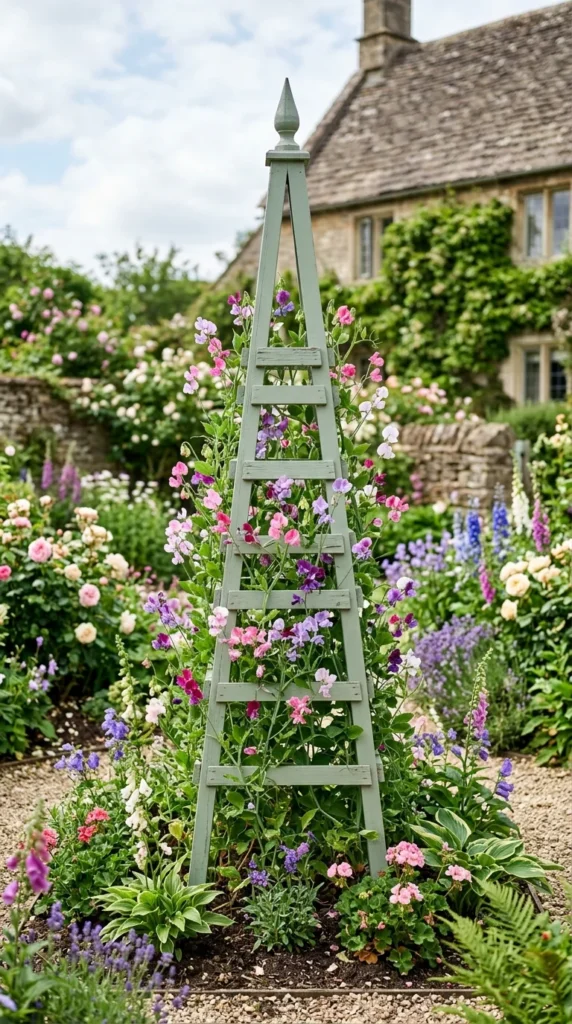
The obelisk is a timeless garden staple that offers immediate height without requiring a permanent wall or fence. Usually four-sided and tapering toward the top, obelisks serve as a focal point in any garden bed. They are particularly effective when used in pairs to flank a walkway or when placed in the center of a circular garden. Because they are free-standing, they allow you to add height to the middle of a landscape rather than just the perimeter.
2. Cattle Panels
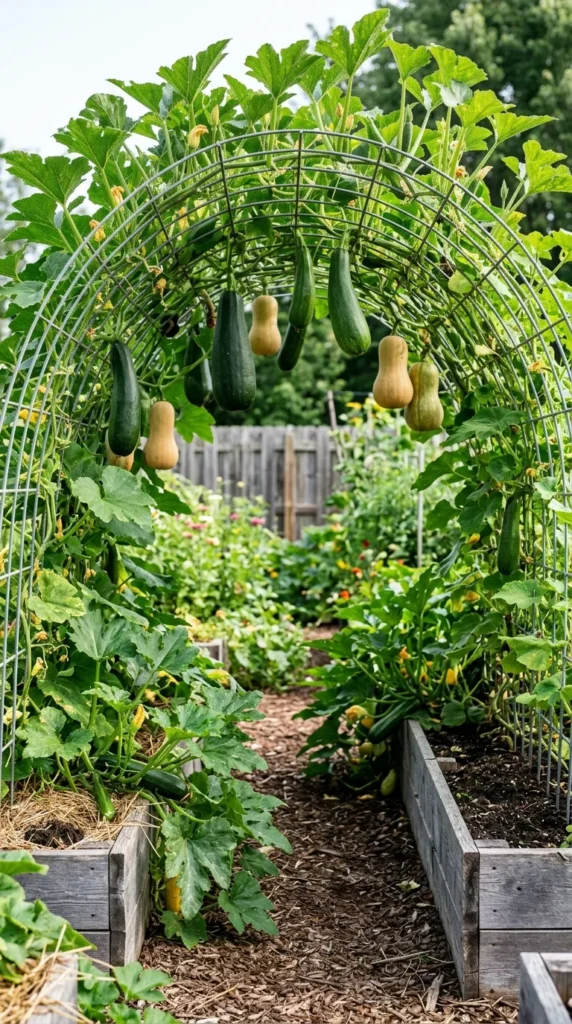
For a more industrial or rustic look, cattle panels are incredibly durable and cost-effective. When arched between two raised beds, they create a “tunnel” effect that makes the garden feel like a grand estate. This setup is perfect for heavy climbers like squash, melons, or pole beans. The sheer scale of a cattle panel arch forces the viewer to look up, making even a small vegetable patch feel expansive and professional.
3. Bamboo Teepees
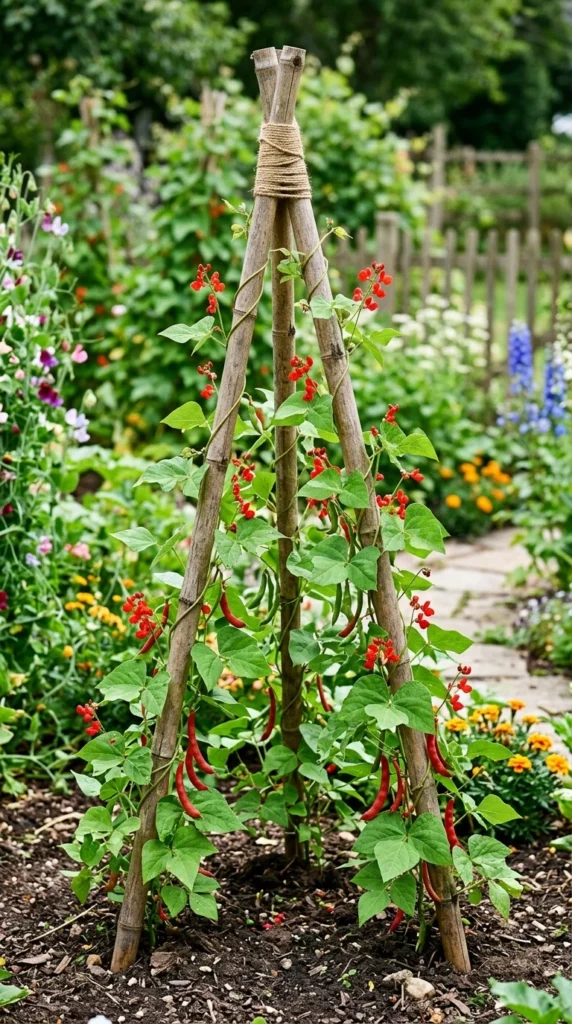
Bamboo teepees are the ultimate eco-friendly and budget-conscious way to add height. They offer a rustic, organic aesthetic that blends seamlessly into cottage-style gardens. By using extra-long poles (eight to ten feet), you can create dramatic vertical accents. They are also incredibly easy to dismantle and move, allowing you to change the “height profile” of your garden each season based on your crop rotation or aesthetic preference.
4. Wall-Mounted Lattice
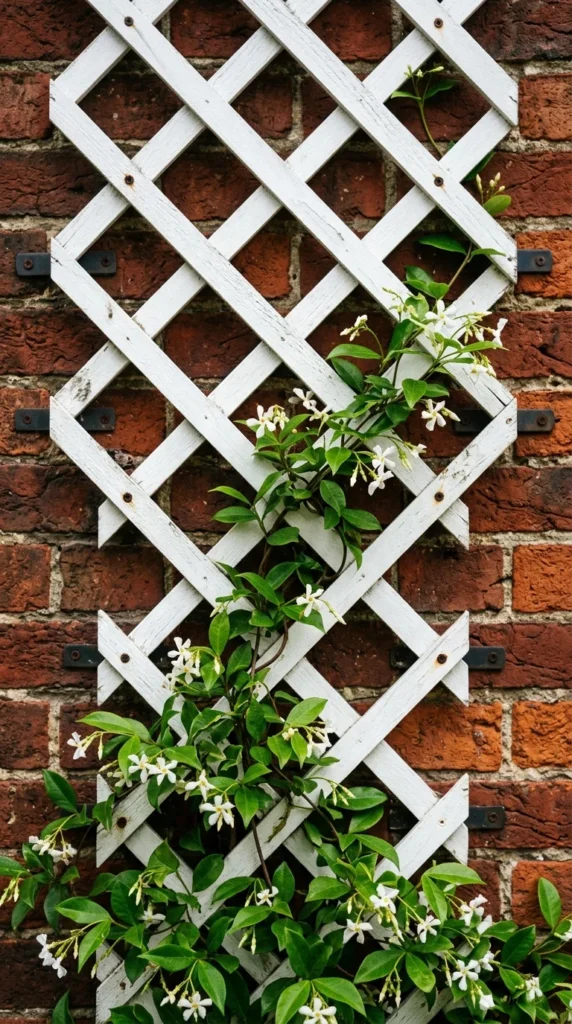
If your garden is bordered by high walls or fences, a wall-mounted lattice is the perfect tool to soften those hard surfaces. By extending the lattice higher than the existing wall or using it to cover the entire vertical surface, you create a “living wall.” This draws the eye all the way to the top of the structure, effectively making the boundaries of your garden feel taller and more lush rather than flat and restrictive.
5. Arched Gateways
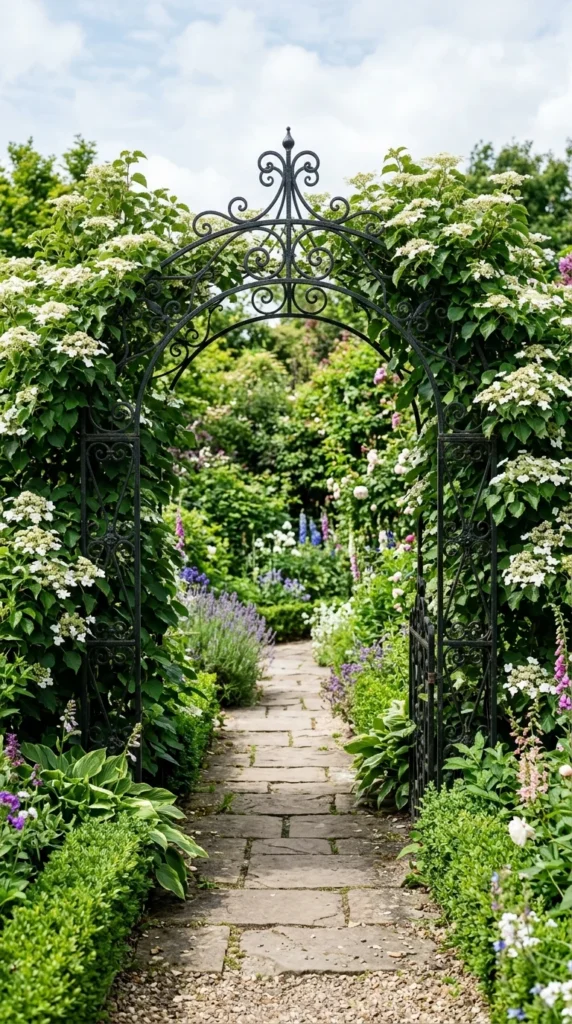
An archway acts as a literal transition point, signaling a change in the garden’s “room.” From a design perspective, an arch creates a high horizontal line that breaks up the horizon. When you walk under an arch draped in greenery, the proximity of the plants overhead creates an immersive experience that emphasizes the vertical dimension. It turns a simple path into a grand journey through the garden.
6. Fan Trellises
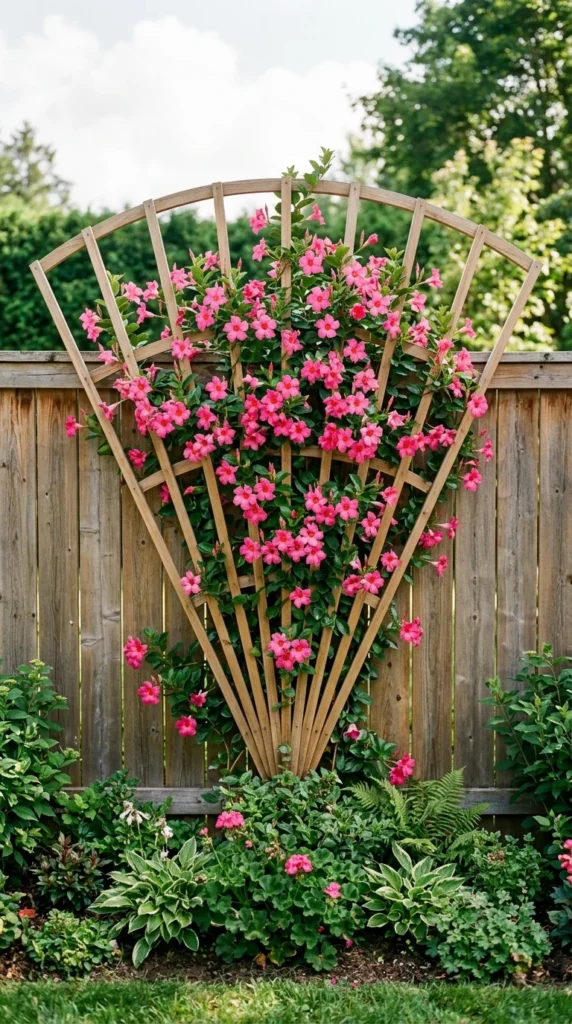
Fan trellises are ideal for narrow spaces where you want to add height without bulk. Their unique shape—narrow at the base and wide at the top—mimics the natural growth pattern of many shrubs and climbers. This upward-outward spread naturally guides the eye from the ground level toward the sky. They are particularly effective for “dressing up” blank fence panels or the sides of a shed.
7. String Support Systems
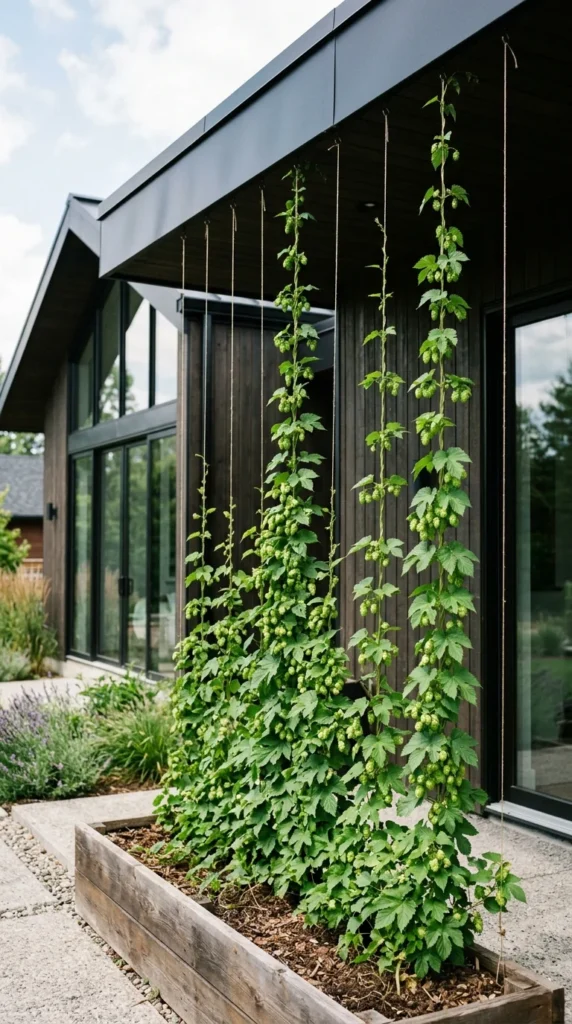
For those who prefer a minimalist or modern aesthetic, string trellises provide height without the visual weight of wood or metal. By attaching heavy-duty twine or wire from a high point—like a roof overhang or a high beam—to the ground, you create a soaring vertical path for vines. This makes the plants appear as if they are floating, emphasizing their vertical journey and making the garden feel incredibly airy and tall.
8. Wrought Iron Screens
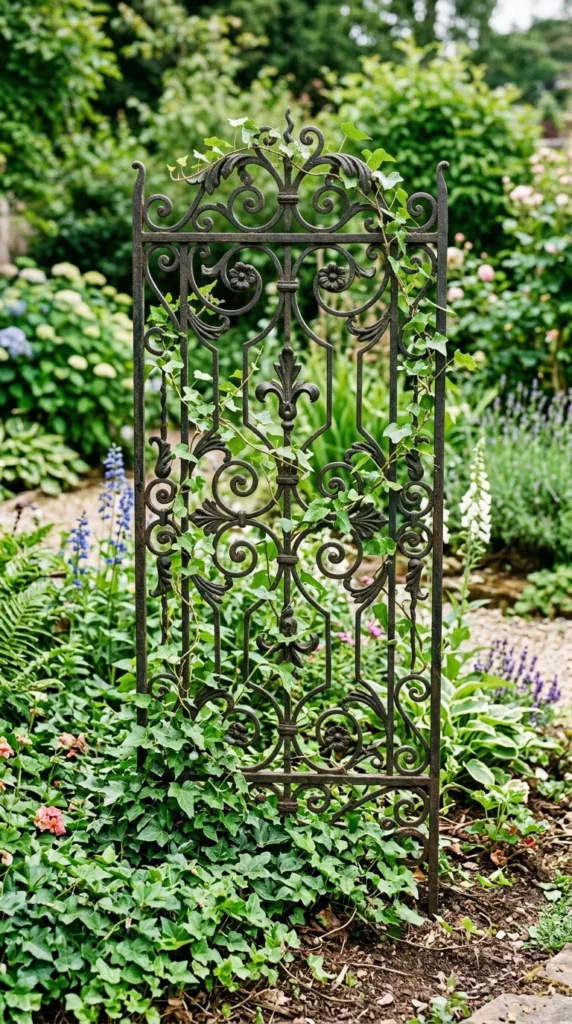
Wrought iron screens function as both a trellis and a piece of art. Because they are often quite tall and slender, they add a sense of elegance and formality. The dark metal provides a sharp contrast against green foliage, making the vertical lines of the screen pop. These are excellent for creating “dividers” in the garden, which helps define different zones while adding varying height levels throughout the space.
9. Chevron Wood Patterns
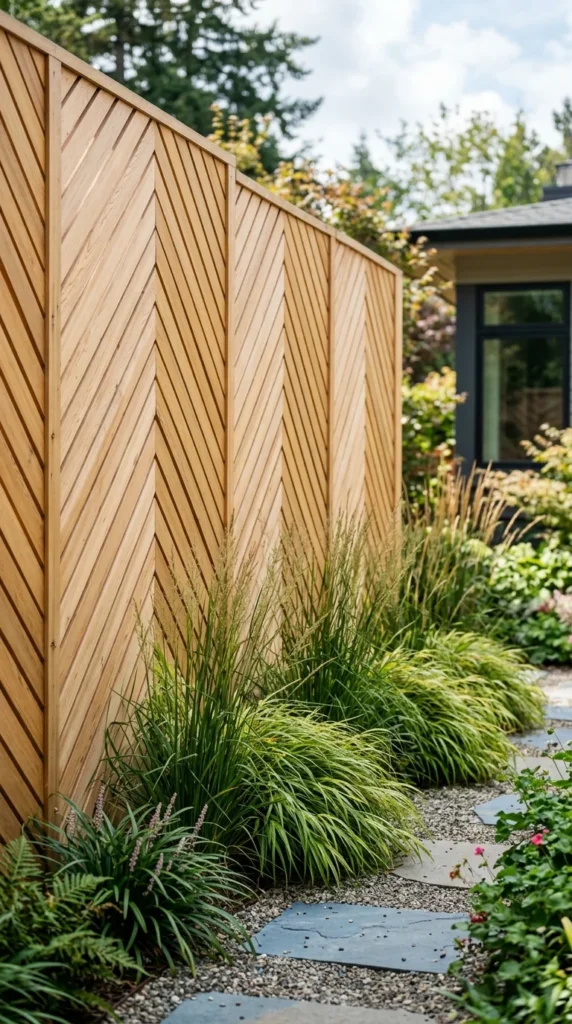
Moving away from traditional squares and diamonds, the chevron pattern creates a dynamic sense of movement. The upward-pointing “V” shapes act as arrows, literally pointing the viewer’s eyes toward the sky. This is a brilliant architectural trick for modern landscapes where clean lines are preferred. Even without plants, a chevron trellis adds a sophisticated vertical texture to the garden.
10. A-Frame Structures
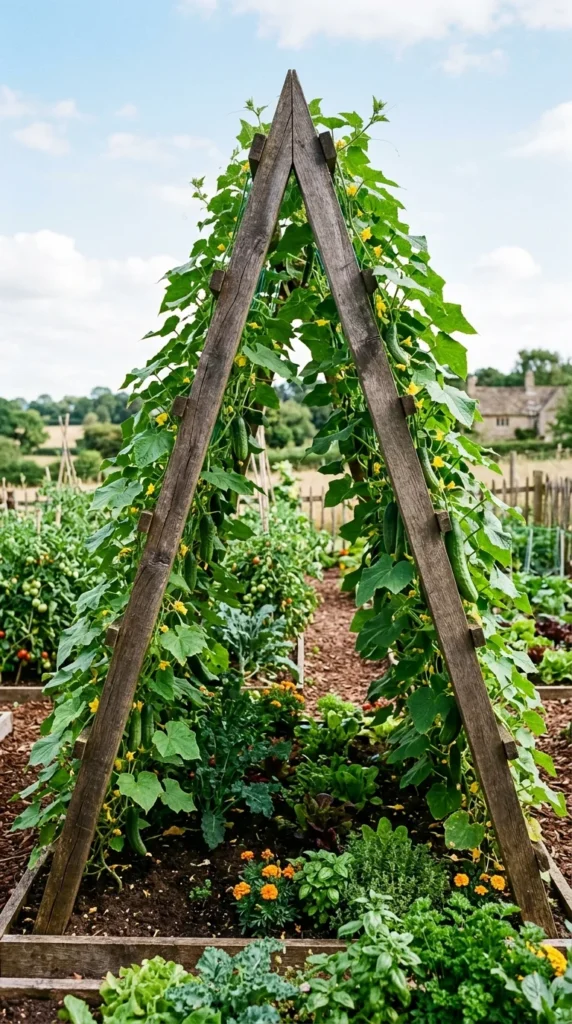
A-frames are highly functional for vegetable gardeners, but they also serve a significant aesthetic purpose. By creating a wide base that narrows to a high peak, they provide a sense of stability and height. They create “tunnels” of shade underneath, adding depth to the garden. When covered in foliage, an A-frame looks like a green mountain, adding a substantial vertical element to an otherwise flat vegetable patch.
11. Repurposed Ladders
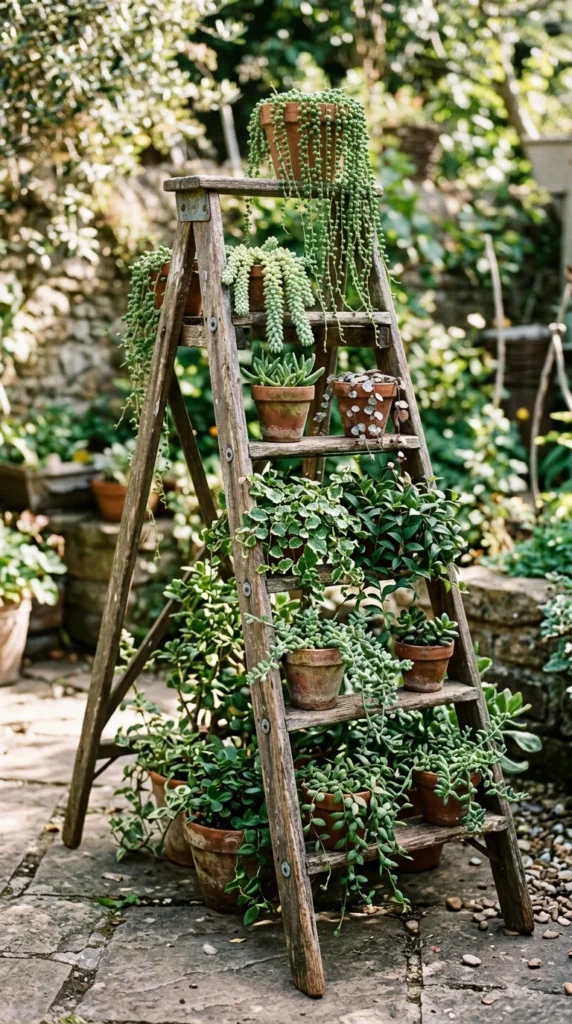
Using a repurposed ladder is a fantastic way to introduce “stepped” height. Unlike a flat trellis, a ladder provides multiple horizontal planes at different heights. This allows you to stack plants vertically, creating a dense tower of greenery. It’s an excellent solution for renters or those with paved patios who can’t plant directly into the ground but still want to achieve a tall, layered look.
12. Wire Grid Panels
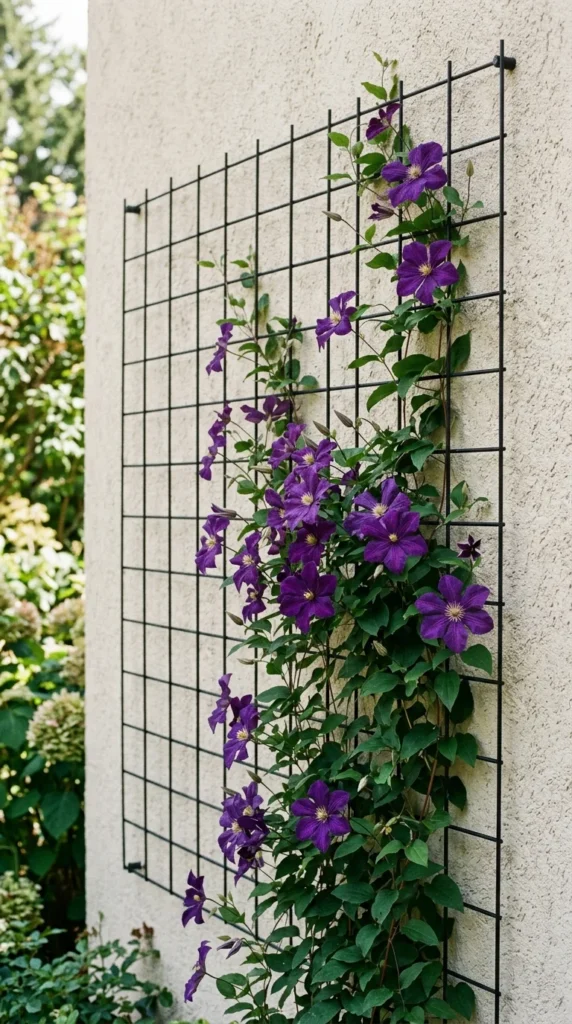
Wire grids offer a clean, industrial look that is nearly invisible from a distance, allowing the plants to take center stage. Because they can be purchased in large sheets, you can cover a vast vertical area quite easily. By mounting them slightly away from the wall, you create shadows that add depth, further enhancing the feeling of height and three-dimensionality on a flat surface.
13. Willow Wigwams
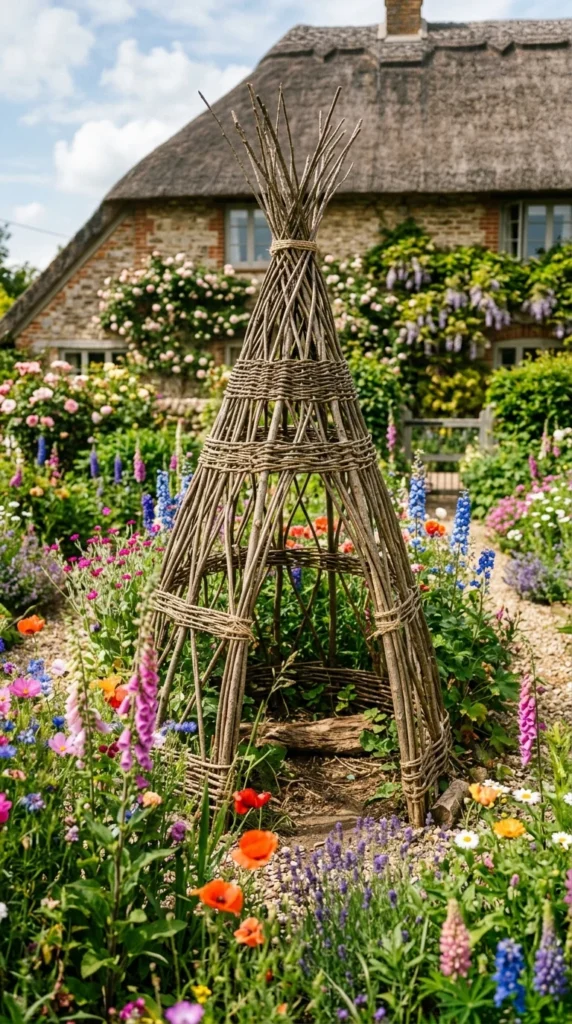
Willow wigwams provide a soft, organic look that is perfect for naturalistic gardens. The hand-woven nature of the willow adds texture and a sense of craftsmanship. Because willow is flexible, these structures can be made very tall and narrow, perfect for adding “spires” of greenery to your flower borders. They are particularly beautiful in the winter when the structure is visible even after the plants have died back.
14. Folding Screen Dividers
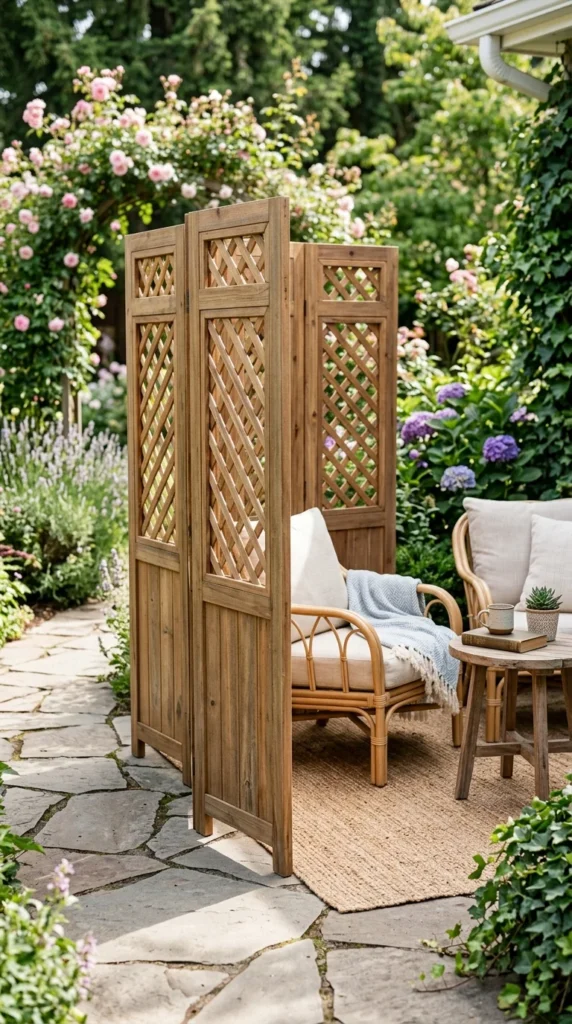
Folding screens are versatile because they can be positioned at angles, creating a zig-zag line that adds more visual interest than a straight flat trellis. This multi-angled approach catches the light differently and creates a sense of an “outdoor room.” By choosing a screen that is taller than the surrounding furniture, you create a sense of enclosure and vertical scale in a seating area.
15. Pillar Rose Supports
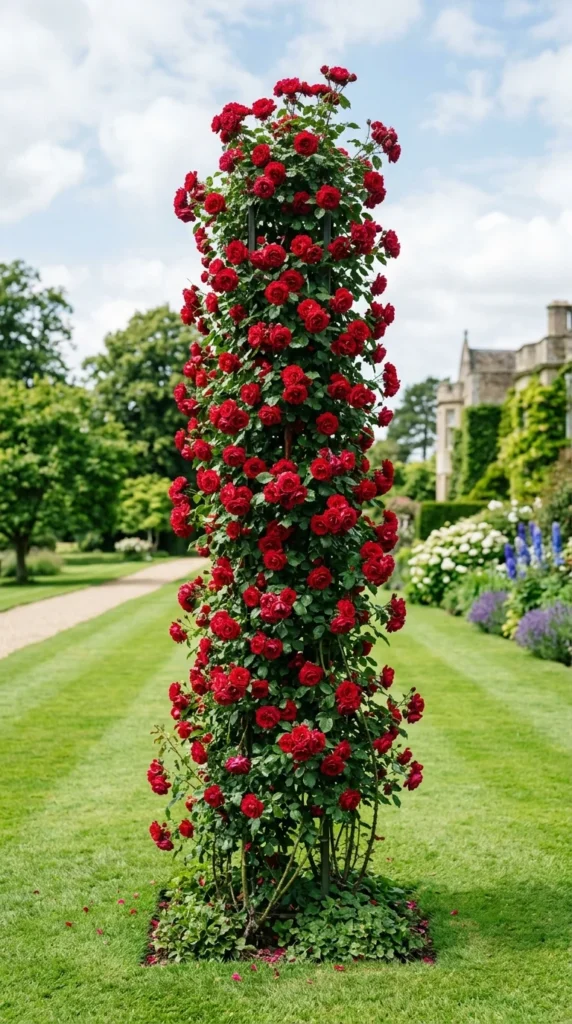
Pillar supports are designed to hold heavy climbers like roses in a tight, vertical column. This is one of the most space-efficient ways to add height. Instead of letting a rose bush spread out horizontally, training it up a pillar creates a “exclamation point” in the garden. This vertical burst of color draws the eye instantly and can make even a tiny garden feel more majestic.
16. Espalier Frames
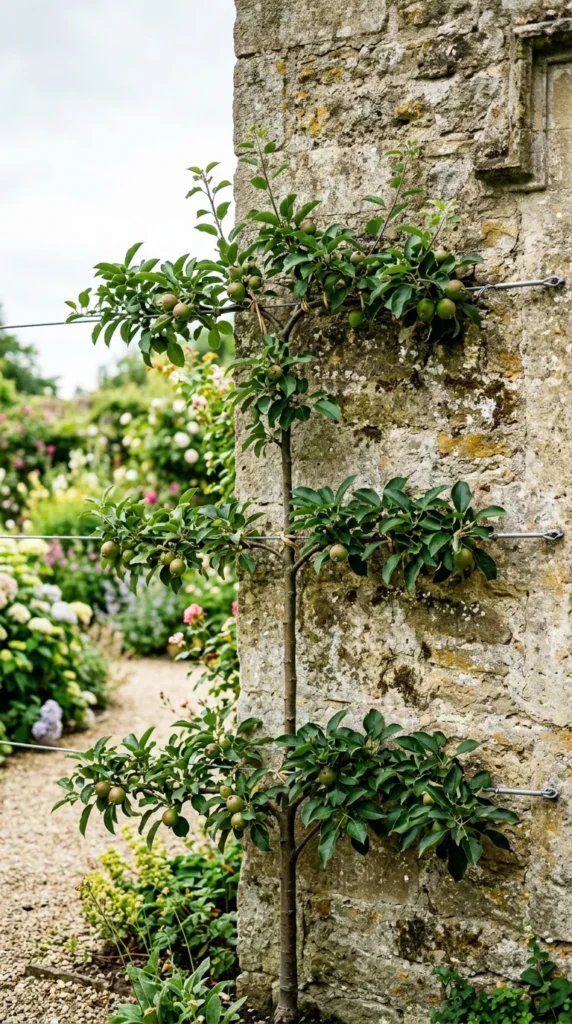
Espalier is the ancient art of training trees to grow flat against a support. While it requires patience and pruning, the result is a highly structured, architectural look that emphasizes the height of the wall it’s attached to. It turns a fruit tree into a living piece of geometry, highlighting the vertical plane of the garden in a way that traditional round-headed trees cannot.
17. Upcycled Door Frames
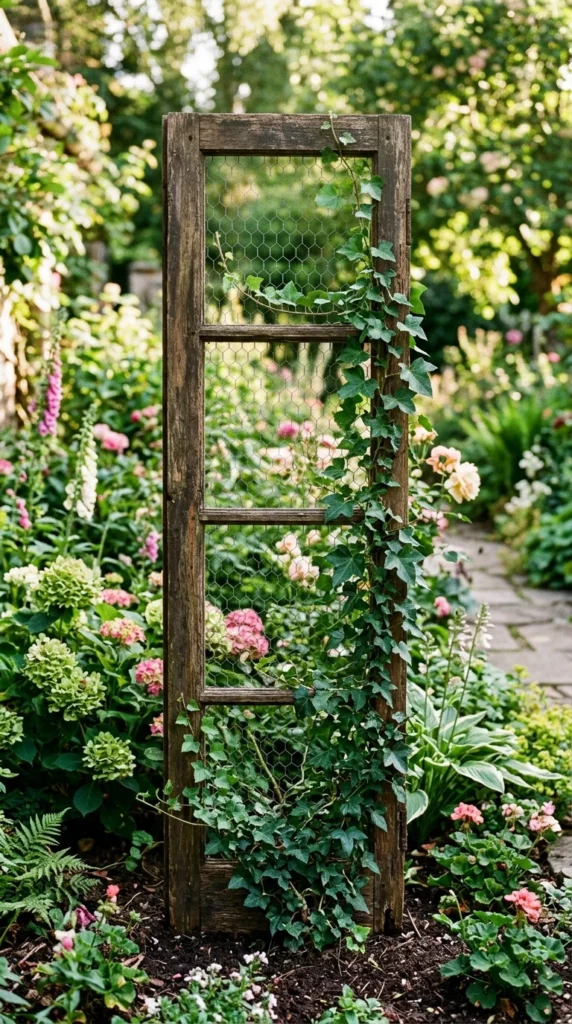
Using an old door frame as a trellis adds a touch of whimsy and a “secret garden” feel. The height of a standard door (usually around 80 inches) provides an immediate vertical boost. It acts as a frame for the plants behind it, creating a “view within a view.” This layering technique is a classic trick for making small gardens feel much larger and more complex.
18. Pipe and Wire Industrial Trellis
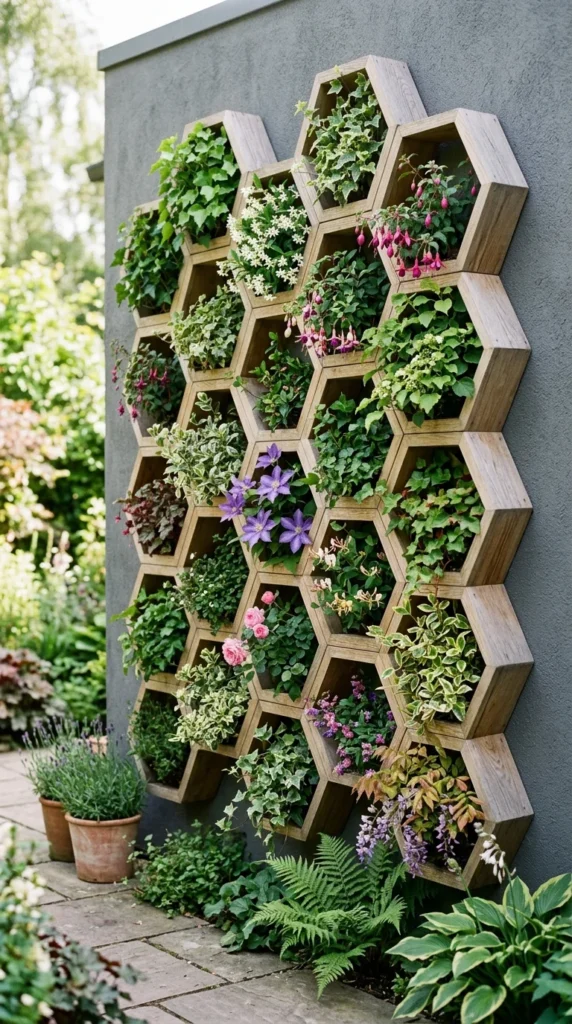
For a high-end, custom look, using copper or galvanized pipes combined with thin tension wires allows you to create a trellis of any size. You can build these to reach the very top of a two-story house, creating an incredible vertical statement. The metallic shine of the pipes adds a touch of luxury, while the thin wires provide a delicate support system that doesn’t overwhelm the garden’s natural beauty.