
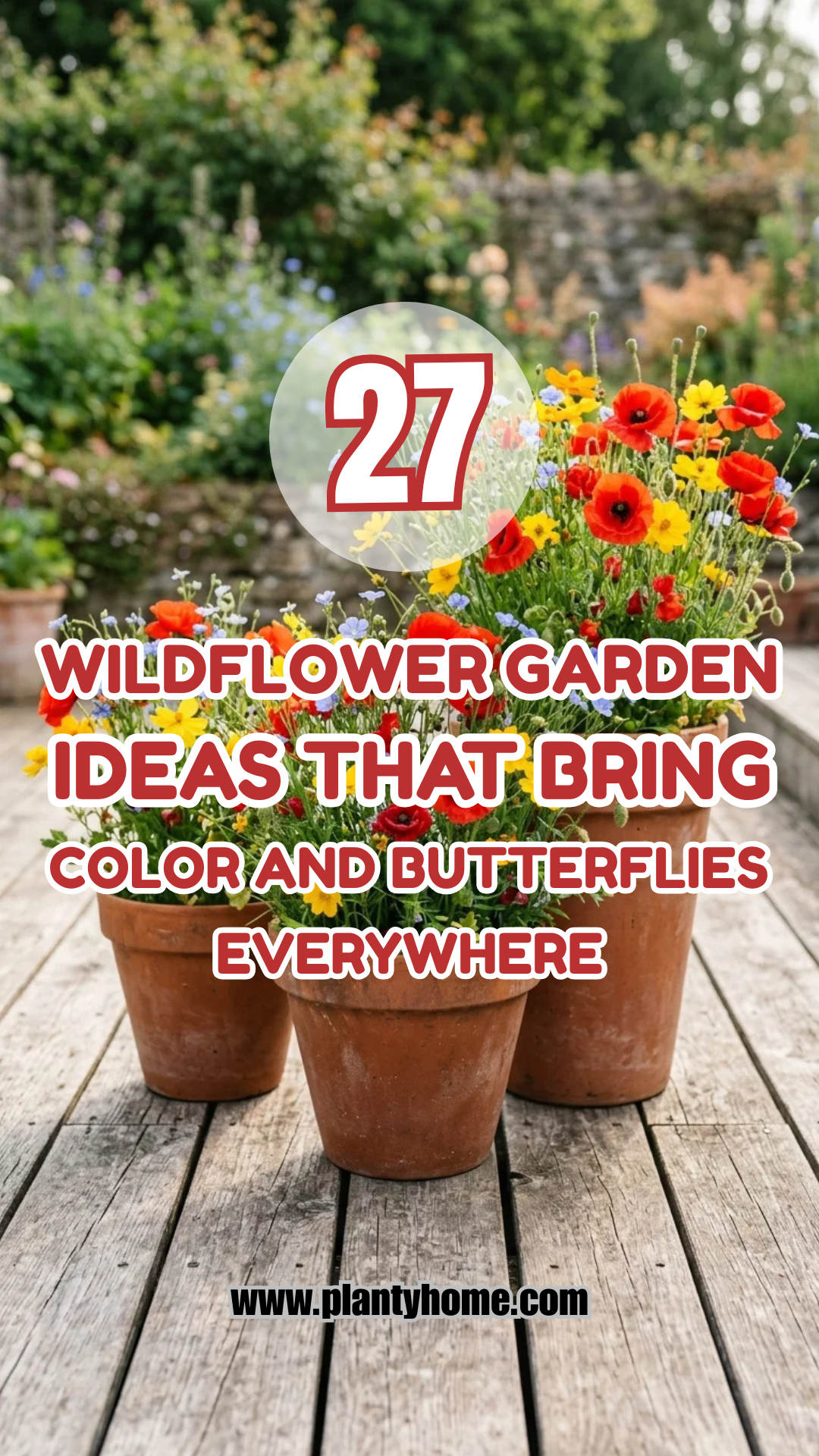
Wildflower gardens represent a departure from the rigid, manicured landscapes of the past, offering a return to nature that is as sustainable as it is beautiful. These gardens are not just about aesthetics; they are functional ecosystems that provide vital habitats for pollinators like bees, butterflies, and hummingbirds. By incorporating wildflowers into your landscape, you reduce the need for intensive watering, chemical fertilizers, and constant mowing. Whether you have a vast acreage or a small urban balcony, there is a wildflower solution that can transform your space into a buzzing, fluttering sanctuary of color.
1. Native Meadows
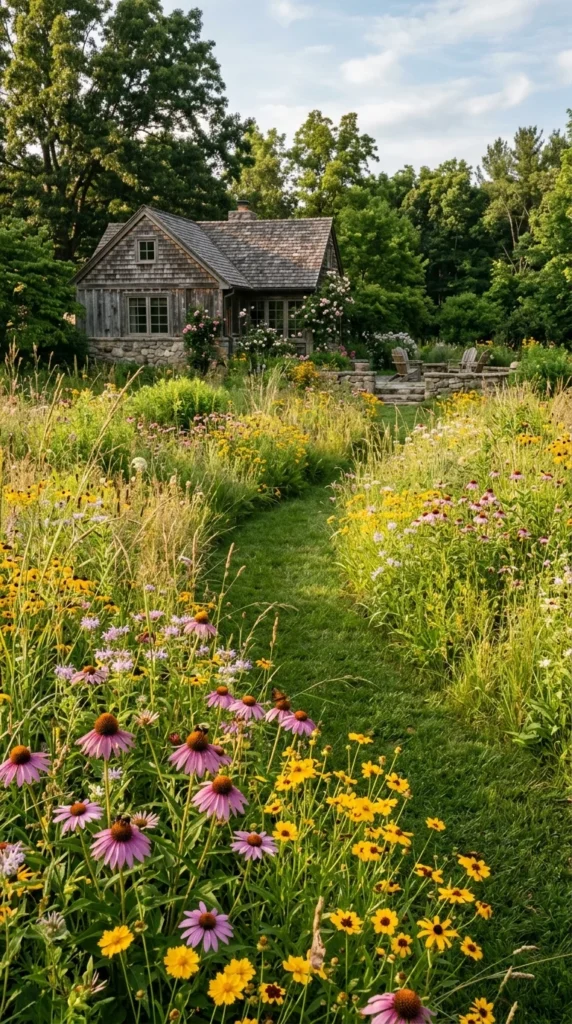
The foundation of any successful wildflower garden is the use of native species. A native meadow is designed to mimic the natural landscape of your specific region. Because these plants evolved to thrive in your local climate and soil, they require significantly less maintenance once established. Native meadows provide the exact nutrients and nesting materials that local butterfly species need to survive. To start, clear a patch of lawn and sow a seed mix tailored to your hardiness zone, ensuring a mix of both perennial and annual species for year-round interest.
2. Pollinator Borders
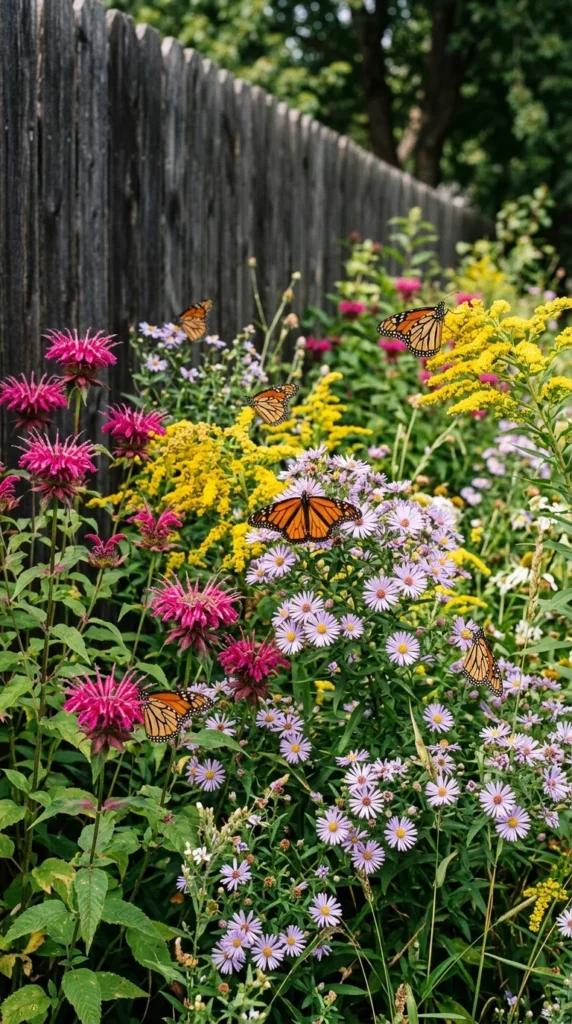
If you aren’t ready to commit your entire lawn to wildflowers, a pollinator border is an excellent compromise. These are intentional strips of wildflowers planted along fences, driveways, or garden edges. By selecting plants with varying bloom times—from early spring to late autumn—you provide a consistent food source for butterflies. Focus on “heavy hitters” like milkweed, which is the sole food source for Monarch butterfly larvae, and nectar-rich blossoms like zinnias and salvias.
3. Cottage Paths
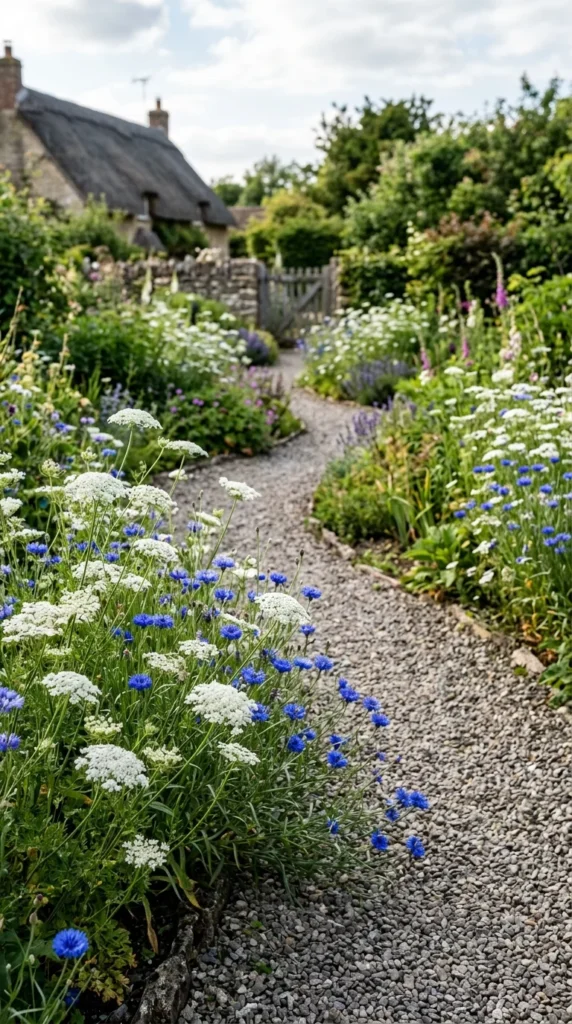
Wildflowers are the quintessential choice for a cottage-style garden. Instead of keeping plants contained, allow them to spill over onto stone or gravel paths. This creates an informal, romantic atmosphere that feels lived-in and natural. Low-growing wildflowers like creeping thyme or baby’s breath work well near the edges, while taller varieties like foxgloves and larkspur provide height and drama further back.
4. Rock Garden Mix
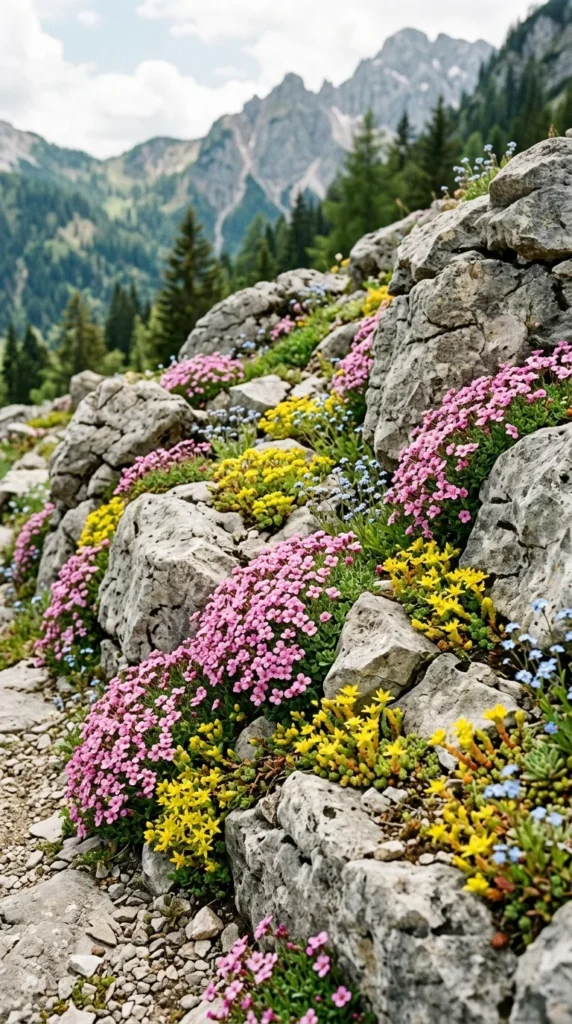
Wildflowers are incredibly resilient and often thrive in poor, rocky soil where traditional garden plants might struggle. A wildflower rock garden utilizes the heat-retaining properties of stones to support drought-tolerant species. Look for “alpine” or “rockery” seed mixes that include species like moss phlox or wild columbine. The contrast between the hard, grey stones and the soft, colorful petals creates a striking visual texture.
5. Woodland Edge
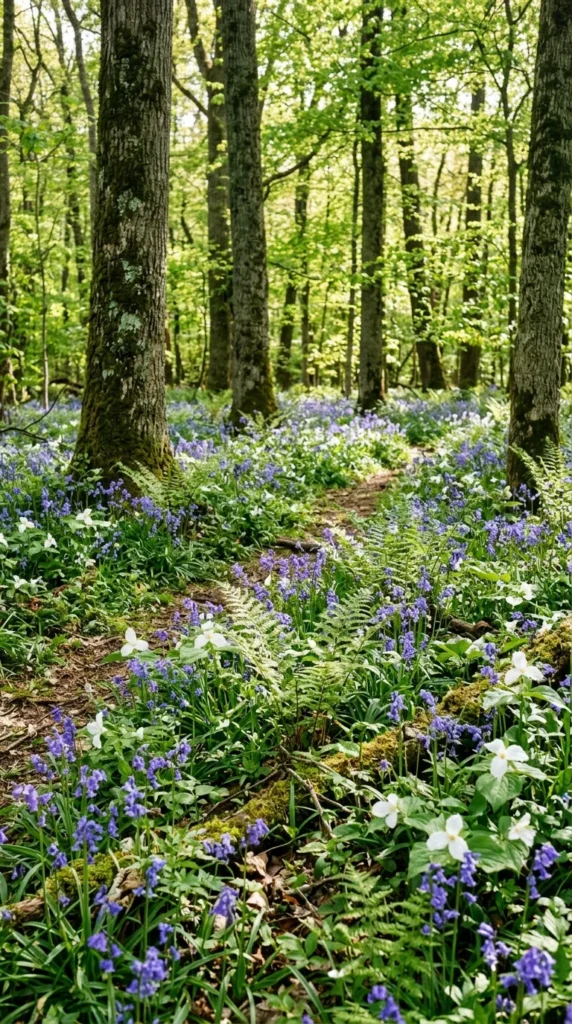
Not all wildflowers require full sun. If your yard has shaded areas under trees, a woodland wildflower garden is the perfect solution. These gardens often feature “spring ephemerals”—plants that bloom early in the year before the trees fully leaf out. Species like wild violets, wood anemones, and red columbine flourish in these cool, moist environments, providing early-season nectar for emerging butterflies.
6. Container Wildflowers
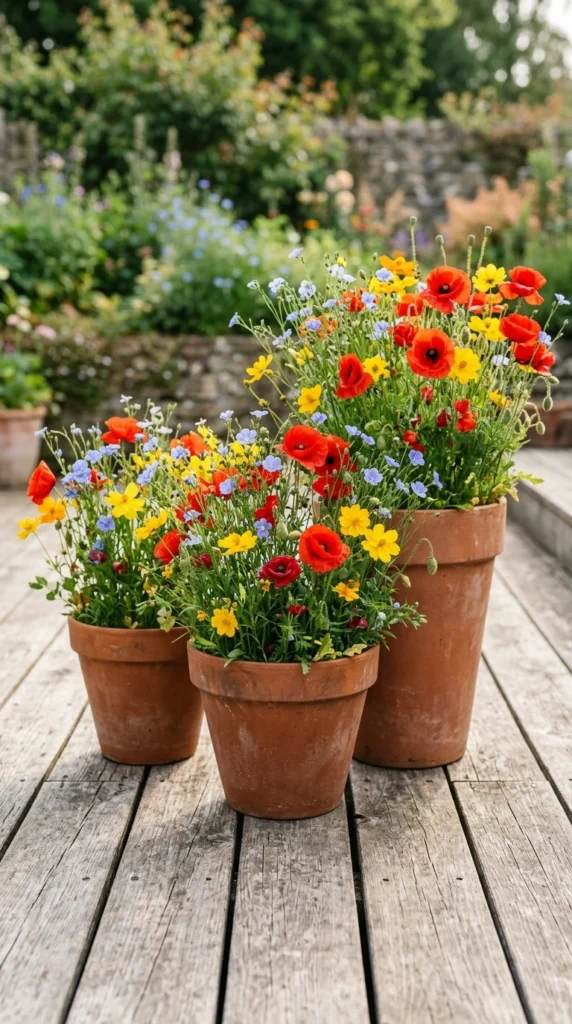
You don’t need a backyard to grow wildflowers. Containers allow urban dwellers to participate in pollinator conservation. The key to successful container wildflowers is choosing a deep enough pot to accommodate their root systems and ensuring excellent drainage. A mix of annual wildflowers is often best for containers, as they grow quickly and provide a massive burst of color throughout the summer months.
7. Prairie Pockets
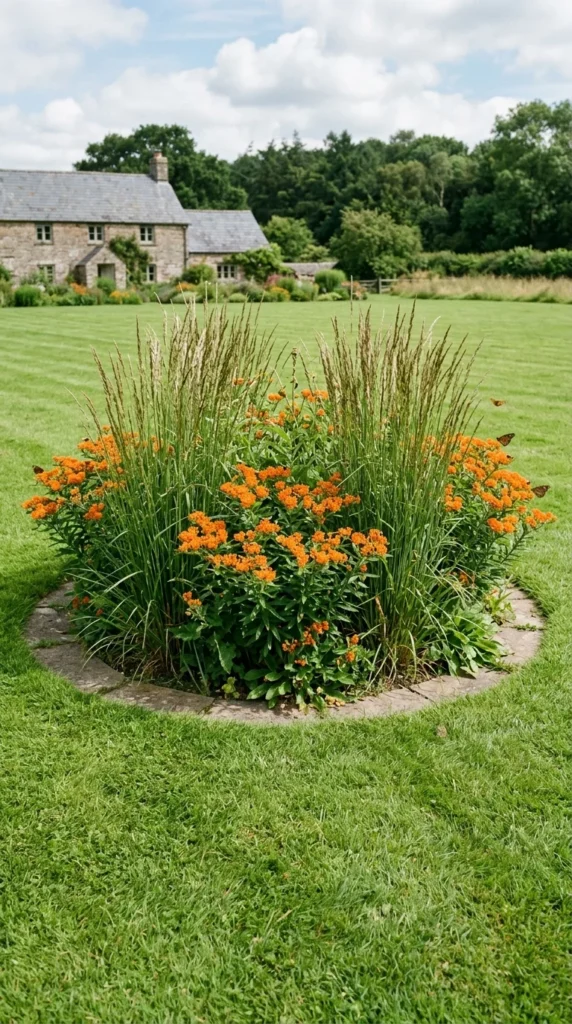
A “prairie pocket” is a small, concentrated area of prairie plants integrated into a traditional landscape. This idea is perfect for adding a touch of wildness to a suburban yard without overwhelming the space. By grouping tall grasses with vibrant wildflowers, you create a structural element that provides cover for birds and a concentrated nectar station for butterflies.
8. Vertical Wildflower Wall
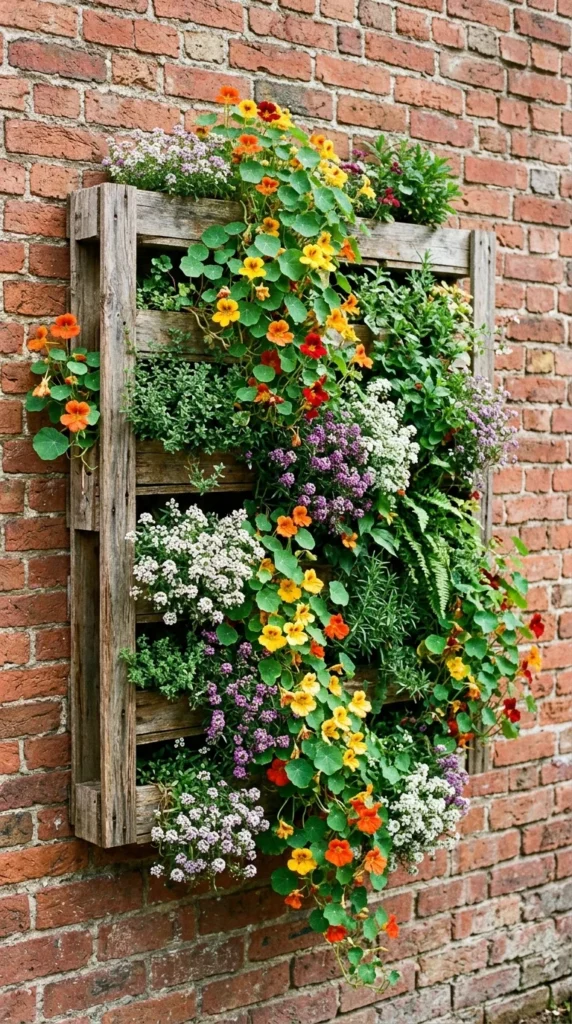
Maximize your vertical space by creating a wildflower wall. This can be achieved through wall-mounted planters or a repurposed wooden pallet. Using trailing wildflowers ensures that the blooms cascade downward, covering the structure in a blanket of color. This is particularly effective for attracting hummingbirds and butterflies that prefer feeding at eye level.
9. Rain Garden
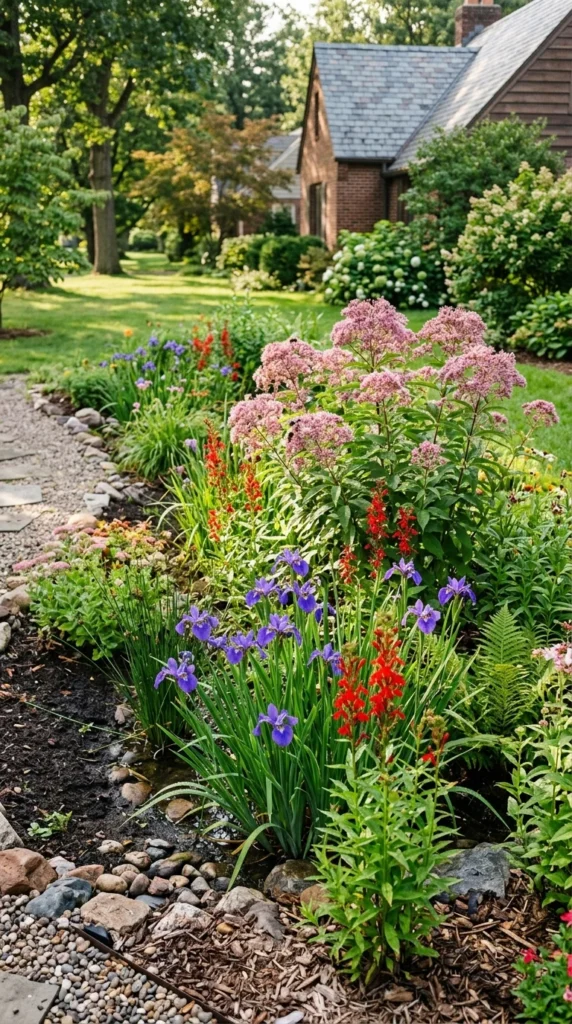
Wildflowers can serve a functional purpose in managing stormwater. A rain garden is a sunken area designed to capture and soak up rainwater from roofs or driveways. Water-loving wildflowers like marsh marigold and swamp milkweed thrive in these occasionally wet conditions. These gardens prevent erosion and filter pollutants while providing a lush, colorful oasis.
10. Grass-Free Lawn
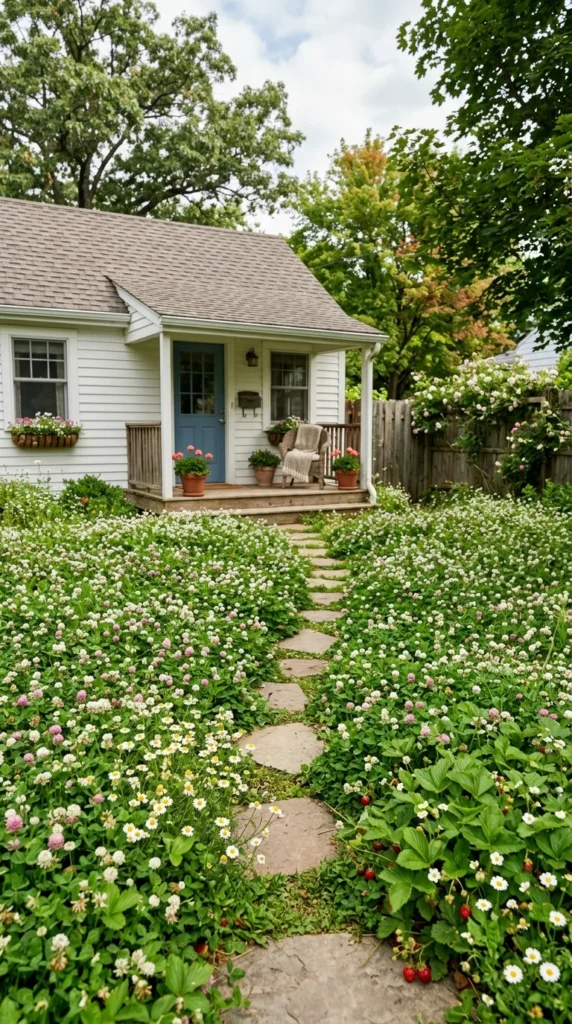
Replacing a traditional grass lawn with a wildflower lawn is a bold move that pays off in biodiversity. Low-growing species like white clover, micro-clover, and creeping chamomile can handle occasional foot traffic while remaining green and flowering. This eliminates the need for mowing and creates a 24/7 buffet for honeybees and butterflies.
11. Butterfly Buffet
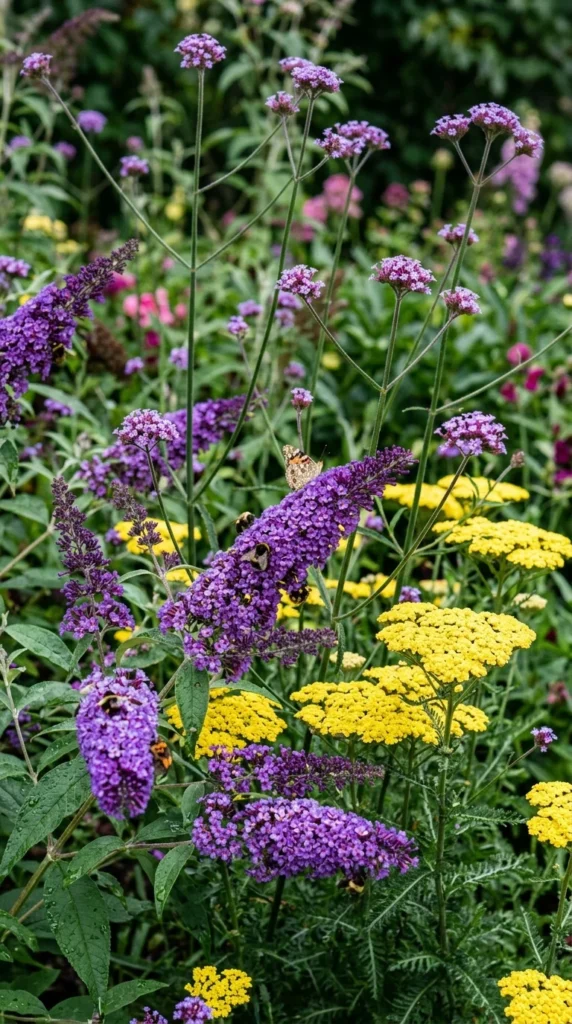
A “Butterfly Buffet” is a garden specifically curated with the favorite nectar plants of local butterfly species. The focus here is on “landing pad” flowers—those with flat surfaces like Yarrow or Zinnias that allow butterflies to perch easily while they feed. By planting these in large clusters of the same color, you make it easier for butterflies to spot your garden from a distance.
12. Evening Primrose Glow
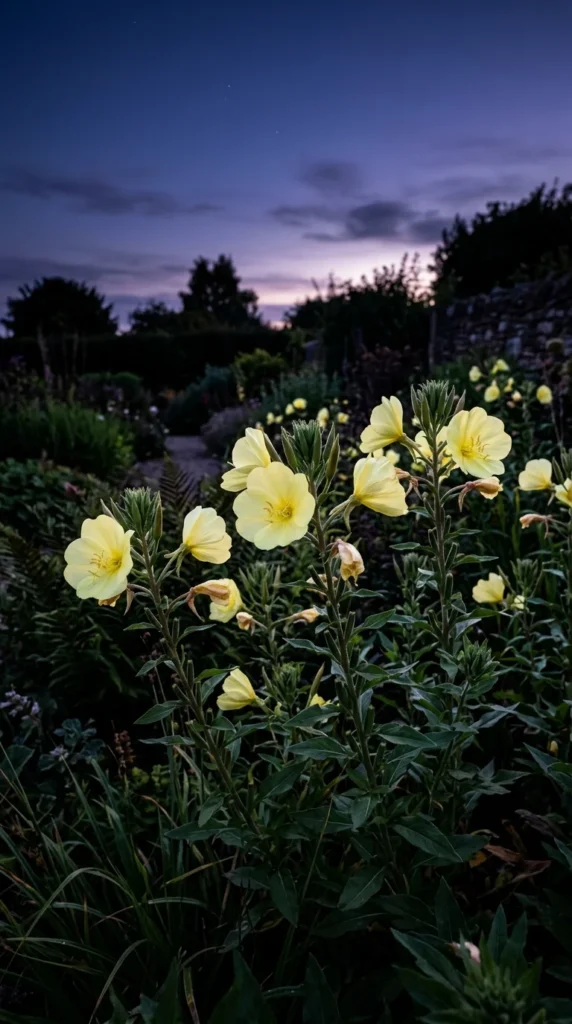
Some wildflowers are at their best when the sun goes down. Evening primrose and Moonflowers open in the late afternoon or evening, attracting nocturnal pollinators like hawk moths. These flowers often have a pale, luminous quality and a heavy fragrance that carries on the night air, adding a magical dimension to your garden after dark.
13. Shady Nook
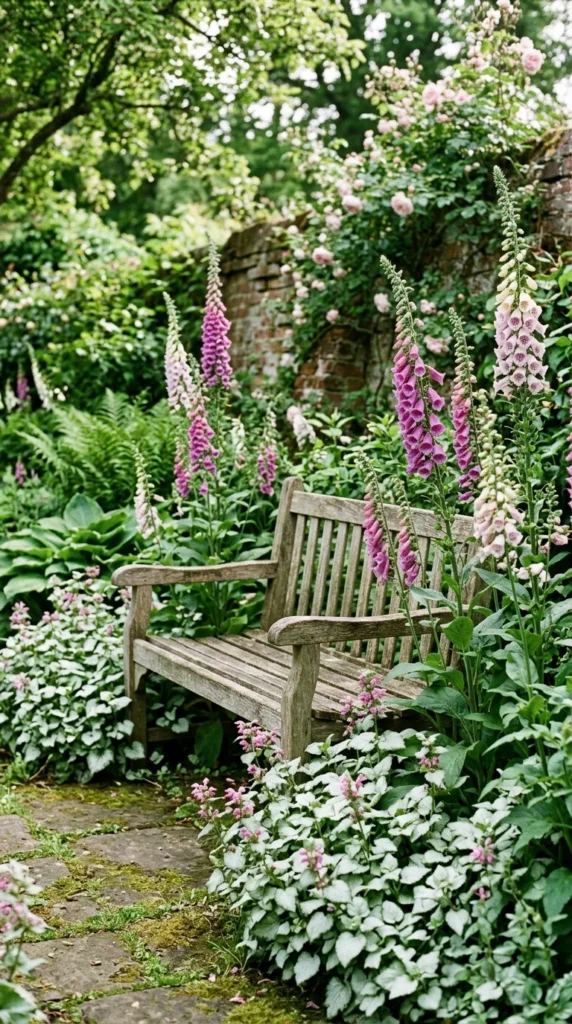
Turn a forgotten, shady corner into a tranquil retreat. Wildflowers like Foxgloves thrive in partial shade and provide dramatic vertical interest. Pairing them with plants that have interesting foliage, such as silver-toned Lungwort or various ferns, creates a cool, serene space that invites both humans and butterflies to linger.
14. Drought-Tolerant Xeriscape
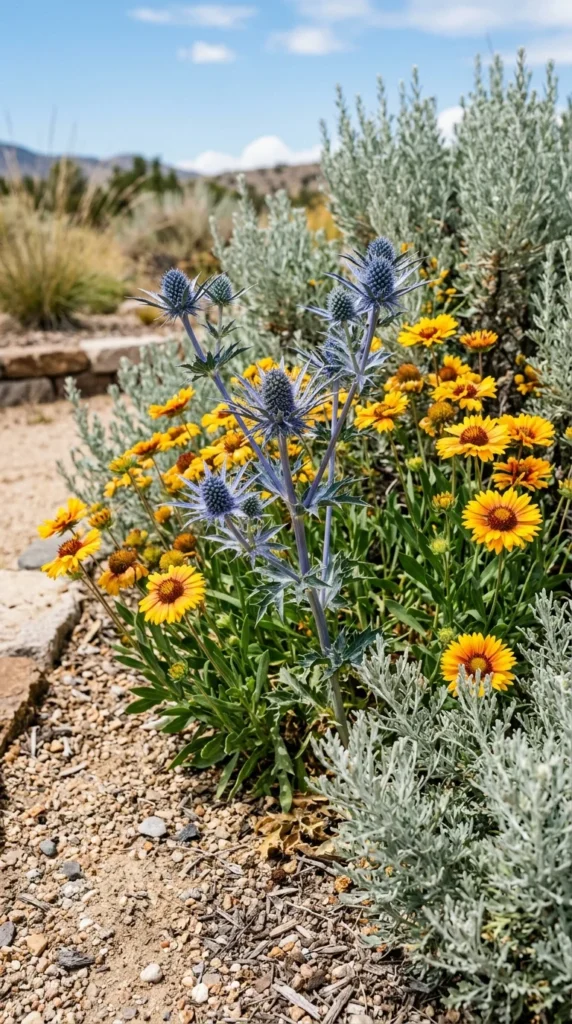
In arid climates, wildflowers are the champions of the xeriscape. Many species, like the California Poppy or the Desert Marigold, have evolved to survive on minimal rainfall. These plants often have silver or fuzzy foliage to reflect sunlight and conserve moisture. A drought-tolerant wildflower garden is a beautiful way to save water while maintaining a high-impact visual landscape.
15. Raised Bed Meadow
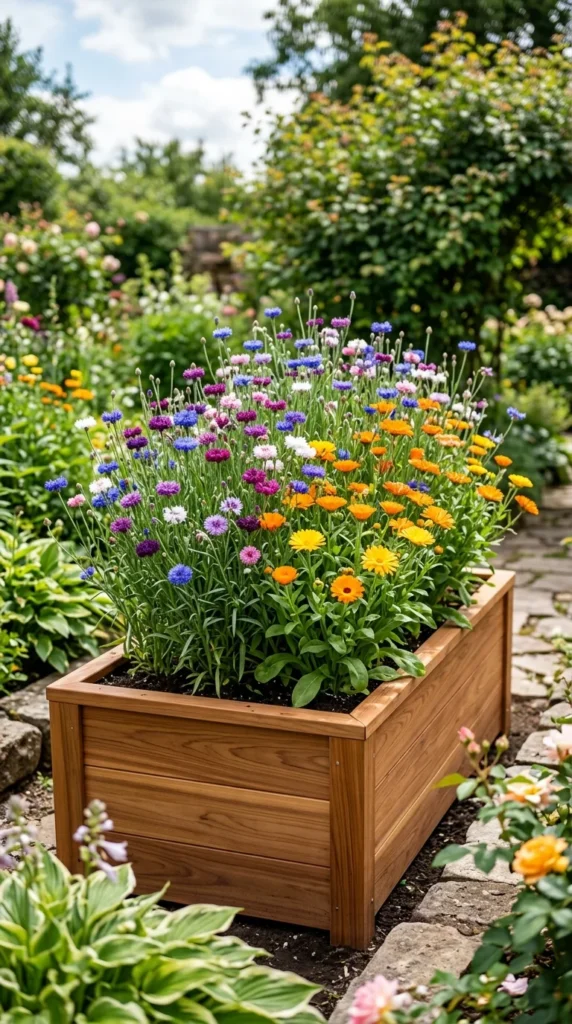
If your native soil is heavy clay or otherwise difficult to work with, a raised bed allows you to control the soil quality perfectly. Filling a raised bed with a wildflower mix creates a contained “mini-meadow” that is easy to weed and maintain. The elevated height also brings the flowers closer to nose-level, allowing you to enjoy their scent more easily.
16. Window Box Blooms
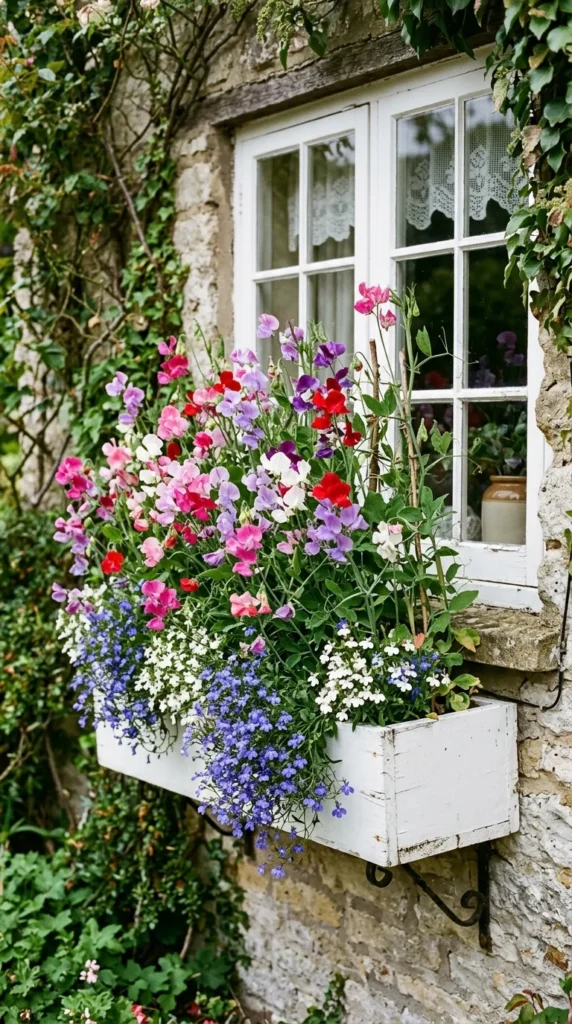
Even the smallest apartment can support a wildflower garden. A window box filled with annual wildflowers like cornflowers and sweet alyssum provides a dash of color to your home’s exterior and a much-needed pit stop for urban pollinators traveling through the city.
17. Seed Bomb Patches
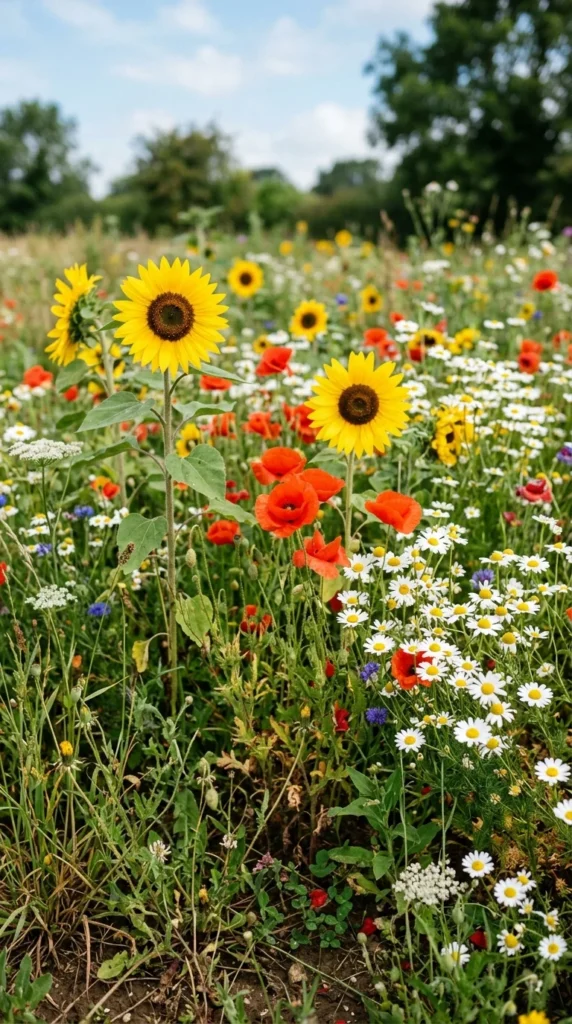
For a truly “wild” look, use seed bombs—balls of clay, compost, and seeds—to scatter wildflowers in neglected areas of your yard. This results in a random, naturalistic distribution of plants that mimics how seeds are dispersed by wind and animals in the wild. It’s a fun, low-effort way to fill in gaps in your landscape.
18. Monochromatic Wildflowers
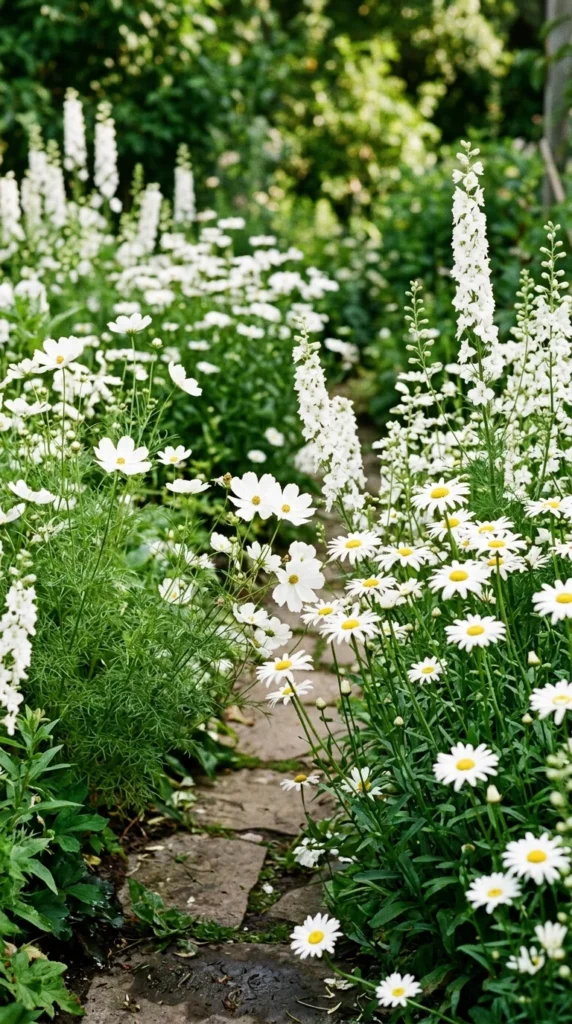
While wildflower gardens are usually associated with a riot of color, a monochromatic scheme can be incredibly striking. Choosing flowers in a single color family—such as all whites, all yellows, or all purples—creates a sense of intentionality and modern design. A “white garden” is particularly effective at reflecting moonlight and looking crisp against green foliage.
19. Bee-Friendly Clover Mix
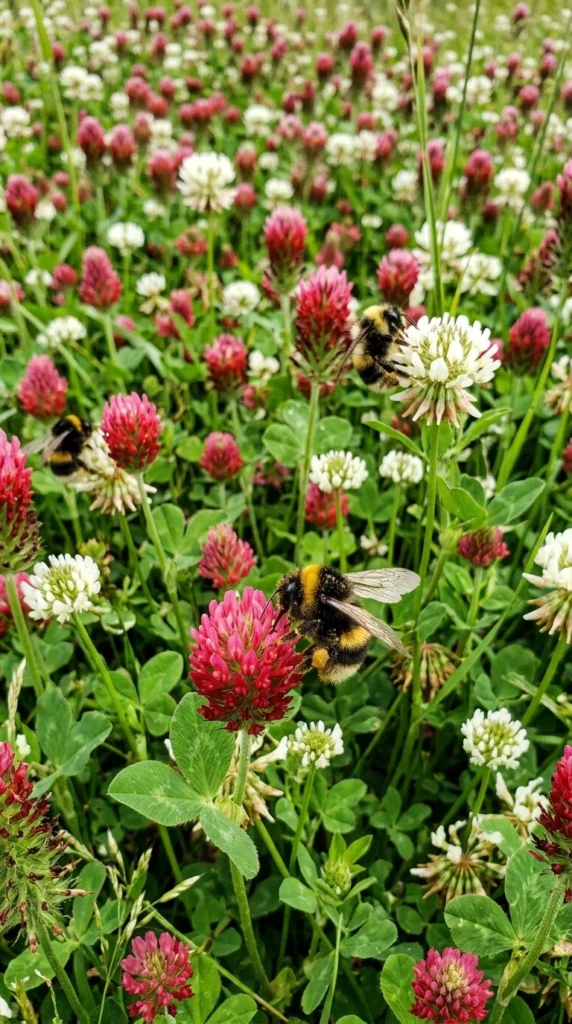
Clover is often treated as a weed, but it is one of the most beneficial plants for soil health and pollinators. Integrating clover into your garden or lawn adds nitrogen back into the soil naturally. The blossoms are a primary nectar source for honeybees and add a soft, pastoral look to the landscape.
20. Alpine Rockery
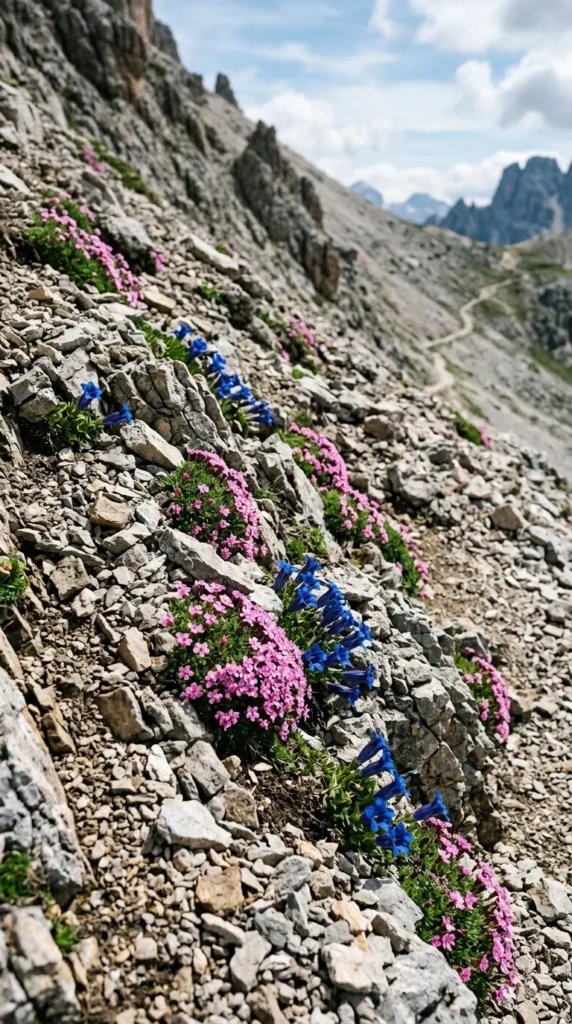
If you have a sloped or hilly area, an alpine rockery is an ideal way to use wildflowers to prevent erosion. These hardy plants grip the soil with deep roots and spread across the rocky surface. The result is a rugged, mountainous aesthetic that requires almost zero maintenance once the plants are established.
21. Naturalized Bulbs
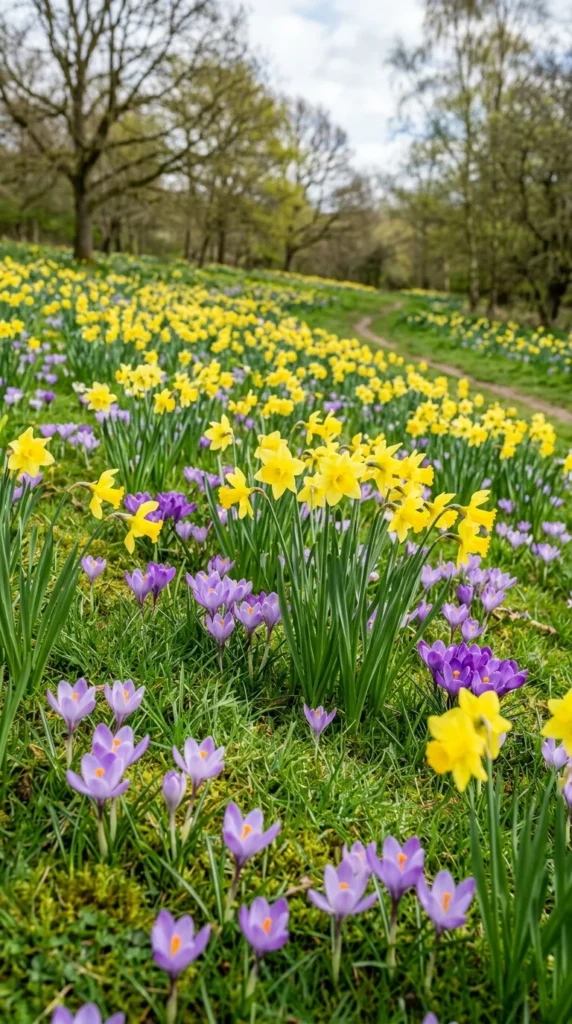
Naturalizing involves planting bulbs in a way that looks like they grew there on their own. By scattering bulbs like wild crocus, scilla, or grape hyacinth across a lawn and planting them where they land, you create a stunning spring display. These wildflowers bloom and then die back, allowing the grass to take over for the summer.
22. Coastal Wildflowers
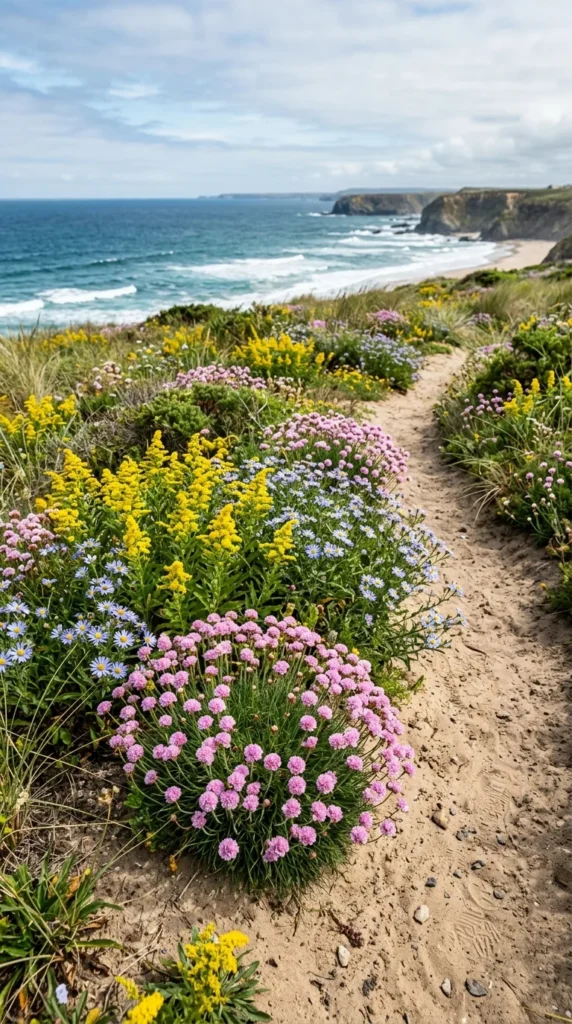
Gardening near the ocean presents challenges like salt spray and sandy soil. Coastal wildflowers, such as Sea Thrift or Beach Sunflowers, are uniquely adapted to these conditions. They often have waxy or fleshy leaves to protect against salt and wind. A coastal wildflower garden harmonizes perfectly with a seaside environment.
23. Miniature Meadow
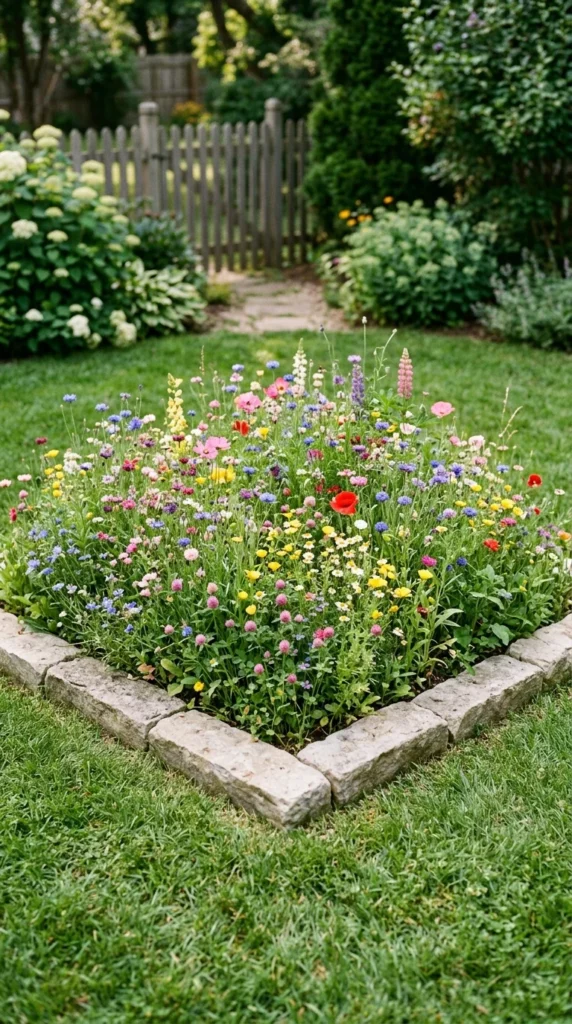
You don’t need an acre to have a meadow. A miniature meadow can be as small as a few square feet. By surrounding it with a formal border like brick or stone, you signal that the “wildness” is intentional. This creates a beautiful contrast between the tidy structure of the yard and the untamed beauty of the flowers.
24. Herb and Flower Fusion
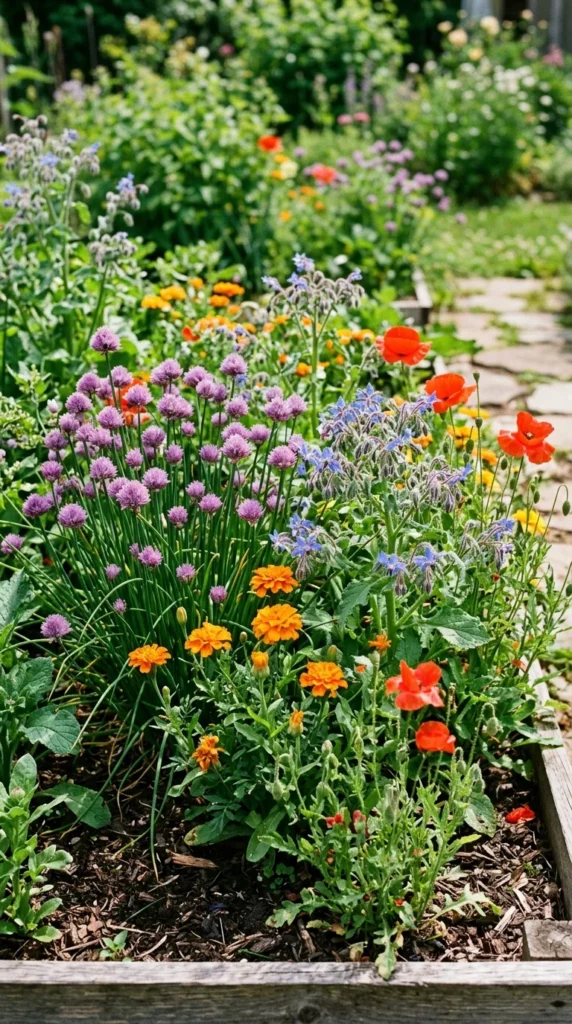
Many herbs produce beautiful “wild” flowers that are highly attractive to bees. Borage, with its star-shaped blue flowers, and chives, with their purple pom-poms, fit perfectly into a wildflower aesthetic. Combining herbs with traditional wildflowers creates a garden that is both edible and ecologically beneficial.
25. Wildflower Trellis
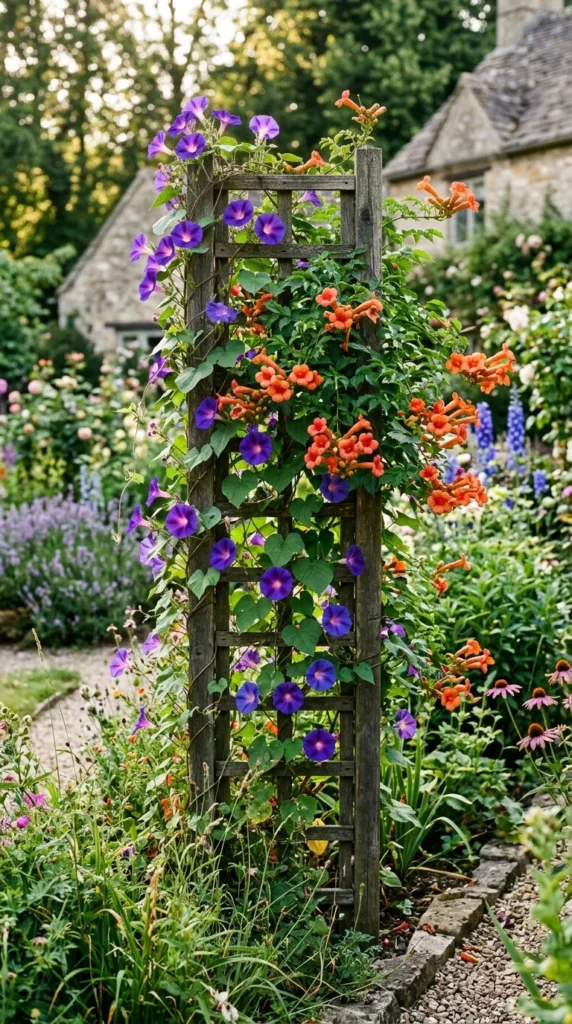
While most wildflowers are ground-dwelling, some vining species can be trained to grow upward. Using a trellis or arbor for climbing wildflowers like sweet peas or native clematis adds height to your garden. This creates a “ceiling” of color that can provide shade for a seating area while attracting butterflies to the higher reaches of your yard.
26. High-Contrast Annuals
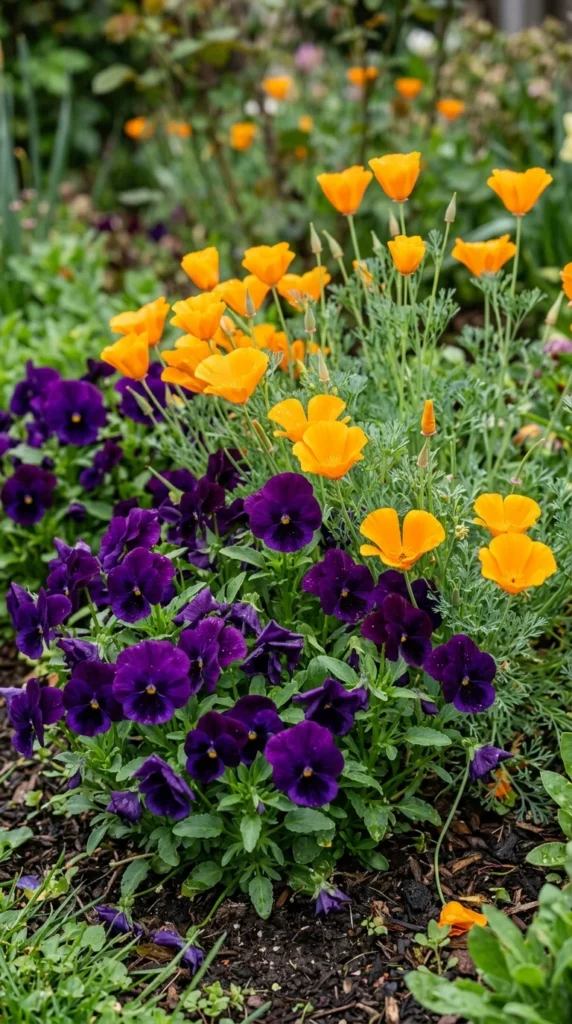
Annual wildflowers provide the most intense color in a single season. By choosing species with high-contrast colors—like purple and orange or blue and yellow—you create a high-energy garden that demands attention. Because annuals complete their life cycle in one year, you can change the color palette of this garden every spring.
27. Late-Season Asters
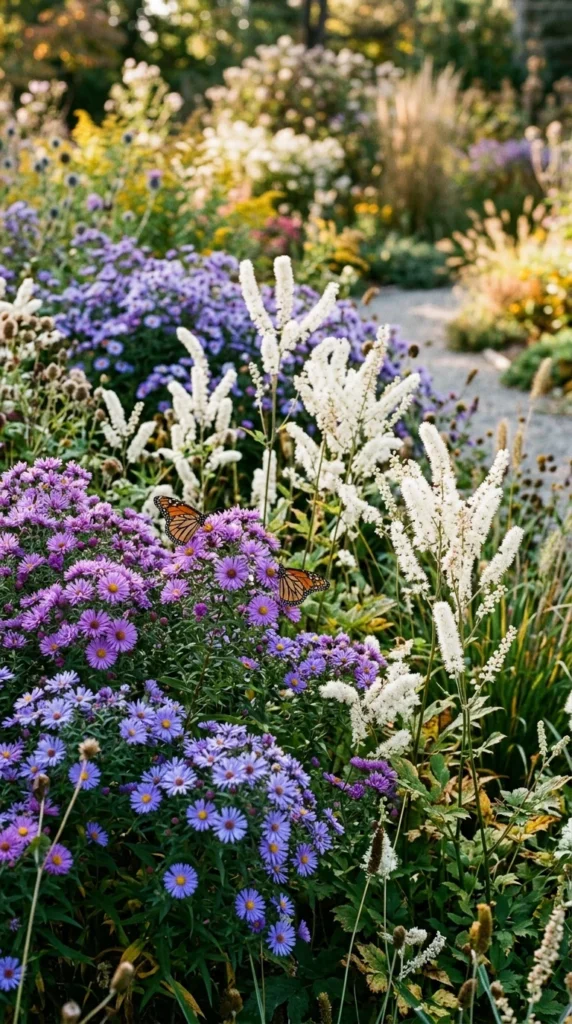
Many gardens fade in late summer, but a wildflower garden can stay vibrant into the autumn. By prioritizing late-bloomers like Asters and Goldenrod, you provide the “fuel” necessary for Monarchs to make their long migration south. These plants offer a final explosion of color before the winter dormancy sets in, ensuring your garden is a sanctuary for as long as possible.