
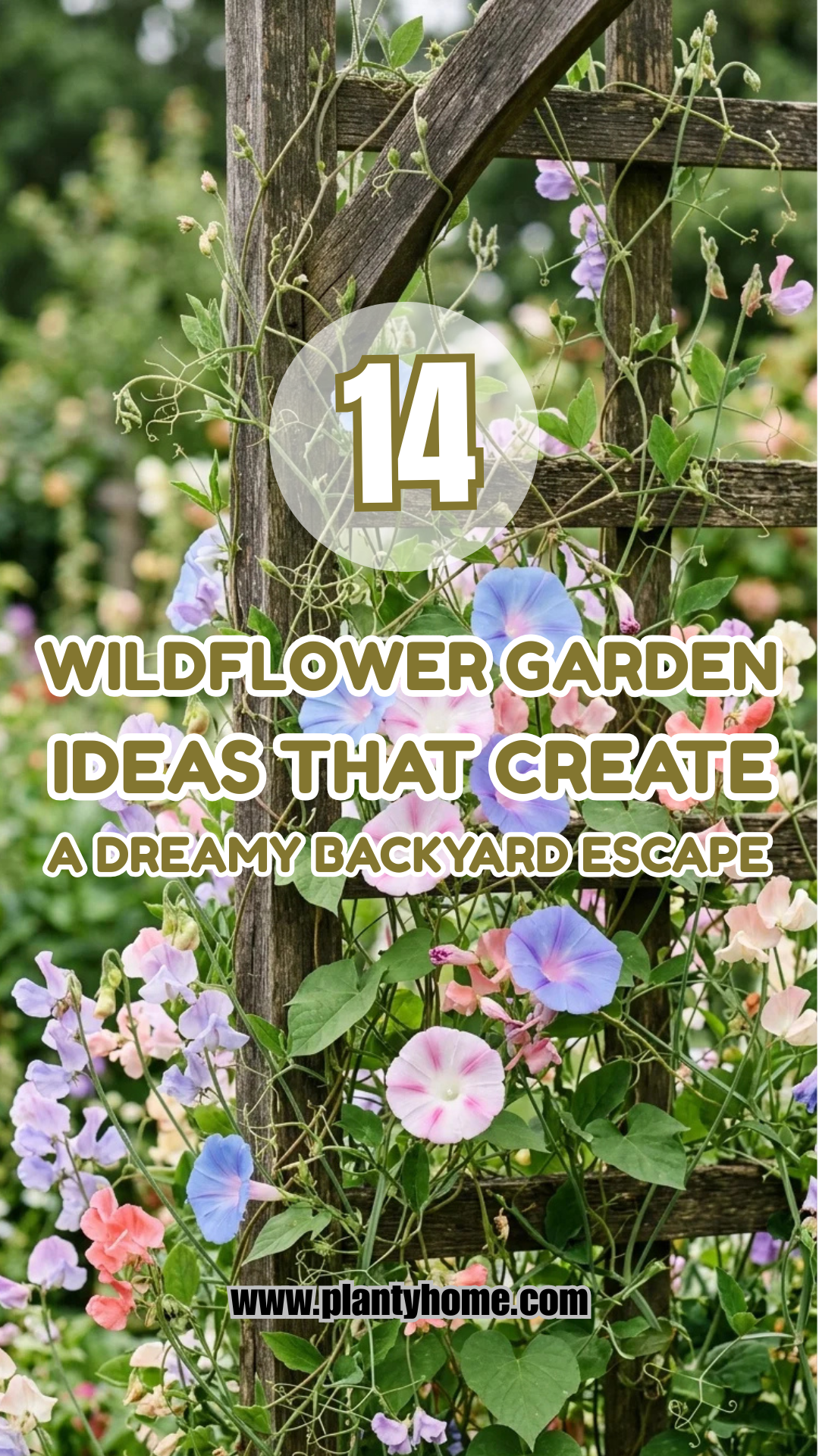
The traditional manicured lawn is increasingly taking a backseat to a more vibrant, ecologically sound alternative: the wildflower garden. These untamed landscapes offer a sensory explosion of color, scent, and movement that a monoculture of grass simply cannot provide. Beyond their aesthetic appeal, wildflower gardens serve as vital sanctuaries for local biodiversity, providing nectar for pollinators and seeds for birds.
Transforming your backyard into a dreamy escape doesn’t require a master’s degree in botany. It requires a willingness to let nature take the lead and a few strategic design choices. Whether you have a sprawling acre or a small urban patio, wildflowers can be adapted to fit your space, bringing a touch of the wild to your doorstep.
1. Winding Paths
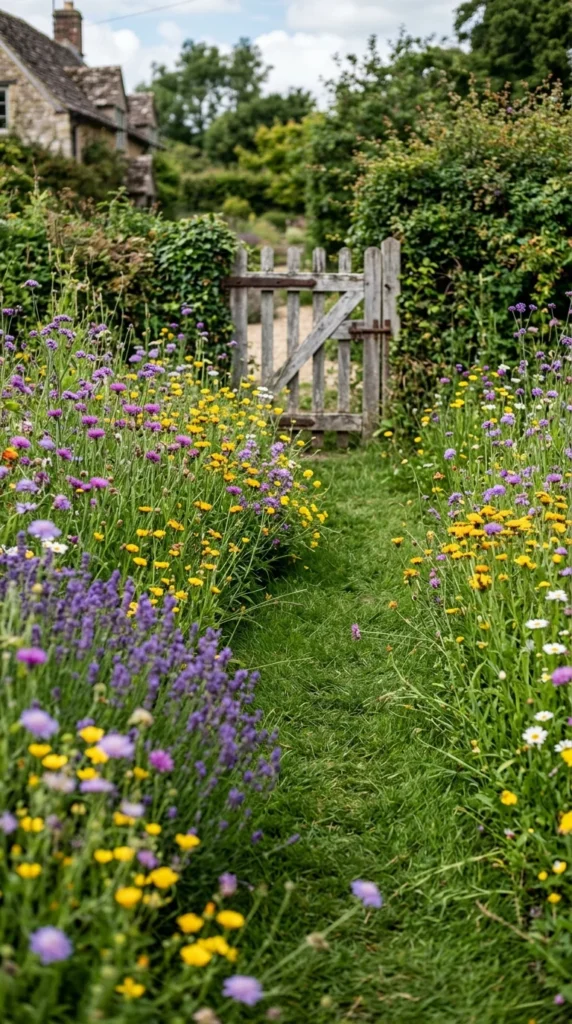
One of the most effective ways to make a wildflower meadow feel intentional rather than neglected is the inclusion of mown paths. By cutting a rhythmic, winding trail through the tall stalks and blooms, you invite movement and exploration. These paths create a visual contrast between the “managed” and the “wild,” making the garden feel like a curated experience. They also provide practical access for weeding or simply enjoying the fragrance of the flowers up close. Using a curved design instead of straight lines mimics the natural flow of the landscape and adds to the “dreamy” aesthetic.
2. Floral Borders
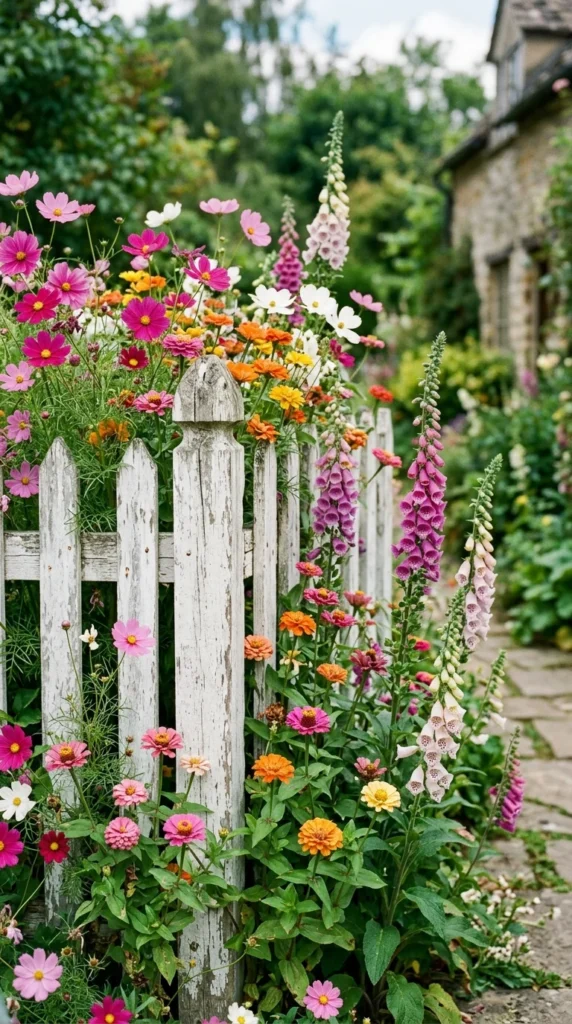
If you aren’t ready to commit your entire lawn to a meadow, wildflower borders are the perfect compromise. Planting a thick ribbon of native blooms along a fence line, driveway, or garden wall creates a soft, romantic frame for your property. This approach works particularly well in cottage-style gardens. The key is to choose varieties of varying heights—tall sunflowers or hollyhocks at the back, mid-sized lupines in the center, and low-growing clover or forget-me-nots at the front. This layering creates depth and ensures a continuous wall of color throughout the growing season.
3. Pollinator Havens
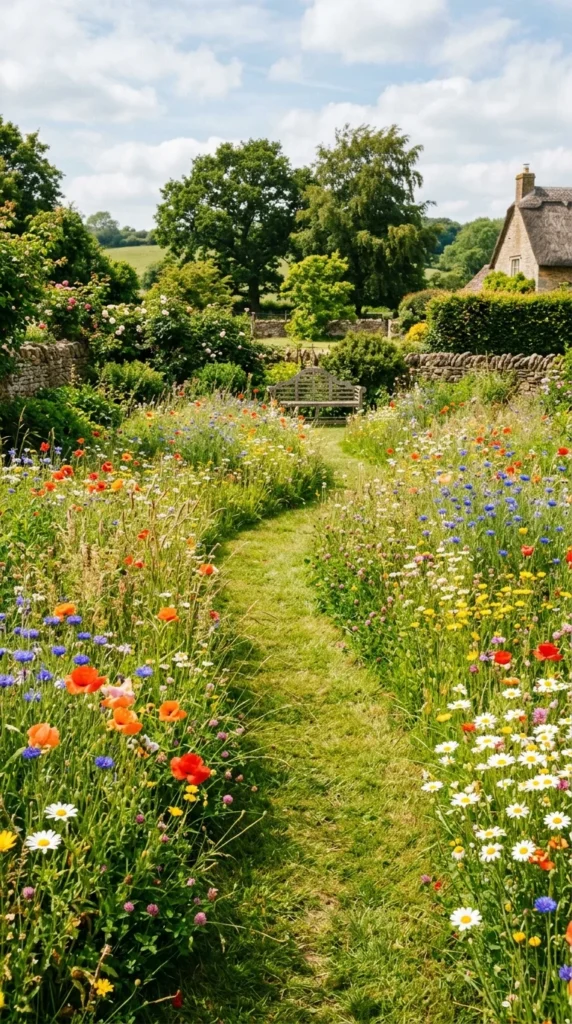
A wildflower garden is more than just a visual treat; it is a functioning ecosystem. By selecting flowers specifically known for their high nectar and pollen content, you can turn your backyard into a bustling hub for bees, butterflies, and hummingbirds. Plants like Milkweed (essential for Monarchs), Bee Balm, and Echinacea are magnets for local wildlife. Designing with pollinators in mind often results in a more dynamic garden, as you’ll spend your afternoons watching the intricate dance of insects moving from bloom to bloom.
4. Woodland Edges
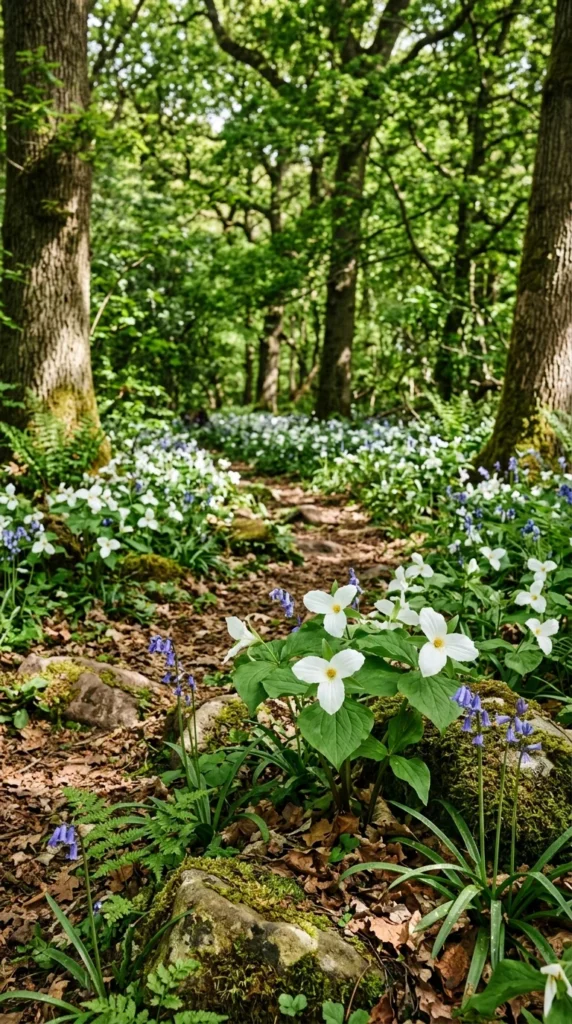
Not every backyard enjoys full sun, but that doesn’t mean you can’t have a wildflower escape. Many wildflowers are evolved to thrive in the dappled light of a forest floor. Woodland wildflowers, or “spring ephemerals,” provide a magical, ethereal quality to shaded corners. Think of delicate Bleeding Hearts, Wild Columbine, and Violets. These plants often bloom early in the season before the trees fully leaf out, providing an early burst of color when the rest of the garden is still waking up.
5. Rock Accents
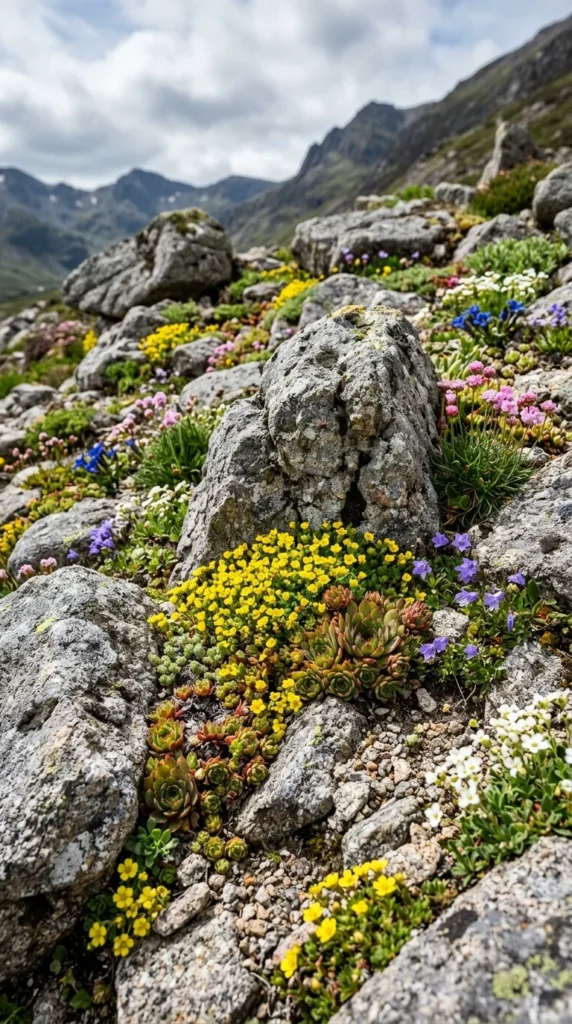
Integrating natural stone into your wildflower garden adds structural integrity and a sense of permanence. Rock gardens are ideal for drought-tolerant wildflowers that prefer well-drained soil. You can tuck small species like Creeping Thyme or Rock Cress into the crevices between boulders. The stones also act as thermal masses, soaking up the sun’s heat during the day and releasing it at night, which can help certain flower varieties thrive. The juxtaposition of hard, ancient stone and soft, fleeting petals creates a powerful visual harmony.
6. Potted Wildness
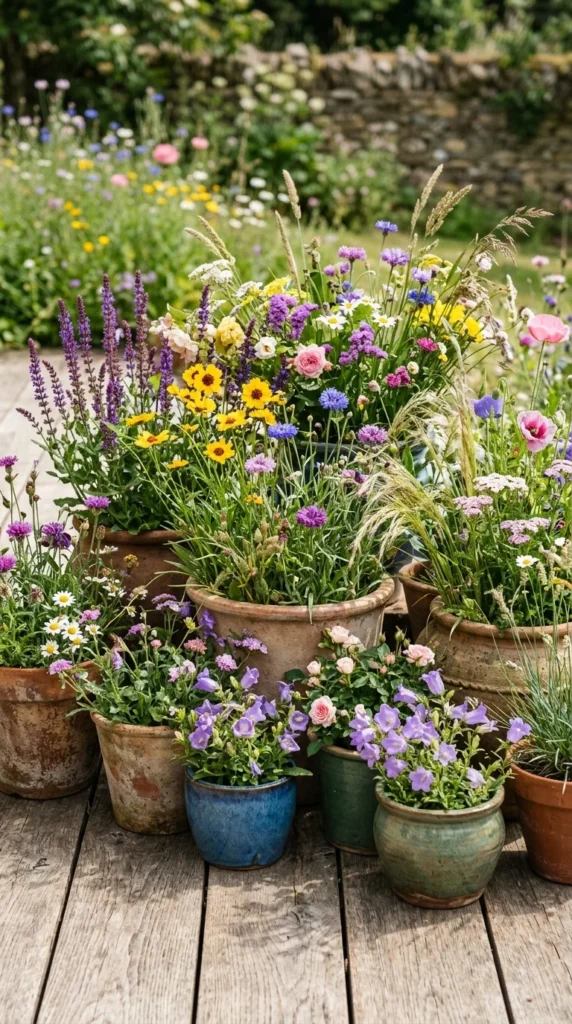
For those with limited space or a preference for containment, wildflowers can be grown beautifully in pots and planters. This “mini-meadow” approach allows you to control the soil quality and move the plants around to catch the best light. Use large, deep containers to accommodate the long taproots common in many wild species. Mixing different species in a single large pot creates a “bouquet in a box” effect that brings a concentrated burst of nature to a porch or balcony.
7. Drought-Tolerant Blooms
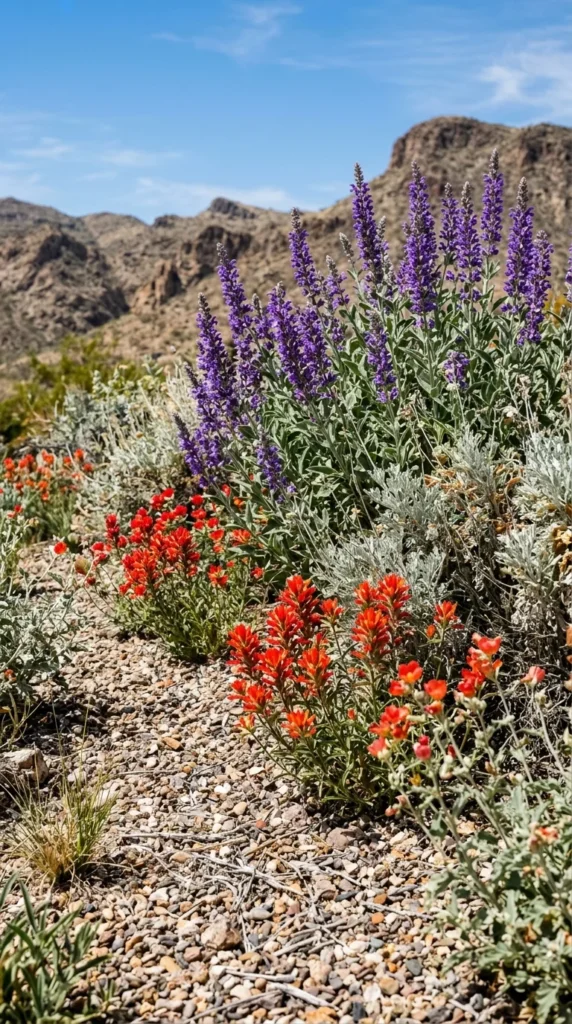
In regions with low rainfall or for gardeners looking to conserve water, a xeriscaped wildflower garden is a brilliant solution. Many native wildflowers are incredibly hardy and can survive on minimal irrigation once established. Species like Blanket Flower, Mexican Hat, and various types of Sage offer brilliant colors without the need for constant watering. Using a gravel or crushed stone mulch helps retain what little moisture is available and prevents invasive weeds from taking hold, keeping your wild escape looking pristine.
8. Vertical Wild
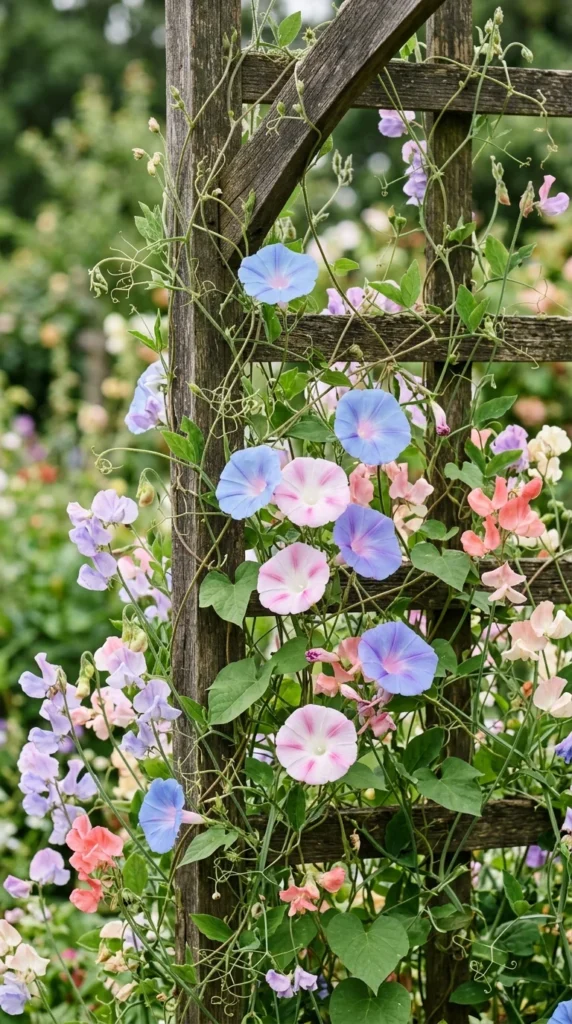
Wildflowers don’t have to stay on the ground. Incorporating climbing wild varieties can add a new dimension to your garden. A simple wooden trellis, an arbor, or even a chain-link fence can be transformed into a living wall of color. Wild Honeysuckle or Clematis can provide vertical interest and a wonderful fragrance that drifts through the air. This is an excellent way to create “rooms” within your backyard, using the vertical growth to shield a seating area from view.
9. Pondside Flora
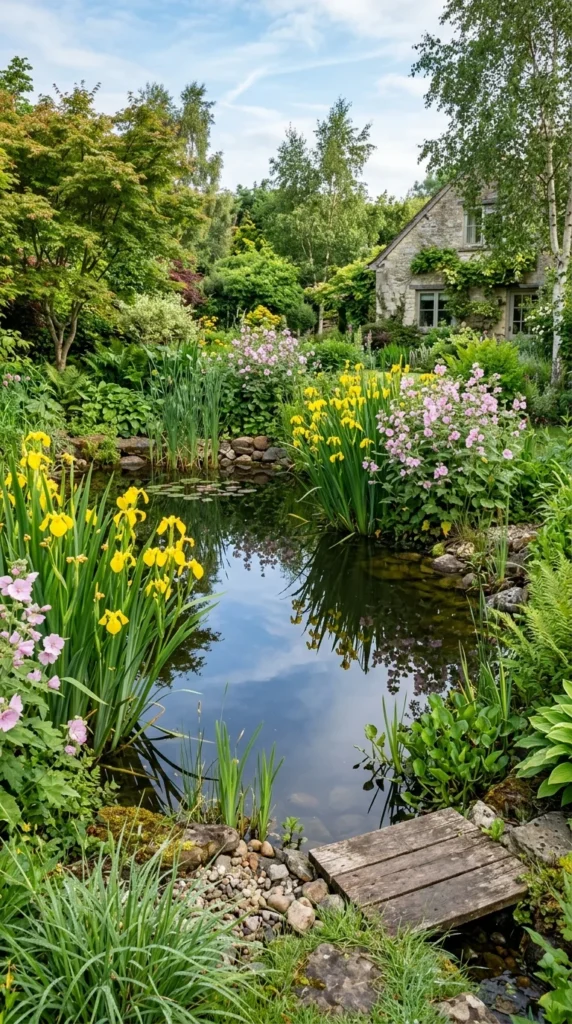
If your backyard features a water element, you have the opportunity to grow a specific subset of moisture-loving wildflowers. The edge of a pond or a boggy area is the perfect habitat for Marsh Marigolds, Cardinal Flowers, and Water Lilies. These plants help transition the aquatic environment into the terrestrial one, softening the edges of the water and providing cover for frogs and dragonflies. The reflection of vibrant wildflowers in the still water of a pond doubles the visual impact of your garden.
10. Grass Mixes
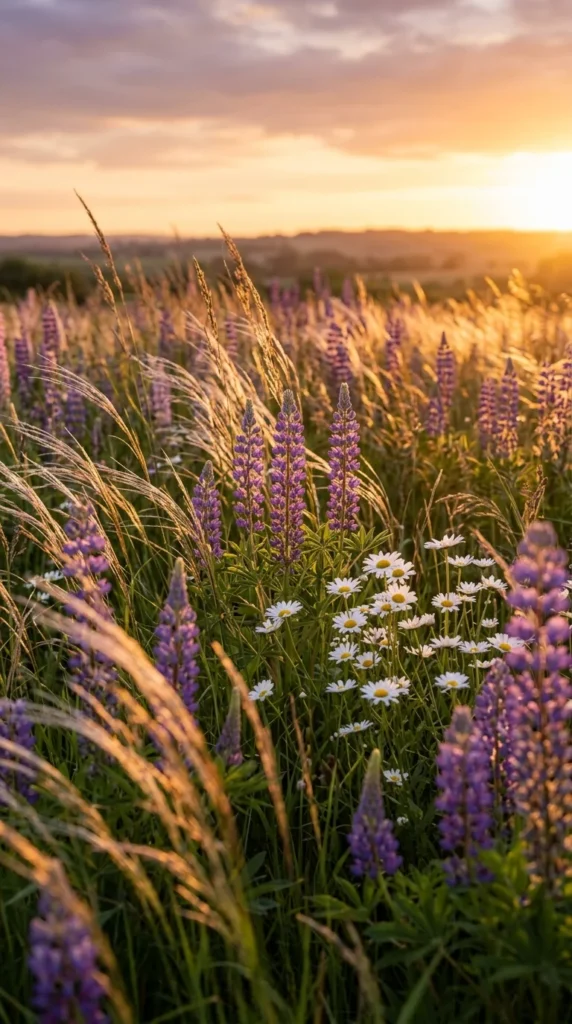
A true meadow is rarely composed of flowers alone; it is a blend of forbs (flowers) and grasses. Adding native ornamental grasses like Little Bluestem or Sideoats Grama adds texture, movement, and a golden hue to the garden, especially in the autumn. Grasses provide the structural “skeleton” that supports the floppier flower stalks and keeps the garden looking attractive during the winter months when the blooms have faded. The sound of wind rustling through a mix of grass and flowers is one of the most relaxing features of a wild backyard.
11. Moon Gardens
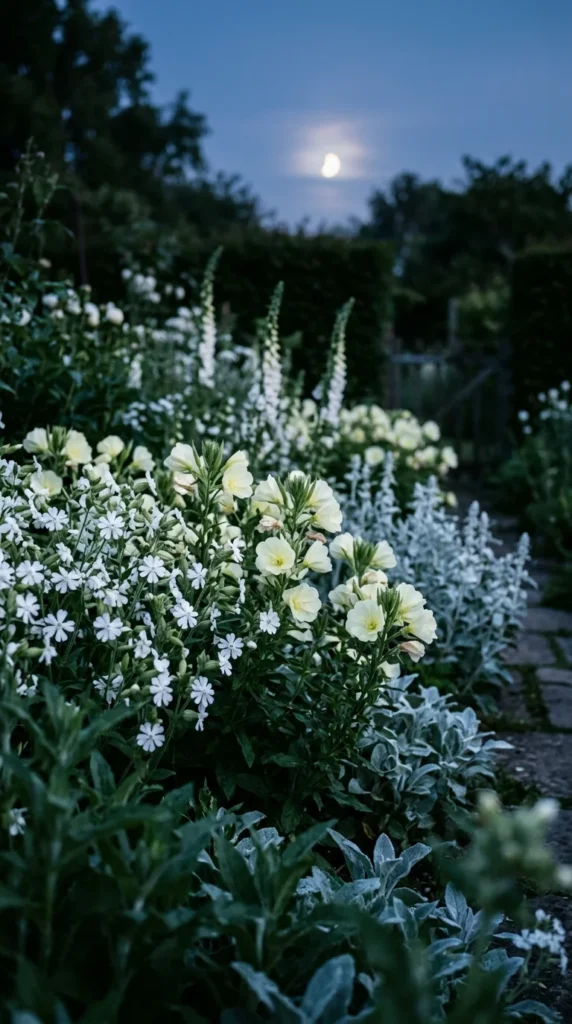
Wildflower gardens can be designed to be enjoyed after the sun goes down. A “Moon Garden” utilizes wildflowers that are white or light-colored, which seem to glow in the moonlight. Many of these flowers, such as Evening Primrose or Moonflowers, only open their petals at dusk and emit a heavy, intoxicating scent to attract nocturnal pollinators like moths. This creates a mystical, quiet escape for late-night relaxation.
12. Raised Beds
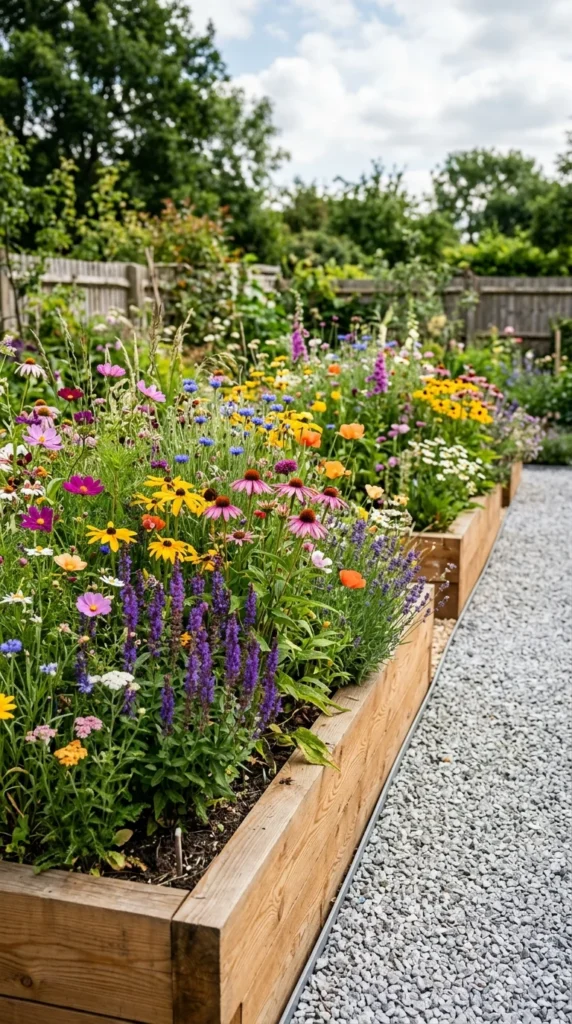
If you prefer a cleaner look or have poor soil quality, wildflowers can be grown in raised beds. This method offers the best of both worlds: the exuberant, messy beauty of wildflowers contained within crisp, geometric lines. Raised beds allow for better drainage and make maintenance tasks like deadheading or weeding much easier on the back. It also prevents the more aggressive wildflower species from spreading into other areas of your yard where they might not be wanted.
13. Monochrome Swaths
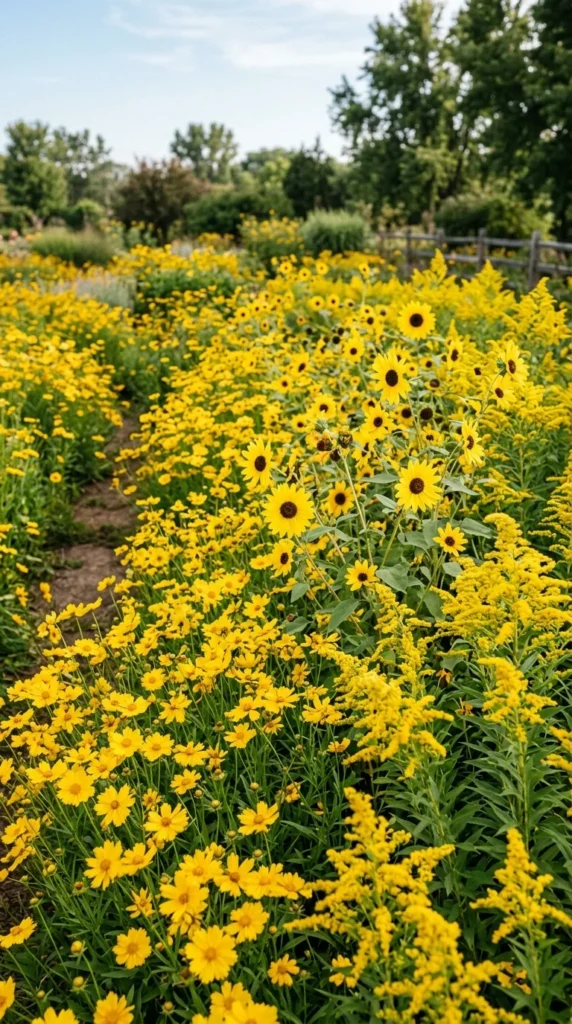
While the “explosion of colors” look is classic, there is something deeply sophisticated about a monochromatic wildflower garden. Planting large drifts of a single color—such as all blue (Cornflowers, Flax, Bluebells) or all yellow (Coreopsis, Goldenrod, Sunflowers)—creates a bold, graphic statement. This approach feels more like a piece of living art. It draws the eye to the variations in shape and texture among the different species within that color family.
14. Bird Sanctuaries
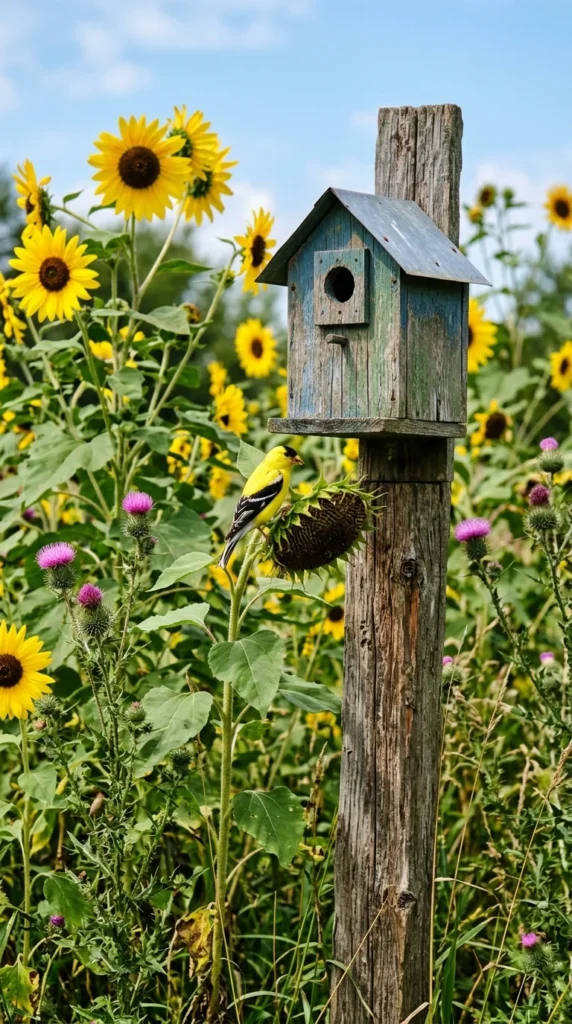
Finally, you can design your wildflower garden as a literal sanctuary for birds. By choosing flowers that produce heavy seed heads, such as Sunflowers, Coneflowers, and Thistles, you provide a natural food source that will attract goldfinches, sparrows, and other songbirds. In this type of garden, you avoid “deadheading” (cutting off spent blooms) and instead let the flowers go to seed. The sight of birds flitting through the stalks to harvest seeds adds a layer of life and sound that completes the dreamy backyard escape.