
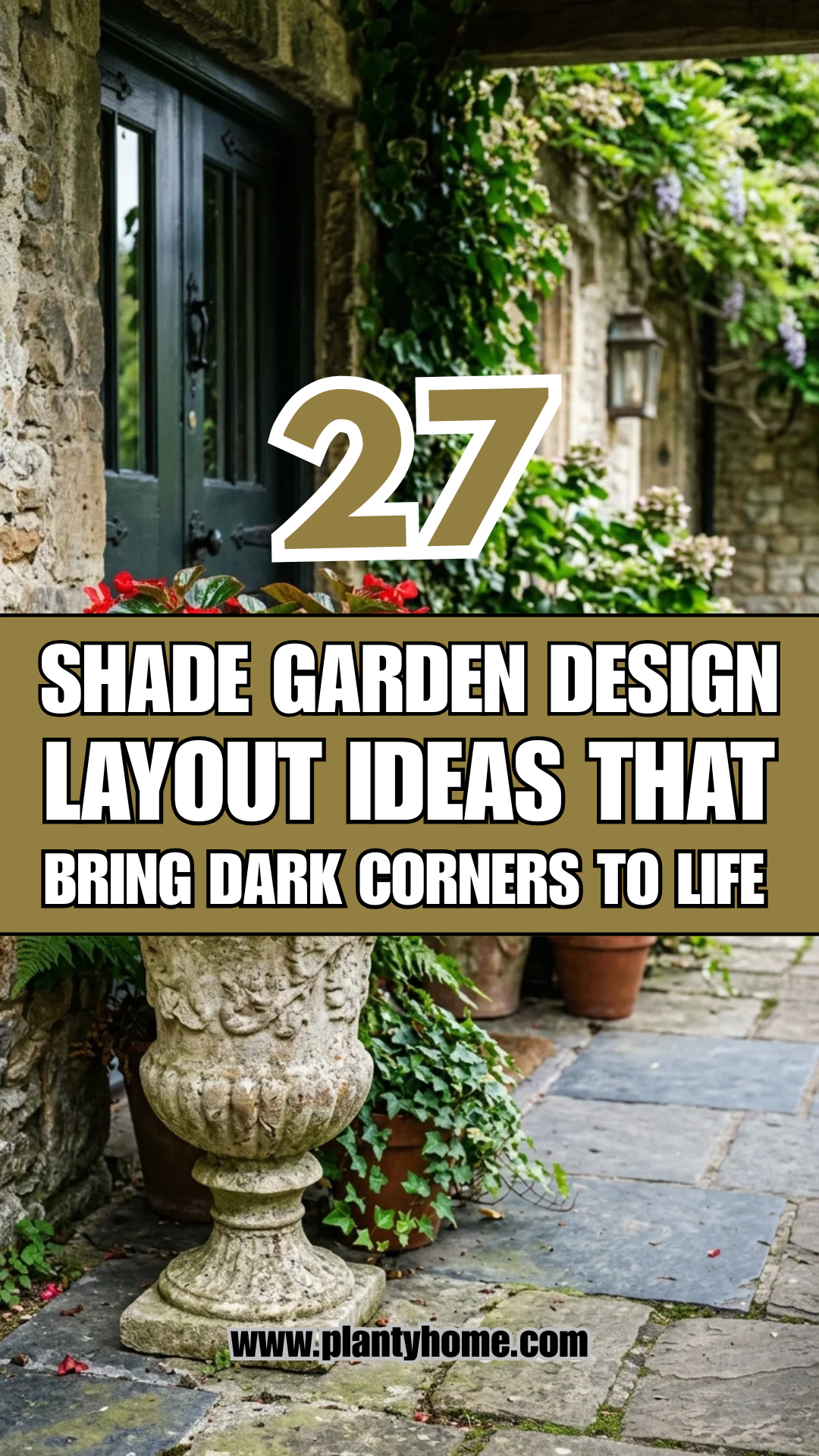
Gardening in the shade is often viewed as a challenge, but it is actually an opportunity to create a serene, cool, and texturally rich sanctuary. While sun-drenched borders offer vibrant, high-energy blooms, shade gardens excel in subtle nuances, sophisticated leaf patterns, and a sense of timeless tranquility. By focusing on foliage shapes, light-reflecting colors, and structural hardscaping, you can transform the dimmest corners of your yard into a lush retreat.
1. Hostas
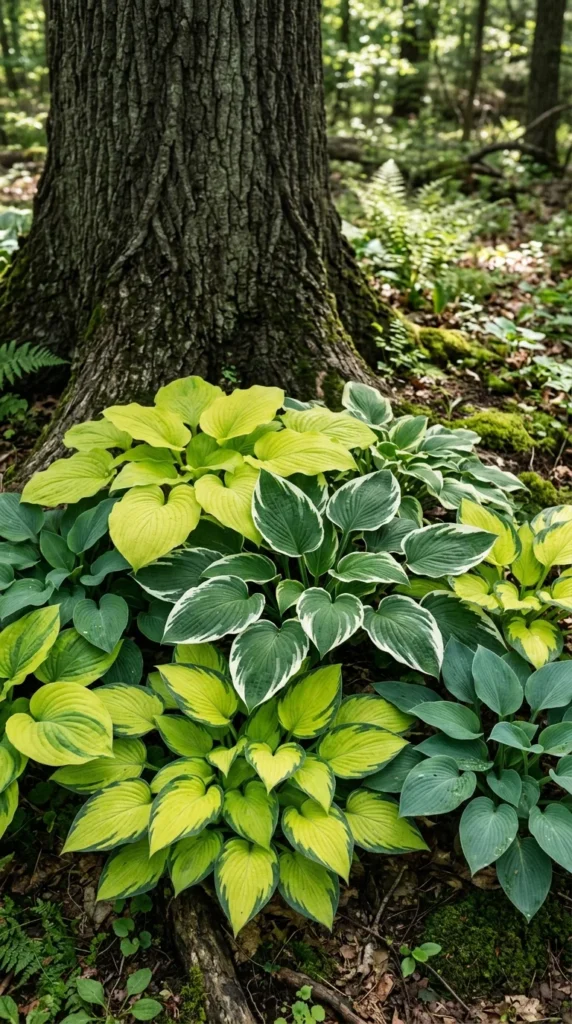
Hostas are the undisputed kings of the shade garden. Their versatility lies in the incredible range of sizes, colors, and textures available. From the giant ‘Empress Wu’ to tiny miniature varieties, they provide a reliable structural foundation. To make a dark corner pop, opt for variegated types with white or cream edges, which act like natural light bulbs in low-light conditions.
2. Ferns
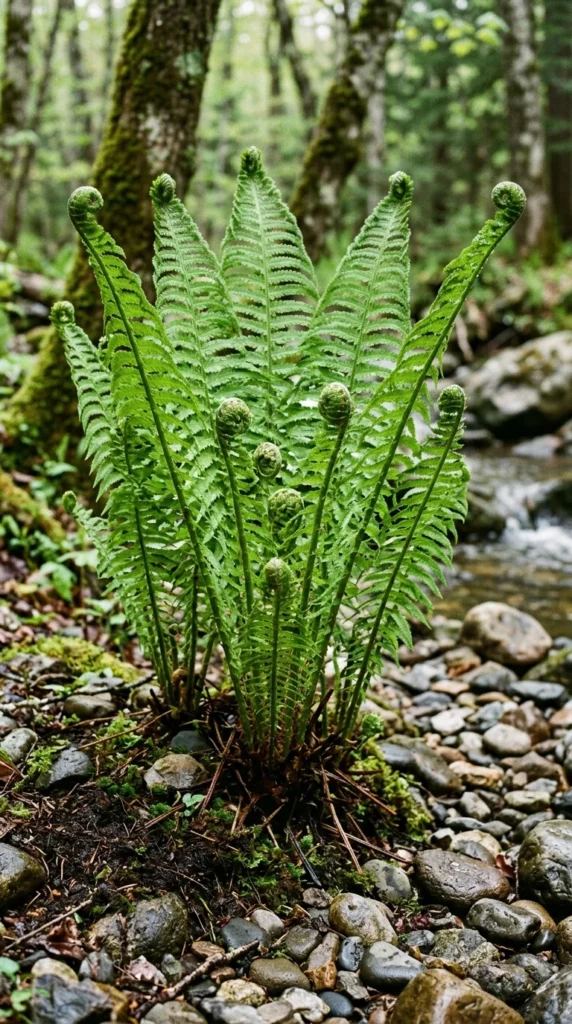
Ferns bring an ancient, primordial feel to a garden. Their delicate, lace-like fronds offer a soft texture that contrasts beautifully with bolder leaves. Varieties like the Japanese Painted Fern introduce metallic silver and burgundy tones, while the Ostrich Fern provides impressive height and drama.
3. Moss
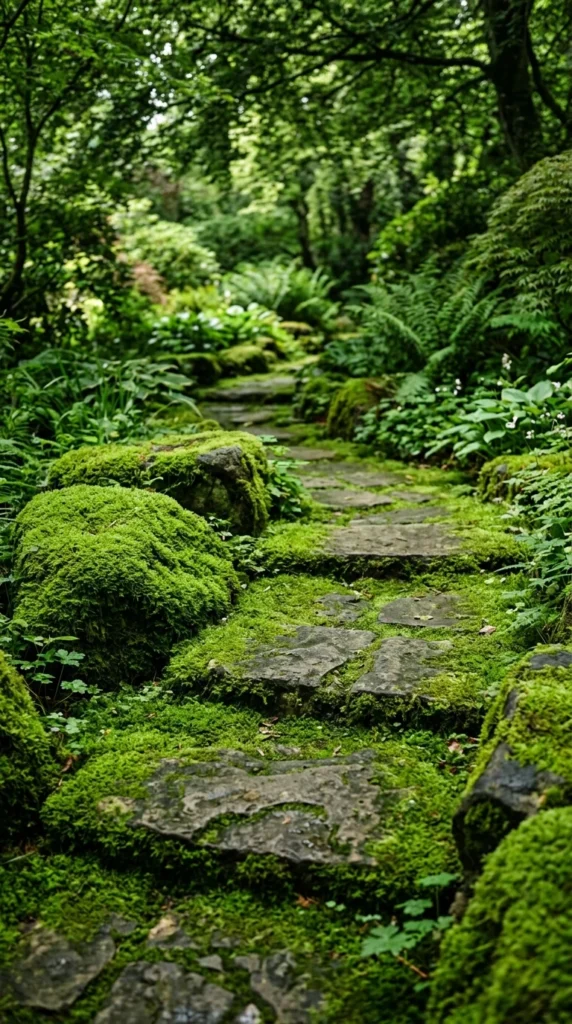
In areas where grass refuses to grow, moss is a magical alternative. It creates a soft, living carpet that feels cool underfoot and looks stunning against gray stone. Creating a “mossery” or using moss to fill gaps in a walkway adds an immediate sense of age and permanence to a layout.
4. Heuchera
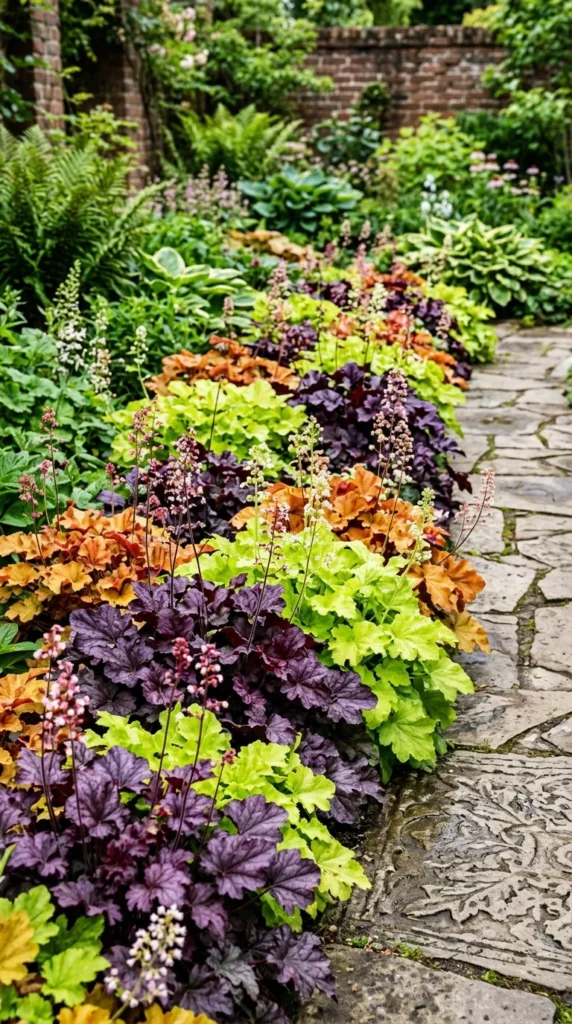
Also known as Coral Bells, Heuchera is prized for its spectacular foliage. Unlike many shade plants that are strictly green, Heuchera offers a rainbow of possibilities—from obsidian purple to neon lime. They are excellent for edging paths or adding “spills” of color in mixed containers.
5. Bleeding Heart
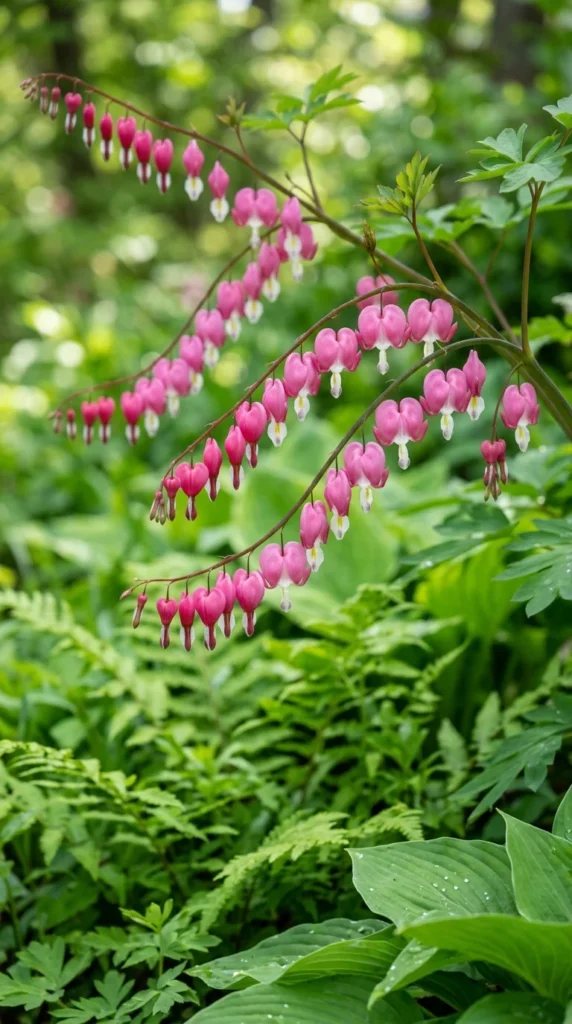
This classic cottage garden favorite thrives in the dappled light of a woodland setting. The unique heart-shaped blooms appear in late spring, hanging like charms from graceful, arching stems. They provide a romantic, whimsical element that softens the look of more structured shade plants.
6. Astilbe
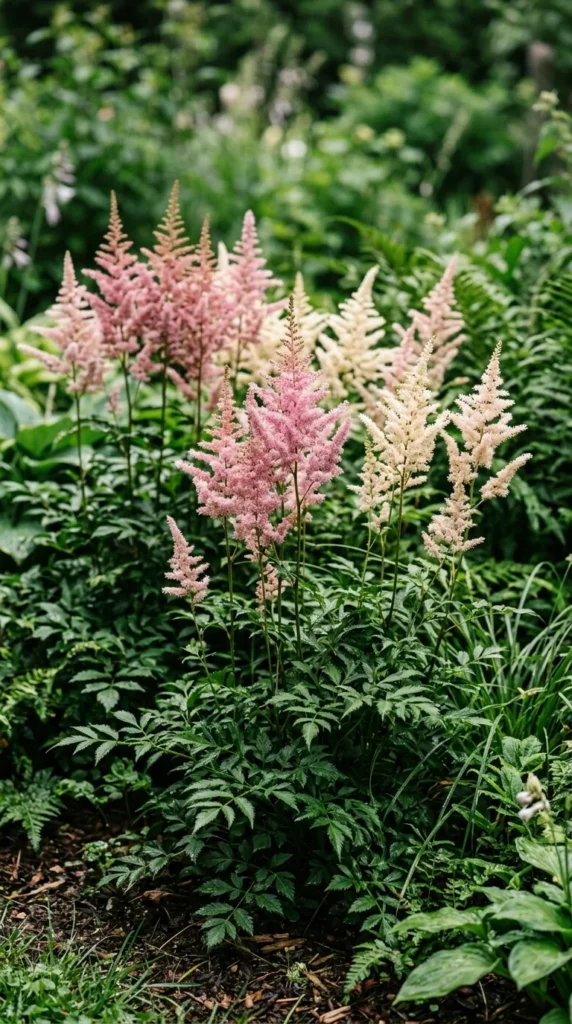
Astilbe brings much-needed vertical interest to the shade. Their fluffy, pyramid-shaped flower spikes stand tall above serrated foliage. They thrive in damp areas, making them perfect for planting near a shaded water feature or in low spots where water tends to collect.
7. Woodland Path
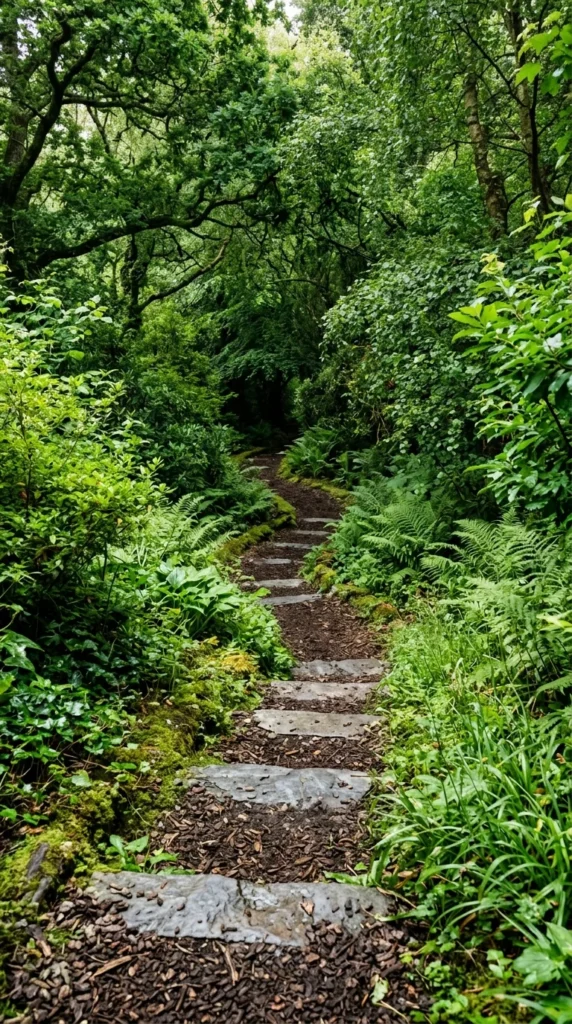
A path is more than just a way to get from point A to point B; it’s a design tool that draws the eye into the shadows. Using light-colored gravel or pale stepping stones helps brighten the ground level and makes the space feel more accessible and invited.
8. Hydrangeas
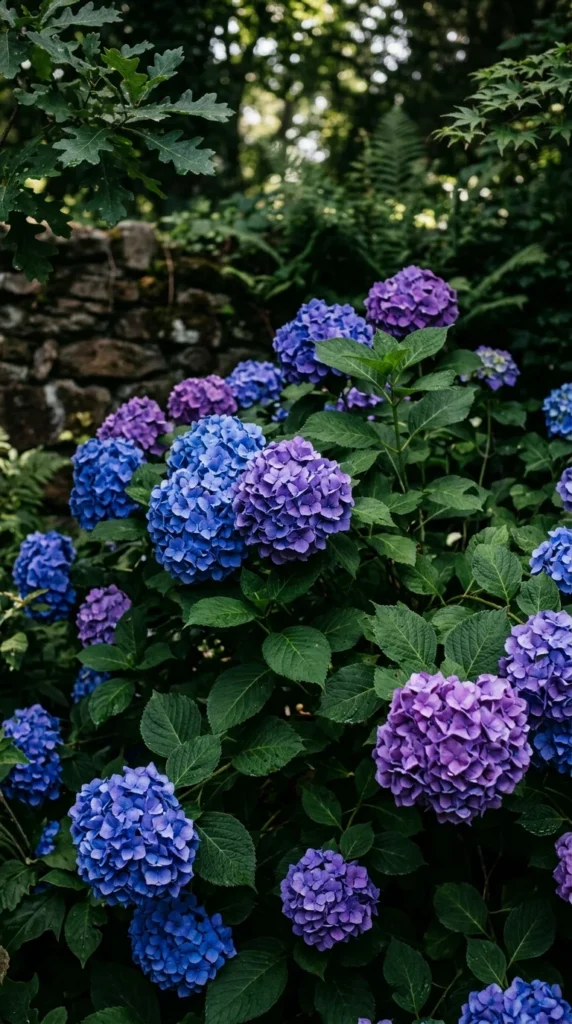
Hydrangeas are the heavy hitters of the shade world. While some varieties need sun, many—like the Bigleaf (Macrophylla) and Oakleaf varieties—excel in partial shade. Their massive flower heads provide a focal point that can carry a garden through the summer and into the fall.
9. Japanese Maples
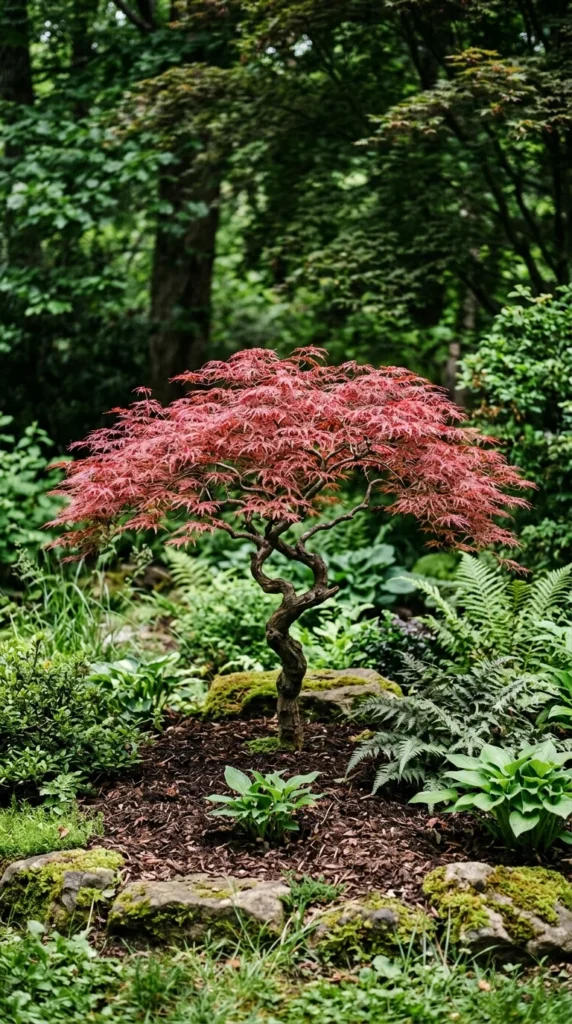
If you have the space, a Japanese Maple is the ultimate specimen tree for a shade garden. Their intricate branch structures and delicate foliage provide year-round interest. Even in winter, their silhouette adds a sophisticated architectural element to the landscape.
10. White Flowers
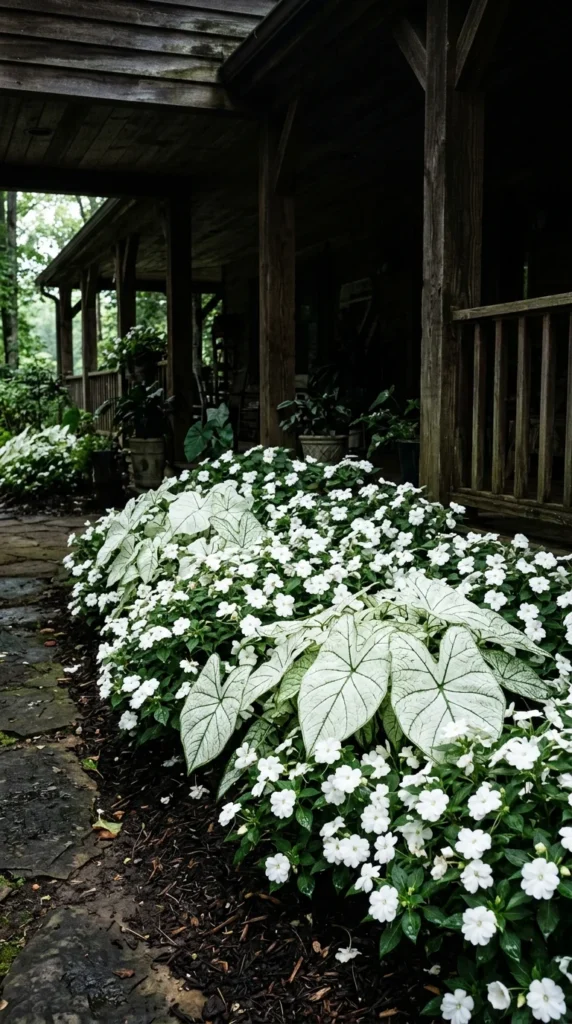
One of the best design secrets for dark corners is the “white garden” strategy. White flowers and variegated leaves reflect the minimal light available, making them appear to glow at dusk. White Impatiens, Begonias, and ‘Honorine Jobert’ Anemones are excellent choices for this effect.
11. Tiered Planters
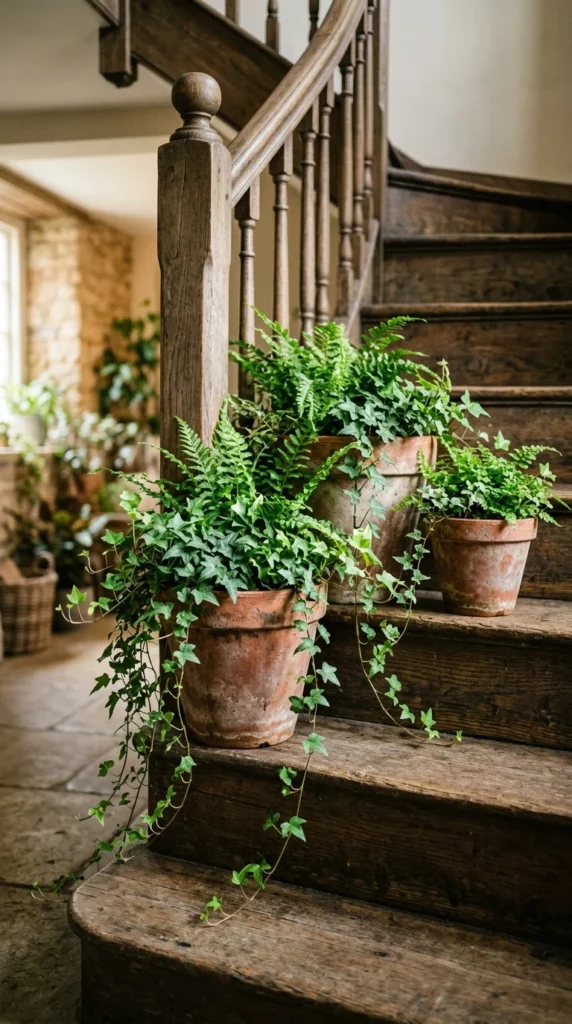
When ground space is limited or the soil is poor due to tree roots, go vertical. Tiered planters allow you to layer different shade-loving species, creating a wall of greenery that fills the vertical void often found under tall canopies.
12. Mirror Accents
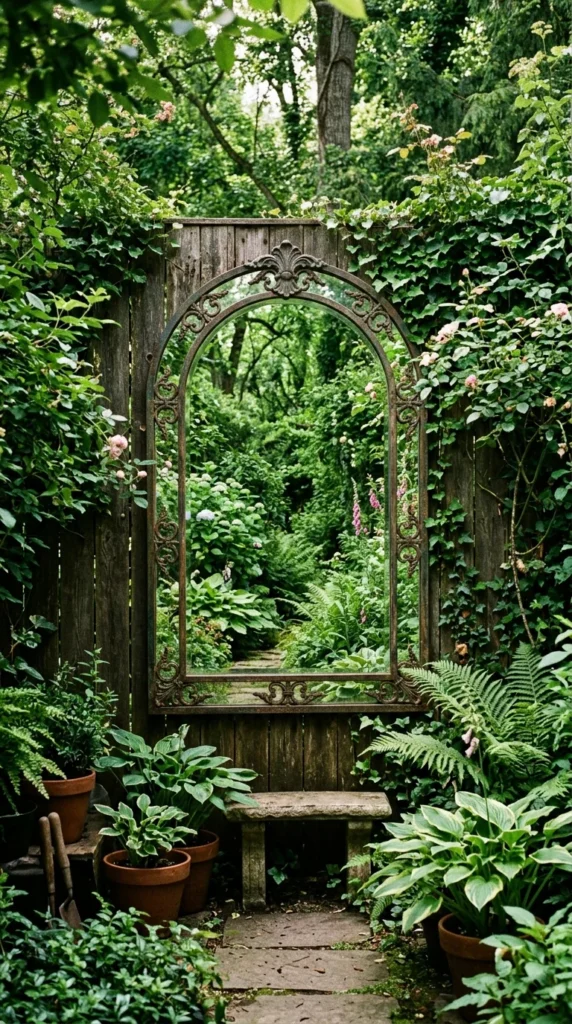
Placing a weather-resistant mirror on a fence or wall is a clever trick to double the perceived space and bounce light into dark areas. When positioned correctly, it can reflect a sunny part of the yard into the shade, helping to nourish plants and brighten the mood.
13. Water Features
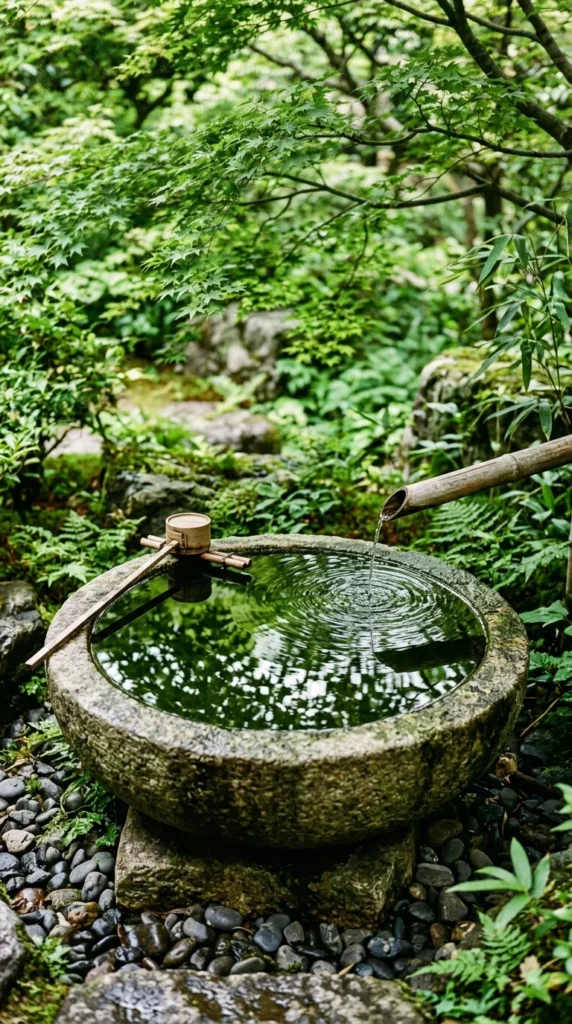
The sound and sight of water enhance the cooling effect of a shade garden. A simple birdbath, a stone basin, or a small recirculating fountain can become a meditative focal point. The reflective surface of the water also helps catch and disperse ambient light.
14. Caladiums
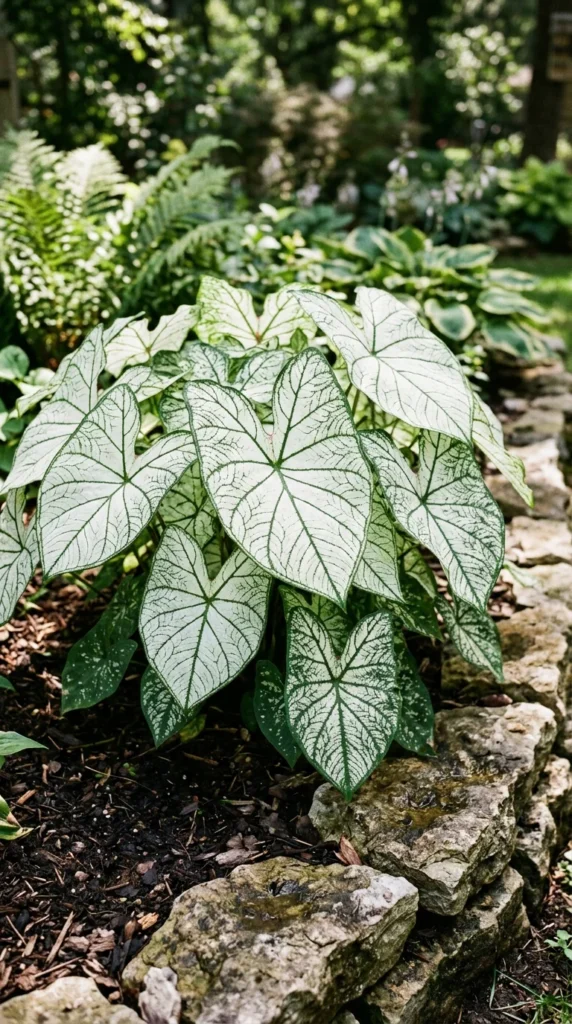
Caladiums are grown for their stunning, paper-thin leaves that look like stained glass. They come in patterns of white, pink, and red. Because their leaves are so large and bright, they are perfect for filling gaps in the mid-layer of a garden bed.
15. Hellebores
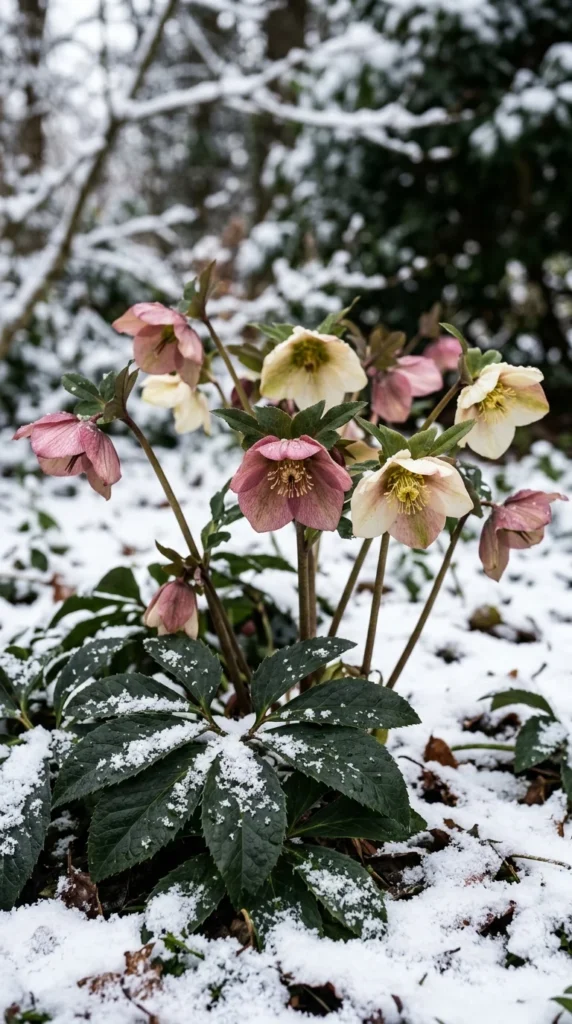
Often called the “Lenten Rose,” Hellebores are the heroes of the late winter garden. They bloom when most other plants are still dormant. Their evergreen foliage provides year-round structure, and their subtle, nodding blooms offer a reason to visit the garden even in the coldest months.
16. Ivy Walls
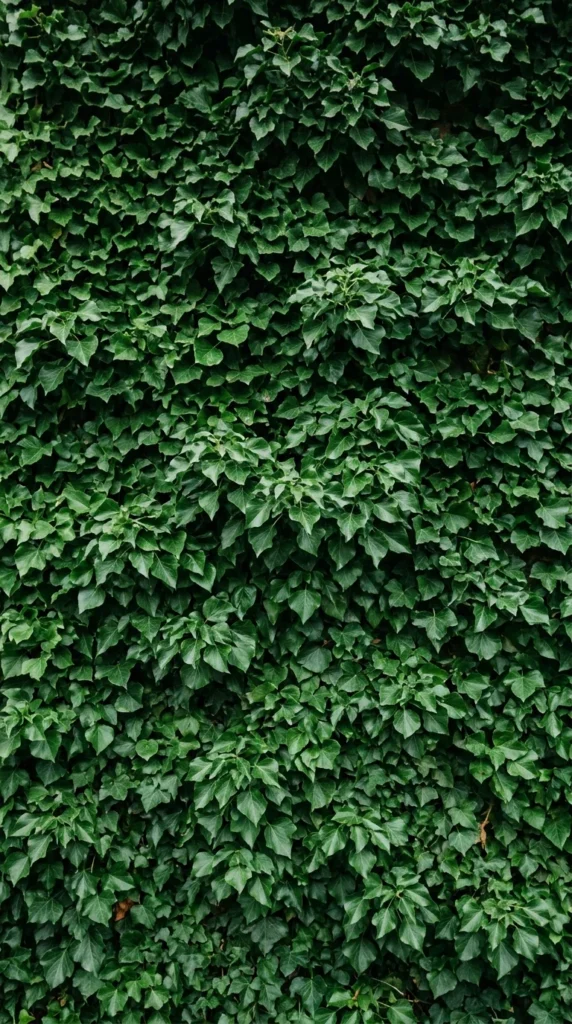
For vertical interest in deep shade, nothing beats ivy. It can turn an ugly fence or a plain brick wall into a lush, green tapestry. Ivy also provides an excellent habitat for small birds and adds a layer of insulation to garden structures.
17. Begonias
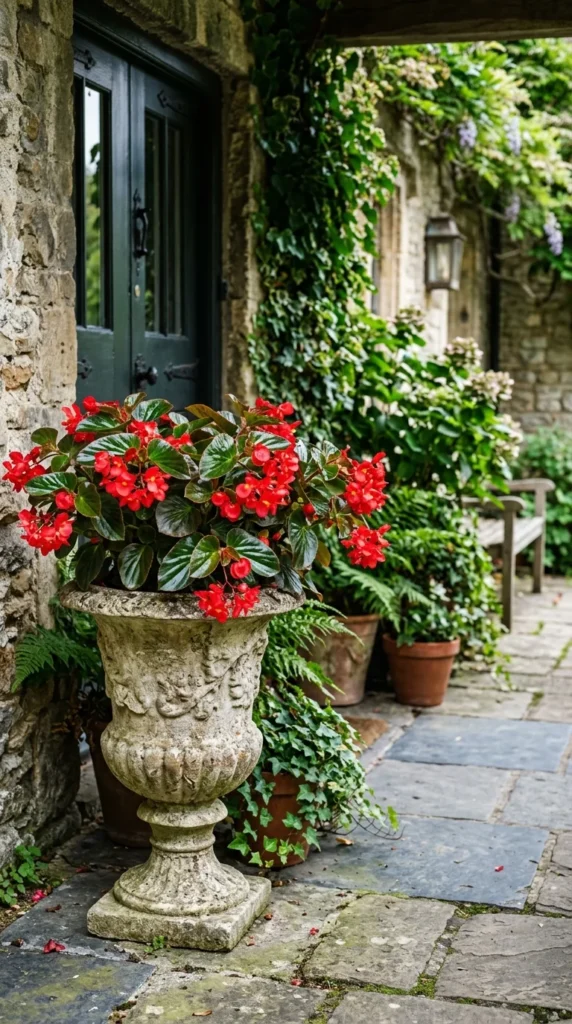
Begonias are reliable performers that offer constant color throughout the growing season. The ‘Dragon Wing’ and ‘Rex’ varieties are particularly popular for shade, the former for its prolific flowers and the latter for its psychedelic, multicolored foliage.
18. Boxwood Hedges
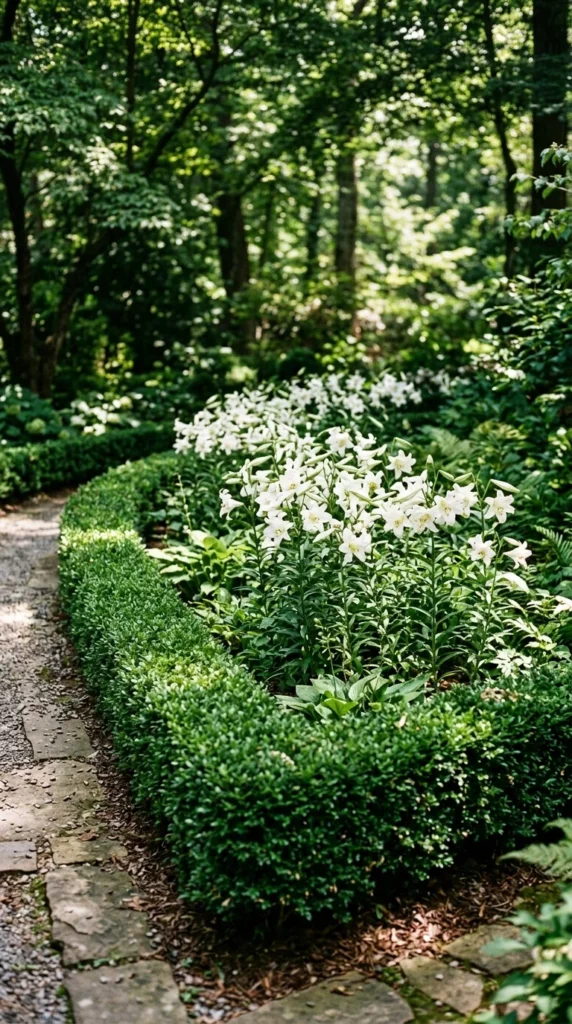
Shade gardens can sometimes look a bit “wild.” Using clipped boxwood hedges provides the necessary structure and “bones” to keep the space looking intentional and tidy. They provide a dark green frame that makes the textures of ferns and hostas stand out.
19. Spotted Deadnettle
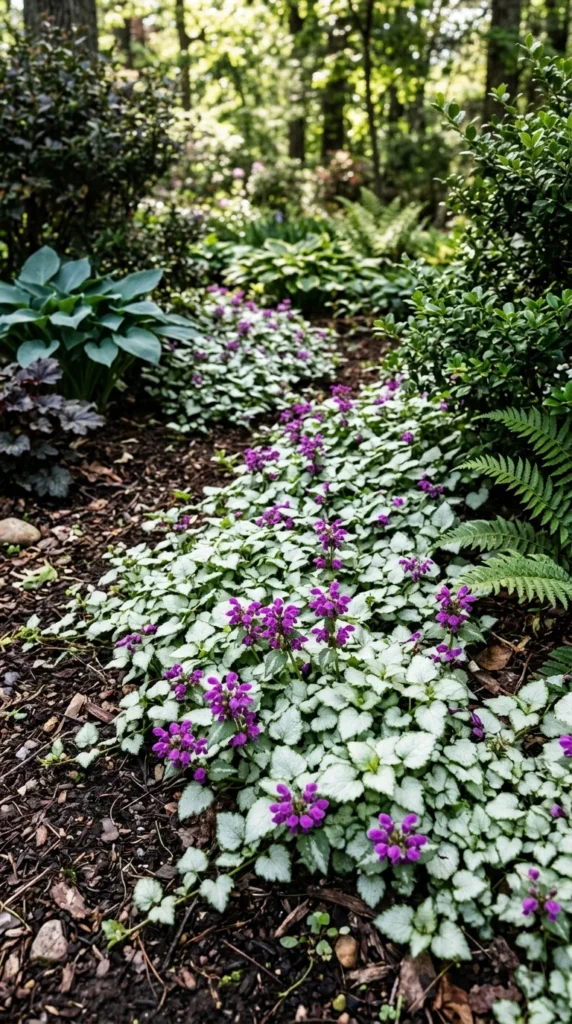
Lamium, or Spotted Deadnettle, is a tough groundcover that thrives in dry shade—one of the hardest environments to plant. Its silver-variegated leaves brighten the ground, and its small, hooded flowers provide a delicate touch of color in late spring.
20. Foxgloves
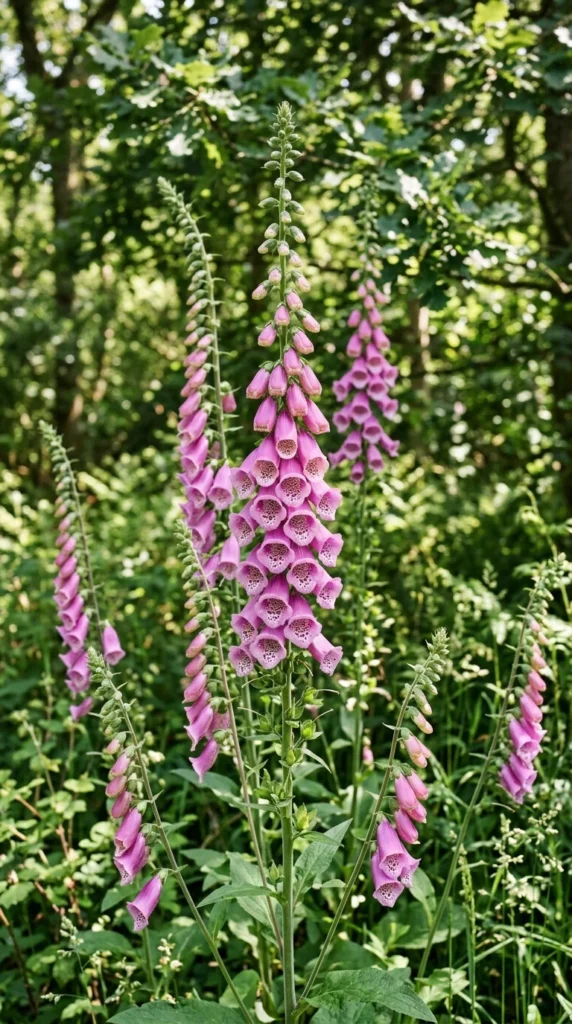
Foxgloves add a sense of height and drama. These biennials are perfect for the back of a shaded border, where their tall spires can peek through other foliage. They evoke the feeling of a wild, enchanted forest.
21. Garden Statues

In a garden where flowers are fewer, art becomes more important. A well-placed statue, an empty ceramic urn, or an abstract sculpture provides a focal point that doesn’t rely on sunlight to look beautiful. Stone and concrete patinas blend perfectly with the muted tones of a shade garden.
22. Paver Patios
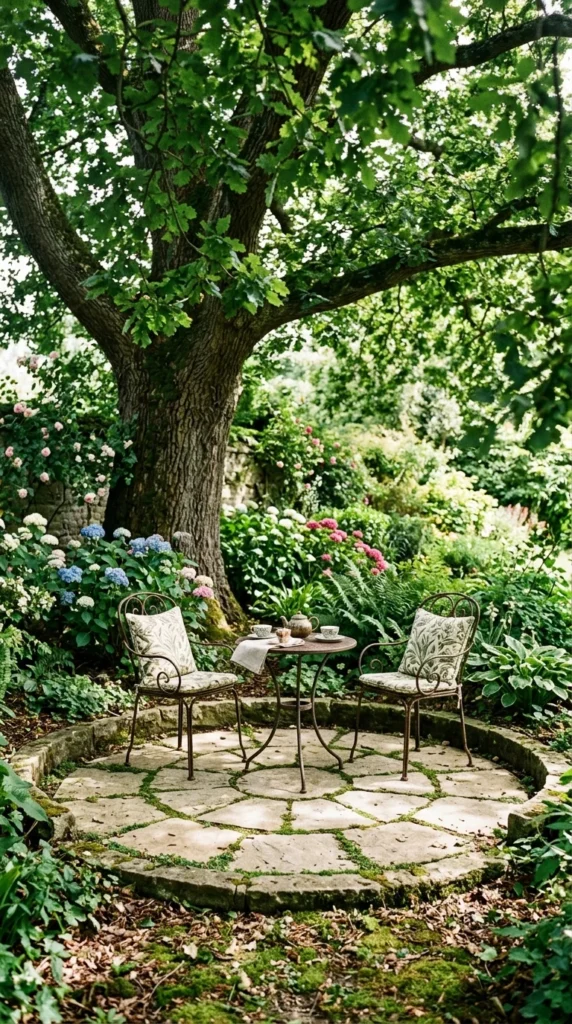
Turning a dark corner into a destination makes it feel purposeful. A small paver patio creates a cool “outdoor room” for reading or relaxing during the heat of the day. Using light-colored stone will help reflect what little light there is, preventing the area from feeling gloomy.
23. Tropical Textures
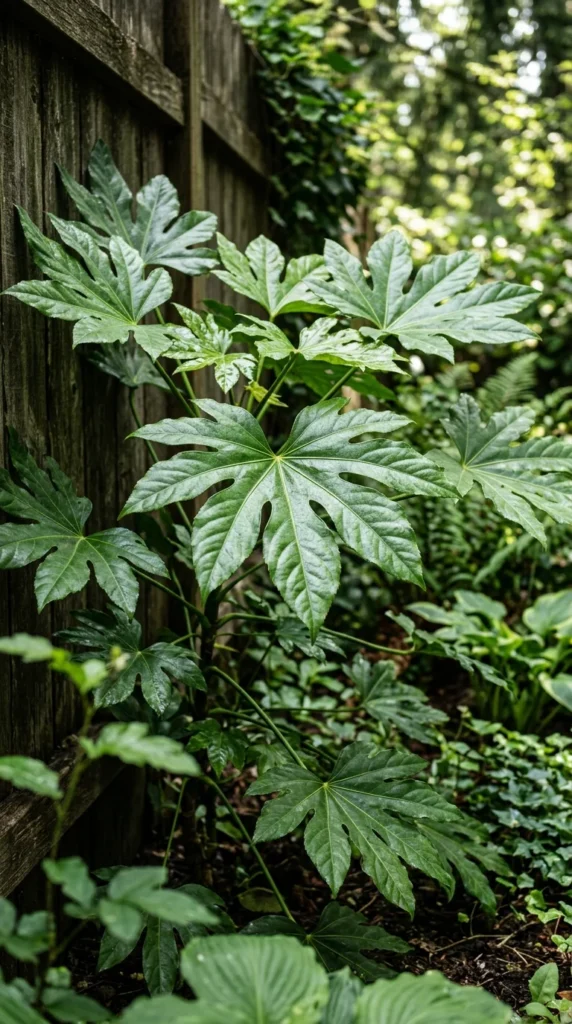
You don’t need full sun to get a tropical look. Plants like Fatsia japonica (Japanese Aralia) or certain types of hardy ginger have massive, glossy leaves that give a jungle-like vibe to temperate shade gardens. Their bold shapes provide a strong contrast to fine-textured ferns.
24. Rock Gardens
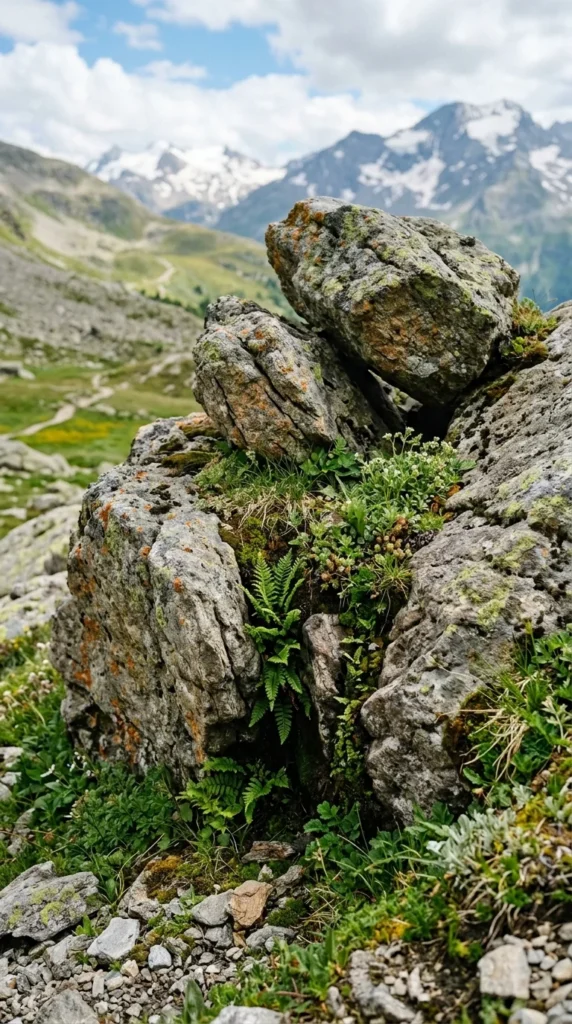
If your shaded area has poor soil or slopes, a rock garden is an excellent solution. Tucking plants into the “pockets” between rocks mimics a natural mountain or forest floor. The rocks also hold moisture, which many shade plants crave.
25. Shade Containers
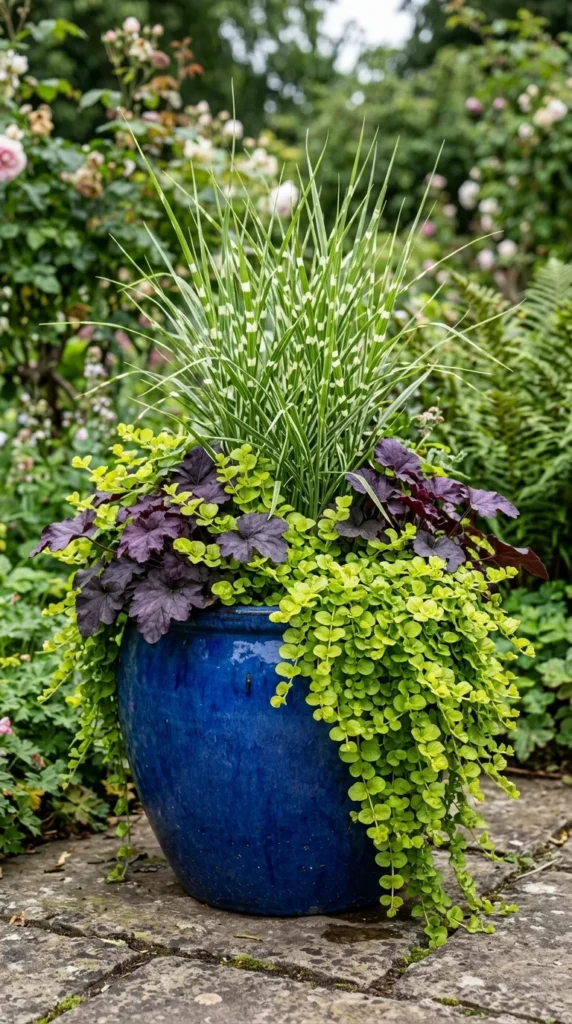
Containers are the best way to experiment with shade layouts. You can move them around to follow the shifting light patterns throughout the season. Mixing “thrillers” (tall plants), “fillers” (mounded plants), and “spillers” (trailing plants) creates a professional, layered look.
26. Tree Benches
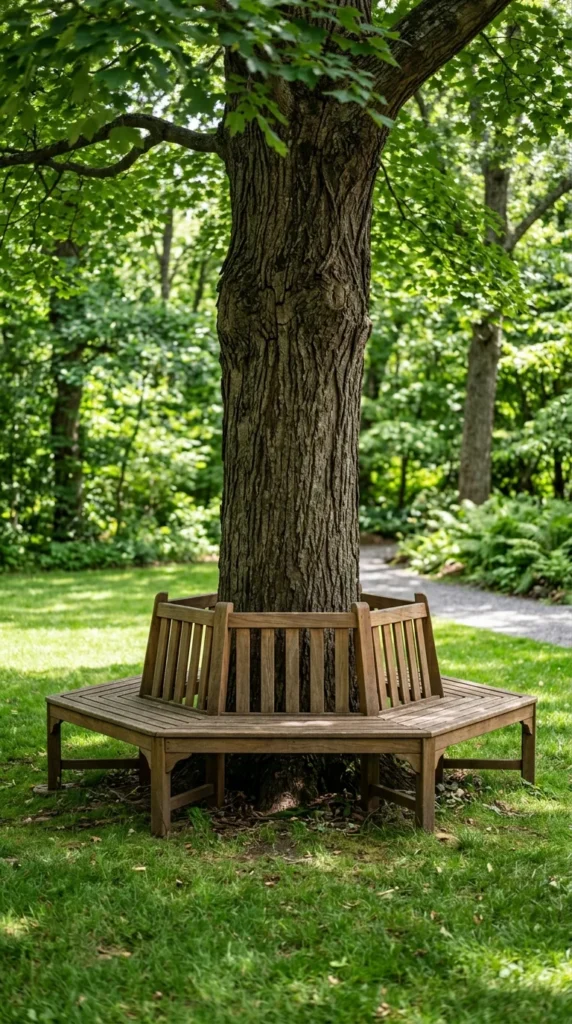
If you have a large, established tree, don’t struggle to grow plants directly against the trunk where roots are thickest. Instead, install a wrap-around tree bench. It provides a comfortable place to sit and covers the difficult-to-plant “dead zone” at the base of the tree.
27. Solar Lanterns
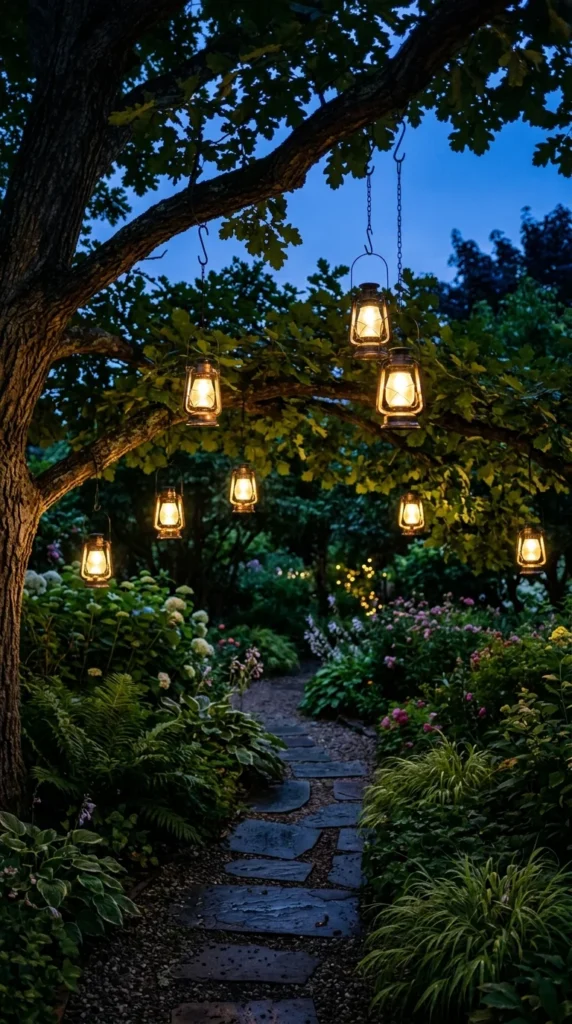
Even a shade garden needs light at night. Solar lanterns or low-voltage LED path lights can transform a dark corner into a magical evening retreat. Hanging lanterns from tree branches adds a sense of depth and height to the garden after the sun goes down.