
Transforming a backyard from a simple patch of grass into a personal sanctuary requires a blend of creativity, botanical knowledge, and structural planning. Whether you are dealing with a compact urban balcony or an expansive rural estate, the right design elements can elevate your outdoor living experience. Here are 26 transformative garden design ideas to inspire your next landscaping project.
1. Vertical Gardens
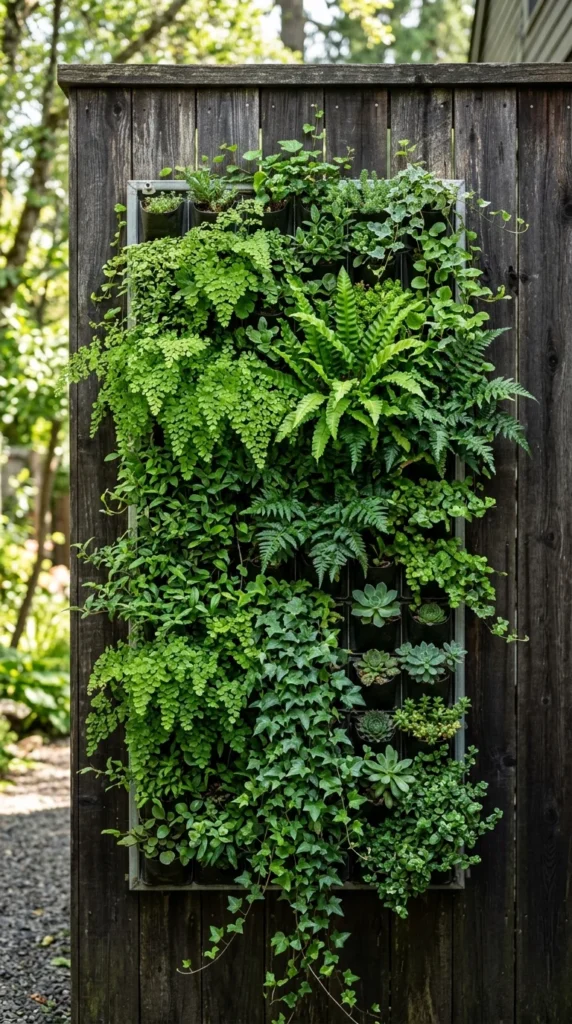
Vertical gardens are the ultimate solution for small spaces or for hiding unsightly boundary walls. By utilizing the vertical plane, you can introduce a massive amount of greenery without sacrificing floor space. These “living walls” act as natural insulation for your home and create a stunning focal point. You can use modular pocket systems, recycled wooden pallets, or wire trellises to support climbing plants like clematis or jasmine.
2. Stone Pathways
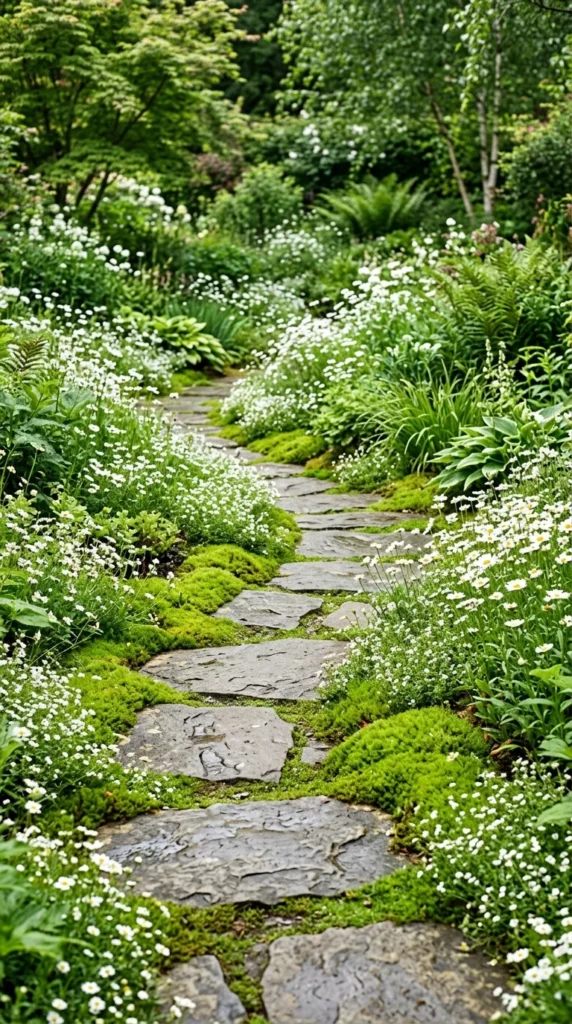
Pathways do more than just provide a place to walk; they dictate the flow and rhythm of your garden. Using natural stone, such as slate or sandstone, creates an organic feel that blends seamlessly with the environment. Curving paths suggest mystery and lead the eye toward hidden corners, making a small garden feel much larger than it actually is.
3. Water Features
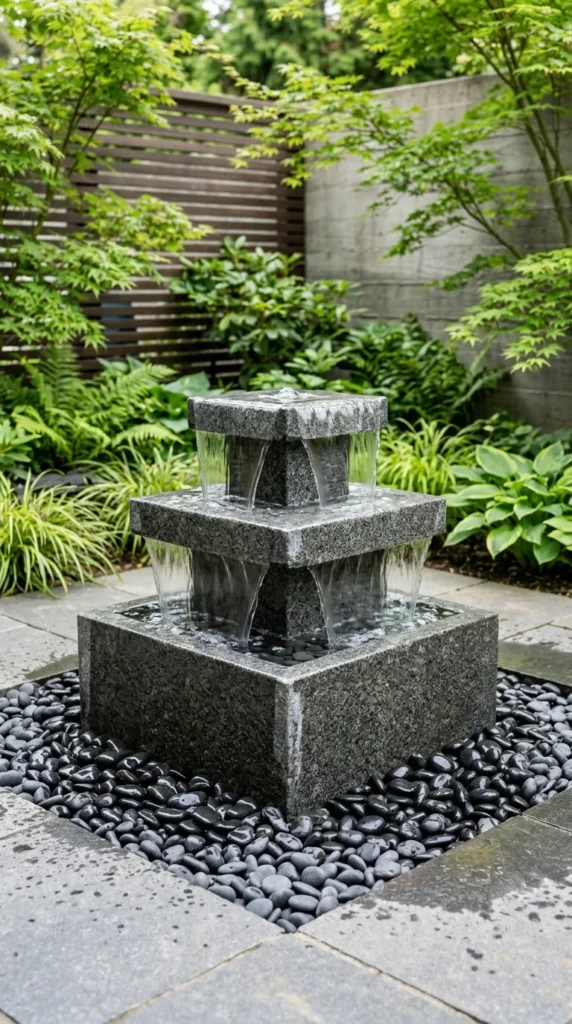
The sound of running water is instantly soothing and can mask unwanted noise from nearby streets. From grand tiered fountains to simple solar-powered birdbaths, water features add movement and sound to the landscape. A small pond can also serve as a cooling element during hot summer months and provide a necessary resource for local birds and dragonflies.
4. Fire Pits
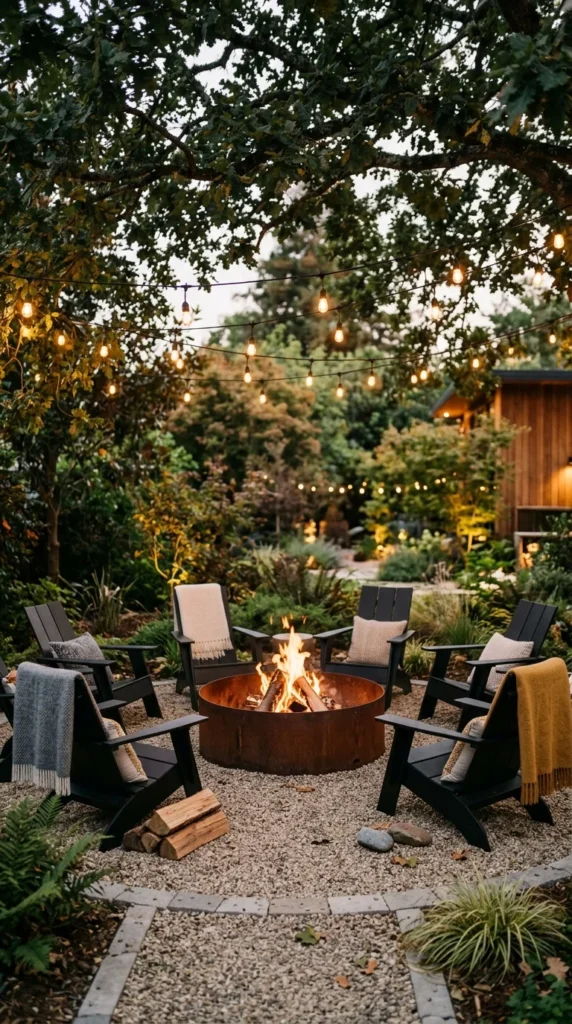
A fire pit extends the usability of your garden into the cooler months and late evening hours. It serves as a natural gathering spot for socializing and relaxation. Whether you choose a permanent stone-built structure or a portable metal brazier, the flickering light creates a warm, inviting ambiance that transforms the backyard into an outdoor lounge.
5. Raised Beds
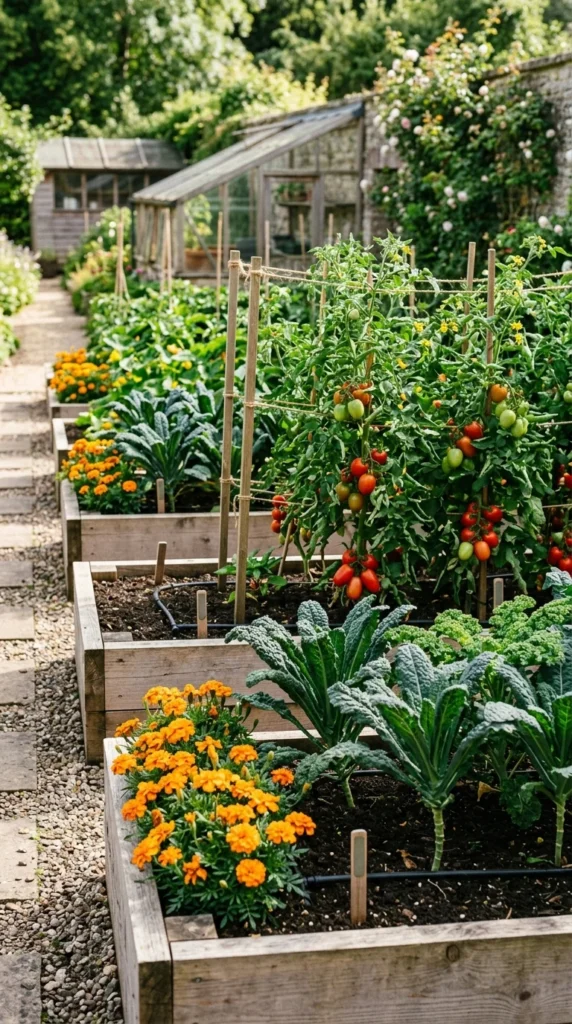
Raised beds offer numerous advantages, including better drainage, warmer soil temperatures in spring, and less strain on your back. They also provide a clean, structured look to the garden. By using different heights and materials like weathered steel or treated timber, you can create a geometric layout that adds architectural interest even in the middle of winter.
6. Outdoor Lighting
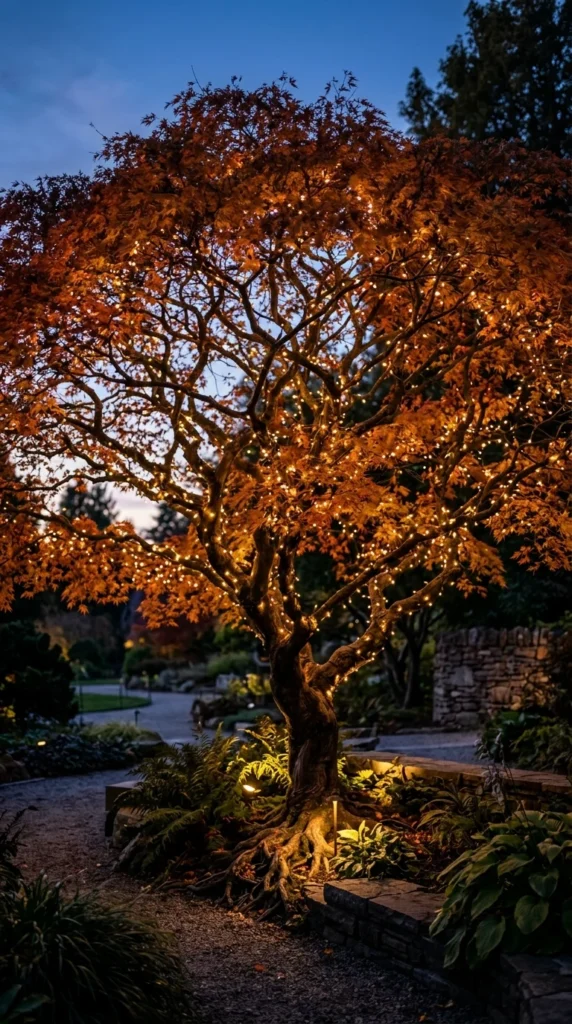
Lighting is the key to enjoying your garden after the sun goes down. Layered lighting—combining overhead string lights, path-markers, and uplights for trees—creates depth and drama. Smart lighting systems allow you to change the intensity and color, setting the mood for everything from a quiet dinner to a lively summer party.
7. Native Planting

Focusing on native plants is both ecologically responsible and low-maintenance. These species are already adapted to your local climate and soil conditions, meaning they require less water and fewer fertilizers. Native gardens also support local pollinators like bees and butterflies, turning your backyard into a vital piece of the local ecosystem.
8. Pergolas
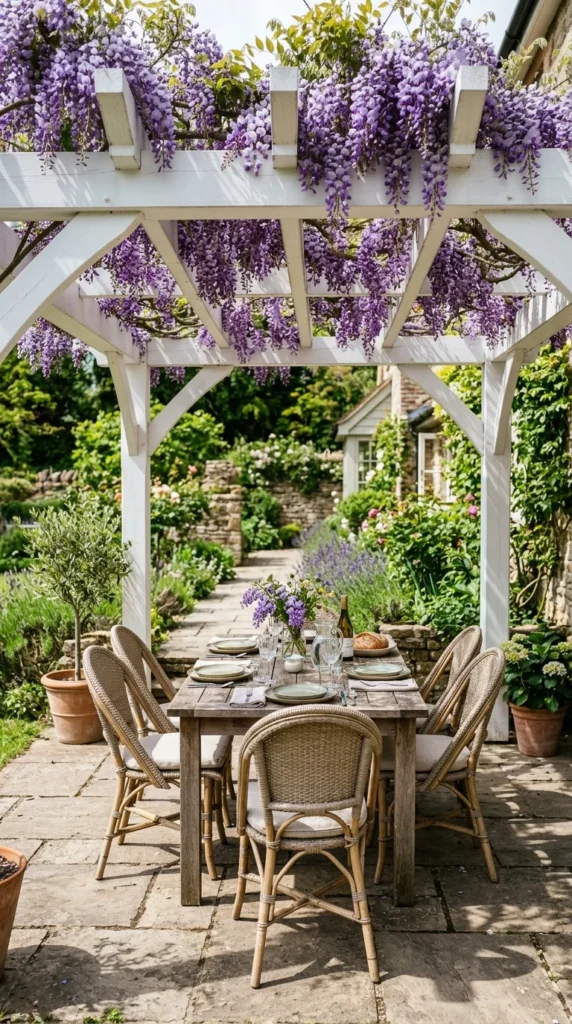
A pergola provides a sense of enclosure and partial shade without the heaviness of a solid roof. It is the perfect architectural skeleton for climbing plants like grapes, honeysuckle, or roses. Adding a pergola creates a “room” outdoors, defining the dining or lounging area and providing a vertical element to break up the horizon.
9. Zen Gardens
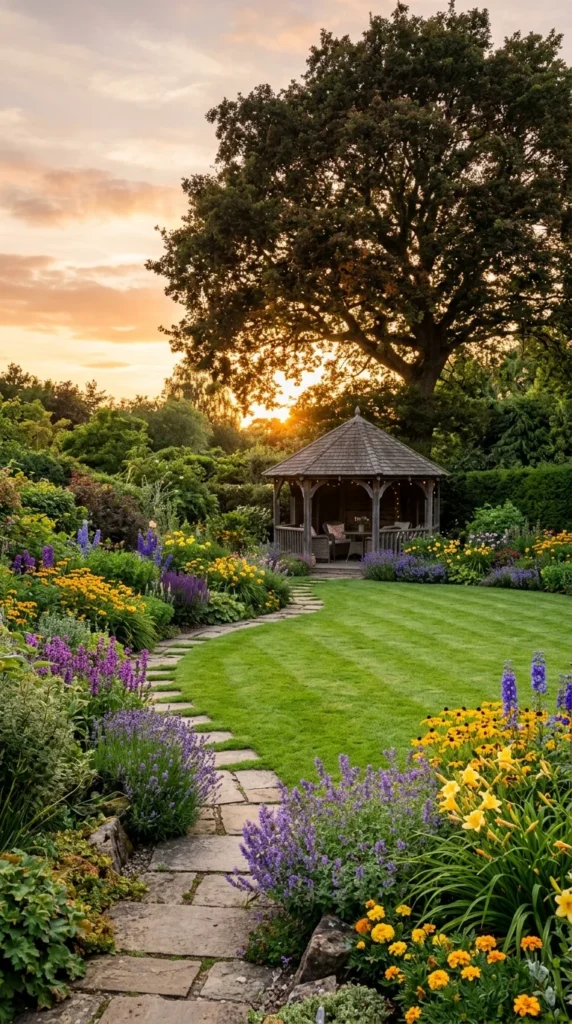
Inspired by Japanese tradition, Zen gardens focus on minimalism and meditation. They typically use sand, gravel, and rocks to represent water and mountains. This design choice is perfect for those seeking a low-maintenance, high-impact aesthetic that encourages mindfulness and peace.
10. Wildlife Habitats
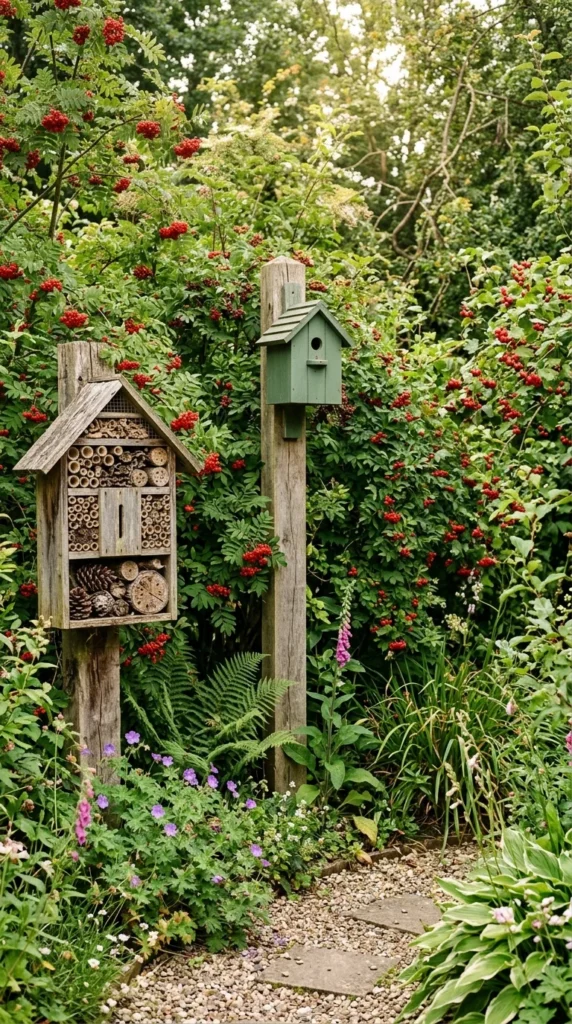
Transforming your backyard into a sanctuary for wildlife adds a layer of life and movement to your design. By incorporating bird houses, bee hotels, and berry-bearing bushes, you invite nature into your daily life. A “wild” corner with tall grasses and log piles can provide essential shelter for beneficial insects and small mammals.
11. Outdoor Kitchens
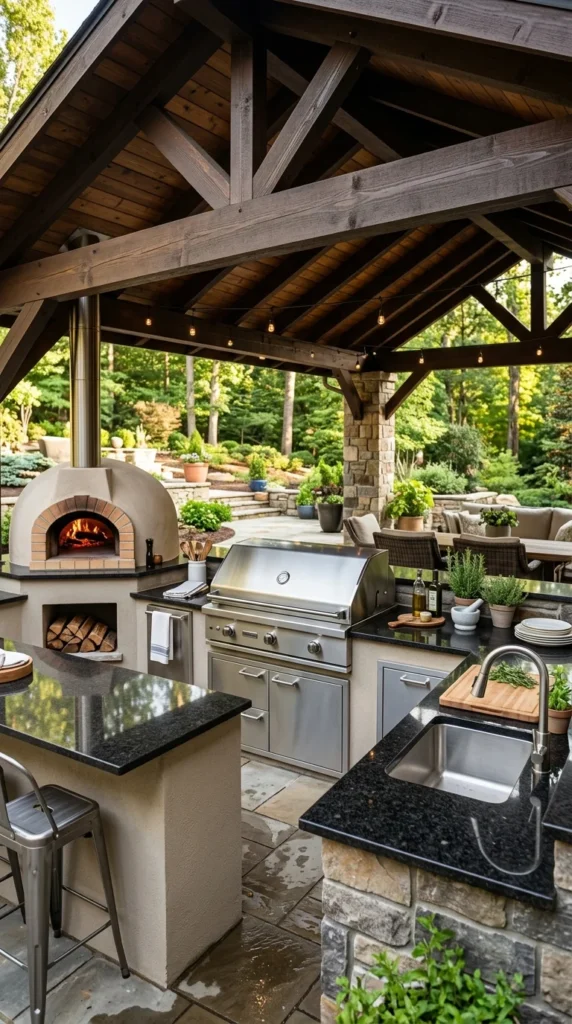
For those who love to entertain, an outdoor kitchen is the ultimate luxury. Moving the cooking process outside keeps the indoor house cool and allows the cook to remain part of the conversation. Modern outdoor kitchens can include everything from pizza ovens and wine fridges to full-scale prep stations and bars.
12. Container Gardening
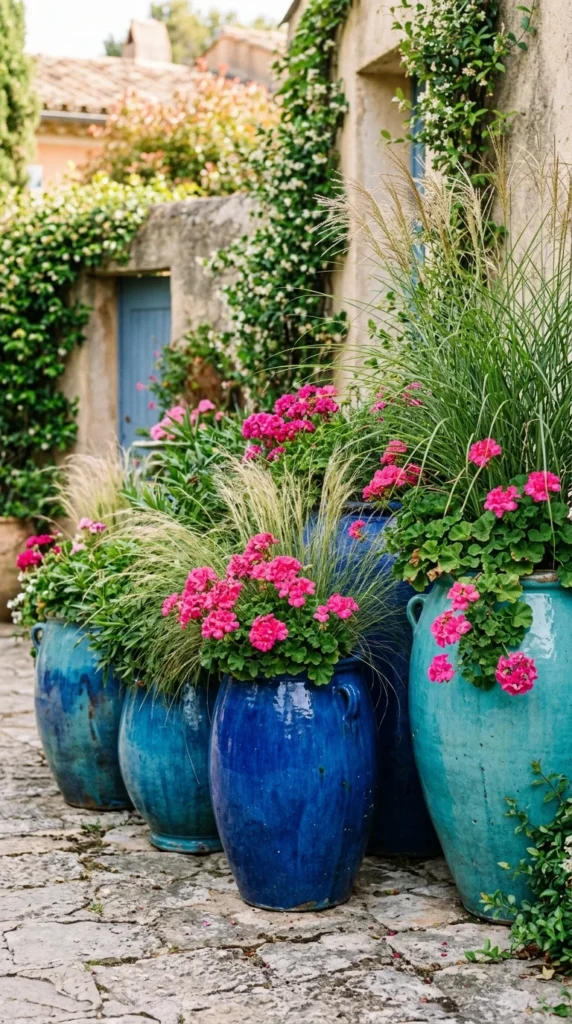
Container gardening allows for maximum flexibility. You can move plants around to follow the sun or change the look of your patio on a whim. It is also an ideal way to grow plants that might have specific soil requirements different from your garden’s natural earth. Using varied pot sizes and colors adds a rhythmic, artistic quality to porches and decks.
13. Garden Archways
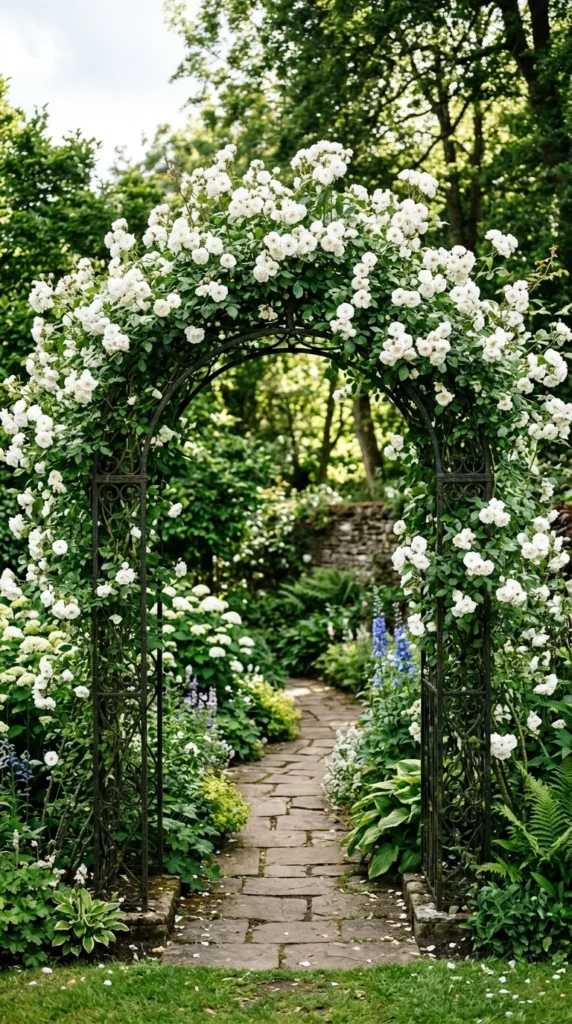
An archway acts as a literal and metaphorical transition between different “rooms” of the garden. It creates a sense of arrival and can be used to frame a specific view or a beautiful piece of garden art. When covered in scented climbers, it provides a sensory experience as you pass through.
14. Living Walls
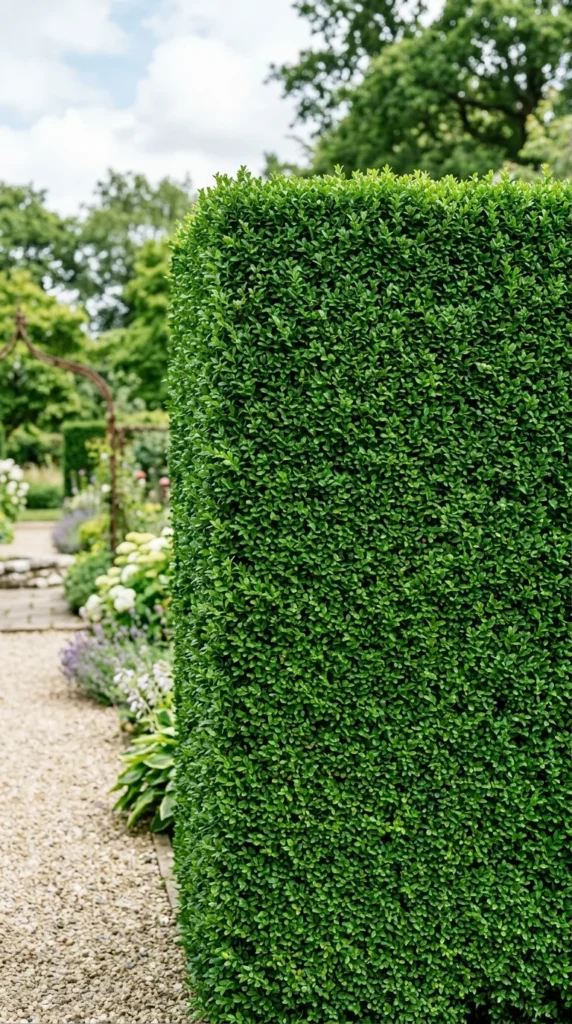
Unlike the variety of a vertical garden, a living wall of hedges or tightly packed ivy provides a clean, monolithic look. It is an excellent way to create privacy screens that feel soft rather than industrial. Living walls also help reduce ambient noise and provide a cool microclimate for adjacent seating areas.
15. Edible Landscaping
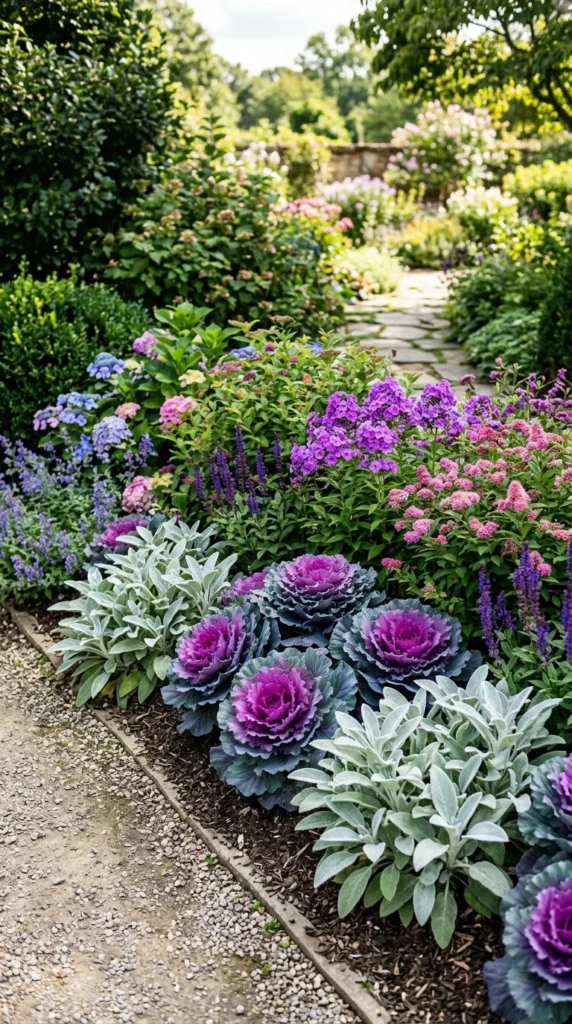
Who says vegetables have to be hidden in the back? Edible landscaping integrates fruits, vegetables, and herbs directly into your ornamental flower beds. Rainbow chard, blueberries, and rosemary are as beautiful as they are delicious, allowing your garden to be both productive and visually stunning.
16. Gravel Patios
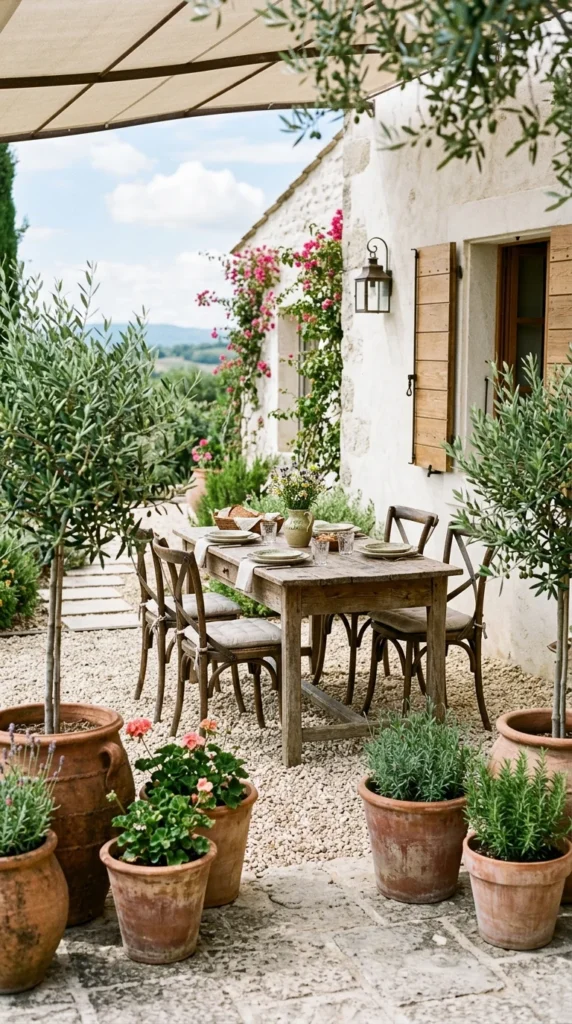
Gravel is a versatile and affordable alternative to traditional paving. It provides excellent drainage and creates a satisfying crunch underfoot. Mediterranean and French-inspired gardens often use gravel to create casual, elegant seating areas that feel relaxed and lived-in.
17. Sculptural Elements

Art belongs in the garden just as much as it belongs in the home. A well-placed sculpture provides a focal point that persists throughout the seasons. Whether it’s a modern metal piece, a classic stone statue, or an abstract driftwood installation, sculpture adds a layer of personal expression and sophistication to the landscape.
18. Mirror Accents
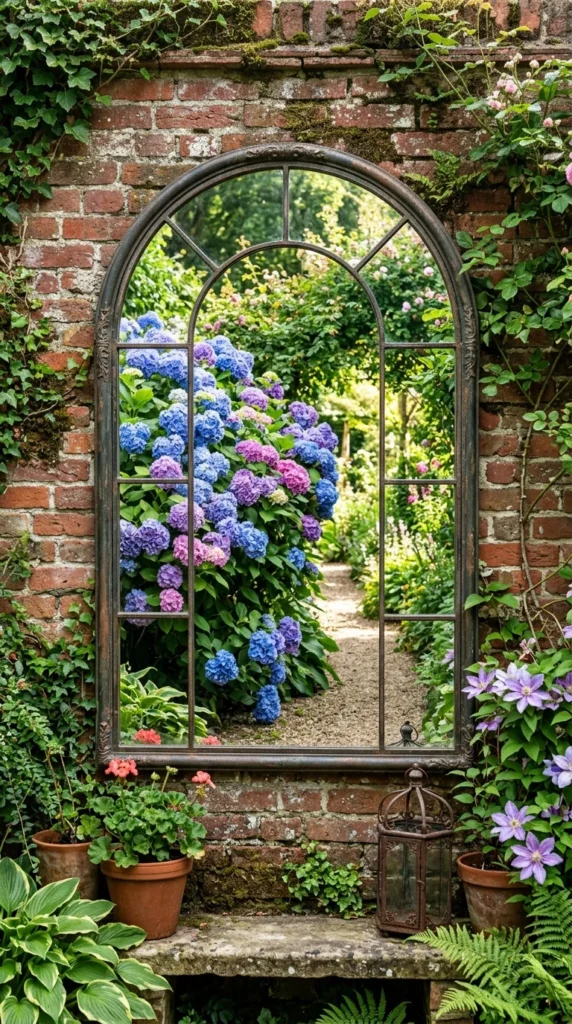
Using mirrors in a garden is a clever trick to bounce light into dark corners and create the illusion of more space. A mirror placed at the end of a path can make the garden appear to go on forever. When framed with climbing plants, it looks like a window or a portal into a secret extension of your backyard.
19. Hammock Nooks
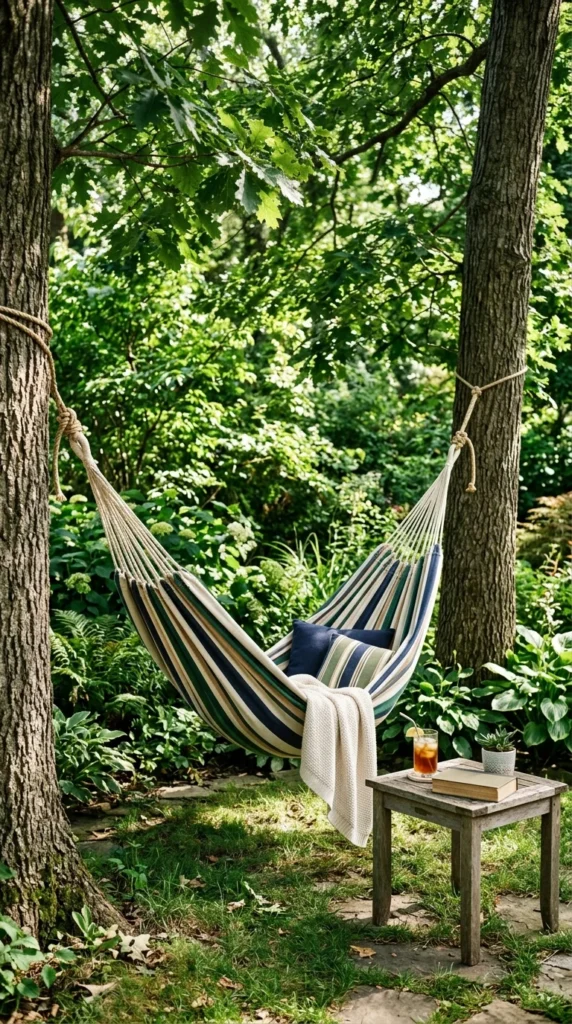
Creating a dedicated space for rest is essential for a truly transformative garden. A hammock nook provides a secluded spot for reading or napping. Tucking this area away from the main social zones ensures a peaceful retreat where you can fully immerse yourself in the sights and sounds of your garden.
20. Greenhouse Sanctuaries
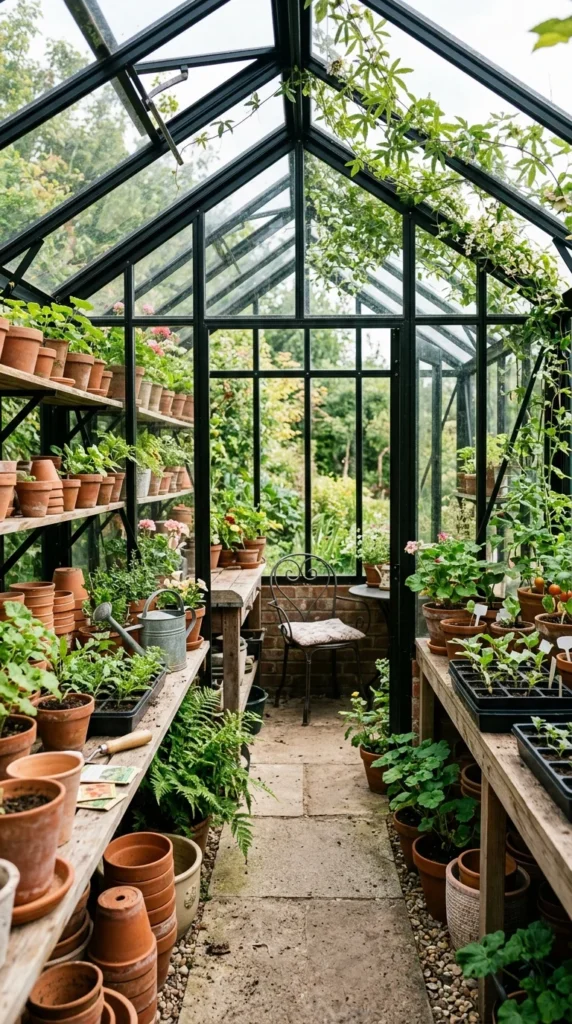
A greenhouse is not just a place for seedlings; it can be a beautiful architectural feature and a year-round retreat. Even a small glass structure allows you to garden in inclement weather and provides a warm, humid environment for tropical plants that wouldn’t otherwise survive in your climate.
21. Drought-Tolerant Beds
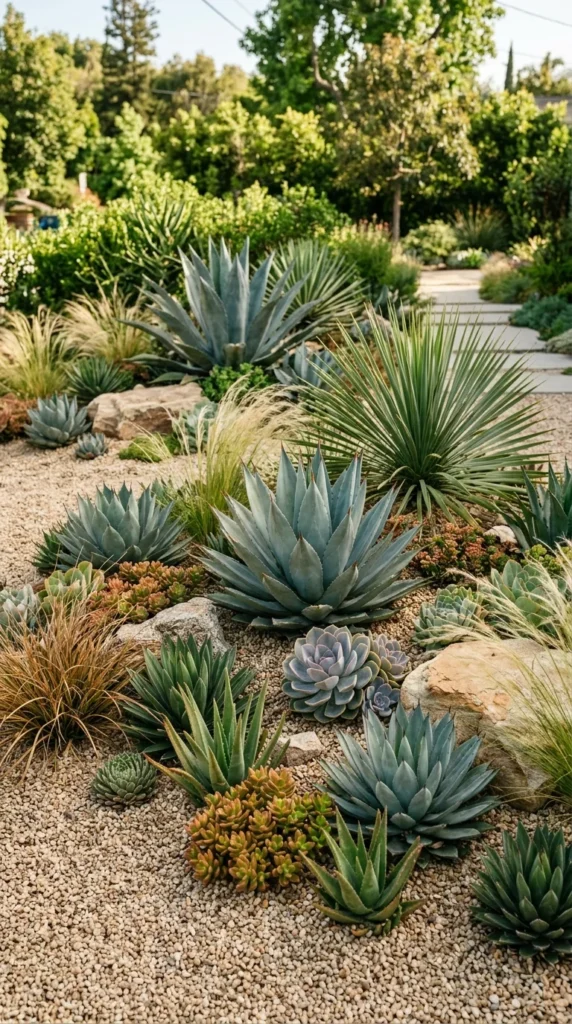
As water conservation becomes increasingly important, drought-tolerant (or “xeriscape”) designs are rising in popularity. By choosing plants like lavender, succulents, and ornamental grasses, you can create a high-impact garden that thrives with minimal irrigation. These gardens often feature interesting textures and subtle, sophisticated color palettes.
22. Tiered Terracing
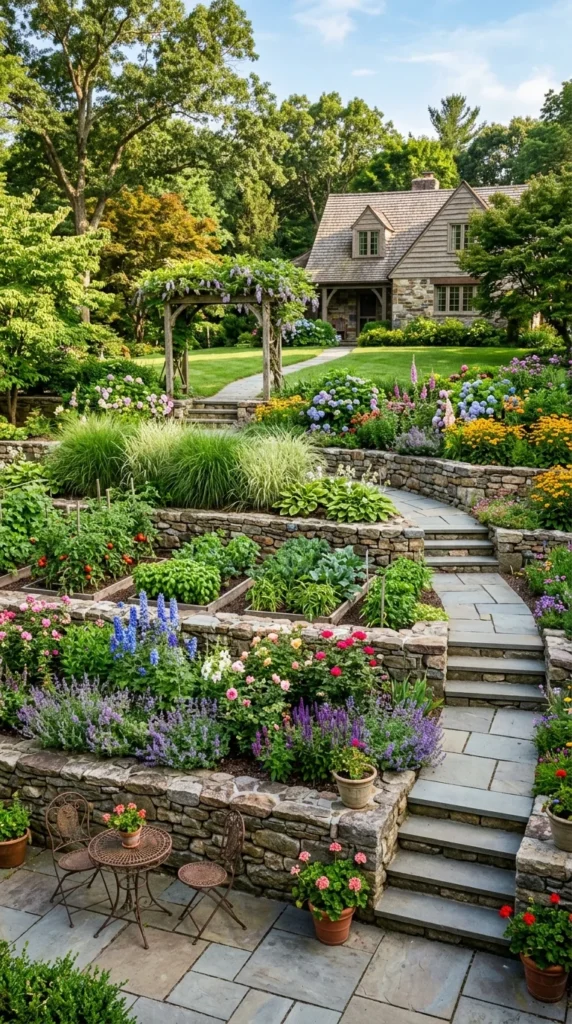
If your backyard has a significant slope, tiered terracing can turn a difficult hill into a functional and beautiful feature. Terraces prevent soil erosion and create distinct levels for different types of planting or activities. You might have a dining terrace on the top level and a lush flower garden on the levels below.
23. Herb Spirals
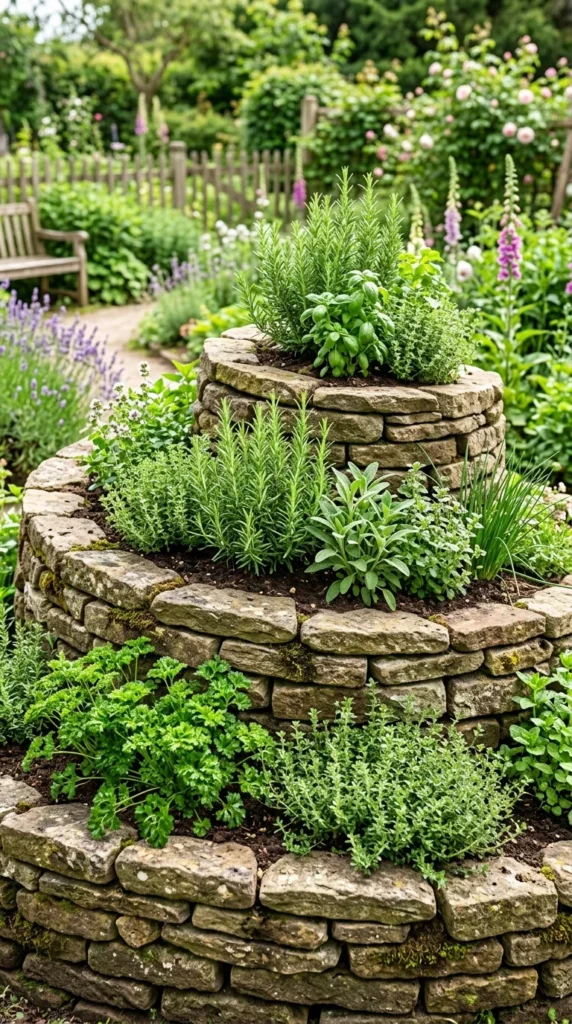
An herb spiral is a permaculture design that creates different microclimates in a very small footprint. The top of the spiral is dry and sunny (perfect for rosemary), while the bottom is cooler and moister (ideal for mint or chives). This functional sculpture adds a unique geometric shape to your garden layout.
24. Privacy Screening
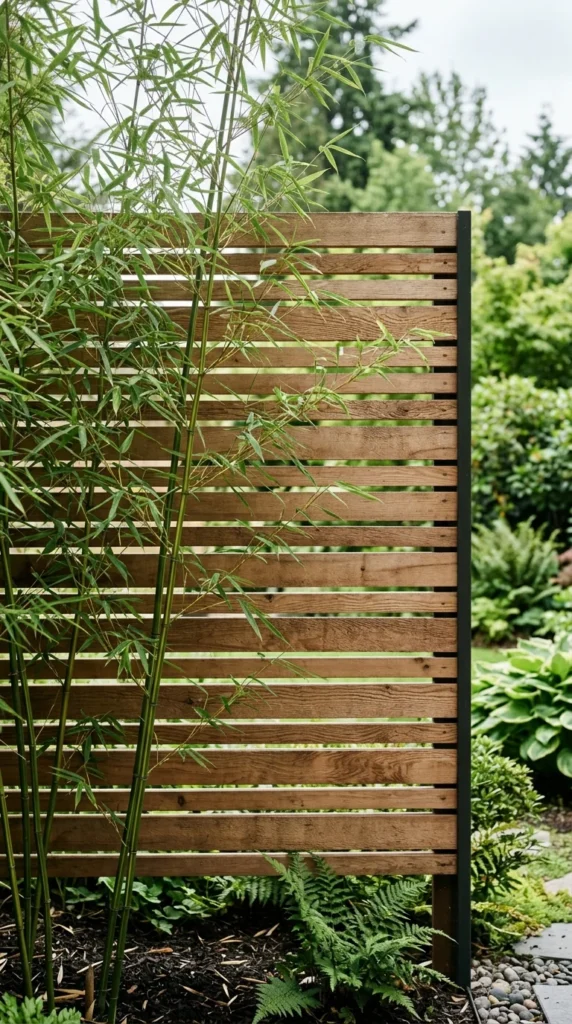
Privacy is a top priority for many homeowners. Instead of a solid, imposing fence, consider layered screening. A combination of decorative lattice, tall bamboo, or fast-growing evergreens can block the neighbors’ view while maintaining a soft, natural aesthetic that doesn’t feel claustrophobic.
25. Cottage Borders
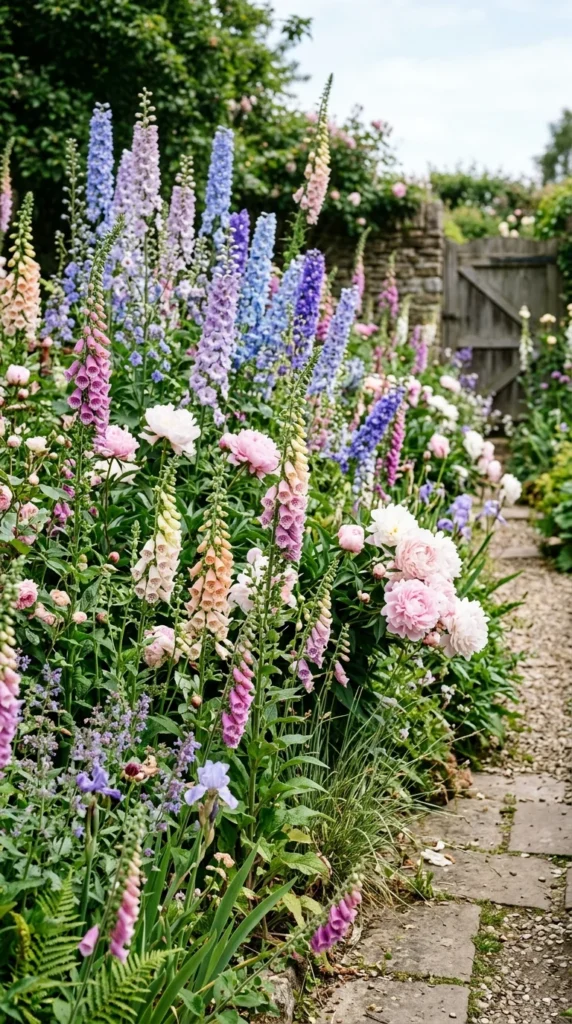
Cottage gardens are characterized by their abundance and informal charm. This style ignores strict rows in favor of a dense, romantic overflow of flowers. Cottage borders are excellent for softening the lines of a house and providing a constant supply of cut flowers for the indoors.
26. Retractable Awnings
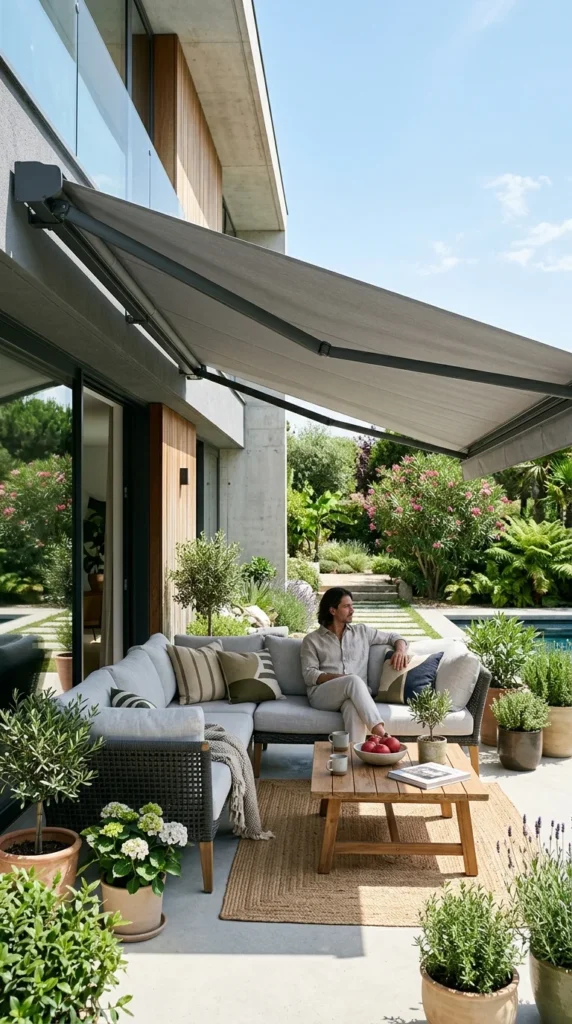
Flexibility is key to modern garden design. A retractable awning allows you to enjoy the sun when you want it and find shade when you don’t. Modern designs are sleek and can be motorized, integrating seamlessly with your home’s architecture to provide a versatile transition between indoor and outdoor living.