
Sustainable gardening is more than just a trend; it is a holistic approach to land management that prioritizes the health of the ecosystem while reducing the gardener’s workload and expenses. By working with nature rather than against it, you can create a resilient outdoor space that flourishes with minimal intervention. Whether you are a seasoned horticulturalist or a beginner with a few pots on a balcony, these sixteen strategies will help you cultivate a garden that is as efficient as it is beautiful.
1. Native Plants
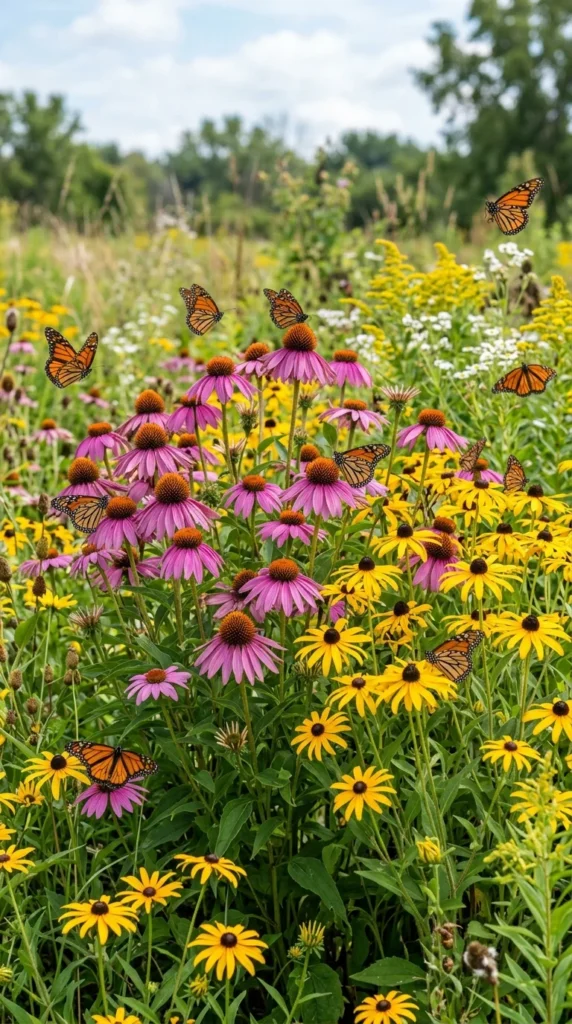
The most effective way to save time and water is to select plants that have evolved to thrive in your specific climate. Native plants are naturally adapted to the local soil conditions, rainfall patterns, and temperature fluctuations. Because they are “at home,” they require significantly less supplemental watering once established and are inherently more resistant to local pests and diseases. This reduces the need for expensive chemical interventions and hours spent troubleshooting plant health issues. Furthermore, native flora provides essential habitats for local pollinators, strengthening the biodiversity of your immediate environment.
2. Composting
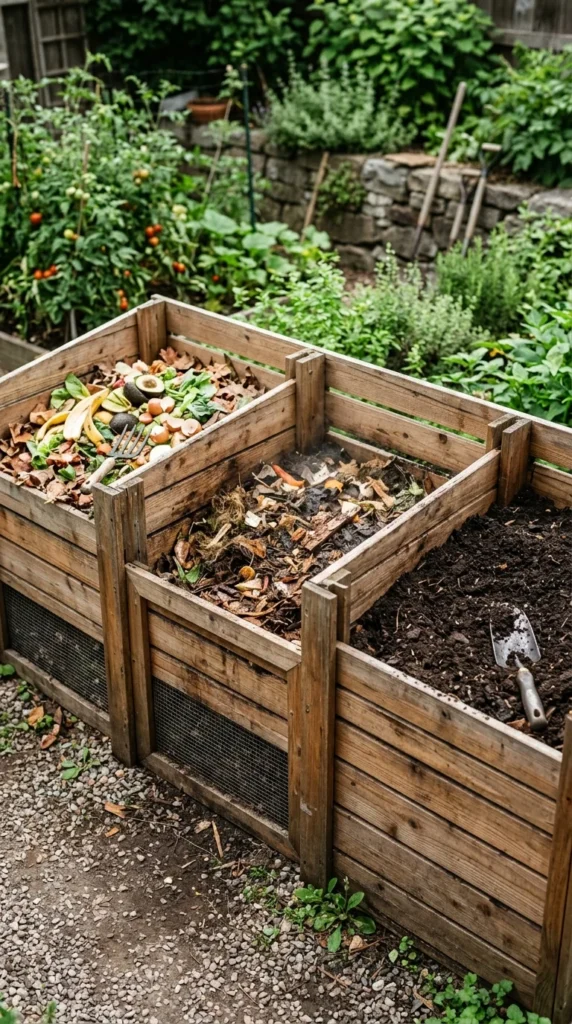
Often referred to as “black gold,” compost is the cornerstone of sustainable gardening. By recycling kitchen scraps and yard waste, you divert organic matter from landfills while creating a nutrient-dense soil amendment for free. Composting improves soil structure, allowing it to retain more moisture—which saves on water—and provides a slow-release source of nitrogen, phosphorus, and potassium, eliminating the need for store-bought fertilizers. A well-maintained compost pile is a self-sustaining cycle that turns waste into wealth for your plants.
3. Mulching
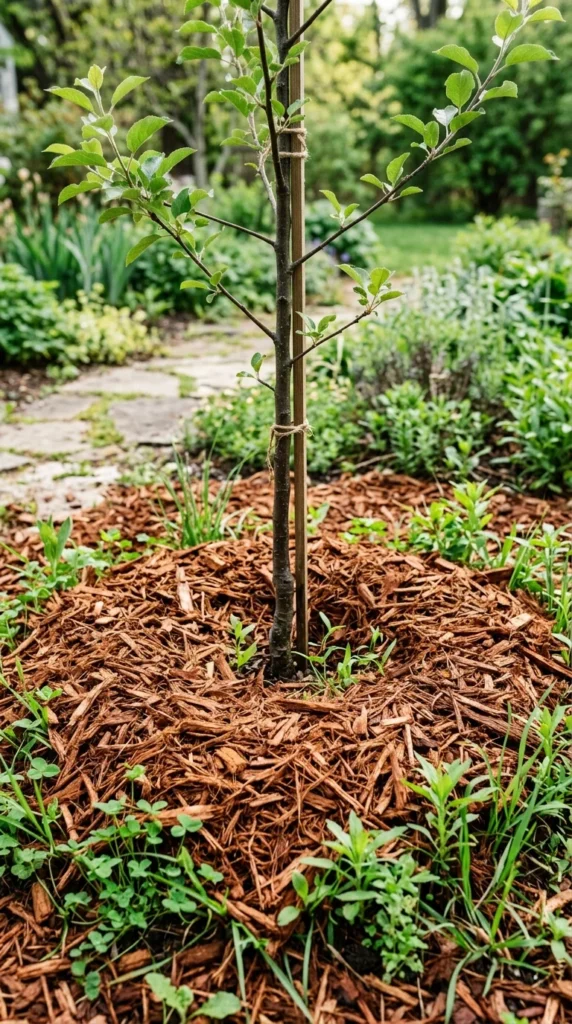
Mulching is perhaps the single most effective labor-saving technique in the garden. A thick layer of organic material—such as wood chips, straw, or shredded leaves—acts as a protective blanket for the soil. It suppresses weed growth by blocking sunlight, which saves you hours of weeding time. More importantly, mulch dramatically reduces evaporation, keeping the root zone cool and moist even during heatwaves. As the mulch decomposes, it further enriches the soil, feeding the underground microbial life that keeps your plants healthy.
4. Rain Barrels
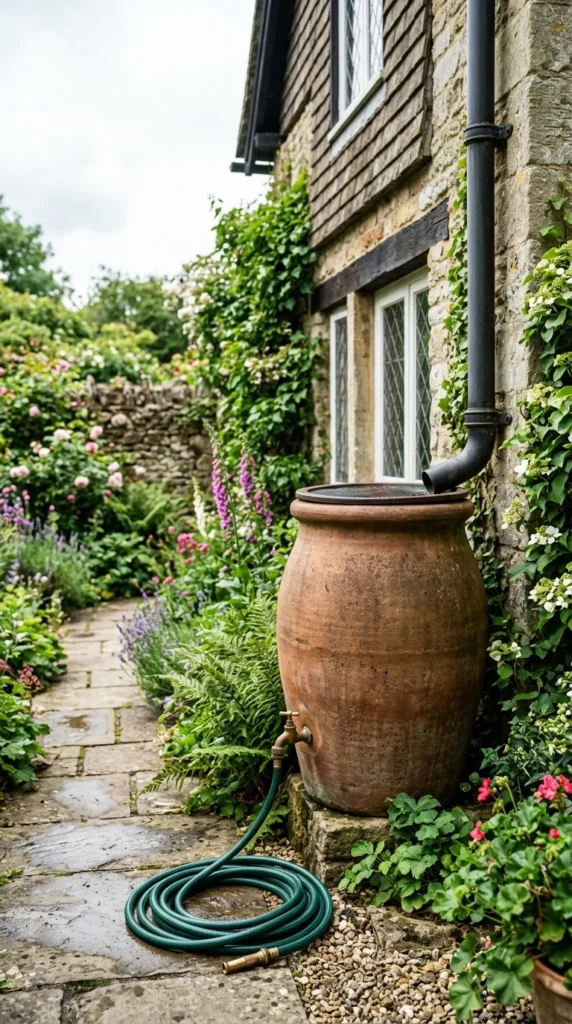
Water is a precious resource, and municipal water can be expensive. Installing rain barrels allows you to harvest free, high-quality soft water directly from your roof. Unlike tap water, rainwater is free of chlorine and fluoride, making it better for your plants’ long-term health. By capturing runoff, you also reduce erosion and prevent excess storm water from carrying pollutants into local waterways. Using a gravity-fed system from a rain barrel is an excellent way to hydrate thirsty garden beds without touching the tap.
5. Drip Irrigation
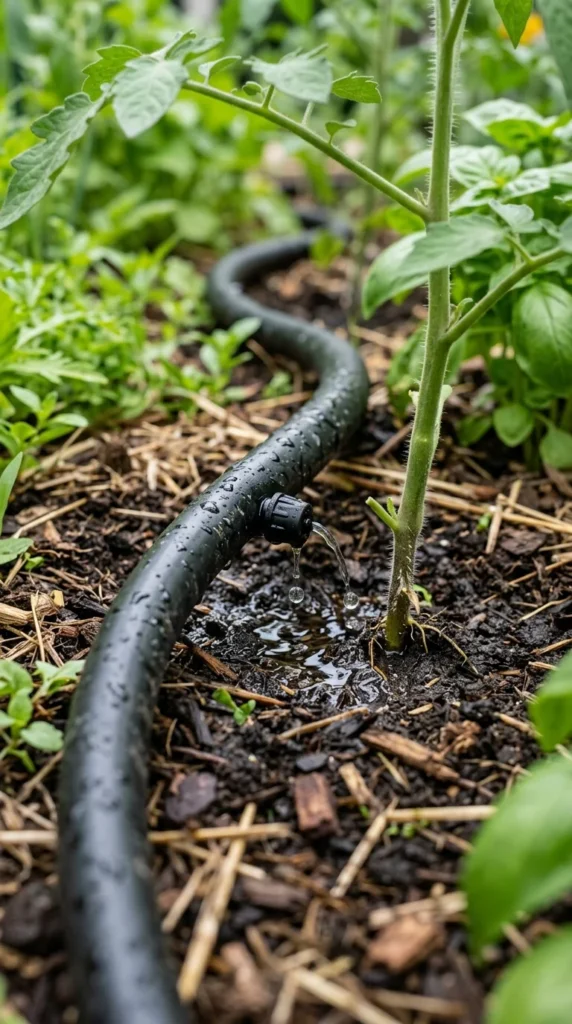
Traditional sprinklers are notoriously inefficient, as much of the water is lost to evaporation or wind drift. Drip irrigation, on the other hand, delivers water directly to the base of the plant where it is needed most. This targeted approach can reduce water usage by up to 50% compared to overhead watering. Because the foliage stays dry, drip systems also help prevent fungal diseases like powdery mildew. Setting these systems on a simple timer automates the process, saving you significant daily labor while ensuring your garden stays hydrated on a consistent schedule.
6. Companion Planting
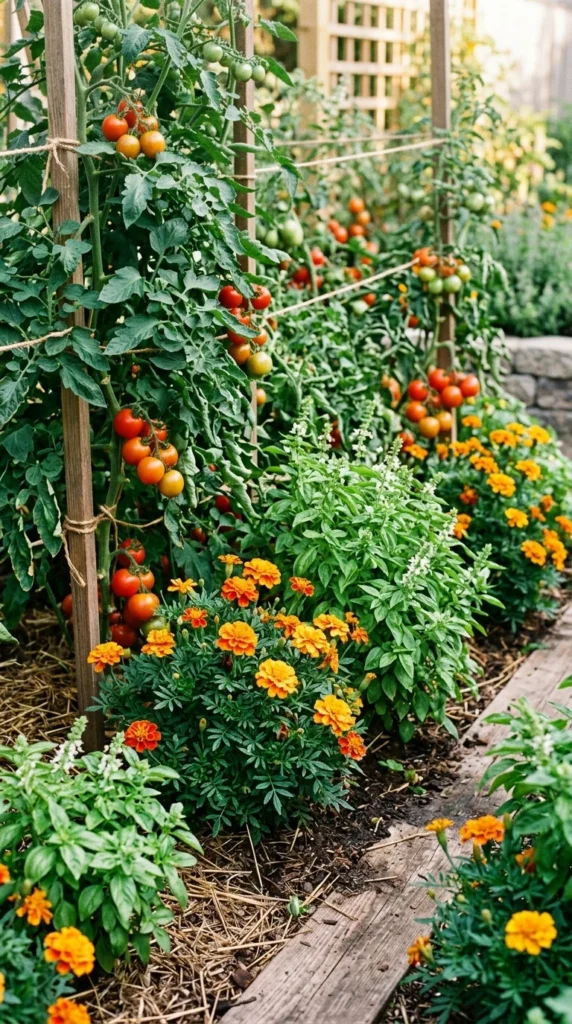
Companion planting is the practice of growing certain plants together for mutual benefit. This “nature-approved” strategy can save money on pesticides and fertilizers. For example, planting marigolds near vegetables can deter harmful nematodes and aphids, while legumes like peas and beans naturally fix nitrogen in the soil, feeding their neighbors. By creating a diverse polyculture, you mimic natural ecosystems, which are far more resilient than the rows of a single crop found in industrial farming. This biodiversity leads to a more balanced garden with fewer pest outbreaks.
7. Perennial Beds
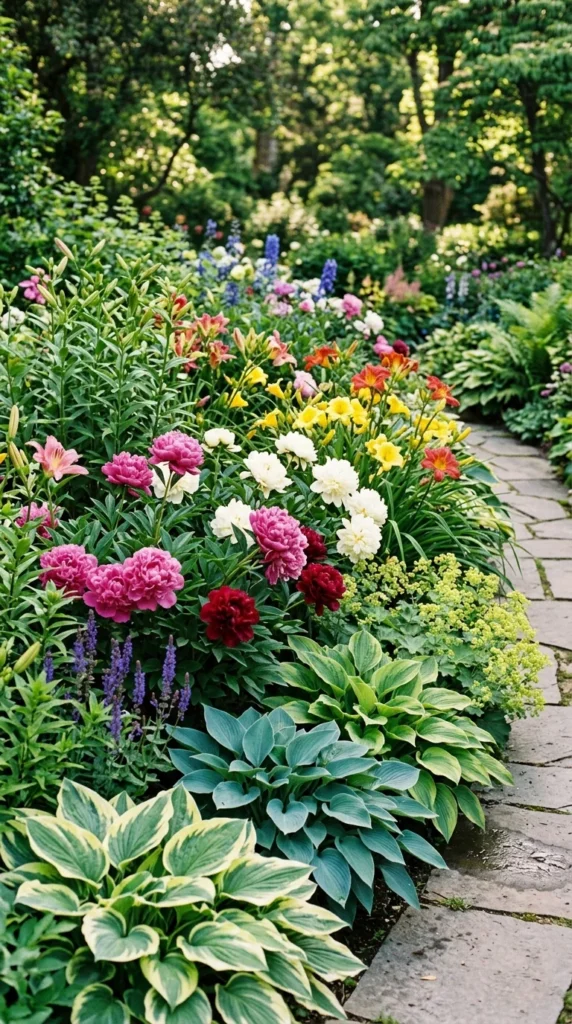
While annuals provide instant color, they must be repotted or replanted every single year, costing both time and money. Perennials, however, are an investment that pays off season after season. Once established, these plants return every spring, often growing larger and more robust with age. Many perennials can also be divided after a few years, giving you “free” plants to expand your garden or trade with neighbors. A garden anchored by perennials requires much less seasonal maintenance and provides a permanent structure for your landscape.
8. Seed Saving
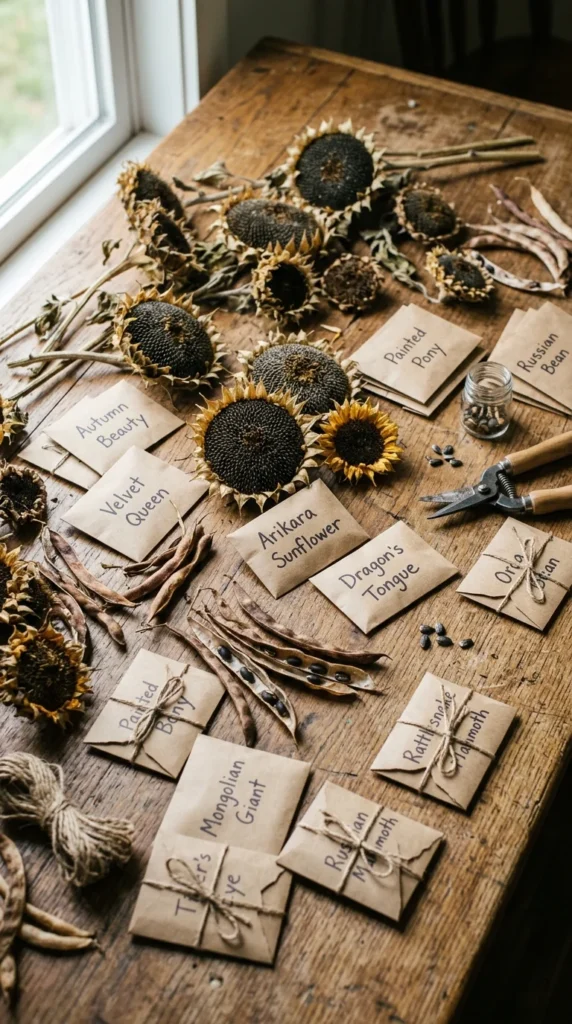
Purchasing new packets of seeds every spring can become a hidden cost that adds up quickly. Seed saving is a traditional skill that allows you to close the loop on your garden’s lifecycle. By harvesting seeds from your most successful and tastiest plants, you are essentially performing “citizen science,” selecting for varieties that are specifically adapted to your microclimate. Storing these seeds in a cool, dry place ensures you have a free supply for the following year, and provides a wonderful opportunity for community seed swaps.
9. Grasscycling
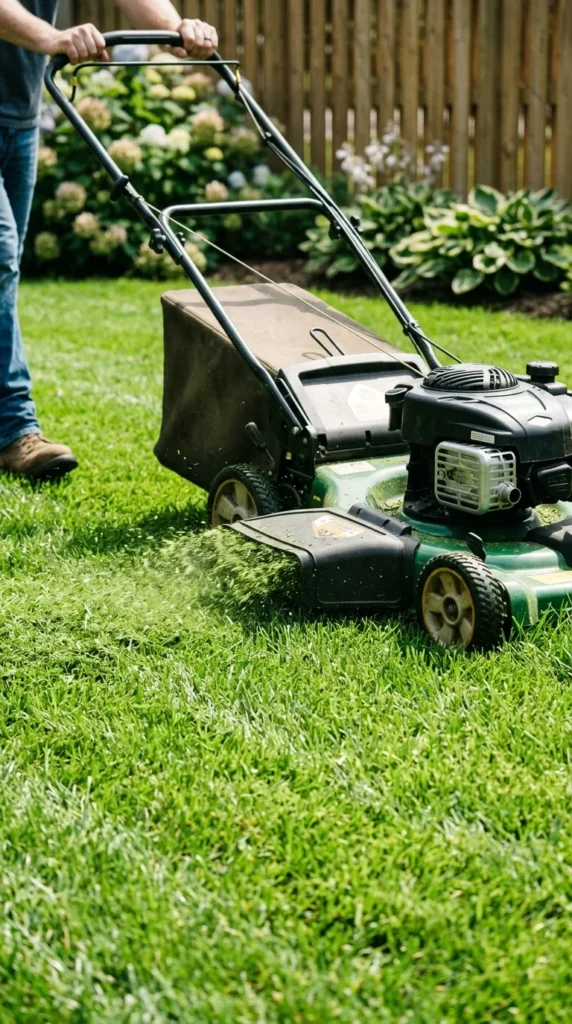
If you have a lawn, one of the easiest ways to save time and money is to stop bagging your clippings. Grasscycling involves leaving mown grass on the lawn to decompose. These clippings are highly rich in nitrogen and can provide up to 25% of your lawn’s annual fertilizer needs for free. It also saves you the physical labor of raking, bagging, and hauling heavy bags to the curb. The clippings quickly break down, returning nutrients and moisture to the soil, resulting in a greener, healthier lawn with less effort.
10. Xeriscaping
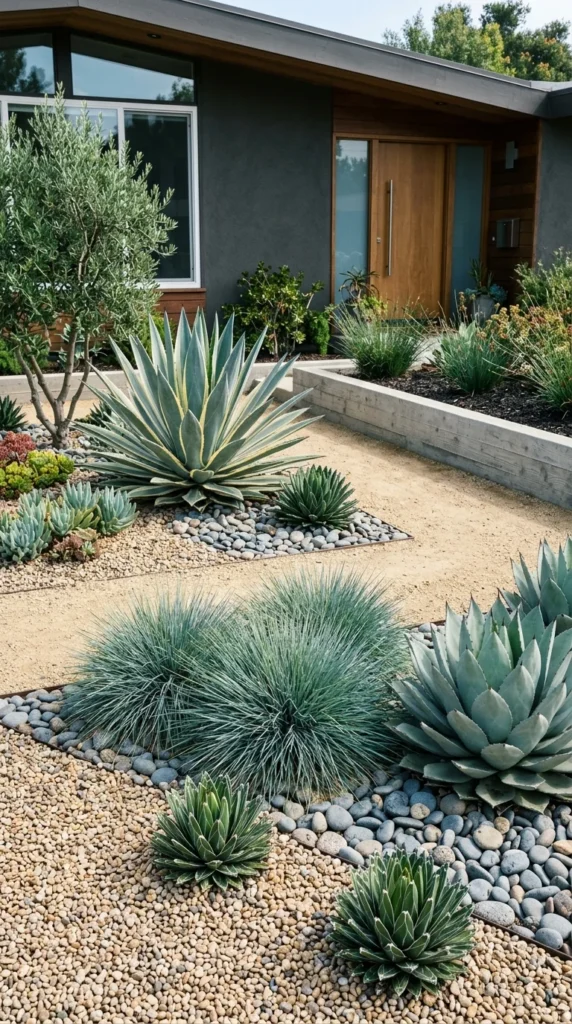
Xeriscaping is a landscaping philosophy designed specifically for areas prone to drought or for gardeners looking to minimize water usage. It involves choosing drought-tolerant plants and using inorganic mulches like gravel or river rock to create a low-maintenance, high-impact aesthetic. By grouping plants with similar low-water needs together (a practice known as hydrozoning), you ensure that no drop of water is wasted. Xeriscaped gardens are incredibly hardy and can survive even the harshest summers with almost no intervention.
11. Vertical Gardening
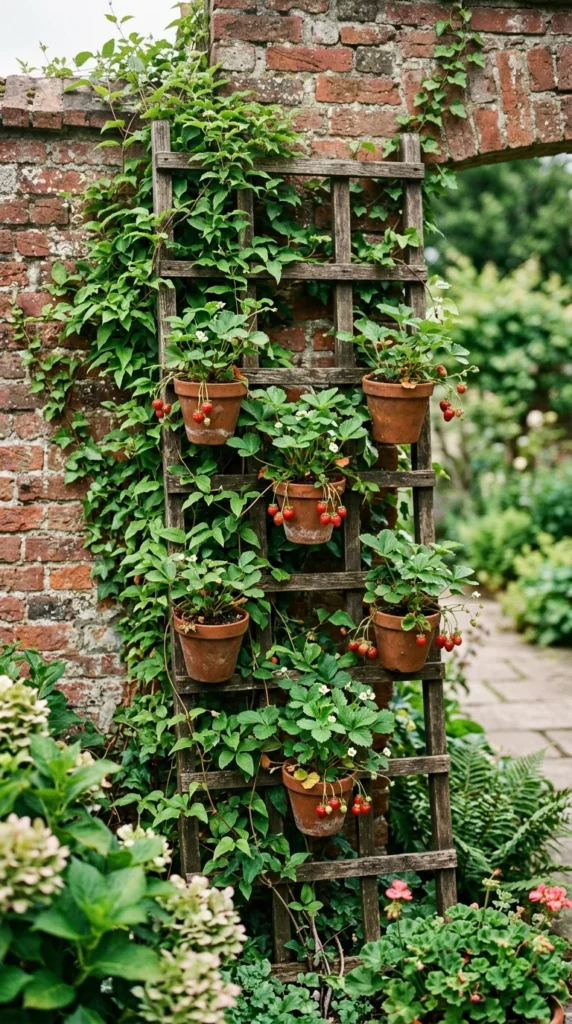
When garden space is limited, the only way to go is up. Vertical gardening uses trellises, arbors, and wall-mounted planters to maximize your growing area. This technique saves time by making harvesting easier—no more bending over—and improves air circulation around the plants, which reduces the risk of disease. Additionally, climbing plants can provide natural shade for smaller, cool-weather crops growing beneath them, reducing the water needs of the shaded plants. It is a highly efficient way to increase your yield without expanding your garden’s footprint.
12. Natural Fertilizers
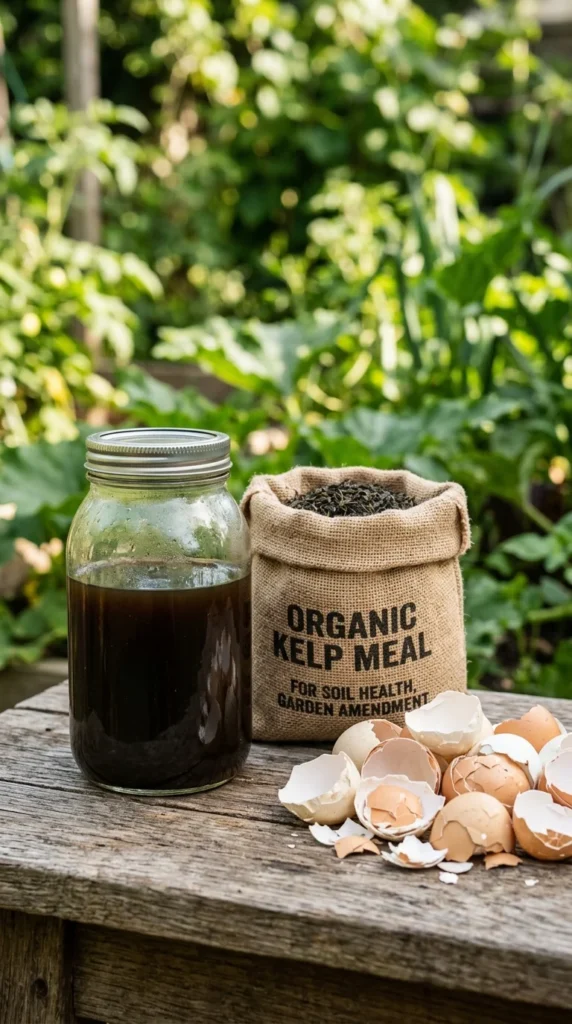
Synthetic fertilizers often provide a quick boost but can damage soil health over time and are expensive to purchase. Natural alternatives—such as seaweed extract, fish emulsion, or even “teas” made from comfrey or manure—provide a wide array of micronutrients that synthetics often lack. Using crushed eggshells for calcium or coffee grounds for a slight nitrogen boost and soil acidity are excellent ways to upcycle household waste into plant food. These natural options build long-term soil fertility, leading to stronger plants that require less “rescue” care.
13. Integrated Pest Management
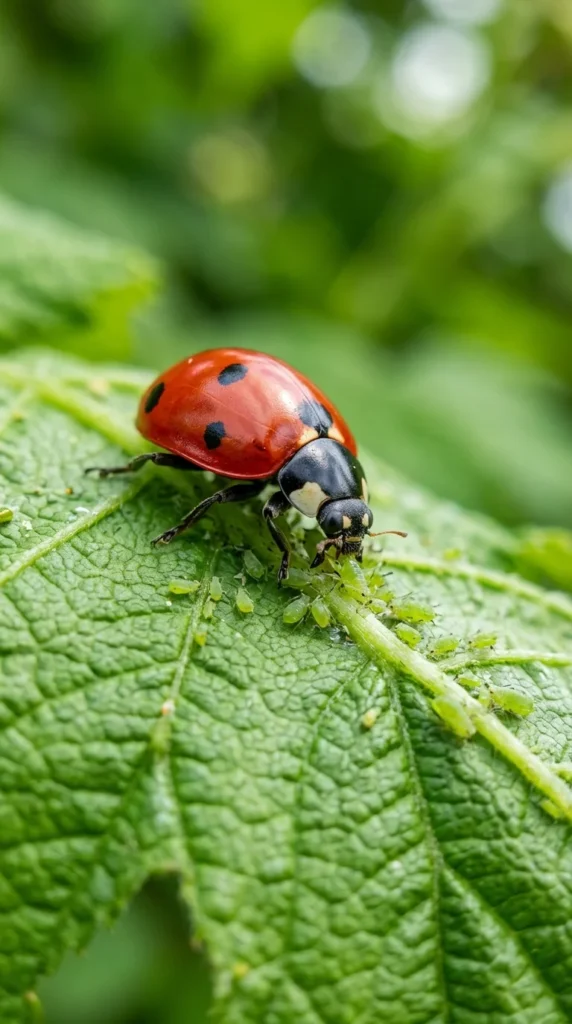
Integrated Pest Management (IPM) is a strategy that focuses on long-term prevention of pests through a combination of techniques such as biological control, habitat manipulation, and the use of resistant varieties. Instead of reaching for a chemical spray at the first sign of a bug, an IPM approach might involve attracting predatory insects like lacewings and ladybugs to do the work for you. This creates a self-regulating ecosystem where “good bugs” keep the “bad bugs” in check. It saves money on chemicals and prevents the “treadmill effect” where pests become resistant to sprays.
14. Soil Testing
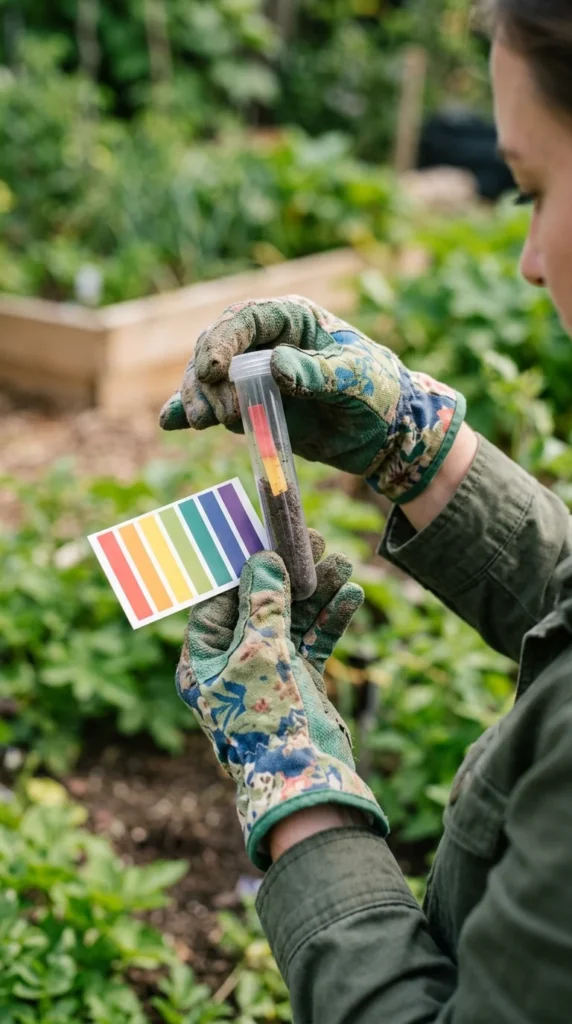
You cannot manage what you do not measure. Many gardeners waste money on fertilizers and amendments that their soil doesn’t actually need. A professional soil test (often available through local university extension offices) provides a detailed breakdown of your soil’s pH and nutrient levels. By knowing exactly what your soil lacks, you can apply only the necessary amendments. This “precision gardening” saves money, prevents nutrient runoff into the environment, and ensures your plants have the exact foundation they need to thrive.
15. Propagation
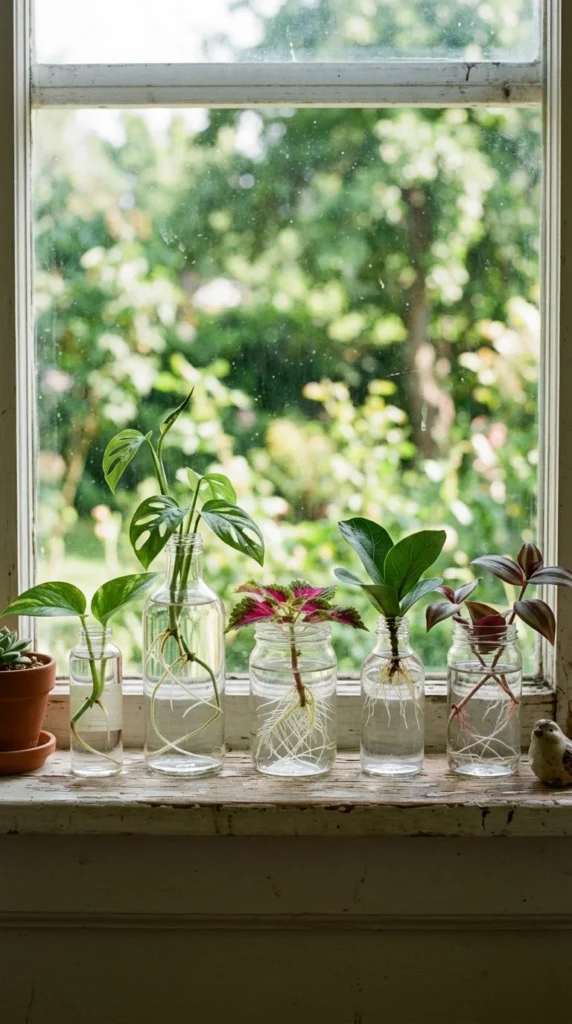
Propagation is the art of creating new plants from those you already own. Whether through stem cuttings, leaf cuttings, or root division, propagation is a zero-cost way to fill your garden beds. Many popular shrubs, herbs, and houseplants can be easily cloned in a glass of water or a small pot of moist sand. This eliminates the need to visit the nursery for every new addition to your landscape. Over time, a skilled propagator can populate an entire yard with high-quality plants for the price of a single original specimen.
16. Intelligent Design
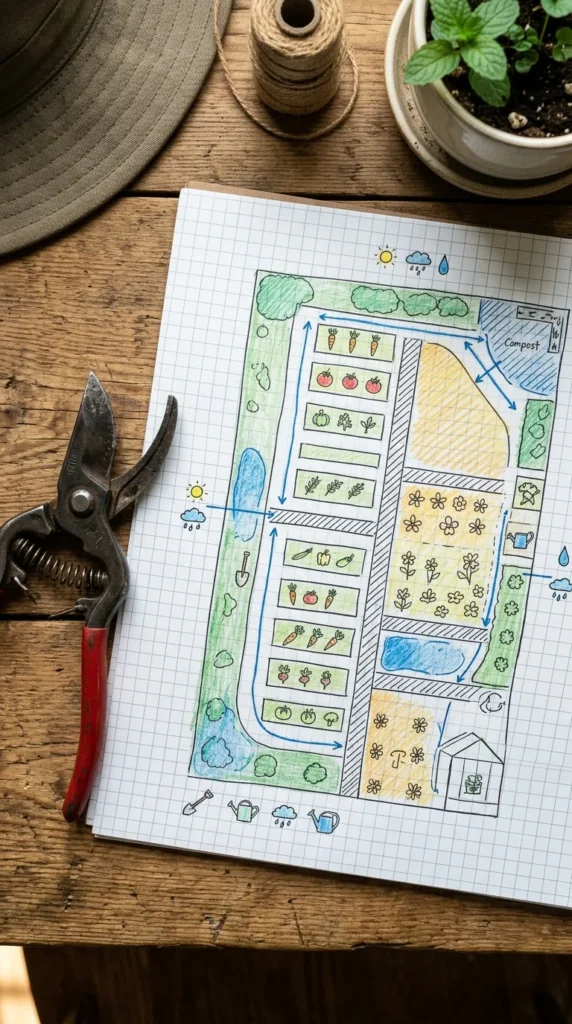
The foundation of a sustainable garden is a smart layout. By grouping plants into “hydrozones” based on their water requirements, you avoid overwatering drought-tolerant species or underwatering thirsty ones. Placing high-maintenance plants closer to the house (Zones 1 and 2) ensures they get the attention they need, while hardy, self-sufficient plants can be placed further away. Taking the time to observe the sun patterns and wind directions in your yard before planting will save you the labor of moving plants later and ensure that every seedling is placed in its “happy place” from the start.