
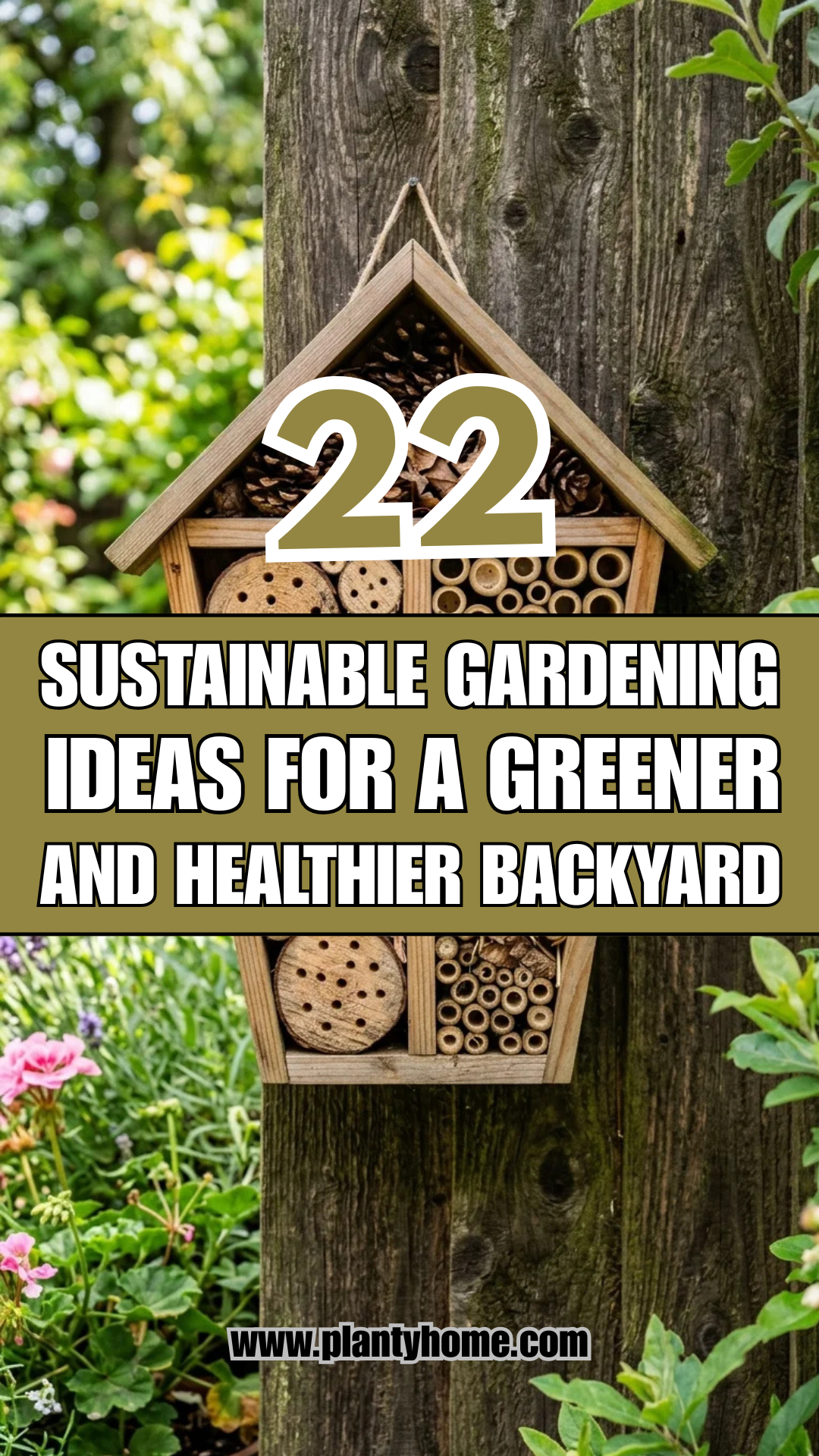
Sustainable gardening is more than just a hobby; it is a commitment to working with nature rather than against it. By adopting eco-friendly practices, gardeners can reduce their carbon footprint, conserve water, and create a thriving ecosystem that supports local wildlife. Transforming your backyard into a sustainable sanctuary requires a shift in perspective—viewing every leaf, drop of water, and insect as a vital part of a larger, interconnected system. Here are 22 comprehensive ideas to help you cultivate a greener, healthier, and more resilient garden.
1. Composting
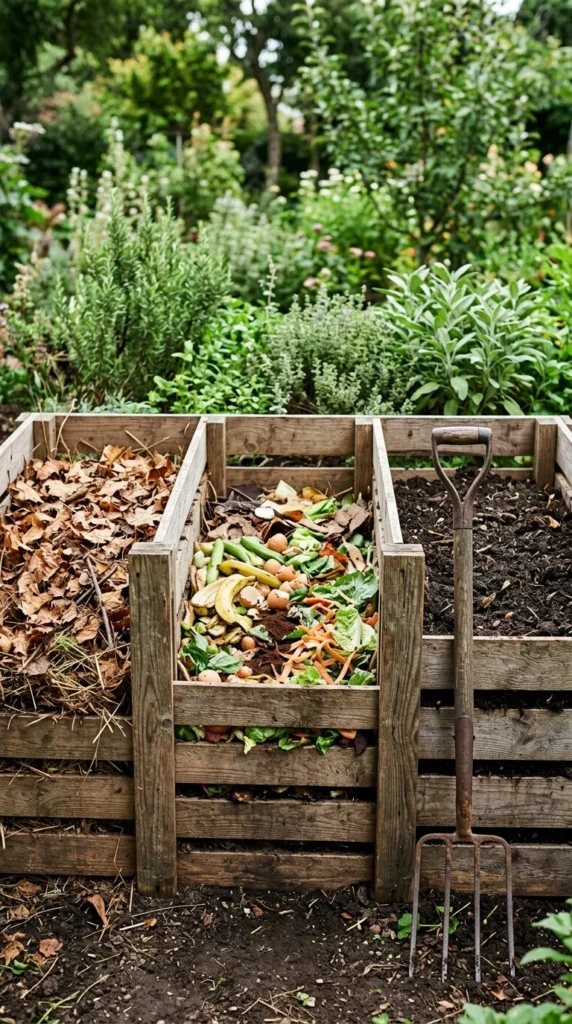
Composting is often referred to as “black gold” for a reason. It is the process of recycling organic matter, such as kitchen scraps and yard waste, into a nutrient-rich soil conditioner. By starting a compost pile or bin, you divert waste from landfills—where it would otherwise produce methane—and create a free source of fertilizer. A healthy compost pile requires a balance of “greens” (nitrogen-rich materials like fruit peels and grass clippings) and “browns” (carbon-rich materials like dried leaves and cardboard).
2. Rain Barrels
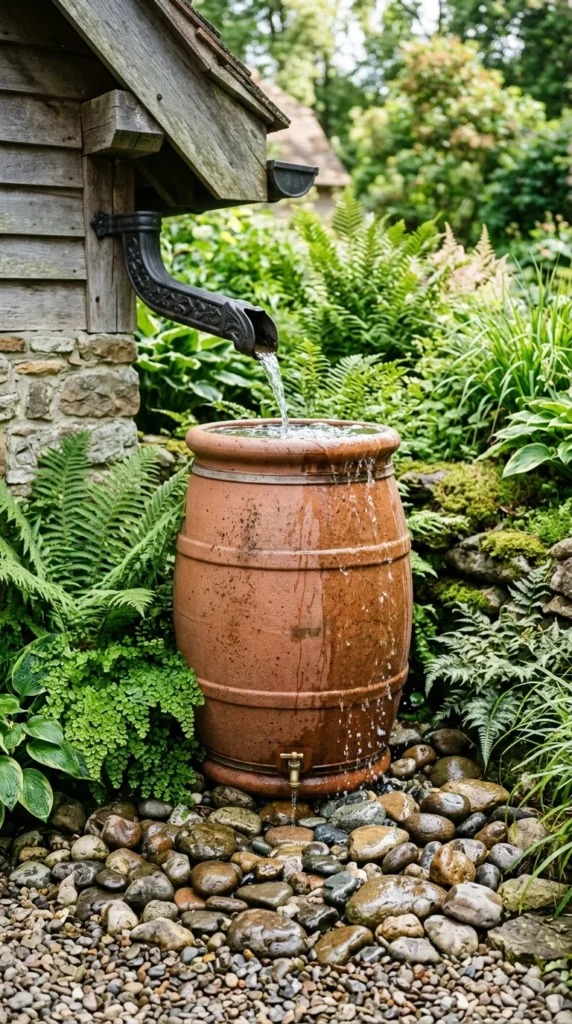
Water conservation is a cornerstone of sustainable gardening. Rain barrels collect runoff from your roof, providing a free and chlorine-free source of water for your plants. This not only reduces your municipal water bill but also mitigates the impact of stormwater runoff, which can carry pollutants into local waterways. During dry spells, having a stored supply of rainwater ensures your garden stays hydrated without straining local resources.
3. Native Plants
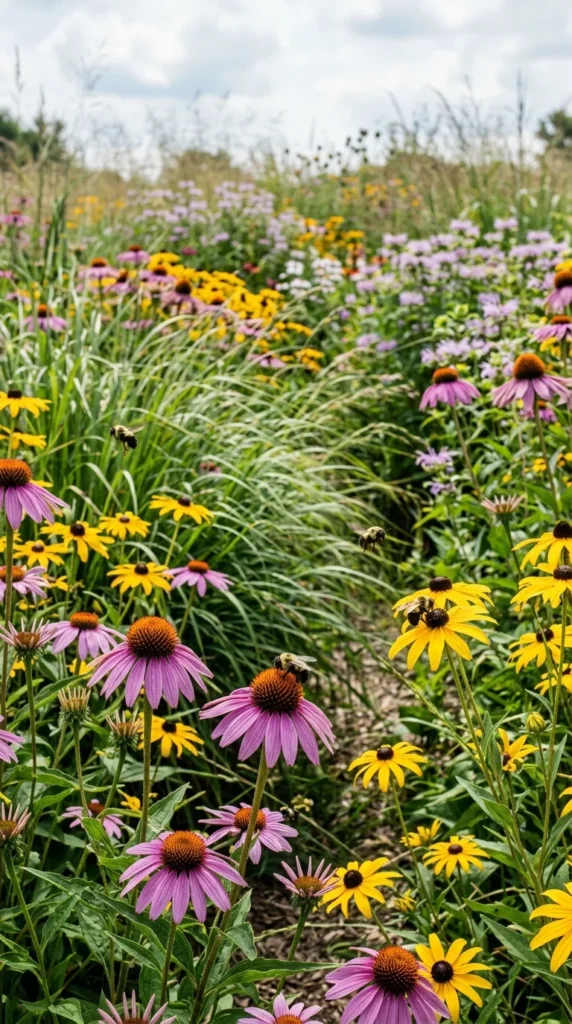
Native plants are species that have evolved over thousands of years in your specific region. Because they are adapted to the local climate and soil conditions, they generally require less water, fewer fertilizers, and no pesticides to thrive. Furthermore, native plants provide essential food and shelter for local pollinators and birds, helping to restore the biodiversity that is often lost in urban and suburban landscapes.
4. Mulching
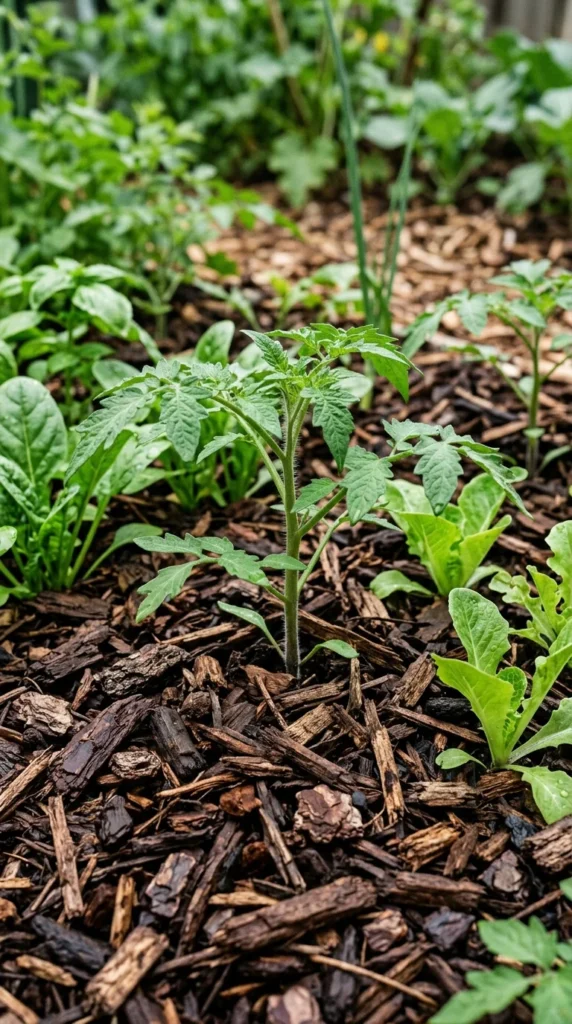
Mulching is a simple yet powerful technique for maintaining soil health. A thick layer of organic mulch—such as wood chips, straw, or shredded leaves—acts as a protective blanket for the soil. It suppresses weed growth, regulates soil temperature, and significantly reduces evaporation, keeping moisture where the plants need it most. As the mulch decomposes, it adds valuable organic matter back into the earth.
5. Pollinator Gardens
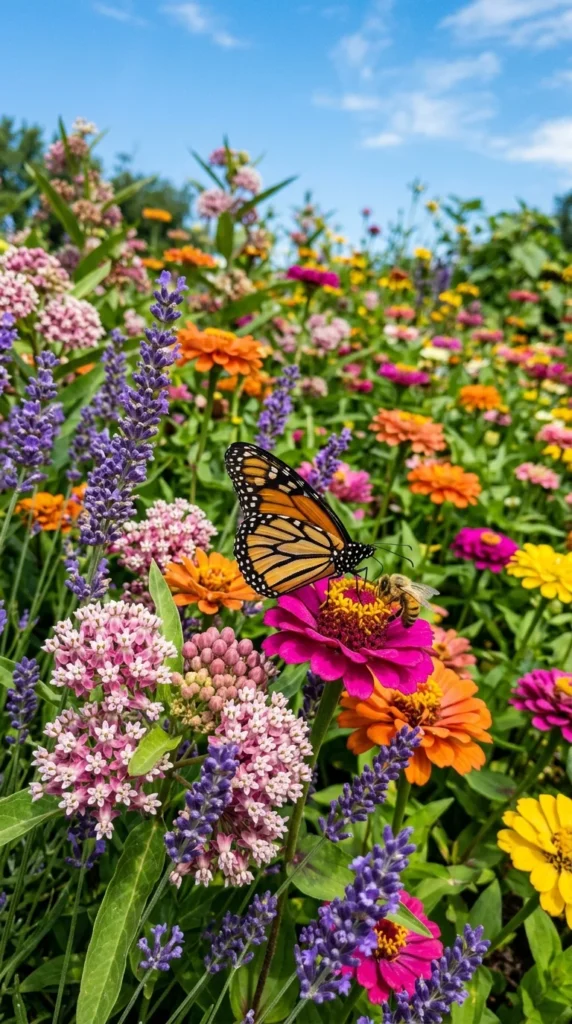
Pollinators like bees, butterflies, and hummingbirds are essential for the reproduction of many plants, including many of the crops we eat. To support them, dedicate a portion of your garden to high-nectar flowers. Aim for a variety of bloom shapes and colors, and ensure something is in flower from early spring through late autumn. Avoiding chemical pesticides is crucial here, as even small amounts can be lethal to these delicate creatures.
6. Vertical Gardening
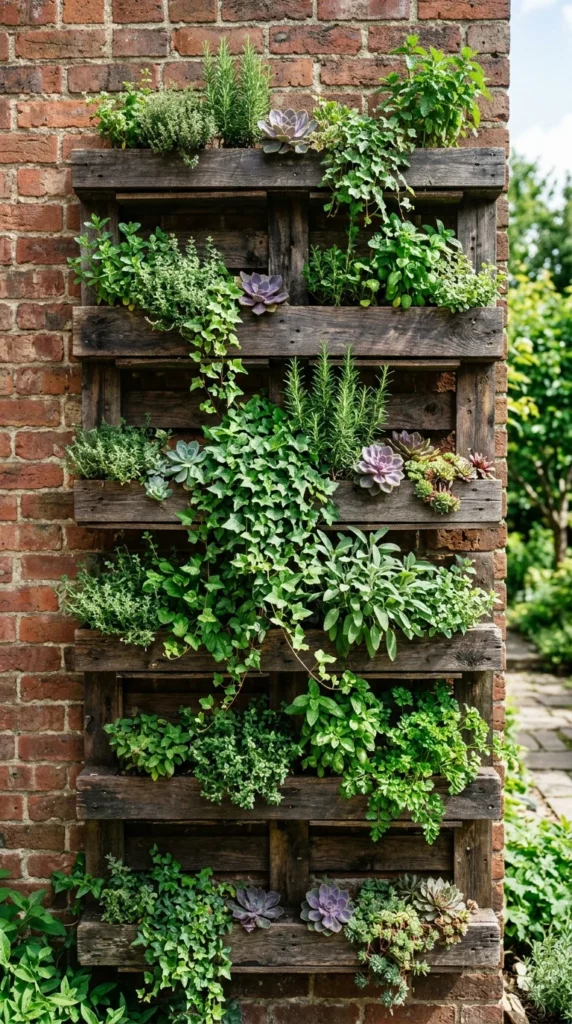
If you have a small backyard, vertical gardening allows you to maximize your growing space while reducing your environmental footprint. By using trellises, wall-mounted planters, or towers, you can grow food and flowers upward. This method improves air circulation around plants, which helps prevent fungal diseases, and makes harvesting much easier on the back. It also provides natural insulation and cooling for your home if placed against an exterior wall.
7. Drip Irrigation
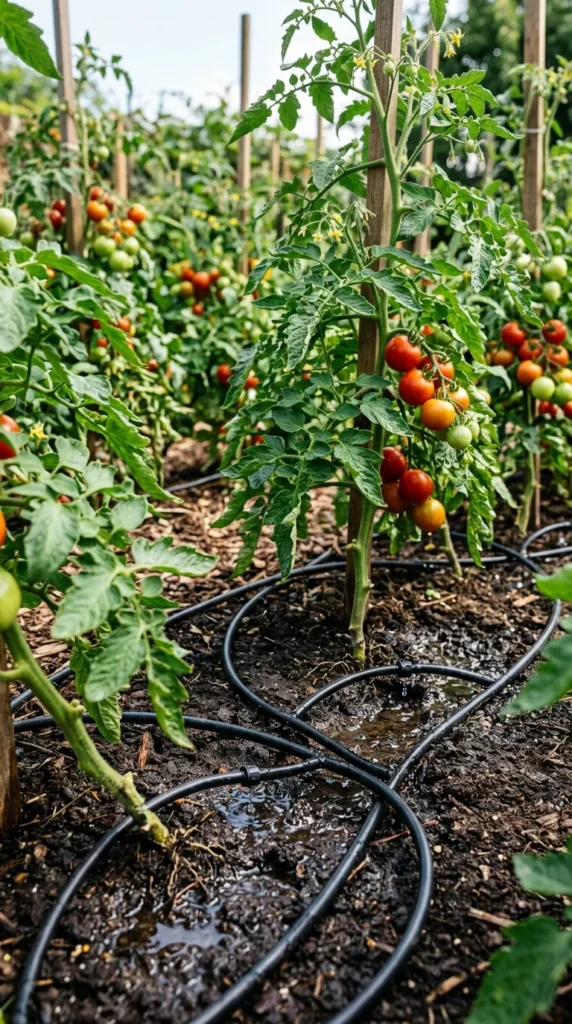
Traditional overhead sprinklers are often inefficient, as much of the water is lost to evaporation or wind. Drip irrigation systems deliver water directly to the roots of the plants, which is the most efficient way to hydrate. This targeted approach prevents water waste and keeps foliage dry, which reduces the risk of leaf-borne diseases. Many systems can be hooked up to a timer for even greater precision.
8. Organic Pest Control
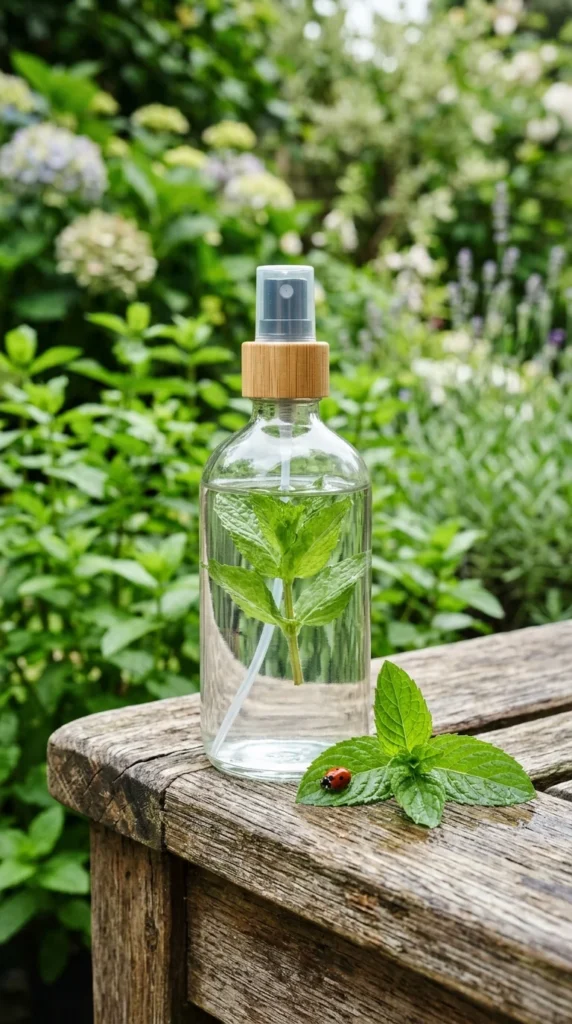
Sustainable gardening means ditching synthetic chemical pesticides that can harm beneficial insects and leach into the groundwater. Instead, embrace Integrated Pest Management (IPM). This includes encouraging natural predators like ladybugs and lacewings, using physical barriers like row covers, and applying homemade remedies such as neem oil or soap sprays. Often, a healthy, biodiverse garden will naturally regulate pest populations.
9. Permaculture Design
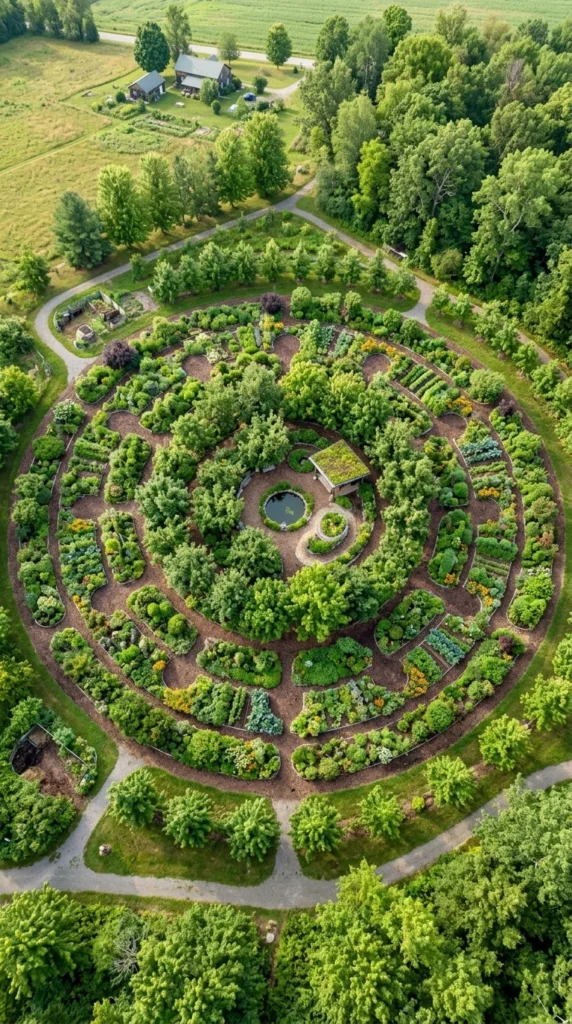
Permaculture is a design philosophy that seeks to create self-sustaining agricultural ecosystems. It involves observing natural patterns and placing garden elements in a way that they support each other. For example, planting a “guild” of nitrogen-fixing plants around a fruit tree creates a closed-loop system where the plants provide for one another’s needs, reducing the need for external inputs like synthetic fertilizers.
10. Companion Planting
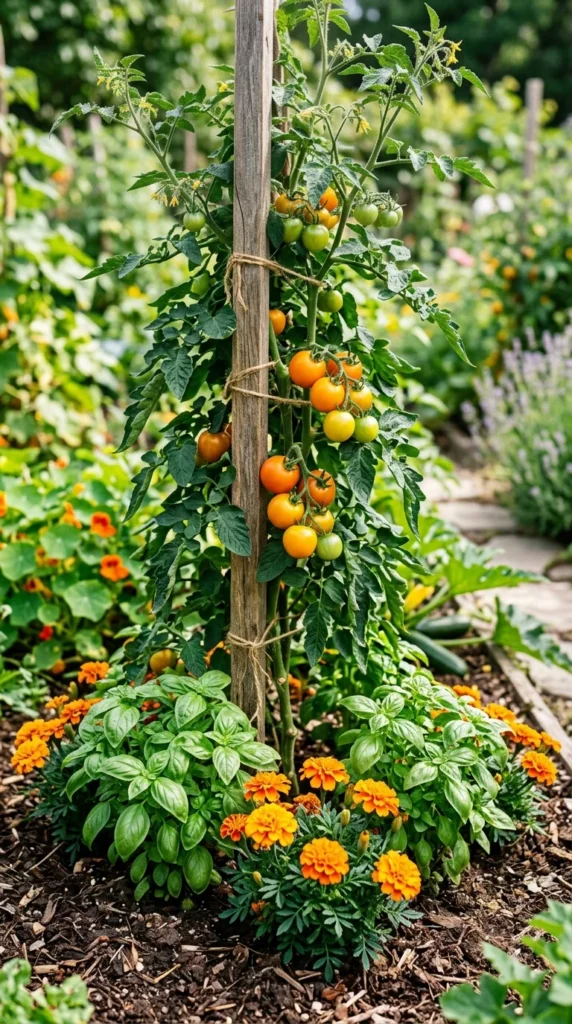
Companion planting is the practice of growing different plants together for mutual benefit. Some plants can deter pests from their neighbors, while others might improve the flavor of a vegetable or provide structural support. The classic “Three Sisters” combination of corn, beans, and squash is a prime example: the corn provides a ladder for the beans, the beans fix nitrogen in the soil, and the squash leaves shade the ground to keep it cool and moist.
11. Heirloom Seeds
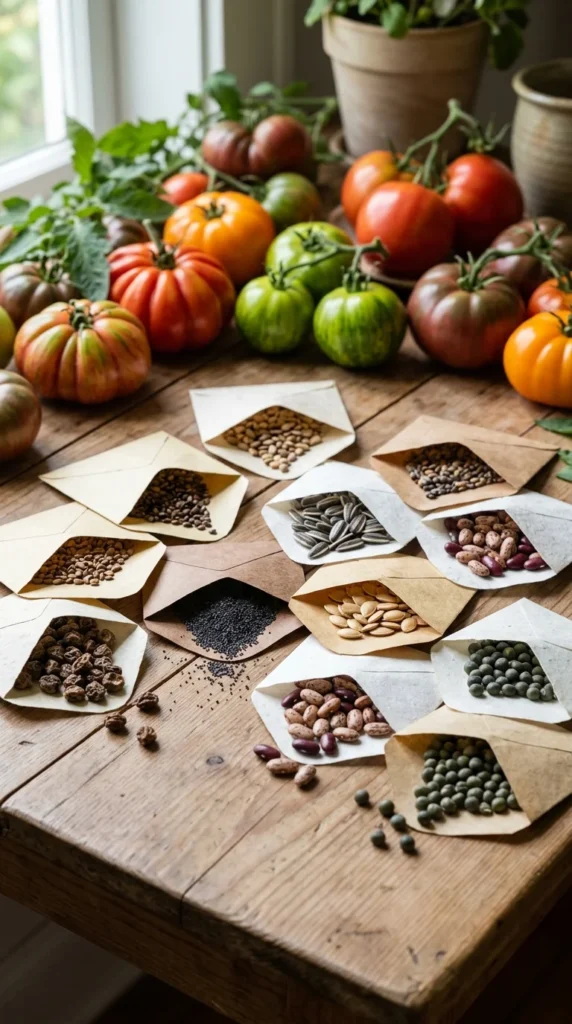
Heirloom seeds are varieties that have been passed down through generations, often prized for their superior flavor and genetic diversity. Unlike hybrid seeds, heirloom seeds can be saved year after year, allowing you to become self-sufficient in your seed supply. Growing heirlooms helps preserve agricultural heritage and ensures that a wide variety of plant genetics remains available for future generations.
12. No-Dig Gardening
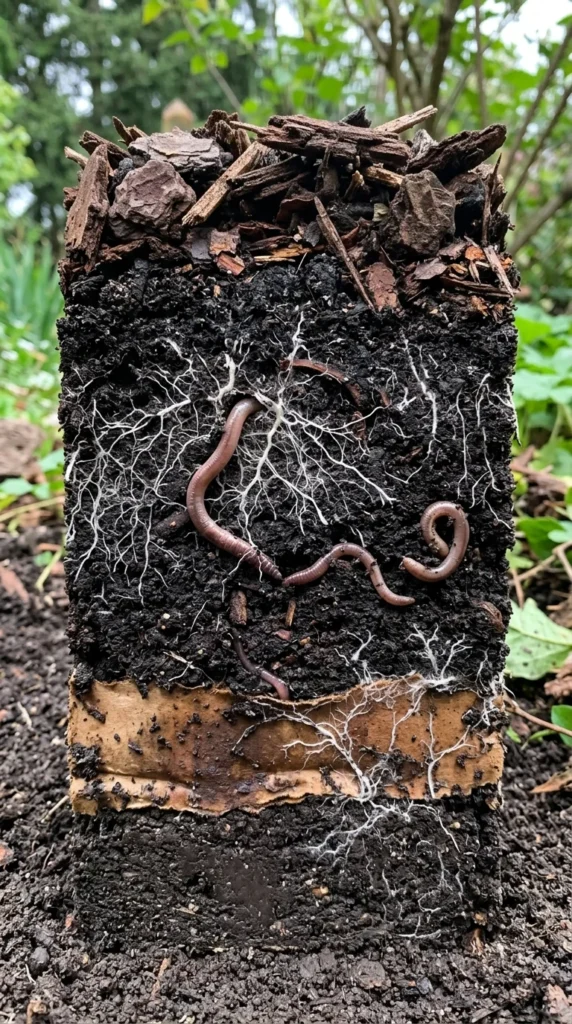
Traditional tilling can disrupt the complex social structure of the soil, killing beneficial microbes and earthworms. No-dig gardening involves layering organic matter on top of the soil rather than digging it in. This preserves the soil’s natural structure, protects the mycelial networks that help plants absorb nutrients, and keeps weed seeds buried deep where they cannot germinate.
13. Xeriscaping
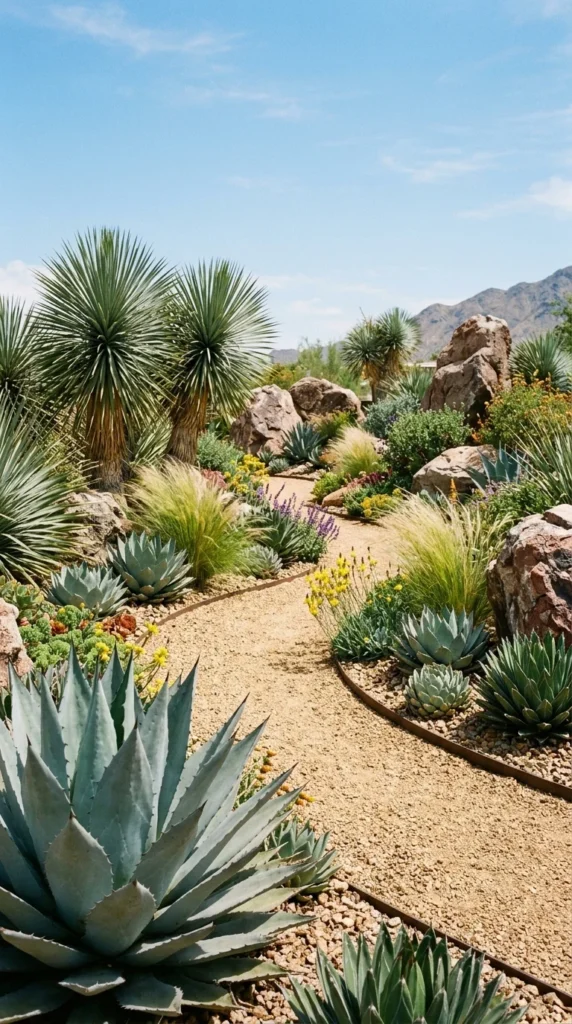
Xeriscaping is a landscaping method designed specifically for areas prone to drought or for gardeners looking to minimize water use. It emphasizes the use of slow-growing, drought-tolerant plants and efficient irrigation. By replacing thirsty lawns with gravel, mulch, and hardy perennials, you can create a beautiful, low-maintenance landscape that thrives even in the hottest, driest conditions.
14. Wildlife Habitats
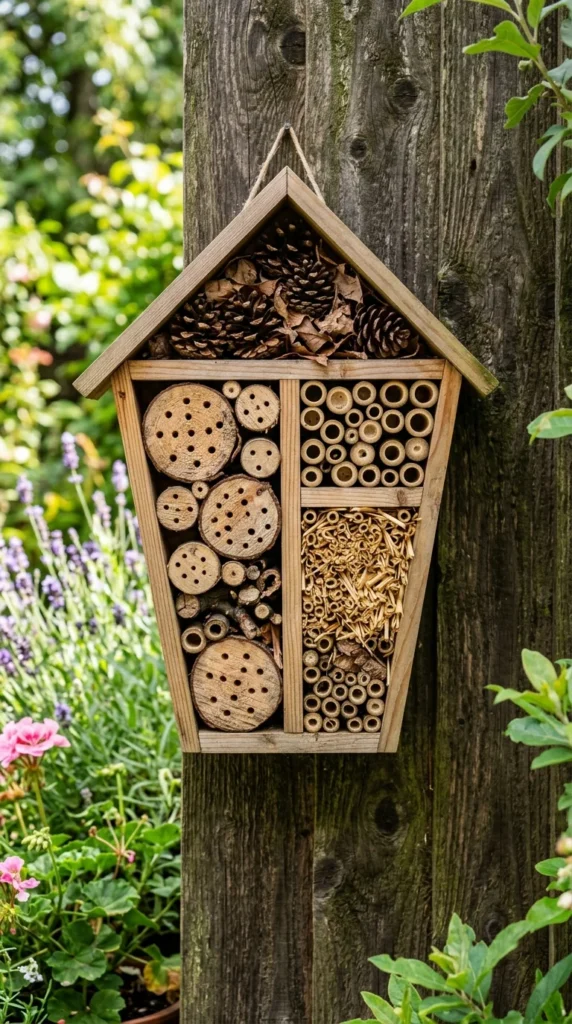
A sustainable garden should be a haven for more than just plants. By providing habitats such as birdhouses, bat boxes, and “insect hotels,” you encourage a wide range of creatures to take up residence. Even a simple pile of logs in a quiet corner can provide a home for beetles and toads. These animals play vital roles in the ecosystem, from pollination to natural pest control.
15. Edible Landscaping
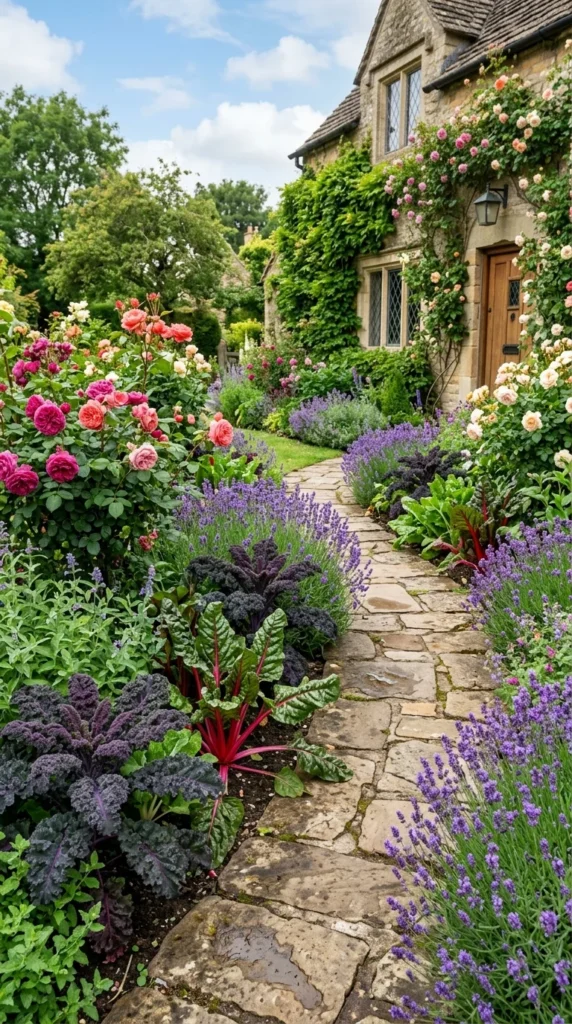
Why limit your food production to a hidden backyard patch? Edible landscaping integrates fruits, vegetables, and herbs into your ornamental garden beds. Blueberry bushes make excellent hedges, strawberry plants serve as beautiful groundcover, and rainbow chard adds striking color to flower borders. This maximizes the productivity of your land while maintaining a beautiful aesthetic.
16. Natural Fertilizers
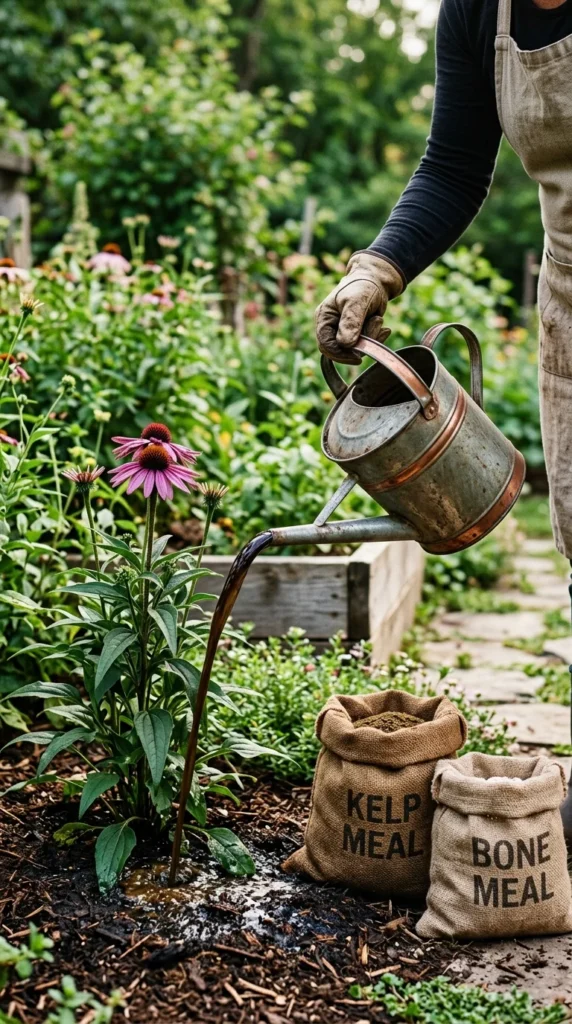
Instead of relying on petroleum-based synthetic fertilizers, look to nature for plant nutrition. Fish emulsion, seaweed extract, and compost tea are excellent organic options that feed both the plants and the soil microbes. These fertilizers release nutrients more slowly, reducing the risk of nutrient runoff into local streams and preventing the “salt burn” that can occur with chemical alternatives.
17. Solar Lighting
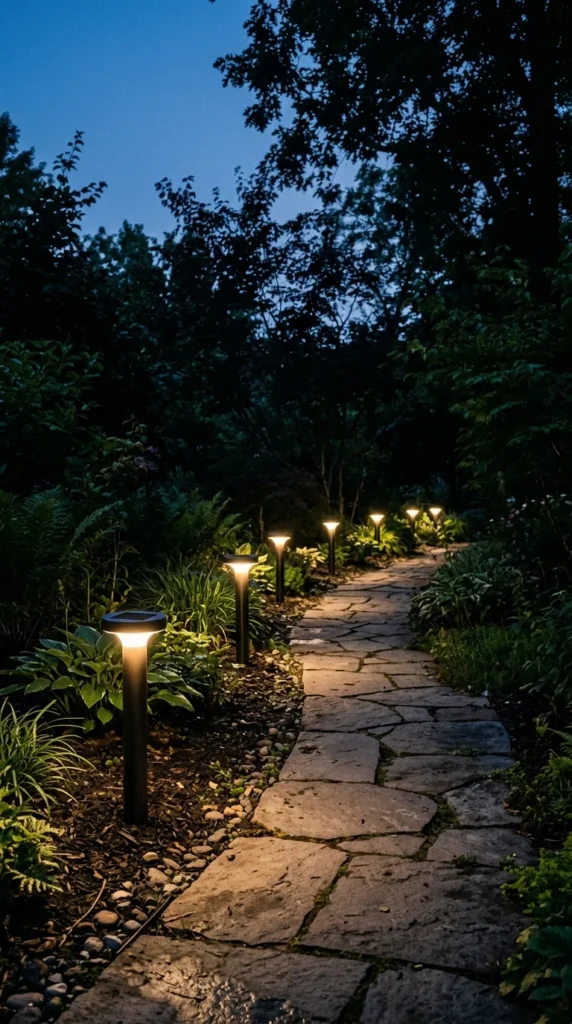
Lighting your garden at night doesn’t have to contribute to your electricity bill or carbon footprint. Solar-powered lights charge during the day and automatically illuminate your paths and garden features at night. They are easy to install, require no wiring, and use renewable energy to enhance the safety and beauty of your outdoor space.
18. Recycled Containers
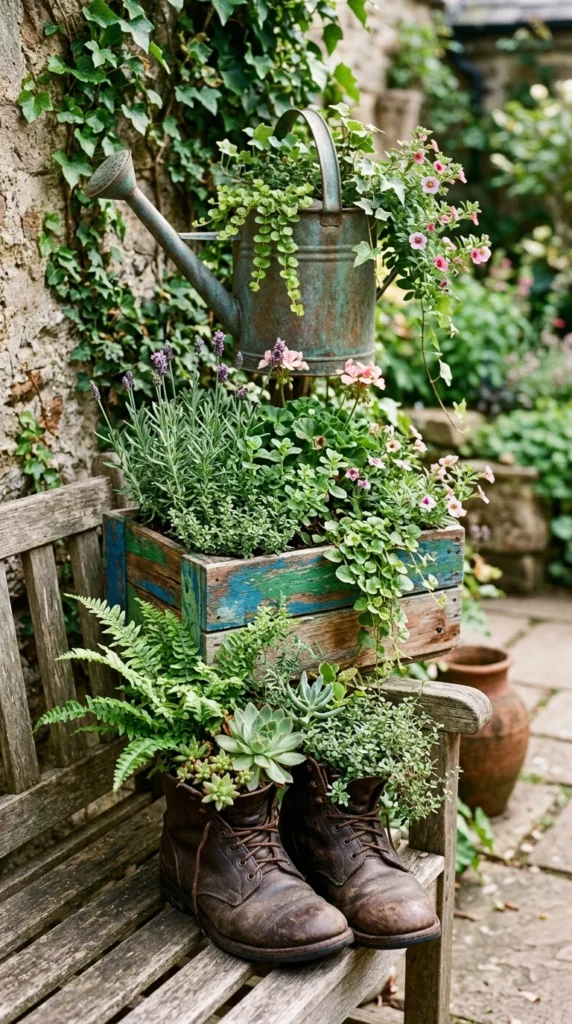
Sustainable gardening is an excellent opportunity to practice the “upcycling” philosophy. Old buckets, wooden crates, and even worn-out boots can be transformed into unique planters with just a few drainage holes. Using recycled containers keeps items out of the waste stream and adds a touch of whimsical, personal character to your garden.
19. Cover Crops
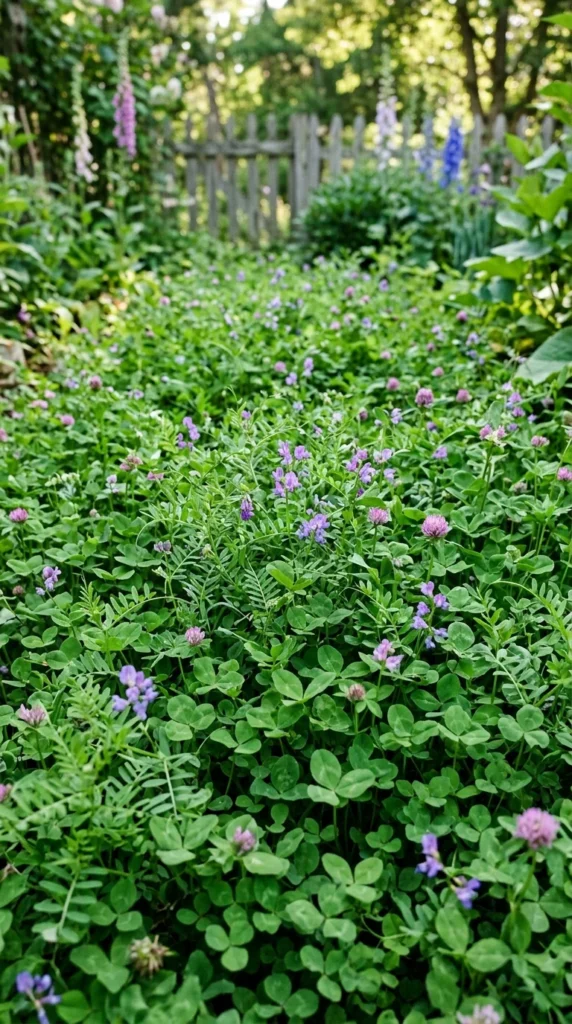
When your main growing season ends, don’t leave the soil bare. Planting cover crops like clover, winter rye, or vetch protects the soil from erosion caused by wind and rain. These “living mulches” also suppress weeds and, when tilled in or cut down in the spring, return a massive amount of organic matter and nitrogen to the soil, acting as a natural green manure.
20. Greywater Recycling
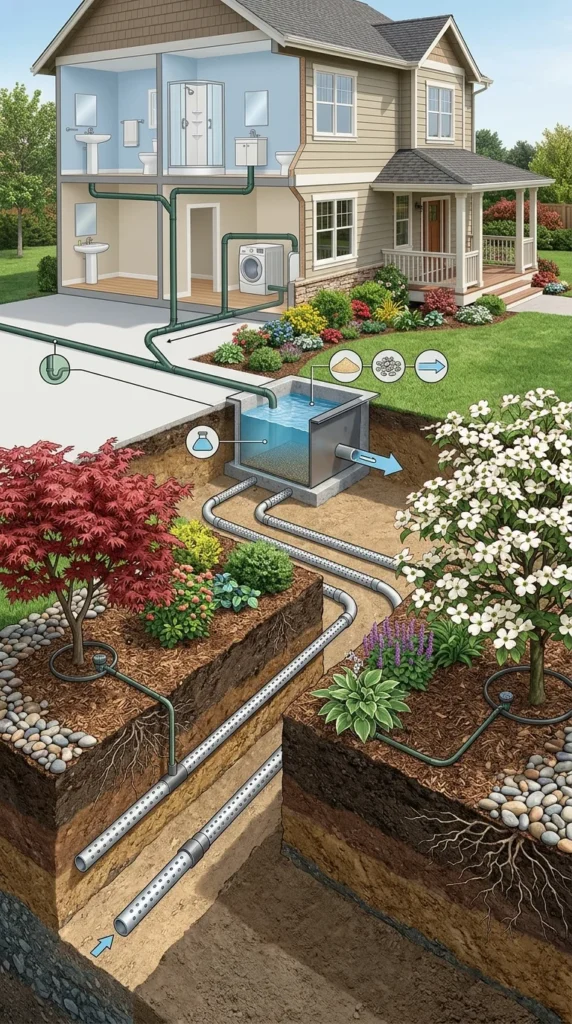
Greywater is the relatively clean waste water from baths, sinks, and washing machines. With the right filtration and setup, this water can be safely diverted to irrigate non-edible plants like trees and shrubs. This practice significantly reduces the demand for fresh potable water and makes use of a resource that would otherwise be sent straight to the sewer.
21. Grasscycling
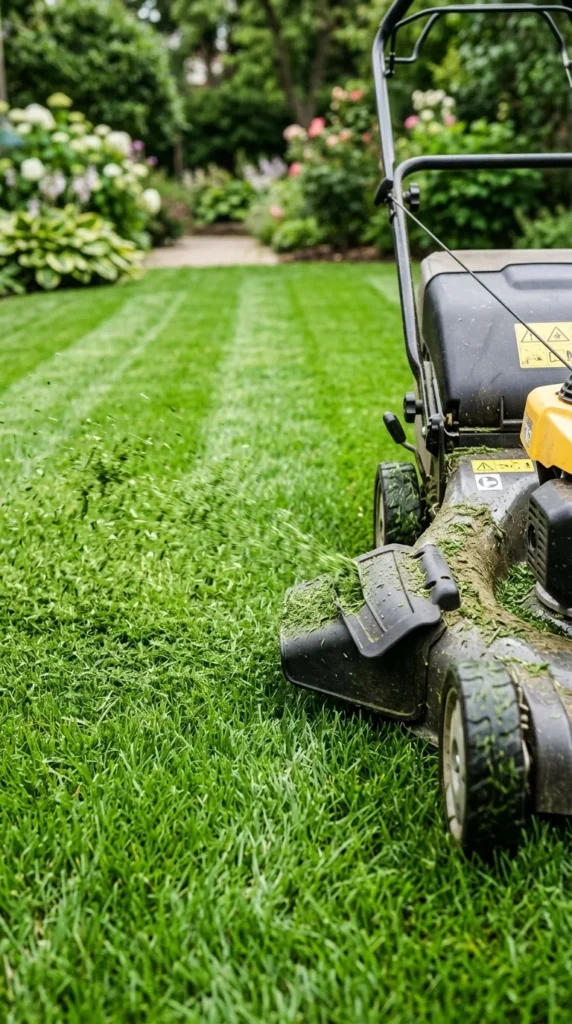
If you maintain a lawn, grasscycling is the easiest way to garden sustainably. Instead of bagging your grass clippings, leave them on the lawn after mowing. The clippings quickly decompose, returning valuable nitrogen and moisture to the soil. This can reduce your lawn’s fertilizer needs by up to 25% and saves you the time and effort of hauling away bags of waste.
22. Greenhouse Cultivation
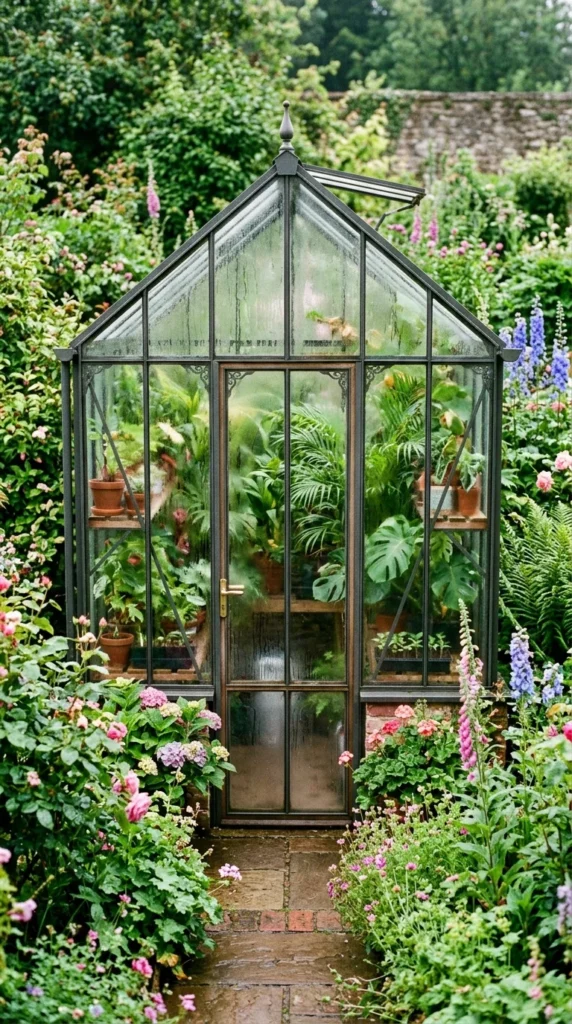
A greenhouse allows you to extend your growing season and protect delicate plants from harsh weather. By starting seeds indoors earlier or growing cold-hardy greens through the winter, you increase your food security and reduce the need for store-bought produce that has been shipped over long distances. Utilizing passive solar design in your greenhouse can keep it warm without the need for external heating.