
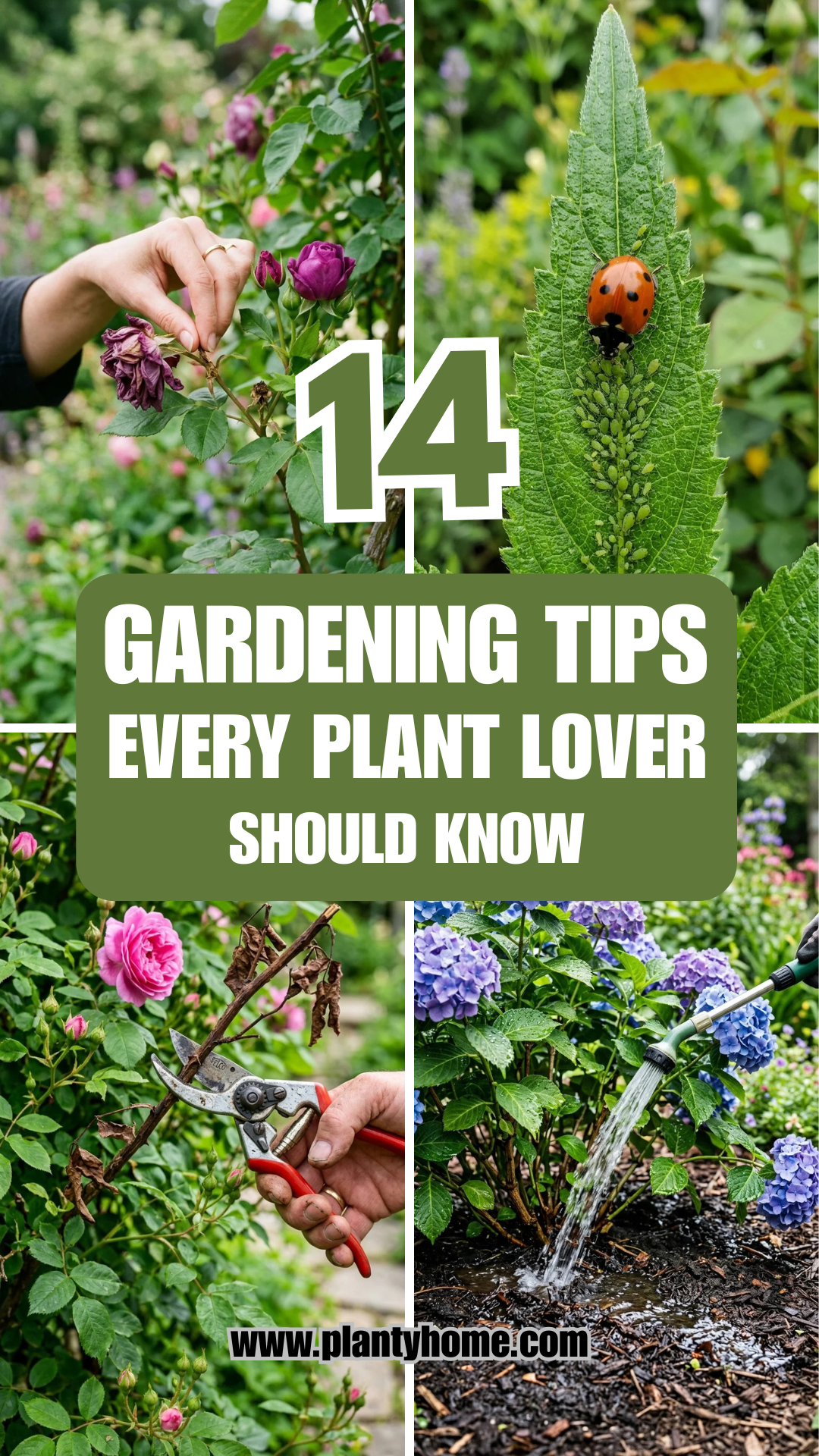
Gardening is a journey of patience, observation, and continuous learning. Whether you are tending to a sprawling backyard vegetable patch or a few curated pots on a balcony, the principles of horticulture remain the same. To transform a struggling plot into a thriving sanctuary, one must look beyond the surface and understand the intricate relationship between soil, sun, water, and biology. Here are fourteen essential tips to help your garden reach its full potential.
1. Soil Testing
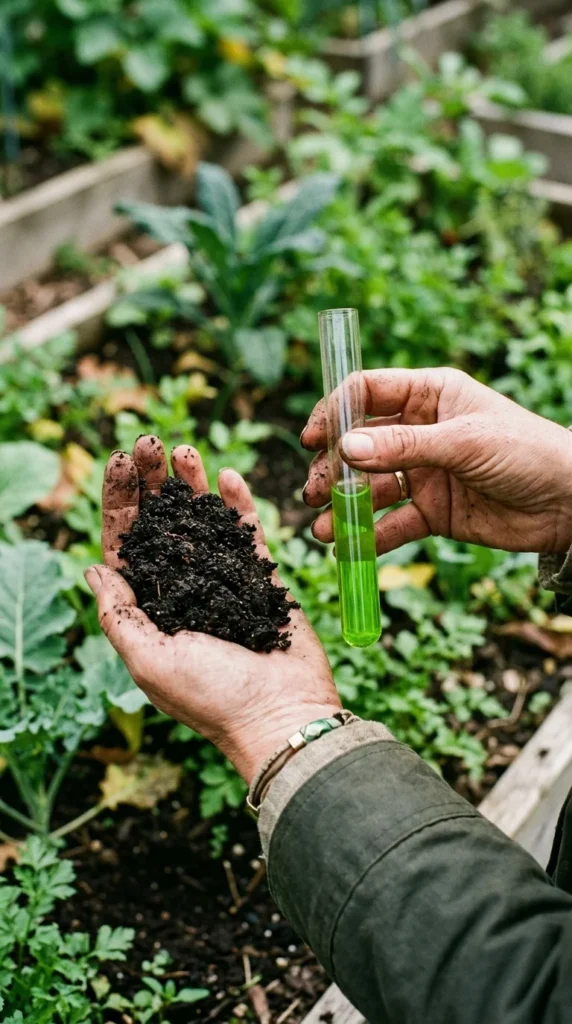
The foundation of every successful garden is the soil. Before you plant a single seed, it is vital to understand the composition and pH level of your earth. Soil testing kits are readily available and can reveal whether your soil is acidic, alkaline, or neutral. Most vegetables and ornamental plants thrive in a slightly acidic to neutral range (6.0 to 7.0 pH).
Testing also identifies nutrient deficiencies in nitrogen, phosphorus, and potassium. By knowing what your soil lacks, you can apply targeted amendments rather than guessing. Adding organic matter, like well-rotted manure or compost, can improve the structure of sandy soil (to hold water) or clay soil (to improve drainage).
2. Mulching
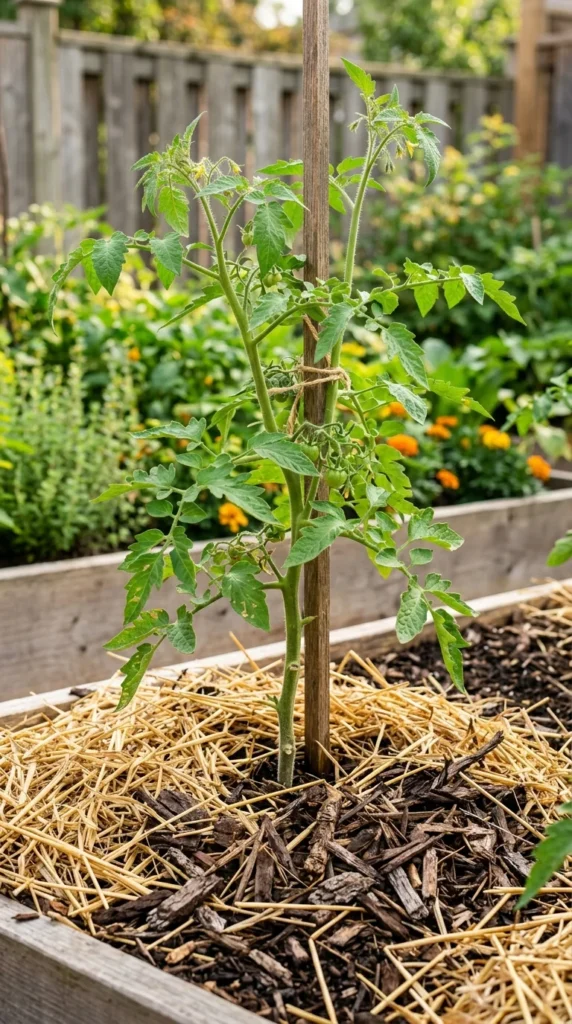
Mulching is often the difference between a high-maintenance garden and a self-sustaining one. Applying a two-to-three-inch layer of organic mulch—such as wood chips, straw, or shredded leaves—serves multiple purposes. First, it acts as an evaporative barrier, keeping moisture in the soil even during the height of summer.
Second, mulch suppresses weed growth by blocking sunlight from reaching weed seeds. Third, as organic mulch decomposes over time, it feeds the soil microorganisms, creating a rich humus layer. Always ensure the mulch is kept a few inches away from the stems of plants to prevent rot and pest nesting.
3. Deep Watering
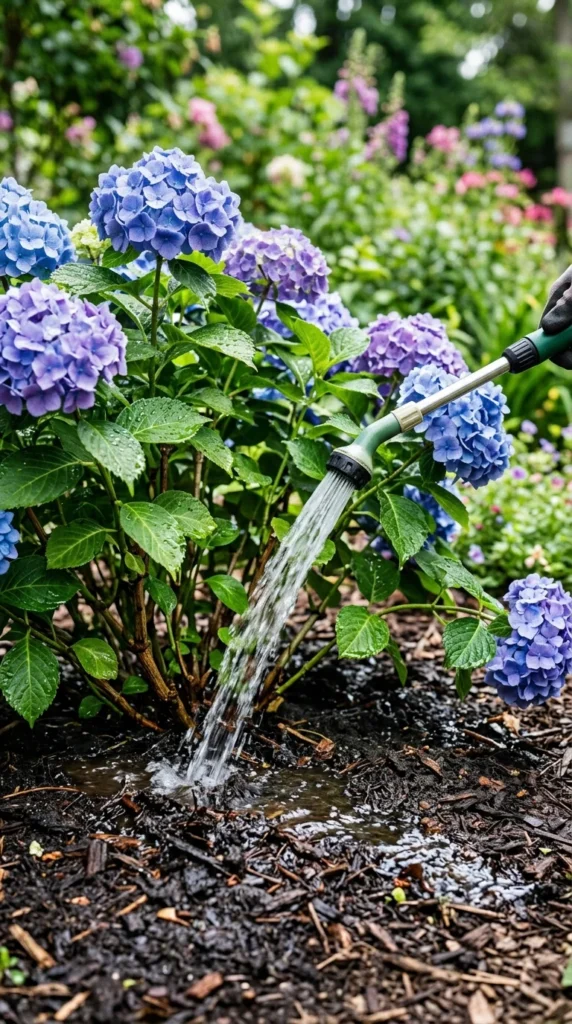
Many gardeners make the mistake of watering lightly and frequently. This encourages roots to stay near the surface, where they are vulnerable to heat and drought. The secret to resilient plants is deep watering. By delivering a large volume of water less frequently, you encourage the roots to grow deep into the ground in search of moisture.
Early morning is the best time to water. This allows the foliage to dry before evening, which significantly reduces the risk of fungal diseases like powdery mildew. If possible, use drip irrigation or soaker hoses to deliver water directly to the root zone, minimizing waste and preventing water from splashing onto delicate leaves.
4. Pruning
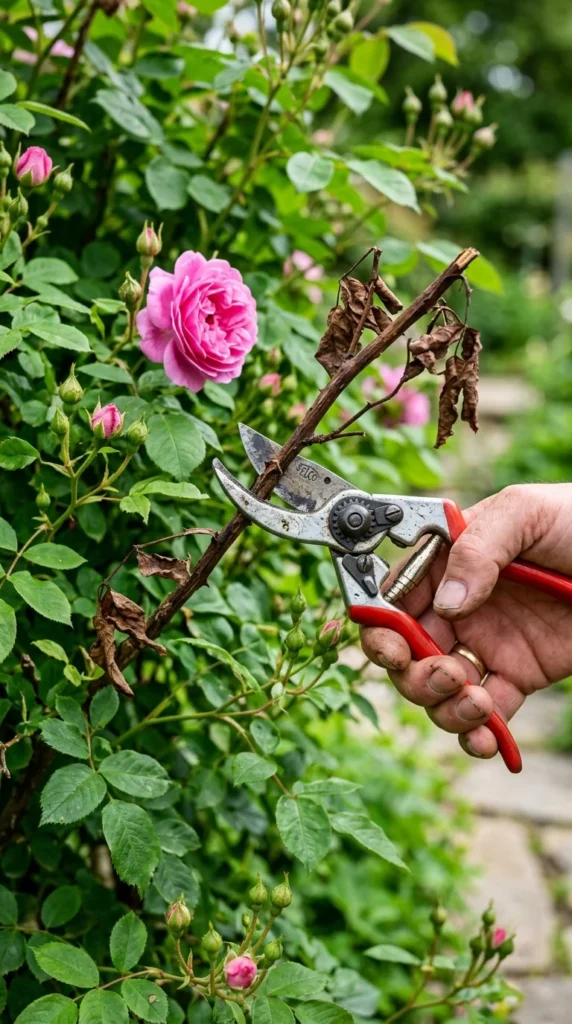
Pruning is not just about aesthetics; it is essential for the health and productivity of your plants. Removing dead, diseased, or crossing branches opens up the canopy, allowing light and air to reach the center of the plant. This increased air circulation prevents the buildup of moisture that harbors pathogens.
For flowering plants, pruning at the right time is crucial. Generally, spring-blooming shrubs should be pruned immediately after they finish flowering, while summer-bloomers should be pruned in late winter or early spring before new growth begins. Always use sharp, sterilized tools to make clean cuts, as jagged edges can invite infection.
5. Composting
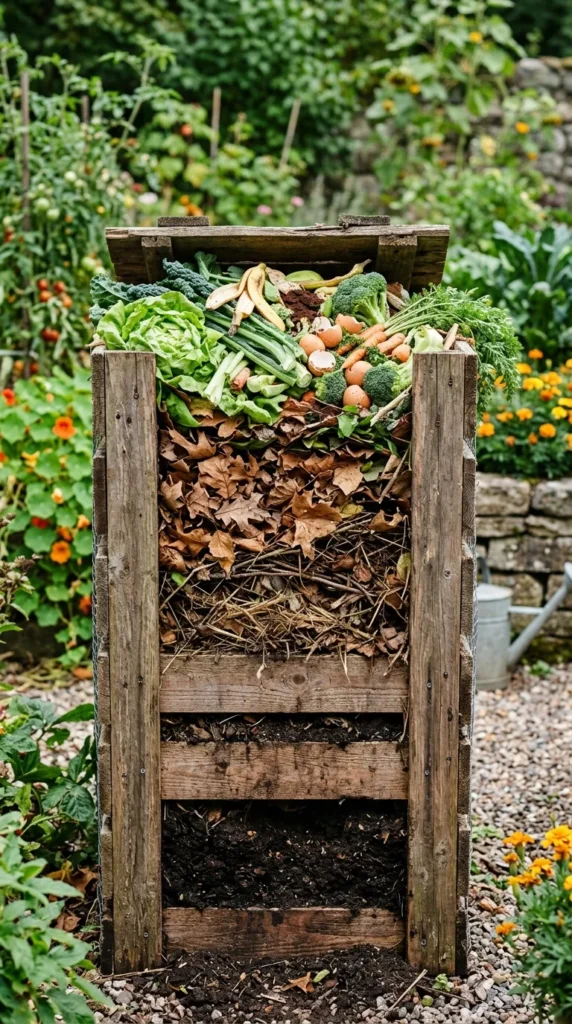
Often called “black gold,” compost is the most effective way to recycle nutrients back into your garden. By collecting kitchen scraps (excluding meat and dairy) and yard waste, you create a potent fertilizer that costs nothing. A healthy compost pile requires a balance of “greens” (nitrogen-rich materials like grass clippings and fruit peels) and “browns” (carbon-rich materials like cardboard and dry leaves).
Regularly turning the pile aerates it, speeding up the decomposition process. Once the material is dark, crumbly, and smells like a forest floor, it is ready to be mixed into your garden beds. This process not only feeds your plants but also improves soil texture and water retention.
6. Native Plants
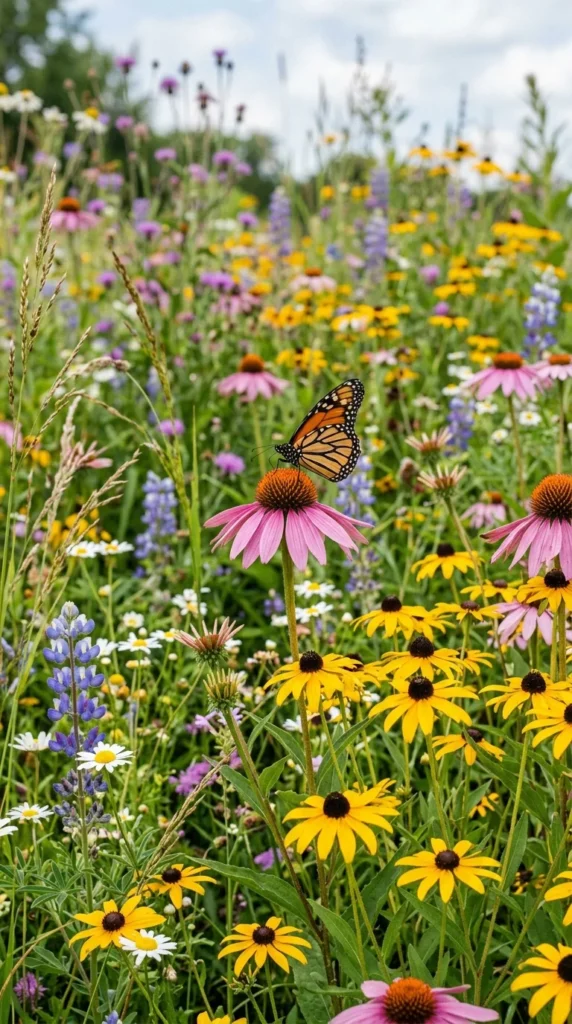
One of the easiest ways to ensure a successful garden is to work with nature rather than against it. Native plants are species that have evolved over thousands of years in your specific region. Because they are adapted to the local climate, soil, and rainfall patterns, they typically require less water and fewer fertilizers than exotic species.
Furthermore, native plants provide essential food and habitat for local pollinators, including bees, butterflies, and birds. By incorporating natives into your landscape, you create a mini-ecosystem that supports biodiversity and is far more resilient to local pests and weather extremes.
7. Pest Management
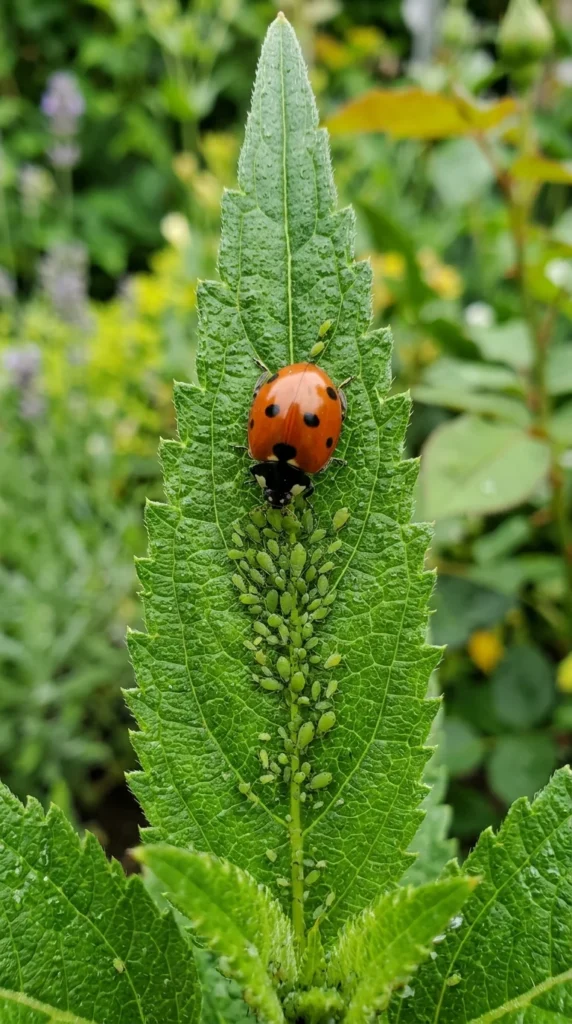
An integrated approach to pest management is more sustainable than reaching for chemical sprays. The first line of defense is observation. Regularly check the undersides of leaves for eggs or small insects. Many pests, like aphids or spider mites, can be knocked off with a strong blast of water from a garden hose.
Encouraging beneficial insects—such as ladybugs, lacewings, and predatory wasps—can keep pest populations in check naturally. If an intervention is necessary, opt for organic solutions like neem oil or insecticidal soap, which target pests with minimal impact on the surrounding environment.
8. Vertical Gardening
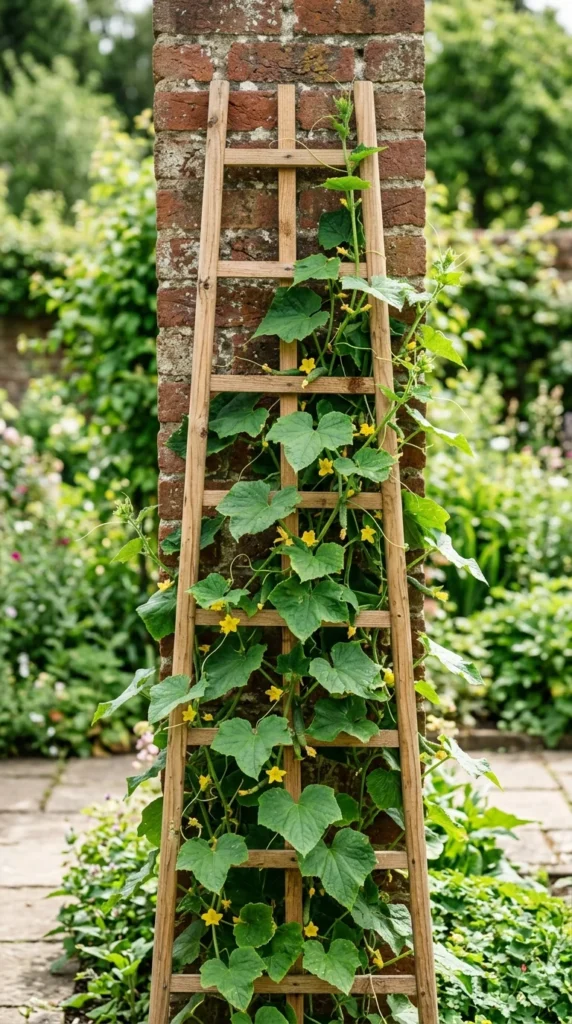
If you are limited on space, look up. Vertical gardening allows you to maximize your harvest by using trellises, fences, and wall-mounted planters. Climbing plants like peas, beans, cucumbers, and even small squashes thrive when they are allowed to grow vertically.
Beyond saving ground space, vertical gardening improves air circulation around the plants and keeps the fruit off the soil, which reduces the likelihood of rot and ground-dwelling pests. It also makes harvesting much easier on your back, as most of the produce is at eye or waist level.
9. Sunlight Exposure
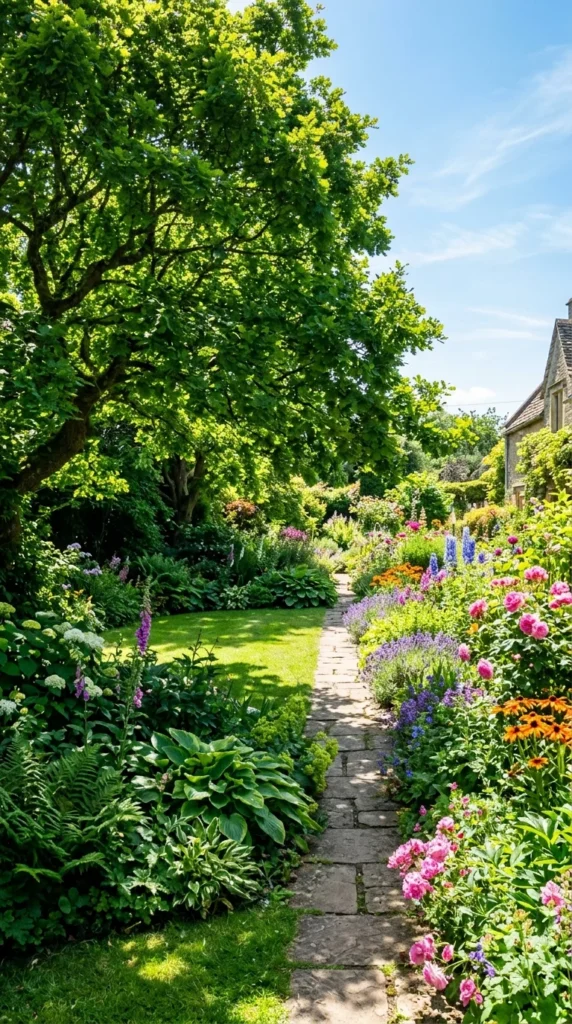
Every plant has a specific light requirement, and ignoring this is a recipe for failure. “Full sun” generally means at least six to eight hours of direct sunlight per day. “Partial shade” usually means three to six hours, while “shade” refers to less than three hours of direct sun.
Observe your garden throughout the day to see how shadows move across the landscape. Remember that the sun’s angle changes with the seasons; an area that is sunny in July might be completely shaded in October. Mapping these light patterns will help you place sun-loving tomatoes and shade-loving hostas in their ideal environments.
10. Fertilizing
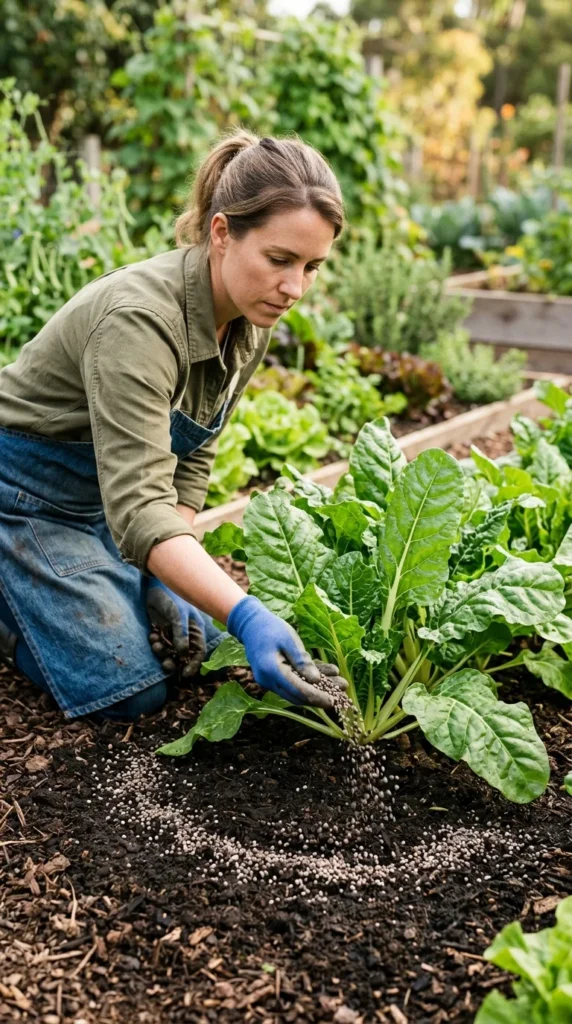
While compost provides a great baseline, many high-energy plants, like heavy-fruiting vegetables or roses, benefit from additional fertilization. However, more is not always better. Over-fertilizing can lead to “fertilizer burn,” where salts accumulate in the soil and dehydrate the roots. It can also cause a flush of tender green growth that attracts pests.
Use slow-release organic fertilizers that break down over several months, providing a steady stream of nutrients. Always apply fertilizer to the soil, not the foliage, and water it in thoroughly to ensure the nutrients reach the roots where they are needed most.
11. Companion Planting
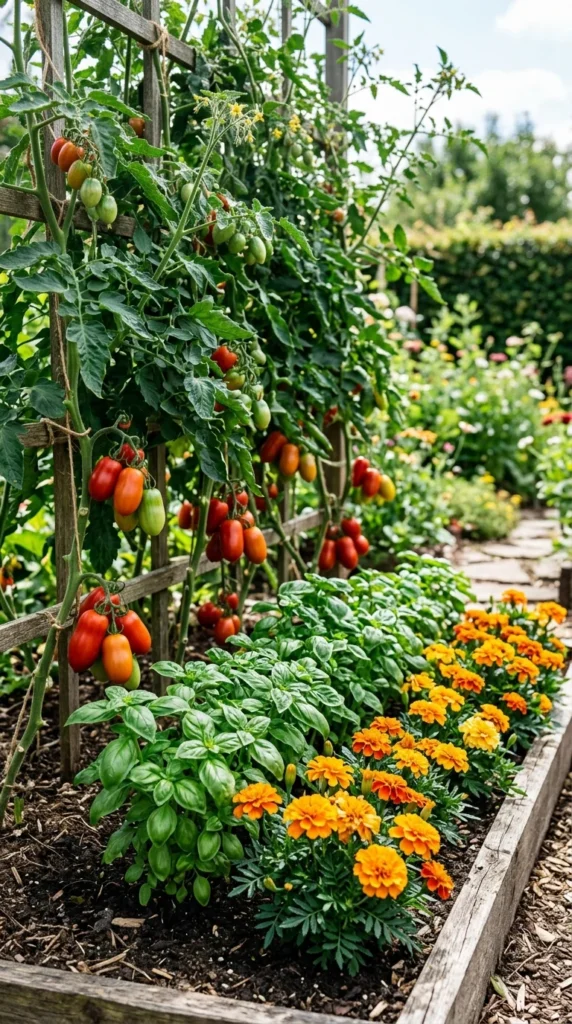
Companion planting is the practice of growing different plants together for mutual benefit. Some combinations help deter pests; for example, marigolds emit a scent that repels certain beetles, while onions can confuse pests that search for carrots by smell.
Other pairings improve growth or flavor. The classic “Three Sisters” combination—corn, beans, and squash—is a perfect example. The corn provides a structure for the beans to climb, the beans fix nitrogen in the soil to feed the corn, and the large squash leaves act as a living mulch to keep the soil cool and moist.
12. Tool Maintenance
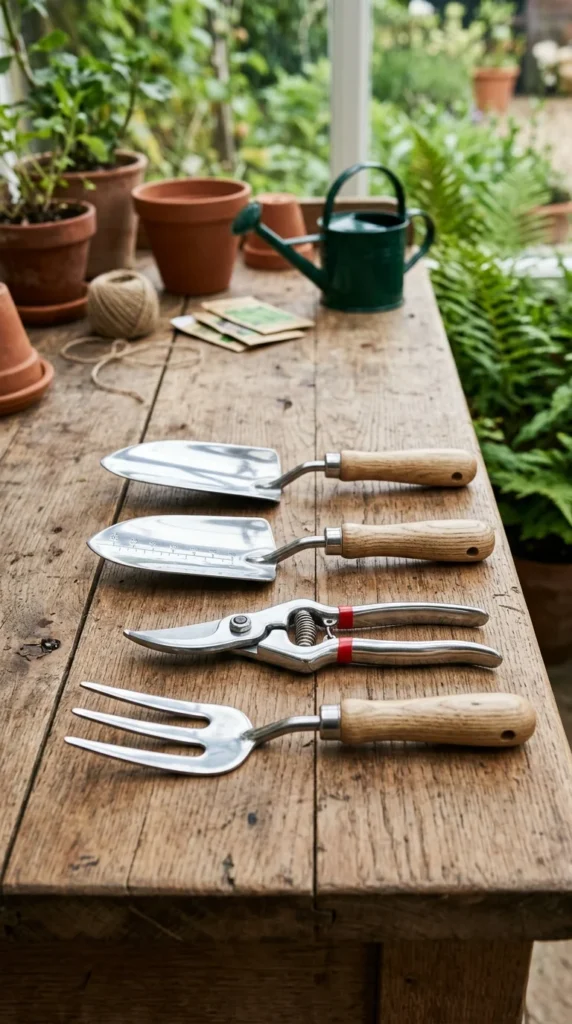
Your tools are an extension of your hands, and keeping them in good condition makes gardening tasks more efficient and safer for the plants. Dull shears tear through stems rather than cutting them, leaving wounds that are slow to heal. Regularly sharpen your blades with a whetstone or file.
Cleaning is equally important. Soil can harbor diseases and fungal spores that are easily transferred from one plant to another. After each use, wipe your tools clean of dirt. Periodically disinfect them with a solution of isopropyl alcohol or diluted bleach, especially after pruning diseased wood, and oil metal parts to prevent rust.
13. Deadheading
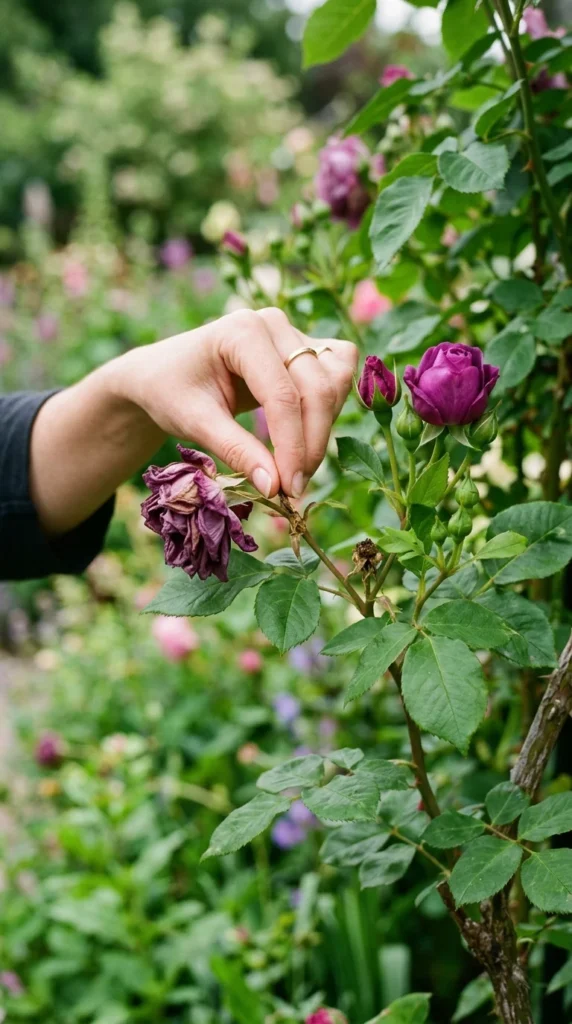
Deadheading is the simple act of removing faded or spent flowers. For many annuals and perennials, the goal of the plant is to produce seeds. Once a flower fades and begins to form a seed pod, the plant directs its energy away from blooming and toward seed production.
By removing the old flowers before they can go to seed, you “trick” the plant into producing more blooms to try again. This extends the flowering season, keeping your garden colorful for much longer. It also keeps the garden looking tidy and prevents some plants from self-seeding aggressively and becoming invasive.
14. Rotation
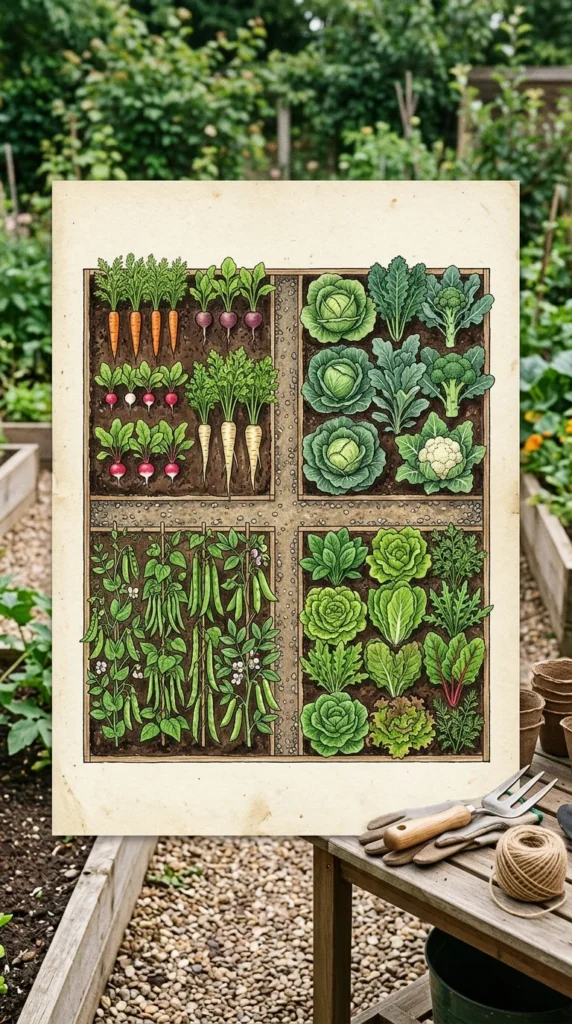
If you grow vegetables, never plant the same crop in the same spot year after year. Crop rotation is a vital strategy for maintaining soil health and breaking pest and disease cycles. Different plant families have different nutrient requirements; for example, leafy greens use lots of nitrogen, while root crops need more potassium.
Rotating crops prevents the soil from becoming depleted of specific nutrients. Furthermore, many pests and pathogens are host-specific. If you move their favorite food source to a different part of the garden, their populations will naturally decline. A simple three or four-year rotation plan is sufficient to keep your vegetable patch productive and healthy.