
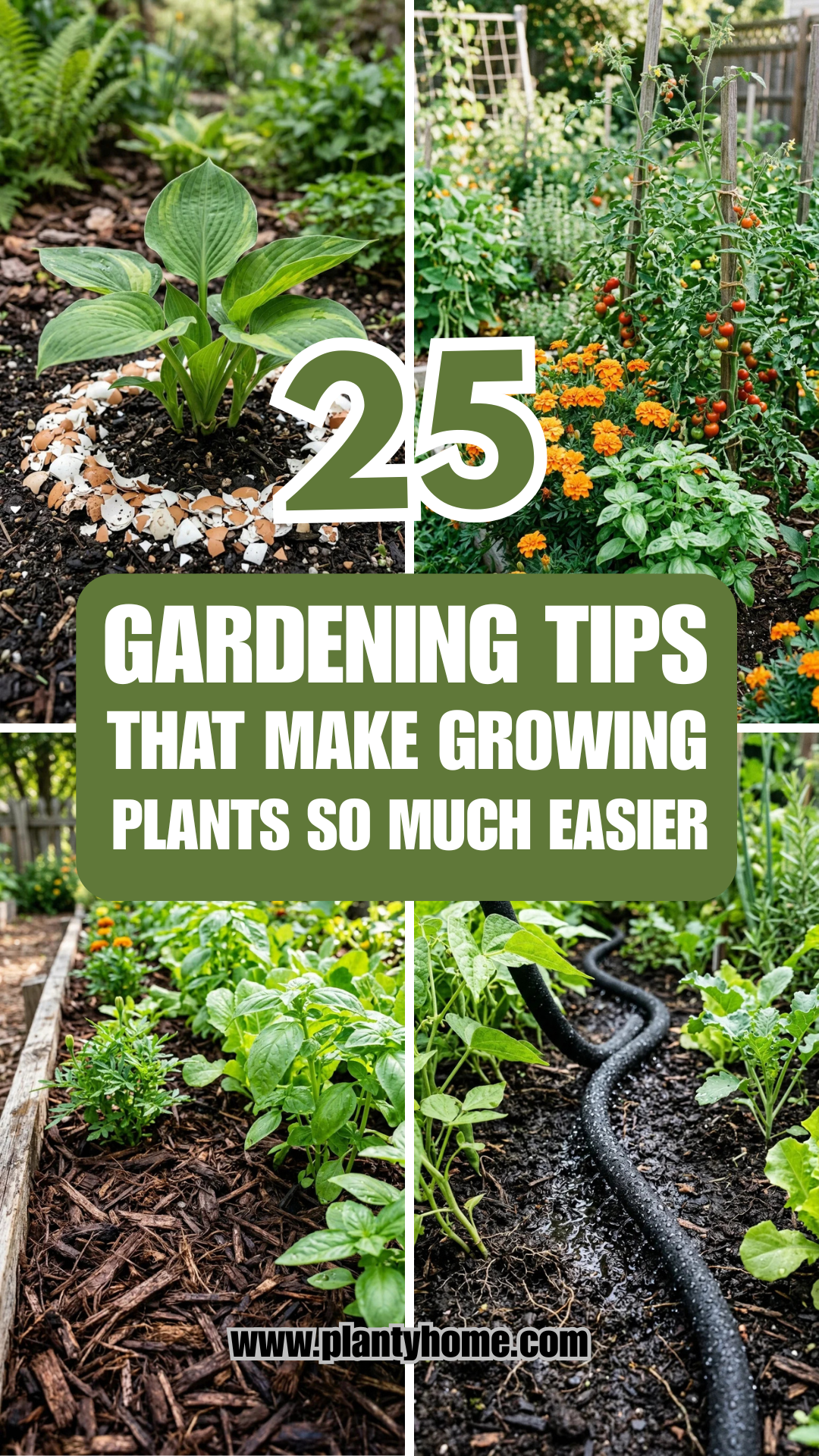
Gardening is a rewarding journey, but it often comes with a steep learning curve. From battling stubborn weeds to deciphering the needs of wilted leaves, the challenges can feel overwhelming for beginners and experts alike. However, many of these hurdles can be cleared with simple, clever strategies that work with nature rather than against it. By implementing these 25 essential gardening tips, you can streamline your efforts, boost your harvests, and enjoy a thriving outdoor space with far less stress.
1. Soil Testing
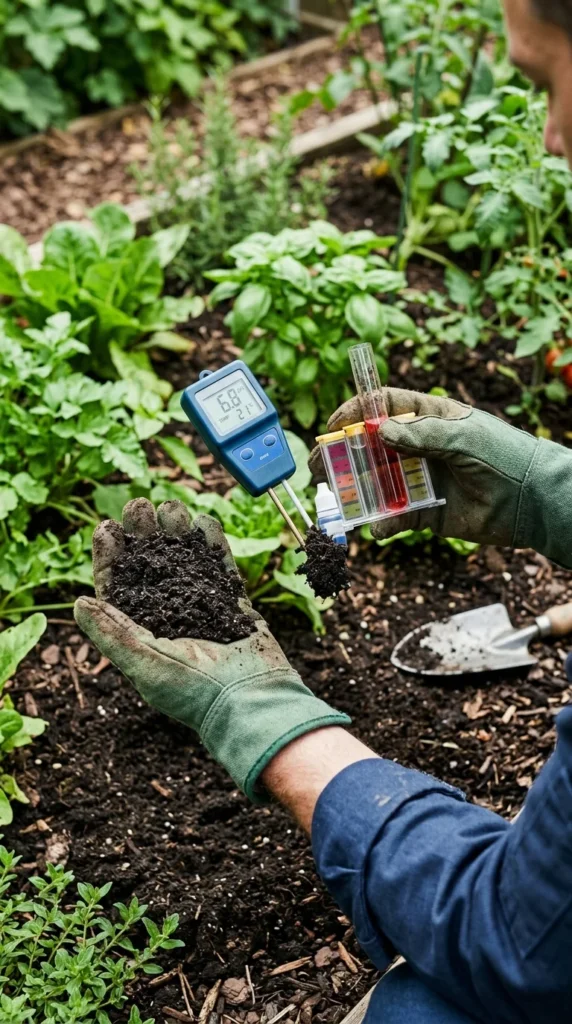
The foundation of every successful garden is the soil. Before you plant a single seed, it is vital to understand the nutrient profile and pH level of your earth. Most plants prefer a slightly acidic to neutral pH (6.0 to 7.0). You can purchase a home testing kit or send a sample to a local university extension office. Knowing whether your soil is deficient in nitrogen, phosphorus, or potassium allows you to amend it precisely, preventing the frustration of stunted growth or yellowing leaves caused by nutrient imbalances.
2. Mulching
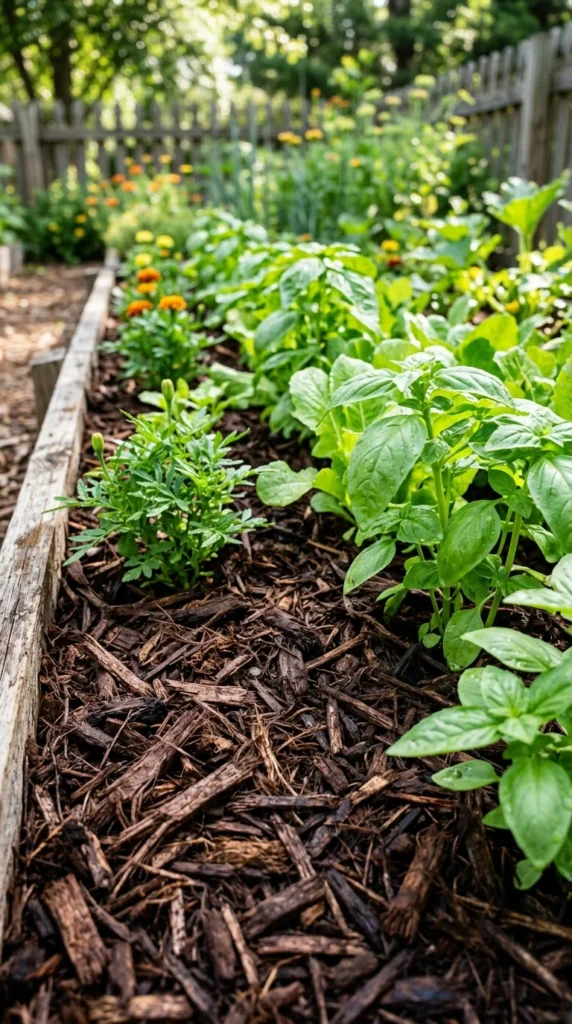
Mulching is perhaps the single most effective way to reduce maintenance. A three-inch layer of organic material—such as straw, wood chips, or shredded leaves—acts as a protective blanket for your soil. It suppresses weed growth by blocking sunlight, retains moisture by slowing evaporation, and regulates soil temperature. As organic mulch decomposes, it also feeds the soil with vital nutrients, creating a self-sustaining cycle of health.
3. Drip Irrigation
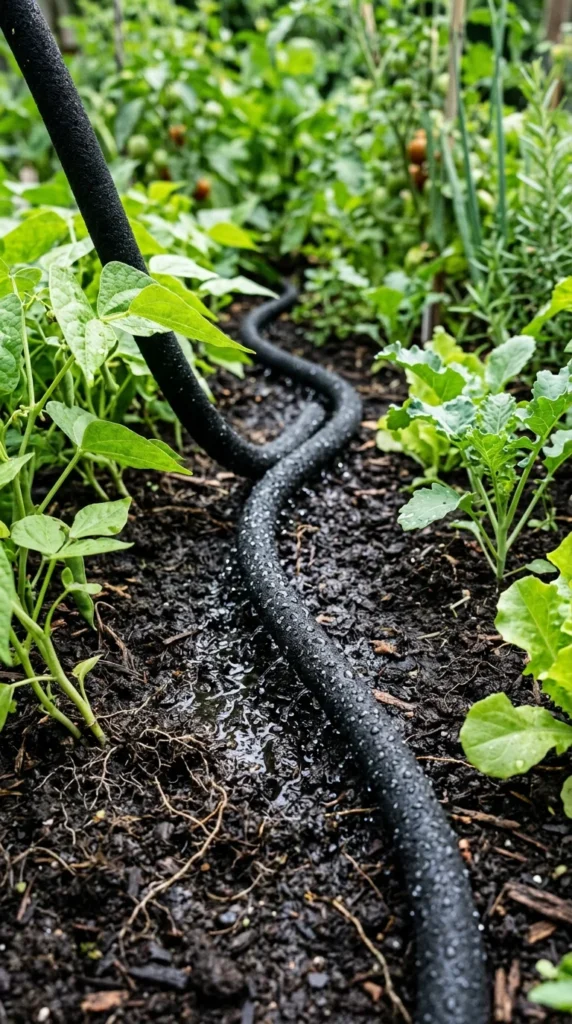
Watering by hand is time-consuming and often inefficient, as much of the water evaporates or misses the roots. Installing a drip irrigation system or using soaker hoses delivers water directly to the base of the plants where it is needed most. This prevents foliage from getting wet, which significantly reduces the risk of fungal diseases like powdery mildew. Setting these systems on a timer ensures your plants stay hydrated even when you are busy or away.
4. Companion Planting
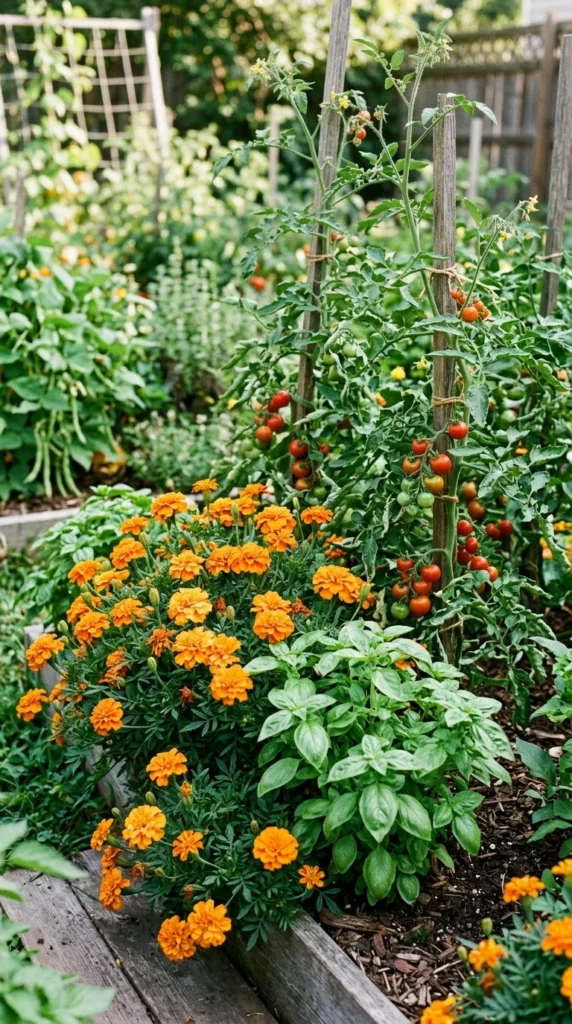
Nature rarely grows in monocultures. Companion planting is the practice of placing specific plants together for mutual benefit. For example, planting marigolds near tomatoes can deter nematodes and other pests with their strong scent. Tall sunflowers can provide a natural trellis for climbing beans, while low-growing clover can act as a living mulch, fixing nitrogen in the soil for its neighbors. This technique creates a balanced ecosystem that naturally reduces the need for chemical interventions.
5. Epsom Salts
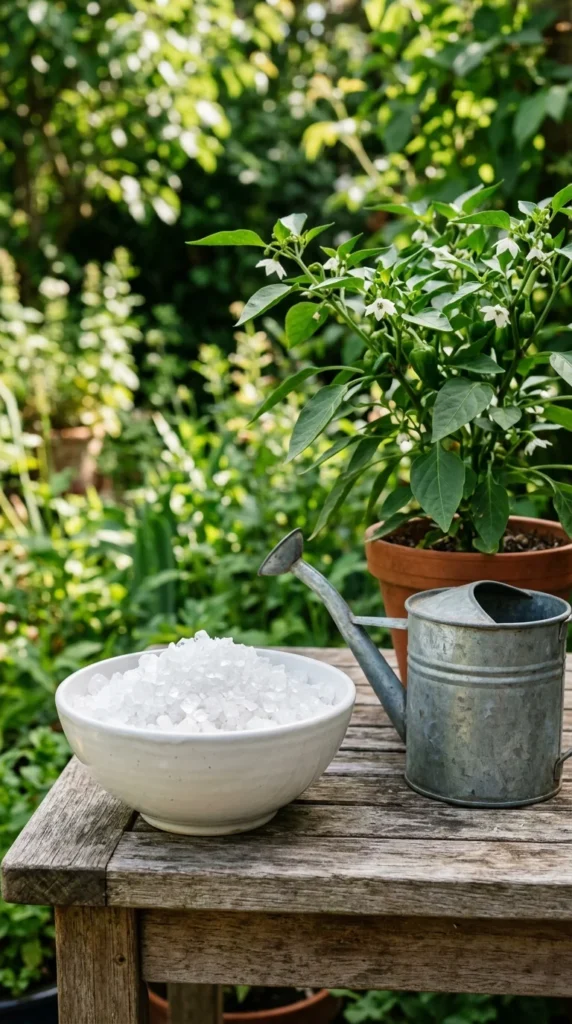
Magnesium is a critical component of chlorophyll, and many plants, particularly roses, peppers, and tomatoes, crave it. Adding a tablespoon of Epsom salts to the hole during planting, or dissolving it in water to use as a foliar spray, can result in greener leaves, more blooms, and larger yields. It helps the plant absorb other nutrients more efficiently and can revive “leggy” or struggling plants.
6. Eggshells
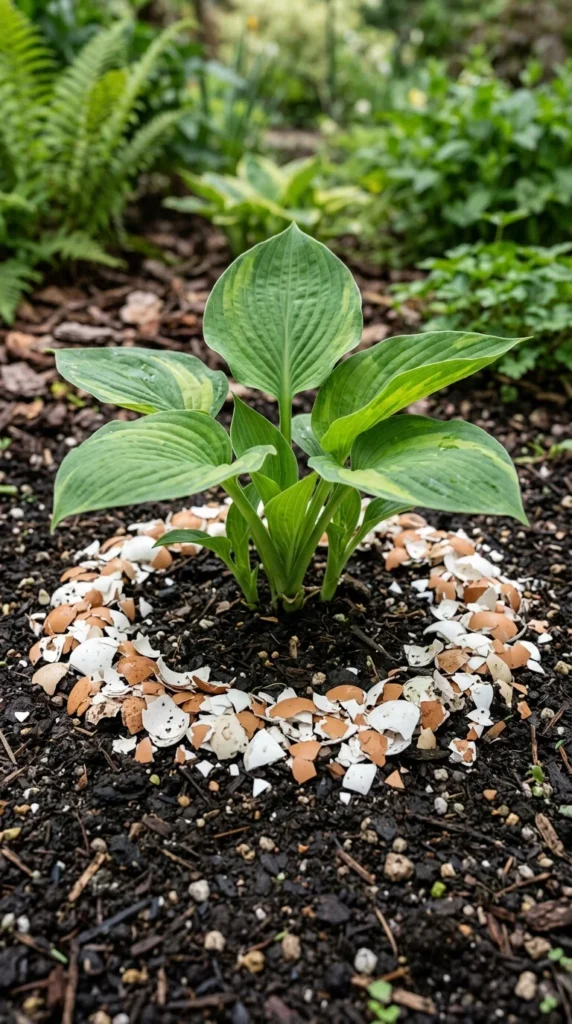
Don’t toss your breakfast remains; they are a goldmine for the garden. Crushed eggshells are composed mostly of calcium carbonate, which strengthens plant cell walls and prevents blossom end rot in tomatoes and peppers. Additionally, the sharp edges of coarsely crushed shells act as a mechanical deterrent for soft-bodied pests like slugs and snails, who find the jagged surface uncomfortable to cross.
7. Coffee Grounds
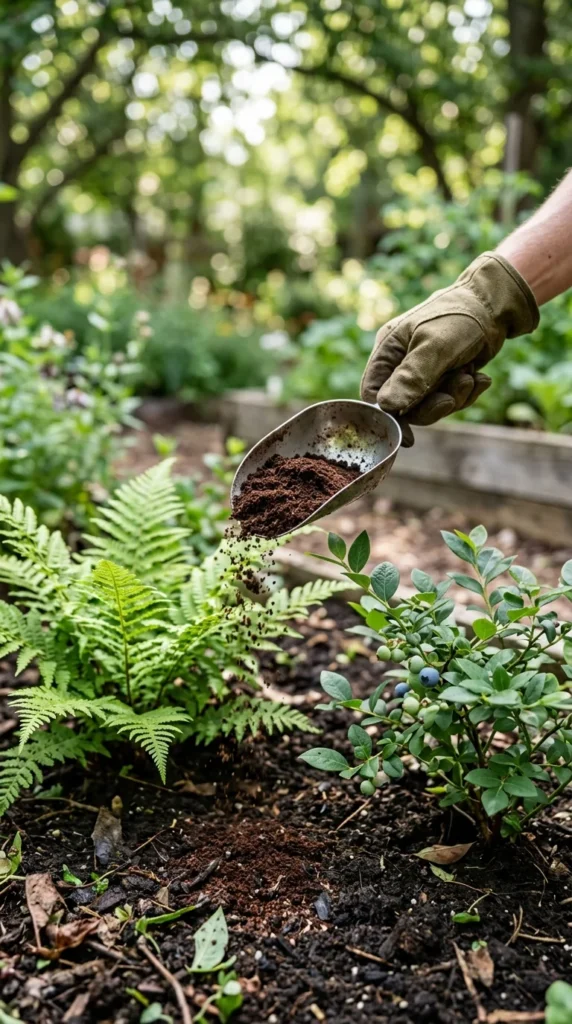
Used coffee grounds are a fantastic, free source of nitrogen and organic matter. When mixed into the soil or added to the compost pile, they improve soil structure and drainage. While they are slightly acidic, once decomposed, they tend toward neutral. Earthworms are particularly fond of coffee grounds, and encouraging these “nature’s tillers” to stay in your garden will keep your soil aerated and rich.
8. Native Plants
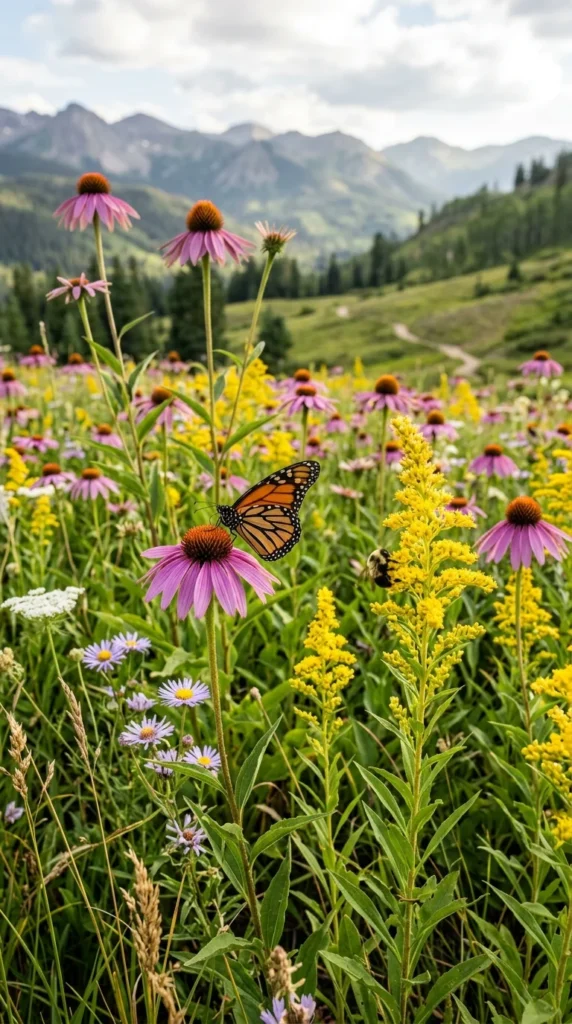
The easiest plants to grow are the ones that evolved to live in your specific climate. Native plants are adapted to the local soil, rainfall patterns, and pests. They require significantly less supplemental water and fertilizer than exotic species. Furthermore, they provide essential habitat and food for local pollinators, making your garden a vital link in the local ecosystem.
9. Tool Maintenance
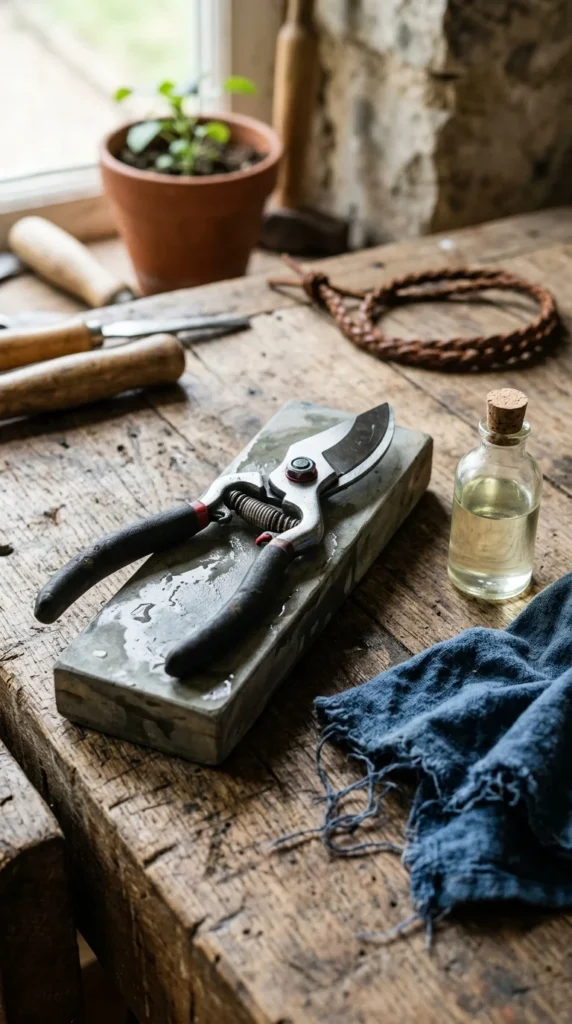
Dull or rusty tools make gardening a chore and can actually harm your plants. A jagged cut from a dull pair of shears is an invitation for disease. Spend a few minutes each season sharpening your spades and pruners with a file or whetstone. Cleaning them after each use with a stiff brush and occasionally wiping them with oil will prevent rust and ensure that every cut is clean and effortless.
10. Vertical Gardening
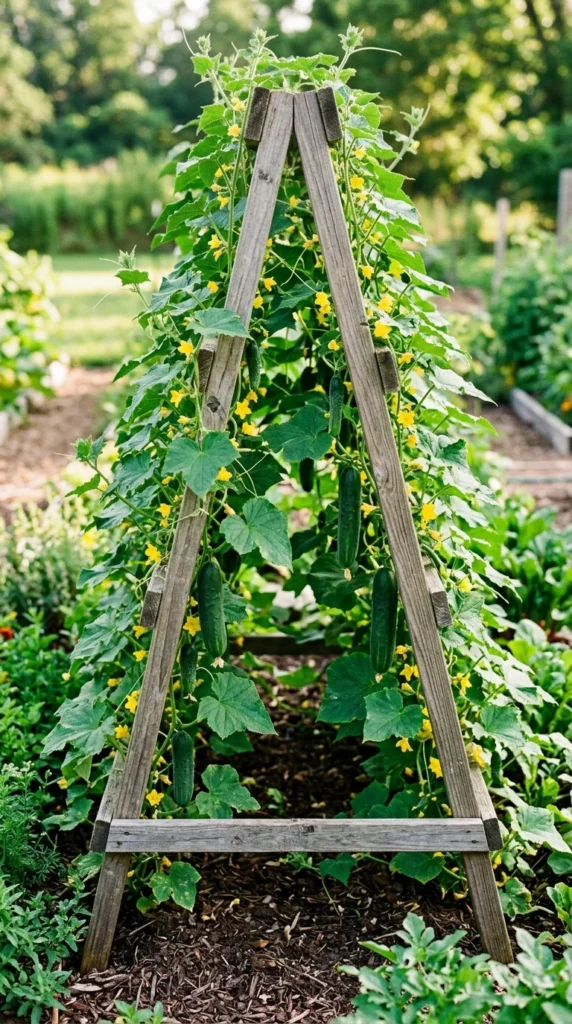
If you are short on space or want to reduce pest pressure, go vertical. Training vining plants like cucumbers, beans, and small melons to grow up trellises or fences saves valuable ground space. It also improves air circulation around the foliage and keeps the fruit off the damp ground, where it is susceptible to rot and insects. Harvesting becomes much easier when you don’t have to hunch over.
11. Deadheading
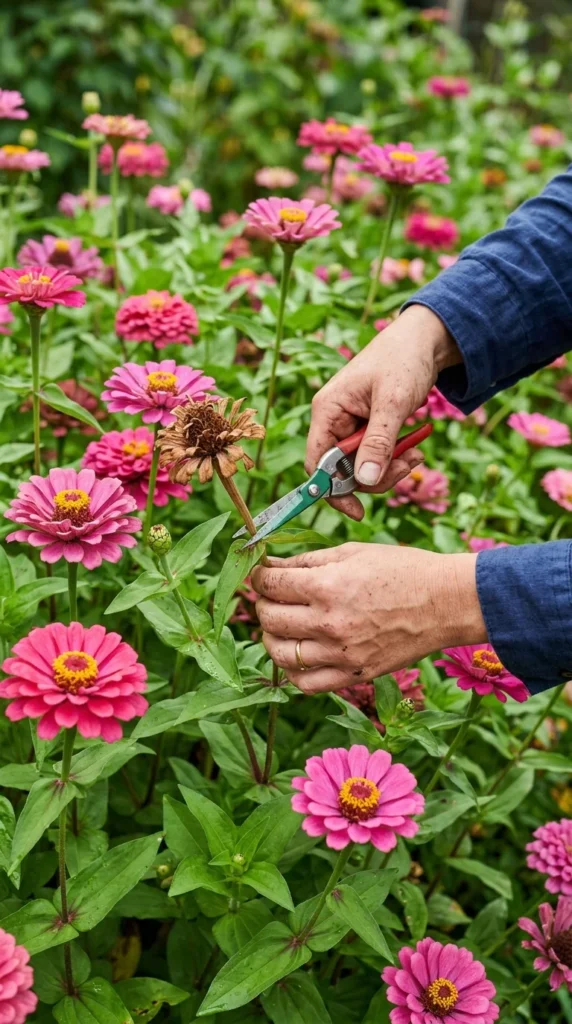
Deadheading is the process of removing faded or spent flowers. By cutting off the dying blooms, you prevent the plant from putting its energy into seed production. Instead, the plant redirects that energy back into its root system and the creation of new flowers. This simple task can extend the blooming season of many perennials and annuals by several weeks, keeping your garden colorful for longer.
12. Morning Watering
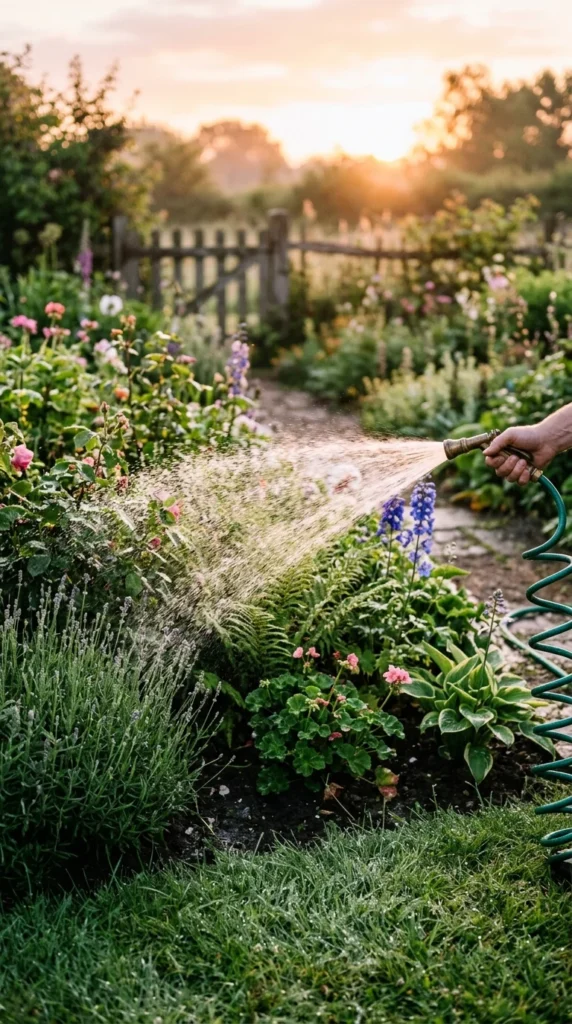
Timing is everything when it comes to hydration. Watering in the early morning is ideal because it allows the water to soak deep into the soil before the heat of the day causes evaporation. It also ensures that the foliage has plenty of time to dry before nightfall. Wet leaves in the cool evening are a primary cause of mold, mildew, and rot.
13. Self-Watering Pots
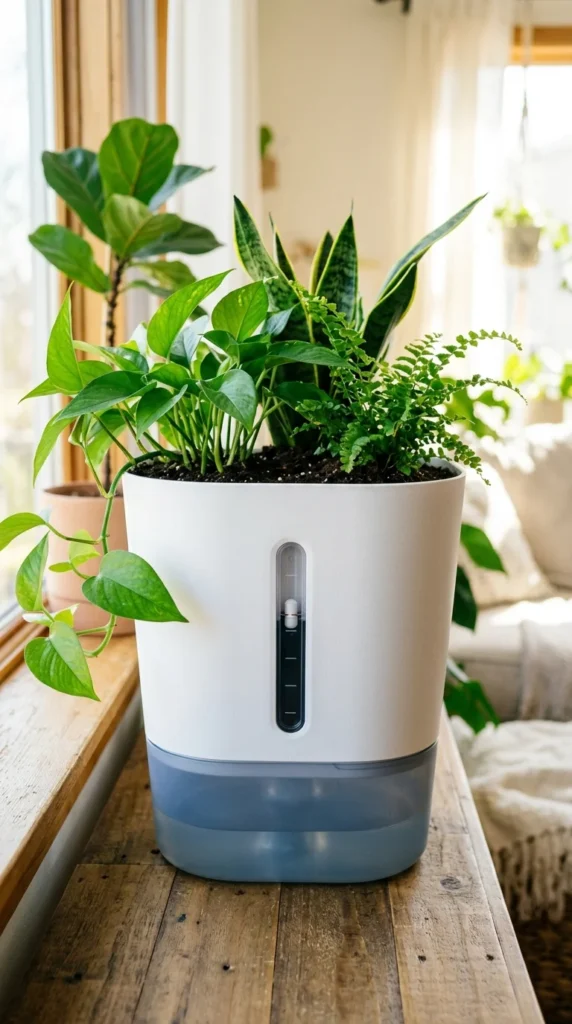
Container gardening can be tricky because pots dry out much faster than the ground. Self-watering planters feature a reservoir at the bottom that provides a steady wicking action, allowing plants to drink as they need. This is a lifesaver for thirsty plants like ferns or vegetables, and it gives you a buffer if you forget to water for a day or two.
14. Cardboard Weed Barrier
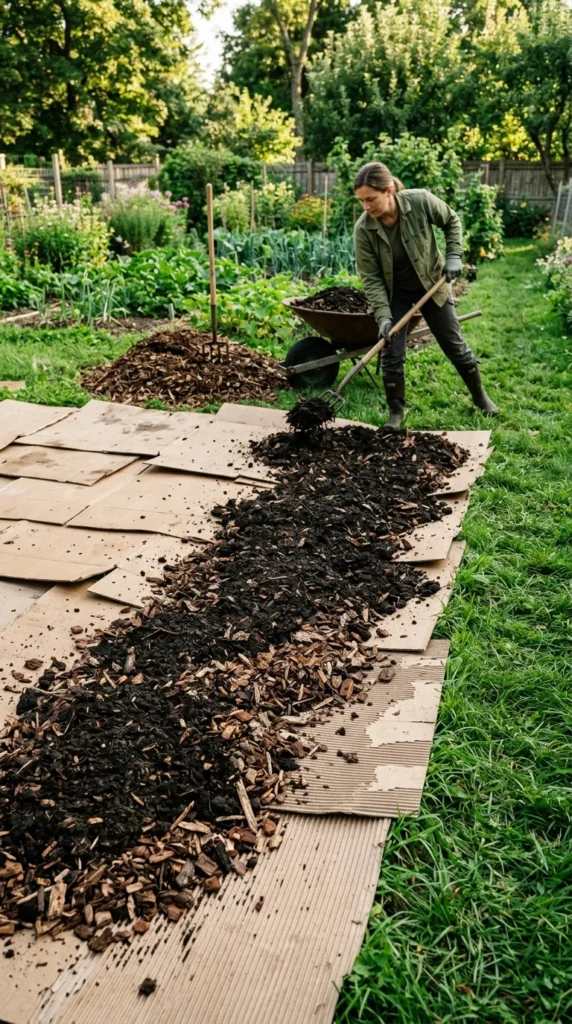
Sheet mulching, or “lasagna gardening,” is a lazy gardener’s dream for starting a new bed. Instead of tilling the earth and breaking your back, lay down overlapping pieces of plain brown cardboard over the grass or weeds. Wet the cardboard thoroughly and cover it with compost and mulch. The cardboard smothers the weeds and eventually breaks down into rich soil, while the earthworms do the “tilling” for you.
15. Herbs in Pots
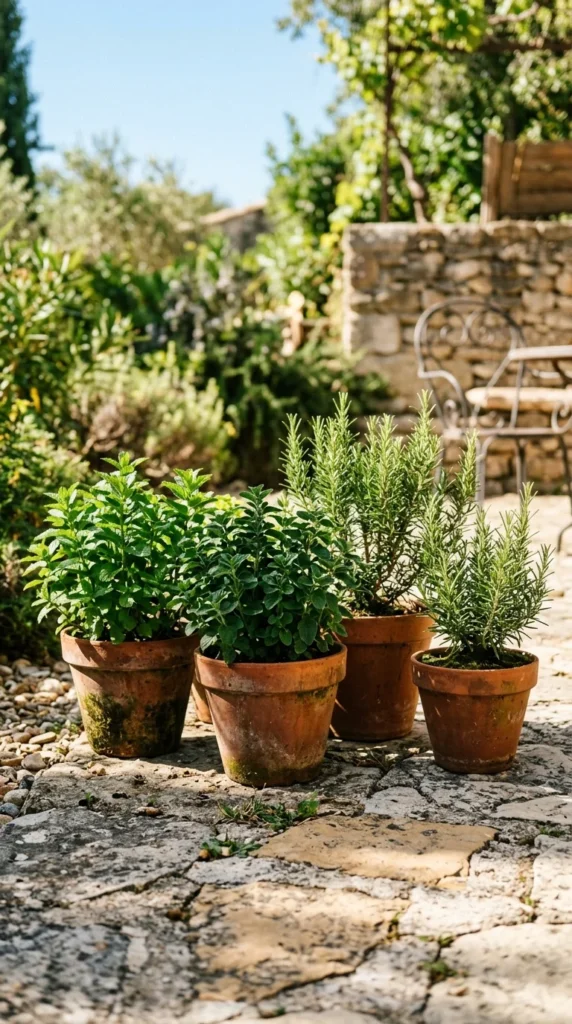
Some plants, particularly herbs like mint, are incredibly invasive and will take over your entire garden if given the chance. By planting these in individual pots, you can contain their aggressive root systems. This also allows you to move tender herbs indoors during the winter or place them closer to the kitchen for easy access while cooking.
16. Diatomaceous Earth
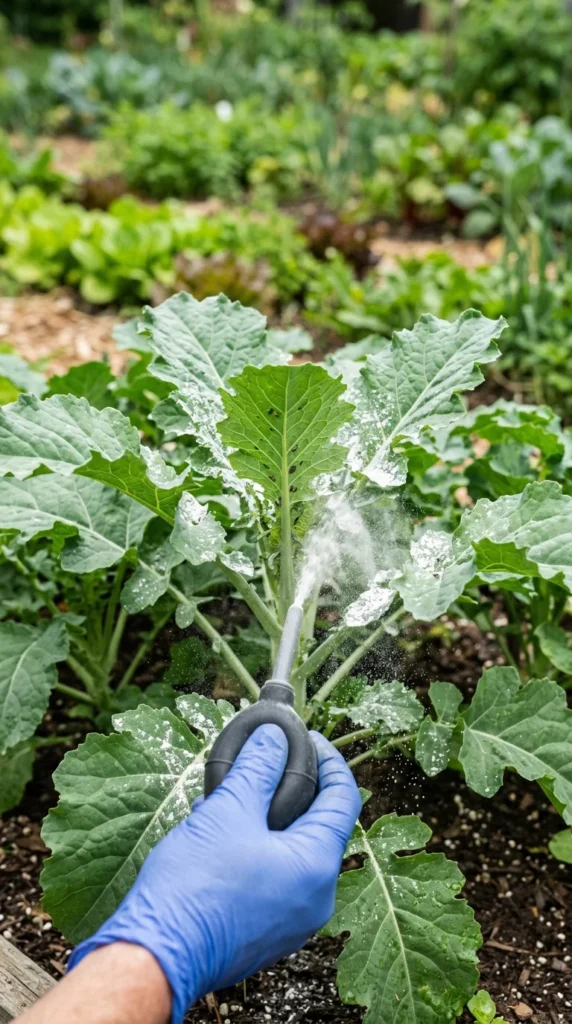
Diatomaceous earth is a natural, organic powder made from the fossilized remains of tiny aquatic organisms. To humans and pets, it feels like soft flour, but to insects with exoskeletons—like ants, beetles, and slugs—it is sharp and dehydrating. Sprinkling a light dusting around the base of plants or on the leaves provides an effective, non-toxic barrier against many common garden pests.
17. Gardening Journal
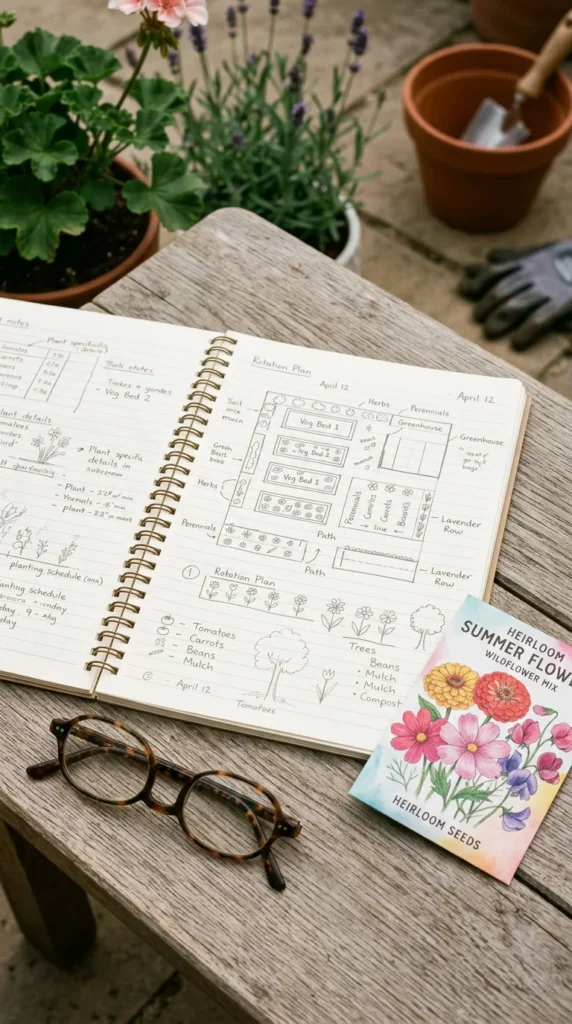
Your memory is not as reliable as you think when it comes to which tomato variety thrived and which one succumbed to blight. Keeping a simple journal helps you track planting dates, weather patterns, and harvest yields. Over the years, this becomes a personalized guidebook for your specific microclimate, helping you avoid repeating past mistakes.
18. Sunlight Mapping
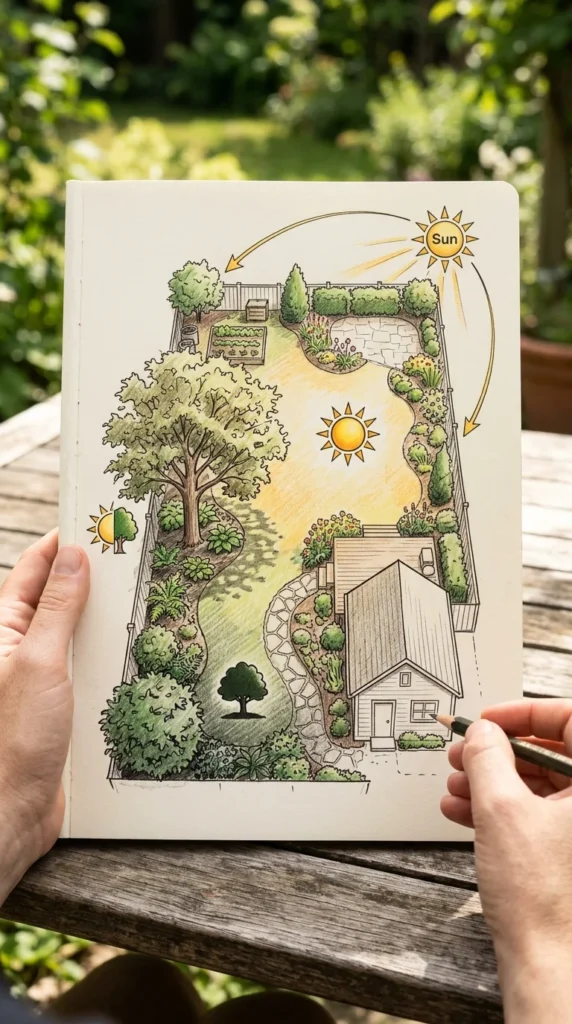
Not all “full sun” is created equal. Spend a day observing how the shadows move across your yard. A spot that looks sunny at noon might be in deep shade by 2 PM. Knowing exactly how many hours of light each area receives allows you to place plants in their ideal conditions, preventing the “leggy” growth of sun-starved plants or the scorched leaves of shade-lovers.
19. Rain Barrels
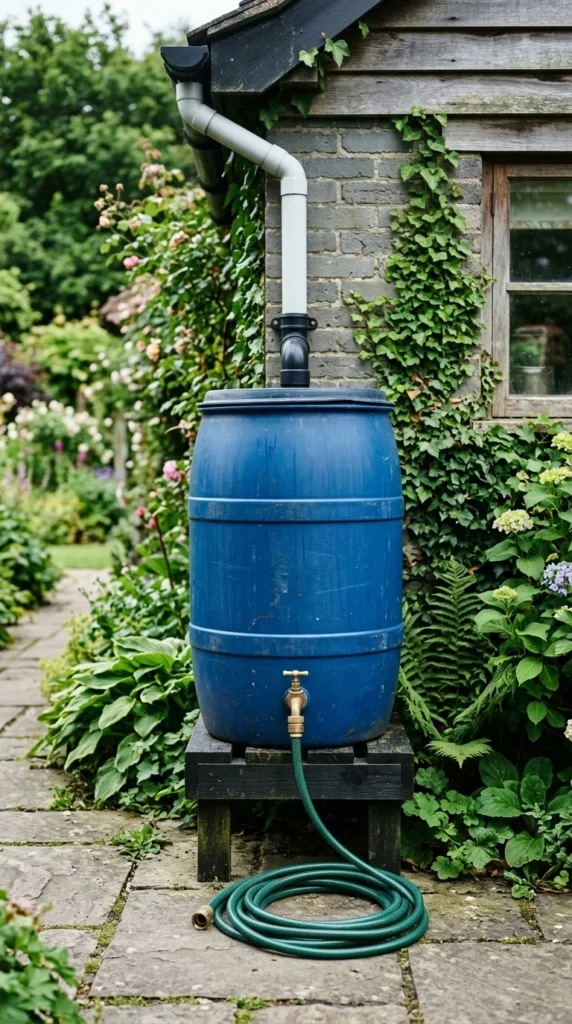
Collecting rainwater is an excellent way to save money and provide your plants with high-quality water. Unlike tap water, rainwater is free of chlorine, fluoride, and other chemicals. It is also usually at the perfect temperature for plants, preventing the “shock” that can occur when using icy-cold water from an underground pipe during a heatwave.
20. Banana Peels
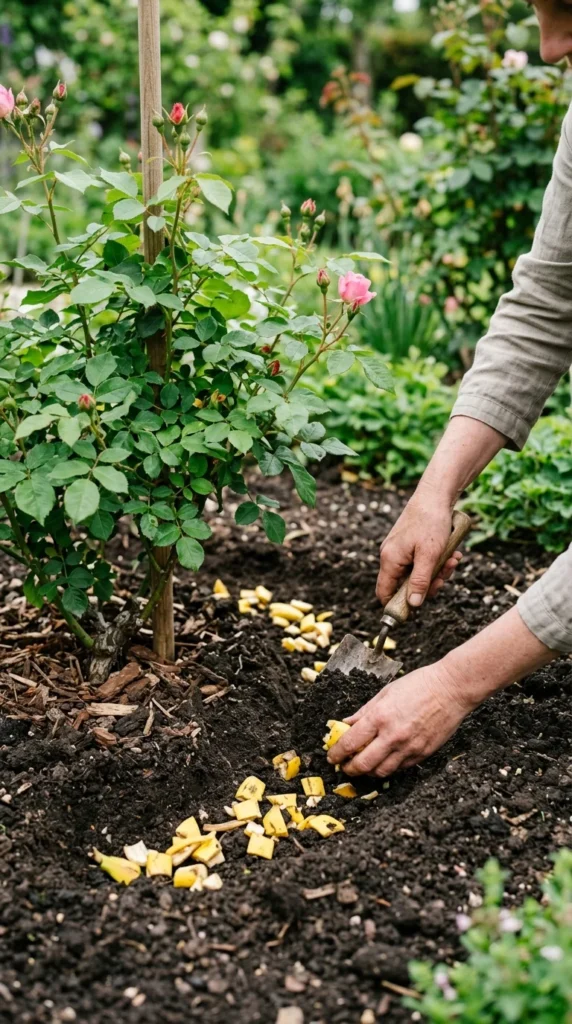
Roses and other flowering plants love potassium, and banana peels are an exceptional source. You can bury the peels directly near the roots of your plants or soak them in water for 48 hours to create a nutrient-rich “banana tea.” As they decompose, they release potassium, phosphorus, and calcium, promoting strong stems and vibrant, healthy blooms.
21. Pruning
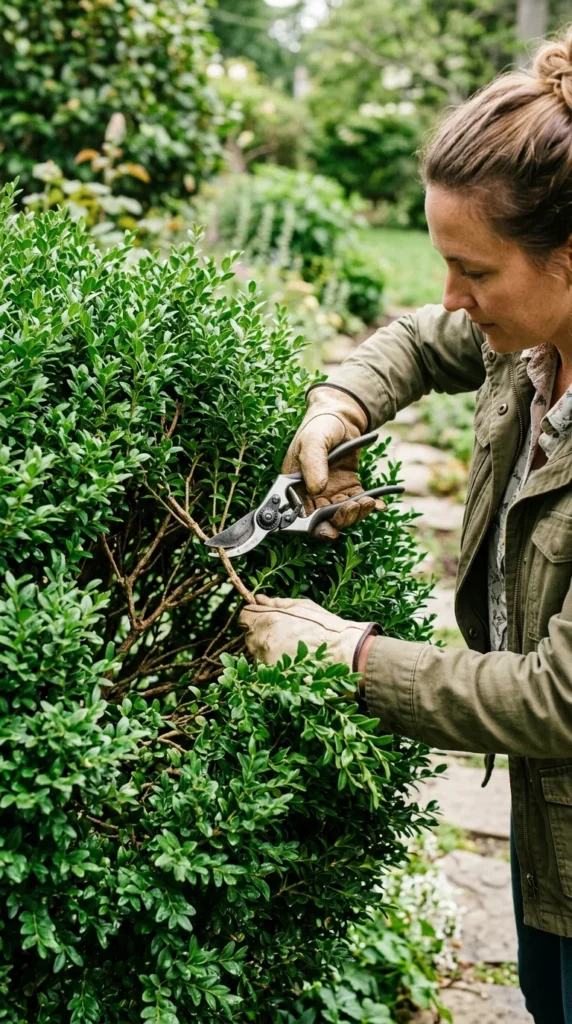
Pruning isn’t just about aesthetics; it’s about health. Removing dead, damaged, or diseased wood prevents problems from spreading. Furthermore, thinning out the interior of a plant increases air circulation, which helps foliage dry faster and reduces the chance of fungal infections. For fruit trees, strategic pruning encourages the plant to focus its energy on producing larger, higher-quality fruit rather than excessive foliage.
22. Seed Tape
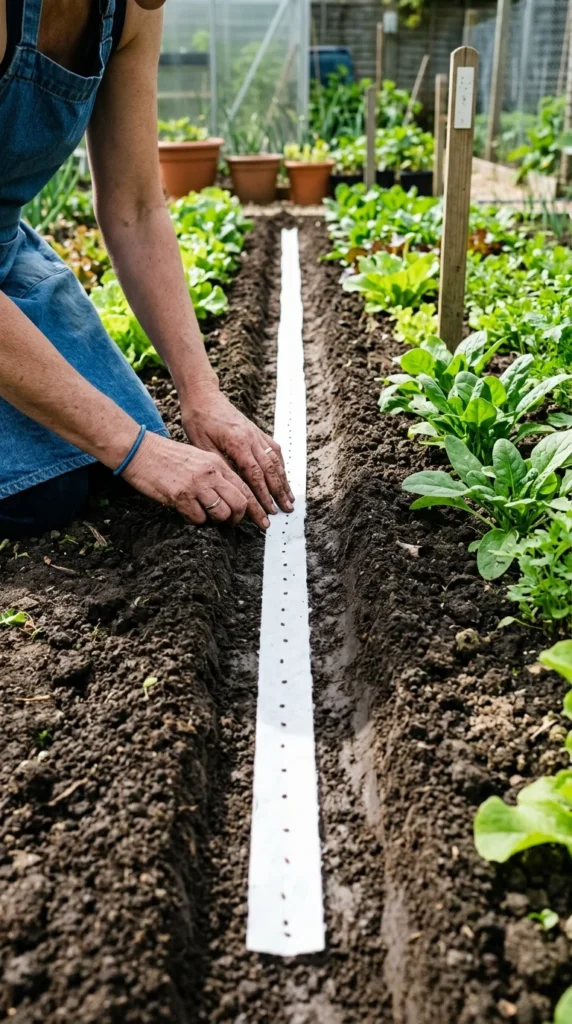
Small seeds like carrots and lettuce are notoriously difficult to space correctly, often leading to overcrowded seedlings that require tedious thinning. Homemade or store-bought seed tape solves this. The seeds are pre-spaced on biodegradable paper. You simply lay the tape in a furrow, cover it with a light layer of soil, and water. The paper dissolves, leaving perfectly spaced plants.
23. Raised Beds
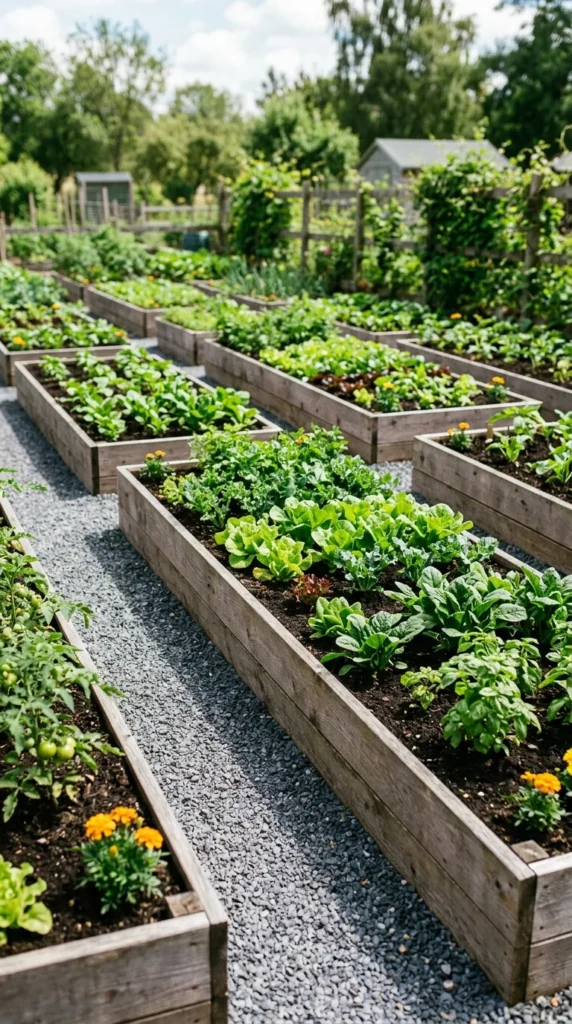
Raised beds offer several advantages: they provide excellent drainage, the soil warms up faster in the spring, and you have total control over the soil quality. Because the soil is elevated, there is less bending and kneeling required, making it much easier on your back and knees. Additionally, because you never step on the soil in the bed, it stays loose and aerated.
24. Milk Spray
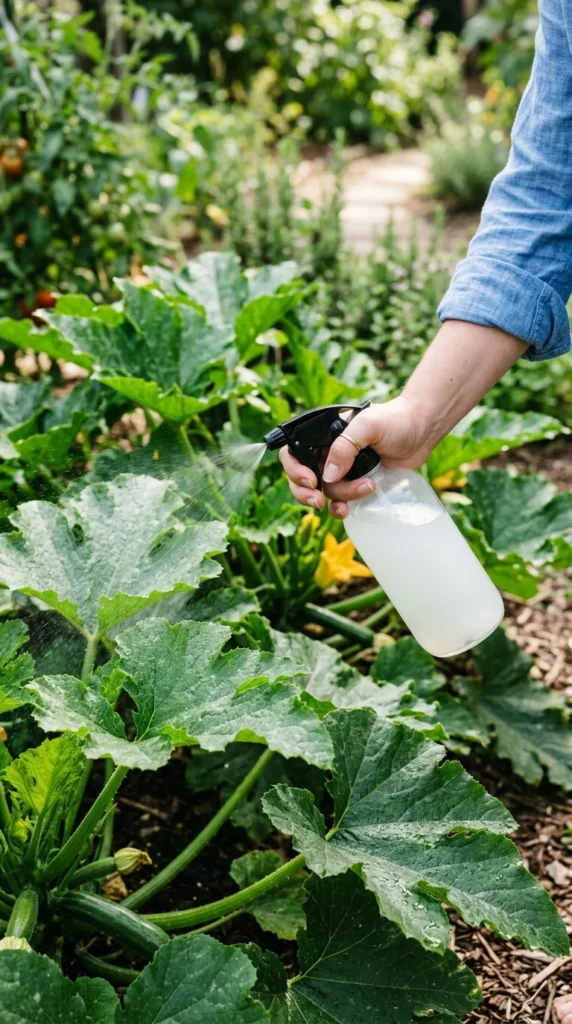
It sounds strange, but a mixture of one part milk to nine parts water is a highly effective preventative for powdery mildew. The proteins in the milk, when exposed to sunlight, have an antiseptic effect that kills fungal spores. Spraying your susceptible plants—like squash, cucumbers, and zinnias—once every week or two can keep their leaves green and fungus-free all season.
25. Grouping Plants
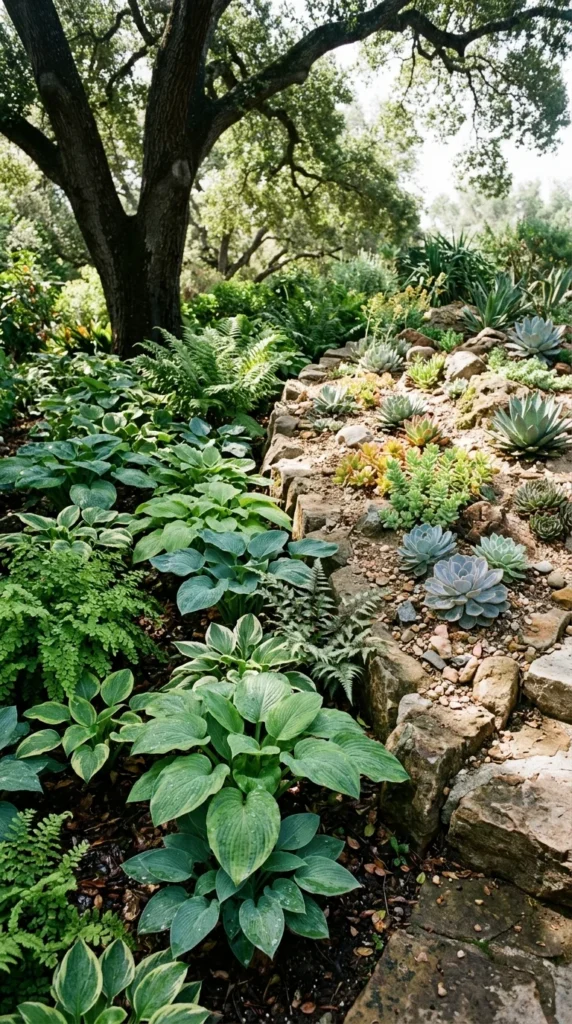
Grouping plants with similar water and light needs, also known as “hydro-zoning,” makes your chores much more efficient. If all your thirsty plants are in one area, you don’t have to drag the hose across the entire yard to reach one wilting specimen. It also prevents the mistake of overwatering drought-tolerant plants while trying to keep their neighbors hydrated, ensuring every plant lives in its preferred environment.