
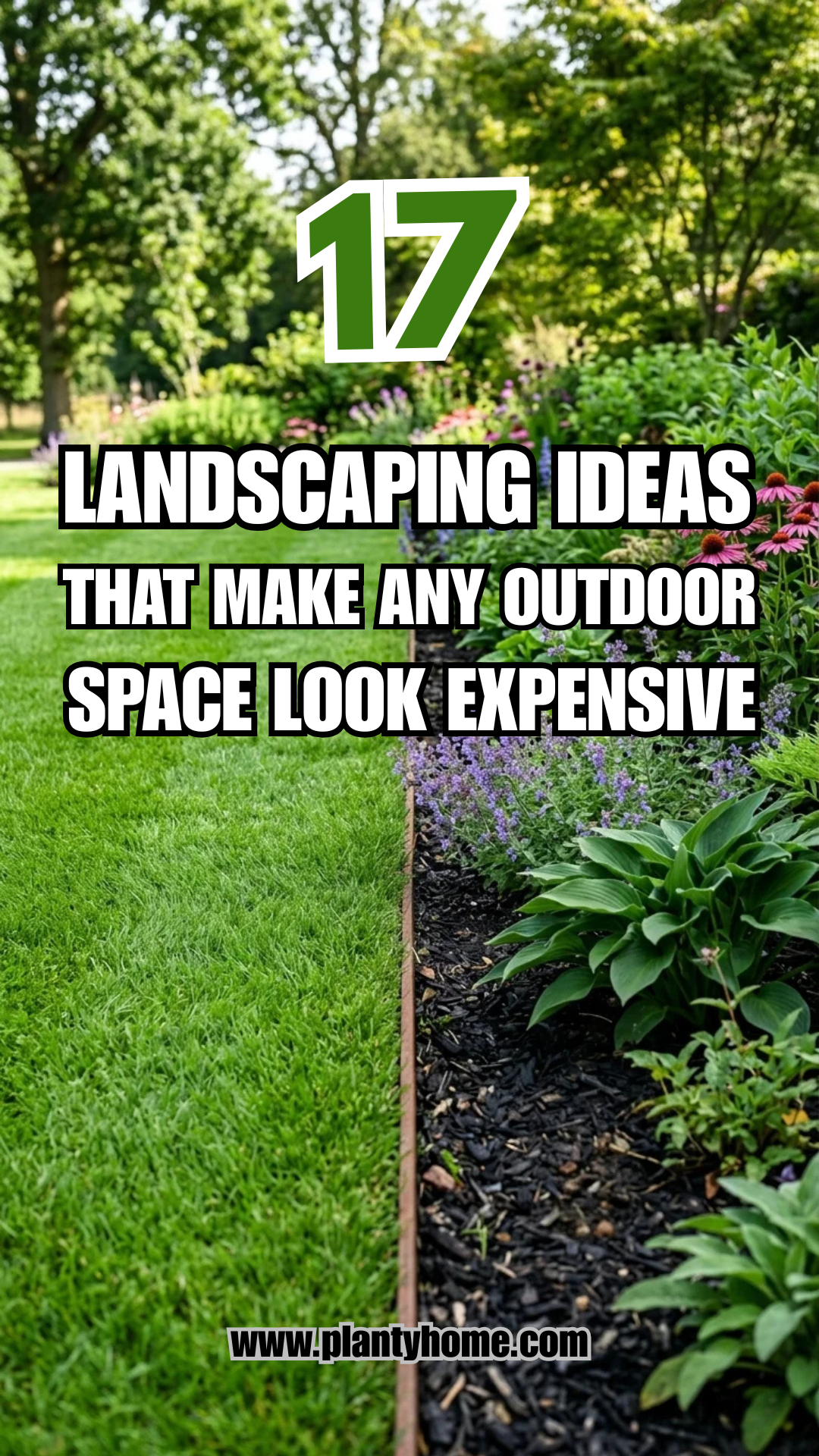
Achieving a high-end, “expensive” look in your outdoor space is less about the total budget and more about the precision of design, the quality of materials, and the intentionality of the layout. Luxury landscapes often share common themes: structure, contrast, and a sense of permanence. Whether you are working with a sprawling suburban lot or a compact urban courtyard, certain design choices can instantly elevate the perceived value of your home.
1. Layered Lighting
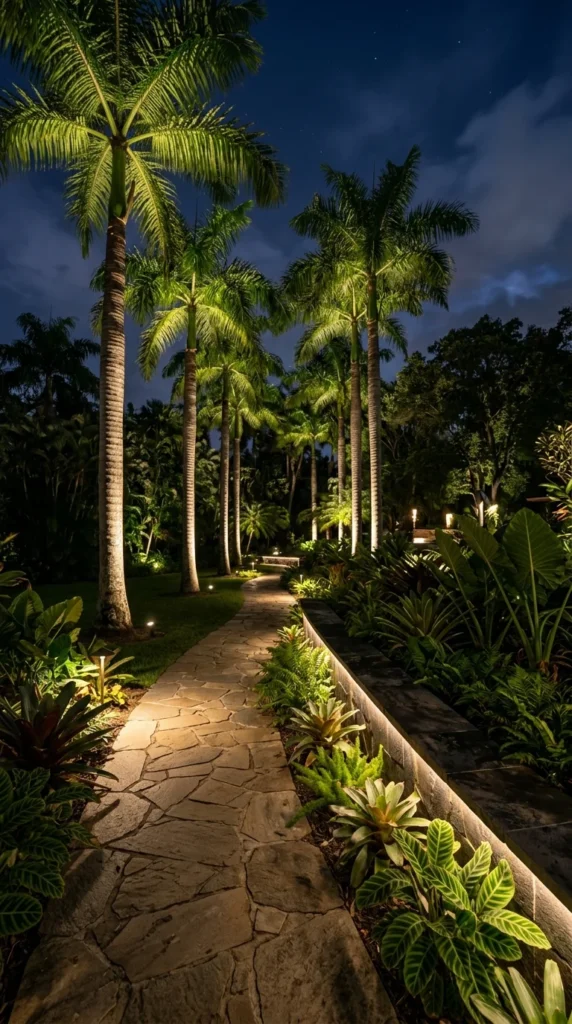
Lighting is the most effective way to transition a garden from ordinary to extraordinary. High-end landscaping utilizes “layering,” which involves combining different types of light to create depth. Instead of a single bright floodlight, luxury designs use low-voltage LED uplighting to highlight the texture of tree bark, “moonlighting” (placing lights high in trees to cast dappled shadows downward), and path lighting to guide the eye. This creates a dramatic, resort-like atmosphere that emphasizes architectural features long after the sun goes down.
2. Symmetrical Planting
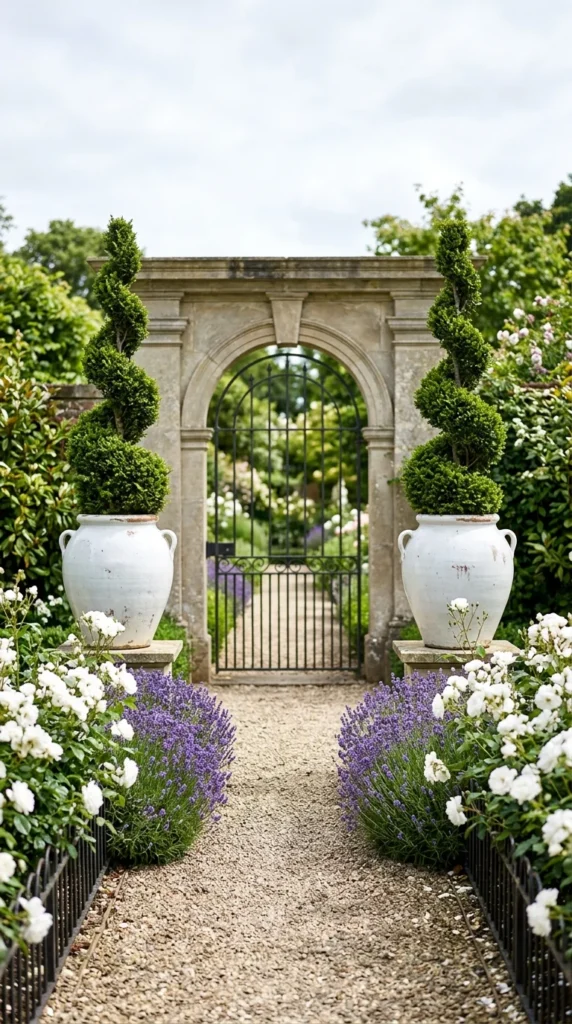
Symmetry is a hallmark of formal, expensive-looking gardens. It signals order and meticulous maintenance. By mirroring plants and structures on either side of a focal point—such as a front door, a gate, or a fountain—you create a sense of balanced grandeur. This can be achieved with matching planters, identical rows of hedges, or twin trees. The human eye is naturally drawn to balance, and a symmetrical layout conveys a sophisticated, timeless aesthetic often found in European estates.
3. Natural Stone
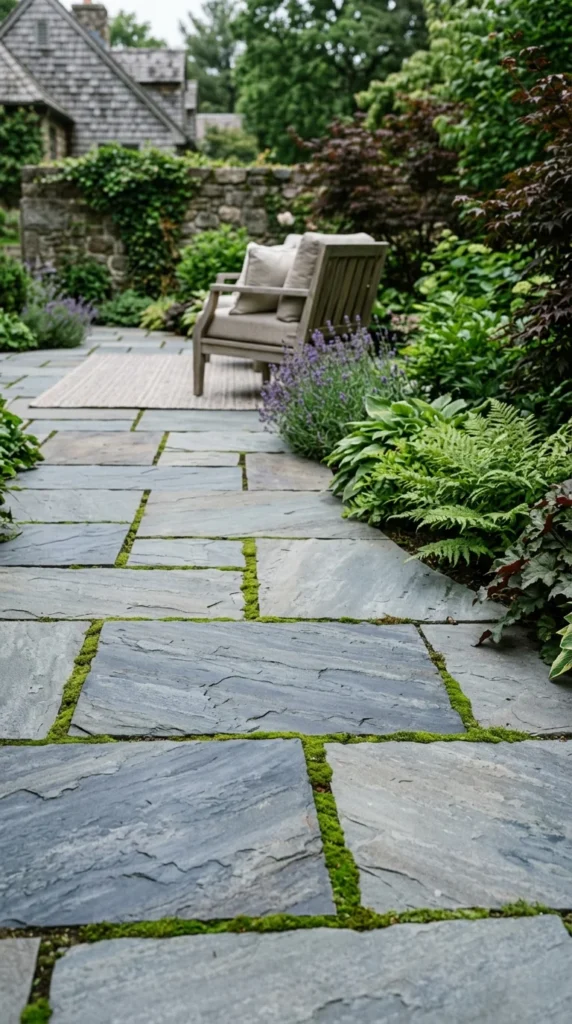
While concrete pavers are functional, nothing says luxury like natural stone. Materials such as bluestone, slate, flagstone, or travertine offer organic textures and color variations that manufactured products cannot perfectly replicate. Using natural stone for patios, walkways, or retaining walls adds a sense of permanence and history to the landscape. To truly elevate the look, consider “over-sized” slabs, which minimize grout lines and create a more expansive, seamless appearance.
4. Water Features
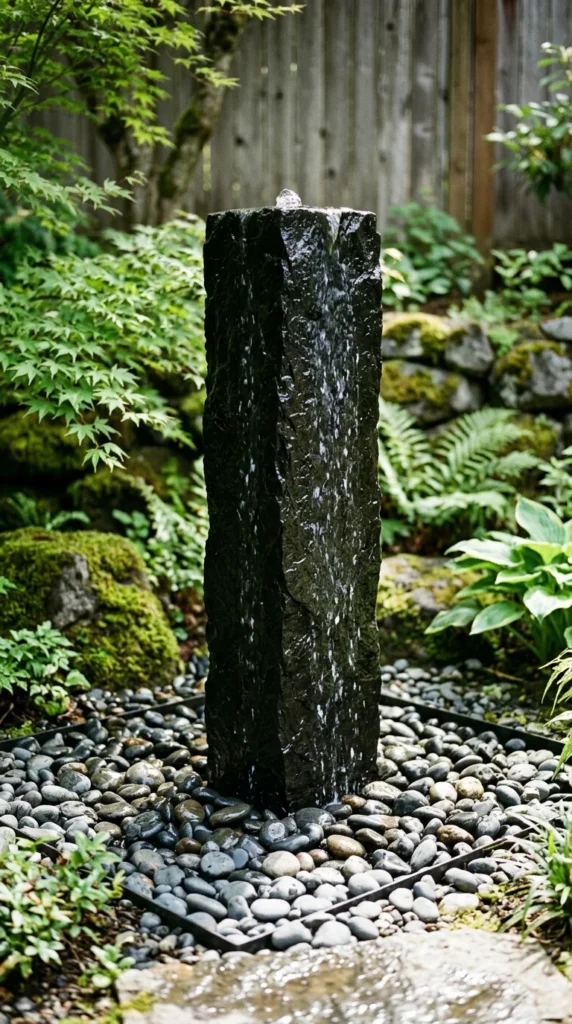
The sound of running water is a sensory cue for luxury. A well-integrated water feature acts as a focal point and provides a serene “white noise” that masks neighborhood sounds. To keep it looking expensive, avoid “kit” fountains that look plastic. Instead, opt for architectural elements like a disappearing waterfall, a sleek rill, or a large stone vessel. The key is integration—the feature should look like it was built into the landscape, not just placed on top of it.
5. Sculptural Plants
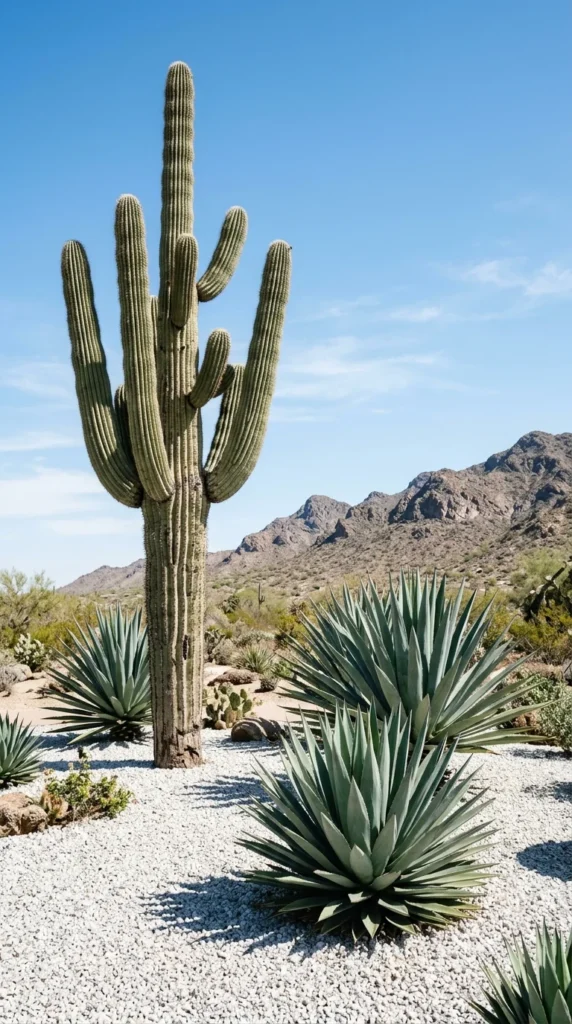
Luxury landscaping often treats plants as pieces of art. Sculptural plants—those with bold shapes, unique structures, or interesting silhouettes—should be given space to breathe. Think of an ancient, gnarled olive tree, a perfectly spherical boxwood, or a dramatic Agave. Rather than crowding these plants into a busy flower bed, place them in prominent locations where their form can be fully appreciated. This “less is more” approach highlights the quality of the specimen.
6. Defined Borders
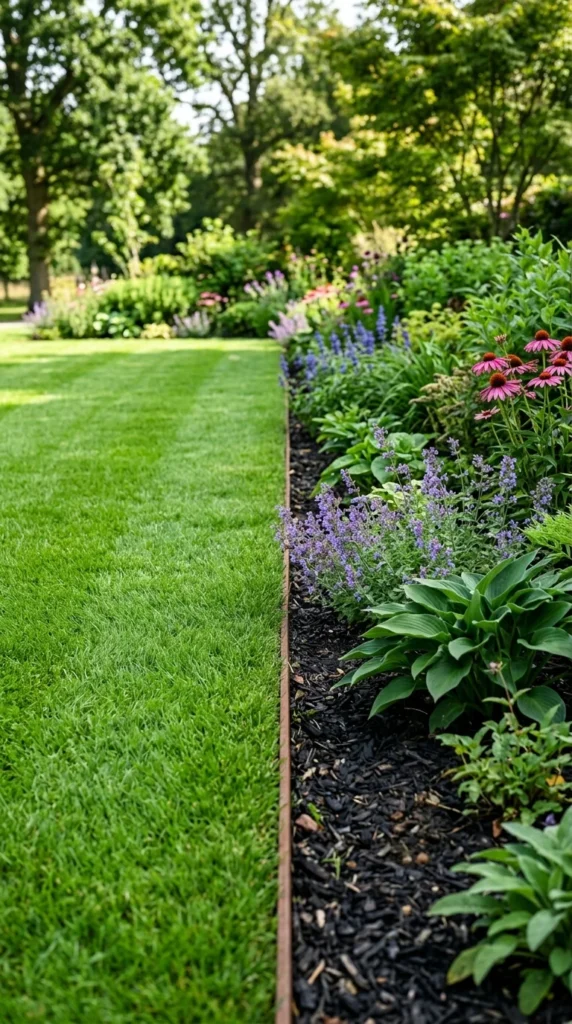
One of the biggest differences between a DIY yard and a professional landscape is the “edge.” Clean, crisp lines between different zones—such as the lawn, the garden beds, and the driveway—create an instant polished look. Using high-quality edging materials like steel, brick, or stone prevents grass from encroaching on beds and provides a visual frame for your plantings. A deep “English edge” (a hand-cut trench) is another classic high-end technique.
7. Hardscape Contrasts
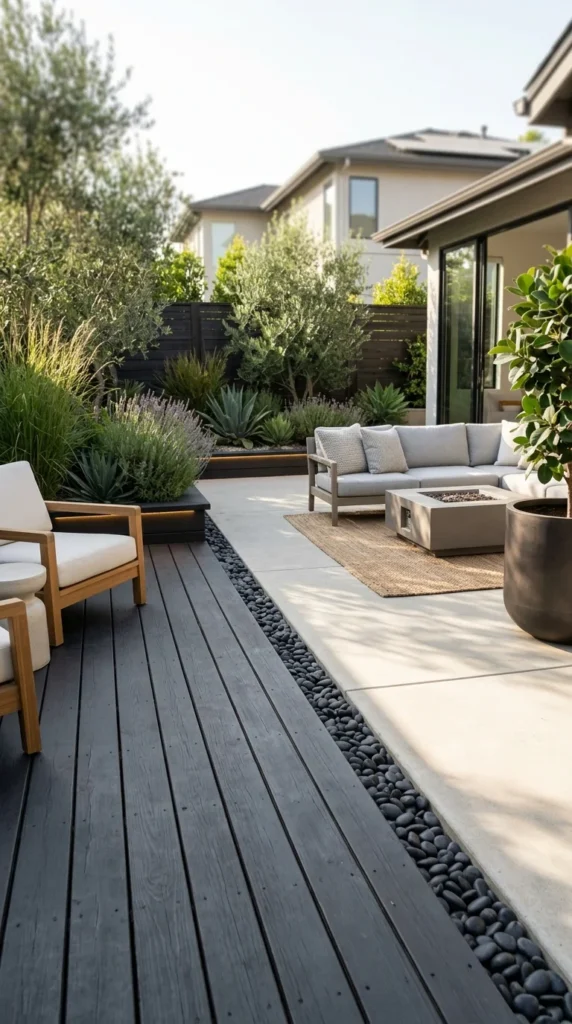
Mixing textures and materials in your hardscape adds visual interest and sophistication. Combining smooth wood decking with rough stone pavers, or light-colored concrete with dark gravel, creates a custom look that feels architect-designed. These contrasts define different functional zones and prevent the outdoor space from looking like a flat, monotonous slab of one material.
8. Outdoor Rooms
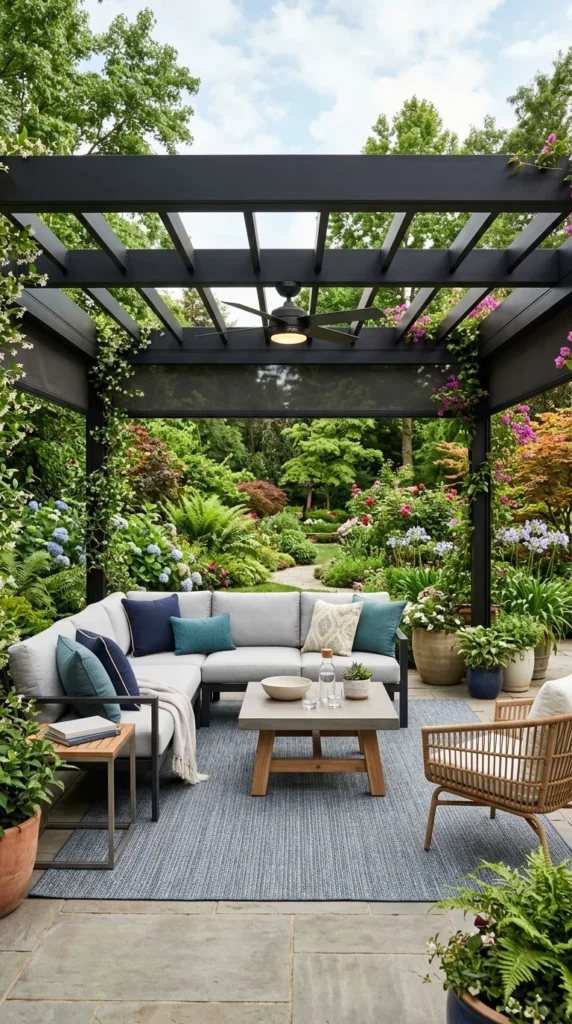
An expensive landscape is designed for living, not just looking. Creating “rooms” with specific functions—like a dedicated dining area, a lounge with an outdoor fireplace, or a quiet reading nook—makes the space feel like an extension of the home’s interior. Define these areas with pergolas, outdoor rugs, or changes in floor material. High-quality outdoor furniture that mirrors interior styles further reinforces the “luxury living” vibe.
9. Mature Trees
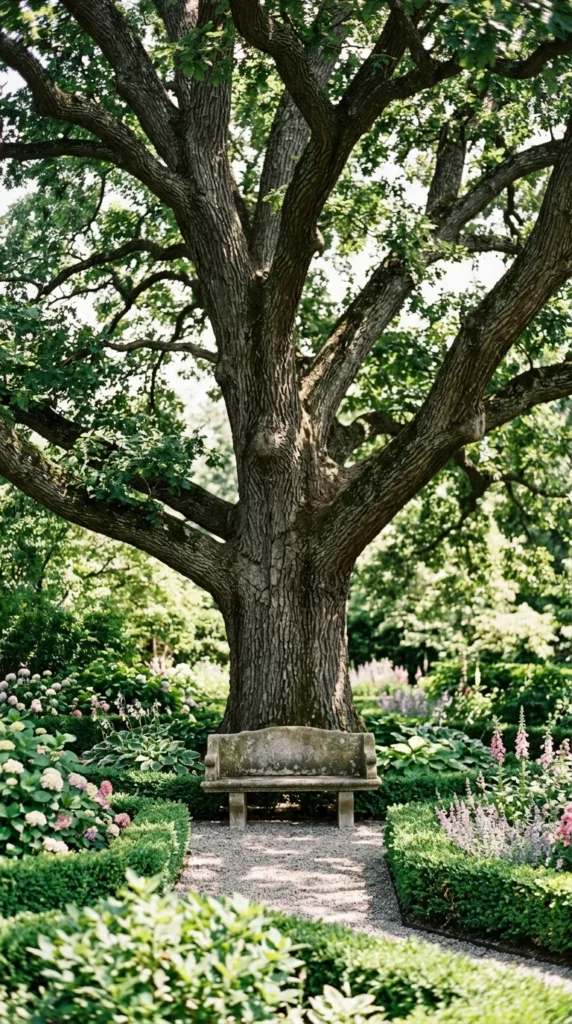
Time is the ultimate luxury. While it is tempting to save money by buying younger, smaller trees, investing in a few mature specimens can instantly make a new landscape look like it has been there for decades. Large trees provide scale, shade, and a sense of established elegance. If your budget is limited, pick one “hero” tree for the front or backyard and surround it with smaller, faster-growing plants.
10. Monochromatic Palettes
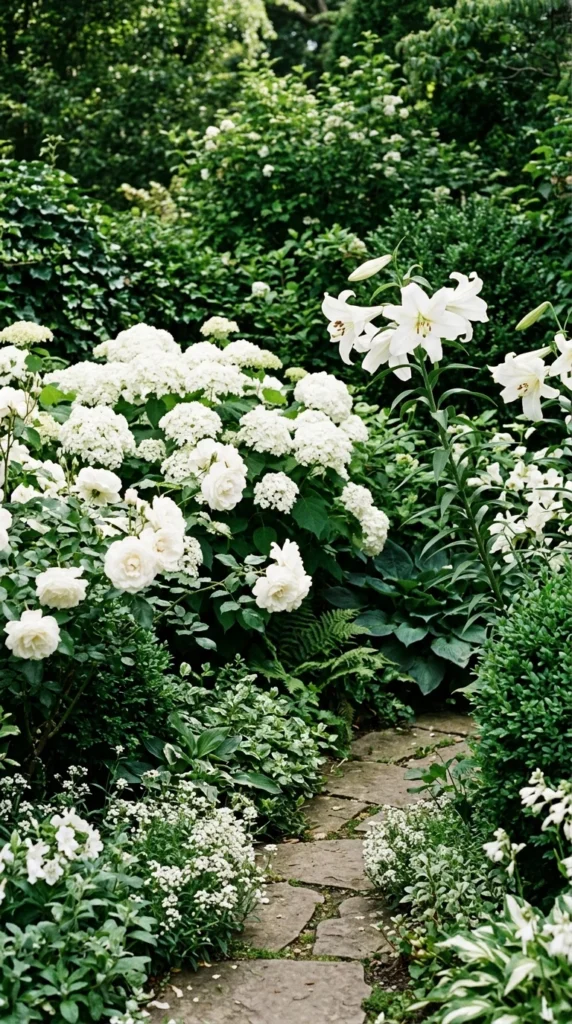
A riot of every color under the sun can often look cluttered. High-end designers often use a limited color palette to create a cohesive, calming environment. A monochromatic garden—such as an “all-white” garden or a palette of varying shades of green and silver—feels intentional and sophisticated. It allows the textures of the leaves and the architecture of the plants to take center stage.
11. Gravel Paths
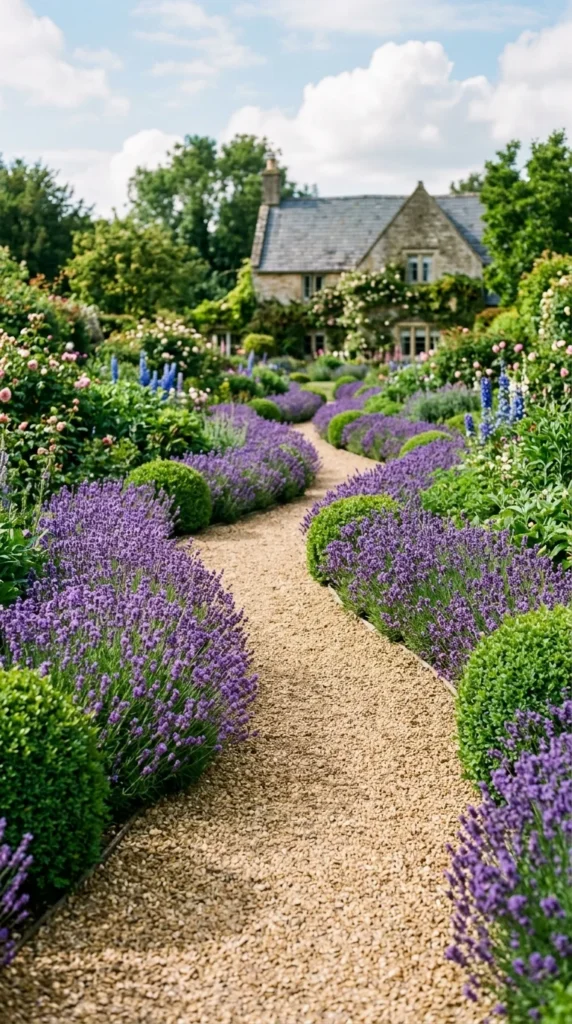
In European estate design, gravel is a staple. It provides a satisfying “crunch” underfoot and looks softer and more organic than solid pavement. To make gravel look expensive, use a high-quality “pea” gravel or crushed stone in a color that complements your home’s exterior. Ensure it is installed with a solid base and sturdy edging to keep the stones in place, preventing it from looking messy.
12. Artistic Sculptures
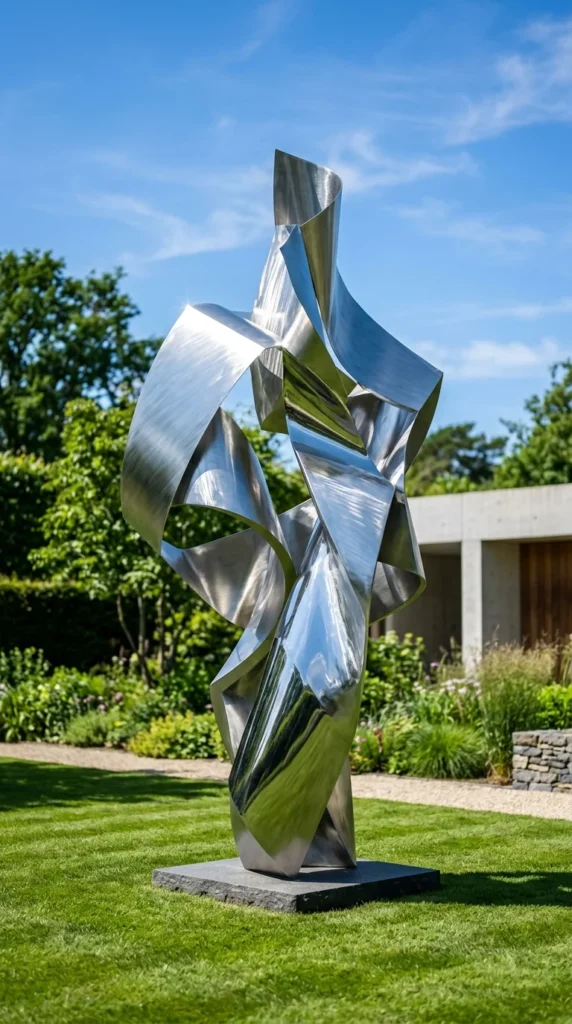
Integrating art into the garden is a classic way to signal luxury. A well-placed sculpture provides a focal point and adds a layer of personality to the landscape. It doesn’t have to be a traditional statue; modern, abstract pieces made of metal, stone, or glass can work beautifully in contemporary settings. The key is scale—the piece should be large enough to hold its own against the surrounding plants and structures.
13. Vertical Gardens
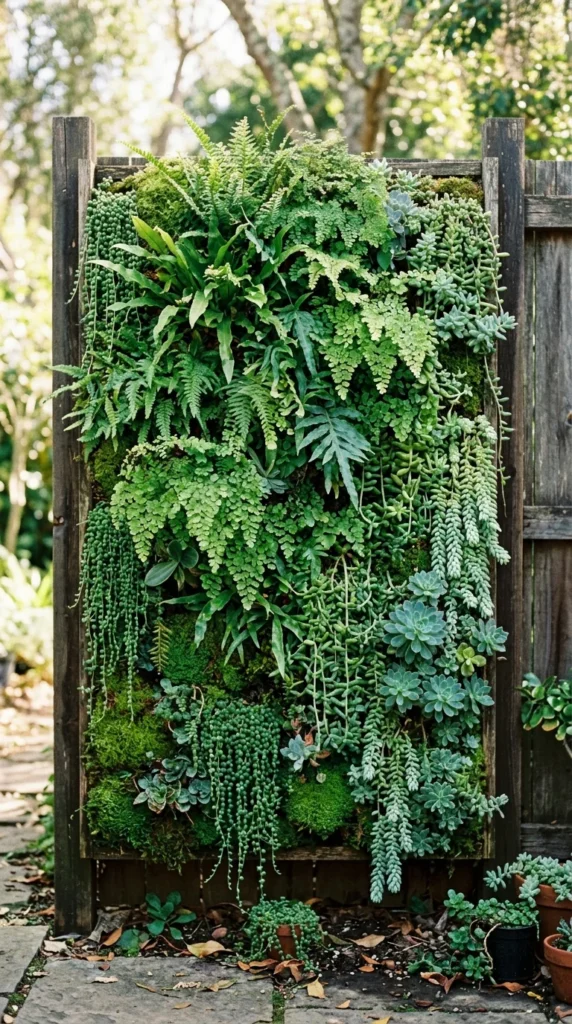
When horizontal space is limited, luxury goes vertical. Living walls or green walls transform a standard fence or exterior wall into a lush, breathing piece of art. Using a variety of plants with different textures and shades of green creates a rich, tapestry-like effect. This is particularly effective in urban settings, where it provides a “lush sanctuary” feel in a concrete environment.
14. Seamless Transitions
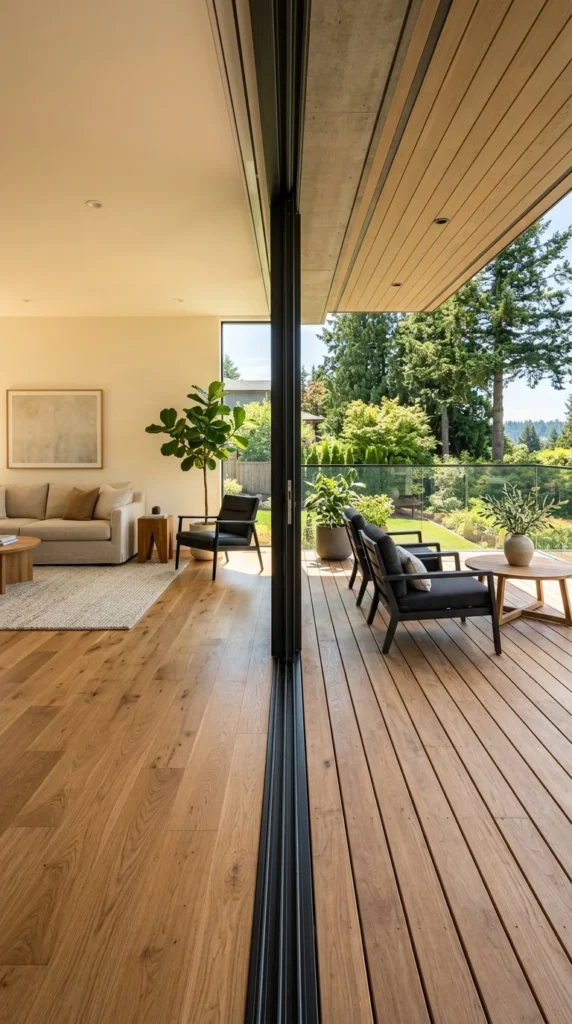
The most expensive-looking homes are those where the boundary between inside and out is blurred. Achieving a “flush” transition—where the interior floor is at the exact same level as the exterior patio—is a high-end architectural detail. Using the same or very similar materials for both the indoor and outdoor flooring creates a visual continuation that makes both the home and the garden feel much larger.
15. Fire Elements
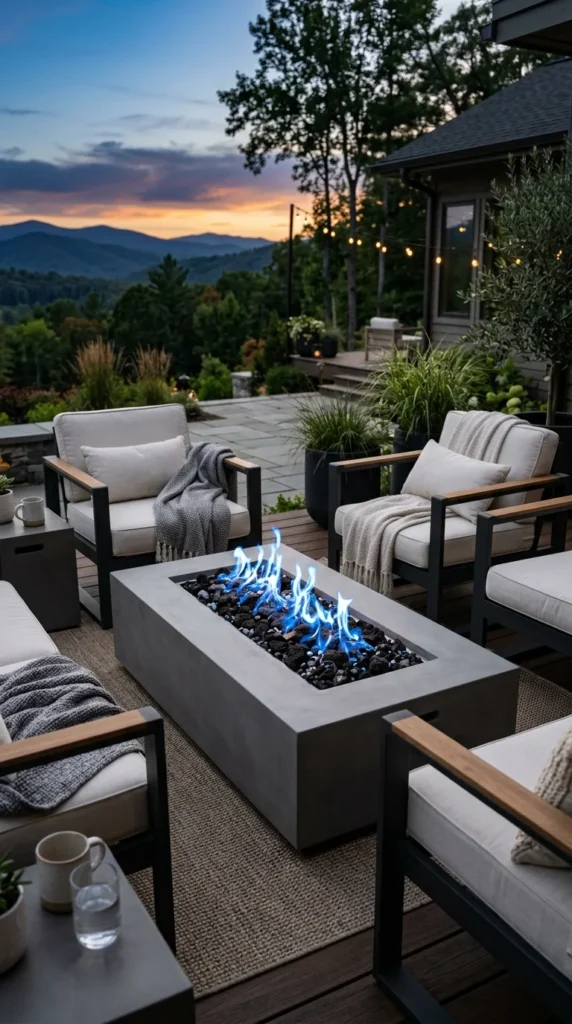
Fire adds an element of drama and warmth that encourages nighttime use of the garden. While a basic fire ring is fine for camping, a luxury landscape features built-in fire elements. Think of linear gas fire tables, stone-clad outdoor fireplaces, or “fire bowls” that flank a pool. These structures should be integrated into the hardscape and designed to complement the overall style of the home.
16. Privacy Screening
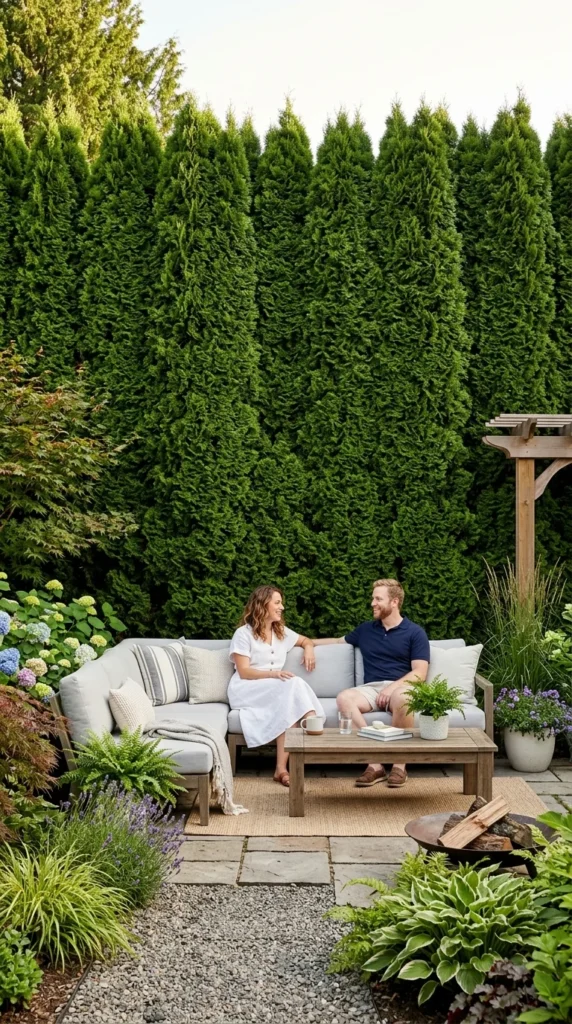
True luxury is privacy. Rather than relying solely on wooden fences, expensive landscapes use “living fences.” Tall, narrow evergreens, bamboo (in contained planters), or trellises covered in climbing vines like jasmine or wisteria create a soft, green wall that blocks out neighbors and noise. This creates an “enclosed garden” or “secret garden” feel that is highly desirable.
17. Manicured Lawns
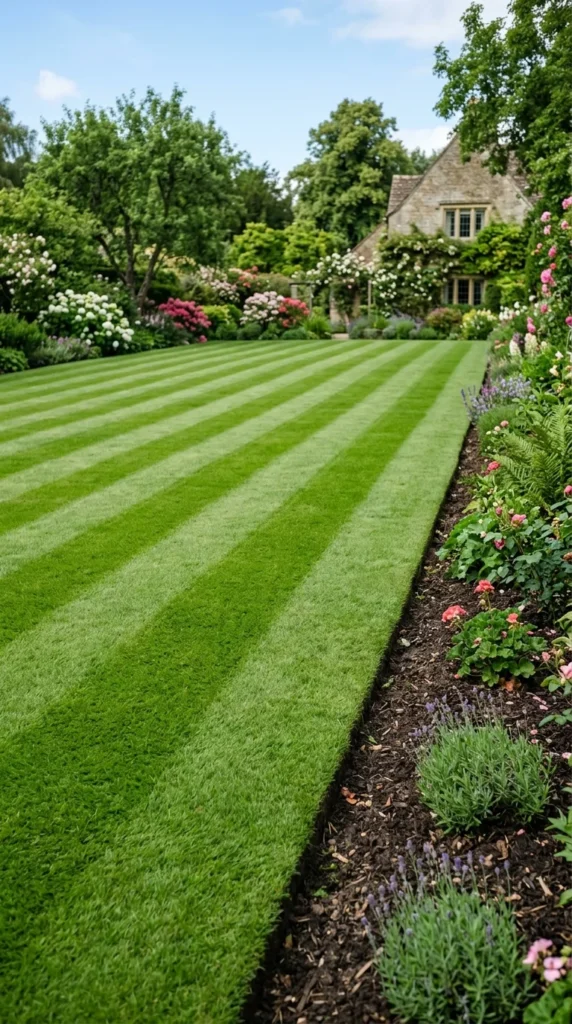
Finally, never underestimate the power of a perfect lawn. In a luxury landscape, the lawn is treated like a carpet. This means it is level, free of weeds, and has perfectly defined edges. If a traditional lawn is too much maintenance, high-end artificial turf can provide that “perfectly green” look year-round, which is a common choice for modern luxury estates in dry climates.