
The landscape of modern gardening is shifting from traditional flower beds toward functional, architectural, and ecologically conscious spaces. Today’s most-saved garden designs emphasize a “less is more” philosophy while prioritizing biodiversity and outdoor living. Whether you have a sprawling suburban lot or a compact urban balcony, these eighteen modern garden designs are currently dominating design boards and social media feeds for their innovative use of space, material, and greenery.
1. Minimalist Zen
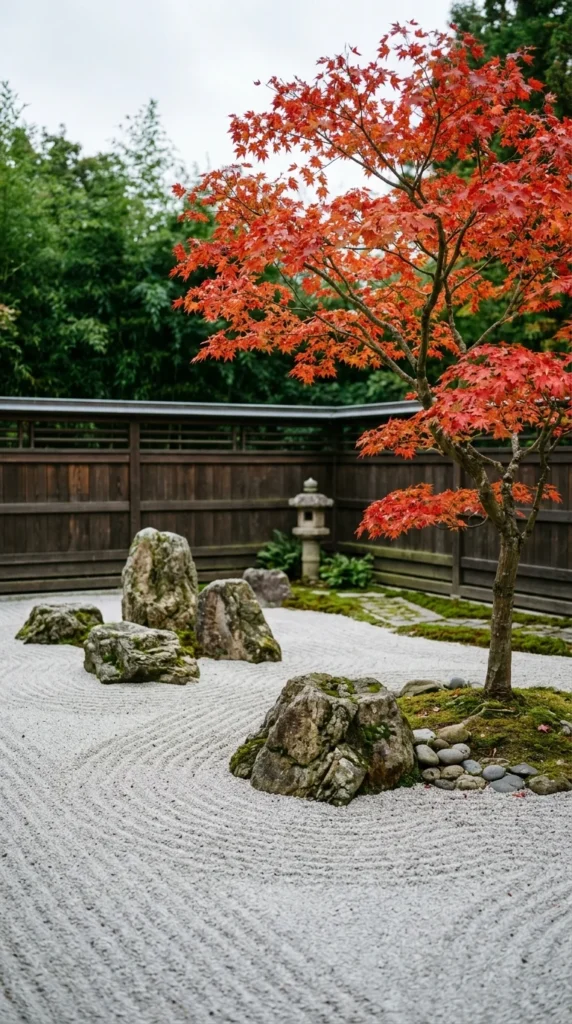
The Minimalist Zen aesthetic focuses on negative space and the power of a few well-chosen elements. This design draws heavily from Japanese tradition but strips it down for modern sensibilities. Instead of a riot of color, it uses texture and form to create a sense of tranquility. Key features include:
- Neutral Palettes: Use of grey stone, white gravel, and deep green foliage.
- Structural Plants: Focus on specimen trees like Cloud-pruned boxwood or Maples.
- Water Elements: Simple stone basins or silent, dark-bottomed reflecting pools.
2. Vertical Succulents
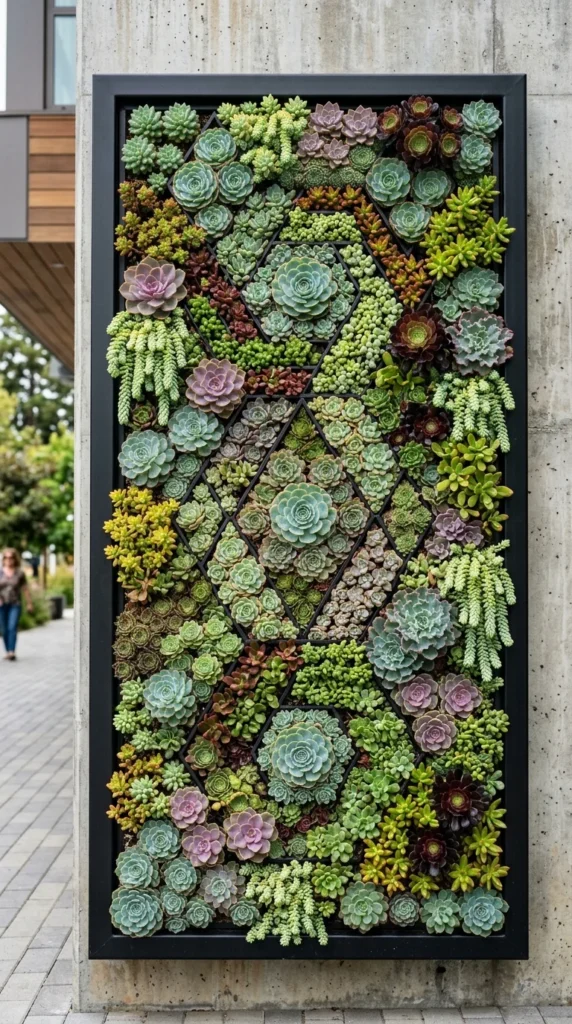
As urban living spaces shrink, gardeners are looking upward. Vertical succulent gardens act as living art pieces that require minimal water and maintenance. They are perfect for patio walls or narrow side yards.
- Textural Variety: Mixing spiky agaves with rosette-shaped echeverias.
- Low Maintenance: Ideal for busy homeowners or those in arid climates.
- Integrated Irrigation: Hidden drip systems that keep the wall hydrated without visible pipes.
3. Industrial Corten
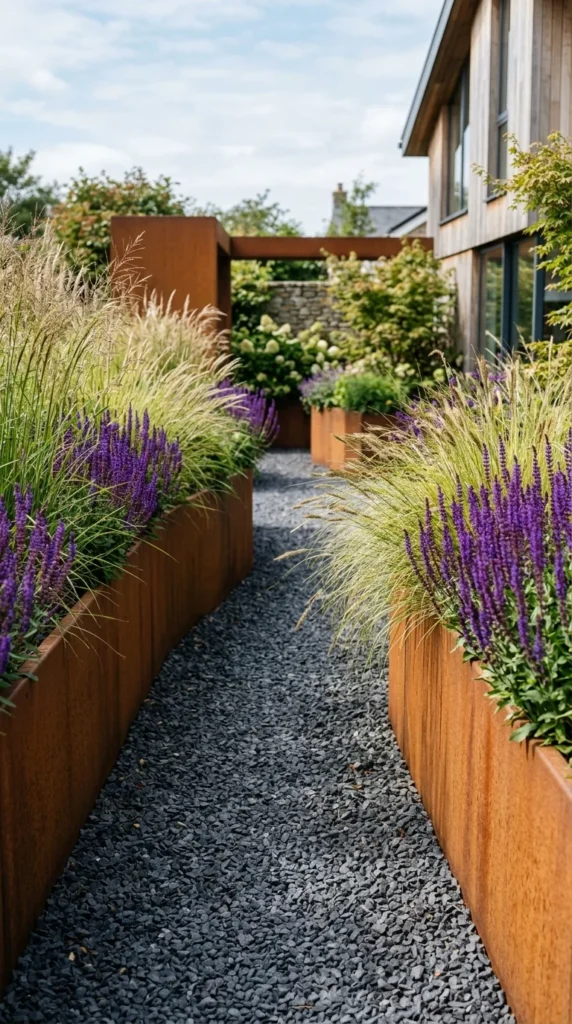
Corten steel has become a staple of modern landscape architecture. Its characteristic rust-like patina provides a warm, earthy contrast to green foliage and grey concrete.
- Retaining Walls: Using steel sheets to create tiered garden levels.
- Edging: Sharp, clean lines that separate lawn from mulch.
- Sculptural Features: Custom-cut steel screens that provide privacy while allowing light to filter through.
4. Geometric Pavers
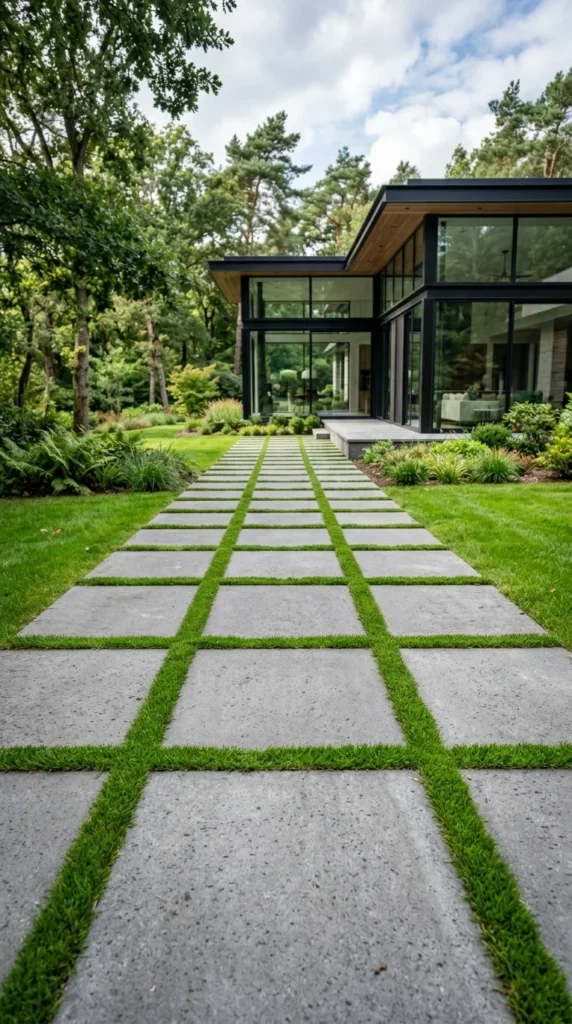
Geometric paver designs offer a structured, clean look that complements modern architecture. By playing with the spacing between stones, designers create a rhythmic pattern that feels both organic and engineered.
- Grass Inlays: Filling the gaps with dwarf mondo grass or creeping thyme.
- Oversized Scales: Using large-format slabs (up to 3×3 feet) to make small spaces feel larger.
- Permeability: Allowing rainwater to soak into the ground between the stones, reducing runoff.
5. Smart Hydroponics
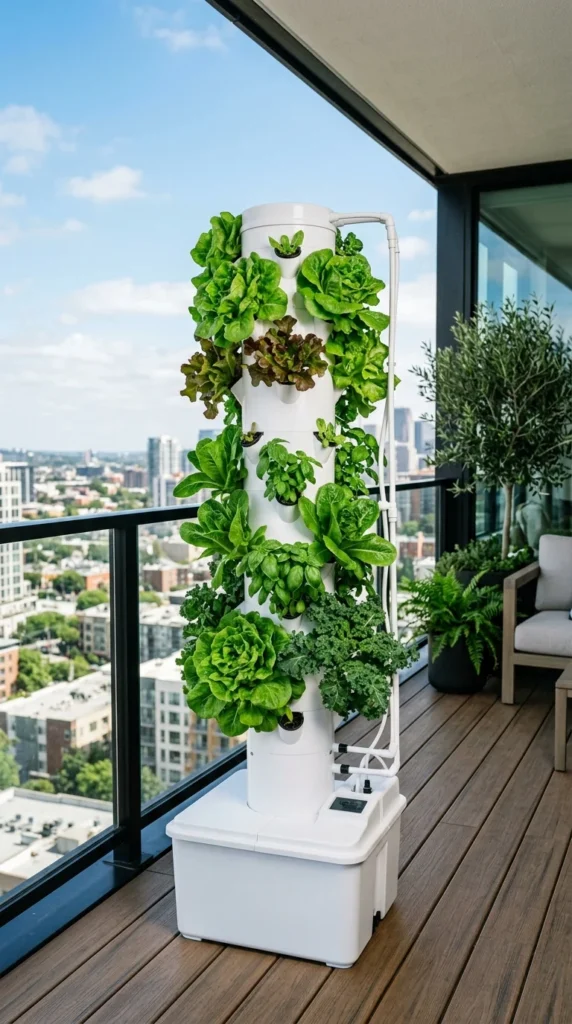
Modern gardens are increasingly productive. Smart hydroponic systems allow homeowners to grow their own organic produce in a clean, soil-free environment that looks more like a gadget than a farm.
- Automated Feeding: Systems that monitor pH and nutrient levels via smartphone apps.
- Vertical Stacking: Maximizing yield in tiny footprints.
- No Mess: Eliminating the need for tilling, weeding, or heavy bags of soil.
6. Wildlife Rewilding
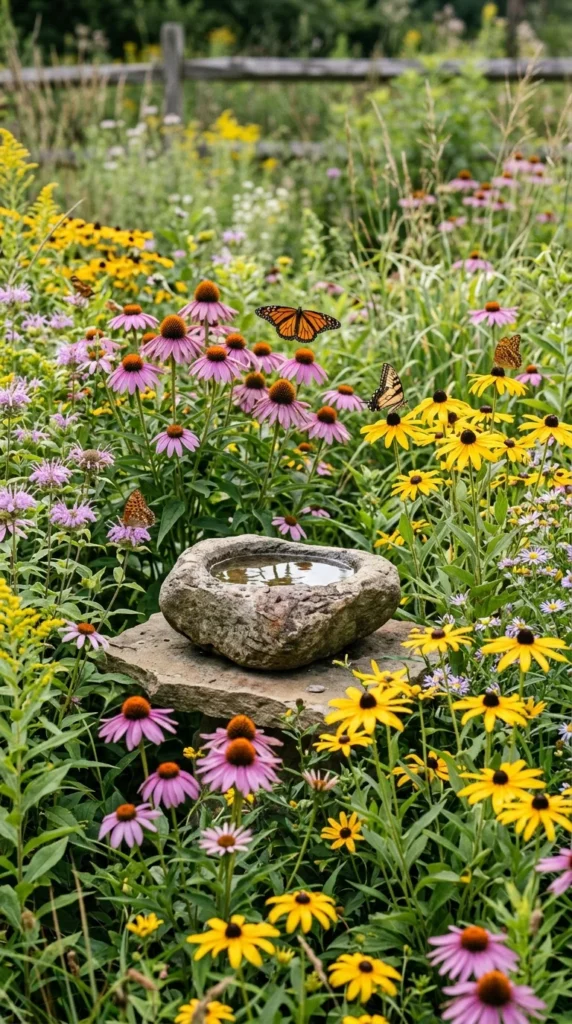
Rewilding is the practice of letting nature take the lead, albeit with a modern, curated touch. These gardens prioritize local ecosystems and provide habitats for pollinators.
- Native Species: Choosing plants that naturally occur in the region to reduce the need for pesticides.
- Meadow Aesthetics: Replacing traditional lawns with tall grasses and wildflowers.
- Pollinator Corridors: Designing specific areas to attract bees, butterflies, and local birds.
7. Scandinavian Hygge
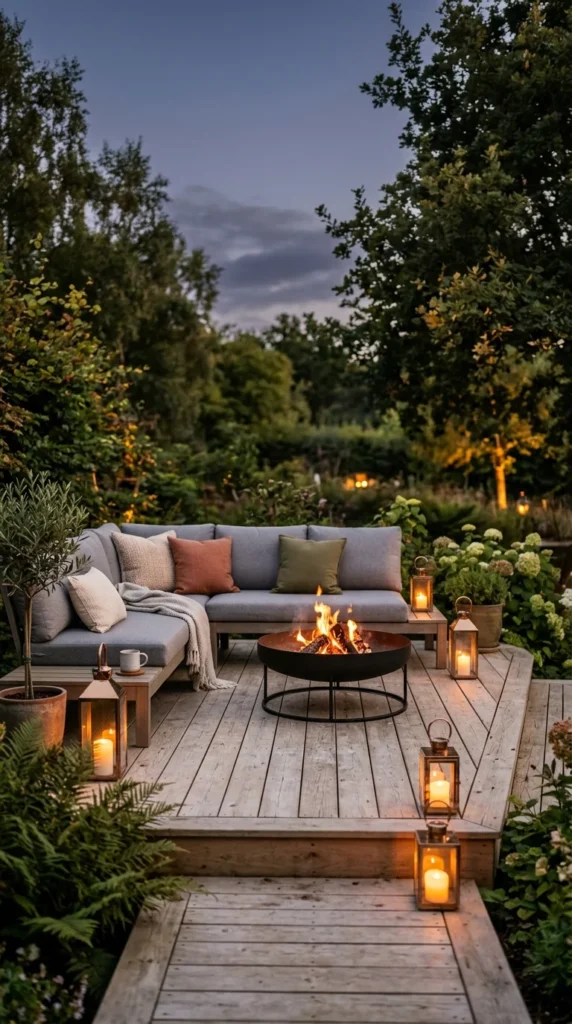
The Scandinavian “Hygge” concept focuses on coziness and contentment. In the garden, this translates to spaces that are functional year-round, even in cooler climates.
- Outdoor Fireplaces: Sleek, integrated fire pits or chimneys.
- Natural Wood: Using light-toned woods like cedar or larch for decking and fencing.
- Ambient Lighting: String lights, lanterns, and hidden LEDs that create a warm glow.
8. Xeriscape Gravel
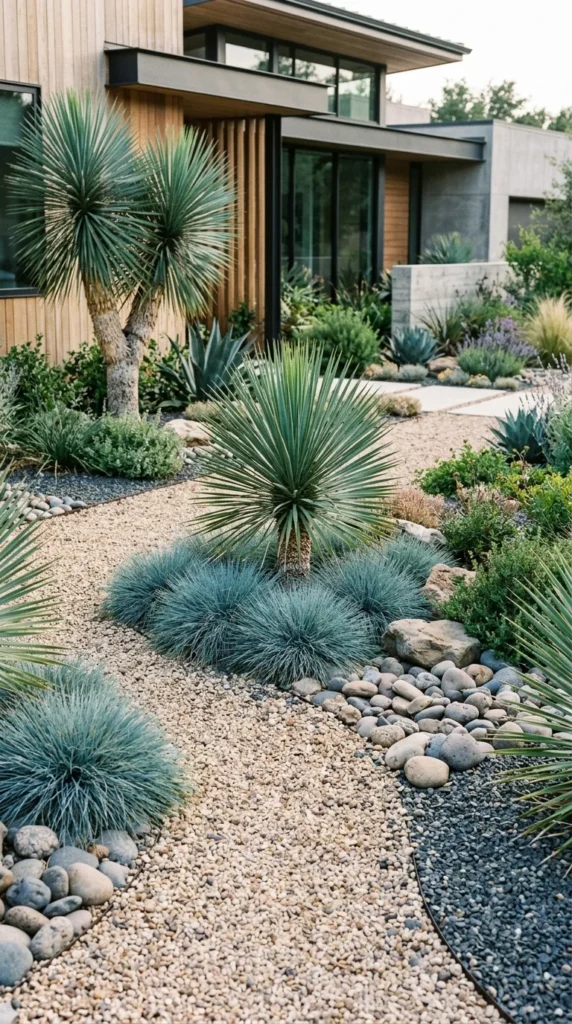
Xeriscaping is no longer just for the desert. Modern gravel gardens are popping up in all climates as a way to reduce water consumption and eliminate the “mowing” chore.
- Textured Layers: Mixing different sizes and colors of gravel to create visual interest.
- Drought-Hardy Plants: Lavender, rosemary, and ornamental grasses thrive in these well-draining environments.
- Clean Transitions: Using metal edging to keep gravel precisely where it belongs.
9. Edible Landscapes
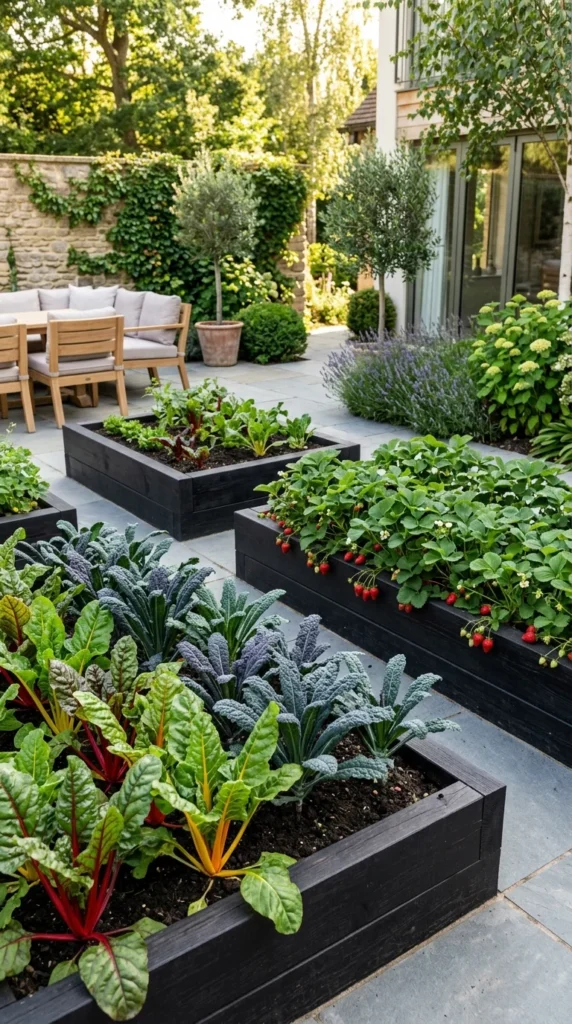
The modern edible garden moves vegetables from the “back corner” to the “center stage.” These designs integrate food production into the ornamental landscape.
- Raised Beds: Using high-end materials like stone or hardwood to build beautiful planting boxes.
- Fruit Walls: Espaliered fruit trees grown flat against a wall or fence.
- Herb Borders: Using fragrant herbs like thyme and oregano as groundcover or path edging.
10. Biophilic Atriums
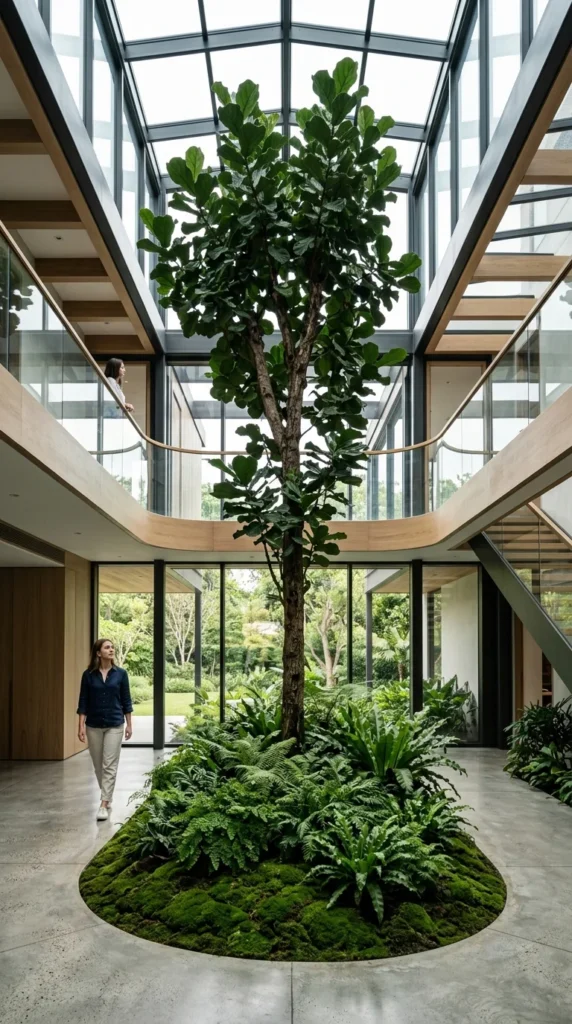
Biophilic design seeks to connect building occupants more closely to nature. Modern homes are increasingly designed around central glass atriums that bring the garden inside.
- Glass Walls: Creating a seamless visual transition between the living room and the garden.
- Micro-Climates: Using the sheltered nature of an atrium to grow sensitive or tropical plants.
- Natural Air Filtration: Using the plants to improve indoor air quality.
11. Monochromatic Greenery
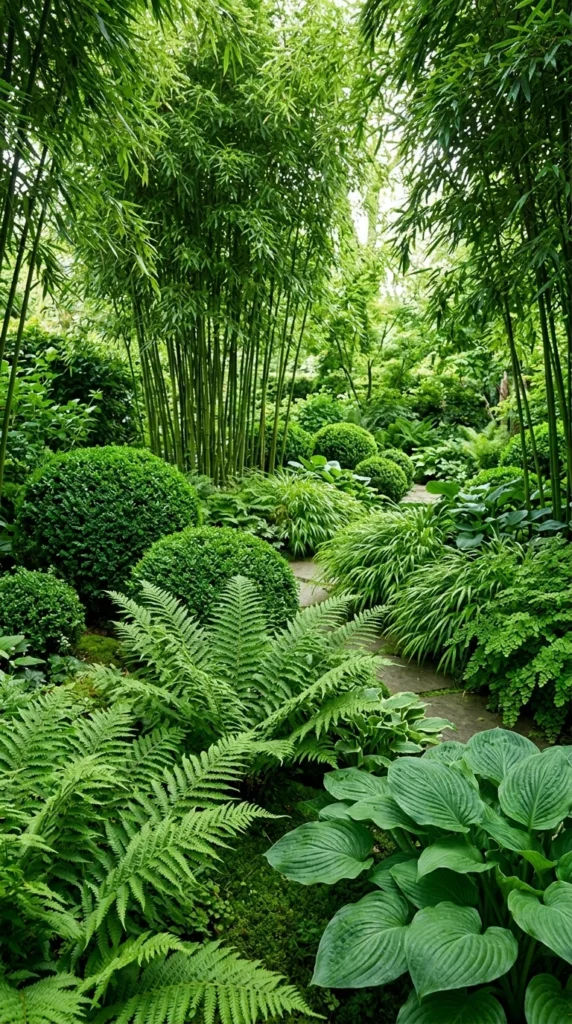
Color-coordinated gardens are a major trend, specifically the “all-green” garden. By removing the distraction of bright flowers, the eye focuses on the subtle variations in leaf shape, texture, and light.
- Varying Textures: Pitting the soft fronds of a fern against the waxy leaves of a magnolia.
- Shape Play: Using clipped boxwood spheres alongside wispy ornamental grasses.
- Depth through Shade: Utilizing different shades of green, from lime to deep hunter.
12. Mid-Century Modern
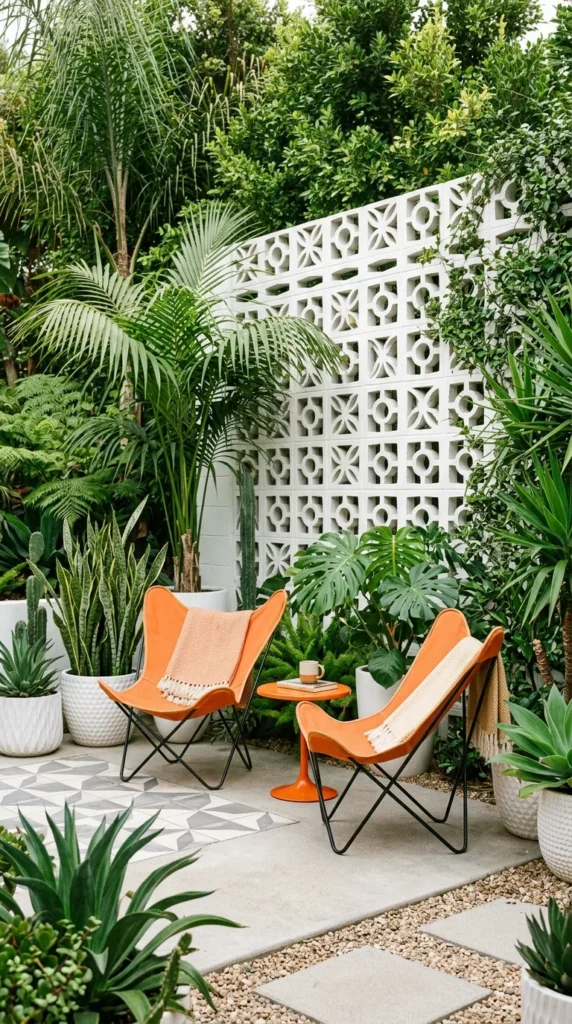
The Mid-Century Modern (MCM) look is back in a big way. These gardens focus on “atomic” shapes, indoor-outdoor flow, and iconic hardscaping materials from the 1950s and 60s.
- Breeze Blocks: Patterned concrete blocks that provide privacy while allowing airflow.
- Graphic Shapes: Using circles and triangles in patio layouts.
- Retro Furniture: Incorporating classic pieces like Acapulco or Bertoia chairs.
13. Sunken Lounges
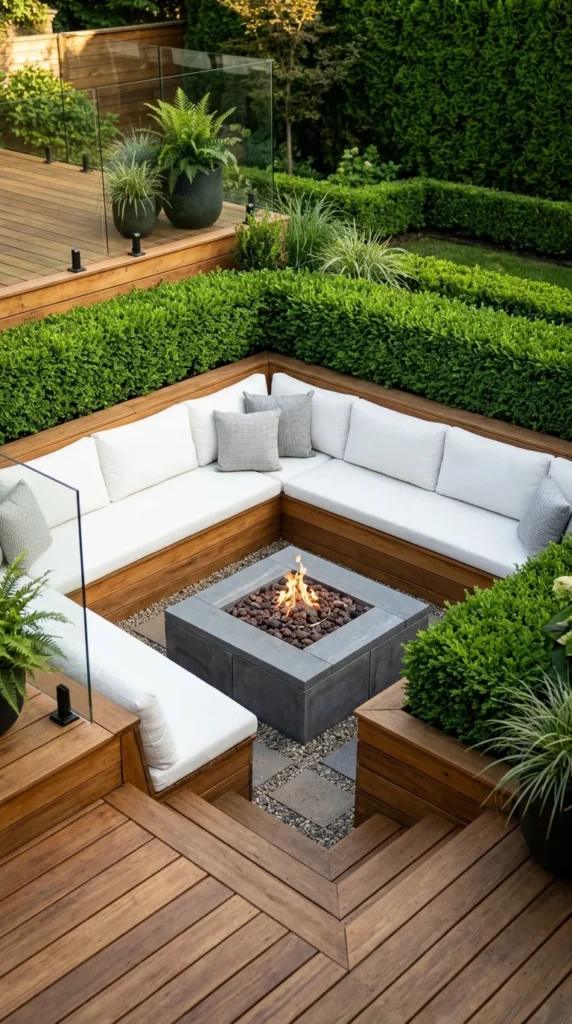
Sunken lounges create a sense of intimacy and “destination” within a garden. By dropping the seating area below the ground level or the main deck, you create a cozy, protected nook.
- Integrated Seating: Benches built directly into the retaining walls.
- Wind Protection: The sunken design naturally shields occupants from breezes.
- Focus on Conversation: Often centered around a fire feature or a low coffee table.
14. Tropical Maximalism
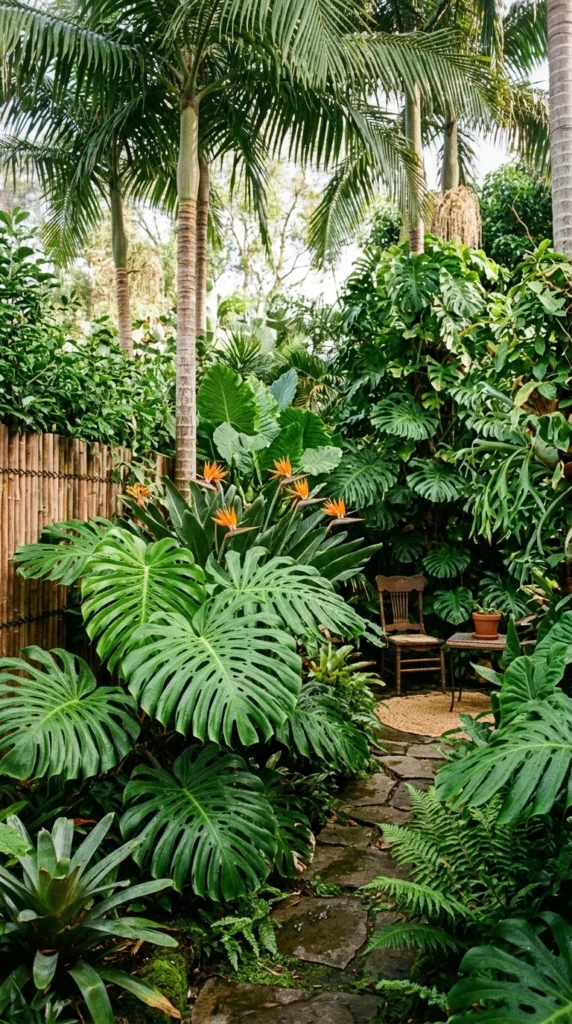
For those who find minimalism too cold, Tropical Maximalism offers a lush, “more is more” approach. This design is about creating a private, immersive jungle experience.
- Large Foliage: Plants with massive leaves like Alocasia (Elephant Ear) or Bananas.
- Layered Planting: Groundcovers, mid-level shrubs, and high canopies to block out the outside world.
- Vibrant Accents: Occasional pops of hot pink, bright orange, or deep purple flowers.
15. Drought-Tolerant Meadows
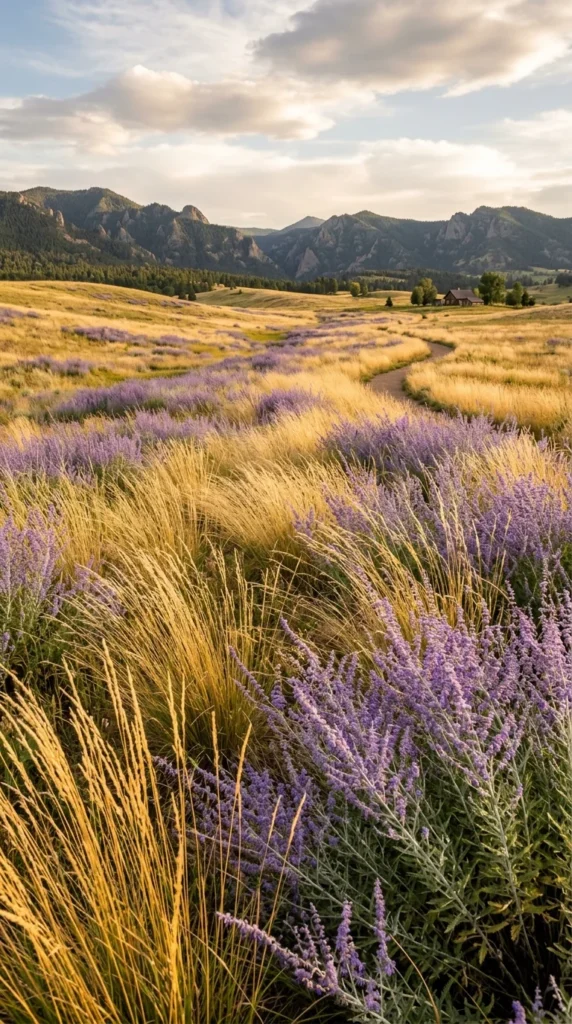
Replacing the traditional lawn with a drought-tolerant meadow is a move toward sustainability that looks incredibly modern. These gardens move with the wind and change beautifully through the seasons.
- Matrix Planting: Intermingling grasses and perennials in a naturalistic grid.
- Seasonal Interest: Choosing plants that look good even when they are dormant or “tan” in winter.
- Low Input: Once established, these gardens require very little water or fertilizer.
16. Architectural Lighting
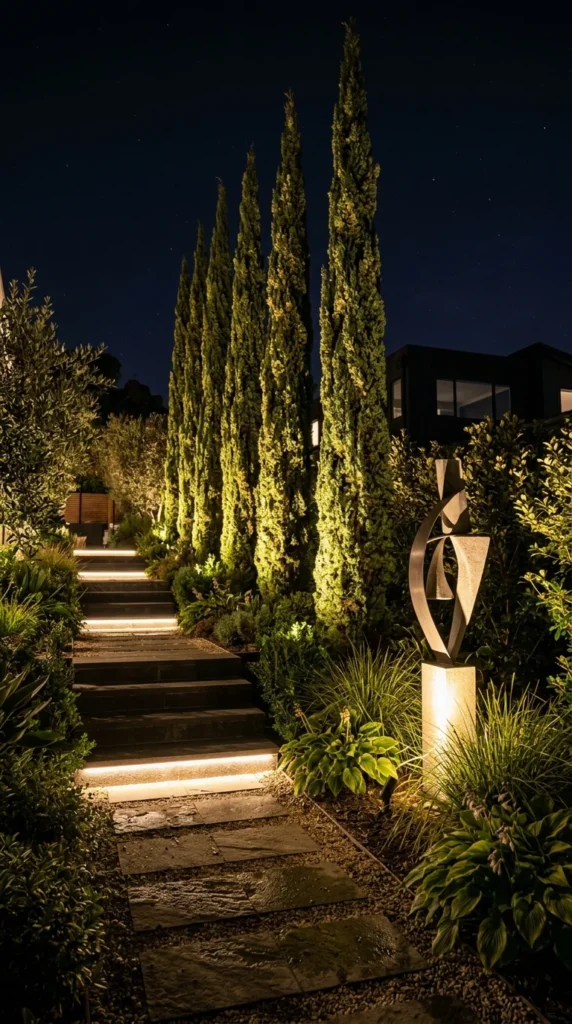
In modern garden design, the space should be as beautiful at 10 PM as it is at 10 AM. Lighting is no longer an afterthought; it is an architectural element.
- Uplighting: Placing lights at the base of trees to highlight their structure.
- Step Lighting: LED strips recessed into stairs for safety and style.
- Moonlighting: Placing cool-toned lights high in tree branches to mimic moonlight on the ground.
17. Floating Decks
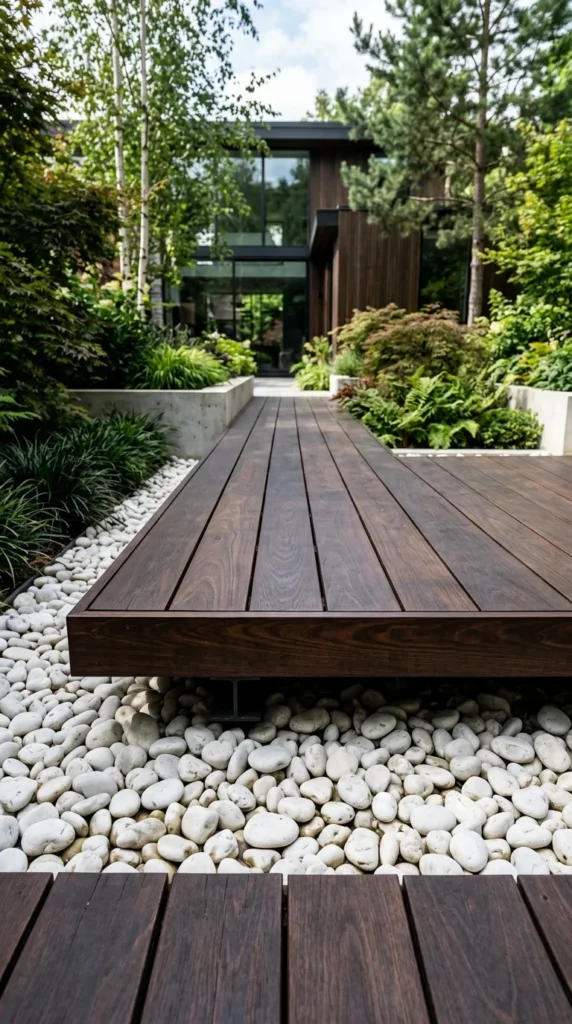
Floating decks give a garden a lightweight, contemporary feel. By hiding the structural supports, the wood appears to hover over the ground or the water.
- Shadow Gaps: Leaving a small space between the deck and the surrounding landscape to emphasize the “floating” effect.
- Mixed Materials: Combining wood decking with concrete or stone paths.
- Low Profile: Perfect for flat backyards where you want to create a level change without massive stairs.
18. Modular Containers
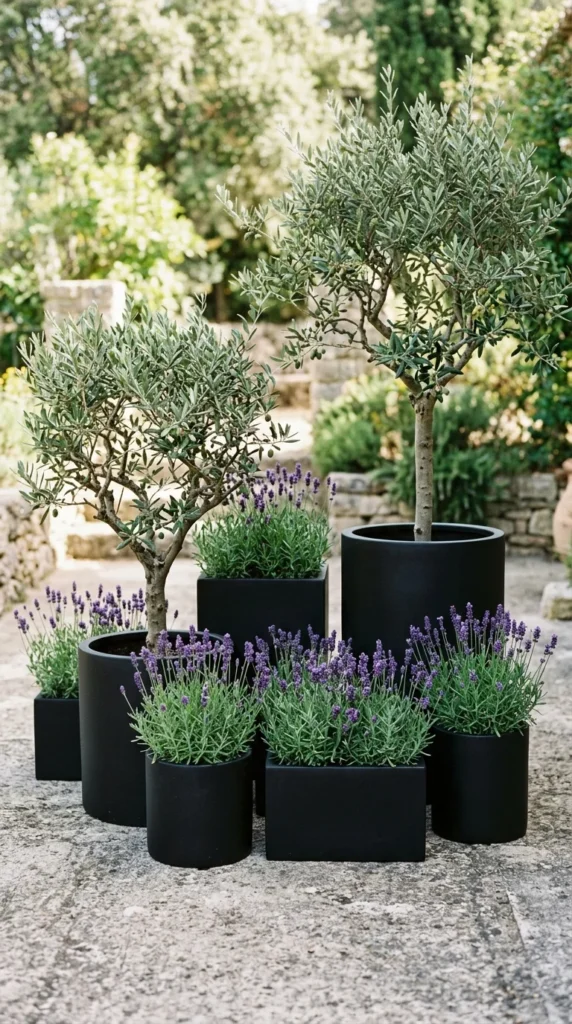
Modular container gardening is the ultimate solution for flexibility. It allows you to rearrange your garden at will and is perfect for renters or people who like to change their look frequently.
- Uniform Material: Using pots of the same color and material but in different sizes.
- Height Variation: Using pedestals or tall pots to create a “skyline” effect.
- Mobility: Many modern large-scale planters now come with hidden casters for easy movement.