
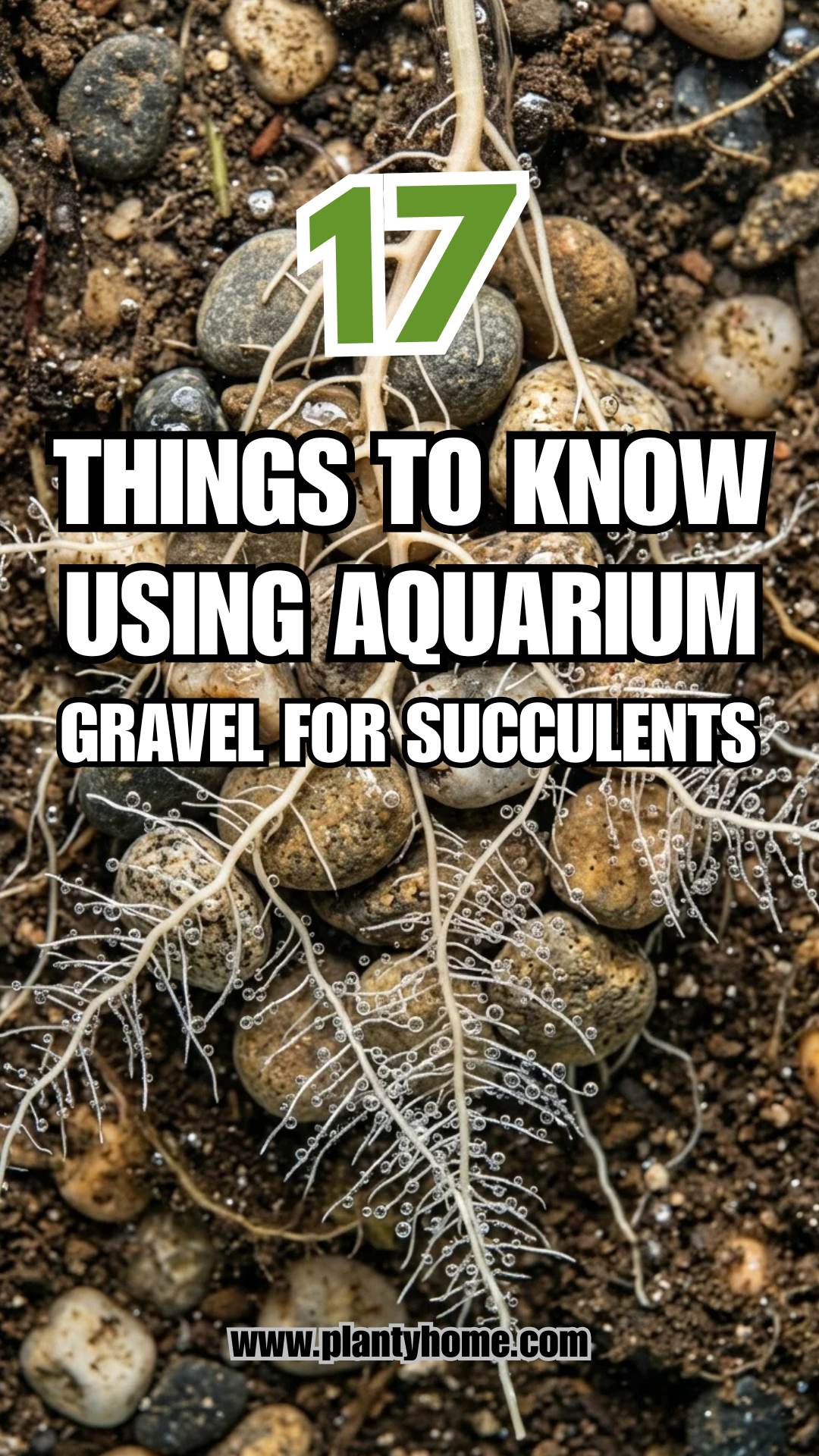
Succulent enthusiasts are always on the lookout for the perfect substrate. While traditional potting soil is often too heavy, many hobbyists turn to the pet aisle for a solution: aquarium gravel. This colorful, versatile material can transform the health and appearance of your desert plants, but it isn’t as simple as just dumping a bag of rocks into a pot. Understanding the chemical and physical properties of aquarium gravel is essential for keeping your succulents thriving.
1. Drainage
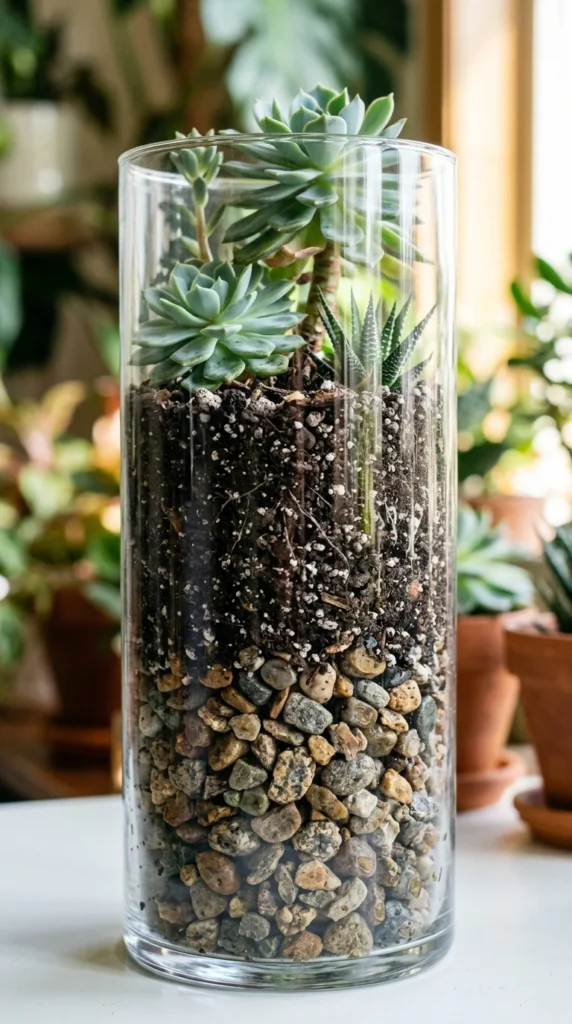
The primary reason gardeners reach for aquarium gravel is to improve drainage. Succulents are highly susceptible to root rot if they sit in damp soil for too long. Aquarium gravel, being non-porous and chunky, creates macro-pores within the soil structure. When mixed into the substrate, it allows water to flow through the pot quickly and escape through the drainage holes. This mimics the rocky, arid environments where many succulents naturally grow, ensuring that the roots are never suffocated by standing water.
2. Top Dressing
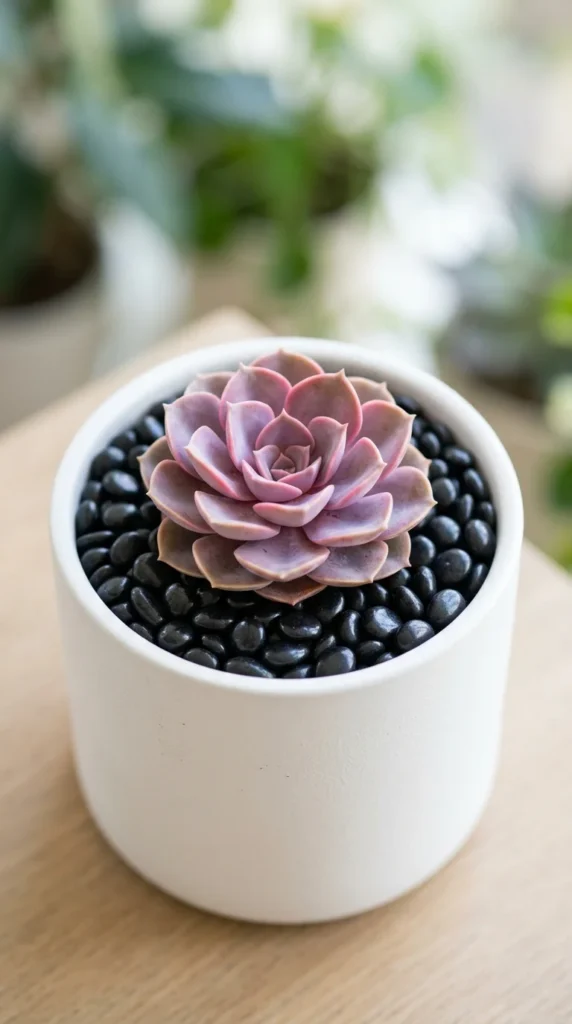
Using aquarium gravel as a top dressing is perhaps its most popular use. Beyond the aesthetic appeal, a layer of gravel on top of the soil serves several functional purposes. It prevents the soil from splashing onto the leaves of the plant during watering, which can cause fungal issues or unsightly stains. Additionally, it keeps the lower leaves of the succulent from making direct contact with moist soil, reducing the risk of rot at the base of the plant.
3. Epoxy Coatings
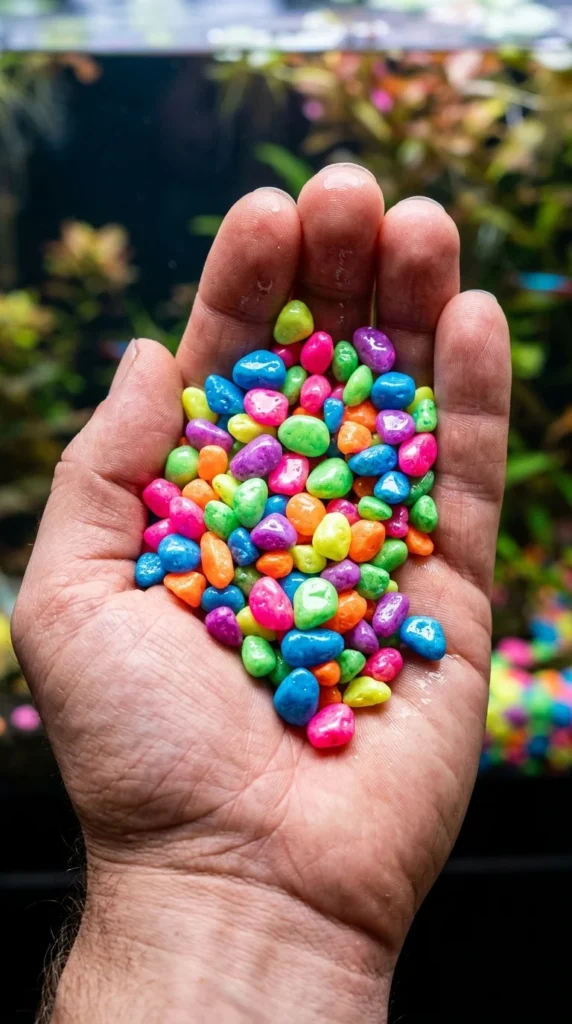
Not all aquarium gravel is natural stone. Many brands sell gravel that is coated in epoxy or acrylic to give it vibrant, neon colors. While these are generally safe for fish, they can behave differently in a garden setting. Over time, exposure to UV rays from the sun or grow lights can cause these coatings to degrade or peel. While usually non-toxic, the breakdown of synthetic coatings can alter the texture of your soil. If you are growing succulents outdoors, it is often better to choose natural, uncoated stones to avoid long-term degradation.
4. pH Levels
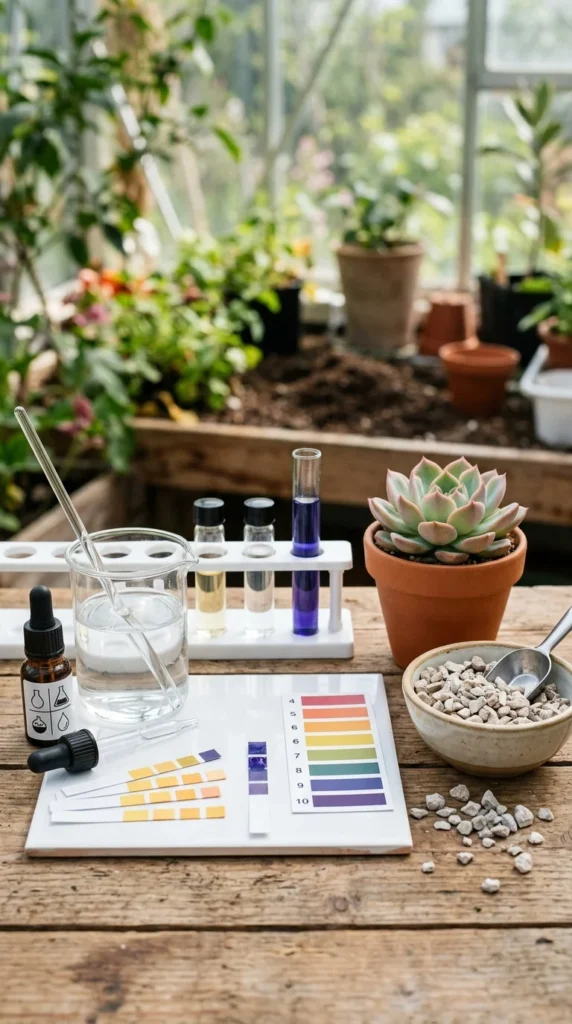
Certain types of aquarium gravel, particularly those derived from crushed coral, aragonite, or limestone, can significantly raise the pH level of your soil. Most succulents prefer a slightly acidic to neutral pH (around 6.0 to 7.0). If you unknowingly use a calcium-based gravel, the soil may become too alkaline, leading to nutrient deficiencies. Before adding a large amount of gravel to your mix, perform a quick “fizz test” with vinegar. If the gravel bubbles when vinegar is applied, it contains calcium carbonate and will raise the pH.
5. Particle Size
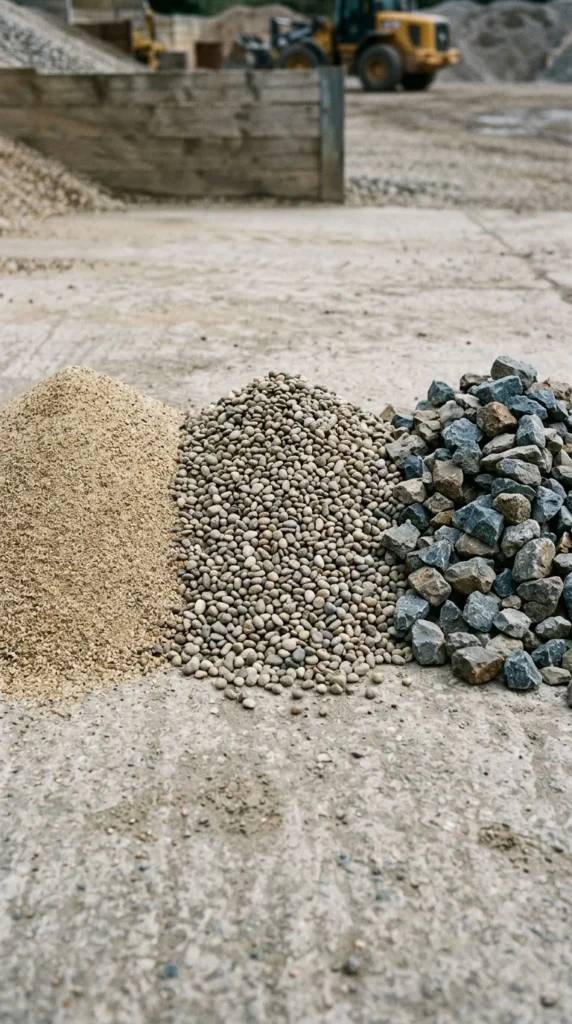
Size matters when it comes to succulent health. If the gravel particles are too small (like heavy sand), they can actually clog the drainage and lead to compaction. If they are too large, they create massive air pockets that might cause the roots to dry out too quickly. For a standard succulent mix, gravel that is roughly 3mm to 6mm (about the size of a pea or slightly smaller) is the “Goldilocks” zone. This size provides enough surface area for roots to cling to while maintaining excellent aeration.
6. Moisture Retention
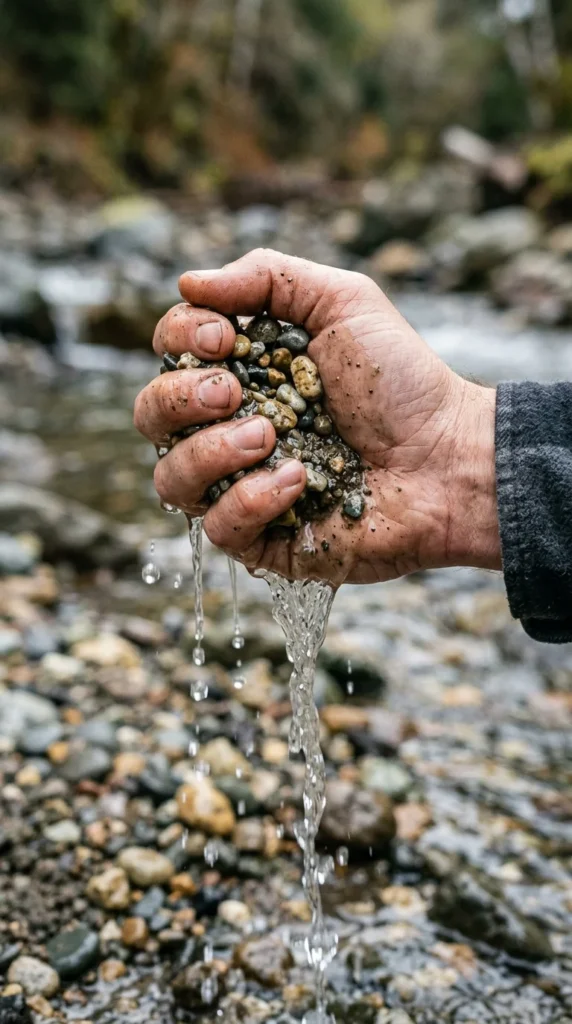
Unlike perlite or pumice, which are porous and can hold a small amount of water within their structures, aquarium gravel is usually solid stone. This means it has zero internal moisture retention. While this is great for preventing rot, it also means your soil mix will dry out much faster than you might be used to. If you live in an exceptionally hot, dry climate, using too much gravel in your soil mix might require you to water your succulents more frequently than if you used a slightly more absorbent grit.
7. Aeration
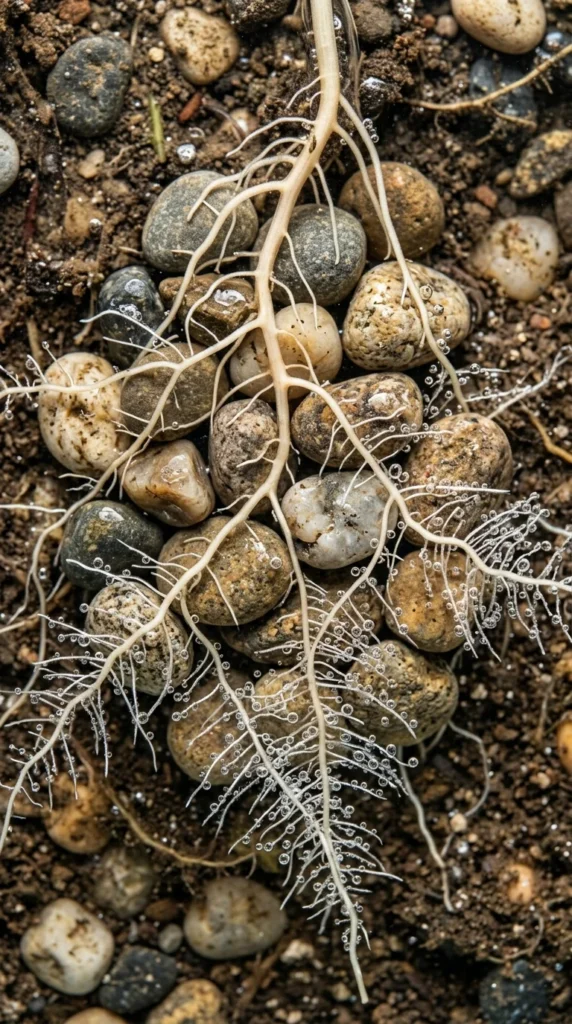
Roots need to breathe. In heavy, peat-based soils, oxygen is often squeezed out, leading to anaerobic conditions that kill succulent roots. Aquarium gravel prevents this by creating a “skeleton” for the soil. Because the stones don’t break down or compress, they ensure that oxygen can always reach the root zone. This high level of aeration encourages “air pruning,” which leads to a more robust, branched root system rather than a few long, circling roots.
8. Color Fade
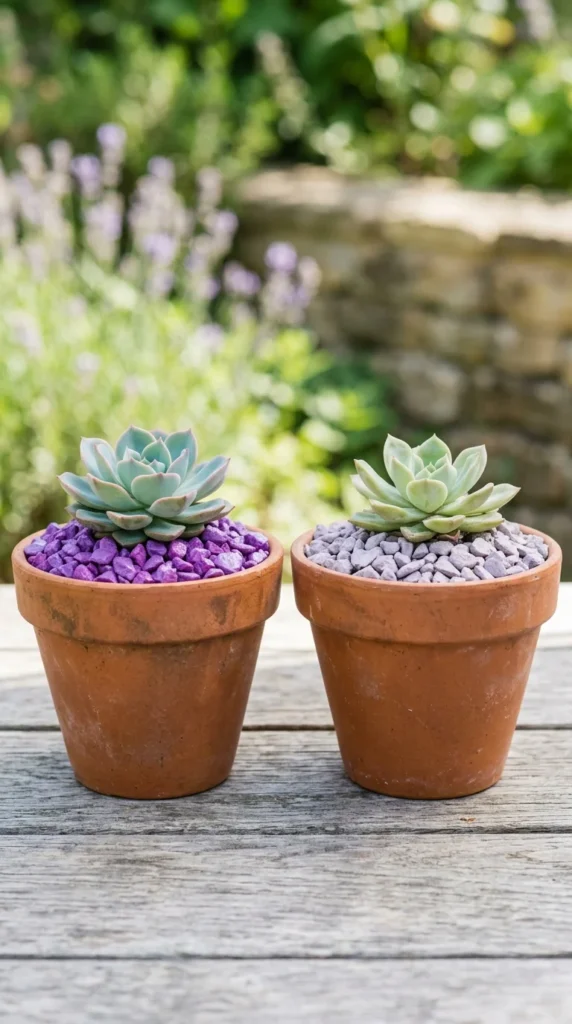
If you choose dyed aquarium gravel for its aesthetic “pop,” be prepared for color changes. The intense light required by succulents is much stronger than typical aquarium lighting. Over several months, the reds, blues, and purples may fade into duller versions of themselves. If you want a permanent color, look for gravel made from naturally colored stones like red flint, black basalt, or white quartz, which will never lose their hue regardless of sun exposure.
9. Salt Content
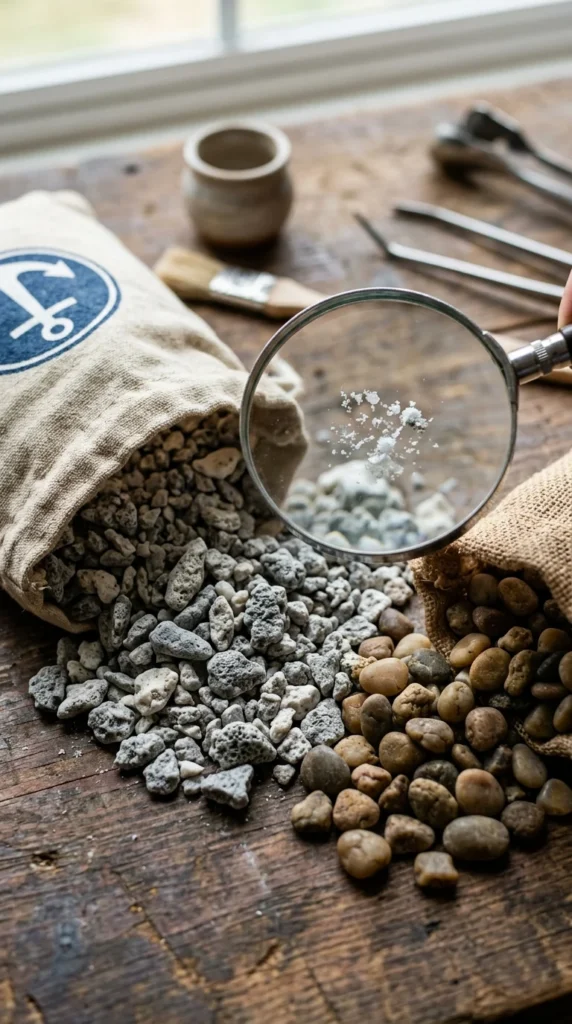
If you happen to buy gravel intended for saltwater or marine tanks, it may contain high levels of salt or crushed shells. Succulents are generally very sensitive to salt buildup in the soil, which can lead to “leaf burn” or stunted growth. Always ensure that the gravel you buy is labeled for freshwater use, or thoroughly rinse any “marine” gravel multiple times with distilled water to leach out any residual salts before introducing it to your plants.
10. Cleaning
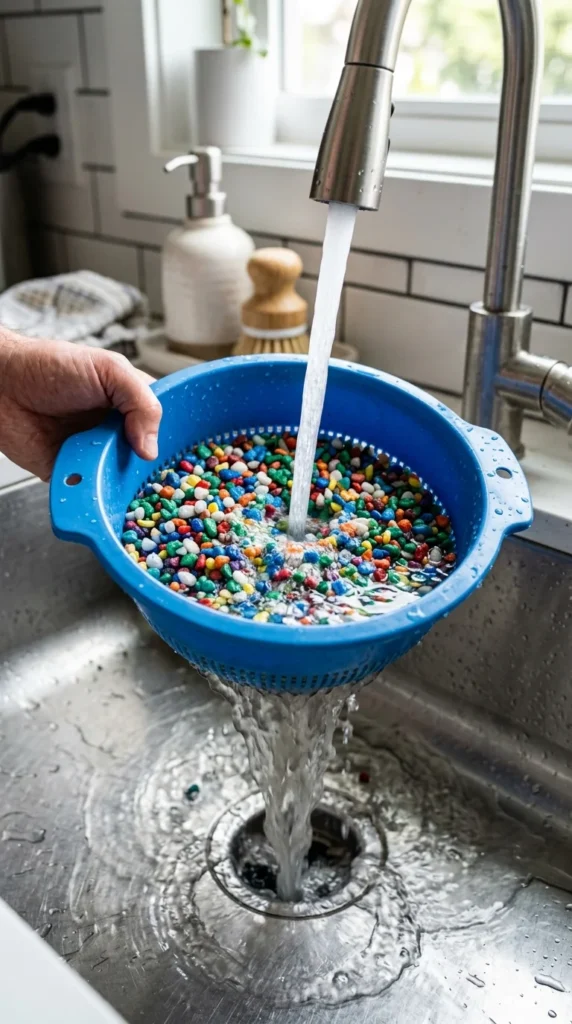
Straight out of the bag, aquarium gravel is often covered in “fines”—very fine dust created by the stones rubbing together during transport. If you add this gravel directly to your soil, that dust can settle at the bottom of the pot and create a muddy, concrete-like layer that blocks drainage. Always rinse your gravel in a mesh colander until the water runs completely clear before using it in your succulent pots.
11. Weight
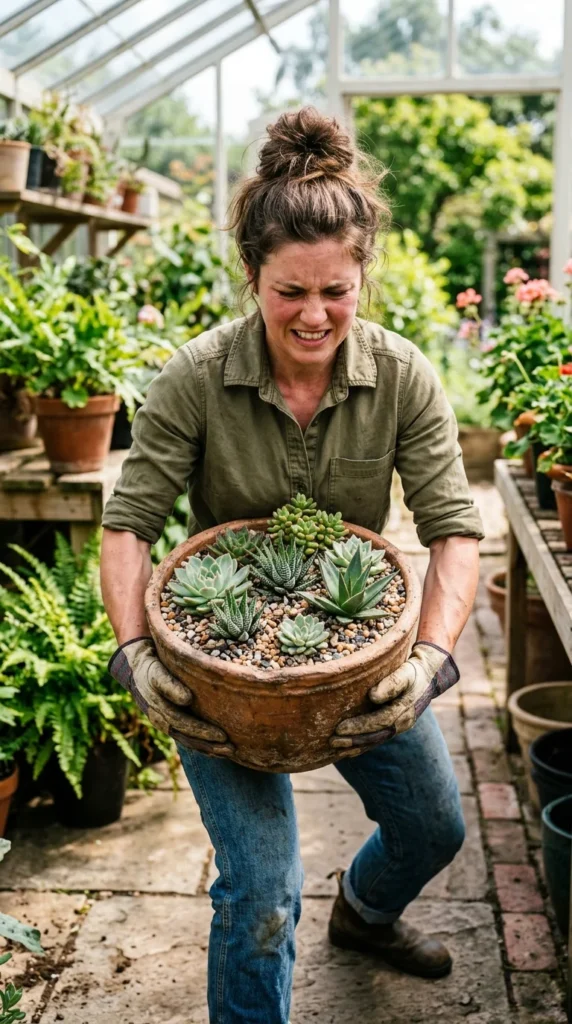
Succulents are often grown in terracotta or ceramic pots, which are already heavy. Adding a significant amount of aquarium gravel to the mix increases the weight substantially. While this is great for stability (preventing tall plants from tipping over), it makes moving large collections difficult. If you have a large shelf of succulents, ensure the shelving unit can handle the increased load of stone-heavy soil, as it can be three to four times heavier than standard potting soil.
12. Mold Prevention
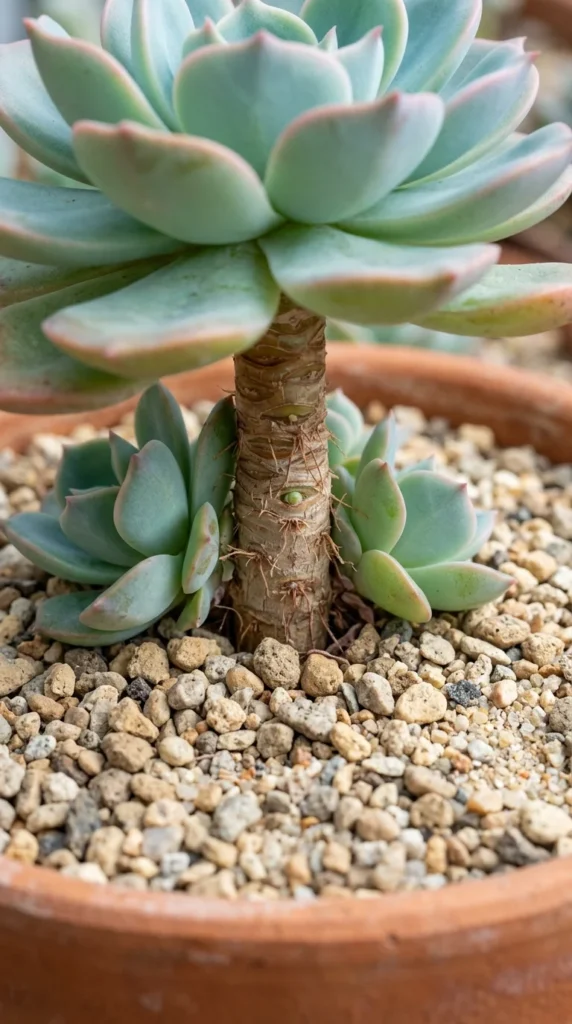
One of the hidden benefits of gravel top dressing is the prevention of surface mold and fungus gnats. Mold thrives on damp organic matter at the soil surface. By covering that organic matter with a layer of dry stone, you remove the environment mold needs to grow. Furthermore, fungus gnats are attracted to moist soil to lay their eggs. A thick layer of gravel acts as a physical barrier, making it difficult for gnats to reach the soil and effectively breaking their life cycle.
13. Mix Ratios
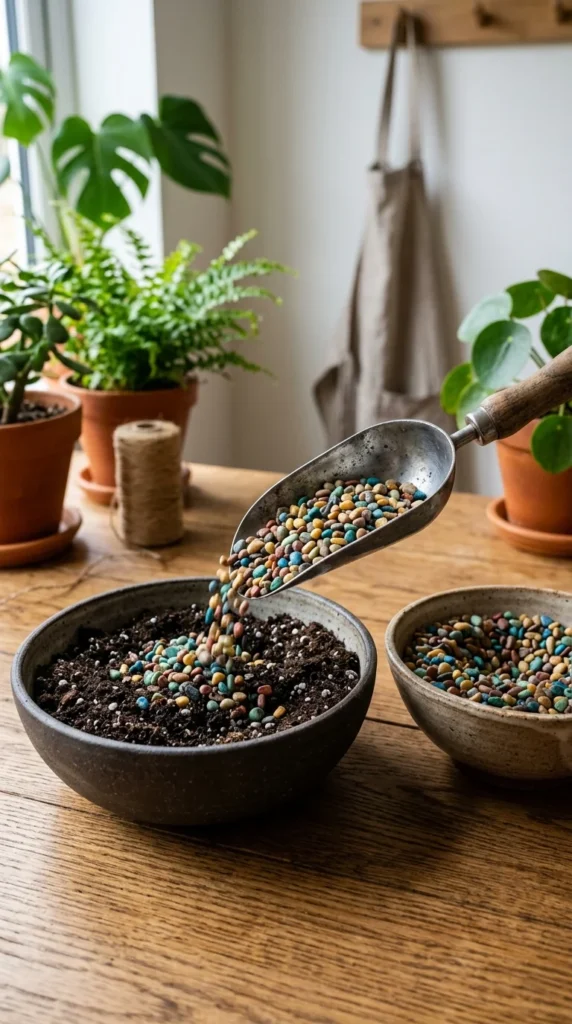
You shouldn’t grow succulents in 100% aquarium gravel, as it lacks the nutrients and minimal moisture retention needed for long-term health. The ideal ratio for most succulents is a “gritty mix” consisting of about 50% organic material (like coco coir or potting soil) and 50% inorganic material (like aquarium gravel). For “mimicry” plants like Lithops or Pleiospilos, you might even go up to 80% gravel to ensure they never stay wet for more than a day or two.
14. Cost-Effectiveness
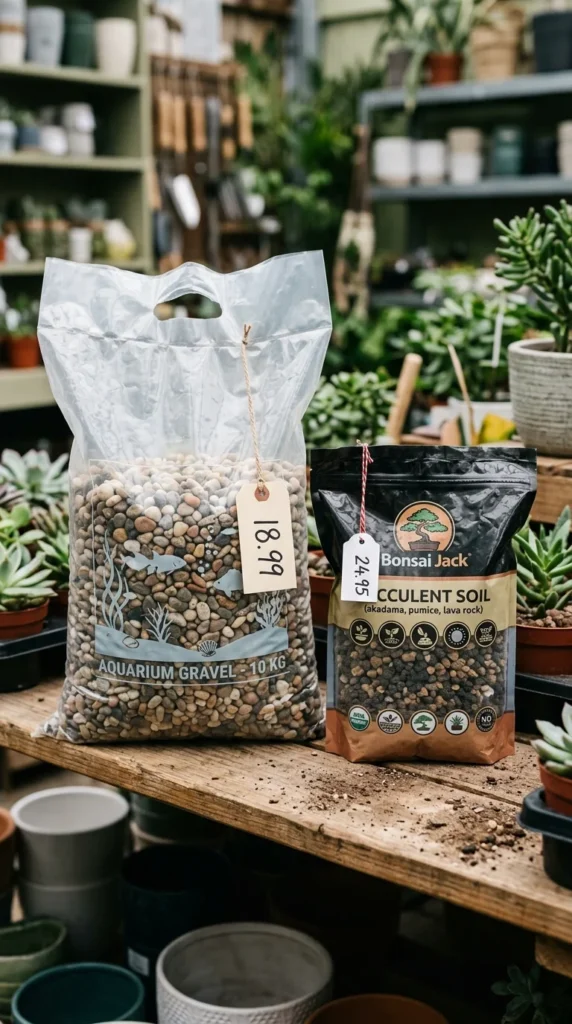
When compared to specialized succulent grits or horticultural pumice, aquarium gravel is often much cheaper and more accessible. You can find it at almost any pet store or big-box retailer. For a hobbyist on a budget, it provides the same drainage benefits as professional-grade substrates at a fraction of the cost. Just remember to account for the extra weight and lack of porosity compared to more expensive options like expanded clay or pumice.
15. Pest Control
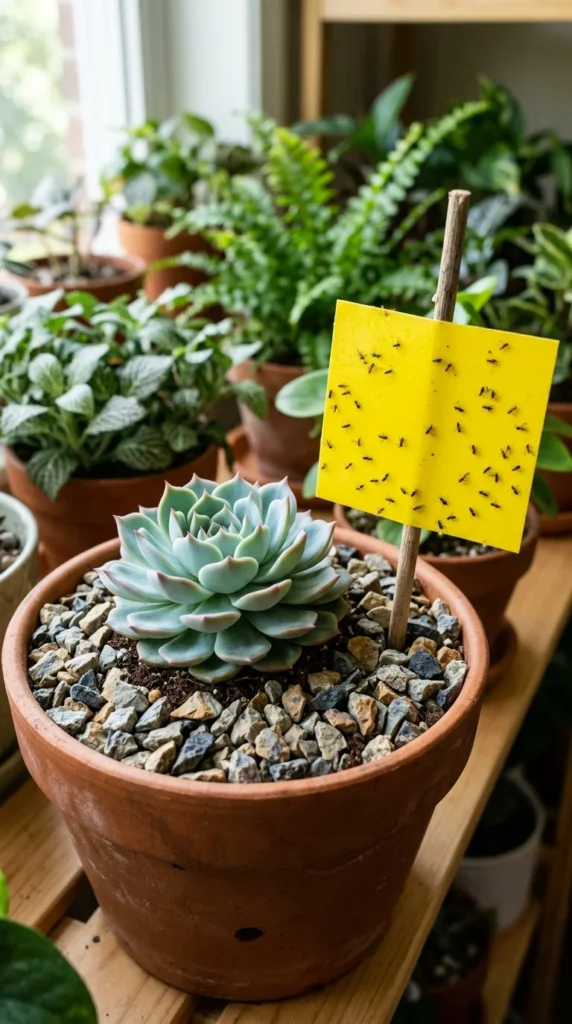
Beyond fungus gnats, a top layer of gravel can deter other pests like slugs or snails, especially if the gravel is a bit jagged. The rough texture makes it uncomfortable for soft-bodied pests to crawl over to reach the succulent leaves. While not a foolproof solution for all infestations, it adds an extra layer of “integrated pest management” to your indoor or outdoor garden.
16. Temperature Regulation
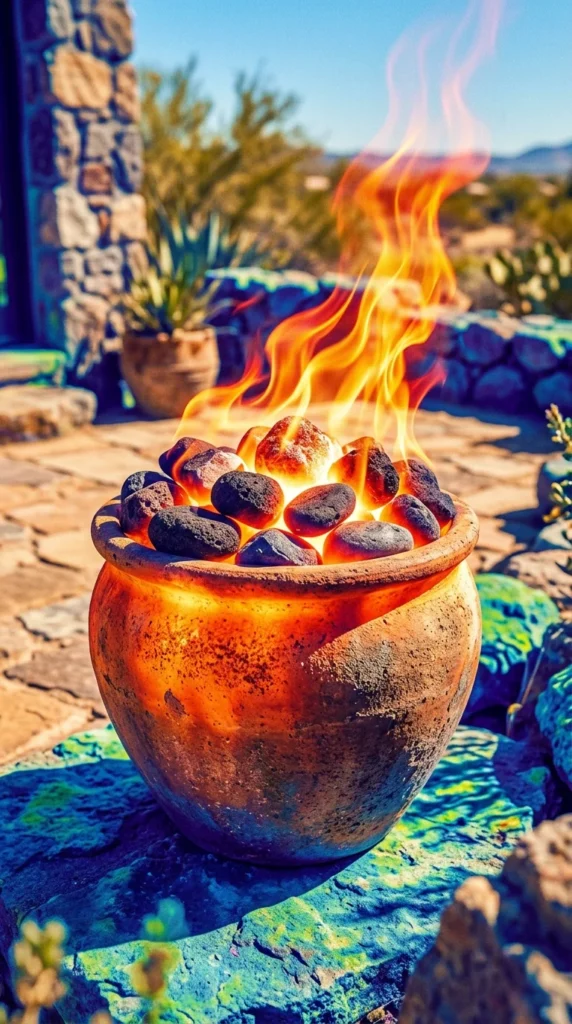
Stone has a high “thermal mass.” This means that aquarium gravel will absorb heat from the sun during the day and slowly release it at night. For succulents kept outdoors or on drafty windowsills, this can help provide a more stable temperature environment for the roots. In the winter, the gravel can act as a slight insulator against quick temperature drops, though it won’t protect against a hard freeze.
17. Stability
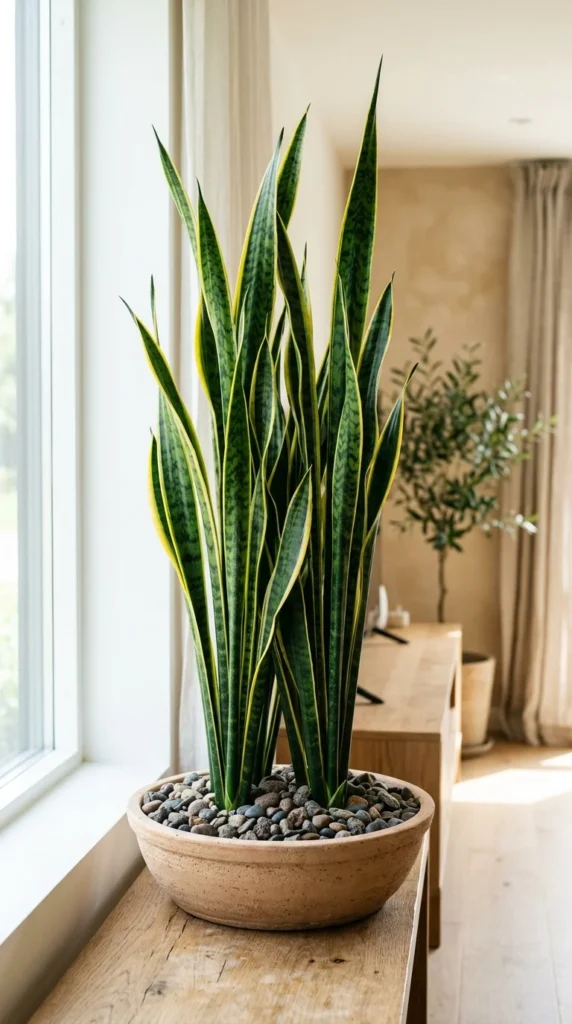
Some succulents, like tall Haworthias or older Jade plants, can become top-heavy and prone to falling out of their pots. Because aquarium gravel is dense, using it as a significant portion of the soil mix or as a thick top dressing provides an “anchor.” It weighs down the base of the plant, preventing it from leaning or toppling over as it grows toward the light. This is especially useful for small, shallow decorative pots that don’t have a wide base for balance.