

Succulent enthusiasts are always on the hunt for that “secret ingredient” to make their desert beauties thrive. While these plants are known for their resilience and low-maintenance nature, they still require specific nutrients to maintain their vibrant colors and plump leaves. Enter coffee grounds—often referred to as “black gold” by gardeners.
But wait! Before you dump your morning leftovers into your favorite Echeveria pot, there are some crucial rules to follow. Succulents have very different needs than a rose bush or a tomato plant. When used correctly, coffee grounds can be a game-changer; used incorrectly, they can lead to root rot or mold. Here are 14 essential tips for using coffee grounds to level up your succulent game.
1. Nitrogen Boost
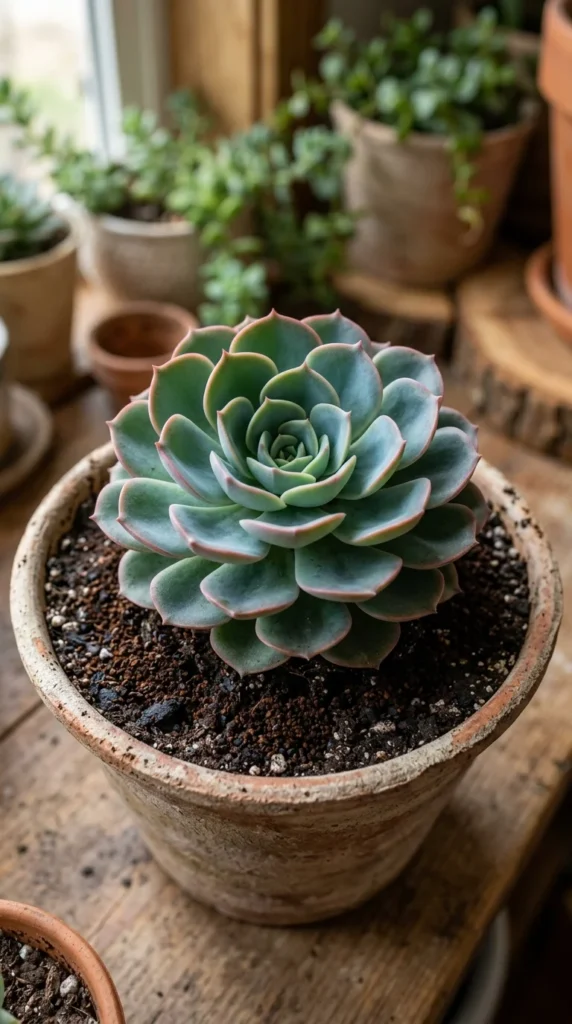
Succulents may be slow growers, but they still crave nitrogen to produce chlorophyll and maintain their structural integrity. Used coffee grounds are roughly 2% nitrogen by volume. Unlike synthetic fertilizers that can provide a harsh “shock” to the plant’s system, the nitrogen in coffee grounds is released slowly as the organic matter breaks down. This slow-release mechanism is perfect for the steady, patient growth cycle of succulents like Jade plants or Aloes.
2. Compost First
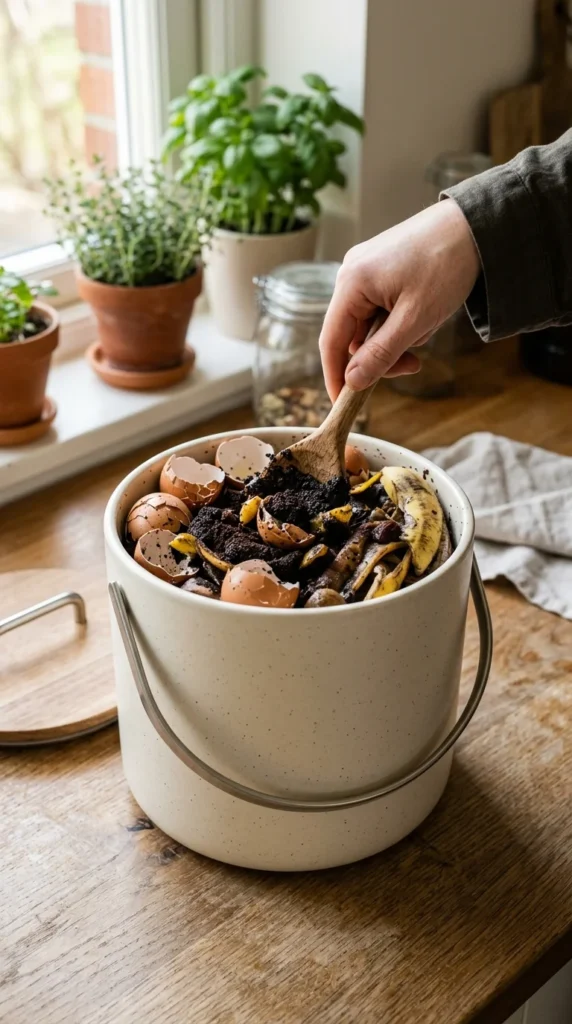
The most important tip for any succulent owner is to compost your coffee grounds before adding them to the soil. Succulents require extremely well-draining soil. Raw, wet coffee grounds can clump together, creating a thick mat that traps moisture and prevents air from reaching the roots. By composting them first, you allow microbes to break down the grounds into a fine, nutrient-rich humus that blends seamlessly with gritty succulent mixes without compromising drainage.
3. Pest Repellent
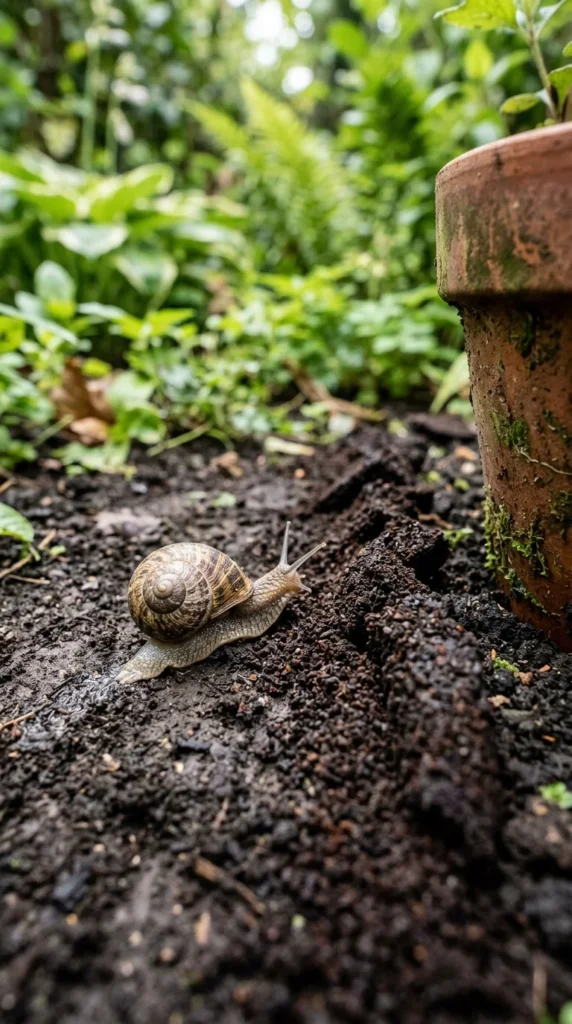
Slugs and snails are the sworn enemies of fleshy succulents, often leaving unsightly holes in the leaves. The abrasive texture of dried coffee grounds acts as a natural deterrent. These pests have soft underbellies, and crawling over the sharp, desiccated particles of coffee is like walking on broken glass for them. Additionally, some studies suggest the residual caffeine acts as a mild neurotoxin to certain small garden pests, keeping your plants safe without harsh chemicals.
4. Cat Deterrent
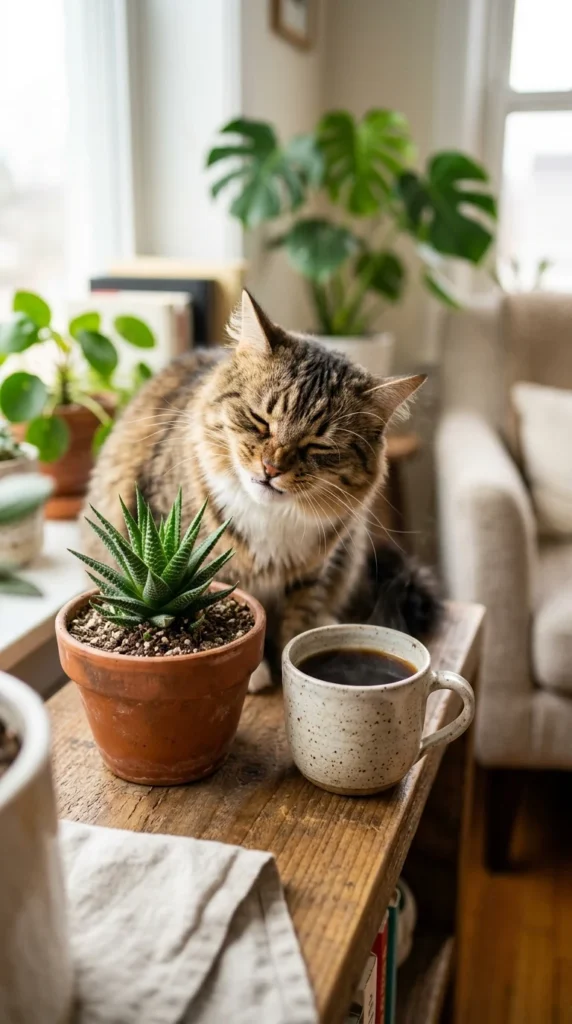
If your feline friend thinks your succulent arrangement is a personal snack bar or a litter box, coffee grounds can help. Cats have a highly sensitive sense of smell and generally find the pungent, bitter aroma of coffee quite offensive. Scattering a thin layer of dried grounds on the surface of the soil can discourage cats from digging or nibbling. It’s a win-win: your plants stay intact, and your cat learns to stay away from the “spiky” green things.
5. Coffee Tea
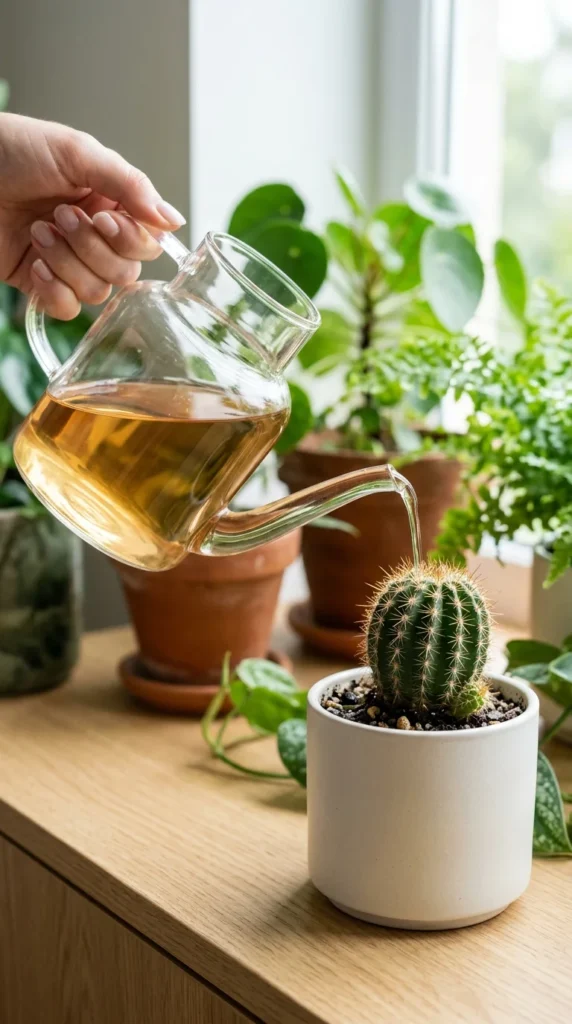
If you’re worried about the physical grounds affecting soil aeration, try “coffee tea.” Soak about two cups of used grounds in a five-gallon bucket of water for 24 to 48 hours. Strain the liquid and use it to water your succulents. This liquid fertilizer provides a gentle dose of potassium, magnesium, and nitrogen. Because succulents don’t like to be overwatered, only use this treatment once every few months during the active growing season (spring and summer).
6. Surface Mulch
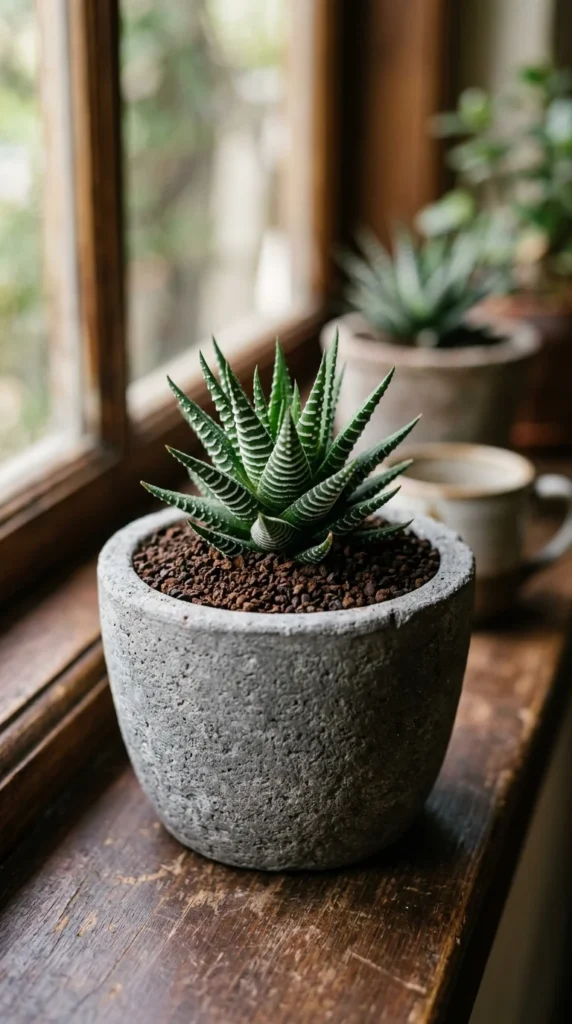
Using coffee grounds as a mulch can help regulate soil temperature, which is beneficial for succulents kept outdoors. However, the key here is “thin.” A thick layer will harbor mold. Apply a dusting no thicker than half an inch. This layer helps reflect some heat while providing a dark, aesthetic contrast to the bright greens and pinks of your succulents, making the colors of the plants pop against the dark “soil” look.
7. Drainage Improvement
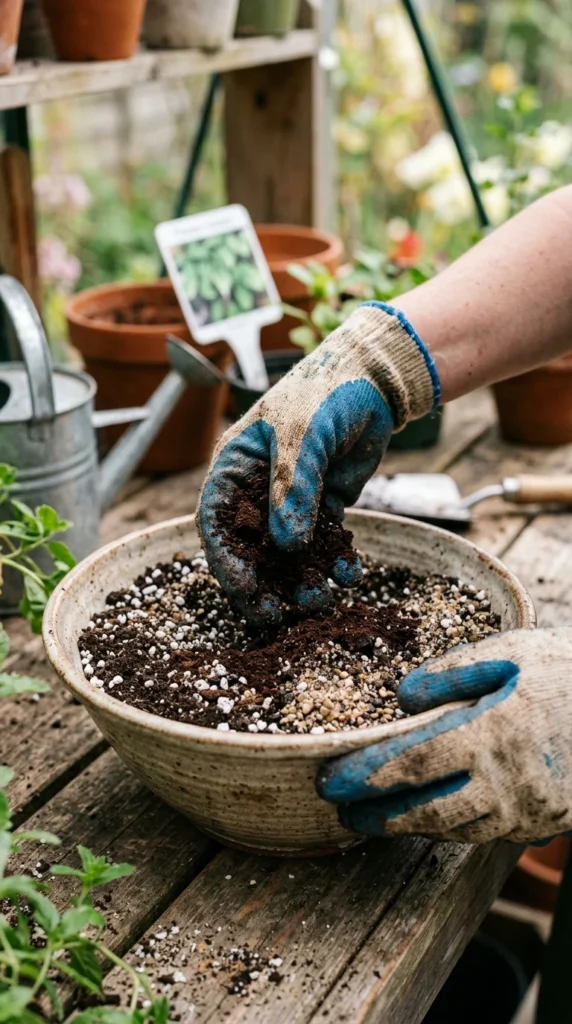
While it sounds counter-intuitive, adding a small amount of thoroughly dried coffee grounds to a gritty soil mix can actually improve the structural diversity of the medium. When mixed with coarse sand and perlite, the fine particles of the grounds fill in tiny gaps, helping to retain just the right amount of moisture while allowing the excess to flow through. Aim for a ratio of no more than 10% coffee grounds to 90% succulent mix.
8. Fungus Suppression
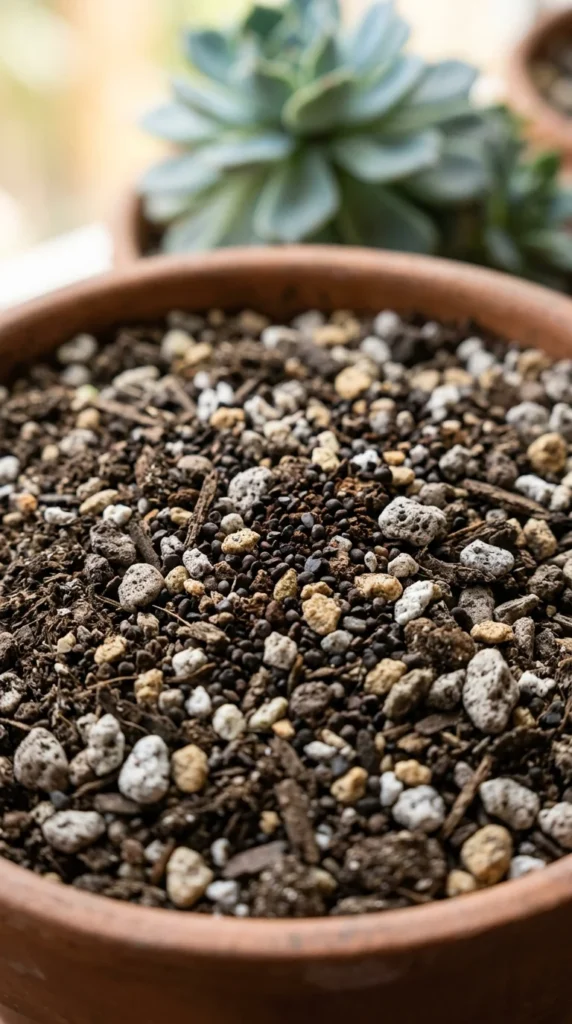
Interestingly, used coffee grounds have been shown to suppress certain types of common fungal colonies, including Pythium and Fusarium, which are often responsible for root rot in succulents. The beneficial bacteria and fungi that thrive on decomposing coffee grounds often outcompete the harmful pathogens. By introducing a “good” microbial colony via composted coffee, you’re essentially giving your succulent a probiotic boost for its root system.
9. Acidity Adjustment
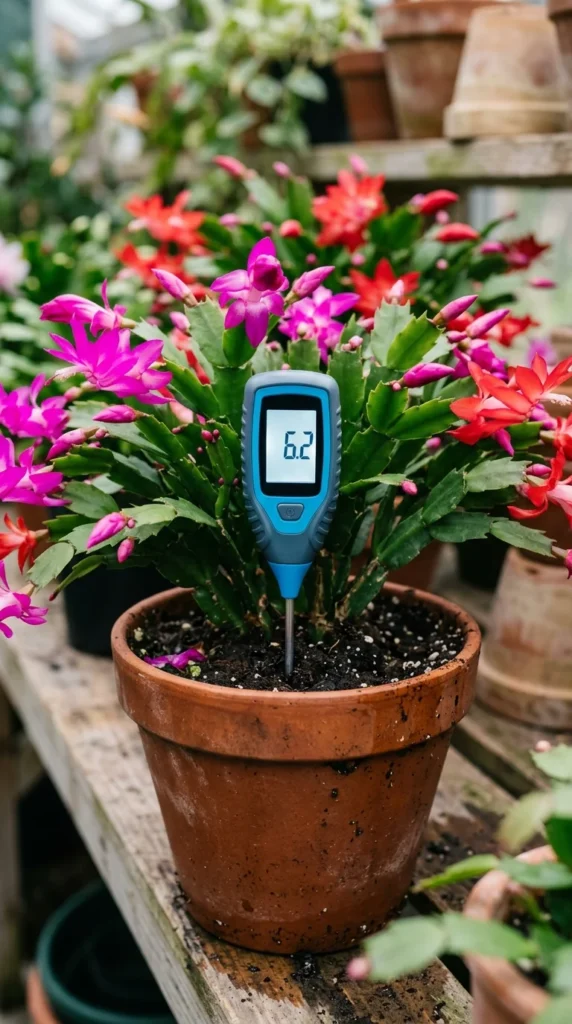
Most succulents prefer a soil pH that is slightly acidic to neutral (around 6.0 to 7.0). Used coffee grounds are generally close to neutral (6.5 to 6.8 pH) because the acid is leached out into the water during the brewing process. However, if you have “acid-loving” succulents like certain forest cacti (Christmas Cactus or Orchid Cactus), using grounds that have been brewed less intensely can help slightly lower the pH to their preferred range.
10. Worm Attraction
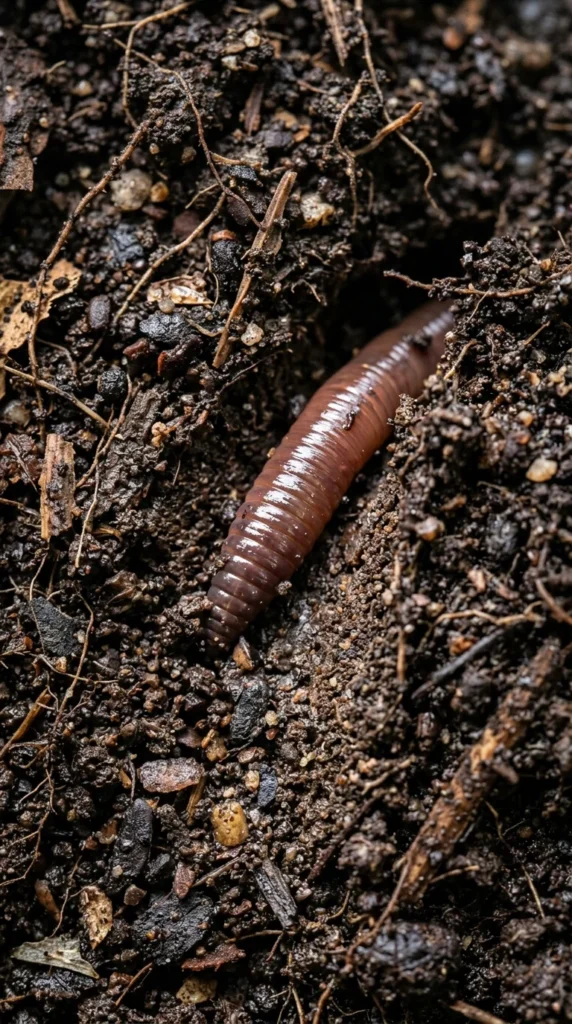
If you grow succulents in outdoor garden beds, coffee grounds are an invitation for earthworms. Earthworms are attracted to coffee grounds as a food source. As they travel toward the grounds, they aerate the soil, which is vital for succulent health. Their castings (waste) provide one of the best organic fertilizers on the planet, naturally enriching the soil where your succulents are planted without any effort on your part.
11. Seed Starting
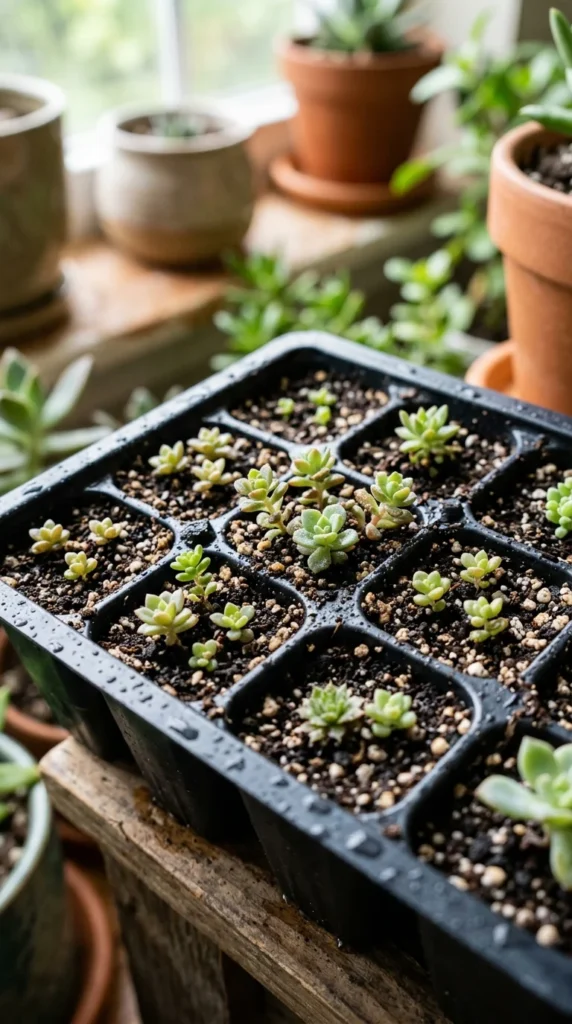
For those adventurous enough to grow succulents from seed, coffee grounds can be a helpful additive. Because of their fine texture and antimicrobial properties, a mixture of peat moss, sand, and a small amount of composted coffee grounds creates a sterile yet nutrient-rich environment for delicate seeds to germinate. The grounds provide just enough nitrogen to support the first few weeks of a seedling’s life.
12. Drying Protocol
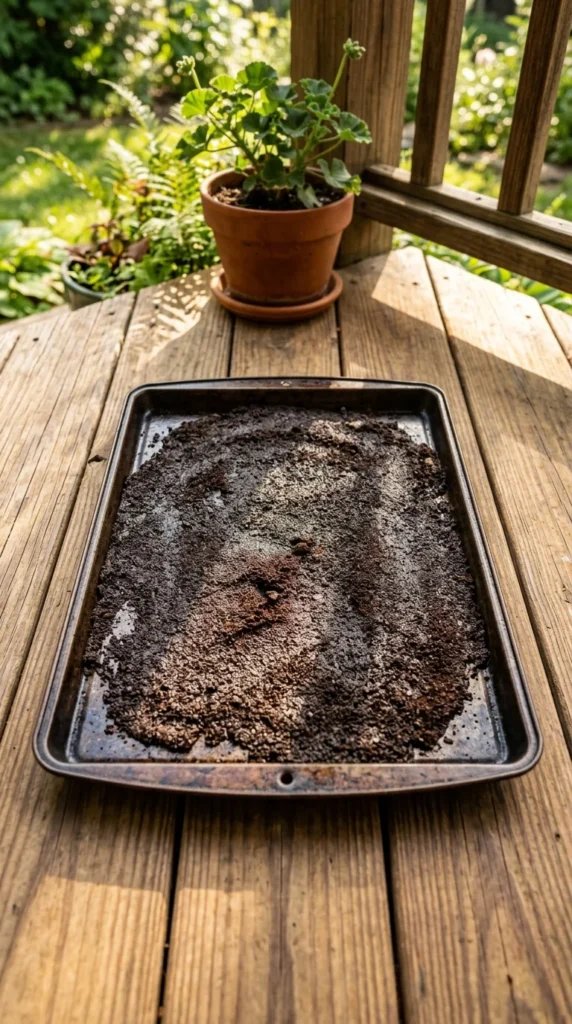
Never, ever put wet coffee grounds directly from the filter onto your succulent soil. Succulents are prone to rot, and wet grounds are a magnet for “fuzzy” white mold and fungus gnats. Before application, spread your used grounds on a tray and let them sit in the sun until they are bone-dry and crumbly. This ensures you aren’t introducing excess moisture or an environment where mold can flourish.
13. Aeration Aid
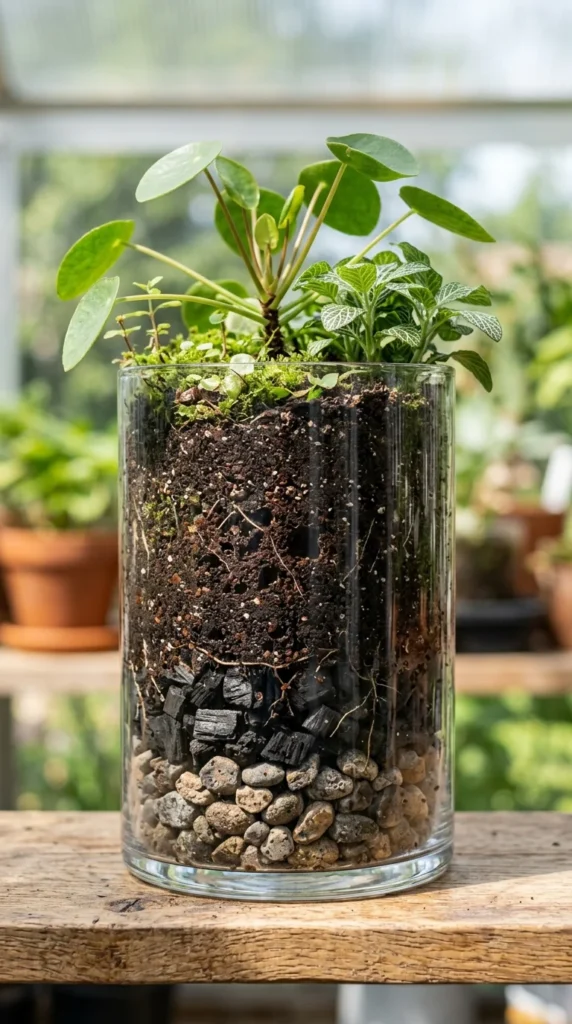
In a terrarium or a deep pot, aeration is everything. When coffee grounds are mixed with larger aggregates like pumice or lava rock, they create a varied texture that prevents the soil from compacting into a solid brick over time. This variety in particle size ensures that oxygen can reach the roots—a requirement that many first-time succulent owners overlook.
14. Proper Ratios
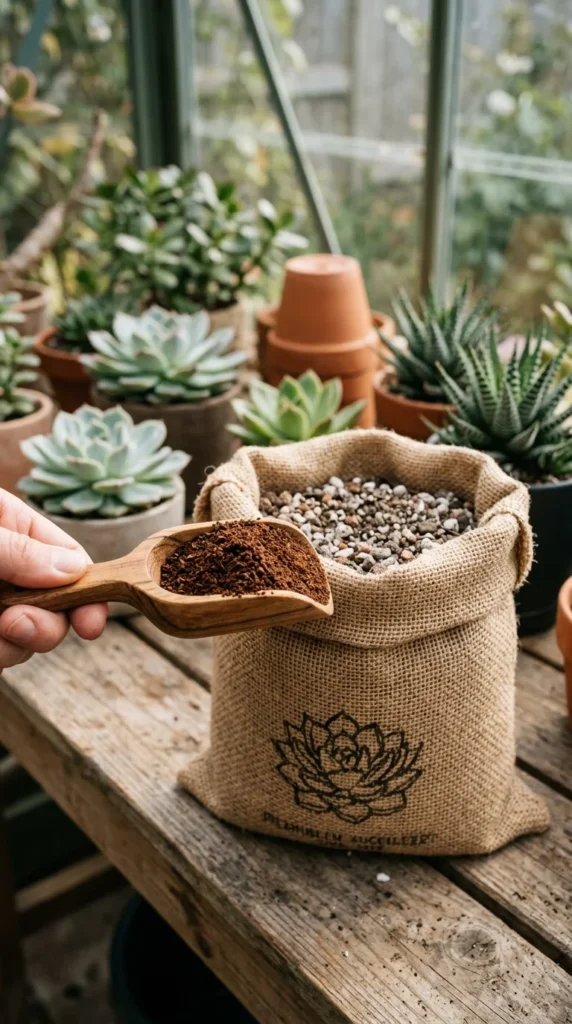
The final and most important tip is moderation. Think of coffee grounds as a vitamin supplement, not the main meal. A good rule of thumb is the “1-to-10” rule: for every ten scoops of soil, add only one scoop of coffee grounds. Overloading the soil can lead to high caffeine levels (which can actually stunt growth in high doses) and water retention issues. Stick to this golden ratio, and your succulents will reward you with lush growth and vibrant health.