
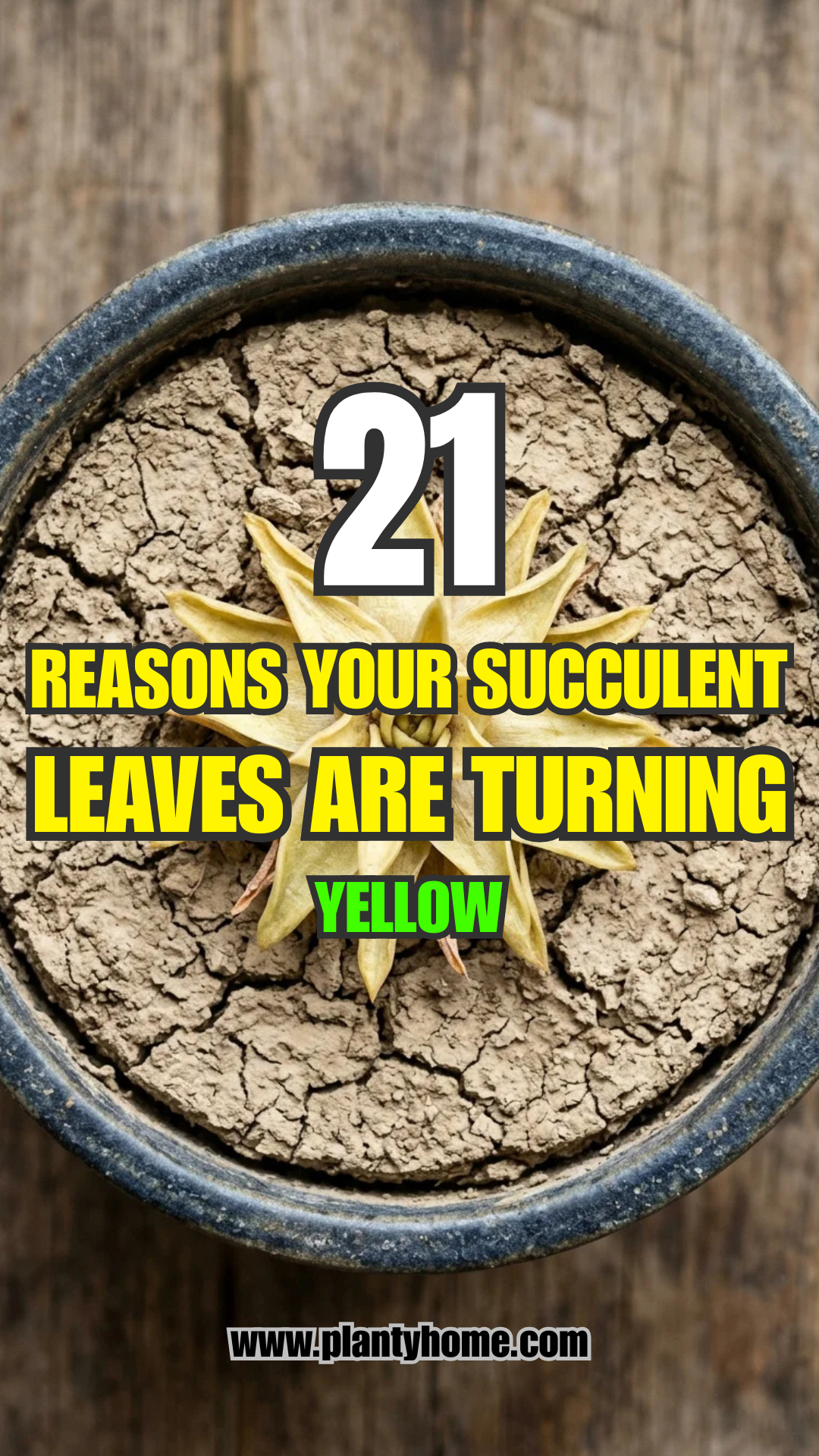
Succulents are often touted as the “unkillable” plants of the botanical world. Their architectural shapes and low-maintenance reputation make them favorites for busy homeowners and budding gardeners alike. However, nothing strikes fear into the heart of a succulent lover like the sight of a leaf turning yellow.
Yellowing—scientifically known as chlorosis—is the plant’s way of crying for help. It is a distress signal that something in its environment is off-balance. Because succulents store water in their leaves, they react differently to stress than traditional houseplants. To save your fleshy friend, you need to play detective. Here are 21 reasons why your succulent leaves are turning yellow and how you can fix them.
1. Overwatering
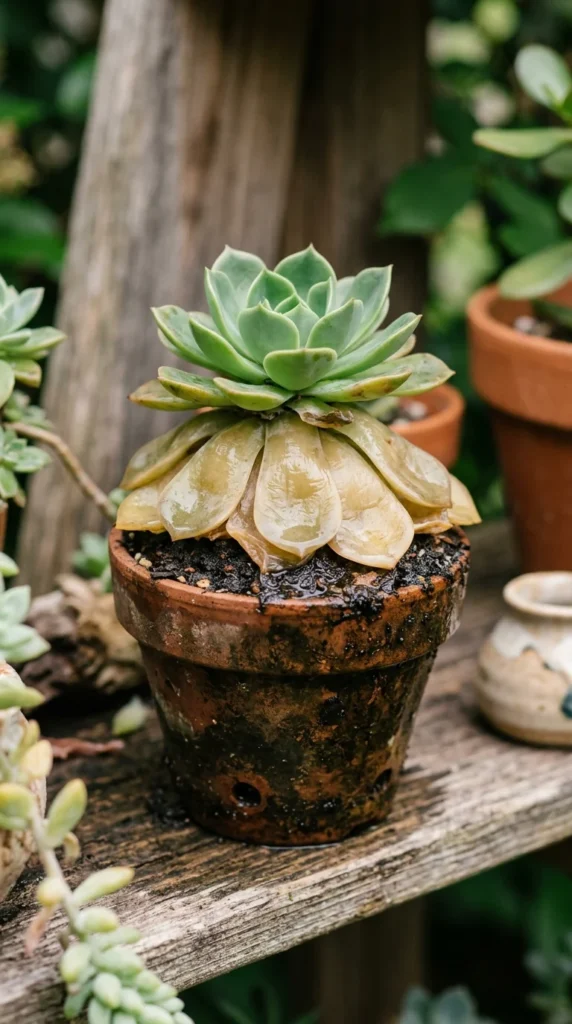
The most common culprit behind yellowing leaves is overwatering. Succulents are desert-dwellers designed to survive long periods of drought. When they are given more water than they can process, their cell walls literally burst. The leaves will appear translucent, mushy, and soft to the touch. If you see yellowing starting from the bottom and moving upward, accompanied by a “squishy” texture, you are likely loving your plant to death.
2. Poor Drainage
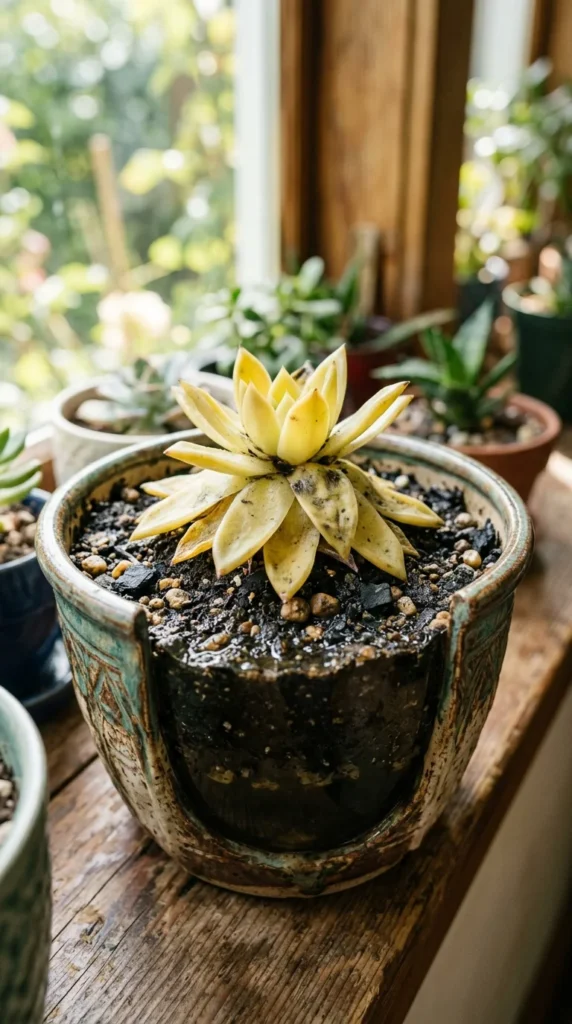
Even if you water infrequently, poor drainage can lead to yellowing. If your pot doesn’t have a drainage hole, or if the soil is too dense, water sits at the bottom of the container. This creates a “swamp” effect where the roots are constantly submerged. Without oxygen, the roots fail, and the leaves begin to yellow as they lose their ability to take up nutrients.
3. Underwatering
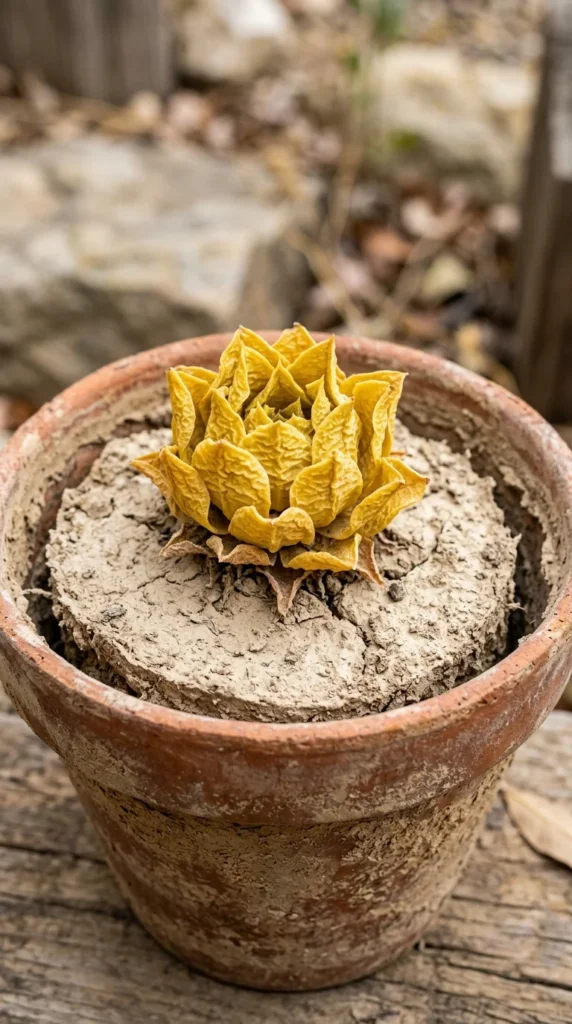
While succulents hate being drowned, they do need water to survive. If a succulent is deprived of water for too long, it will begin to consume the moisture stored in its own leaves. This causes the leaves to turn a dull yellow, become wrinkled or shriveled, and feel leathery rather than mushy. This is a survival mechanism to keep the core of the plant alive.
4. Lack of Sunlight
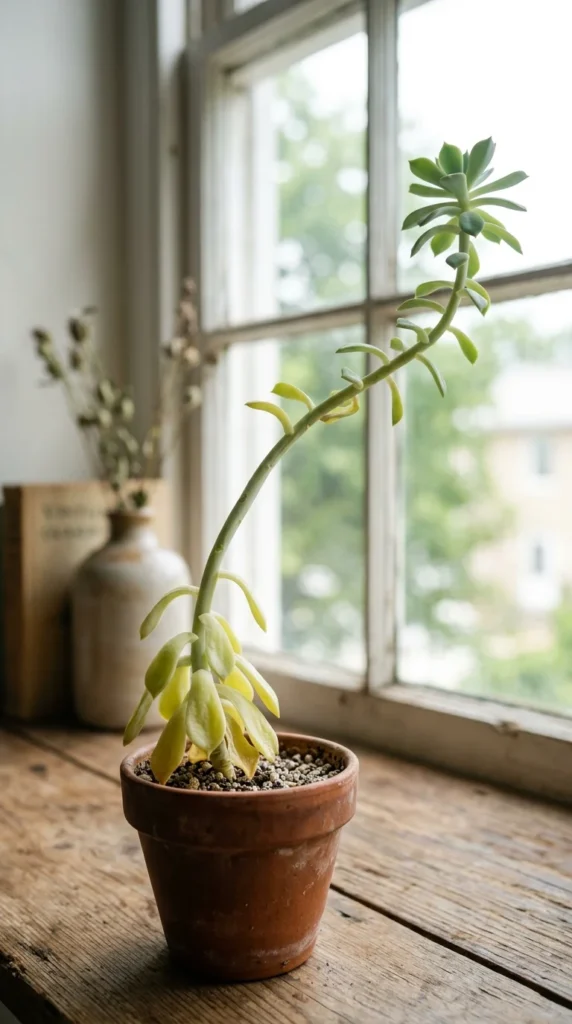
Succulents love light. When they don’t get enough of it, they lose their vibrant colors—a process called etiolation. As the plant stretches toward the nearest light source, it may stop producing as much chlorophyll, leading to a pale yellow or light green appearance across the entire plant rather than just the bottom leaves.
5. Sunburn
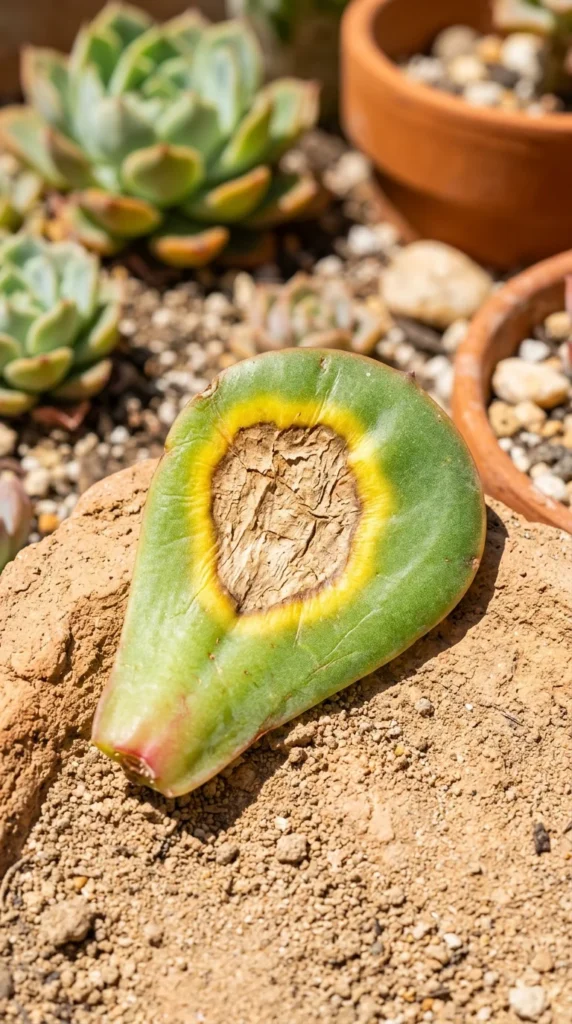
On the flip side, too much direct sun can also cause yellowing. If you move a succulent from a shady indoor spot to the harsh outdoor sun without acclimating it, the leaves can get “sunburned.” This usually manifests as yellow or white patches on the parts of the leaf most exposed to the sun. In severe cases, these patches turn brown and crispy.
6. Nutrient Deficiency
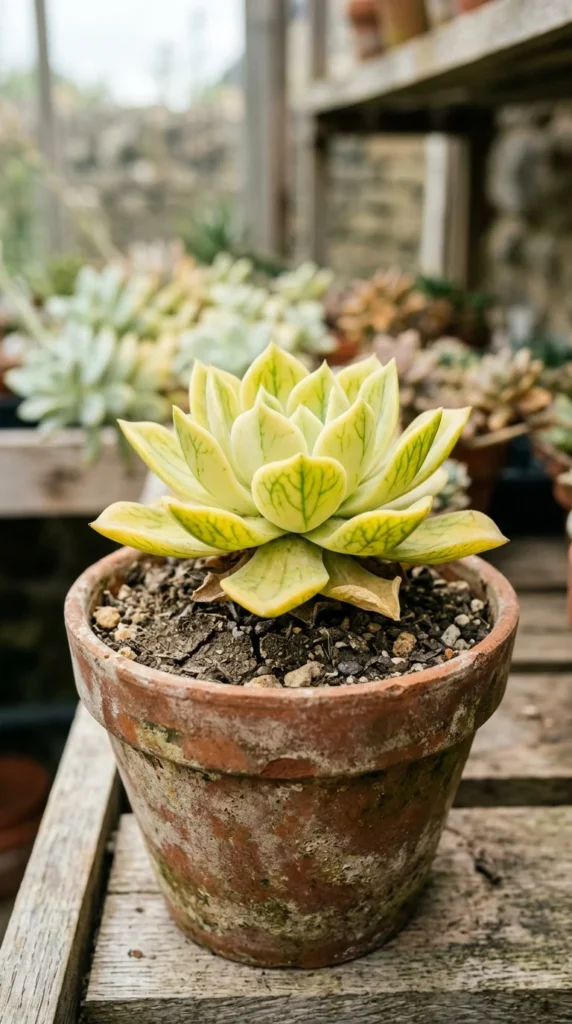
Succulents aren’t heavy feeders, but they do need basic minerals like nitrogen, magnesium, and iron. If a succulent has been in the same soil for years, the nutrients may be depleted. This leads to a slow yellowing of the foliage. Often, the veins will remain green while the rest of the leaf turns yellow, a specific sign of iron or magnesium deficiency.
7. Pests
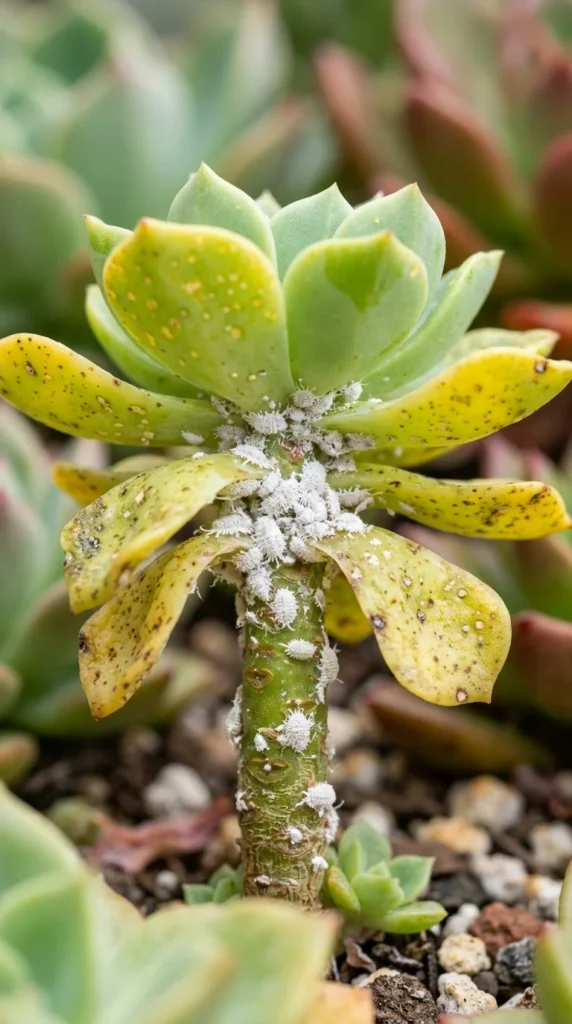
Tiny invaders like mealybugs, aphids, and spider mites suck the sap right out of succulent leaves. This localized damage causes yellow spots or blotches where the insects have been feeding. If you notice yellowing combined with sticky residue (honeydew) or white webbing, you have a pest problem on your hands.
8. Natural Aging
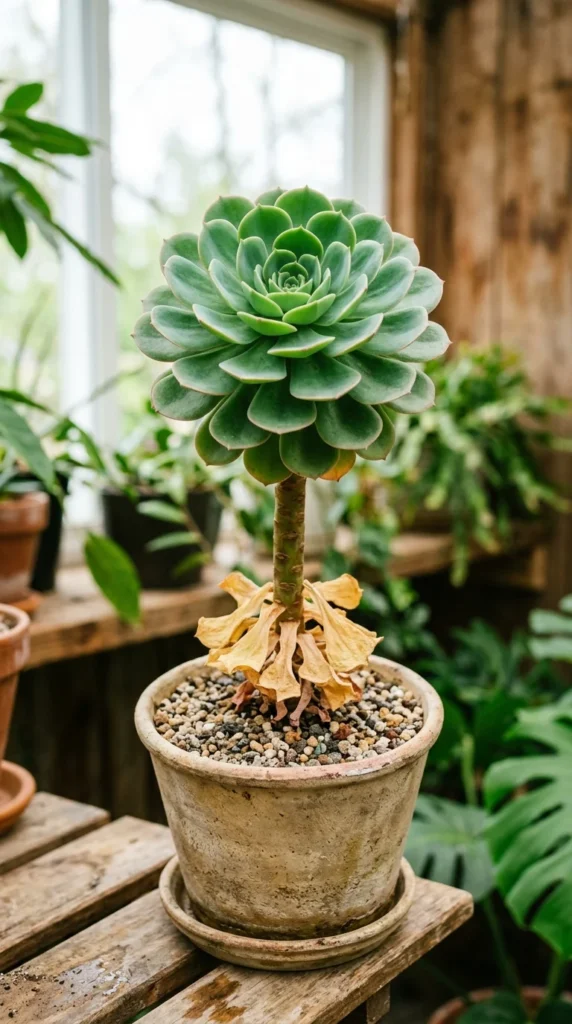
Not all yellowing is a cause for panic. As succulents grow, they naturally shed their oldest leaves at the bottom of the stem to make room for new growth at the top. If only one or two leaves at the very bottom are turning yellow and eventually drying up like paper, your plant is simply growing up.
9. Soil Compaction
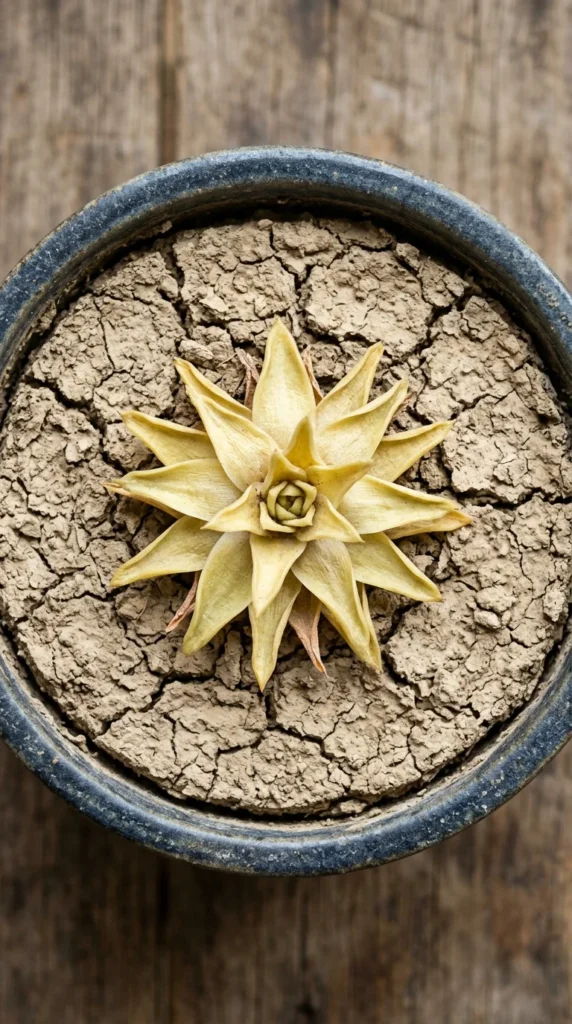
Over time, potting soil can become compacted, especially if it contains a lot of peat moss. When soil is compacted, it becomes hydrophobic—it actually repels water. You might think you’re watering your plant, but the water is just running down the sides of the pot, leaving the root ball bone-dry. This leads to yellowing from dehydration despite regular watering.
10. Temperature Extremes
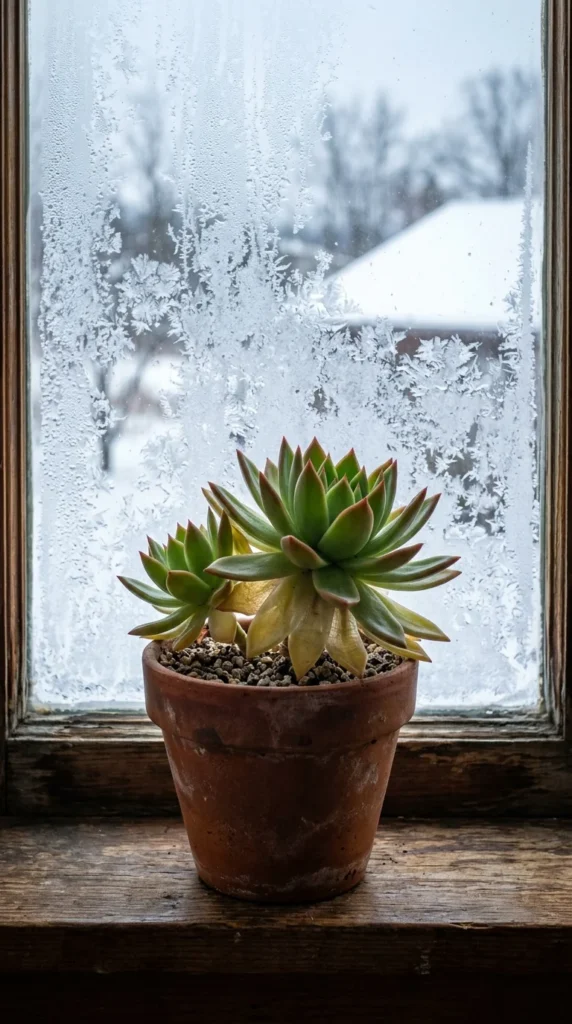
Succulents are sensitive to sudden shifts in temperature. If they are placed too close to a frosty window in winter or a hot radiator, they can go into shock. Cold damage often looks like translucent yellowing, as the water inside the leaf cells freezes and thaws, destroying the tissue.
11. Transplant Shock
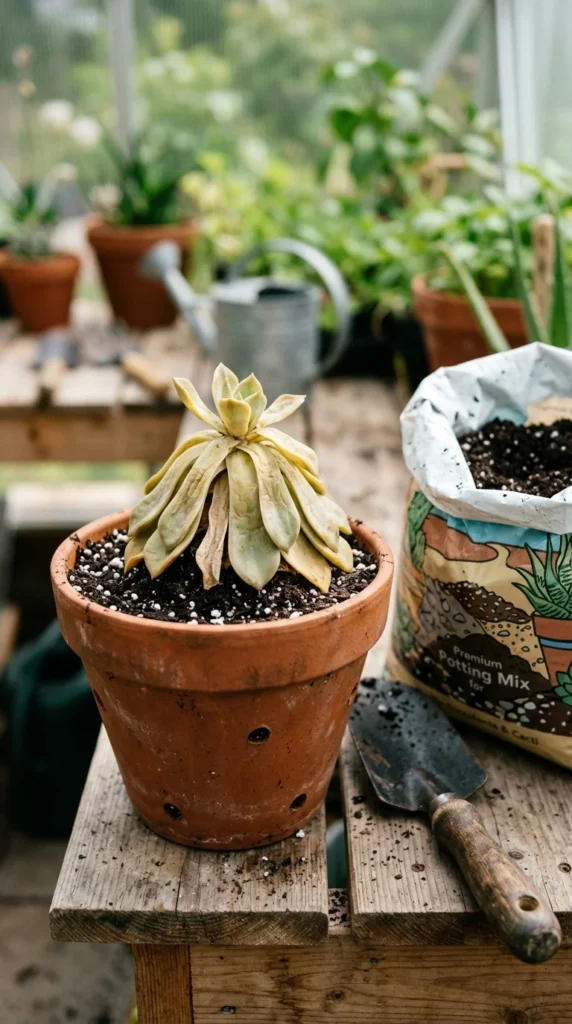
Repotting is necessary, but it’s stressful for the plant. If you damage the roots during a move or change the environment too drastically, the succulent may respond by turning yellow. This is a temporary stress response as the plant tries to re-establish its root system in the new medium.
12. Hard Water Deposits
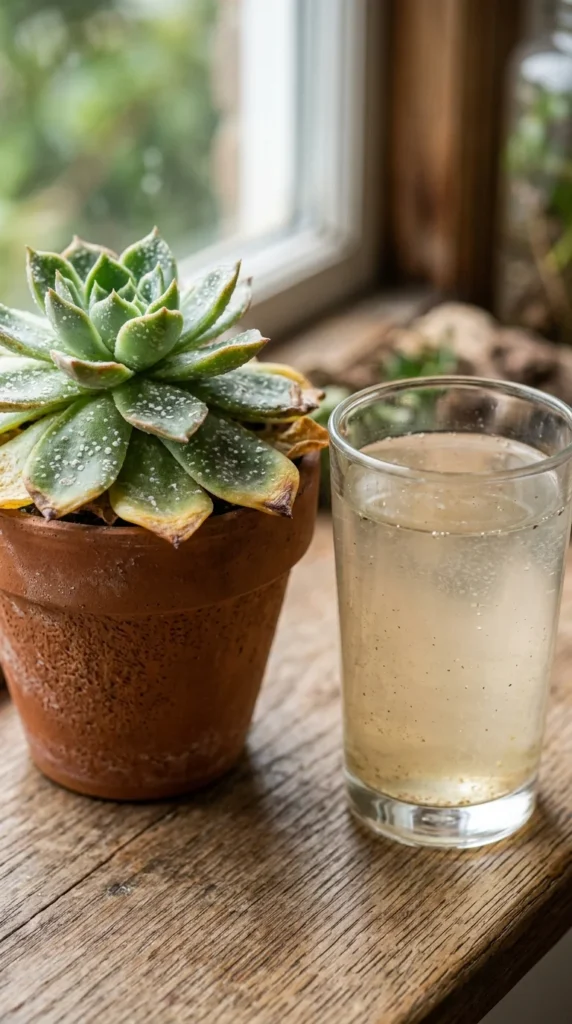
If you live in an area with “hard” tap water, the minerals (like calcium and magnesium) can build up in the soil and on the leaves. These mineral salts can interfere with the plant’s ability to take up water and nutrients, leading to a slow yellowing of the foliage and unsightly white spots on the leaf surfaces.
13. Improper Pot Size
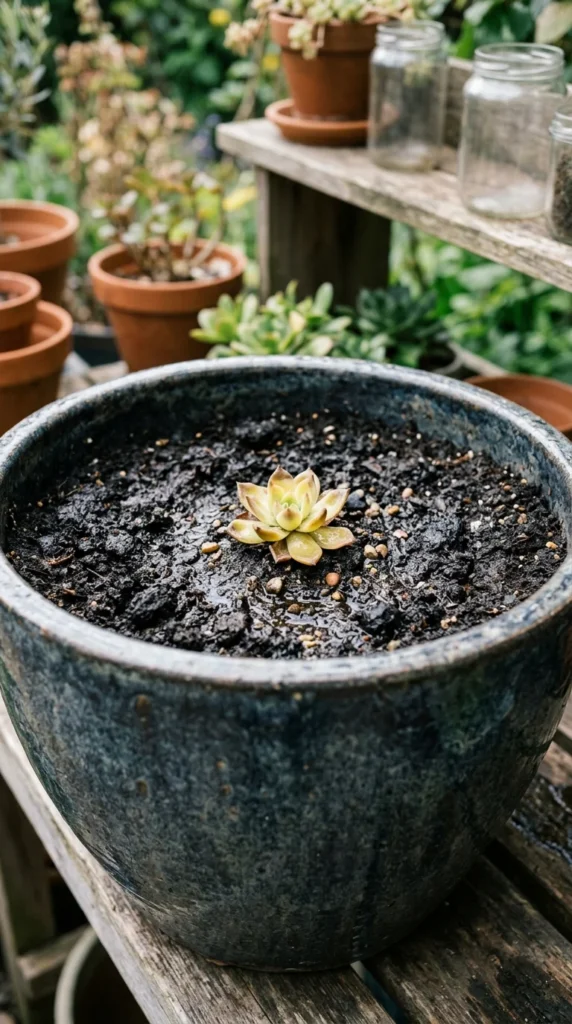
Size matters when it comes to pots. If a pot is too large, the vast amount of soil holds onto moisture much longer than the tiny succulent can use. This creates a “perpetual dampness” that leads to yellowing and rot. Conversely, a pot that is too small can cause the plant to become root-bound and nutrient-starved.
14. High Humidity
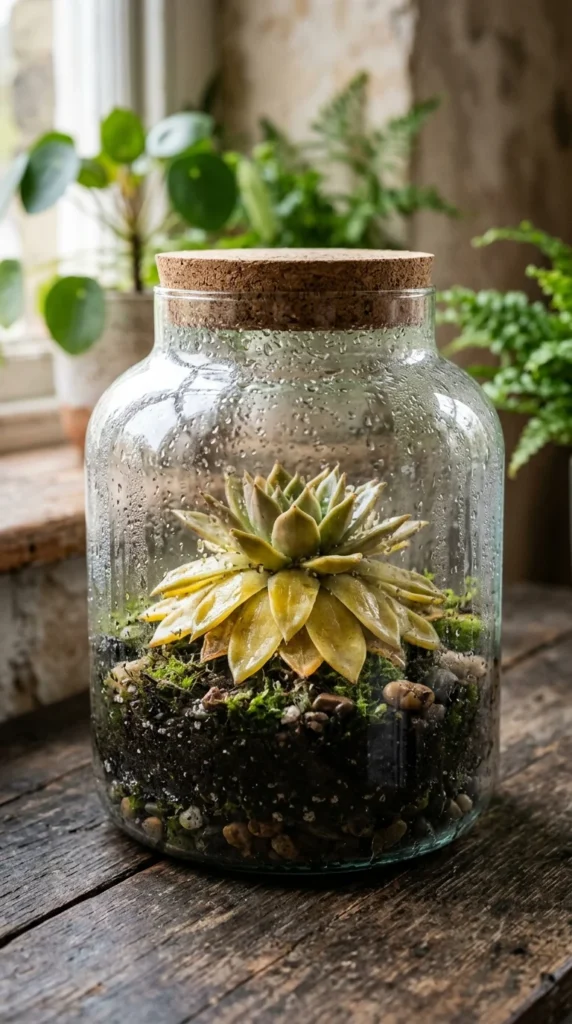
Succulents breathe through tiny pores called stomata. In environments with very high humidity, they struggle to transpire effectively. This excess moisture in the air can lead to “edema,” where the leaves take on too much water and turn yellow or develop corky bumps.
15. Fungal Infections
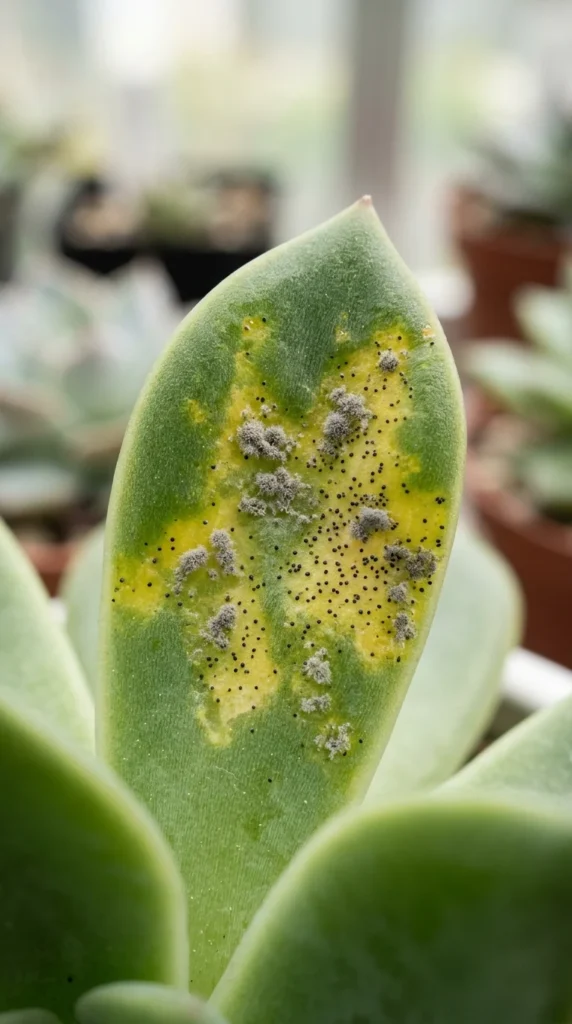
Fungal pathogens thrive in moist, stagnant conditions. If your succulent is yellowing and you see black spots, fuzzy mold, or a powdery white coating, it likely has a fungal infection. These diseases spread rapidly through the plant tissue, turning healthy green leaves into yellow, decaying mush.
16. Over-fertilization
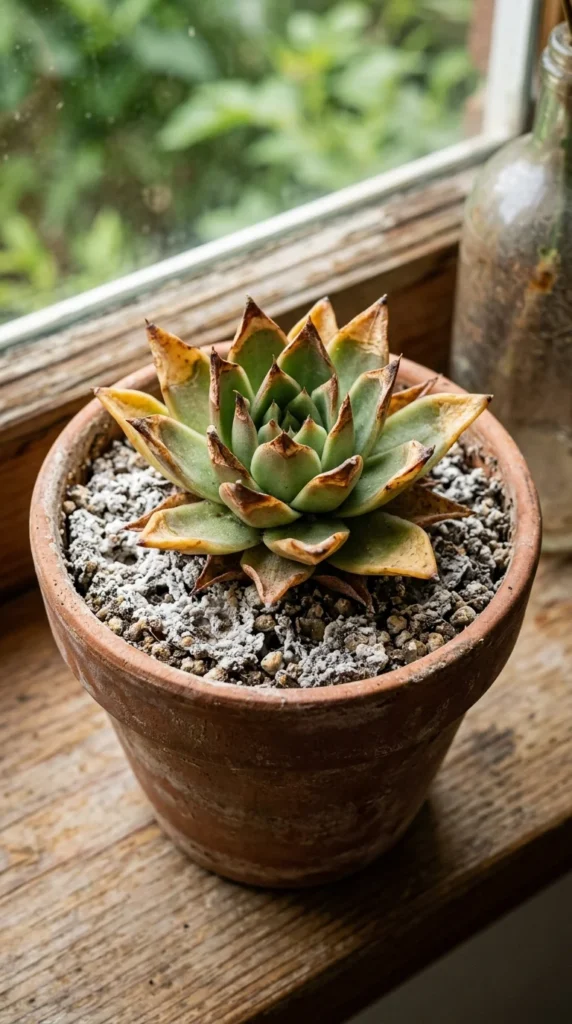
While a little food is good, too much fertilizer is toxic. Excessive salts from chemical fertilizers can burn the sensitive roots of a succulent. This “root burn” prevents the plant from drinking, causing the leaves to turn yellow or orange-brown starting from the tips.
17. Root Rot
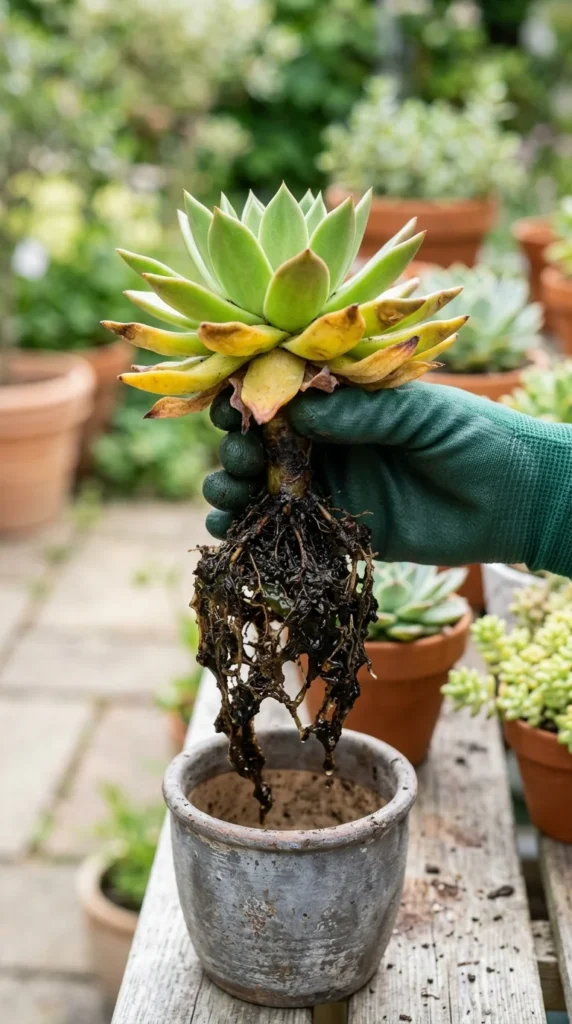
Root rot is the silent killer. It usually starts because of overwatering or poor drainage. By the time you see the leaves turning yellow and falling off, the roots have often already turned into a dark, slimy mess. If the stem feels soft near the soil line along with the yellowing leaves, rot has likely set in.
18. Dormancy Periods
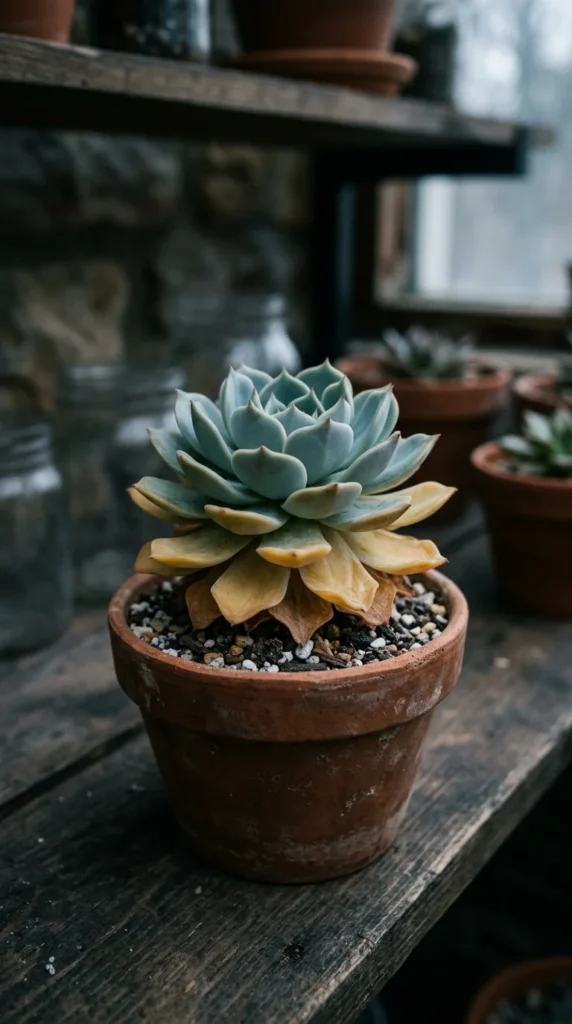
Many succulents go through a period of dormancy during the winter (or summer, depending on the species). During this time, their metabolic rate slows down significantly. It is common for a succulent to shed a few leaves or turn a slightly paler yellow as it rests. Forcing growth with water or fertilizer during dormancy can cause further yellowing and stress.
19. Chemical Exposure
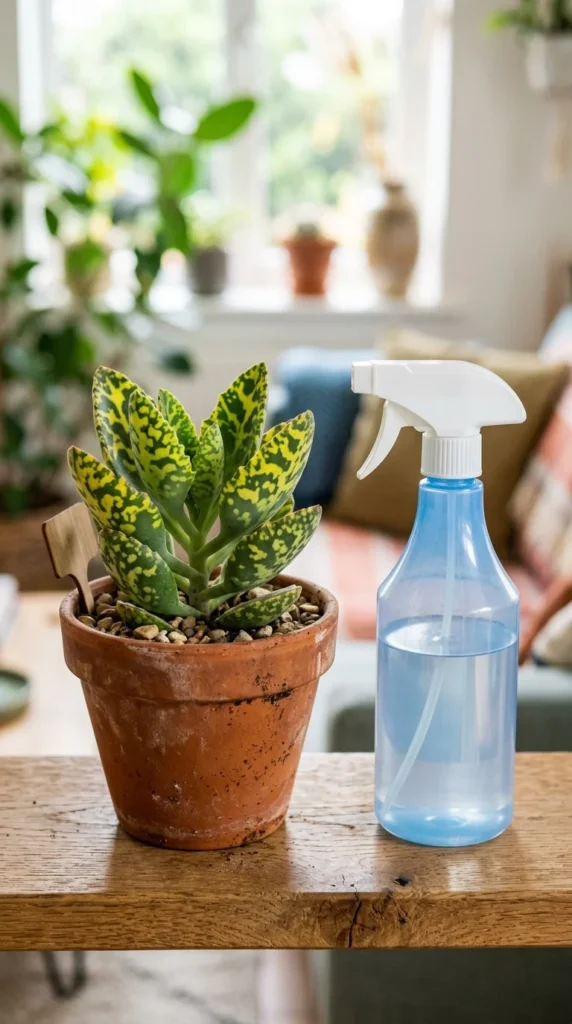
Succulents can be sensitive to chemicals in the air or in cleaning products. If you spray pesticides, herbicides, or even heavy glass cleaners near your plants, the leaves may react by developing yellow spots or a chemical “burn” where the droplets landed.
20. Drafty Locations
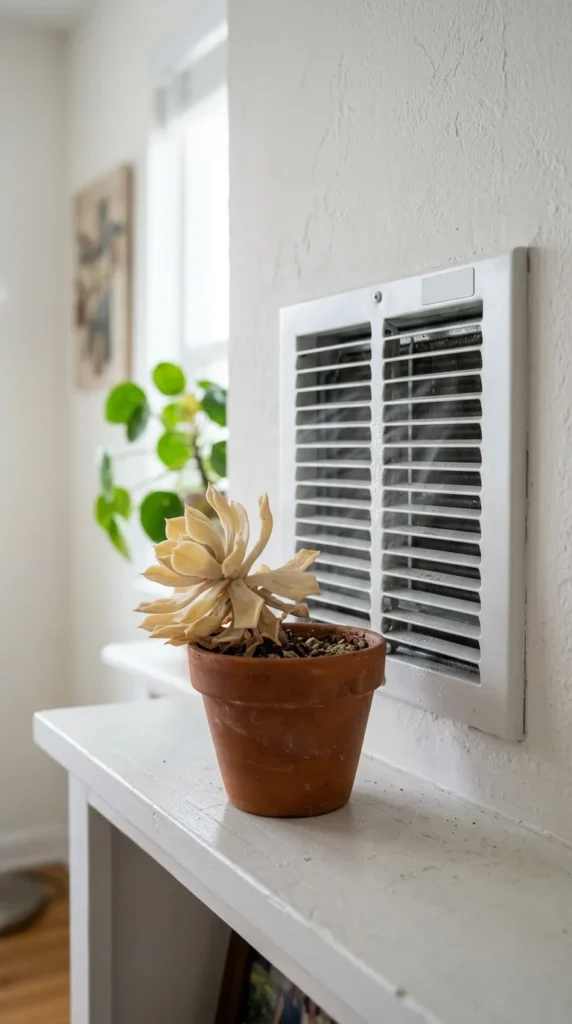
A sudden blast of cold air from an air conditioner or a hot draft from a heater can stress a succulent. These rapid changes in air temperature and humidity cause the plant to lose moisture too quickly or go into a defensive state, often resulting in yellowing foliage on the side of the plant facing the draft.
21. Incorrect Soil pH
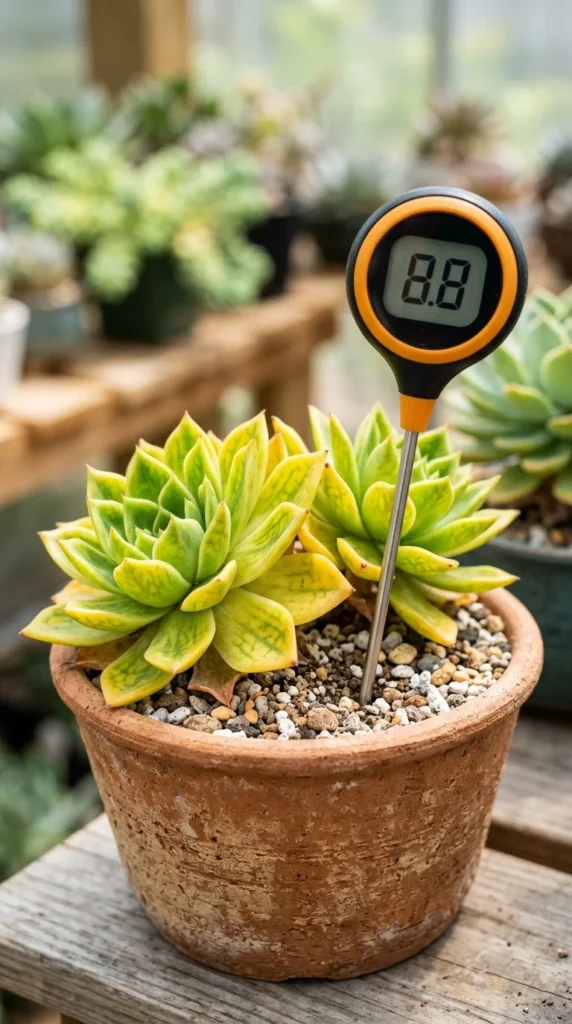
Succulents generally prefer slightly acidic soil (pH 5.5 to 6.5). If the soil becomes too alkaline (often due to hard water or the wrong potting mix), the plant cannot absorb essential nutrients like iron, even if they are present in the soil. This “nutrient lockout” results in yellowing leaves that refuse to green up regardless of how much you fertilize.
How to Save Your Yellowing Succulent
Once you’ve identified the cause, take action quickly:
- For Overwatering: Remove the plant from the pot, trim any rotten roots, let it dry out for a few days, and repot in fresh, dry cactus soil.
- For Underwatering: Give the plant a thorough “soak and dry” watering—drench the soil until water runs out the bottom, then wait for it to dry completely.
- For Pests: Use a cotton swab dipped in rubbing alcohol to remove insects and spray with neem oil.
- For Light Issues: Gradually move your plant to a brighter spot or a more shaded one depending on the symptoms.
Yellow leaves are a conversation your plant is having with you. By listening to these 21 signs, you can transform a struggling succulent back into a thriving, vibrant piece of living art.