

The Zebra Plant, known scientifically as Aphelandra squarrosa, is the undisputed supermodel of the houseplant world. With its glossy, deep green foliage and shocking white geometric veins, it commands attention in any room. Originating from the humid Atlantic forests of Brazil, this plant has earned a reputation for being a bit of a “diva.” It doesn’t just want care; it demands precision. However, once you crack the code to its tropical desires, the Zebra Plant rewards you with spectacular growth and iconic golden-yellow flower bracts.
If you are looking to transform your finicky foliage into a thriving masterpiece, these 16 essential care tips will guide you through the journey of mastering the art of the Aphelandra.
1. Bright Light
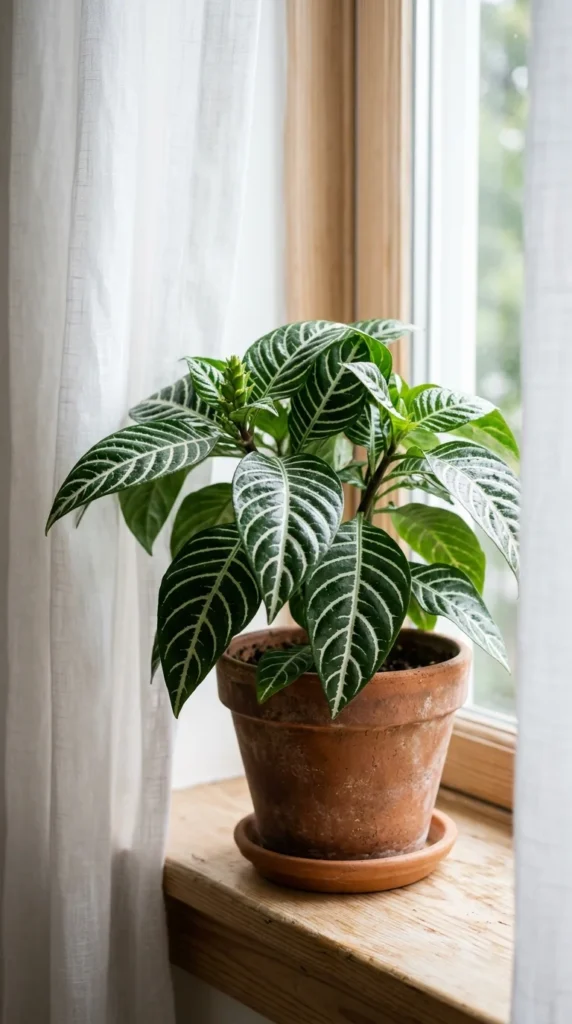
The Zebra Plant thrives in bright, indirect light. In its natural habitat, it lives under the canopy of larger trees, receiving dappled sunlight. If you place it in a dark corner, the plant will become leggy, lose its compact shape, and eventually drop its lower leaves in protest. Conversely, direct midday sun will scorch those beautiful leaves, leaving behind unsightly brown patches. A north or east-facing window is usually the “sweet spot” for this tropical beauty.
2. High Humidity
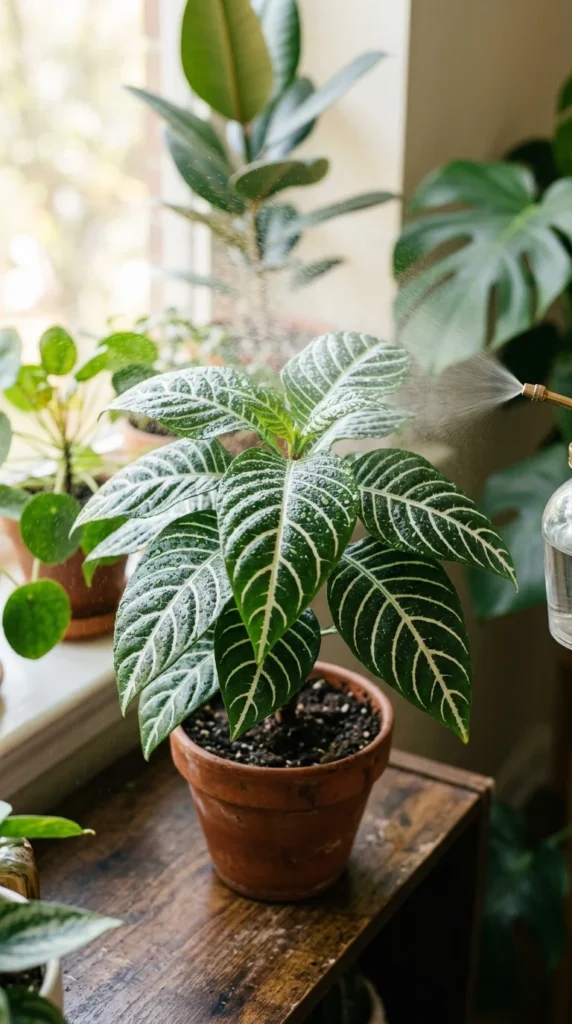
Humidity is the secret sauce for a healthy Zebra Plant. These plants crave moisture in the air—ideally between 60% and 70%. If your home is dry, especially during winter months when the heater is running, the leaf tips will quickly turn crisp and brown. You can boost humidity by using a dedicated humidifier, grouping plants together to create a microclimate, or placing the pot on a tray filled with pebbles and water.
3. Consistent Watering
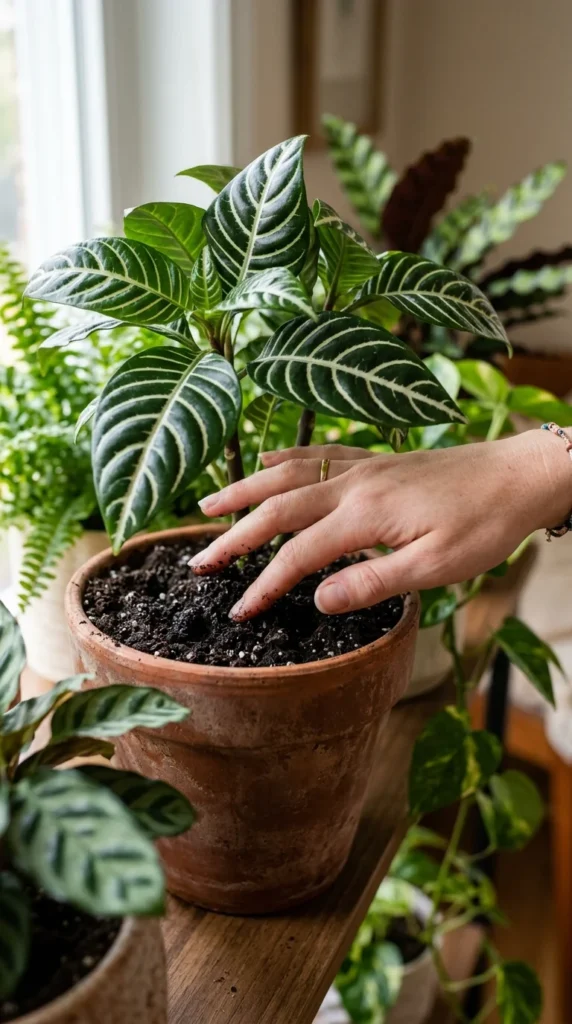
Finding the right balance with water is perhaps the trickiest part of Zebra Plant care. They do not like to dry out completely, but they also loathe “wet feet” (sitting in soggy soil). The goal is to keep the soil consistently moist. If the plant gets too dry, it will wilt dramatically—this is its way of telling you it’s thirsty. However, frequent wilting stresses the plant, so try to water as soon as the top inch of soil feels dry to the touch.
4. Correct Soil
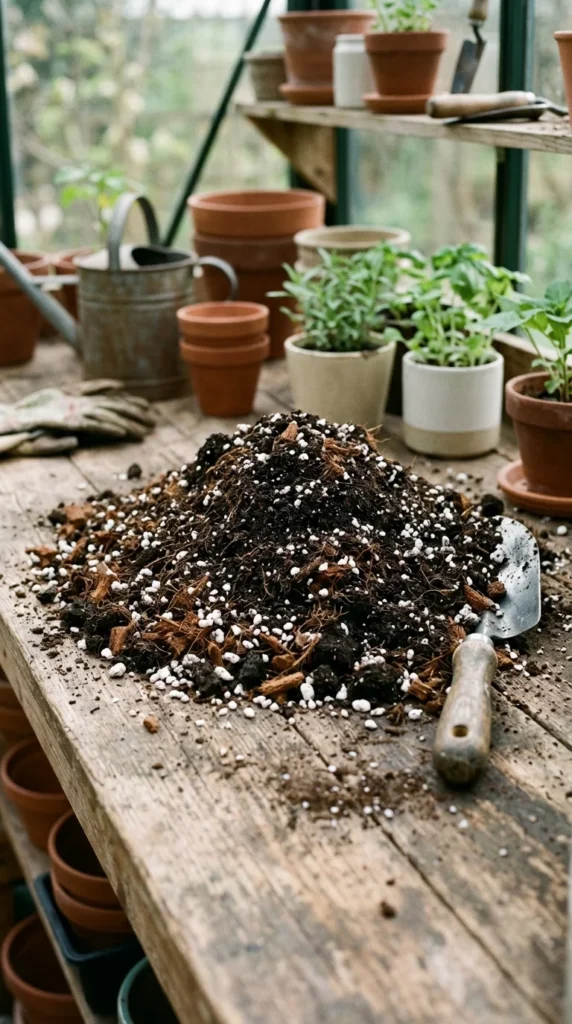
Standard potting soil is often too heavy for a Zebra Plant. They require a medium that is both moisture-retentive and well-draining. A mix of peat moss or coco coir with a generous amount of perlite or coarse sand works wonders. This allows the roots to breathe while ensuring they stay hydrated. Aim for a slightly acidic to neutral pH for optimal nutrient absorption.
5. Warm Temperature
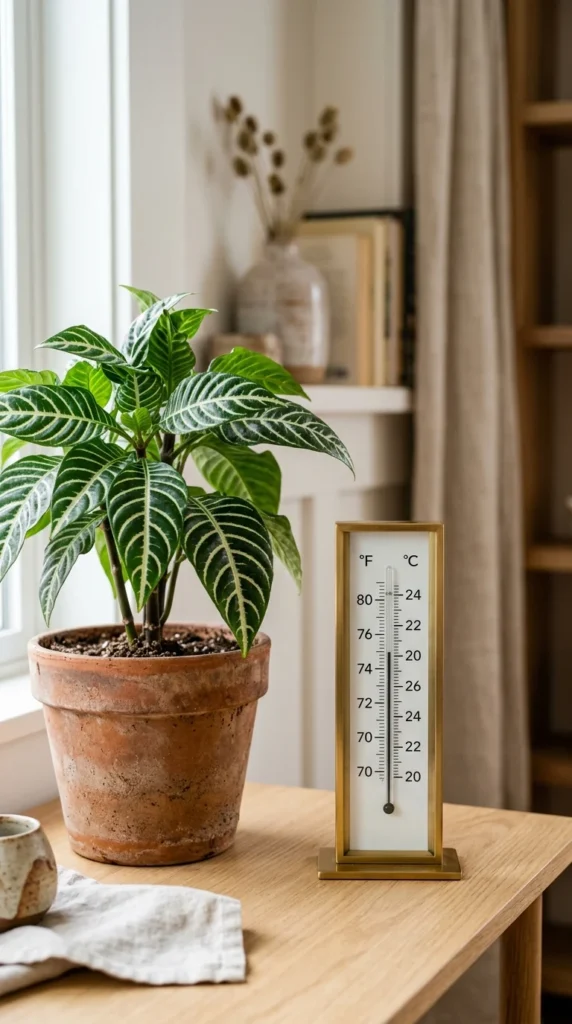
Being a Brazilian native, the Zebra Plant loves warmth. It prefers temperatures between 65°F and 80°F (18°C – 27°C). It is extremely sensitive to cold drafts and sudden temperature fluctuations. Keep it away from air conditioning vents, drafty windows, and exterior doors. If the temperature drops below 60°F, the plant may begin to shed leaves and enter a state of shock.
6. Balanced Fertilizer
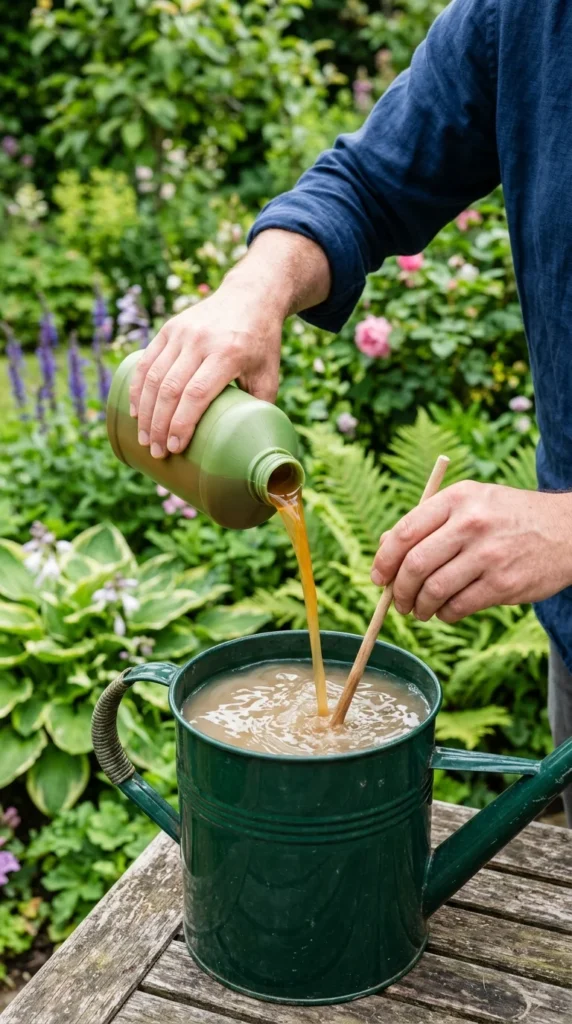
During the growing season (spring and summer), your Zebra Plant is a hungry feeder. Use a balanced, water-soluble fertilizer every two weeks to encourage lush leaf production and help the plant prepare for flowering. Ensure the soil is damp before applying fertilizer to prevent root burn. In the autumn and winter, stop fertilizing entirely to allow the plant its natural rest period.
7. Moderate Pruning
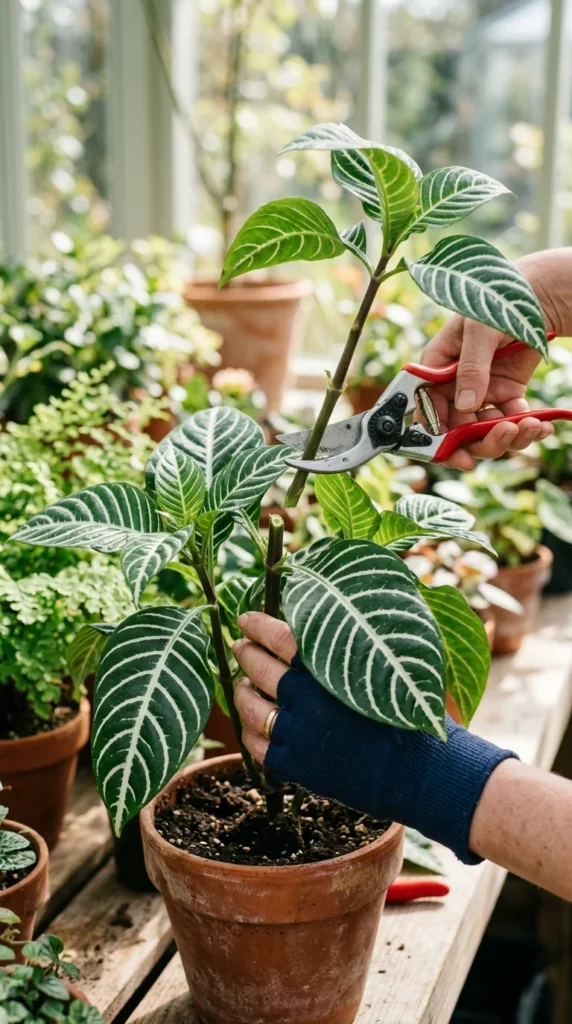
Zebra Plants have a tendency to become “leggy” or tall and thin over time. To maintain a compact, bushy appearance, don’t be afraid to prune. Once the yellow flower bract has faded and died, cut the stem back to the next set of leaves. This encourages the plant to branch out rather than just growing straight up, resulting in a much fuller silhouette.
8. Pot Selection
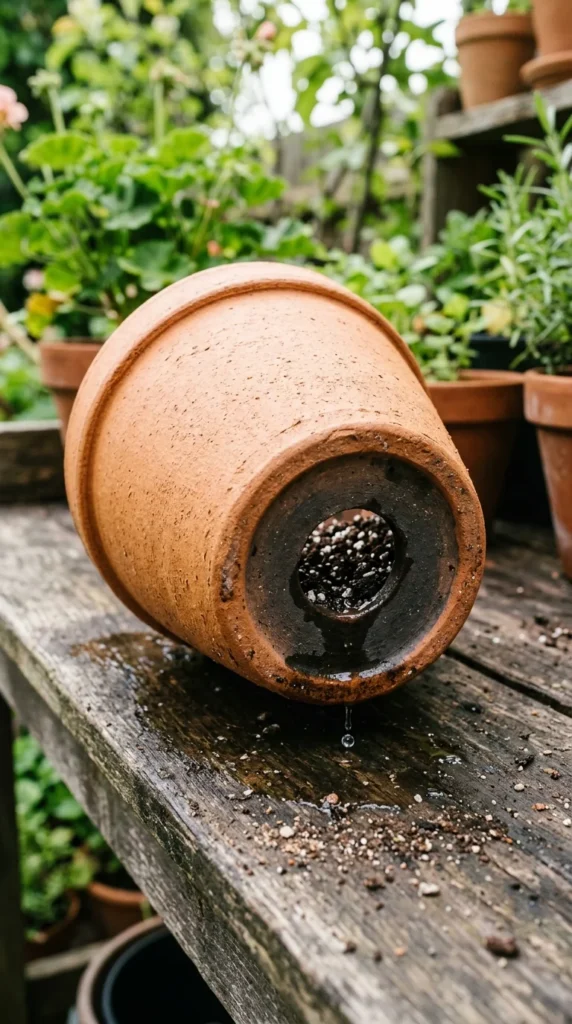
The type of container you choose matters. While terracotta is beautiful, it can wick moisture away too quickly for a plant that loves humidity. A glazed ceramic or plastic pot is often a better choice for maintaining soil moisture. Most importantly, whatever pot you choose must have drainage holes. Standing water is the fastest way to kill a Zebra Plant via root rot.
9. Regular Dusting
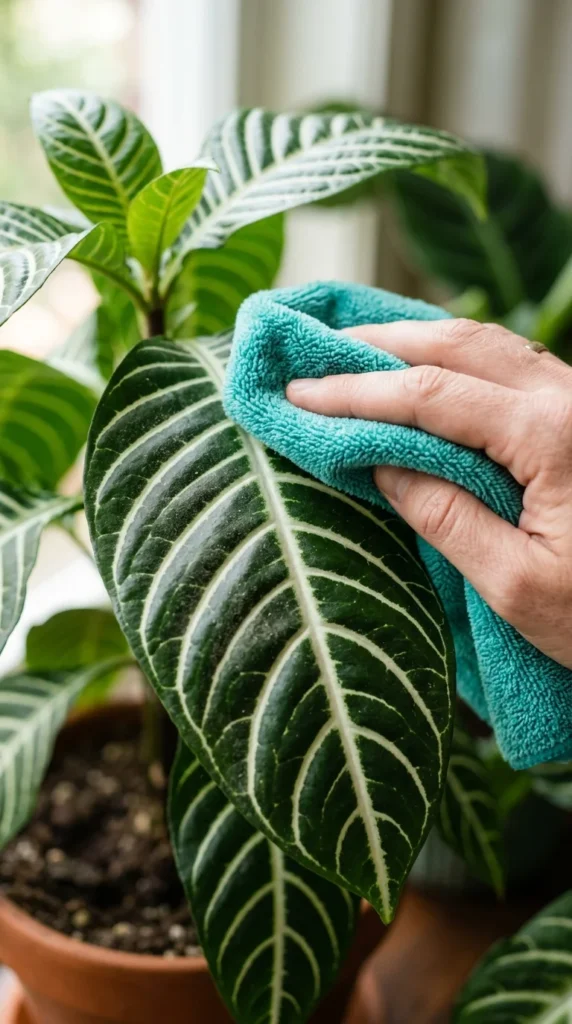
Because the leaves of the Zebra Plant are so wide and waxy, they act as a magnet for household dust. This dust can block the stomata (the plant’s pores), making it harder for the plant to photosynthesize and breathe. Once every two weeks, gently wipe the leaves with a damp cloth. Not only does this keep the plant healthy, but it also makes the striking white veins “pop” against the dark green background.
10. Seasonal Dormancy
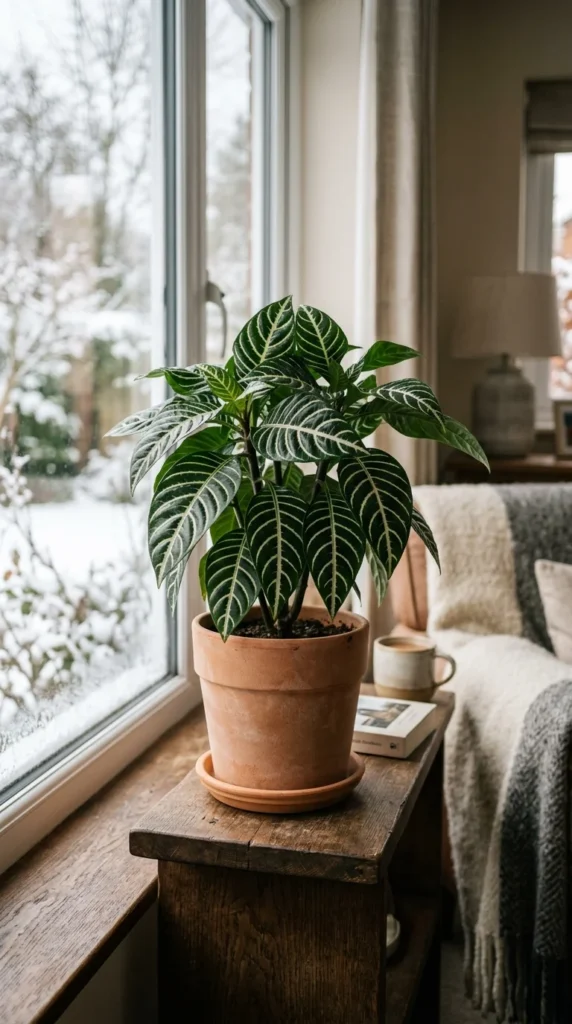
In the winter, the Zebra Plant naturally slows down. It won’t grow much, and its water requirements will drop significantly. It is vital to respect this period. Do not force growth with fertilizer or overwater during this time. Keep the plant in its usual warm spot but allow the soil to dry out slightly more than you would in the summer. This rest period is essential for the plant to have enough energy to bloom again next year.
11. Pest Management
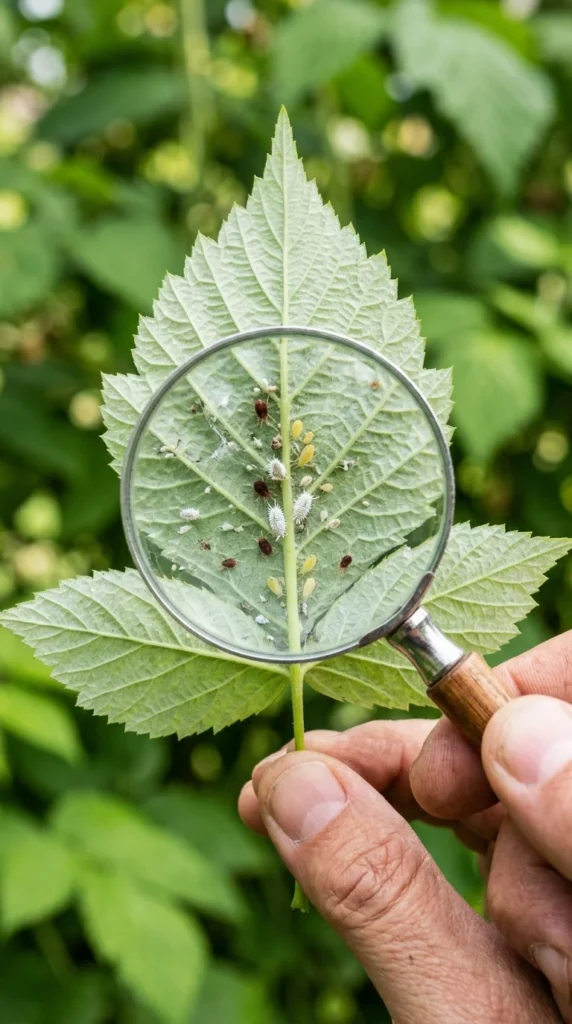
Aphids, mealybugs, and spider mites love the lush leaves of the Zebra Plant. High humidity usually keeps spider mites at bay, but if the air gets too dry, they will move in quickly. Check the undersides of the leaves and the junctions where the leaves meet the stem regularly. If you spot any pests, treat the plant immediately with neem oil or insecticidal soap to prevent an infestation from taking hold.
12. Proper Repotting
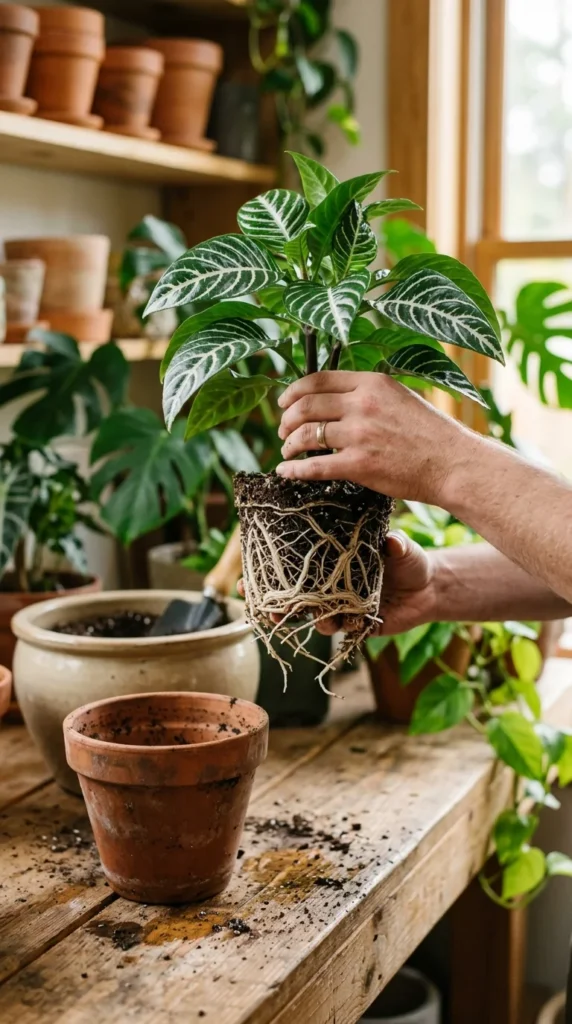
Zebra Plants don’t like to be disturbed frequently, so repotting should only happen every 2-3 years, or when the roots begin to grow out of the drainage holes. When you do repot, choose a container only 1-2 inches larger than the current one. Use fresh potting mix and try to disturb the root ball as little as possible to avoid transplant shock.
13. Flowering Care
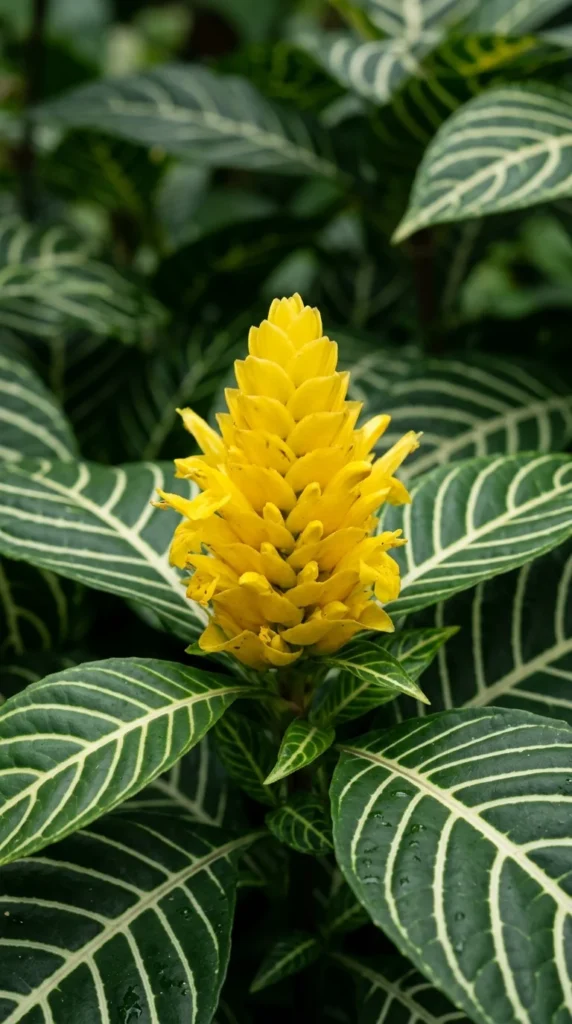
The yellow “flower” of the Zebra Plant is actually a bract, and it can last for several months. To encourage blooming, ensure the plant gets plenty of light and consistent fertilizer during the spring. Once the bract starts to turn brown and shrivel, it’s time to snip it off at the base. Removing the spent bloom redirects the plant’s energy back into leaf production.
14. Strategic Placement
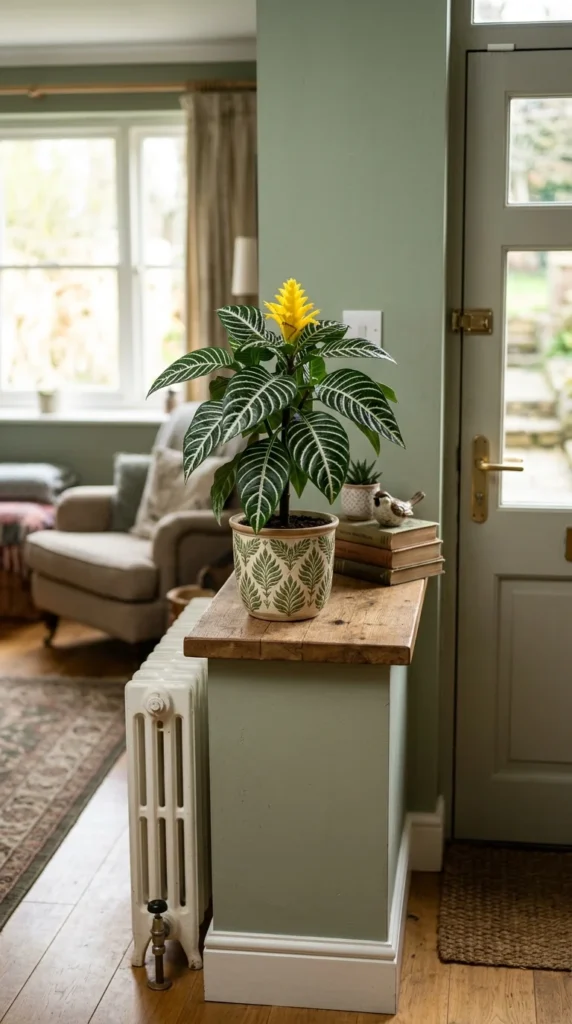
Where you put your plant is just as important as how you water it. Avoid placing your Zebra Plant near “stress zones.” This includes directly in front of an air conditioner, near a radiator, or in a high-traffic hallway where people might frequently brush against the leaves. Stable environments lead to stable growth.
15. Water Quality
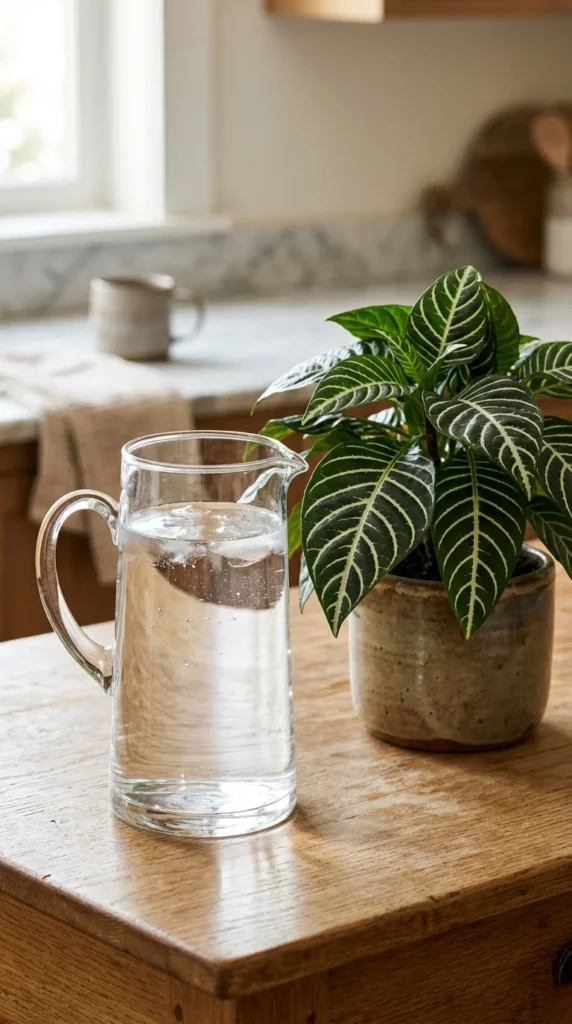
If you live in an area with hard water or high chlorine levels, your Zebra Plant might struggle. These minerals can build up in the soil and cause the leaf tips to brown. If possible, use filtered water, rainwater, or allow tap water to sit out overnight before using it. This allows the chlorine to dissipate and the water to reach room temperature, which prevents shocking the roots.
16. Propagation Methods
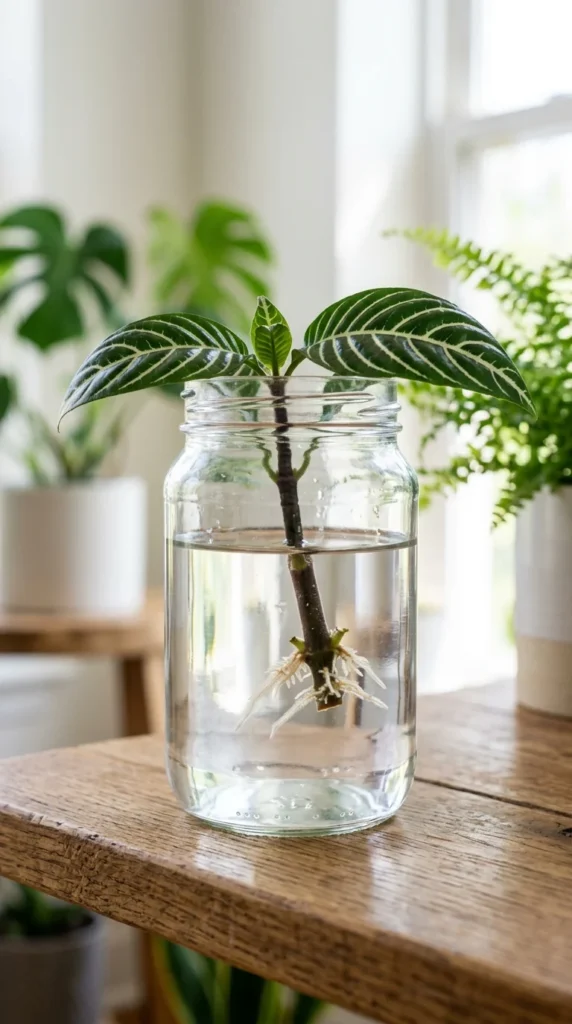
If your Zebra Plant is getting too tall, use the trimmings to start new plants! Stem cuttings are the most effective way to propagate. Take a 4-6 inch cutting from a healthy stem, remove the lower leaves, and place it in either water or a moist rooting medium. Use a rooting hormone for better results and keep the cutting in a very warm, humid environment until roots are established. Soon, you’ll have a whole family of Zebras!